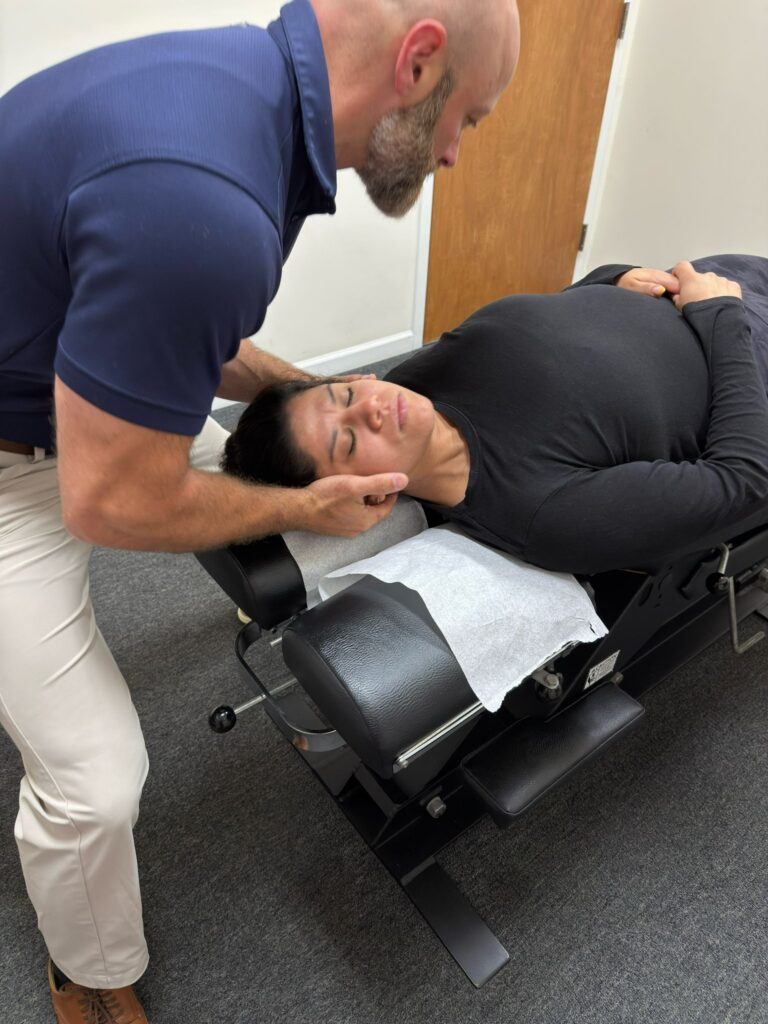

If you’re tired of temporary solutions for your headaches that merely mask the discomfort, it’s time to consider a holistic approach centered around chiropractic care. Instead of just treating the symptoms, chiropractic techniques focus on identifying and addressing the root causes of your headaches. This not only provides lasting relief but also enhances your overall well-being.
Chiropractic care can play a crucial role in your journey to better health. By realigning the spine and improving nervous system function, you can experience a significant reduction in headache frequency and intensity. Additionally, incorporating stress management techniques—such as mindfulness, relaxation exercises, and proper hydration—can further support your healing process.
Here are some helpful tips to manage headaches naturally:
- Stay Hydrated: Dehydration can lead to headaches, so drink plenty of water throughout the day.
- Maintain Good Posture: Poor posture can strain your neck and back, contributing to headache pain. Be mindful of your posture when sitting or standing.
- Practice Stress Reduction: Engage in activities that relieve stress, such as yoga, meditation, or deep-breathing exercises.
- Get Regular Chiropractic Adjustments: Regular visits to your chiropractor can help maintain spinal health and prevent headaches from recurring.
- Monitor Your Diet: Certain foods can trigger headaches for some people. Keep a food diary to identify and eliminate potential triggers.
If you’re curious about how chiropractic care can specifically help you manage headaches effectively, let’s discuss the possibilities together. Your path to relief and optimal health starts here!
Key Takeaways
Transform Your Headache Relief With Holistic Care
As a local chiropractor, I understand the frustration that comes with frequent headaches. My goal is to help you find natural relief and achieve optimal health through chiropractic care.
Chiropractic care is designed to address the root causes of headaches by focusing on spinal alignment and optimizing your nervous system. When your spine is in proper alignment, it can significantly reduce headache frequency and intensity.
To help you on your journey to wellness, I create personalized treatment plans that take your unique lifestyle into account. We assess potential headache triggers and develop tailored chiropractic adjustments that fit your specific needs. This comprehensive approach not only targets your headaches but also promotes better overall health.
In addition to chiropractic adjustments, I recommend incorporating mindfulness practices and stress management techniques into your daily routine. Simple activities like deep breathing, meditation, and gentle stretching can help reduce muscle tension and enhance your well-being.
Nutrition is another key factor in managing headaches. Staying well-hydrated and including magnesium-rich foods in your diet—such as leafy greens, nuts, and seeds—can make a significant difference in preventing headaches and reducing their occurrence.
For those moments when you need a little extra relief, consider using essential oils. Peppermint and lavender are great options that can promote relaxation and alleviate tension. You can enjoy their benefits by inhaling them or applying them topically (just be sure to dilute them with a carrier oil).
By choosing chiropractic care, you’re taking a proactive step toward natural headache relief and overall wellness. Remember, you don’t have to live with headaches—let’s work together to create a healthier, pain-free life!
Understanding the Different Types of Headaches
What types of headaches are you experiencing? Understanding the type can guide you toward effective relief, and as a chiropractor, I believe in natural healing methods that focus on wellness.
Tension headaches are the most common type and are often linked to stress or muscle tension. They can feel like a tight band around your head and range from mild to moderate in intensity. Incorporating regular chiropractic adjustments can help relieve muscle tension and improve overall spinal health, which may alleviate these headaches over time.
Migraines are a different beast; they’re more severe and can come with symptoms like nausea, light sensitivity, or even aura. While they may last for hours or days, chiropractic care can assist in reducing the frequency and intensity of migraines by addressing any underlying spinal issues that may contribute to these painful episodes.
Cluster headaches, though less common, are known for their excruciating pain and cyclical patterns, often causing awakening from sleep. Chiropractic care may help reduce the frequency of these headaches by promoting better spinal alignment and overall health.
Sinus headaches arise from sinus infections or inflammation, leading to pressure around the forehead, cheeks, and eyes. Chiropractic adjustments can help improve sinus drainage and reduce inflammation, providing a natural way to combat this discomfort.
Remember, each type of headache requires a unique approach for relief, and pinpointing your headache’s nature is essential. Regular chiropractic care not only addresses the immediate discomfort but also promotes long-term wellness by enhancing spinal health and reducing tension.
Incorporating some general tips into your routine can also be beneficial: stay hydrated, practice stress-reducing techniques like yoga or meditation, and ensure you maintain good posture throughout your day.
The Principles of Holistic Care
When exploring holistic care, it’s important to understand how the mind-body connection plays a crucial role in your overall well-being. As a local chiropractor, I believe that this approach can significantly enhance your health by focusing on personalized treatment plans that cater to your unique needs.
Chiropractic care is a natural and effective way to address pain and promote wellness without the use of medications or surgeries. Integrative therapies, including chiropractic adjustments, can alleviate headaches, reduce tension, and improve your quality of life.
By addressing the root causes of discomfort through spinal care, you not only find relief but also support your body’s natural healing processes.
Here are some general tips to enhance your well-being:
- Stay Active: Regular movement is essential. Simple activities like walking, stretching, or yoga can keep your spine healthy and reduce stress.
- Posture Awareness: Pay attention to your posture, especially when sitting for long periods. Good posture helps prevent spinal issues and promotes better health.
- Stay Hydrated: Drinking plenty of water supports overall health and can help reduce headaches.
- Mindfulness and Relaxation: Incorporating mindfulness practices, such as deep breathing or meditation, can enhance the mind-body connection and help manage stress.
- Regular Chiropractic Visits: Consistent chiropractic care can help maintain spinal health, improve mobility, and support your overall wellness journey.
Mind-Body Connection
Understanding the mind-body connection is crucial for achieving optimal health, especially when it comes to chiropractic care. Your mental and emotional states can significantly influence your physical well-being. For instance, when you’re feeling stressed or anxious, it’s common to experience increased muscle tension, which can lead to discomfort and headaches. By recognizing this important link, you can take proactive steps to manage your emotional health, ultimately supporting your physical wellness.
Chiropractic care is an excellent way to address both physical and emotional well-being. Regular chiropractic adjustments can help relieve tension in your body, reducing headaches and improving overall comfort.
Moreover, incorporating techniques such as mindfulness, meditation, and deep breathing can complement your chiropractic treatments. These practices can help you release stress and promote relaxation, enhancing the benefits of your chiropractic care.
Additionally, engaging in activities that bring you joy—whether it’s spending time outdoors, practicing a hobby, or connecting with loved ones—can significantly uplift your mood and contribute to your physical health. Remember, taking care of your mind can lead to a healthier body.
By understanding and nurturing the mind-body connection, you empower yourself to take charge of your headache relief journey and overall wellness. With the support of chiropractic care, you can foster a more balanced and healthier life.
If you’re seeking a natural and effective way to alleviate pain and promote wellness, consider scheduling a visit with your chiropractor today.
Personalized Treatment Approach
To truly benefit from holistic care, it’s essential to adopt a personalized treatment approach that takes your unique needs and circumstances into account. This involves a thorough assessment of your lifestyle, emotional health, and physical symptoms.
As your local chiropractor, I’ll work closely with you to identify what triggers your headaches and how they impact your daily life. By understanding your individual experiences, we can create a tailored plan that incorporates chiropractic adjustments, which can help realign your spine and improve overall function.
Additionally, we can explore techniques such as proper nutrition, stress management, and mindfulness practices to address the root causes of your discomfort. Instead of relying on one-size-fits-all solutions, this customized strategy allows us to find what truly resonates with you.
Embracing this personalized approach empowers you to take charge of your health and fosters a deeper connection to your well-being. Incorporating regular chiropractic care into your routine can help maintain spinal health, alleviate pain, and promote natural wellness.
Remember, small changes in your daily habits, like maintaining good posture, staying active, and practicing relaxation techniques, can greatly enhance your overall health and reduce the frequency of headaches.
Let’s work together to pave your path to optimal health through natural healing and chiropractic care!
Integrative Therapies Overview
Holistic care focuses on integrative therapies that consider the entire individual—body, mind, and spirit—rather than just alleviating symptoms.
By incorporating a variety of approaches, you can’t only find relief from headaches but also enhance your overall well-being.
As a chiropractor, I believe that chiropractic care is one of the most effective methods for achieving optimal health.
Here are some valuable integrative therapies to consider, alongside the benefits of chiropractic care:
- Chiropractic Adjustments: Regular spinal adjustments can help alleviate tension in your neck and back, which are common contributors to headaches. By aligning the spine, you can improve your body’s function and reduce headache frequency.
- Massage Therapy: While chiropractic care focuses on the spine, massage therapy complements it by relieving muscle tension and promoting relaxation. This combination can effectively reduce the intensity and frequency of headaches.
- Herbal Remedies: Natural supplements like butterbur or feverfew can support your body’s healing processes. However, always consult with your chiropractor before adding any new supplements to your routine.
- Mindfulness and Meditation: Stress is a major trigger for headaches. Incorporating mindfulness practices and meditation into your daily routine can help you manage stress better and promote mental clarity, leading to fewer headaches.
- Posture Awareness: Maintaining good posture is crucial in preventing headaches. Be mindful of your posture when sitting or standing, as improper alignment can strain your neck and shoulders, leading to tension headaches.
By integrating these therapies into your lifestyle, alongside regular chiropractic care, you can significantly improve your approach to headache management and overall wellness.
Acupuncture: A Natural Approach to Pain Relief
While many seek conventional treatments for headaches, chiropractic care offers a powerful natural alternative that addresses pain at its source. This holistic approach focuses on aligning the spine and optimizing the nervous system, which can significantly reduce headache frequency and intensity.
By utilizing gentle adjustments, chiropractors help improve spinal function and restore balance, promoting better overall health. Many patients report feeling more relaxed and rejuvenated after a chiropractic session. This is because chiropractic care not only alleviates pain but also helps manage stress, a common headache trigger.
Each adjustment is personalized; your chiropractor will take into account your specific symptoms and overall health to provide the best care possible. Incorporating chiropractic care into your wellness routine could empower you to take charge of your headache management.
If you’re seeking a holistic solution that enhances your current lifestyle, consider scheduling regular chiropractic visits. You might find it to be an effective and revitalizing way to reclaim your well-being and enjoy life without the burden of headaches.
Additionally, here are some general tips to help manage headaches naturally:
- Stay Hydrated: Dehydration can trigger headaches, so make sure to drink plenty of water throughout the day.
- Maintain Good Posture: Proper posture can help reduce tension in your neck and back, potentially alleviating headache pain.
- Practice Relaxation Techniques: Techniques such as deep breathing, meditation, or yoga can help reduce stress levels, which may help prevent headaches.
- Get Regular Exercise: Regular physical activity can improve blood flow and reduce muscle tension, leading to fewer headaches.
- Monitor Your Diet: Certain foods can trigger headaches for some people, so keeping a food diary may help you identify and avoid these triggers.
Herbal Remedies for Headache Relief
When it comes to finding relief from headaches, chiropractic care can be a powerful ally in your journey towards wellness. While herbal remedies have their place, understanding how your spine and nervous system function plays a crucial role in alleviating headache discomfort.
As a chiropractor, I want to share effective strategies that can complement your overall health and well-being.
Headaches often stem from tension in the neck and shoulders, misalignment in the spine, or stress. Chiropractic adjustments can help restore proper alignment, reduce muscle tension, and improve blood flow, which may alleviate headache symptoms.
Regular chiropractic care not only targets the source of your pain but also promotes natural healing.
In addition to chiropractic adjustments, consider incorporating some simple lifestyle practices to further support your health. Stay hydrated, as dehydration can often trigger headaches.
Maintain good posture, especially if you spend long hours at a desk, to reduce strain on your muscles. Regular exercise, such as stretching or yoga, can also help keep your spine and muscles healthy.
While herbal remedies like peppermint or ginger may provide some relief, remember that the foundation of optimal health lies in a well-functioning spine.
Effective Herbal Ingredients
As a local chiropractor, I understand that many people seek natural ways to alleviate headaches without relying on over-the-counter medications that can have unwanted side effects.
While chiropractic care is the best choice for addressing the underlying causes of headaches, incorporating certain herbal remedies can complement your wellness routine. Here are four effective herbal ingredients to consider for headache relief:
- Peppermint: This herb is well-known for its refreshing aroma and cooling effect. Using peppermint oil can help promote blood flow and ease muscle tension, which is often a contributing factor to headaches. You can apply diluted peppermint oil to your temples for a soothing effect.
- Ginger: Ginger is recognized for its anti-inflammatory properties and can be particularly helpful if you experience nausea alongside headaches. It may reduce the intensity and frequency of migraines. Consider sipping on ginger tea or incorporating fresh ginger into your meals to harness its benefits.
- Feverfew: Traditionally used for migraine prevention, feverfew works by reducing inflammation. While it’s important to consult with your chiropractor before adding new supplements to your routine, feverfew may be a natural option to consider for headache management.
- Lavender: This calming herb is known for its ability to reduce stress, which can be a major headache trigger. You might benefit from using lavender essential oil in a diffuser or applying it to your pulse points to promote relaxation and alleviate headache symptoms.
Remember, while these herbs can provide additional support, it’s essential to focus on maintaining proper spinal health through regular chiropractic adjustments.
A well-aligned spine can significantly reduce the frequency and severity of headaches by addressing nerve function and muscle tension.
Incorporating these herbal remedies alongside chiropractic care can help you achieve optimal health and wellness.
Always consult with your chiropractor for personalized recommendations tailored to your specific needs and to explore how chiropractic adjustments can be the most effective way to find relief from headaches.
Preparation Methods Explained
To effectively harness the benefits of herbal remedies for headache relief, it’s important to understand the various preparation methods. These techniques can help you make the most of the herbs you choose, complementing your chiropractic care for a holistic approach to wellness.
| Preparation Method | Description | Benefits |
|---|---|---|
| Tea | Steep herbs in hot water. | This method is quick to prepare and soothing, making it an easy addition to your daily routine. A warm cup of herbal tea can be a relaxing ritual that supports your overall wellness. |
| Tincture | Extract herbs in alcohol. | Tinctures are highly concentrated, allowing you to utilize the potent properties of the herbs with just a few drops. They also have a longer shelf life, making them convenient for ongoing use. |
| Poultice | Crush herbs and apply topically. | A poultice targets specific areas of discomfort, providing immediate relief. This method can be particularly beneficial for localized pain, working in harmony with the adjustments you receive from chiropractic care. |
Mindfulness and Meditation Techniques
Headaches can be a significant source of discomfort, but incorporating mindfulness and meditation techniques into your daily routine can help manage and alleviate symptoms.
While chiropractic care is an excellent way to address the root causes of headaches through spinal alignment and overall wellness, adding mindfulness practices can further enhance your journey to health.
Here are four simple techniques you can try to complement your chiropractic care:
- Deep Breathing: Start by taking slow, deep breaths—inhale deeply through your nose and exhale gently through your mouth. This technique not only helps calm your nervous system but also encourages better oxygen flow, which is essential for overall wellness.
- Body Scan: Lie down in a comfortable position and mentally check in with your body from head to toe. Notice any areas of tension and consciously relax those muscles. This practice promotes awareness of your body and can help you identify areas that may benefit from chiropractic adjustments.
- Guided Imagery: Visualize a calming scene, such as a serene beach or a tranquil forest. Allow this peaceful imagery to distract you from your headache and promote relaxation. This technique can also help reduce stress, which is important for maintaining a healthy spine.
- Mindfulness Meditation: Find a quiet space to sit comfortably and focus on your thoughts without judgment. Acknowledge them, then gently bring your attention back to your breath. Mindfulness can help you manage stress, which is often a contributing factor to headaches.
Remember, chiropractic care is a powerful tool for achieving optimal health and relieving pain.
By integrating these mindfulness techniques into your routine, you can support your body’s natural healing processes and promote a healthier, more balanced lifestyle.
Always consult with your chiropractor about the best strategies for your individual needs!
The Role of Nutrition in Preventing Headaches
When it comes to preventing headaches, nutrition is a key player in achieving optimal wellness. A well-balanced diet not only supports your overall health but can also significantly affect how frequently and intensely you experience headaches. One of the simplest yet most important steps is to stay hydrated—dehydration is a common headache trigger, so make it a habit to drink plenty of water throughout your day.
Incorporate foods that are rich in magnesium, such as spinach, nuts, and whole grains, as these nutrients can help reduce the frequency of headaches. Additionally, consider adding omega-3 fatty acids found in fish, flaxseeds, and walnuts to your meals, as they may offer relief from headache symptoms.
It’s also wise to steer clear of processed foods, excessive caffeine, and artificial sweeteners, as these can trigger headaches in some individuals. Consistency in your meal routines is crucial; skipping meals can lead to low blood sugar, which is another headache trigger.
To better understand how your diet affects you, consider keeping a food diary. This can help you identify any specific food sensitivities that might contribute to your headaches.
As a chiropractor, I emphasize the importance of holistic approaches to health. Nutrition plays a vital role, but don’t forget the benefits of regular chiropractic care. Aligning your spine not only helps with pain relief but can also improve your overall bodily functions, including how your body deals with stress and tension—common headache contributors.
By paying attention to what you eat and incorporating chiropractic care into your wellness routine, you can take significant steps toward preventing headaches and promoting a healthier, more vibrant life.
Essential Oils: Aromatherapy for Headaches
When headaches strike, finding relief is essential for your overall well-being. While many people turn to medications for quick fixes, I want to share how chiropractic care can be a natural and effective way to address the underlying causes of headaches. Additionally, incorporating essential oils into your wellness routine can enhance your relief and promote relaxation.
Chiropractic care focuses on the alignment of the spine and the nervous system, which is crucial for overall health. Misalignments can lead to tension and discomfort, often resulting in headaches. By receiving regular adjustments from a chiropractor, you can help restore balance and alleviate pain, empowering your body to heal naturally.
In addition to chiropractic care, certain essential oils can provide soothing relief when headaches occur. Here are a few oils known for their calming properties:
- Peppermint Oil: Known for its cooling sensation, peppermint oil can help relieve tension headaches. Try diluting it with a carrier oil and applying it to your temples.
- Lavender Oil: With its relaxing scent, lavender oil can help reduce stress and promote a sense of calm. Consider using a diffuser or adding a few drops to your pillow at night.
- Eucalyptus Oil: This oil is great for relieving sinus pressure that can lead to headaches. You can inhale its aroma directly or add it to a warm compress.
To maximize the benefits of essential oils, consider these application techniques:
- Inhalation: Take a few deep breaths of your chosen essential oil for quick relief.
- Topical Application: Mix essential oils with a carrier oil and gently massage onto areas of tension.
- Diffusion: Use a diffuser to disperse the oil in your living space, creating a calming environment.
Remember, while essential oils can complement your wellness routine, they work best alongside regular chiropractic care. By prioritizing your spinal health, you can reduce the frequency and intensity of headaches, allowing you to enjoy a more vibrant life.
Always consult with your chiropractor for personalized advice and treatment plans tailored to your specific needs. Embrace the journey towards natural healing and healthier living!
Top Essential Oils
Essential oils can serve as a complementary approach to managing headaches, but it’s important to remember that chiropractic care is your best ally in achieving optimal health and wellness.
While essential oils offer natural solutions, they work best in conjunction with the holistic benefits of chiropractic adjustments, which can address the underlying causes of headaches.
Here are four essential oils that may help ease headache discomfort, but always consider consulting with your chiropractor for personalized advice:
- Peppermint: This oil is famous for its cooling effect. When applied topically, it can help relieve tension headaches, especially when combined with a chiropractic adjustment that targets neck and shoulder tension.
- Lavender: Known for its calming properties, lavender can help you relax and alleviate stress-related headaches. Incorporating relaxation techniques recommended by your chiropractor, such as deep breathing or gentle stretches, can enhance its effects.
- Eucalyptus: Its invigorating scent can aid in clearing sinuses, which may contribute to headaches. Alongside chiropractic care, maintaining proper spinal alignment can promote better respiratory function and overall well-being.
- Rosemary: This oil is known to stimulate circulation and enhance mental clarity, potentially reducing headache symptoms. However, remember that a well-aligned spine can significantly improve blood flow and brain function, leading to fewer headaches.
Incorporating these essential oils into your self-care routine can create a soothing atmosphere.
However, for long-term relief and better overall health, consider making regular chiropractic visits a part of your wellness plan. Chiropractic care not only addresses headaches but also promotes a healthier lifestyle, helping you tackle pain more effectively and enjoy life to the fullest.
Application Techniques
To effectively harness the benefits of essential oils for headache relief, it’s important to explore various application techniques that can complement your overall wellness journey, including chiropractic care. While essential oils can provide temporary relief, addressing the root cause of your headaches through spinal health is crucial for long-term well-being.
Start with inhaling the aroma directly from the bottle or using a diffuser to fill your space with calming scents, which may help ease tension. For topical application, dilute a few drops of your chosen essential oil—such as peppermint or lavender—in a carrier oil, then gently massage it into your temples, neck, or wrists. This can be a soothing addition to regular chiropractic adjustments that focus on alleviating tension in the neck and spine.
You can also create a soothing compress by adding essential oils to a bowl of warm water, soaking a cloth, and placing it on your forehead. This technique can enhance relaxation, but remember that consistent chiropractic care is key in addressing any underlying spinal issues that may be contributing to your headaches.
Always perform a patch test before applying oils directly to your skin to avoid irritation. While essential oils can provide temporary relief, integrating chiropractic care into your wellness routine is the best choice for achieving optimal health and managing pain naturally.
Focus on maintaining a healthy lifestyle through regular adjustments, proper posture, and stress management techniques to support your overall well-being. Enjoy the relief and embrace a balanced approach to health!
Stress Management Strategies
Stress is often an unseen factor that can contribute to headaches, but incorporating effective stress management strategies can significantly ease this discomfort. As a chiropractor, I believe in the power of natural healing and holistic wellness. Here are four practical strategies you can adopt to manage stress and support your overall health:
- Mindful Breathing: Spend a few minutes each day focusing on your breath. Inhale deeply through your nose, hold for a moment, and then exhale slowly through your mouth. This simple practice can help calm your mind, reduce tension in your body, and even enhance spinal health by promoting relaxation.
- Physical Activity: Regular exercise isn’t only beneficial for your mood but also releases endorphins—your body’s natural pain relievers. Aim for at least 30 minutes of moderate activity most days. Activities like walking, yoga, or stretching can also improve your spinal alignment and support a healthier body overall.
- Time Management: Organize your tasks and break them down into smaller, more manageable segments. This approach can help ease feelings of overwhelm and keep your stress levels in check. A well-structured day can also prevent unnecessary strain on your body and spine, contributing to better overall health.
- Social Support: Connecting with friends or family can be incredibly beneficial. Sharing your feelings and experiences can lighten your emotional load and provide fresh perspectives on your stressors. Strong social connections can also promote a healthier lifestyle and improve your overall well-being.
By integrating these strategies into your daily routine, you can manage stress more effectively and support your journey toward optimal health.
The Importance of Hydration
Managing stress is crucial for your overall well-being, but one essential factor you shouldn’t overlook is hydration. Staying properly hydrated is vital for maintaining optimal brain function and can even help reduce headache triggers. When you’re dehydrated, your body may experience fatigue, dizziness, and tension, which can lead to discomfort in your spine and surrounding muscles.
Throughout the day, you naturally lose fluids, especially when you’re exercising or spending time in hot weather. It’s important to make drinking water a regular part of your routine—aim for at least eight 8-ounce glasses daily. Remember, thirst is your body’s way of signaling that it needs more fluids, so listen to it!
In addition to drinking water, you can enhance your hydration by incorporating hydrating foods into your diet, such as fruits and vegetables. If plain water feels dull to you, try infusing it with citrus slices or fresh herbs to make it more enjoyable.
As a chiropractor, I can tell you that staying well-hydrated not only supports your overall health but also complements your chiropractic care. Proper hydration helps maintain the health of your spinal discs and tissues, which is essential for preventing pain and promoting recovery.
Creating a Personalized Holistic Care Plan
Creating a personalized holistic care plan can significantly enhance your journey toward optimal health and well-being, particularly through the lens of chiropractic care. By considering various aspects of your life, you’ll create a strategy that not only addresses your specific needs but also promotes overall wellness.
Here are four key steps to help you get started:
- Assess Your Symptoms: Keep a detailed diary of your headaches or any discomfort you experience, noting their frequency, intensity, and potential triggers. This information is crucial for understanding your body’s patterns and will help your chiropractor tailor a plan specifically for you.
- Explore Chiropractic Care: Investigate the benefits of chiropractic adjustments, which can relieve pain, improve mobility, and enhance your body’s natural healing abilities. Regular chiropractic visits can help maintain spinal alignment and overall health, allowing your body to function optimally.
- Nutritional Choices: Pay attention to how certain foods affect your body. Some foods may contribute to headaches or discomfort, while others can support a healthy spine and reduce inflammation. Incorporate plenty of fruits, vegetables, and whole grains into your diet to promote healing and wellness.
- Mindfulness Practices: Integrate simple mindfulness techniques, such as meditation or deep-breathing exercises, into your daily routine. These practices can significantly reduce stress and tension, aiding in pain relief and enhancing your overall chiropractic results.
By focusing on these steps and incorporating chiropractic care into your holistic plan, you’ll be taking important strides toward a healthier and more balanced life.
Conclusion
Transform Your Headache Relief with Chiropractic Care
Are you tired of dealing with headaches? By embracing chiropractic care, you can transform your approach to headache relief in a natural and effective way. Understanding the root causes of your discomfort is key to finding personalized strategies that truly work for you.
Chiropractic adjustments focus on realigning the spine and improving your overall nervous system function. This can help relieve tension and reduce the frequency and intensity of headaches. In addition to adjustments, incorporating mindfulness practices can help you manage stress, which is often a significant trigger for headaches. Techniques like deep breathing, meditation, and gentle stretching can be beneficial.
Consider exploring herbal remedies, such as peppermint oil or ginger tea, which have been known to soothe headache symptoms naturally. Staying hydrated and maintaining a balanced diet rich in nutrients is also essential for overall wellness and can help reduce headache occurrences.
Don’t just mask the pain with temporary solutions—empower yourself with chiropractic care and natural methods that promote long-lasting relief and overall well-being. Start your journey toward a healthier lifestyle today, and discover the relief you’ve been seeking with chiropractic care. Remember, taking proactive steps to care for your spine and overall health can lead to a happier, headache-free life!