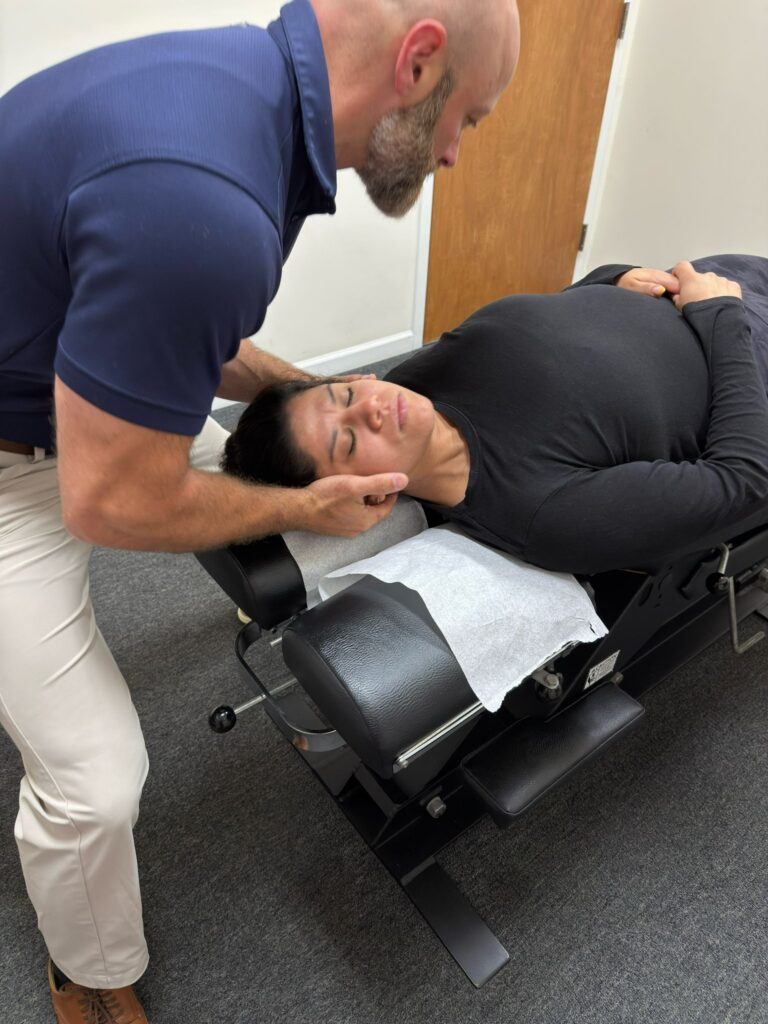

If you’re experiencing tension headaches, you understand how they can impact your daily life. Finding effective ways to manage your discomfort is essential, and one of the best options available is chiropractic care. By aligning your spine and improving your overall posture, chiropractic adjustments can help alleviate the tension that often leads to headaches.
In addition to chiropractic adjustments, there are several lifestyle changes you can incorporate to further support your wellness. Here are some tips to consider:
- Stay Hydrated: Dehydration can contribute to headaches, so make sure you’re drinking plenty of water throughout the day.
- Practice Good Posture: Pay attention to your posture, especially if you spend long hours at a desk. Keeping your spine aligned can help reduce the strain on your muscles.
- Manage Stress: Stress is a common trigger for tension headaches. Consider incorporating relaxation techniques such as deep breathing exercises, meditation, or yoga into your routine.
- Regular Exercise: Engaging in regular physical activity can help reduce stress and improve circulation, both of which are beneficial for headache prevention.
- Sleep Well: Ensure that you are getting enough restful sleep each night. A consistent sleep schedule can greatly improve your overall health and reduce headache occurrences.
- Limit Caffeine and Alcohol: These substances can sometimes contribute to headaches, so it may be helpful to monitor your intake.
By focusing on these natural approaches, you can create a supportive environment for your body to heal. Chiropractic care, combined with these healthy lifestyle choices, offers a powerful way to manage tension headaches and promote overall wellness. If you’re looking for a holistic solution to your pain, consider visiting a chiropractor to discuss how spinal health can play a crucial role in your journey to feeling better.
Key Takeaways
- Chiropractic Care: Regular chiropractic adjustments not only help with relieving tension but also promote proper spinal alignment. This approach addresses the root causes of tension headaches, leading to long-lasting relief and improved overall health.
- Physical Therapy: Incorporating stretches and strengthening exercises into your routine can significantly enhance your posture and reduce muscle tightness. These changes can play a crucial role in alleviating headache pain, and can often be guided by your chiropractor for maximum benefit.
- Hydration: Keeping hydrated is vital for overall health and can help prevent headaches linked to dehydration. Ensure you’re drinking enough water throughout the day as part of your daily wellness routine.
- Stress Management: Adopting simple stress-reducing techniques, like mindfulness practices, deep breathing exercises, or even journaling, can be very effective in minimizing stress—the common trigger for tension headaches. Your chiropractor can provide additional strategies tailored to your needs.
By focusing on these natural and holistic approaches, particularly through chiropractic care, you can take control of your health and work towards a life free from tension headaches. Prioritize your well-being and consider chiropractic as a valuable part of your health journey!
Understanding Tension Headaches
Tension headaches are a common concern for many people, often described as a tight band around your head. Unlike migraines, which may come with nausea or sensitivity to light, tension headaches typically manifest as a dull, aching pain, often coupled with tenderness in the scalp, neck, or shoulders. Common triggers include stress, lack of sleep, and poor posture. Identifying these triggers is essential for managing your discomfort.
These headaches can appear at any time, especially after a long day at work or during stressful moments. As a chiropractor, I believe that understanding the root causes of your tension headaches can lead you to effective relief.
One of the best ways to manage tension headaches is through chiropractic care. Regular chiropractic adjustments can help alleviate tension in the neck and shoulders, promoting better spinal alignment and reducing headache frequency.
In addition to chiropractic care, here are some helpful tips to consider:
- Take Regular Breaks: If you’re sitting for long periods, make sure to take frequent breaks to stretch and move around. This helps reduce muscle tension that can lead to headaches.
- Practice Relaxation Techniques: Techniques such as deep breathing, meditation, or gentle yoga can help manage stress and relax tight muscles.
- Stay Hydrated: Drinking enough water throughout the day is crucial for overall health and can prevent dehydration-related headaches.
- Maintain Good Posture: Be mindful of your posture when sitting or standing. Keeping your spine aligned can help prevent tension build-up in your neck and shoulders.
- Establish a Sleep Routine: Aim for a consistent sleep schedule to ensure you’re getting enough rest. Quality sleep is vital for reducing stress and tension.
By incorporating these habits and seeking chiropractic care, you can take proactive steps towards relieving tension headaches and achieving optimal health.
Over-the-Counter Medications
For many individuals, tension headaches can be a frustrating experience. While some people may reach for over-the-counter (OTC) medications like acetaminophen, ibuprofen, or aspirin for quick relief, it’s important to consider a more holistic approach to health and wellness. Chiropractic care can be an excellent option for addressing the root causes of headaches and promoting overall well-being.
Instead of relying on medications that may only mask the symptoms, chiropractic adjustments can help alleviate tension in the spine and neck, which are often contributors to headache pain. By ensuring that your spine is properly aligned, you can reduce nerve irritation and improve blood flow, which may lead to fewer headaches over time.
In addition to regular chiropractic care, there are several natural strategies you can implement to support your health and reduce the frequency of headaches. Here are a few tips:
- Stay Hydrated: Dehydration can lead to headaches, so make sure you’re drinking plenty of water throughout the day.
- Manage Stress: Incorporate relaxation techniques such as deep breathing, yoga, or meditation into your routine to help manage stress levels.
- Maintain Good Posture: Pay attention to your posture, especially if you spend long hours sitting at a desk. Proper alignment can prevent tension from building up in your neck and shoulders.
- Regular Exercise: Engaging in regular physical activity can help reduce stress and improve circulation, both of which can contribute to fewer headaches.
- Adequate Sleep: Ensure you’re getting enough restful sleep each night, as fatigue can also trigger headaches.
If you find yourself experiencing frequent headaches, it may be time to consult with a chiropractor. They can assess your spine and overall health, providing personalized recommendations for care and lifestyle adjustments that can promote long-term relief and optimal health.
Prescription Medications
When over-the-counter options aren’t enough, it’s important to explore natural alternatives for managing tension headaches. Many individuals find relief through chiropractic care, which focuses on spinal alignment and overall wellness.
By addressing the root causes of tension in the body, chiropractic adjustments can significantly reduce headache frequency and intensity.
In addition to seeking chiropractic treatment, here are some general tips that may help alleviate tension headaches:
- Stay Hydrated: Dehydration can contribute to headaches, so make sure you’re drinking plenty of water throughout the day.
- Practice Good Posture: Poor posture can lead to tension in the neck and shoulders, which can trigger headaches. Be mindful of your posture, especially when sitting for long periods.
- Take Breaks: If you’re working at a desk or using screens for extended periods, take regular breaks to stretch and move around. This can help reduce muscle tension.
- Manage Stress: Techniques such as deep breathing, meditation, or yoga can help manage stress levels, which is a common trigger for tension headaches.
- Get Regular Exercise: Physical activity can improve circulation and reduce tension in the body. Aim for at least 30 minutes of moderate exercise most days of the week.
- Sleep Well: Ensure you’re getting enough restorative sleep, as fatigue can worsen headaches. Establish a regular sleep routine for better quality rest.
Remember, while medications may provide temporary relief, chiropractic care offers a holistic approach that targets the underlying issues contributing to headaches.
Types of Prescription Medications
While over-the-counter options may offer some relief, many individuals find that chiropractic care provides a more holistic and effective approach to managing tension headaches. Chiropractic adjustments focus on aligning the spine, which can help reduce tension in the neck and shoulders, potentially alleviating headache pain at its source.
In addition to spinal adjustments, there are several natural strategies you can incorporate into your routine to support overall wellness and headache relief. Regular stretching and strengthening exercises for your neck and upper back can help ease muscle tightness.
Staying well-hydrated and maintaining a balanced diet rich in nutrients can also play a significant role in reducing headache frequency and intensity.
It’s essential to pay attention to your posture, especially if you spend long hours sitting, as poor posture can contribute to tension headaches. Taking breaks to move around and practice deep breathing can also help relieve stress and tension.
If you’re experiencing frequent headaches, consider consulting with a chiropractor who can assess your situation and create a personalized plan to help you achieve optimal health without the need for medications.
Embracing a natural approach to wellness not only addresses immediate discomfort but also promotes long-term health benefits.
Dosage and Administration Guidelines
Managing tension headaches effectively is vital for your overall wellness, and chiropractic care can play a significant role in that journey. Instead of relying solely on prescription medications, consider exploring natural approaches that address the root causes of your headaches.
Chiropractic adjustments can help relieve tension in the neck and spine, which often contribute to headache discomfort. By maintaining proper spinal alignment, you may reduce the frequency and intensity of your headaches. It’s important to consult with your chiropractor to develop a personalized care plan tailored to your specific needs.
In addition to regular chiropractic visits, here are some simple tips to manage tension headaches naturally:
- Stay Hydrated: Dehydration can trigger headaches, so make sure you’re drinking enough water throughout the day.
- Practice Good Posture: Poor posture can strain your neck and back muscles. Be mindful of how you sit and stand, especially if you work at a desk.
- Manage Stress: Techniques such as deep breathing, meditation, or yoga can help reduce stress and tension, which may alleviate headache symptoms.
- Get Regular Exercise: Physical activity promotes overall health and can help reduce headache frequency. Aim for daily movement, whether it’s a walk, stretching, or a workout.
- Keep a Headache Diary: Tracking when your headaches occur and what may have triggered them can help you and your chiropractor identify patterns and develop effective strategies for prevention.
By focusing on holistic health and natural healing through chiropractic care, you can find relief from tension headaches and enhance your overall wellness.
Always remember, your chiropractor is there to support you in achieving optimal health through safe and effective natural methods.
Potential Side Effects Risks
When it comes to managing tension headaches, many people seek relief through various methods, including chiropractic care. As a chiropractor, I believe that natural approaches, such as spinal adjustments and holistic wellness strategies, can often provide effective relief without the need for medications.
While some may still consider prescription medications, it’s important to understand that they can come with potential side effects. Here are a few reasons why exploring chiropractic care may be a better option for you:
- Drowsiness: Many medications can leave you feeling tired and fatigued, which can interfere with your daily activities. Chiropractic care, on the other hand, focuses on enhancing your body’s natural functions without the grogginess.
- Nausea: Some medications can upset your stomach, causing discomfort. Chiropractic adjustments aim to alleviate tension and promote well-being, allowing you to feel your best without the unpleasant side effects.
- Dependency: Relying on medication for headache relief can lead to a cycle of dependency. Chiropractic care empowers you to take control of your health with techniques that support your body’s innate healing abilities.
- Interactions: Prescription drugs can interact with other medications, potentially causing unexpected issues. With chiropractic care, you can avoid these risks and focus on natural healing strategies tailored to your unique needs.
If you’re experiencing tension headaches, I encourage you to consider chiropractic care as a holistic approach to wellness. Incorporating regular adjustments, practicing stress-reduction techniques, and maintaining a healthy lifestyle can significantly improve your overall health and help prevent headaches from recurring.
Lifestyle Changes
Making simple lifestyle changes can greatly reduce the frequency and intensity of tension headaches, and as a chiropractor, I want to emphasize how important these adjustments are for your overall health and wellness. By nurturing your body naturally, you can alleviate discomfort without relying on medications or invasive procedures.
Start by establishing a consistent sleep schedule. Quality sleep is vital for your body to heal and restore itself, which can help minimize headache occurrences. Aim for 7-9 hours of restorative sleep each night to keep your body and mind rejuvenated.
Staying well-hydrated throughout the day is crucial, as dehydration can be a major headache trigger. Keep a water bottle handy and sip regularly to maintain optimal hydration levels.
Incorporating regular physical activity into your routine is another key factor. Whether it’s a daily walk, yoga, or gentle stretching, movement can enhance circulation and relieve tension in your muscles, which is often a contributing factor to headaches.
Here’s a quick reference table to guide your lifestyle adjustments for better health and headache management:
| Change | Benefit |
|---|---|
| Consistent Sleep | Restores energy and improves focus |
| Hydration | Prevents dehydration headaches |
| Regular Exercise | Boosts mood and reduces stress |
| Balanced Diet | Stabilizes blood sugar levels |
| Posture Awareness | Reduces muscle tension and strain |
Additionally, being mindful of your posture can significantly decrease muscle tension in your neck and shoulders, areas that often contribute to tension headaches. Make a habit of checking in on your posture throughout the day, especially if you’re sitting for long periods.
Implementing these changes into your lifestyle can lead to a significant reduction in tension headaches, allowing you to enjoy life with greater comfort. Remember, chiropractic care can further enhance these benefits by addressing spinal alignment and muscle tension, promoting a natural pathway to optimal health. If you’re struggling with tension headaches, consider visiting your local chiropractor for personalized care that targets the root causes of your discomfort.
Stress Management Techniques
Stress is a significant factor in causing tension headaches, and as a chiropractor, I believe that incorporating effective stress management techniques into your daily routine can greatly enhance your overall well-being.
By actively managing stress, you can’t only reduce the frequency and intensity of your headaches but also improve your spinal health and overall quality of life. Here are some simple techniques to consider:
- Deep Breathing: Spend a few minutes each day practicing deep breathing exercises. Breathe in slowly through your nose, hold for a moment, and then exhale through your mouth. This helps relax your body and can ease tension in your neck and shoulders.
- Mindfulness Meditation: Take time to engage in mindfulness meditation, which involves focusing on the present moment. This practice can help quiet your mind and lower stress levels, contributing to better spinal alignment and health.
- Regular Breaks: If you’re working or studying for extended periods, be sure to take short breaks. Stand up, stretch, or take a brief walk. These breaks not only rejuvenate your mind but also help prevent stiffness in your spine.
- Journaling: Writing down your thoughts and feelings can be a powerful tool for processing emotions and alleviating stress. This practice helps you gain clarity and can support your journey toward natural wellness.
By implementing these stress management techniques into your daily life, you can create a healthier living environment and potentially reduce tension headaches.
Physical Therapy and Exercises
Incorporating chiropractic care along with targeted exercises can significantly boost your ability to manage tension headaches. As a chiropractor, I can help identify any misalignments or tension in your neck, shoulders, and upper back, providing personalized strategies to relieve discomfort naturally.
Regular stretches and strengthening exercises not only promote better posture but also reduce muscle tension—key elements in preventing headaches. You may also find relief through techniques such as myofascial release or specific adjustments, which can ease tightness in certain areas.
Simple exercises like neck stretches and shoulder rolls can be easily integrated into your daily routine and can make a remarkable difference in your overall well-being.
Additionally, incorporating relaxation techniques, such as deep breathing exercises or gentle yoga, can enhance the benefits of chiropractic care. These practices improve flexibility and strength while nurturing a sense of calm, which can help lower the frequency and intensity of headaches.
Remember, consistency is important for achieving long-term relief. By choosing chiropractic care as your primary method for pain relief and natural wellness, you’re taking a proactive step toward a healthier lifestyle.
Together, we can work towards optimal health and well-being, free from the constraints of tension headaches.
Alternative Therapies
When it comes to managing tension headaches, chiropractic care stands out as an effective and natural approach that aligns with your body’s innate healing abilities. While alternative therapies can provide some relief, chiropractic adjustments specifically target the underlying issues contributing to headaches, such as spinal misalignments and muscle tension.
Here are some beneficial strategies, including chiropractic care, that can help you find relief and promote overall wellness:
- Chiropractic Adjustments: Regular visits to a chiropractor can help align your spine, reduce nerve interference, and relieve muscle tension. This not only addresses the root cause of your headaches but also supports your overall health.
- Massage Therapy: Complementing chiropractic care with professional massage can enhance muscle relaxation and improve circulation, providing additional comfort and relief from headache symptoms.
- Yoga and Meditation: Incorporating these practices into your routine can foster relaxation and stress reduction. They help you become more in tune with your body, which can prevent tension build-up that often leads to headaches.
- Hydration and Nutrition: Staying well-hydrated and maintaining a balanced diet can significantly impact your headache frequency. Make sure to drink plenty of water and consume foods rich in vitamins and minerals to support your health.
- Posture Awareness: Being mindful of your posture, especially while working at a desk or using electronic devices, can help reduce strain on your neck and spine, ultimately decreasing the likelihood of tension headaches.
By integrating these strategies into your lifestyle, especially regular chiropractic care, you can enhance your quality of life and effectively manage tension headaches.
Embrace a holistic approach to health, and allow your body to thrive naturally!
Dietary Considerations
While you may not realize it, the foods you choose can significantly impact the frequency and intensity of your tension headaches. It’s essential to pay attention to your diet, as certain foods might trigger headaches for you. Common culprits include aged cheeses, processed meats, and artificial sweeteners.
Additionally, it’s wise to limit caffeine and alcohol, as these can lead to dehydration, which may exacerbate headaches.
On the brighter side, incorporating magnesium-rich foods like spinach, nuts, and whole grains can contribute to reducing headache frequency. Staying hydrated is crucial for overall wellness, so aim for at least eight glasses of water daily. Regular meals can also play a role in maintaining stable blood sugar levels, which is important for keeping headaches at bay.
If you notice specific foods consistently trigger your headaches, consider eliminating them for a time to see if your symptoms improve. By making these dietary adjustments, you may not only alleviate tension headaches but also enhance your overall health and well-being.
Remember, chiropractic care can also be a powerful ally in managing headaches. By addressing any spinal misalignments, chiropractic adjustments can help relieve tension in the body, potentially reducing the frequency and severity of headaches.
Combining a mindful approach to your diet with regular chiropractic care can lead you on the path to a healthier, pain-free life. Always consult with your chiropractor about how dietary changes can complement your overall wellness plan.
When to Seek Professional Help
If you’re experiencing persistent headaches that last longer than a few days, it’s important to consider reaching out for professional help, especially from a chiropractor.
Severe pain that disrupts your daily life shouldn’t be overlooked. Chiropractors specialize in understanding the spine and how it affects overall health, and they can provide natural solutions for headache relief.
Chiropractic care focuses on aligning the spine, which can alleviate tension and improve your body’s function. By addressing the root cause of your headaches, rather than just masking the symptoms, you can achieve long-lasting relief.
In addition to seeking chiropractic care, here are some helpful tips to manage headache discomfort at home:
- Stay Hydrated: Dehydration can trigger headaches, so make sure you’re drinking enough water throughout the day.
- Practice Good Posture: Poor posture can lead to tension in your neck and shoulders, contributing to headaches. Be mindful of your posture, especially when sitting for long periods.
- Regular Exercise: Gentle exercises, such as stretching or walking, can help relieve stress and tension that may cause headaches.
- Limit Screen Time: If you spend a lot of time in front of screens, take regular breaks to reduce eye strain and tension.
- Get Plenty of Rest: Ensure you’re getting enough sleep, as fatigue can be a major headache trigger.
Remember, seeking chiropractic care not only helps with headache relief but also promotes overall wellness and a healthier lifestyle.
If headaches persist, a chiropractor can work with you to develop a personalized treatment plan that addresses your specific needs.
Persistent Headaches Duration
Persistent headaches lasting more than a few days are a signal from your body that shouldn’t be ignored. As a local chiropractor, I want to emphasize the importance of recognizing when it’s time to seek help. Here are four key indicators that suggest you should look into chiropractic care for relief:
- Frequency: If you find yourself experiencing headaches more than twice a week, it’s a good idea to consult with a chiropractor. Regular adjustments can help manage and reduce the frequency of these headaches.
- Duration: Headaches that last longer than 72 hours without any relief may indicate an underlying issue. A chiropractor can assess your spine and overall alignment, helping to alleviate the tension that might be contributing to your discomfort.
- Change in Pattern: If you notice your headaches becoming more intense or if new symptoms arise, it’s crucial to get evaluated. Chiropractic care focuses on addressing the root causes of pain, which can often be traced back to spinal misalignments.
- Impact on Life: If your headaches are interfering with your daily activities or your ability to work, don’t hesitate to reach out for support. Chiropractic adjustments can’t only relieve headache pain but also improve your overall well-being, allowing you to enjoy life to the fullest.
In addition to seeking chiropractic care, here are a few general tips to help manage your headaches naturally:
- Stay Hydrated: Dehydration can trigger headaches, so make sure you’re drinking enough water throughout the day.
- Maintain Good Posture: Poor posture can strain your neck and back, leading to headaches. Be mindful of your posture while sitting and standing.
- Practice Relaxation Techniques: Stress is a common headache trigger. Techniques like deep breathing, meditation, or gentle yoga can help reduce stress levels.
- Get Regular Exercise: Physical activity can improve blood flow and reduce tension, helping to prevent headaches.
By addressing these issues early and incorporating chiropractic care, you can achieve better management of your headaches and improve your quality of life naturally.
Severe Pain Symptoms
When dealing with severe headache pain, it’s crucial to understand when to seek professional help. If your headache is particularly intense or seems to get worse despite your efforts to manage it, it’s time to reach out for assistance.
Be mindful of any additional symptoms you may experience, such as changes in vision, trouble speaking, or weakness in your arms or legs. These signs could indicate a more serious issue that requires attention.
If you’ve never had headaches like this before or if your headache follows a head injury, consulting a healthcare professional is essential.
However, remember that chiropractic care can be an excellent resource for addressing headache pain naturally. Chiropractors specialize in spinal health and alignment, which can significantly impact overall wellness and headache relief.
In addition to seeking chiropractic care, here are a few tips to help manage headache pain:
- Stay Hydrated: Dehydration can trigger headaches, so make sure you’re drinking plenty of water throughout the day.
- Maintain Good Posture: Poor posture can strain your neck and back, leading to tension headaches. Be mindful of your posture while sitting or working.
- Manage Stress: Incorporate stress-relief techniques such as deep breathing, yoga, or meditation into your daily routine.
- Get Regular Exercise: Physical activity can improve blood flow and reduce the frequency and severity of headaches.
- Prioritize Sleep: Ensure you’re getting quality sleep each night, as fatigue can contribute to headache pain.
By taking these steps and considering chiropractic care, you can work towards achieving optimal health and finding relief from severe headache pain.
Your well-being is important, so don’t overlook the signs your body is giving you.
Impact on Daily Activities
Tension headaches can significantly impact your daily life, making it vital to understand when it’s important to seek help. As a chiropractor, I believe in the power of natural healing and spinal health to alleviate pain and enhance your overall well-being.
If you’re experiencing any of the following signs, it’s time to consider chiropractic care:
- Frequent headaches: If you’re dealing with headaches more than twice a week, it could indicate underlying issues related to spinal alignment or muscle tension.
- Severe pain: If your headaches are disrupting your work or leisure activities, it’s essential to address the root cause. Chiropractic adjustments can help relieve tension and restore balance to your body.
- Unusual symptoms: If you experience visual disturbances, nausea, or other atypical signs, it’s crucial to consult with a chiropractor. They can assess your spine and overall health to provide tailored treatment.
- Ineffective over-the-counter meds: If you find that pain relief from medications is only temporary, it may be time to explore chiropractic options that focus on long-term wellness rather than quick fixes.
Remember, you don’t have to live with headaches. Early intervention through chiropractic care can lead to better management of your symptoms and a higher quality of life.
Here are some general tips to help you manage tension headaches naturally:
- Stay hydrated: Drink plenty of water throughout the day to help prevent headaches caused by dehydration.
- Manage stress: Incorporate relaxation techniques such as deep breathing, yoga, or meditation into your routine to reduce tension.
- Maintain good posture: Pay attention to your posture while sitting and standing to minimize strain on your neck and spine.
- Get regular exercise: Engaging in physical activity can help relieve stress and improve overall spinal health.
You deserve to live headache-free, and chiropractic care is a fantastic way to achieve optimal health and wellness!
Conclusion
When it comes to managing tension headaches, exploring natural treatment options is key to finding relief and promoting overall wellness. Chiropractic care stands out as an effective, drug-free approach to alleviate pain and address the root causes of headaches. By focusing on spinal health and aligning the spine, chiropractors can help reduce tension in the muscles and nerves that contribute to headache pain.
In addition to chiropractic adjustments, incorporating lifestyle changes can make a significant difference. Make sure you’re staying hydrated, maintaining good posture, and taking regular breaks, especially if you spend long hours at a desk. Practicing stress management techniques such as deep breathing, yoga, or meditation can also help reduce tension and prevent headaches from occurring.
Physical therapy and gentle exercises can further enhance your recovery by improving flexibility and strength, which may alleviate muscle tightness. Don’t underestimate the benefits of alternative therapies too—things like acupuncture or massage can complement your chiropractic care and help create a sense of relaxation.
Lastly, paying attention to your diet can play a role in headache prevention. Avoiding trigger foods and ensuring you have balanced meals can contribute to your overall well-being. If your headaches continue or become more severe, it’s important to consult with a healthcare professional who can help guide you toward personalized treatment options. Remember, prioritizing your spinal health through chiropractic care is a proactive step towards achieving optimal health and living pain-free.