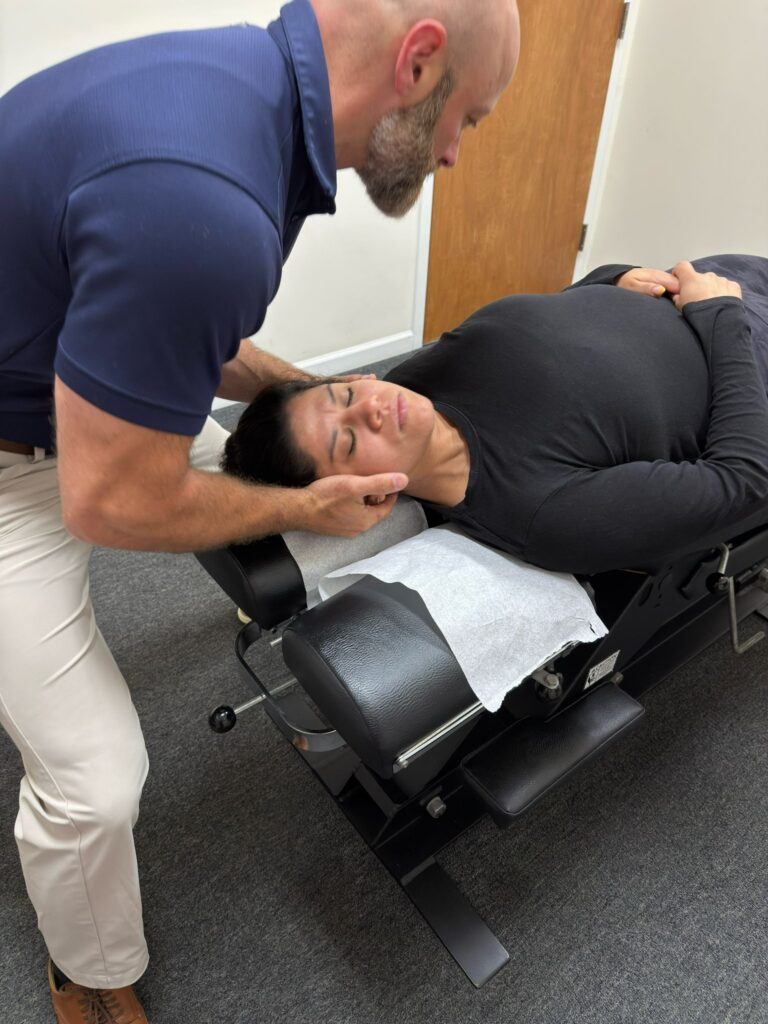

If you’re experiencing chronic headaches, frequent chiropractic adjustments could be a key component of your relief strategy. These sessions can help realign your spine and relieve muscle tension, which may significantly reduce your headache symptoms. However, it’s important to recognize how these adjustments play a vital role in a holistic approach to wellness.
In addition to regular chiropractic care, there are several lifestyle changes you can incorporate to enhance the benefits of your treatment. Here are some simple tips to optimize your path to better health:
- Stay Hydrated: Dehydration can contribute to headaches. Aim to drink plenty of water throughout the day to support overall wellness.
- Maintain Good Posture: Whether you’re working at a desk or using your phone, be mindful of your posture. Keeping your spine aligned can prevent unnecessary strain on your neck and back.
- Manage Stress: Stress is a common headache trigger. Try relaxation techniques such as deep breathing, yoga, or meditation to help keep stress at bay.
- Get Regular Exercise: Physical activity can improve circulation and reduce tension in your muscles. Aim for at least 30 minutes of moderate exercise most days of the week.
- Sleep Well: Ensure you are getting enough restful sleep. A consistent sleep schedule can help your body recover and reduce headache frequency.
- Limit Caffeine and Alcohol: Both can trigger headaches in some individuals. Pay attention to your body’s reactions and adjust accordingly.
- Consider Your Diet: Certain foods may trigger headaches. Keep a food diary to identify any patterns and adjust your diet to avoid those triggers.
By integrating these lifestyle habits with your chiropractic adjustments, you can create a powerful synergy that promotes natural healing and long-term wellness. Chiropractic care is one of the best ways to achieve pain relief and maintain optimal health, so be sure to stay committed to your treatment plan and communicate openly with your chiropractor about your progress. Together, you can work towards a headache-free life!
Key Takeaways
Frequent chiropractic adjustments can be a game changer when it comes to alleviating tension headaches. By improving spinal alignment and relieving muscle tension, chiropractic care helps your body function at its best. It’s a natural way to find relief without relying on medications or invasive procedures.
If you struggle with migraines, regular chiropractic adjustments can significantly reduce their frequency and severity. This means fewer painful days and a better quality of life as you embrace a more holistic approach to headache management.
For those dealing with cluster headaches, chiropractic care can address the underlying spinal issues that contribute to these painful episodes. By providing targeted relief, we can help you regain control over your health and well-being.
Sinus headaches can also be alleviated through chiropractic techniques that enhance drainage and reduce pressure. This gentle approach not only tackles the immediate discomfort but also supports your body’s natural healing processes.
To get the most out of your chiropractic care, maintaining a consistent adjustment schedule is key. This not only aids in long-term headache prevention but also promotes overall wellness. Remember, taking care of your spine is essential for your health!
As a part of your wellness journey, consider incorporating daily habits that support your spine and overall health, such as practicing good posture, staying hydrated, and managing stress through relaxation techniques. These small changes, combined with regular chiropractic visits, can lead to significant improvements in your well-being. Embrace the natural path to health with chiropractic care!
Understanding Different Types of Headaches
When you experience a headache, it’s important to remember that not all headaches are the same. There are various types, each with their unique characteristics and causes.
Tension headaches, the most common type, often feel like a tight band around your head and can be triggered by stress or fatigue. These headaches can be effectively managed through chiropractic care, which focuses on aligning the spine and relieving tension in the muscles.
Migraines, known for their intense throbbing pain, can come with symptoms such as nausea and sensitivity to light. While medications are often used to treat migraines, many patients find that regular chiropractic adjustments help in reducing the frequency and severity of these episodes by improving spinal alignment and reducing stress on the nervous system.
Cluster headaches, though less common, can be extremely painful and usually occur in cycles, affecting one side of your head. Chiropractic care may offer relief by addressing underlying spinal issues and promoting relaxation, which can help ease the pain.
Sinus headaches, caused by sinus inflammation, can lead to discomfort in your forehead, cheeks, or around your eyes. Chiropractic techniques can aid in improving drainage and reducing sinus pressure, leading to relief without the need for medications.
Understanding the type of headache you’re experiencing is the first step toward finding relief. Consider keeping a headache journal to track when and where your headaches occur, along with any triggers. This can help you and your chiropractor develop a personalized plan to address your specific needs.
In addition to regular chiropractic care, here are some general tips to manage headaches:
- Stay Hydrated: Dehydration can trigger headaches, so make sure you drink plenty of water throughout the day.
- Practice Good Posture: Poor posture can lead to tension in your neck and shoulders, which may contribute to headaches.
- Manage Stress: Incorporate relaxation techniques such as deep breathing, yoga, or meditation into your daily routine to help reduce stress levels.
- Get Regular Exercise: Physical activity promotes overall wellness and can help reduce headache frequency.
- Prioritize Sleep: Ensure that you’re getting enough quality sleep each night, as lack of rest can trigger headaches.
By recognizing the type of headache you have and taking proactive steps with the help of chiropractic care, you can achieve better pain relief and improve your overall health and wellness naturally.
Identifying Triggers and Patterns
To effectively manage your headaches, it’s essential to identify common triggers and recognize patterns in your symptoms. As a chiropractor, I often see how lifestyle factors, such as stress, nutrition, and posture, can significantly influence the frequency and intensity of headaches.
Keeping a detailed record of your headaches can help you see these connections and understand how your daily habits may be contributing to your discomfort. By recognizing these elements, you can take proactive steps to reduce the occurrence of your headaches.
Incorporating regular chiropractic care into your wellness routine can help align your spine, relieve tension, and improve your overall health. This holistic approach not only addresses the root causes of headaches but also promotes your body’s natural healing processes.
In addition to chiropractic adjustments, consider these general tips for headache relief:
- Stay Hydrated: Dehydration is a common trigger for headaches, so make sure you’re drinking enough water throughout the day.
- Practice Good Posture: Poor posture can strain your neck and spine, leading to tension headaches. Make a conscious effort to maintain good posture while sitting, standing, and using electronic devices.
- Manage Stress: Stress is a significant contributor to headaches. Explore relaxation techniques such as deep breathing, yoga, or meditation to help manage stress levels.
- Get Regular Exercise: Engaging in regular physical activity can improve circulation and reduce tension, which may help decrease the frequency of headaches.
- Maintain a Healthy Diet: Pay attention to your diet and identify any foods that may trigger headaches. A balanced diet rich in fruits, vegetables, and whole grains can support overall health.
Common Headache Triggers
Identifying common headache triggers can significantly enhance your ability to manage and prevent pain, paving the way to a healthier, more balanced life. As you embark on this journey, pay close attention to your daily habits, environment, and diet.
Some common headache triggers to note include stress, which can tighten muscles and lead to discomfort; lack of sleep, which disrupts your body’s natural healing processes; and dehydration, which can contribute to tension headaches. Certain foods like chocolate, caffeine, and aged cheeses may also spark headaches for some individuals.
Additionally, bright lights, strong odors, and loud noises are environmental factors that can trigger pain as well. Don’t overlook how weather changes might impact your headaches—keep track of any patterns related to temperature or humidity. Hormonal fluctuations, particularly in women, can also play a significant role in headache occurrences.
By recognizing these triggers, you can make informed choices to minimize your risk. Chiropractic care is an excellent avenue for addressing headaches naturally. Regular spinal adjustments can help align your body, reduce tension, and improve overall nervous system function, which may alleviate headache symptoms.
Here are a few general tips to help you manage headaches effectively:
- Stay Hydrated: Ensure you drink plenty of water throughout the day.
- Prioritize Sleep: Aim for a consistent sleep schedule to allow your body to rest and recover.
- Manage Stress: Incorporate relaxation techniques such as deep breathing, yoga, or meditation into your routine.
- Observe Your Triggers: Keep a headache diary to track patterns and potential triggers, which can help you and your chiropractor tailor an effective treatment plan.
Tracking Symptoms Effectively
Tracking your symptoms effectively can be a powerful tool in managing headaches and promoting overall wellness. By identifying triggers and patterns, you can take proactive steps to reduce the frequency and intensity of your headaches. Here’s how to get started on your journey to better health, with a focus on the benefits of chiropractic care:
- Keep a Headache Diary: Document the date, time, and duration of each headache. This will help you and your chiropractor understand your unique patterns and tailor your treatment accordingly.
- Record Triggers: Pay attention to potential triggers such as certain foods, stress levels, weather changes, or sleep patterns. Sharing this information with your chiropractor can lead to effective, natural strategies for headache relief.
- Rate Severity: Use a simple 1 to 10 scale to assess your headache pain. This not only helps you track changes over time but also provides valuable information for your chiropractor to adjust your care plan for maximum effectiveness.
- Review Regularly: Take time to look for consistent patterns in your diary. Noticing trends can help you identify triggers you mightn’t have recognized, allowing you to make lifestyle adjustments that complement your chiropractic care.
By actively tracking your headaches, you empower yourself to make informed decisions about your health.
Remember, chiropractic care is a holistic approach that addresses the root causes of pain, promoting natural healing and optimal wellness.
Make it a priority to integrate these tracking strategies into your routine, and consult with your chiropractor to optimize your path to a pain-free life.
Lifestyle Impact on Headaches
Understanding how your lifestyle affects headaches is crucial for finding relief, and chiropractic care can play a significant role in this process. By paying attention to your daily routine and identifying potential triggers, you can take steps toward a healthier, headache-free life.
Start with your diet. Some foods, such as aged cheeses, caffeine, and processed meats, may trigger headaches for some individuals. Staying well-hydrated and not skipping meals is also essential, as dehydration and low blood sugar can contribute to discomfort.
Next, let’s talk about sleep. Quality sleep is vital for overall health, and maintaining a regular sleep schedule can help reduce the frequency of headaches. If you’re experiencing poor sleep, consider how your sleep posture and pillow choice may affect your spine and overall comfort.
Stress management is another key area to focus on. High stress levels can lead to tension headaches, and incorporating relaxation techniques like deep breathing or gentle stretching can be beneficial. Chiropractic adjustments can also help alleviate tension in your neck and shoulders, promoting relaxation and reducing headache occurrences.
Don’t forget about physical activity! Regular exercise is important for maintaining overall health, but it’s essential to find a balance. Overdoing it or being too sedentary can both lead to headaches. Chiropractic care can help you develop a personalized exercise plan that suits your body’s needs.
By keeping track of these factors and incorporating chiropractic care into your routine, you’ll be better equipped to recognize patterns and make necessary adjustments.
This holistic approach not only helps reduce headache occurrences but also promotes overall wellness and a better quality of life. Remember, your journey to optimal health starts with understanding your body and making mindful lifestyle choices!
Lifestyle Modifications for Prevention
To prevent headaches, consider making some simple yet effective lifestyle modifications that can enhance your overall well-being. As a chiropractor, I emphasize the importance of a holistic approach to health, which includes not only spinal alignment but also mindful habits in your daily life.
Start by examining your diet; include plenty of hydrating foods and nutrients that support brain health. Staying well-hydrated is crucial, as dehydration can trigger headaches. Incorporating foods rich in magnesium, such as leafy greens, nuts, and seeds, can also be beneficial.
Additionally, implementing stress management techniques is vital. Stress is a common headache trigger, and finding ways to relax can make a significant difference. Activities like deep breathing exercises, yoga, or even a gentle walk can help lower tension in your body.
Don’t forget the role of regular chiropractic care in preventing headaches. Routine adjustments can help align your spine, reduce muscle tension, and improve your body’s ability to cope with stress. This natural approach not only addresses the root causes of headaches but also promotes overall wellness.
By making these lifestyle changes and prioritizing chiropractic care, you can significantly reduce the frequency and intensity of headaches, leading to a happier, healthier life.
Dietary Changes
Headaches can be a real nuisance, and while they can come from various sources, one of the most effective ways to reduce their frequency and intensity is by making some simple dietary changes.
As a chiropractor, I believe in the power of natural healing and healthy living, and your diet plays a significant role in your overall well-being, including headache management. Here are some practical tips to help you alleviate headache symptoms through dietary adjustments:
- Stay Hydrated: One of the simplest yet most effective ways to prevent headaches is to drink plenty of water throughout the day. Dehydration is a common headache trigger, so keep a water bottle handy and sip regularly to stay hydrated.
- Limit Caffeine: Caffeine can have a double-edged sword effect. While it may provide relief for some headache sufferers, too much can lead to rebound headaches. It’s important to find a balance that works for you and to consume caffeine in moderation.
- Eat Regularly: Skipping meals can lead to drops in blood sugar, which may trigger headaches. Aim to eat balanced meals at regular intervals throughout the day. This can help maintain your energy levels and keep headaches at bay.
- Identify Food Triggers: Keeping a food diary can be a helpful way to discover any specific foods that might provoke your headaches. Common culprits can include aged cheeses, processed meats, or even certain additives. By identifying these triggers, you can make informed choices about what to eat and what to avoid.
By implementing these dietary changes, you can take proactive steps toward managing your headaches naturally.
Remember, chiropractic care is also a powerful ally in your journey to optimal health. Regular adjustments can help improve your spinal alignment, reduce tension, and promote overall wellness—further supporting your efforts in headache management.
Embrace these healthy habits, and feel empowered to take charge of your health!
Stress Management Techniques
Dietary changes can certainly play a role in reducing headache frequency, but managing stress is just as crucial in preventing those discomforting episodes. As a chiropractor, I believe that achieving optimal health starts with a holistic approach, and stress management is a vital part of that.
To begin, try incorporating mindfulness techniques such as meditation or deep breathing exercises into your daily routine. These practices can help calm your mind and ease tension in your body, which is essential for overall wellness.
Regular physical activity is also a powerful tool—aim for at least 30 minutes of exercise most days. Not only does it promote spinal health, but it can also significantly lower stress levels.
Establishing a consistent sleep routine is important as well. Quality sleep can make a big difference in how you feel and can help reduce stress. Make sure to prioritize restful sleep to support your body’s natural healing processes.
Don’t forget to engage in hobbies or activities that bring you joy. Taking time for yourself is crucial for mental health and provides a much-needed break from daily stressors.
Additionally, connecting with friends or talking to someone about your stress can be incredibly beneficial. Whether it’s a casual chat or a more in-depth conversation, sharing your feelings can relieve tension and provide support.
Finally, consider chiropractic care as a natural, non-invasive way to manage stress and enhance your overall health. Regular adjustments can improve spinal function, reduce tension, and promote relaxation, making it an excellent choice for those looking to achieve lasting wellness.
Dietary Adjustments That Help
Making smart dietary choices can significantly reduce the frequency and intensity of headaches, contributing to your overall wellness. By focusing on nourishing foods, you can support not only your health but also the effectiveness of chiropractic care in managing and preventing headaches. Here are some dietary adjustments to consider:
- Incorporate Magnesium-Rich Foods: Foods like spinach, nuts, and whole grains are excellent sources of magnesium, which can help prevent headaches. Including these in your diet may enhance the benefits of your chiropractic adjustments by promoting muscle relaxation and reducing tension.
- Limit Processed Foods: Many processed foods contain preservatives and additives that can trigger headaches. By choosing fresh, whole ingredients, you not only support your spine and nervous system health but also nourish your body with essential nutrients.
- Regular Meals: Skipping meals can lead to drops in blood sugar, which may trigger headaches. To maintain steady energy levels and support your chiropractic care, aim to eat at regular intervals throughout the day.
- Maintain a Food Diary: Keeping track of what you eat can be an insightful tool. It helps you identify specific food triggers that may contribute to your headaches. By adjusting your diet based on your findings, you empower yourself to take control of your health alongside your chiropractic care.
Incorporating these simple dietary tips can enhance your journey toward optimal health, complementing the benefits of chiropractic care.
The Role of Hydration in Headache Relief
Hydration is an essential factor in relieving headaches, and as a chiropractor, I want to emphasize how important it’s for your overall health and well-being. Even mild dehydration can lead to discomfort and pain, including headaches. When your body doesn’t get enough water, your brain can temporarily shrink due to fluid loss, which can trigger a headache. To help prevent this, make it a habit to drink plenty of water throughout the day.
If you’re active or spending time in a warm environment, remember to increase your fluid intake to replace what you lose through sweat. It’s also important to recognize the early signs of dehydration, such as a dry mouth or feeling tired. Don’t wait for a headache to remind you to hydrate—make it part of your daily routine.
Incorporating water-rich foods, like fresh fruits and vegetables, can further enhance your hydration. These foods not only provide water but also essential nutrients that support your overall health.
If you often deal with headaches, consider keeping a water bottle close by or setting reminders on your phone to encourage regular hydration. Staying well-hydrated is a simple, yet powerful, way to help reduce the frequency and intensity of headaches, supporting your journey towards better health.
Chiropractic care also plays a key role in managing headaches. By addressing spinal alignment and nervous system function, chiropractic adjustments can help relieve tension and promote better hydration and circulation throughout your body.
This holistic approach can enhance your body’s natural ability to heal and maintain optimal wellness. Remember, making small changes in your hydration habits can lead to significant improvements in your overall health, including headache relief.
Alternative Therapies and Treatments
While traditional treatments like medication can be common for headaches, I encourage you to explore natural options that can enhance your overall well-being and promote healing.
As a chiropractor, I believe that chiropractic care is one of the best ways to achieve optimal health and effectively manage headache pain. Here are some valuable tips and options to consider:
- Chiropractic Care: Regular adjustments from a chiropractor can help alleviate tension in your spine and neck, which are often sources of headache pain. By restoring proper alignment, chiropractic care can reduce the frequency and intensity of headaches, providing you with lasting relief.
- Posture Awareness: Maintaining good posture is crucial for preventing headaches. Be mindful of how you sit and stand throughout the day. Ensure your workspace is ergonomically set up, and take breaks to stretch and move around to relieve tension.
- Hydration: Dehydration can lead to headaches, so make sure you’re drinking plenty of water throughout the day. Aim for at least 8 glasses to keep your body well-hydrated and support overall health.
- Stress Management: Stress can be a significant trigger for headaches. Consider incorporating relaxation techniques such as deep breathing exercises, meditation, or gentle yoga into your daily routine to help manage stress levels.
- Nutrition: Eating a balanced diet rich in whole foods can also play a role in reducing headaches. Focus on incorporating fruits, vegetables, whole grains, and lean proteins into your meals, while avoiding excessive caffeine and sugars, which can trigger headaches for some people.
By exploring these natural approaches, especially chiropractic care, you can develop a comprehensive plan for managing headaches and improving your quality of life.
Stress Management Techniques
Managing stress effectively is crucial for reducing the frequency and severity of headaches, and chiropractic care plays a vital role in this process. As a local chiropractor, I want to share some effective techniques that not only promote relaxation but can also complement your chiropractic treatments for optimal health.
To begin, consider practicing deep breathing exercises. Taking slow, deep breaths—inhale through your nose, hold for a moment, and then exhale through your mouth—can help calm both your mind and body. This simple technique is great for relieving tension and can enhance the benefits of your chiropractic adjustments.
Incorporating regular physical activity into your routine is another excellent way to manage stress. Activities such as walking, yoga, or dancing can release endorphins, which are natural mood lifters. These movements also promote spinal health, making them a perfect match for your chiropractic care.
Mindfulness and meditation are additional tools that can significantly reduce stress. Dedicate a few minutes each day to focus on your breathing or visualize a calming scene. This practice can help you connect with your body and promote overall wellness, which complements your chiropractic journey.
Journaling is another effective method for processing your thoughts and feelings, helping to lower stress levels. By writing down your experiences, you can gain clarity and insight, further supporting your health and wellness.
Lastly, never underestimate the importance of quality sleep. Prioritize sleep hygiene by establishing a soothing bedtime routine. Quality rest is essential for your body to heal and rejuvenate, enhancing the effects of your chiropractic care.
When to Seek Professional Help
How can you tell when it’s the right moment to seek professional help for your headaches? It’s important to listen to your body and recognize certain signs that may indicate the need for a healthcare consult. Here are some essential indicators that suggest it may be time to explore chiropractic care for relief:
- Severe Pain: If your headache feels like the worst you’ve ever had or is different from your usual discomfort, it’s crucial to seek help. A chiropractor can assess your condition and offer natural pain relief options.
- Persistent Symptoms: If your headaches last more than a few days and don’t respond to over-the-counter treatments, a professional evaluation is warranted. Chiropractic adjustments can help address underlying issues contributing to chronic headaches.
- Accompanying Symptoms: If you also experience nausea, vomiting, vision changes, or neurological symptoms, it’s important to get help. A chiropractor can help identify the root cause of these symptoms and guide you toward natural healing solutions.
- Frequency and Intensity: If your headaches are becoming more frequent or intense, discussing this with your chiropractor is key. They can provide personalized care plans focused on spinal health, which may alleviate headache frequency and severity.
Recognizing these signs can help ensure you receive timely care and enhance your quality of life without turning to medications or invasive procedures.
Embracing chiropractic care can be a powerful step toward natural wellness and pain relief. Remember, taking charge of your health is important—don’t hesitate to reach out to a chiropractor to explore the benefits of spinal care for your headaches!
Conclusion
Incorporating frequent chiropractic adjustments into your routine can significantly enhance your ability to manage headaches naturally. Chiropractic care focuses on spinal health, which plays a crucial role in your overall well-being. By understanding the different types of headaches, recognizing your unique triggers, and adopting healthier lifestyle and dietary habits, you can pave the way for a more comfortable life.
Stay hydrated! Drinking plenty of water can help reduce headache frequency and intensity. Additionally, practicing stress management techniques, like deep breathing or meditation, can provide further support on your journey to relief. Remember, chiropractic adjustments not only help alleviate pain but also promote better alignment and function of your nervous system, which is vital for optimal health.
If you find that headaches continue to disrupt your life, don’t hesitate to reach out for professional chiropractic assistance. You’re not alone—many people experience headaches, and together, we can work towards a more comfortable, headache-free life through natural healing methods. Embrace the power of chiropractic care, and take the first step toward a healthier, happier you!