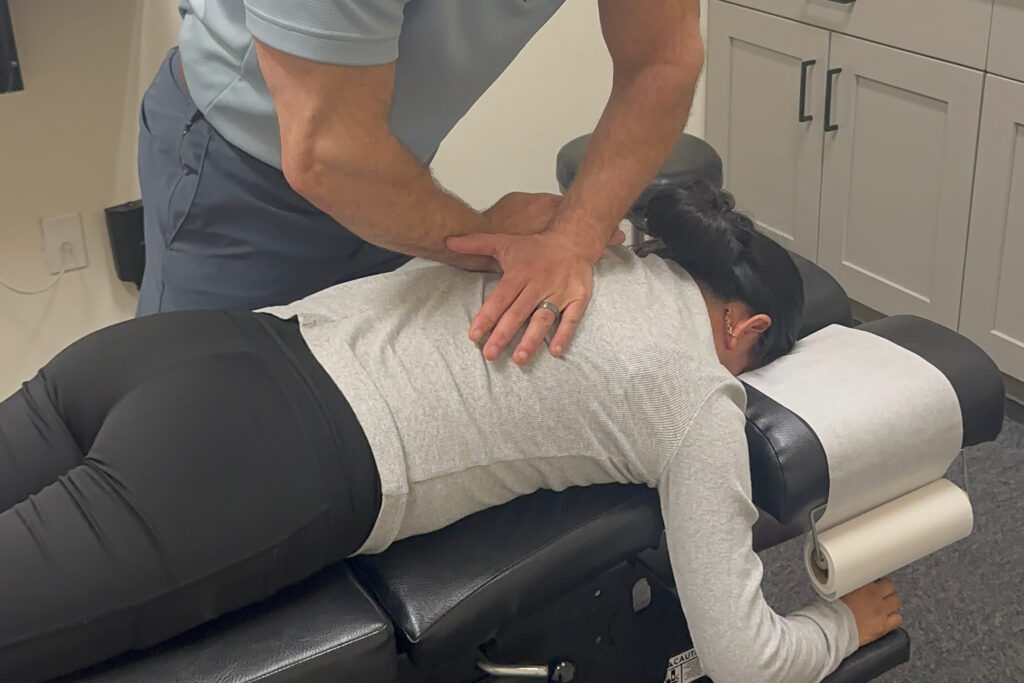

If you’re finding it difficult to enjoy a restful night’s sleep, know that you’re not alone. Many of my patients share similar struggles with sleep quality. As a chiropractor, I often emphasize the importance of natural healing and how certain lifestyle adjustments can significantly enhance your sleep. By establishing a regular sleep schedule and incorporating a soothing bedtime routine, you can create an environment that promotes relaxation and a deeper sleep. Let’s delve into how these simple yet effective changes can not only improve your sleep but also contribute to your overall health and well-being.
Establish a Consistent Sleep Schedule
As a chiropractor, I want to emphasize the importance of establishing a consistent sleep schedule for your overall health and well-being. It may be tempting to stay up late on weekends, but maintaining a regular sleep routine is crucial for achieving better sleep quality.
I encourage you to go to bed and wake up at the same time every day, even on your days off. This consistency helps regulate your body’s internal clock, making it easier for you to fall asleep and wake up feeling refreshed.
Aim for seven to nine hours of restorative sleep each night. If you find it challenging to drift off, consider adjusting your bedtime gradually—shifting it by 15 to 30 minutes until you reach your desired time.
It’s also important to avoid long naps during the day, as they can interfere with your nighttime sleep. By prioritizing a consistent sleep schedule, you’re not only supporting your body’s natural healing processes but also enhancing the effectiveness of chiropractic care and promoting overall wellness.
Create a Relaxing Bedtime Routine
As a chiropractor, I often emphasize the importance of a relaxing bedtime routine for overall well-being, especially when it comes to your spine and nervous system. To ensure you wind down effectively at the end of the day, it’s essential to create a calming pre-sleep routine. I recommend setting aside about 30 minutes before bedtime to signal to your body that it’s time to relax.
Dim the lights and switch off electronic devices to reduce distractions that can interfere with your body’s natural rhythms. Incorporating calming activities into your routine can be beneficial for both your mind and body. Consider reading a book that you enjoy, practicing gentle stretches, or sipping on a warm cup of herbal tea.
These activities not only help you relax but also promote better spinal alignment and reduce tension in your muscles. Additionally, mindfulness exercises such as meditation or deep breathing are excellent for clearing your mind of daily stressors, which can contribute to tension in your body. A relaxed mind can lead to a more relaxed spine, enhancing your overall health.
Consistency is key in establishing this routine. By following the same steps each night, you train your body to recognize when it’s time to sleep, which can improve your sleep quality.
Optimize Your Sleep Environment
As a local chiropractor, I often emphasize the importance of a well-optimized sleep environment for achieving better rest, which is crucial for overall health and healing.
To enhance your sleep quality, consider adjusting a few key elements in your bedroom.
Firstly, keep the room temperature at a comfortable level—cooler temperatures often promote deeper sleep. Additionally, minimizing exposure to light can significantly improve your ability to fall and stay asleep. This can be achieved by using blackout curtains or an eye mask.
Lastly, choose bedding that provides the right support and comfort tailored to your individual needs. Proper pillows and mattresses can help align your spine properly, which is essential for your musculoskeletal health.
These simple yet effective changes can greatly impact how well you rest each night, supporting your body’s natural healing processes.
Control Room Temperature
Creating an ideal sleep environment is crucial for your overall health and well-being, and as a chiropractor, I often emphasize the importance of a proper sleep setting to my patients.
One of the key factors that can enhance your rest is the temperature of your room. Research suggests that a cooler room promotes better sleep quality. Ideally, you should aim to keep your bedroom between 60 to 67 degrees Fahrenheit.
If you notice that your room feels too warm, consider using a fan or air conditioning to help maintain that cooler temperature. Additionally, breathable bedding and sleepwear made from natural fibers can assist in regulating your body temperature, which is vital for a good night’s sleep.
If you frequently wake up feeling too hot or too cold, it may be beneficial to adjust your thermostat or change the number of blankets you use. A comfortable sleep environment is essential for relaxation, making it easier for you to drift off and stay asleep throughout the night.
As you prioritize temperature control in your sleep environment, you may notice significant improvements in your sleep quality, which in turn can positively impact your overall health.
Limit Light Exposure
As a local chiropractor, I want to share an important aspect of your well-being that you may not have considered: the impact of light exposure on your sleep quality.
Creating a restful sleep environment is crucial for your overall health, and it begins with managing the amount of light in your bedroom.
Start by reducing artificial light, as it plays a significant role in how well you sleep. I recommend using blackout curtains to keep out any outside light, such as streetlights or moonlight, which can disrupt your rest.
As bedtime approaches, try dimming the lights in your room. This simple action can signal to your body that it’s time to unwind and prepare for sleep.
It’s also essential to limit screen time from phones, tablets, and TVs at least an hour before you head to bed. The blue light emitted by these devices can interfere with your body’s melatonin production, making it harder to fall asleep.
If you need a nightlight, opt for one that emits a warm, soft glow rather than harsh white light.
By consciously limiting light exposure in your environment, you’re helping your body relax and transition into a restful night’s sleep.
This is an important part of maintaining your overall health and well-being, which is at the heart of chiropractic care.
Let’s work together to create the best sleep environment for you!
Choose Comfortable Bedding
As a chiropractor, I often emphasize the importance of comfortable bedding for not only a restful night’s sleep but also for overall spinal health. The right bedding can significantly influence how you feel each morning and can aid in preventing discomfort or pain.
Here are some essential tips to help you choose the best bedding options that support your well-being:
- Select the right mattress: It’s crucial that your mattress provides adequate support for your body and aligns with your sleeping style. A well-supported spine can reduce tension and promote better posture.
- Choose breathable sheets: Opt for natural fabrics like cotton or linen. These materials allow for airflow, helping to maintain a comfortable body temperature throughout the night. Staying cool can prevent unnecessary tossing and turning, which can strain your back.
- Use cozy blankets: Pick blankets that are appropriate for your climate. The right weight will keep you warm without causing overheating, which can disrupt your sleep quality and lead to discomfort.
- Invest in quality pillows: A good pillow is vital for supporting your neck and head. It should maintain the natural curve of your cervical spine, reducing the risk of neck pain and improving overall sleep posture.
By making informed choices about your bedding, you can enhance your sleep quality and support your spinal health.
Limit Screen Time Before Bed
As a chiropractor dedicated to your overall well-being, I want to share an important aspect of health that often gets overlooked: the impact of screen time on your sleep quality. Many people don’t realize that the blue light emitted from our devices can interfere with your natural sleep cycle, making it more challenging to drift off into a restful slumber.
Establishing a calming wind-down routine that excludes screens can be beneficial for your body. This practice signals to your nervous system that it’s time to relax and prepare for sleep, which is vital for both physical and mental recovery.
Blue Light Impact
As your local chiropractor, I want to share some important information about how blue light from screens can impact your sleep. Many of my patients are unaware that exposure to blue light, especially before bedtime, can significantly disrupt your ability to fall asleep and maintain restful sleep. This occurs because blue light interferes with the natural production of melatonin, which is the hormone responsible for regulating our sleep-wake cycle.
To help improve your sleep quality and overall well-being, I recommend the following strategies:
- Try to limit your screen time at least an hour before you go to bed. This will give your body a chance to prepare for restful sleep.
- Consider using blue light filters on your devices to reduce the amount of blue light exposure in the evening.
- Instead of screen time, opt for reading a book or listening to calming music, both of which can help relax your mind and prepare your body for sleep.
- Establish a tech-free zone in your bedroom to create a peaceful environment that promotes better sleep.
By adopting these practices, you can support your body’s natural healing processes and improve your overall health, including your sleep quality.
If you have any questions or need further guidance, feel free to reach out during your next visit!
Establish a Wind-Down Routine
As a local chiropractor, I want to emphasize the importance of establishing a wind-down routine for enhancing your overall health and sleep quality. This practice is especially beneficial after reducing exposure to blue light, which can interfere with your body’s natural rhythms.
Begin by setting a consistent bedtime; this consistency helps signal to your body that it’s time to relax and recuperate.
About an hour before your designated sleep time, I recommend turning off screens—this includes your phone, tablet, and television. Instead, engage in calming activities that can promote relaxation, such as reading a book, practicing gentle yoga, or meditating. These activities not only help ease tension in your body but can also prepare your mind for sleep.
Additionally, consider dimming the lights in your environment to create a soothing atmosphere conducive to relaxation. A warm bath or a cup of herbal tea can further signal your body that it’s time to unwind. Incorporating soft music or nature sounds can also be effective in calming your mind and promoting a peaceful state.
By establishing this wind-down routine, you’re not just preparing for restful sleep; you’re also supporting your overall well-being. Both your body and mind will benefit, making it easier for you to drift off peacefully and wake up rejuvenated.
Be Mindful of Food and Drink
As your local chiropractor, I want to emphasize the importance of mindful eating and drinking in relation to your overall health and well-being, especially when it comes to getting quality sleep. The right nutrition can greatly influence how well you rest, and it’s crucial to be aware of your choices.
Here are some insights to consider:
- Avoid heavy meals close to bedtime. Eating large or rich foods before sleep can lead to discomfort, indigestion, and may hinder your body’s ability to rest and recover. Opt for lighter meals in the evening to support your sleep quality.
- Cut back on caffeine in the afternoon. Many people underestimate how long caffeine can remain in their system. By reducing your intake in the later part of the day, you can promote a more restful night.
- Limit alcohol consumption. While a drink might seem to help you unwind, alcohol can disrupt your natural sleep cycle, leading to restless nights. Moderation is key for better sleep patterns.
- Stay hydrated, but be mindful of fluid intake before bed. It’s important to drink enough water throughout the day, but try to reduce your fluid intake as bedtime approaches. This way, you can minimize those annoying trips to the bathroom that interrupt your sleep.
By making these thoughtful choices about your food and drink, you can enhance not only your sleep but also your overall health.
Incorporate Physical Activity
As a local chiropractor, I want to highlight the importance of incorporating physical activity into your daily routine to enhance your overall well-being, especially when it comes to improving your sleep quality.
Regular exercise is essential, as it helps regulate your body’s sleep-wake cycle and can lead to more restful nights. Aim for at least 30 minutes of moderate exercise most days of the week. Activities like brisk walking, cycling, or even dancing can be great options.
It’s important to schedule your workouts earlier in the day. Exercising too close to bedtime can leave you feeling overly energized, which might interfere with your ability to wind down for sleep. Pay attention to how your body responds and choose activities that you genuinely enjoy—this makes it much easier to maintain a consistent routine.
I also recommend mixing different types of exercise, such as aerobic activities, strength training, and flexibility exercises. This combination not only enhances your overall fitness but also promotes better sleep.
Remember, staying active doesn’t have to feel like a chore! Look for opportunities to incorporate movement into your day, such as taking the stairs instead of the elevator or engaging in household chores. By doing so, you’ll find that your body responds positively, leading to improved rest and rejuvenation at night.
At our chiropractic office, we believe in the power of natural healing and the benefits of a healthy lifestyle. By understanding how physical activity influences your health, you can take proactive steps toward better sleep and overall wellness.
Manage Stress and Anxiety
As a local chiropractor dedicated to your overall well-being, I want to emphasize the importance of managing stress and anxiety for achieving better sleep quality.
Stress and anxiety can significantly disrupt your ability to relax and fall asleep, which is crucial for your body’s healing processes. When stress takes over, it can create a whirlwind of thoughts that makes it difficult to unwind.
Here are some effective strategies you can incorporate into your routine to help manage these feelings naturally:
- Deep Breathing Exercises: Start with deep breathing exercises to calm your mind. This simple practice can help lower stress levels and prepare your body for rest.
- Mindfulness and Meditation: Dedicate some time each day to mindfulness or meditation. These practices can help center your thoughts and promote a sense of peace, making it easier to transition into sleep.
- Nightly Routine: Establishing a consistent nightly routine signals to your body that it’s time to wind down. This can include activities like light stretching, reading, or enjoying a warm herbal tea.
- Limit Screen Time: It’s beneficial to limit exposure to screens before bed. The blue light emitted by devices can heighten anxiety and disrupt your natural sleep cycle.
By integrating these strategies into your daily life, you can create a more conducive environment for relaxation and restorative sleep, ultimately enhancing your overall health and well-being.
Conclusion
As a local chiropractor dedicated to your overall well-being, I want to share some essential tips to enhance your sleep quality. Many people underestimate the importance of a good night’s sleep, but it’s crucial for both your physical and mental health. By establishing a consistent sleep schedule and creating a calming bedtime routine, you can significantly improve your rest.
It’s vital to optimize your sleeping environment—consider factors like mattress support and room temperature. Reducing screen time before bed is also important; the blue light emitted by devices can interfere with your natural sleep cycle. Additionally, pay attention to your diet—what you eat and drink can impact your sleep patterns, so try to avoid heavy meals and caffeine close to bedtime.
Staying active throughout the day not only promotes better sleep but also supports your overall chiropractic health. Lastly, managing stress is key; practices such as deep breathing or gentle stretching can help relax your mind and body. By integrating these strategies into your lifestyle, you can transform your sleep experience and wake up feeling rejuvenated, ready to face the day ahead. Remember, better sleep is achievable, and as your chiropractor, I’m here to support you on this journey to natural healing and wellness.