
Chronic pain can feel like an uphill battle, but I’m here to share some effective techniques that can help you manage it better. As a chiropractor, I believe in the power of integrating holistic approaches to ease discomfort. By combining mindfulness practices with physical therapies and making thoughtful dietary choices, you may discover a path to relief that you hadn’t considered before.
Understanding the connection between your body and mind is crucial; it can lead to some surprising benefits in your pain management journey. Additionally, there are various alternative therapies that can complement traditional treatments and enhance your overall well-being. Together, we can explore how these approaches work in harmony to improve your quality of life and help you regain control over your health.
Understanding Chronic Pain
Chronic pain is more than just a temporary discomfort; it’s a multifaceted condition that can significantly affect your daily life. As a chiropractor, I see many patients who find that chronic pain limits their ability to work, participate in social activities, or even enjoy the simple joys of life.
Unlike acute pain, which usually has a specific cause and resolves with treatment, chronic pain can linger for months or even years, often without a clear explanation.
Patients often experience varying degrees of pain – from mild annoyance to debilitating discomfort – and this pain can change unexpectedly. Such unpredictability can lead to emotional challenges, including anxiety and depression, which can further complicate your experience.
It’s important to understand that chronic pain isn’t just a physical issue; it also has emotional and psychological components. By recognizing this, we can work together to explore effective, natural strategies for managing your pain.
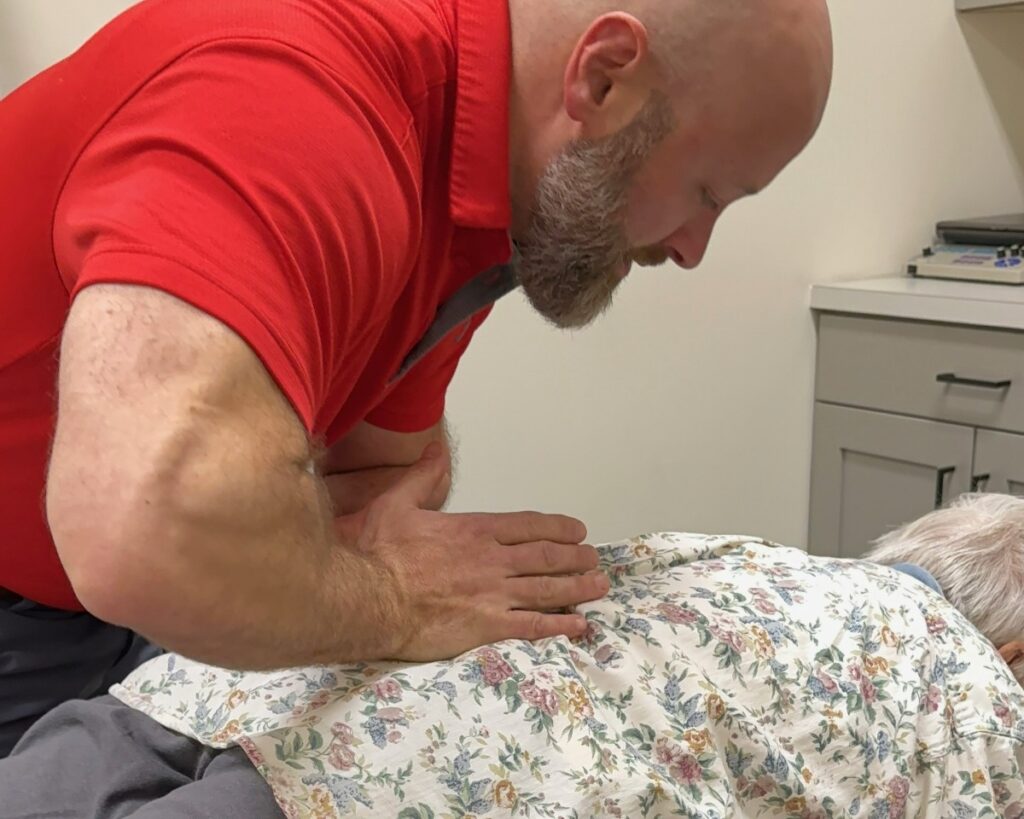
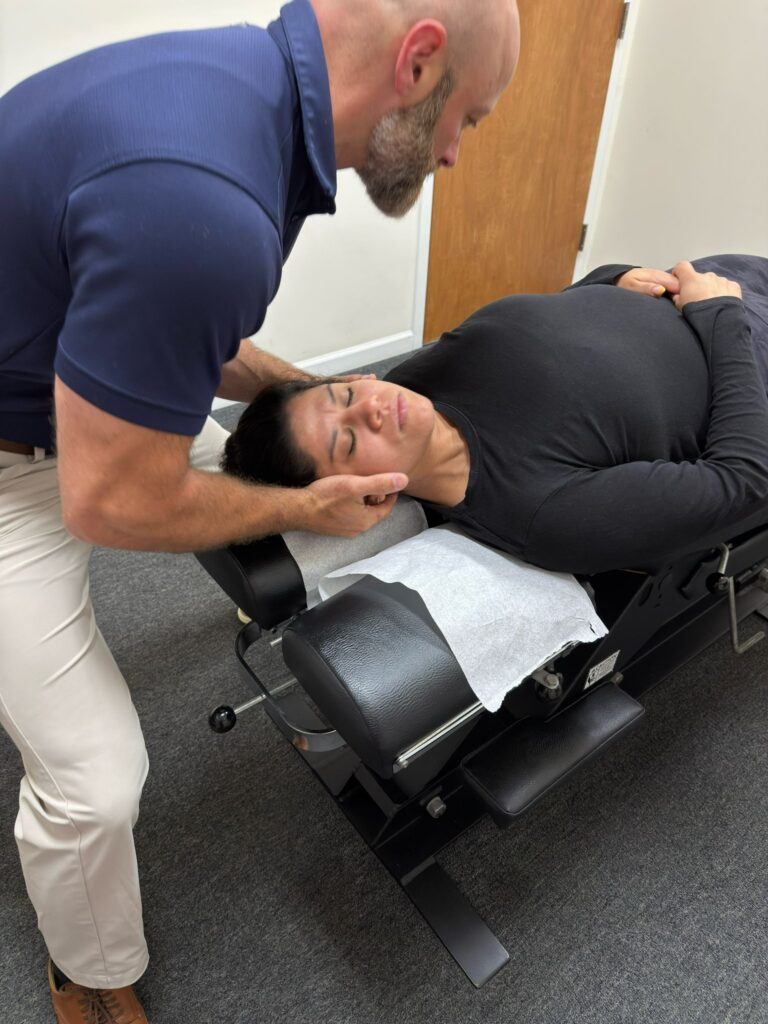
Chiropractic care focuses on restoring balance and function to your body, which can alleviate pain and improve your overall quality of life. By addressing both the physical and emotional aspects of chronic pain, we can help you regain control and enhance your well-being.
The Role of Mindfulness in Pain Management
As a local chiropractor, I want to share how mindfulness can be an effective strategy for managing chronic pain.
By integrating techniques such as meditation and focused breathing into your routine, you can redirect your attention from the discomfort you may be experiencing and instead foster a sense of tranquility.
This mindfulness approach not only aids in diminishing your perception of pain but also contributes positively to your overall well-being.
Embracing these practices can complement the chiropractic care you receive, creating a more holistic path to healing and pain relief.
Mindfulness Meditation Techniques
As a local chiropractor, I want to share with you the benefits of incorporating mindfulness meditation techniques into your daily routine, especially when it comes to managing pain. Many of my patients have found that by focusing on the present moment, they can develop a deeper awareness of their bodies and the sensations they experience.
I encourage you to set aside a few minutes each day to sit quietly, concentrate on your breath, and really tune into how your body feels. When thoughts about your pain come up, acknowledge them without judgment and gently bring your focus back to your breath. This practice can help create a mental distance from discomfort, which may reduce its intensity over time.
As you continue to practice mindfulness, you may find that you respond to pain with less reactivity. This means you can maintain a sense of calm and control, which is essential for your overall well-being.
Breathing Exercises Benefits
As a local chiropractor, I want to share the incredible benefits of incorporating breathing exercises into your daily routine, especially when it comes to managing pain. Focusing on your breath can activate your body’s natural relaxation response, which helps to reduce tension and create a sense of calm. This practice not only serves as a helpful distraction from your discomfort but also enhances your awareness of how your body feels.
By utilizing techniques such as deep diaphragmatic breathing, you can improve oxygen flow throughout your body, which may help alleviate pain. Regularly practicing these exercises encourages a mindful approach to how you experience pain, allowing you to respond thoughtfully rather than react impulsively.
As you become more in tune with your breath, you’ll find it easier to handle difficult moments, ultimately empowering you to take an active role in your pain management journey. Embracing these natural healing methods can complement your chiropractic care and support your overall well-being.
Benefits of Physical Therapy
Managing chronic pain can often feel overwhelming, but as a local chiropractor, I want to share how chiropractic care can provide a natural and proactive approach to help you regain control over your body.
This hands-on treatment not only addresses your pain but can significantly enhance your overall quality of life.
Here are some key benefits of incorporating chiropractic care into your pain management strategy:
- Enhanced Mobility: Through spinal adjustments and targeted exercises, you’ll experience improved range of motion, making daily activities much more manageable.
- Pain Relief: Chiropractors utilize various techniques to alleviate pain, which can help you reduce your reliance on medication and promote natural healing.
- Strengthening Support: By focusing on aligning the spine and strengthening key muscle groups, chiropractic care provides better support and stability around areas of discomfort.
- Customized Treatment Plans: Each patient is unique, and as your chiropractor, I’ll create a personalized care plan tailored to your specific needs, ensuring you receive the most effective treatment for your situation.
Embracing chiropractic care can be a transformative step towards a healthier, pain-free life.
Dietary Changes to Combat Inflammation
As your local chiropractor, I want to share with you how making some thoughtful dietary changes can greatly aid in managing chronic pain.
By incorporating anti-inflammatory foods into your meals, staying well-hydrated, and avoiding processed ingredients, you can significantly reduce inflammation in your body.
This is essential for not just pain relief, but also for overall health and wellness.
Together, we can explore how these dietary adjustments can complement your chiropractic care and enhance your journey toward natural healing.
Anti-Inflammatory Foods
As a local chiropractor, I want to share with you how the foods you eat can play a crucial role in managing chronic pain and promoting overall wellness. By incorporating anti-inflammatory foods into your diet, you can support your body’s healing processes and potentially reduce discomfort.
Here are four key foods to consider adding to your meals:
- Fatty Fish: Varieties like salmon and mackerel are rich in omega-3 fatty acids, which are known for their ability to fight inflammation effectively. Including these in your diet can help alleviate pain associated with inflammatory conditions.
- Berries: Fruits such as blueberries and strawberries aren’t just delicious; they’re also packed with antioxidants that can help lower inflammation in the body. A handful of these berries can make a great addition to your breakfast or snacks.
- Leafy Greens: Vegetables like spinach and kale are loaded with essential nutrients that combat inflammatory processes. Incorporating these greens into your meals can provide your body with the support it needs to heal and thrive.
- Turmeric: This vibrant spice contains curcumin, a potent anti-inflammatory compound that has been shown to ease pain. Adding turmeric to your dishes or smoothies can provide a flavorful way to enhance your health.
By making these dietary changes, you can complement the chiropractic care you receive and take proactive steps towards managing your pain naturally.
Let’s work together to find the right balance for your health!
Hydration and Pain Relief
As your local chiropractor, I want to share with you the importance of staying properly hydrated, especially when it comes to managing chronic pain. Many people may not realize that dehydration can actually worsen inflammation and discomfort in the body.
When you make it a point to drink enough water, you help your body eliminate toxins and function at its best, which can significantly alleviate pain levels. I recommend aiming for at least eight glasses of water a day, but keep in mind that you might need to adjust this amount depending on how active you’re and the climate you’re in.
Herbal teas and infused waters can also be great options to enhance your hydration while offering additional anti-inflammatory benefits. If you find yourself exercising or sweating often, consider incorporating electrolyte-rich beverages as well.
It’s important to note that even mild dehydration can heighten pain sensitivity, so I encourage you to keep a water bottle with you and sip throughout the day.
Avoiding Processed Ingredients
As a chiropractor dedicated to your overall well-being, I want to emphasize the importance of hydration in managing chronic pain. However, it’s equally crucial to pay attention to what you’re putting into your body.
To effectively combat inflammation, steering clear of processed ingredients is key. These types of foods can trigger pain and worsen your symptoms. Instead, I encourage you to concentrate on consuming whole, natural foods that truly nourish and support your body.
Here are four dietary adjustments to consider:
- Choose Fresh Fruits and Vegetables: These vibrant foods are loaded with antioxidants that work to fight inflammation and promote healing.
- Opt for Whole Grains: Incorporating options like brown rice and quinoa into your meals can provide you with essential nutrients and fiber that support digestive health.
- Include Healthy Fats: Foods such as avocados, nuts, and olive oil are excellent choices, as they can help reduce inflammation and support your overall health.
- Limit Sugars and Refined Carbs: These ingredients can lead to spikes in blood sugar levels, which may intensify your pain. Opting for natural, unprocessed alternatives can make a significant difference.
By making these thoughtful dietary changes, you can enhance your body’s ability to heal and manage pain more effectively.
Alternative Therapies: Acupuncture and Massage
Have you ever thought about how alternative therapies, such as acupuncture and massage, can play a role in managing chronic pain?
As a local chiropractor, I want to emphasize the benefits of these methods as part of a holistic approach to healing, promoting relief without solely depending on medication.
Acupuncture, for instance, involves the insertion of fine needles into specific points on your body. This practice is believed to stimulate the flow of energy, potentially leading to a reduction in pain. Many of my patients report feeling significant relief after just a few sessions, which can be an encouraging sign for those seeking alternative solutions.
Massage therapy complements chiropractic care by focusing on the manipulation of muscles and soft tissues. It can enhance circulation, relieve tension, and alleviate pain through various techniques tailored to your individual needs.
Regular massage sessions can provide long-term benefits, including decreased anxiety and an overall improvement in well-being.
Incorporating these therapies into your pain management routine can greatly enhance your quality of life. I strongly encourage you to consult with qualified practitioners to explore the best options for you.
The Importance of Sleep for Pain Relief
As a local chiropractor, I often see patients who are unaware of how significantly sleep influences chronic pain. Quality sleep is fundamental to effective pain management. When you fail to get adequate rest, your body struggles to heal and manage discomfort.
Let me share four key ways that sleep can aid in alleviating your chronic pain:
- Reduces Inflammation: Adequate sleep helps regulate your body’s inflammatory responses, which can lead to a decrease in pain levels. This is especially important for those dealing with chronic conditions.
- Boosts Pain Tolerance: Individuals who are well-rested typically have a higher pain threshold, making it easier to manage any discomfort they may experience throughout the day.
- Enhances Mood: Quality sleep can significantly improve your mood, which in turn can lower stress and anxiety levels—factors that often contribute to heightened pain sensations.
- Supports Recovery: Sleep is crucial for your body’s healing processes, allowing you to recover more effectively from injuries and pain.
Incorporating good sleep hygiene into your life can transform your approach to pain management. I encourage you to prioritize restful sleep and create an environment conducive to relaxation.
Engaging in Regular Physical Activity
As your local chiropractor, I want to emphasize how vital quality sleep is for managing chronic pain, but I also want to highlight the significant role that regular physical activity plays in enhancing your overall pain relief efforts.
Incorporating movement into your daily life can help alleviate stiffness, improve flexibility, and elevate your mood, all of which are essential components of holistic healing.
I recommend starting with low-impact activities such as walking, swimming, or cycling, as these options are gentler on your joints while still offering substantial benefits. Aim for at least 150 minutes of moderate exercise each week; however, don’t hesitate to break this down into smaller, manageable sessions that fit your lifestyle.
It’s crucial to listen to your body during this process. If you find that an activity feels too strenuous, feel free to adjust the intensity or duration to what feels comfortable for you.
Consistency is key in this journey; even gentle stretching or yoga can have positive effects on your body’s mobility and pain levels. Remember, the goal isn’t to push through pain but rather to discover a balance that works for you personally.
By staying active, you won’t only enhance your physical health but also empower yourself in managing chronic pain more effectively.
Building a Supportive Community
As a local chiropractor, I believe that creating a supportive community can significantly enhance your journey in managing chronic pain. Surrounding yourself with understanding individuals not only provides emotional comfort but also practical help in your healing process.
Here are some effective ways to build that community:
- Join Local Support Groups: I encourage you to seek out local or online groups where you can connect with others who share similar experiences. These groups can be a great resource for sharing information about pain management techniques, including chiropractic care.
- Reach Out to Friends and Family: Open up about your struggles and needs with your loved ones. While they may not fully understand the complexities of chronic pain, their support can be invaluable. Educating them about the role of chiropractic care in your recovery can foster deeper understanding and assistance.
- Engage in Wellness Activities: Participate in community events or classes that focus on wellness. This not only helps you learn more about natural healing methods but also allows you to connect with like-minded individuals who are also on a journey to better health.
- Utilize Social Media for Connection: Follow chronic pain communities online, as these platforms can be a great way to share your story and gain insights from others facing similar challenges. You can also connect with chiropractic professionals and learn more about how natural healing can complement your pain management strategy.
Conclusion
As your local chiropractor, I want to share some trustworthy techniques that can significantly help you manage chronic pain. By incorporating mindfulness practices into your daily routine, you can cultivate a sense of calm that aids in pain relief. Additionally, exploring physical therapy options can complement the chiropractic adjustments I offer, enhancing your recovery and mobility.
Making mindful dietary changes can also play a crucial role in how you feel. Certain foods can contribute to inflammation, while others can help reduce it. Staying active is vital; simple, regular movement can help keep your body functioning optimally and reduce discomfort.
Building a supportive community around you is just as important as the physical treatments. Surrounding yourself with understanding friends and family can provide emotional support on your healing journey. Don’t underestimate the power of sleep—prioritizing quality rest is essential for recovery and overall well-being.
Remember, you have the ability to take charge of your chronic pain. Together, we can create a personalized plan to help you find relief and lead a more fulfilling life. Take the first step today, and you’ll soon experience the positive changes that come with a holistic approach to health!