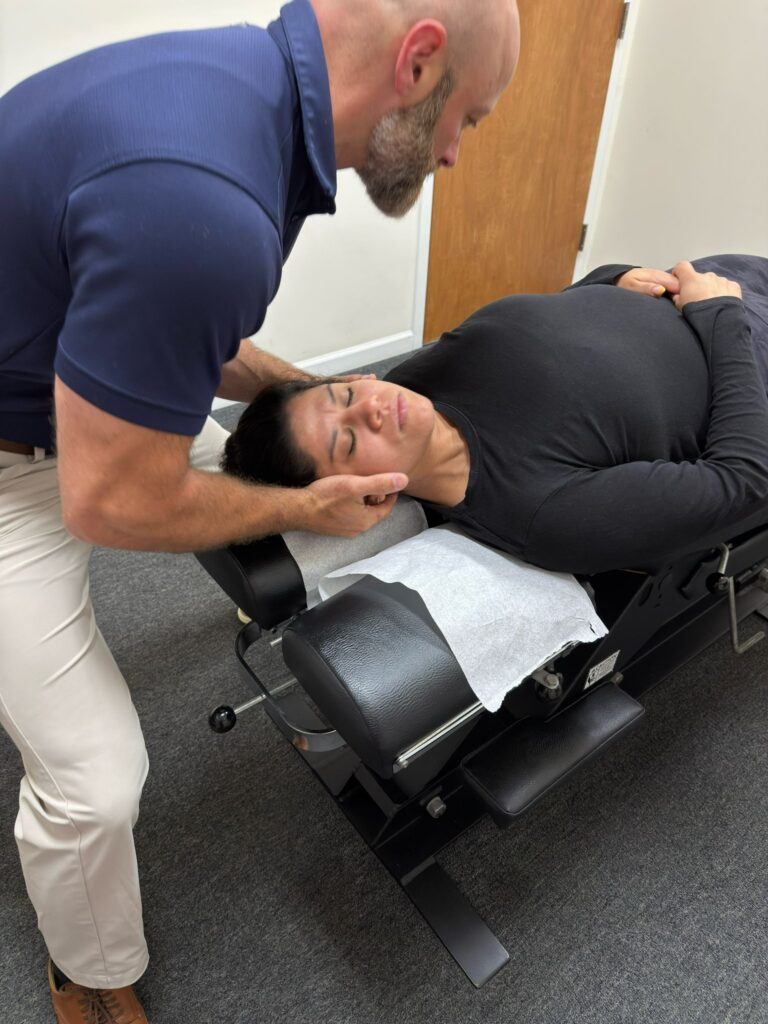

If you’ve ever experienced the debilitating pain of headaches or migraines, you know how they can disrupt daily life. Understanding the underlying causes and effective management strategies is essential for finding relief. As a chiropractor, I believe that addressing spinal health is a key factor in managing these issues. Many headaches originate from tension in the neck and spine, so incorporating chiropractic care can provide significant relief.
Identifying your triggers is crucial, whether they be stress, poor posture, or dietary choices. By being aware of what sets off your headaches, you can take proactive steps to avoid them. Additionally, making simple lifestyle changes, like improving your posture at work, staying hydrated, and incorporating regular movement into your day can greatly enhance your overall wellness.
Chiropractic adjustments not only help to relieve tension but also promote proper alignment of the spine. This alignment is vital for optimal nervous system function, which can reduce the frequency and intensity of headaches. Consider regular chiropractic visits as part of your self-care routine.
In addition to chiropractic care, you can explore other natural remedies like practicing relaxation techniques, such as deep breathing or yoga, and ensuring you get enough rest. These practices, combined with chiropractic adjustments, can create a powerful synergy for headache relief.
Remember, your health is in your hands. By making informed choices and prioritizing your spinal health, you can take control of your well-being and alleviate the burden of headaches and migraines. Embrace chiropractic care as a natural path to better health and wellness!
Key Takeaways
- It’s important to grasp the differences between headaches and migraines, as understanding these distinctions can help you identify your specific symptoms and triggers. This knowledge is essential for better management and achieving relief through chiropractic care.
- Keeping a food diary can be a valuable tool in pinpointing dietary triggers that may contribute to your headaches. Additionally, staying well-hydrated is crucial, as dehydration can lead to unnecessary discomfort. Remember, proper hydration supports overall health, which is a key aspect of chiropractic wellness.
- Regular exercise and maintaining a consistent sleep schedule can significantly reduce tension and improve your overall health. By incorporating these habits into your routine, you may experience fewer headaches. Chiropractic adjustments can further support your body’s alignment, enhancing the benefits of a healthy lifestyle.
- Consider exploring chiropractic care and other holistic therapies, such as herbal remedies and mindfulness techniques. These approaches focus on natural healing and can provide effective pain relief while promoting stress management. Your chiropractor can guide you in finding the right balance for your well-being.
- If you experience severe or persistent headaches, it’s crucial to seek professional help. A chiropractor can assess your condition and provide tailored treatment plans, particularly if your headaches are accompanied by concerning symptoms like confusion or vision changes. Remember, the goal is to achieve optimal health through natural, non-invasive methods.
Understanding Headaches and Migraines
Headaches and migraines can feel like unwelcome storms, disrupting your day and draining your energy. Understanding the difference between them is essential for effective management and achieving optimal health.
A headache typically causes mild to moderate pain, often felt across your forehead or temples. It might arise from tension, dehydration, or stress—common issues that can be addressed through natural methods, including chiropractic care.
On the other hand, migraines are more intense and may come with symptoms such as nausea, light sensitivity, and even aura disturbances. These debilitating episodes can last from hours to days, making daily activities nearly impossible. While traditional treatments often focus on medication, chiropractic care offers a holistic approach to managing these conditions.
Recognizing the signs and types of headaches is crucial for responding appropriately. For example, tension headaches may benefit from relaxation techniques and spinal adjustments, which can relieve pressure and promote better blood flow. Migraines, too, can be addressed through chiropractic care, which focuses on correcting misalignments in the spine that may contribute to the severity and frequency of these episodes.
By actively identifying and acknowledging your symptoms, you can work with your chiropractor to find personalized relief strategies. Understanding your body’s signals can empower you to take control, minimize the impact of headaches and migraines, and help you reclaim your day.
Additionally, adopting healthy habits such as staying hydrated, practicing stress-reduction techniques, and maintaining good posture can greatly enhance your overall well-being.
Chiropractic care is a natural and effective option for those seeking to alleviate headache and migraine pain without relying on medications or invasive procedures. By prioritizing your spinal health, you can achieve a more balanced and pain-free life.
Common Triggers and How to Avoid Them
As a chiropractor, I understand that everyday habits and environmental factors can trigger headaches and migraines. Stress, poor posture, and dehydration are common culprits that can lead to discomfort. It’s essential to listen to your body; when you feel tension building, take a moment to relax and stretch. Incorporating gentle spinal stretches can be particularly beneficial.
Staying hydrated is vital for overall health, so keep a water bottle handy and sip throughout the day to support your body and spine.
Certain foods, such as aged cheeses, processed meats, and excessive caffeine, can provoke headaches as well. Keeping a food diary can help you identify any dietary triggers you might have, allowing you to make informed choices and maintain a balanced diet that supports your wellness.
Environmental factors like bright lights, loud noises, and strong smells can contribute to headaches too. When possible, create a calm workspace or retreat to a quiet space when you feel a headache approaching. This can help reduce stress on your nervous system and promote relaxation.
Additionally, establishing a consistent sleep schedule is crucial. Lack of sleep can exacerbate headaches, so aim for 7-9 hours of restorative sleep each night. Quality sleep supports your overall health and enhances your body’s natural healing processes.
Chiropractic care can also play a significant role in managing headaches and improving your overall wellness. Regular adjustments can help align your spine, reduce tension, and promote better posture, ultimately leading to fewer headaches.
If you’re looking for a natural and effective way to achieve optimal health, consider integrating chiropractic care into your wellness routine. Remember, your body is your most valuable asset—taking care of it should always be a priority!
Lifestyle Changes for Headache Prevention
Making simple lifestyle changes can significantly help reduce the frequency and intensity of headaches, and chiropractic care can play an essential role in your overall wellness journey. One of the most important steps you can take is to stay hydrated. Drinking plenty of water throughout the day helps prevent dehydration, which is a common headache trigger.
Incorporating regular exercise into your routine is also vital. Aim for at least 30 minutes of moderate activity most days. Not only does this boost your overall health, but it can also alleviate tension in your body, which may contribute to headaches.
Remember, chiropractic adjustments can enhance your physical well-being and optimize your body’s function, making it easier for you to stay active.
Establishing a consistent sleep schedule is crucial too. Going to bed and waking up at the same time every day helps regulate your body’s internal clock, allowing for better quality sleep. Proper rest is essential for recovery and can help minimize headache occurrences.
Chiropractic care can assist in ensuring your spine is aligned, which can improve your overall sleep quality.
Paying attention to your diet is another key factor. Eating regular, balanced meals helps stabilize your blood sugar levels and reduces the likelihood of headaches. Consider incorporating anti-inflammatory foods, such as fruits, vegetables, and whole grains, to support your health further.
Lastly, practice stress management techniques like meditation or yoga. These practices can help you cope with life’s daily stresses and reduce the chances of experiencing headaches.
Chiropractic care can also provide valuable support in managing stress, as it promotes relaxation and proper alignment of the spine.
By making these adjustments and considering chiropractic care as a part of your wellness routine, you can create a healthier lifestyle that supports headache prevention and overall well-being.
Home Remedies for Immediate Relief
When a headache strikes, immediate relief can often be found through simple home remedies that support your overall wellness. Here are a few effective strategies you can try at home, along with the benefits of considering chiropractic care for long-term relief:
- Stay Hydrated: Dehydration can contribute to headaches. Make sure you’re drinking plenty of water throughout the day to keep your body and spine hydrated.
- Cold Compress: Applying a cold pack or a cloth soaked in cold water to your forehead for about 15 minutes can help ease pain. This method can also reduce inflammation and tension in the neck, which is often related to headaches.
- Peppermint Oil: Dab a little peppermint oil on your temples. The soothing scent and menthol can help alleviate headache pain and promote relaxation. Incorporating aromatherapy can be a nice complement to regular chiropractic adjustments.
- Ginger Tea: Brewing some ginger tea can help reduce inflammation and nausea often associated with headaches. Ginger is a natural anti-inflammatory that supports overall health, making it a great addition to your wellness routine.
- Relaxation Techniques: Practicing deep breathing or meditation can relieve stress and tension that may contribute to headaches. Regular chiropractic care can also help by aligning the spine and reducing stress on the nervous system.
Remember, while these home remedies can provide immediate relief, incorporating chiropractic care into your routine can help address the underlying causes of headaches, promoting better spinal health and overall wellness.
If you find yourself frequently experiencing headaches, consider consulting with a chiropractor for personalized care that targets the root of your discomfort.
Over-the-Counter Medications: When and How to Use Them
When headaches or migraines strike, many people turn to over-the-counter (OTC) medications for quick relief. While these can provide temporary comfort, it’s essential to consider a more holistic approach to managing pain—one that focuses on natural healing and overall wellness.
Chiropractic care is an excellent option for addressing the root causes of headaches and migraines. Misalignments in the spine can lead to tension and discomfort, and a chiropractor can help correct these issues through gentle adjustments. By promoting proper alignment, chiropractic care can alleviate pressure on nerves and muscles, often resulting in significant pain relief without the need for medication.
In addition to chiropractic adjustments, there are several tips you can incorporate into your daily routine for natural headache relief:
- Stay Hydrated: Dehydration can often trigger headaches. Make sure you’re drinking plenty of water throughout the day.
- Practice Good Posture: Poor posture can strain your neck and upper back, leading to tension headaches. Be mindful of your posture, especially if you spend long hours at a desk.
- Manage Stress: Stress is a common headache trigger. Consider incorporating relaxation techniques such as deep breathing, yoga, or meditation into your routine.
- Regular Exercise: Physical activity can help reduce stress and tension, promoting overall wellness. Aim for regular, moderate exercise to keep your body healthy.
- Adequate Sleep: A good night’s sleep is crucial for preventing headaches. Establish a consistent sleep schedule to ensure you’re well-rested.
By focusing on spinal health and incorporating these lifestyle changes, you can effectively manage headaches and migraines without relying solely on medications.
Types of OTC Medications
Managing headaches and migraines requires a thoughtful approach, and while many people turn to over-the-counter (OTC) medications for quick relief, there are natural alternatives that can promote better long-term health and wellness.
As a chiropractor, I believe that addressing the root cause of pain is crucial, and chiropractic care can play a significant role in achieving optimal health. Here are some insights to help you manage headaches naturally:
- Spinal Alignment: Misalignments in the spine can contribute to tension and headaches. Regular chiropractic adjustments can help restore proper alignment, reducing the frequency and intensity of headaches.
- Posture Awareness: Poor posture, especially with prolonged screen time, can lead to tension headaches. Practicing good posture and taking breaks to stretch can alleviate strain on your neck and back.
- Hydration: Dehydration is a common trigger for headaches. Make sure to drink plenty of water throughout the day to stay hydrated and support overall wellness.
- Stress Management: Stress can manifest as physical tension, leading to headaches. Techniques such as deep breathing, meditation, or yoga can help manage stress levels and promote relaxation.
- Regular Exercise: Physical activity can improve circulation and reduce tension in the body, making it a powerful tool for headache prevention. Aim for regular, moderate exercise to support your overall health.
- Healthy Sleep Habits: Establishing a consistent sleep routine can improve the quality of your rest, which is essential for headache prevention. Ensure your sleeping environment is comfortable and conducive to restful sleep.
While it might be tempting to rely on OTC medications for quick relief, consider these natural approaches as part of your wellness routine.
If your headaches persist or worsen, it’s important to consult with a healthcare professional who can guide you in finding the best solutions.
Remember that chiropractic care focuses on holistic health and can be a valuable ally in your journey to wellness and pain relief.
Dosage and Timing Tips
When it comes to managing headaches and migraines, understanding natural and holistic approaches can significantly enhance your overall wellness. While over-the-counter (OTC) medications may provide temporary relief, it’s important to consider chiropractic care as a powerful alternative for long-term health benefits.
Instead of immediately reaching for pain relievers, pay attention to your body and the early signals it sends. Chiropractic adjustments can help address spinal misalignments that may contribute to headaches, promoting better nervous system function and reducing pain at its source. Regular visits to your chiropractor can help you manage headache triggers and improve your overall spinal health.
If you do choose to use OTC medications, make sure to read the labels carefully and follow the recommended dosage guidelines based on your age and weight. However, I encourage you to consult with your chiropractor about natural remedies and lifestyle changes that can provide relief without the need for medication.
Incorporating healthy habits into your daily routine can also play a significant role in headache prevention. Staying hydrated, practicing good posture, and engaging in regular physical activity are simple yet effective strategies. Techniques such as deep breathing, stretching, and relaxation exercises can help alleviate tension that may lead to headaches.
Remember, if you find yourself relying on OTC medications frequently, it’s a good idea to explore chiropractic care as a viable option for achieving optimal health and wellness. Your chiropractor can work with you to identify underlying issues and provide personalized care tailored to your needs.
Embrace the journey to natural healing and discover the benefits of chiropractic for pain relief and overall wellness.
Prescription Treatments for Chronic Migraines
Chronic migraines can be incredibly challenging, but there are natural approaches that can help alleviate the pain and improve your quality of life. As a chiropractor, I believe in the power of holistic care to support your body in healing itself.
Here are some effective strategies you might consider to manage chronic migraines without relying on medications:
- Chiropractic adjustments: Regular spinal adjustments can help improve your spinal alignment, reduce nerve interference, and decrease muscle tension, which may contribute to headache pain.
- Stress management: High stress levels can trigger migraines. Incorporating relaxation techniques such as deep breathing, meditation, or yoga can help calm your mind and body.
- Hydration: Staying well-hydrated is essential. Dehydration can often lead to headaches, so ensure you’re drinking enough water throughout the day.
- Dietary changes: Keep a food diary to identify any potential trigger foods that may contribute to your migraines. Eating a balanced diet rich in fruits, vegetables, and whole grains can support your overall health.
- Regular exercise: Engaging in regular physical activity can help reduce stress and improve your overall well-being. Gentle activities like walking, swimming, or cycling can be beneficial.
- Sleep hygiene: Establishing a consistent sleep schedule and creating a restful sleep environment can help improve the quality of your sleep, reducing the likelihood of migraines.
- Massage therapy: Regular massages can help relieve muscle tension in your neck and shoulders, which may alleviate migraine symptoms.
By focusing on these natural strategies and incorporating chiropractic care into your routine, you can take a proactive approach to managing chronic migraines.
Always consult with your healthcare provider before making any significant changes to your health regimen. Remember, with the right support and lifestyle adjustments, you can regain control over your health and enjoy a more fulfilling life.
Alternative Therapies: Acupuncture and Beyond
If you’re looking for effective relief from headaches and migraines, chiropractic care should be at the top of your list. Chiropractors specialize in spinal alignment and overall body wellness, which can significantly alleviate headache pain.
In addition to chiropractic adjustments, maintaining good posture and practicing regular stretching can help keep your spine in alignment and reduce tension.
While exploring natural healing methods, it’s important to remember that lifestyle choices play a crucial role in your overall well-being. Staying hydrated, managing stress through activities like yoga or deep breathing, and incorporating a balanced diet rich in anti-inflammatory foods can enhance your recovery.
By choosing chiropractic care, you’re opting for a natural, drug-free approach to pain relief. Working with a chiropractor not only addresses the symptoms of headaches but also helps identify the underlying causes, paving the way for a healthier, pain-free life.
Always keep in mind that small changes in your daily habits can lead to significant improvements in your health.
Benefits of Acupuncture
As a local chiropractor, I want to share how you can manage headaches and migraines effectively through natural methods, emphasizing the importance of spinal health and overall wellness.
While acupuncture can be beneficial for some, I believe chiropractic care stands out as a holistic approach to pain relief and optimal health. Here’s how chiropractic care can help you:
- Addresses Spinal Alignment: Misalignments in the spine can contribute to headaches. Chiropractic adjustments help restore proper alignment, relieving tension and reducing pain.
- Promotes Natural Healing: Chiropractic care encourages your body’s natural healing processes without the need for medications. This means fewer side effects and a more sustainable approach to wellness.
- Enhances Blood Flow: Adjustments can improve circulation, which is vital for delivering nutrients and oxygen to your brain, potentially reducing headache frequency and intensity.
- Balances Nervous System Function: By optimizing spinal health, chiropractic care helps balance your nervous system, which can address underlying issues that trigger headaches.
- Empowers You with Knowledge: We’ll work together to develop personalized wellness plans that include exercises, stretches, and lifestyle tips to manage and prevent headaches effectively.
If you’re looking for a natural way to alleviate headaches and improve your overall well-being, chiropractic care is worth considering.
Many patients appreciate the non-invasive nature of our treatments and the focus on holistic health, making it a valuable option for managing headache and migraine symptoms.
Herbal Remedies Overview
Chiropractic care is an excellent natural approach for managing headaches and migraines, yet many individuals also explore herbal remedies as complementary options. While I always recommend prioritizing chiropractic care for pain relief and overall wellness, it’s good to know that some herbs may help reduce the frequency and intensity of headaches. Here’s a brief overview of a few popular herbs that some people find beneficial:
| Herb | Benefits | Usage |
|---|---|---|
| Feverfew | May help reduce headache frequency | Capsules or tea |
| Butterbur | Could ease migraine symptoms | Supplements |
| Peppermint | Can relax muscles and improve circulation | Essential oil or tea |
Before incorporating any herbal treatments, it’s wise to consult with a healthcare professional to ensure safety and effectiveness. Remember, chiropractic care focuses on the spine and nervous system, addressing the root causes of headaches and promoting natural healing. By combining chiropractic adjustments with healthy lifestyle choices, such as regular exercise, proper hydration, and stress management techniques, you can enhance your overall well-being.
If you’re seeking relief from headaches, consider scheduling a chiropractic appointment to discuss personalized treatment options. Together, we can create a holistic approach that supports your health journey and helps you feel your best.
Mindfulness and Meditation Techniques
Mindfulness and meditation techniques can be excellent allies in managing headaches and migraines, and they complement the benefits of chiropractic care. By integrating these practices into your routine, you can enhance relaxation and awareness, which are vital for alleviating the tension and stress that often contribute to head pain.
Here are some simple yet effective techniques to help you find relief:
- Deep Breathing: Start by taking slow, deep breaths. Inhale deeply through your nose, allowing your belly to expand, and then exhale gently through your mouth. This technique can help calm your nervous system and reduce stress.
- Body Scan: Take a moment to mentally check in with each part of your body. Start from your toes and work your way up to your head, consciously releasing any tension you feel along the way. This practice can enhance your body awareness and promote relaxation.
- Visualization: Picture yourself in a serene location—a quiet beach or a peaceful forest. Imagine the sights, sounds, and sensations of this place. Visualizing a healing light surrounding you can also be soothing and empowering.
- Guided Meditation: Consider using guided meditations available through various apps or online resources. These can help you focus your mind and find a state of calm, further supporting your overall wellness.
- Mindful Walking: Take a leisurely walk, paying close attention to each step and the environment around you. Notice how your body feels with each movement. This practice can provide a gentle form of exercise while helping you center your thoughts.
Incorporating these mindfulness techniques into your daily life can make a significant difference in managing headaches and supporting your overall health.
Additionally, regular chiropractic adjustments can help maintain spinal alignment and improve your body’s function, contributing to a greater sense of well-being.
The Role of Diet in Headache Management
While headaches and migraines can stem from various triggers, the role of diet is often underestimated but crucial in managing these conditions. What you consume can significantly affect the frequency and intensity of your headaches. For example, certain foods like aged cheeses, processed meats, and artificial sweeteners may provoke symptoms for some individuals.
To better understand your triggers, consider keeping a food diary, which can help you identify and eliminate these problematic foods from your diet.
In addition to monitoring what you eat, focusing on whole foods—such as fresh fruits, vibrant vegetables, lean proteins, and whole grains—can provide essential nutrients that support overall brain health. Staying well-hydrated is vital as well; dehydration is a common headache trigger, so aim to drink plenty of water throughout your day.
Furthermore, maintaining consistent meal times can help prevent blood sugar dips, which can also lead to headaches. By being mindful of your diet and making healthier choices, you can actively contribute to reducing the frequency and severity of your headaches and migraines.
As a chiropractor, I encourage you to consider the holistic approach to health. By incorporating chiropractic care into your routine, you can enhance your overall wellness and support your body’s natural healing processes.
Regular chiropractic adjustments can help align your spine and improve your nervous system function, potentially alleviating some headache symptoms. Combining chiropractic care with mindful eating habits can empower you on your journey to optimal health and wellness.
Stress Management Techniques for Relief
Stress is a common trigger for headaches and migraines, making it crucial to find effective ways to manage it. As a chiropractor, I believe that incorporating natural healing methods—like chiropractic care—can greatly contribute to overall wellness and pain relief.
By addressing the underlying issues in your spine and nervous system, chiropractic treatment can help reduce the frequency and intensity of headaches while promoting your body’s natural ability to heal.
In addition to chiropractic care, here are some simple stress-relief techniques you can easily integrate into your daily routine:
- Deep Breathing: Take a few minutes to focus on your breath. Inhale deeply through your nose, allowing your abdomen to expand, and exhale slowly through your mouth. This helps calm your nervous system and reduce tension.
- Mindfulness Meditation: Spend a few moments each day sitting quietly and bringing your attention to the present. Meditation can help clear your mind of stressors and promote relaxation, which is essential for managing pain.
- Physical Activity: Regular exercise, such as walking, yoga, or even gentle stretching, can release endorphins—your body’s natural painkillers. Staying active not only improves your mood but also supports spinal health.
- Time Management: Break your tasks into smaller, manageable steps and prioritize them. This approach can prevent feelings of overwhelm and help you stay organized, reducing stress.
- Connect with Others: Don’t hesitate to talk to friends or family about what’s on your mind. Sharing your experiences can lighten your emotional burden and provide support during stressful times.
Incorporating these strategies alongside regular chiropractic care can lead to improved stress management and fewer headaches.
When to Seek Professional Help
If your headaches or migraines are persistent or severe, it’s important to consider seeking professional help, particularly from a chiropractor. These symptoms can significantly affect your daily life and overall well-being. Chiropractic care focuses on the spine and nervous system, which can play a crucial role in alleviating headache and migraine pain.
Chiropractors use natural, non-invasive methods to help restore balance and function to your body, addressing the root causes of your discomfort rather than just masking the symptoms. Techniques such as spinal adjustments, soft tissue therapy, and lifestyle advice can provide effective relief and promote overall wellness.
In addition to seeing a chiropractor, here are some general tips to help manage headaches and migraines naturally:
- Stay Hydrated: Dehydration can trigger headaches, so make sure you’re drinking plenty of water throughout the day.
- Maintain Good Posture: Poor posture can lead to tension in the neck and shoulders, contributing to headache pain. Be mindful of your posture while sitting or standing.
- Manage Stress: Stress can be a significant trigger for headaches. Incorporate relaxation techniques such as deep breathing, meditation, or gentle yoga into your routine.
- Get Enough Sleep: Aim for a consistent sleep schedule and ensure you’re getting quality rest to help prevent headaches.
- Limit Screen Time: Prolonged screen use can cause eye strain and tension headaches. Take regular breaks and practice the 20-20-20 rule: every 20 minutes, look at something 20 feet away for at least 20 seconds.
Don’t hesitate to reach out to a chiropractor for guidance and support. They can help you find the best path to relief and optimal health naturally.
Persistent or Severe Symptoms
When headaches or migraines become persistent or severe, it’s important to understand the signs that indicate you should seek professional help. Ignoring these symptoms can lead to bigger health challenges down the line. If you notice any of the following, consider consulting with a chiropractor who can provide a natural approach to relief:
- Headaches that seem to get worse over time
- New headaches that begin after the age of 50
- Severe headaches that interfere with your daily life
- Symptoms like confusion, weakness, or changes in vision that accompany your headaches
- Headaches that occur after a head injury
Chiropractic care offers a holistic way to address these issues by focusing on the health of your spine and nervous system. Regular chiropractic adjustments can help alleviate tension and improve circulation, which may lead to reduced headache frequency and intensity.
In addition to seeking chiropractic care, here are some general tips to help manage headaches naturally:
- Stay Hydrated: Dehydration can trigger headaches, so make sure you’re drinking enough water throughout the day.
- Practice Good Posture: Poor posture can lead to tension in the neck and shoulders, contributing to headaches. Be mindful of your posture, especially when sitting for long periods.
- Manage Stress: Incorporate relaxation techniques such as deep breathing, meditation, or yoga into your daily routine to help reduce stress levels.
- Get Regular Exercise: Physical activity can improve overall health and reduce the frequency of headaches. Even a daily walk can be beneficial.
- Maintain a Consistent Sleep Schedule: Aim for a regular sleep pattern to help prevent headaches related to fatigue or disrupted sleep.
Being proactive about your health is crucial. Don’t wait for your symptoms to worsen; seeking chiropractic care early can lead to effective management and an improved quality of life.
Impact on Daily Life
Persistent headaches and migraines can significantly impact your daily life, making it difficult to focus at work and enjoy social activities. You may find your productivity slipping as concentration becomes a challenge. With these discomforts, social gatherings might feel overwhelming, leading you to pull away from friends and loved ones.
If you’re frequently experiencing these disruptions, it’s essential to take a closer look at your situation. Chiropractic care can be an excellent solution for managing headaches and migraines naturally. By addressing spinal misalignments and improving the overall function of your nervous system, chiropractic adjustments can help alleviate pain and prevent future occurrences, promoting a healthier, more vibrant lifestyle.
In addition to seeking chiropractic care, there are some simple tips you can incorporate into your daily routine to help manage headaches. Staying hydrated, practicing good posture, and incorporating regular physical activity can all contribute to reducing headache frequency.
Furthermore, consider stress management techniques such as yoga, meditation, or deep breathing exercises to help ease tension and promote relaxation.
If you notice that your headaches persist for more than a couple of days, worsen over time, or if you experience sudden, severe headaches with concerning symptoms like vision changes or confusion, it’s crucial to consult a healthcare provider.
However, for those looking for a natural approach to pain relief and wellness, chiropractic care offers a holistic path to improving your quality of life. Remember, addressing these issues early can lead to a healthier, happier you!
Conclusion
Managing headaches and migraines effectively starts with a proactive approach that prioritizes your overall health and wellness. Identifying your triggers is crucial, as it allows you to make informed lifestyle changes that can significantly reduce the frequency and intensity of your headaches. Incorporating chiropractic care into your routine can be a game-changer. Our skilled chiropractors focus on spinal health and alignment, which play a vital role in reducing tension and promoting overall well-being.
Consider adding simple, natural strategies to your daily life. Staying hydrated, practicing stress-reduction techniques like deep breathing or yoga, and maintaining a regular sleep schedule can all contribute to fewer headaches. Regular chiropractic adjustments can help alleviate tension in the neck and upper back, which are common areas where headaches originate.
Don’t overlook the power of home remedies, such as applying a cold compress to your forehead or practicing gentle stretches. These methods can provide immediate relief and complement the benefits of chiropractic care.
If you find that your headaches persist, it’s important to consult with a healthcare professional who understands the significance of spinal health. Taking charge of your wellness journey with chiropractic care can lead to lasting relief and enhance your quality of life, allowing you to enjoy more pain-free days. Remember, prioritizing your health through natural healing methods is the best way to achieve optimal wellness.