
If you’re experiencing lower back pain, know that you’re not alone. A significant number of individuals face discomfort for various reasons, ranging from muscle strains to more complex conditions. Understanding these underlying factors is crucial for finding effective relief and achieving lasting wellness.
As a chiropractor, I want to emphasize that simple adjustments in your posture and daily habits can make a remarkable difference in your back health. Here are some practical strategies that can help you regain control and improve your overall well-being:
- Mind Your Posture: Whether you’re sitting at a desk, standing, or lifting objects, maintaining proper posture is key. Keep your shoulders back, your spine straight, and your feet flat on the floor when sitting. If you’re lifting something, bend at your knees, not at your waist.
- Stay Active: Regular gentle movement can strengthen your back muscles and improve flexibility. Simple activities like walking, swimming, or yoga can be very beneficial. Aim for at least 30 minutes of activity most days of the week.
- Core Strengthening: A strong core supports your spine. Incorporate exercises that target your abdominal and back muscles. Planks and pelvic tilts are great starting points.
- Use Ergonomic Equipment: If you spend a lot of time at a desk, consider using an ergonomic chair or a standing desk. These tools can help reduce strain on your back.
- Stay Hydrated: Proper hydration is essential for maintaining the elasticity of spinal discs. Make sure you’re drinking enough water throughout the day.
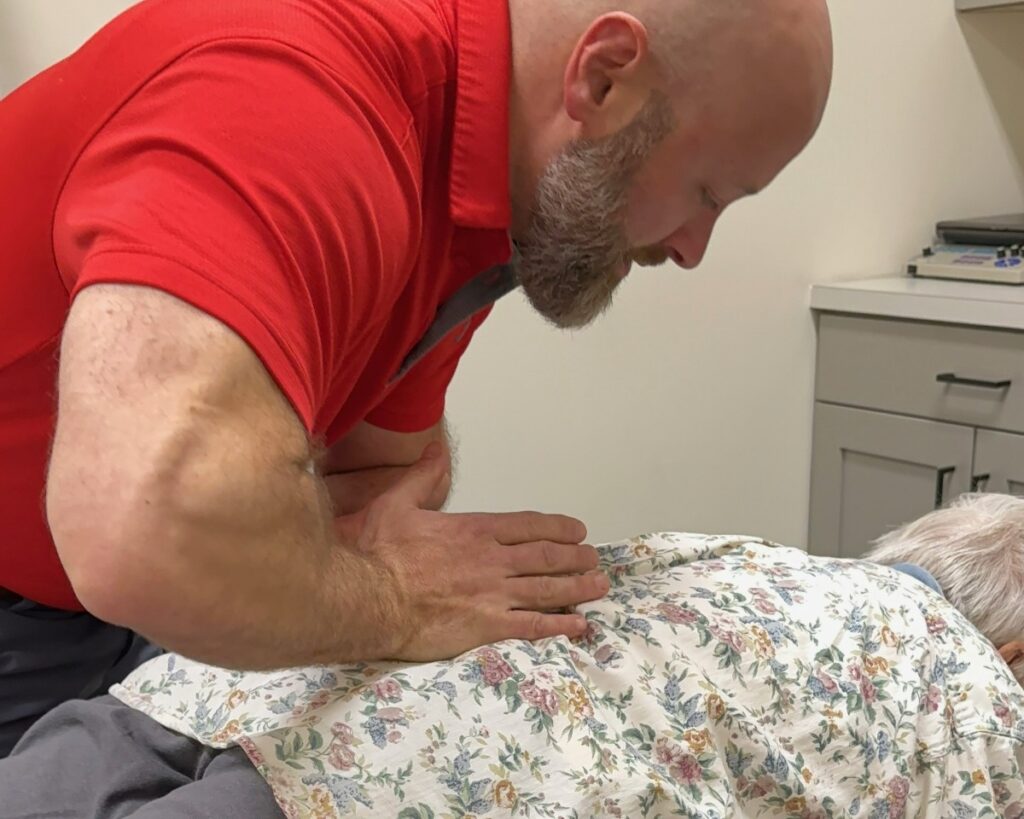
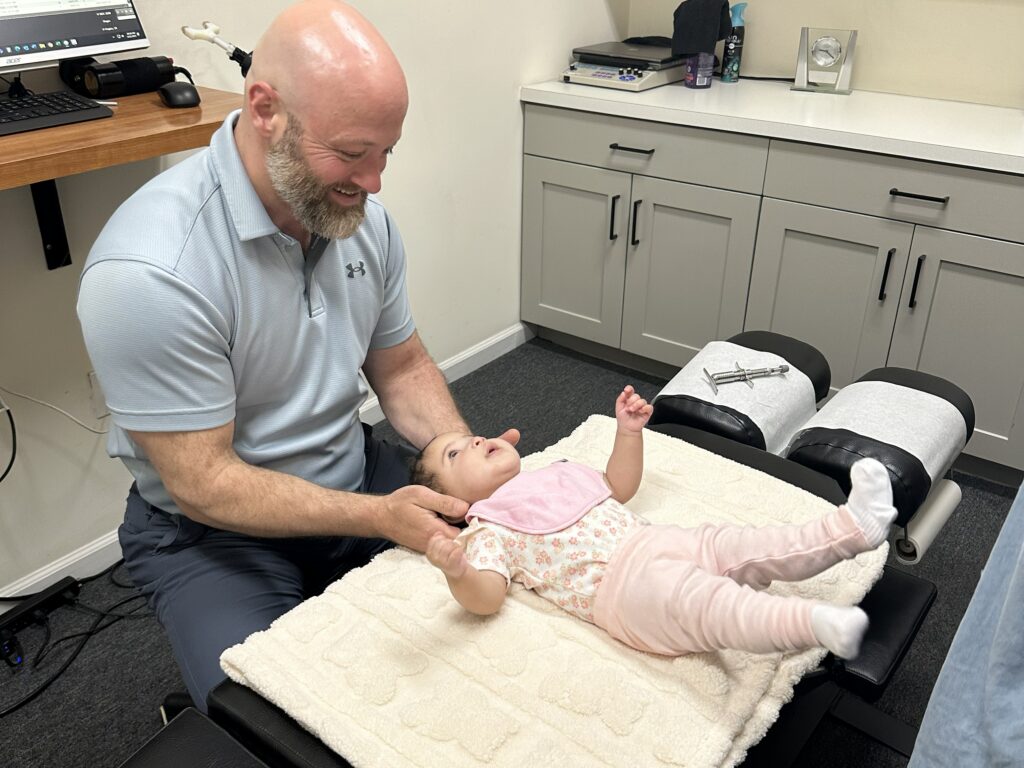
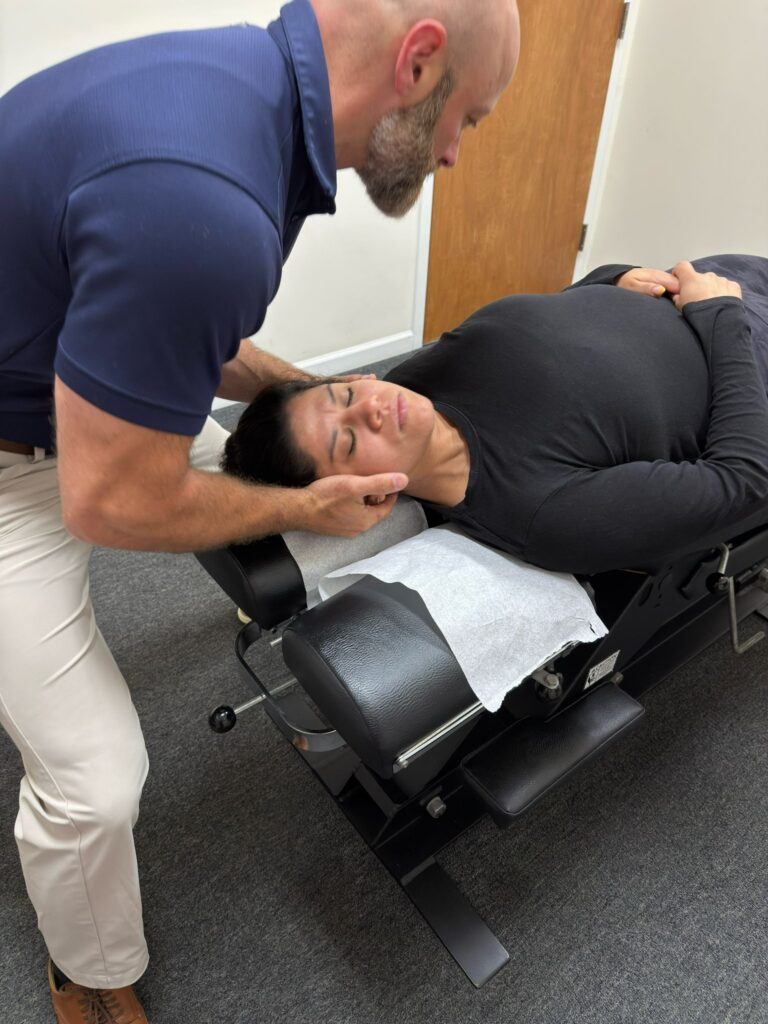
- Chiropractic Care: Regular visits to a chiropractor can help align your spine, relieve pain, and promote overall health. Chiropractic adjustments not only address existing issues but also help prevent future problems by ensuring your body functions optimally.
- Mindfulness and Relaxation: Stress can contribute to muscle tension. Practices such as meditation, deep breathing, or gentle stretching can help reduce tension and enhance your overall sense of well-being.
By incorporating these simple yet effective strategies into your daily routine, you can significantly improve your back health and overall quality of life. Remember, chiropractic care is a natural and effective way to address lower back pain, allowing your body to heal itself and achieve optimal wellness. Don’t hesitate to reach out to your local chiropractor for personalized advice and treatment options tailored to your unique needs.
Key Takeaways
- To effectively manage lower back pain, it’s essential to understand its root causes, such as muscle strains, herniated discs, and degenerative conditions like arthritis. By addressing these underlying issues, you can pave the way for better health and well-being.
- Be aware of warning signs that may indicate a need for immediate professional attention, such as pain radiating down your legs or experiencing bladder control problems. These symptoms may require a careful evaluation to ensure you receive the right care.
- Practicing proper posture and ergonomics at work is crucial for maintaining a neutral spine. By making simple adjustments to your workspace, you can significantly reduce strain on your lower back during daily activities. Consider using supportive chairs and ensuring your computer screen is at eye level to promote good posture.
- Incorporating regular stretching and strengthening exercises into your routine can greatly enhance flexibility and support your back health. Gentle movements like child’s pose and pelvic tilts can be particularly beneficial. Remember, these exercises not only help relieve tension but also contribute to overall wellness.
- If you’re experiencing persistent pain or muscle spasms, seeking chiropractic care is a wonderful option. Chiropractors specialize in spinal health and can provide tailored treatments to help alleviate discomfort naturally. If home remedies aren’t delivering the relief you need, a chiropractor can offer effective solutions to get you back on track.
By prioritizing your spinal health and considering chiropractic care, you can take significant steps towards a pain-free and healthier life.
Understanding Lower Back Pain: Causes and Symptoms
When you experience lower back pain, understanding its causes and symptoms is key to effective relief, and chiropractic care can play a vital role in your recovery.
Common causes of lower back pain include muscle strains, herniated discs, and conditions like arthritis. Often, poor lifting techniques or sudden awkward movements lead to strains, while degenerative issues can arise as we age.
You may feel symptoms such as a dull ache, sharp pain, or stiffness in your lower back. Sometimes, this discomfort can radiate down your legs, which may indicate nerve involvement.
If you’re experiencing muscle spasms or find it difficult to stand up straight, it’s important to seek help from a chiropractor who can assess your situation.
Understanding whether your pain is acute or chronic can also help you gauge its severity. Acute pain comes on suddenly and lasts for a short time, while chronic pain persists for three months or longer.
Regardless of the type, chiropractic care focuses on addressing the root causes of your pain, helping you achieve optimal health naturally.
Here are some general tips to help alleviate lower back pain:
- Practice Good Posture: Maintain a neutral spine when sitting or standing to reduce strain on your lower back.
- Engage in Regular Exercise: Strengthening your core muscles can provide better support for your spine.
- Use Proper Lifting Techniques: Always bend at your knees and keep the object close to your body when lifting.
- Stay Active: Gentle stretching and low-impact activities like walking can keep your back flexible and strong.
- Consider Chiropractic Adjustments: Regular chiropractic visits can help realign your spine and alleviate pain while promoting overall wellness.
Importance of Proper Posture
Proper posture is essential for preventing and alleviating lower back pain, and as your local chiropractor, I want to emphasize just how crucial it’s for your overall health and wellness.
When you maintain proper alignment while sitting or standing, you help distribute your weight evenly, which reduces the strain on your spine and surrounding muscles.
It’s all too common to find ourselves slouching or hunching over, especially after long hours at a desk, but this can lead to discomfort and pain over time.
To support your spine and overall health, here are some simple tips to help you maintain proper posture:
- Feet Flat on the Ground: When sitting, make sure your feet are flat on the floor. This helps stabilize your body and provides a solid base.
- Back Straight: Keep your back straight and your shoulders relaxed. Imagine a string pulling you gently upward from the top of your head.
- Use Good Lumbar Support: If you’re sitting for extended periods, choose a chair that provides good lumbar support. This will help maintain the natural curve of your lower back.
- Align Your Body: When standing, try to align your ears, shoulders, and hips in one vertical line. This keeps your spine in a neutral position.
- Take Breaks: Don’t forget to take regular breaks to stretch and move around. This helps relieve tension and keeps your muscles engaged.
Practicing these habits daily can significantly improve your spinal alignment and overall comfort.
Being mindful of your posture isn’t just about looking good; it’s about investing in your long-term health.
Remember, chiropractic care is a natural and effective approach to achieving optimal health and pain relief.
So, take a moment to adjust your position right now, and feel the positive impact proper posture can have on your life!
If you ever need support or guidance, don’t hesitate to reach out for chiropractic care, where we prioritize your health and wellness.
Effective Stretches for Lower Back Relief
Incorporating effective stretches into your daily routine can significantly help relieve lower back pain, and as a chiropractor, I want to emphasize the importance of natural healing methods like these.
Here are some stretches that can complement your chiropractic care and enhance your overall wellness.
One of the best stretches is the child’s pose. Begin on your hands and knees, and gently sit back on your heels while reaching your arms forward. This stretch not only relaxes your lower back but also promotes breathing and relaxation. Hold the position for about 30 seconds while taking deep breaths, allowing your body to release tension.
Another fantastic stretch is the knee-to-chest stretch. Simply lie on your back and gently pull one knee toward your chest. Hold this position for 20-30 seconds before switching to the other side. This stretch can help open up your lower back and relieve tightness.
You might also find the standing forward bend beneficial. Stand with your feet hip-width apart, bend at your hips, and let your upper body hang down. This position allows gravity to work its magic, providing a gentle stretch to your lower back. Hold for approximately 30 seconds, and enjoy the relief as you feel the tension melt away.
Lastly, consider adding the seated spinal twist to your routine. Sit with one leg extended and bend the other knee, placing your foot outside of your thigh. Twist your torso toward the bent knee, holding this stretch for 20-30 seconds on each side. This movement can enhance spinal flexibility and support your overall spinal health.
Remember, these stretches aren’t a replacement for chiropractic care, but they can certainly complement your treatment and contribute to a healthier lifestyle. Always listen to your body and consult with your chiropractor for personalized advice.
Together, we can work towards achieving optimal health and wellness naturally!
Strengthening Exercises for a Healthier Back
Building a stronger back is vital for preventing pain and improving your overall mobility. As a chiropractor, I encourage you to incorporate simple, targeted exercises into your routine to support your spinal health naturally.
Start with pelvic tilts: lie on your back with your knees bent. Gently flatten your lower back against the floor by tilting your pelvis. Hold this position for a few seconds, then release. This exercise helps to strengthen your lower back and improve your posture.
Next, try bird-dogs: get on all fours and extend one arm while simultaneously stretching out the opposite leg. Keep your core engaged throughout the movement. Hold for a few seconds, then switch sides. This exercise not only strengthens your back but also enhances your balance and coordination.
Don’t forget about bridges: lie on your back with your feet flat on the floor. Lift your hips off the ground while squeezing your glutes. This movement strengthens your lower back and supports your spine, promoting better alignment.
Lastly, planks are excellent for core stability. Hold a plank position on your forearms and toes, making sure your body is straight. This exercise engages your entire core, which is crucial for maintaining a healthy back.
Aim to perform these exercises three times a week. Remember, strengthening your back muscles can significantly support your spine and help you maintain proper posture in your daily activities.
In addition to these exercises, consider regular chiropractic care for ongoing support. Chiropractic adjustments can help realign your spine and enhance the effectiveness of your exercises.
Together, these practices can lead you to a healthier, pain-free life. Your back will thank you!
The Role of Ergonomics in Preventing Pain
To prevent lower back pain, it’s essential to prioritize ergonomics in your daily routine. By maintaining proper posture and creating an ergonomic workspace, you can greatly improve how your back feels. Simple adjustments, like ensuring your chair supports your lower back and your computer screen is at eye level, can make a world of difference.
Moreover, incorporating adjustable furniture allows you to switch between sitting and standing throughout your day, which can reduce strain on your spine. Regularly taking breaks to stretch and move around can also help alleviate tension and promote flexibility.
As a chiropractor, I believe that chiropractic care is a vital component of achieving optimal health and wellness. Regular adjustments can help align your spine, relieve pain, and enhance your overall well-being. If you’re experiencing discomfort, consider visiting a chiropractor for a personalized approach to pain relief and natural healing.
Importance of Proper Posture
As a local chiropractor, I want to emphasize the profound impact your posture can have on your lower back health. Many people don’t realize that the way you sit or stand can significantly influence your overall well-being.
Proper posture is essential because it helps evenly distribute your body weight, which reduces strain on your spine and the surrounding muscles. Conversely, slouching or leaning forward can create unnecessary pressure, leading to discomfort and pain.
To enhance your posture, here are some simple tips you can incorporate into your daily routine:
- Keep Your Shoulders Back: This helps align your spine and reduces tension in your back muscles.
- Feet Flat on the Ground: When sitting, ensure your feet rest flat on the floor. This promotes better balance and support.
- Use a Supportive Chair: If you’re sitting for long periods, choose a chair that supports your lower back. This can make a significant difference in your comfort.
- Distribute Weight Evenly: When standing, try to distribute your weight evenly between both feet. This helps to alleviate strain on your lower back.
By being mindful of your posture throughout the day, you can significantly reduce your risk of developing chronic lower back pain. Prioritizing proper alignment is a straightforward yet powerful way to protect your health.
Chiropractic care is an excellent option for addressing posture-related issues and achieving optimal health naturally. Regular visits to your chiropractor can help ensure your spine remains properly aligned, promoting better posture and overall wellness. Remember, taking care of your spine is a key step towards a healthier, more active life!
Ergonomic Workspace Design
Creating an ergonomic workspace is vital for your overall health and can significantly help in preventing lower back pain. When you optimize your work environment, you not only enhance your comfort but also support your spine’s natural alignment, making it easier for your body to function at its best.
Start by adjusting your chair height so that your feet rest flat on the floor, and your knees are at a 90-degree angle—this position promotes healthy circulation and reduces strain on your lower back. It’s also crucial to ensure your computer screen is at eye level; this helps prevent unnecessary neck and back strain.
Invest in a chair that provides lumbar support to maintain the natural curve of your spine, as this is key to avoiding discomfort. Keep frequently used items within arm’s reach to minimize twisting and stretching, which can lead to tension and pain.
Another important tip is to make it a habit to take short breaks every hour. Stand up, stretch, and move around—this not only helps relieve any built-up tension but also keeps your body active and engaged.
Remember, these simple adjustments can make a world of difference in your comfort and well-being. And while these changes are beneficial, regular chiropractic care is an excellent way to support your spine’s health and help you achieve optimal wellness. By addressing any misalignments and promoting proper posture, chiropractic adjustments can provide lasting relief and improve your quality of life.
Prioritize your health by creating an ergonomic workspace and considering chiropractic care as a natural approach to wellness.
Adjustable Furniture Benefits
Adjustable furniture has the potential to significantly enhance your workspace and play a key role in preventing lower back pain. By customizing the height and position of your desk and chair, you can maintain a neutral spine, which is crucial for promoting better posture. Whether you prefer sitting or standing while you work, having the ability to switch positions throughout the day keeps your muscles engaged, reduces fatigue, and helps you avoid discomfort.
This adaptability not only boosts your comfort but also has a positive impact on your productivity. Furthermore, using adjustable furniture encourages movement—an important element for overall health. Regularly changing your position can help relieve tension in your back and neck, which are common trouble spots for many people.
As a chiropractor, I advocate for investing in ergonomic solutions like adjustable furniture as a proactive approach to prevent pain and enhance your well-being. Remember, chiropractic care is an excellent way to achieve optimal health and address any discomfort you may experience. Regular adjustments can help ensure that your spine stays in alignment, which complements the benefits of your adjustable workspace.
Here are a few tips to keep in mind:
- Adjust Your Setup: Make sure your chair and desk are at the right height to support your spine. Your feet should be flat on the floor, and your elbows should be at a 90-degree angle when typing.
- Take Breaks: Stand up and stretch or walk around every hour to keep your muscles engaged and blood flowing.
- Listen to Your Body: If you feel discomfort, don’t ignore it. Consult with a chiropractor to address any issues early on.
- Stay Active: Incorporate regular exercise into your routine to strengthen your back and core muscles.
Heat and Cold Therapy Techniques
Heat and cold therapy techniques are fantastic, natural ways to help alleviate lower back pain, and they can be easily incorporated into your daily routine. Heat therapy is particularly beneficial for relaxing tight muscles and enhancing blood circulation, making it an excellent choice for those dealing with chronic pain. You can utilize a heating pad, hot water bottle, or a warm towel. Just remember to apply heat for about 15-20 minutes, allowing your skin to cool down before reapplying. This can help promote a soothing environment for your muscles to recover.
Conversely, cold therapy is effective for reducing inflammation and numbing sharp pain. Ice packs or frozen gel packs are great tools; apply them for the same duration of 15-20 minutes. To protect your skin from frostbite, always wrap ice packs in a cloth before application.
A key strategy that many find helpful is alternating between heat and cold therapies based on what feels best for their bodies. It’s essential to listen to your body; everyone has unique preferences for pain relief. By integrating these simple techniques into your routine, you can experience immediate relief and comfort in the comfort of your own home.
While these therapies can be beneficial, it’s important to remember that consistent chiropractic care is a powerful way to address the underlying issues of back pain. A chiropractor can help identify and correct spinal misalignments, leading to improved overall health and wellness. Combining these heat and cold techniques with regular chiropractic adjustments can help you achieve optimal health and a pain-free life. Always prioritize natural healing methods and consider scheduling a visit to your local chiropractor to explore how they can support your journey to better health.
Alternative Treatments: Acupuncture and Chiropractic Care
If you’re looking for effective ways to manage lower back pain, consider embracing the power of chiropractic care. As a chiropractor, I believe that this natural approach not only alleviates pain but also promotes overall wellness and helps you achieve optimal health.
Chiropractic care focuses on diagnosing and treating musculoskeletal disorders, particularly those related to your spine. By using gentle spinal adjustments, I can help restore proper alignment and relieve any pressure on your nerves, which often leads to significant pain relief. Many patients report improved mobility and a reduction in discomfort after just a few sessions.
Unlike other treatments that may only address the symptoms, chiropractic care takes a holistic approach by targeting the root causes of your pain. This means that rather than just masking the issue, we work together to promote healing and enhance your body’s natural ability to function at its best.
Here are some general tips to help you manage lower back pain and improve your overall health:
- Stay Active: Gentle exercises, such as walking or stretching, can strengthen your back muscles and improve flexibility. Always listen to your body and choose activities that feel comfortable.
- Practice Good Posture: Pay attention to your posture when sitting, standing, or lifting. Proper alignment can significantly reduce strain on your back.
- Use Ergonomic Furniture: If you spend long hours at a desk, consider using ergonomic chairs and desks to support your spine.
- Stay Hydrated: Drinking plenty of water helps keep your discs hydrated and supports overall joint health.
- Get Adequate Sleep: Ensure you’re getting enough rest. A supportive mattress and pillow are crucial for maintaining a healthy spine while you sleep.
Lifestyle Changes for Long-Term Relief
To achieve long-term relief from lower back pain, embracing certain lifestyle changes is essential. As a chiropractor, I want to emphasize that chiropractic care is a powerful ally in your journey to optimal health and wellness. Regular chiropractic adjustments can help align your spine, which plays a crucial role in reducing discomfort and enhancing your overall well-being.
In addition to chiropractic care, integrating regular exercise and stretching into your routine can strengthen your back and improve flexibility. Simple activities like walking, swimming, or yoga can do wonders for your spine health. Remember that maintaining good posture throughout your day—whether you’re working at a desk or lifting objects—can significantly alleviate strain on your back.
Another important aspect is maintaining a healthy weight. Excess weight can put added pressure on your spine and exacerbate pain. By focusing on a balanced diet and staying active, you can support your body in achieving a healthier weight.
Lastly, don’t forget to listen to your body. If you’re experiencing discomfort, it’s crucial to consult with your chiropractor for personalized advice and adjustments. Together, we can create a tailored plan that enhances your spinal health and promotes natural healing. Remember, chiropractic care isn’t just about treating pain; it’s about achieving a vibrant, healthy life.
Exercise and Stretch Regularly
Incorporating regular exercise and stretching into your daily routine is a fantastic way to naturally alleviate lower back pain and promote overall wellness. As a chiropractor, I often emphasize that physical activity not only strengthens the muscles that support your spine but also enhances flexibility and reduces tension. By choosing a variety of exercises, you can help maintain a healthy spine and improve your quality of life. Here’s a simple guide to get you started:
| Type of Exercise | Suggested Activities |
|---|---|
| Aerobic | Walking, swimming, cycling |
| Strength Training | Bodyweight exercises, resistance bands |
| Flexibility | Yoga, Pilates, dynamic stretches |
| Frequency | Aim for at least 3 times a week |
Tips to Enhance Your Routine:
- Start Slow: If you’re new to exercising, begin with lighter activities and gradually increase intensity.
- Listen to Your Body: Pay attention to how your body feels during exercises. If something causes pain, stop and consult with your chiropractor.
- Stay Consistent: Make exercise a regular part of your routine, just like brushing your teeth. Consistency is key to seeing improvements.
- Mix It Up: Incorporate different types of exercises to keep things interesting and work various muscle groups.
Improve Posture and Ergonomics
While regular exercise is crucial for maintaining a healthy back, improving your posture and ergonomics plays a pivotal role in enhancing your comfort and alleviating pain over time. As a chiropractor, I want to emphasize the importance of being aware of your posture throughout your daily activities.
When you’re sitting, make sure to keep your feet flat on the floor and your back straight. Using a chair that provides support for your lower back can make a world of difference. If you spend time at a desk, position your monitor at eye level and opt for an ergonomic keyboard and mouse. These adjustments can help minimize strain on your spine and neck.
When standing, aim to distribute your weight evenly across both feet. This simple shift can relieve pressure on your lower back. Additionally, be conscious of how you lift objects. Always bend your knees and keep the item close to your body to protect your spine.
These straightforward changes can significantly improve your overall back health and comfort. Remember, chiropractic care is an excellent way to support your journey toward optimal health and natural wellness. If you’re experiencing discomfort, consider visiting a chiropractor who can provide personalized advice and treatment tailored to your needs. Your spine is the foundation of your health, and taking care of it can lead to a happier, healthier life!
Maintain Healthy Weight
Maintaining a healthy weight is crucial for alleviating lower back pain and preventing further discomfort. Carrying extra weight can put unnecessary strain on your spine and the muscles that support it, leading to increased pain and a higher risk of injury.
As a chiropractor, I want to share some practical tips to help you manage your weight naturally and promote overall wellness:
- Eat balanced meals: Focus on nourishing your body with whole foods such as fresh fruits, colorful vegetables, lean proteins, and whole grains. These foods provide essential nutrients that support spinal health.
- Stay hydrated: Drinking plenty of water is vital. It helps control hunger and keeps your body functioning at its best. Proper hydration can also aid in reducing inflammation, which may contribute to back pain.
- Exercise regularly: Aim for at least 150 minutes of moderate aerobic activity each week. Activities like walking, swimming, or cycling not only help maintain a healthy weight but also strengthen your back and core muscles, providing better support for your spine.
- Monitor portion sizes: Be mindful of how much you’re eating, even when it comes to healthy foods. Practicing portion control can help you enjoy your meals while keeping your weight in check.
- Get enough sleep: Quality rest is essential for weight management and recovery. When you sleep well, your body can better heal and regulate hormones that control hunger, making it easier to maintain a healthy weight.
Incorporating these tips into your daily routine can significantly improve your overall health and help alleviate back pain. Remember, chiropractic care plays a vital role in supporting your journey to optimal health. Regular adjustments can help ensure your spine is aligned and functioning properly, making it easier for you to stay active and maintain a healthy weight.
If you’re struggling with back pain or weight management, consider scheduling an appointment with your chiropractor for personalized guidance and support.
When to Seek Professional Help
If your lower back pain continues despite trying home remedies or seems to get worse, it’s important to seek help from a chiropractor. Ignoring symptoms like ongoing pain that travels down your legs, numbness, or tingling can lead to further issues. Additionally, if you notice weakness in your legs or have trouble with bladder or bowel control, these could be signs that you need immediate attention from a professional.
A chiropractor can evaluate your condition and help identify the root cause of your discomfort. They focus on natural healing methods that promote wellness without the need for medications or invasive procedures. If your pain is affecting your daily activities or keeping you from getting a good night’s sleep, consulting a chiropractor can provide relief and restore your quality of life.
It’s also essential to pay attention to any unusual symptoms like swelling, fever, or unexplained weight loss, as these may require a prompt assessment. Remember, maintaining a healthy spine is vital for overall health. Incorporating gentle stretching, maintaining good posture, and staying active can help support your back. Your chiropractor can guide you on specific exercises and lifestyle adjustments to promote a healthier spine and prevent future pain.
Conclusion
Managing lower back pain effectively starts with understanding its causes and recognizing the importance of spinal health. Chiropractic care is a natural and holistic approach that can help you achieve optimal wellness and relieve pain. Maintaining good posture is crucial, and your chiropractor can provide personalized guidance on how to sit, stand, and move properly to protect your spine.
Incorporating gentle stretches and strengthening exercises into your daily routine can also make a significant difference. Simple movements like cat-cow stretches and pelvic tilts can enhance flexibility and support your back. Your chiropractor can teach you the right exercises tailored to your specific needs.
Don’t underestimate the power of ergonomics in your workspace. Adjusting your chair, desk, and computer setup can prevent strain on your back. Additionally, self-care techniques such as applying heat or cold therapy can provide immediate relief and support your healing process.
Embracing lifestyle changes, such as staying active and practicing mindfulness, contributes to long-term relief and overall well-being. If your pain persists or worsens, consulting with a chiropractor can be an essential step. They can identify any underlying issues and create a customized treatment plan focused on natural healing.
Remember, taking proactive steps today, like seeking chiropractic care, can lead to a healthier back and a more vibrant life tomorrow!