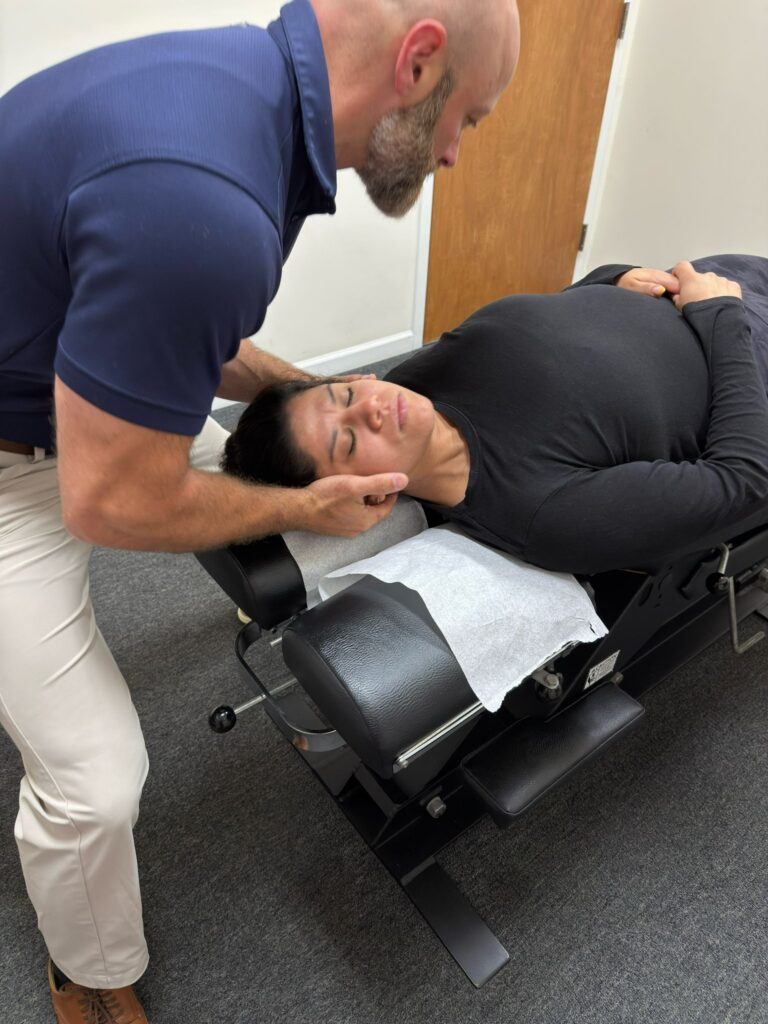

As a local chiropractor, I want to share something you may not have considered: your spine plays a significant role in your mental well-being. Through chiropractic adjustments, we can help restore balance in your body, which in turn can reduce anxiety by improving the function of your nervous system. When your spine is aligned, it’s not just your physical health that benefits; your mental state often improves as well.
However, chiropractic care is just one piece of the puzzle. I encourage you to explore additional strategies that can enhance your journey toward calmness. Together, we can uncover various methods that complement chiropractic adjustments and help you achieve lasting tranquility in your life. Let’s work together to support your overall well-being!
Understanding Anxiety: The Basics
As a chiropractor, I want to help you understand anxiety and how it relates to your overall health and wellness. Anxiety can often feel overwhelming, especially if you’re not familiar with its impact on your body. It’s a natural response to stress, signaling that something in your life needs attention. You may notice physical symptoms such as a racing heart, sweating, or an uneasy stomach. These reactions are completely normal, but they can disrupt your daily activities.
It’s important to explore the root causes of your anxiety. Factors such as genetics, your environment, or personal experiences can all contribute. By identifying your triggers, you can better manage your feelings and improve your quality of life.
Keep in mind that anxiety isn’t solely a mental issue; it affects your entire well-being. You may find yourself worrying excessively, avoiding certain situations, or feeling restless. Recognizing these patterns is the first crucial step towards addressing them.
As a chiropractor, I believe in a holistic approach that considers both physical and mental health, and together, we can work on strategies to help you find balance and relief.
Breathing Techniques for Instant Relief
As a local chiropractor dedicated to promoting natural healing, I want to share some effective breathing techniques that can provide instant relief from anxiety. When anxiety arises, it’s essential to have tools at your disposal to regain a sense of control, and focused breathing is one of the simplest yet most powerful methods.
Begin by inhaling deeply through your nose for a count of four, allowing your abdomen to rise and expand. Hold that breath for four counts, and then slowly exhale through your mouth for a count of six. This practice not only calms your mind but can also alleviate the physical symptoms associated with anxiety.
Another effective technique I recommend is the 4-7-8 method. Inhale for four counts, hold for seven, and exhale for eight. Even a few minutes of practicing these breathing exercises can help you feel more grounded and centered, enhancing your overall well-being.
I encourage you to incorporate these techniques into your daily routine. The more you practice, the more natural they’ll become. Whenever you sense anxiety creeping in, return to your breath, and you’ll discover a sense of calm awaiting you.
The Power of Mindfulness and Meditation
As a local chiropractor, I want to share how mindfulness and meditation can enhance your overall well-being, particularly when it comes to managing anxiety. Many of my patients may not realize that these practices can work hand-in-hand with chiropractic care to promote a balanced mind and body.
By integrating simple mindfulness techniques into your daily routine, you can create a soothing environment that complements your chiropractic treatments.
Let’s take a closer look at how you can incorporate mindfulness into your life. This can’t only help reduce anxiety but also enhance your body’s natural healing processes.
Whether you’re in my office or at home, taking a few moments to focus on your breath or engage in meditation can significantly improve your mental clarity and physical health.
Together, we can work on these practices to support your journey towards optimal wellness.
Benefits of Mindfulness Practice
As a chiropractor, I often see patients feeling overwhelmed by the daily stresses of life. One practice I recommend to help manage this stress is mindfulness. By focusing on the present moment, mindfulness allows you to release worries about the past or future, which can significantly reduce anxiety. This shift in perspective not only helps you feel calmer but also prepares you to approach challenges with greater clarity.
In my practice, I’ve noticed that mindfulness enhances self-awareness. As you become more in tune with your thoughts and feelings, you can learn to respond thoughtfully rather than react impulsively. This is especially beneficial for those dealing with physical discomfort, as a mindful approach can aid in recognizing how stress manifests in your body.
Regularly incorporating mindfulness into your routine can also bolster your concentration and emotional regulation, making it easier to navigate the ups and downs of daily life.
Ultimately, embracing mindfulness is a natural way to cultivate a deeper sense of peace and well-being. It empowers you to face life’s challenges with resilience and grace, complementing the chiropractic care you receive for a holistic approach to health.
Meditation Techniques for Anxiety
As a chiropractor, I often see patients who struggle with anxiety, and I want to share how meditation can be a powerful tool in alleviating this common issue.
Meditation helps you focus your mind, creating a sense of calm even when life feels chaotic. By incorporating mindfulness into your routine, you can learn to observe your thoughts and feelings without judgment, which can significantly reduce anxiety.
Techniques such as deep breathing or body scans can help ground you in the present moment, promoting relaxation and mental clarity. I recommend starting with a simple breath-focused meditation: find a comfortable position, close your eyes, and take slow, deep breaths. With each inhale, visualize a sense of calm washing over you; with each exhale, imagine releasing any tension you may be holding onto.
You might also consider exploring guided meditations specifically aimed at relieving anxiety. These practices not only enhance your ability to manage stress but also foster a greater sense of self-awareness, which can empower you to confront anxiety more effectively.
Incorporating meditation into your wellness routine, alongside chiropractic care, can create a holistic approach to improving your mental health and overall well-being.
Daily Mindfulness Integration Strategies
Incorporating mindfulness into your daily routine can significantly enhance your overall well-being, especially when paired with chiropractic care. As a chiropractor, I understand how stress and anxiety can impact your physical health. One helpful strategy is to dedicate a few minutes each morning to focus on your breath. This simple practice can help set a positive tone for your day.
As you go about your daily activities—whether commuting or taking a walk—take a moment to truly engage with your environment. Notice the sounds, smells, and sensations around you. This heightened awareness not only promotes mindfulness but can also help reduce tension in your body.
During meals, take the time to savor each bite. Appreciate the flavors and textures of your food, as this mindful eating can support both your mental and physical health. If you encounter stressful situations throughout the day, pause and ground yourself with a few deep breaths. This practice can help alleviate tension that may be contributing to discomfort in your spine and muscles.
Additionally, I encourage you to practice gratitude. Each evening, jot down three things you’re thankful for. This reflection not only boosts your mood but can also encourage a positive mindset, which is essential for healing and recovery.
By weaving mindfulness into these everyday activities, you’ll cultivate a greater sense of presence and calm. This, in turn, can enhance the benefits of your chiropractic care, leading to reduced anxiety and improved overall wellness.
Incorporating Regular Physical Activity
As a local chiropractor, I want to emphasize the importance of incorporating regular physical activity into your daily routine, not just for your physical health but for your mental well-being as well. Engaging in exercise can significantly lower anxiety levels by releasing endorphins that enhance your mood.
When you make physical activity a regular part of your life, you’re not only strengthening your body but also building your mental resilience, which is crucial for overall wellness.
Here are some key benefits of integrating regular activity into your lifestyle:
- Stress Relief: Physical movement is a natural way to alleviate tension and stress. As a chiropractor, I often see how stress can affect spinal health and overall body function.
- Improved Sleep: Regular exercise contributes to better sleep quality, which is essential for mental clarity and recovery. Quality sleep supports your body’s ability to heal and maintain proper alignment.
- Social Interaction: Participating in exercise classes or community groups can help you connect with others, reducing feelings of isolation. This social engagement is beneficial for mental health, which complements chiropractic care.
- Increased Confidence: Achieving fitness goals can significantly boost your self-esteem and empower you. This newfound confidence can positively influence your overall health journey, including your chiropractic treatments.
By embracing regular activity, you’re investing in a holistic approach to health that aligns perfectly with the principles of chiropractic care and natural healing.
Let’s work together to enhance your well-being!
Nutrition and Its Impact on Mental Health
As a local Chiropractor, I want to share with you how your nutrition can significantly influence your mental health.
It might surprise you, but the foods you choose to eat can greatly affect your mood and overall well-being. Incorporating essential nutrients into your diet can help elevate your mood, while certain foods may contribute to feelings of anxiety and stress.
Additionally, maintaining proper hydration is crucial for your daily mental clarity and emotional stability.
Essential Nutrients for Mood
As a chiropractor, I often emphasize the importance of holistic approaches to health, and one significant aspect is nutrition and its profound effect on our mood and emotional well-being. The nutrients you eat can directly influence your brain function, which is essential for a balanced mood.
Here are some key nutrients to consider incorporating into your diet to help alleviate anxiety and enhance your overall emotional state:
- Omega-3 Fatty Acids: Found in foods like fish, walnuts, and flaxseeds, these healthy fats are crucial for brain health and can help reduce symptoms of depression. Adding more of these to your meals can have a positive impact on your mood.
- B Vitamins: These vitamins are vital for energy production and the proper functioning of neurotransmitters, which are chemicals that help regulate mood. You can find B vitamins in leafy greens, whole grains, and legumes, making them excellent choices for your diet.
- Magnesium: This essential mineral plays a role in regulating cortisol, the stress hormone. Foods rich in magnesium, such as nuts, seeds, and even dark chocolate, can help keep your stress levels in check and improve your mood.
- Vitamin D: Adequate levels of vitamin D are linked to better mood regulation. You can increase your vitamin D intake through sunlight exposure, fatty fish, and fortified dairy products, which are all beneficial for emotional health.
By focusing on these essential nutrients, you can support not just your physical health but also your emotional well-being.
As we explore the connection between nutrition and mood, remember that a well-rounded approach to health—including chiropractic care, proper diet, and lifestyle changes—can lead to a happier, healthier you.
Foods to Avoid
As a local chiropractor, I want to emphasize the importance of not just what you include in your diet for optimal mental health, but also what you should avoid. Certain foods can significantly impact your overall well-being and exacerbate anxiety, which is something we want to steer clear of for your holistic health.
First and foremost, it’s wise to limit your intake of refined sugars and carbohydrates. These can lead to energy spikes and crashes, which can negatively affect your mood and overall mental clarity.
Processed foods are also a concern; they often contain unhealthy fats and artificial additives that may trigger feelings of anxiety and stress.
Caffeine is another substance to be mindful of. While it might provide a temporary boost, excessive caffeine consumption can lead to restlessness and increased anxiety levels.
Additionally, alcohol may seem to have a calming effect initially, but over time, it can disrupt your sleep patterns and ultimately worsen anxiety symptoms.
Lastly, be cautious with artificial sweeteners. Some research suggests that they could have a negative impact on your mood, which is something we definitely want to avoid.
By being mindful of your eating habits and focusing on nourishing your body with wholesome foods, you can help alleviate anxiety and support your overall health.
Hydration’s Role in Wellness
As a chiropractor dedicated to your overall wellness, I want to emphasize that making mindful food choices is just one aspect of nurturing your mental health; hydration is equally crucial. Staying properly hydrated can significantly influence your mood and anxiety levels. When your body is dehydrated, it can lead to feelings of sluggishness, making it more challenging to manage stress effectively.
Here’s how proper hydration can support your well-being:
- Boosts cognitive function: Staying hydrated enhances your focus and memory, which is essential for daily tasks and overall productivity.
- Regulates mood: Even slight dehydration can contribute to feelings of irritability and anxiety, impacting your emotional balance.
- Supports sleep quality: Adequate hydration helps facilitate relaxation, which is vital for achieving restful sleep and recovery.
- Enhances physical health: A well-hydrated body is better equipped to handle stress and tension, supporting your chiropractic care and overall health.
Creating a Calming Environment
Creating a calming environment is essential for reducing anxiety, and as a chiropractor, I often emphasize how our surroundings can significantly affect our mental and physical well-being. When our space is cluttered, it can contribute to stress and discomfort, which is why I encourage my patients to start by decluttering their environments. A tidy space not only promotes a clearer mind but also supports better posture and alignment, which are crucial in chiropractic care.
Consider incorporating soft lighting, such as lamps or fairy lights, as they can create a warm and inviting atmosphere that helps to ease tension in the body. I also recommend using calming colors like blues and greens in your home decor; these shades are known to soothe the mind and can complement your journey towards overall health.
Introducing elements of nature, like houseplants or natural materials, can foster a sense of tranquility and promote a connection to the earth, which is vital for holistic healing. Additionally, aromatherapy can play a significant role in relaxation; diffusing essential oils like lavender or chamomile can help you unwind after a long day, complementing the benefits of chiropractic adjustments.
Lastly, it’s important to create designated spaces for activities that bring you joy, whether it’s reading, meditating, or practicing yoga. These practices not only enhance your mental state but also promote physical wellness.
Establishing Healthy Sleep Habits
As a local chiropractor, I want to emphasize the importance of establishing healthy sleep habits, not just for managing anxiety but for your overall well-being.
Quality sleep is vital for recharging your body and plays a crucial role in emotional regulation and optimal spinal health. Here are some strategies to help you cultivate better sleep:
- Stick to a Schedule: Consistency is key. Aim to go to bed and wake up at the same time every day, even on weekends. This helps regulate your body’s internal clock, promoting better sleep quality.
- Create a Relaxing Routine: Before bed, engage in calming activities such as reading or meditating. These routines signal to your body that it’s time to wind down, which can enhance relaxation and prepare your spine and nervous system for rest.
- Limit Screen Time: Reducing exposure to screens at least an hour before sleep is essential. The blue light emitted by devices can interfere with your sleep cycle, making it harder for you to fall asleep and stay asleep.
- Be Mindful of Your Diet: Pay attention to what you eat before bedtime. Heavy meals, caffeine, and alcohol can disrupt your sleep cycle, impacting not just your rest but your overall health, including your spinal function.
Incorporating these practices into your daily life can greatly enhance your sleep quality and, in turn, support your chiropractic care and natural healing journey.
Limiting Information Overload
In today’s fast-paced world, many people feel overwhelmed by the constant flow of information from various sources, which can impact not only your mental well-being but also your physical health. As your local chiropractor, I want to share some strategies to help you regain control over the information you consume, which can ultimately support your overall wellness.
First, it’s important to set clear boundaries on how much information you take in. Just as we encourage patients to take breaks from their screens to reduce strain on their bodies, consider designating specific times to check news and social media. Limiting your exposure can help prevent feelings of being bombarded, allowing your mind (and body) to relax.
Next, think about curating your sources. Follow accounts and news outlets that promote wellness, positivity, and knowledge that align with your health goals. Just as you should choose healthy foods that nourish your body, select information that enriches your understanding and inspires you. Don’t hesitate to unfollow or mute sources that bring anxiety or negativity into your life.
Another helpful approach is to engage in digital detoxes. Just as it’s essential to take breaks for physical healing, allow yourself tech-free times to recharge mentally and emotionally. This not only helps you process your thoughts more clearly but also reduces stress, which is beneficial for your physical health.
Lastly, prioritize quality over quantity. Instead of skimming through multiple articles or posts, dive deeper into topics that genuinely interest you or relate to your wellness journey. This focused approach will leave you feeling more informed and less anxious about the overwhelming noise around you.
Building a Supportive Social Network
As a chiropractor dedicated to promoting holistic health, I understand that navigating the challenges of daily life can be overwhelming. Having a supportive social network plays a crucial role in managing stress and enhancing overall well-being, especially when it comes to your physical and mental health.
Being surrounded by understanding friends and family creates a foundation for sharing experiences that can positively impact your healing journey. Here are some ways to cultivate that support network:
- Reach out: Don’t hesitate to connect with friends or family members. A simple text or call can strengthen your relationships and create a supportive environment that complements your chiropractic care.
- Join groups: Participate in community events or wellness groups where you can meet individuals who share your commitment to natural healing and holistic health.
- Be open: Sharing your thoughts and feelings about your health journey can foster deeper connections. Vulnerability can lead to encouragement and understanding from those around you.
- Offer support: By being there for others, you not only strengthen your bonds but also create a reciprocal relationship that enhances your own sense of belonging and well-being.
Conclusion
As a chiropractor, I want to share how incorporating chiropractic adjustments into your wellness routine can significantly reduce feelings of anxiety and promote a deeper sense of calm. It’s not just about spinal alignment; it’s about enhancing your overall well-being. Alongside the adjustments, I encourage you to practice relaxation techniques such as deep breathing and mindfulness.
Regular physical activity is also essential, as it helps release endorphins that can lift your mood. Pay attention to your nutrition; what you eat can greatly impact your mental health. Creating a soothing and peaceful environment at home can further enhance your sense of tranquility.
Additionally, establishing healthy sleep habits is crucial for emotional resilience. In today’s fast-paced world, it’s easy to feel overwhelmed by information, so I recommend limiting your exposure to stressors. Lastly, nurturing your social connections can provide essential support. By adopting these strategies, you are not only taking steps towards alleviating anxiety but also fostering a more balanced and fulfilling life. Remember, as your chiropractor, I’m here to guide and support you on this journey to optimal health.