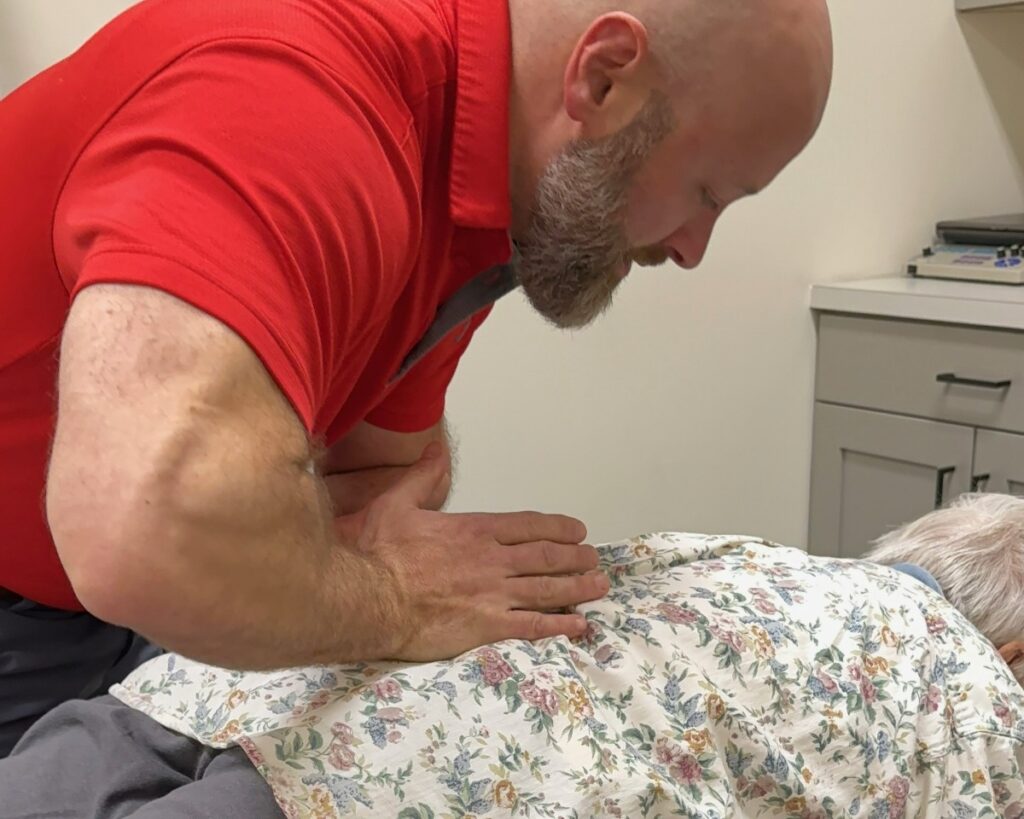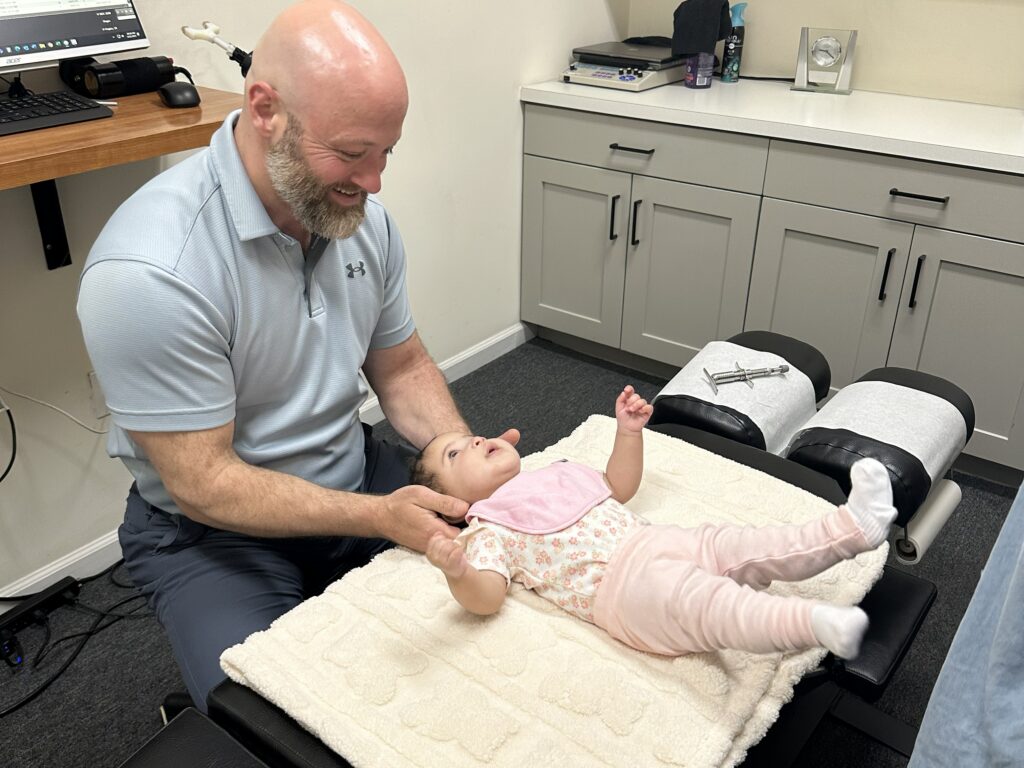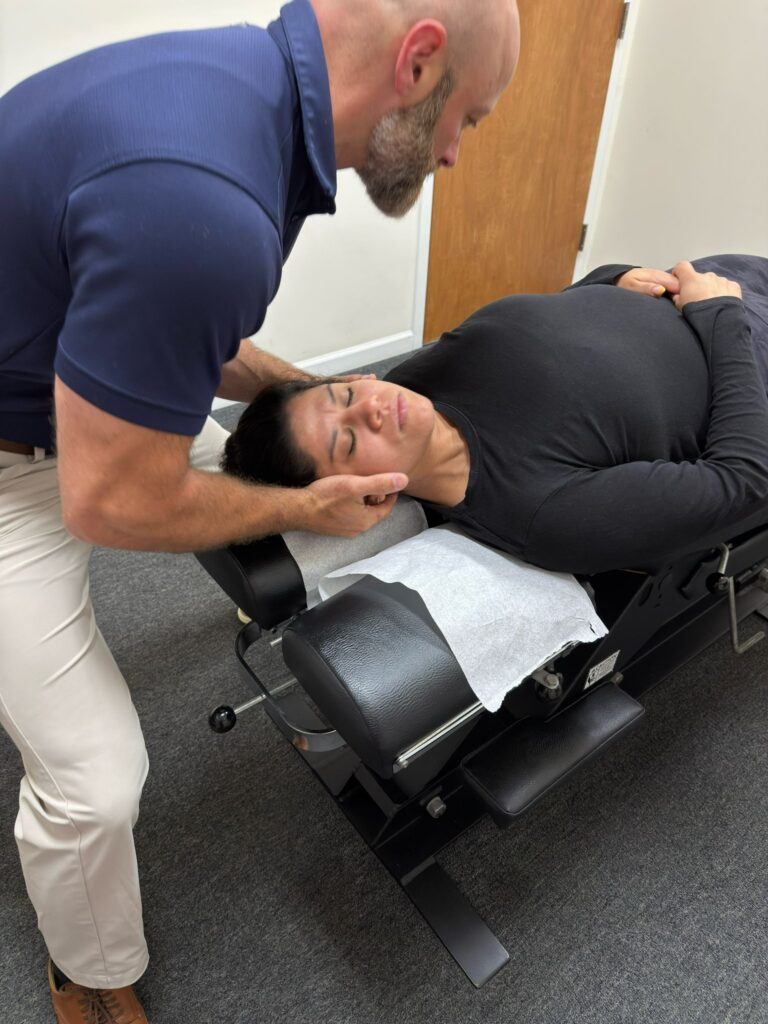

If you’re dealing with low back pain, you’re certainly not alone. Many individuals experience discomfort that can hinder their daily activities. Fortunately, chiropractic care offers effective techniques to alleviate this pain and restore your mobility naturally. Understanding the root causes of your discomfort and incorporating practical self-care methods can empower you to take control of your comfort and well-being.
Chiropractic care focuses on aligning your spine and improving your overall health. By visiting a chiropractor, you can benefit from tailored adjustments that not only relieve pain but also promote healing and prevent future issues. Here are some simple strategies you can incorporate into your daily routine to enhance your spinal health and well-being:
- Maintain Good Posture: Whether you’re sitting at a desk or standing, keep your back straight and shoulders relaxed. Consider ergonomic furniture to support your spine.
- Stay Active: Regular physical activity strengthens your back muscles and improves flexibility. Activities like walking, swimming, or yoga can be particularly beneficial.
- Practice Proper Lifting Techniques: When lifting heavy objects, bend at your knees and keep your back straight to avoid straining your lower back.
- Use Heat and Ice Therapy: Applying heat can help soothe tight muscles, while ice can reduce inflammation. Alternating between the two can provide relief.
- Stay Hydrated: Drinking plenty of water helps maintain the elasticity of the discs in your spine and supports overall spinal health.
- Consider Regular Chiropractic Visits: Regular adjustments can help keep your spine aligned and minimize discomfort. Your chiropractor can also provide personalized advice on exercises and stretches tailored to your needs.
By adopting these simple habits and prioritizing chiropractic care, you can work towards alleviating your low back pain and achieving optimal wellness. Together, we can unlock your path to comfort and a healthier lifestyle.
Key Takeaways
- To help relieve low back pain, it’s essential to maintain proper posture. This means keeping your spine aligned and your shoulders relaxed, which can significantly reduce strain on your back during everyday activities. Remember, how you sit, stand, and move matters!
- Regular stretching and gentle, low-impact exercises can do wonders for your back. These activities enhance flexibility and strengthen the muscles that support your spine, promoting overall back health. Consider incorporating simple stretches and activities like walking or yoga into your routine.
- An ergonomic workspace is crucial for back health. Ensure that your chair is at the right height and that your monitor is positioned to support a neutral spine alignment. Simple adjustments can make a big difference in how your back feels throughout the day.
- Chiropractic care is an excellent way to address the underlying causes of low back pain. As a chiropractor, I recommend personalized treatment plans that focus on non-invasive methods to promote healing and relieve pain. By visiting a chiropractor, you can receive tailored care that supports your journey to wellness.
- Don’t forget about the importance of hydration and nutrition! Drinking enough water and eating a balanced diet can aid in your recovery and enhance your overall wellness. A healthy body is better equipped to alleviate pain naturally, so nourish yourself well.
By focusing on these tips and considering chiropractic care, you can take significant steps towards achieving optimal health and relieving low back pain naturally.
Understanding the Causes of Low Back Pain
When you experience low back pain, it’s crucial to understand the underlying causes so you can take the right steps toward relief.
Often, low back pain can result from muscle strains, which are common after heavy lifting or sudden awkward movements.
Maintaining a strong core is vital because weak core muscles may fail to support your spine properly, leading to discomfort.
As we age, our bodies naturally experience wear and tear, which can lead to issues like herniated discs or arthritis.
These conditions can reduce the cushioning between your vertebrae, increasing pain and discomfort.
Injuries from sports or accidents can also cause acute pain that lingers, making it important to seek out natural healing methods.
Lifestyle factors, such as obesity, add extra stress to your back, further emphasizing the importance of maintaining a healthy weight.
Chiropractic care is an excellent choice for addressing low back pain naturally.
By focusing on spinal health and alignment, chiropractors can help alleviate pain and improve overall wellness.
Regular chiropractic adjustments can enhance your body’s ability to heal itself, promote better posture, and strengthen the core muscles that support your spine.
To support your back health at home, consider these tips:
- Engage in regular exercise that strengthens your core, such as yoga or pilates.
- Practice proper lifting techniques: lift with your legs, not your back.
- Maintain a healthy weight to reduce stress on your spine.
- Stay active and avoid prolonged periods of sitting to keep your muscles engaged.
Incorporating these practices into your daily routine, combined with regular visits to your chiropractor, can lead to lasting relief and a healthier, pain-free life.
Posture Correction Techniques
To effectively address low back pain, it’s crucial to prioritize posture correction techniques. As a chiropractor, I believe that small adjustments in your daily routine can lead to significant improvements in your spinal health. Start by making ergonomic changes to your workspace—ensure your chair supports your lower back, and your computer screen is at eye level to prevent strain.
Incorporating daily stretching routines can also be beneficial. Simple stretches can relieve tension in your back and enhance flexibility. Additionally, practicing mindful sitting—being aware of your posture while sitting—can help keep your spine aligned properly throughout the day.
Ergonomic Workspace Adjustments
Creating an ergonomic workspace is crucial for alleviating low back pain and promoting overall wellness. Proper posture not only enhances your comfort but also boosts your productivity.
As a local chiropractor, I want to share some simple adjustments you can make to your workspace that can lead to significant improvements in your spinal health:
- Chair Height: Ensure your chair is adjusted so that your feet rest flat on the ground, with your knees aligned at hip level. This helps maintain a balanced posture and reduces strain on your lower back.
- Desk Position: Your desk should be set at elbow height. This allows your arms to rest comfortably while typing, minimizing stress on your shoulders and spine. If your desk is too high or low, it can lead to discomfort and misalignment.
- Monitor Level: Your monitor should be positioned at eye level, ideally about an arm’s length away. This prevents neck strain by encouraging you to keep your head in a neutral position, which is vital for spinal health.
- Back Support: Consider using a lumbar support cushion. This helps maintain the natural curve of your spine while sitting, providing the necessary support to prevent pain and promote a healthier posture.
By implementing these straightforward adjustments, you can create a workspace that supports your body and reduces discomfort throughout your workday.
Daily Stretching Routines
Incorporating daily stretching routines into your life can be a game changer for your posture and can significantly alleviate low back pain. As a chiropractor, I often see how targeted stretches can bring relief and promote overall wellness. Focusing on stretches that engage your back, hips, and legs is essential. For example, simple yet effective moves like the cat-cow stretch and child’s pose not only enhance flexibility but also help relieve built-up tension in your body.
Don’t overlook the importance of hamstring stretches; they play a crucial role in reducing strain on your lower back, which can ultimately lead to a more comfortable and healthier lifestyle.
I recommend setting aside just 10-15 minutes each day for these stretches. You can choose to do them in the morning to energize your body for the day ahead or in the evening to relax and unwind after a long day. Consistency is vital; the more regularly you engage in stretching, the more you’ll notice improvements in your posture and relief from discomfort.
Always remember to listen to your body. It’s important to avoid pushing yourself too hard to ensure a safe and effective routine. If you ever feel uncertain about your stretching technique or experience persistent pain, it’s always a good idea to consult with your chiropractor. We’re here to help guide you on your journey to optimal health through natural healing and wellness practices.
Mindful Sitting Practices
In addition to daily stretching, incorporating mindful sitting practices can significantly enhance your posture and alleviate low back pain. As a chiropractor, I believe that being mindful of how you sit is essential for maintaining a healthy spine.
Here are some straightforward techniques to help you sit more mindfully:
- Feet Flat: Ensure your feet are flat on the ground or on a footrest. This promotes stability and encourages proper alignment of your spine.
- Knees at Hip Level: Position your knees at or just below hip level. This simple adjustment helps maintain proper spinal alignment and can prevent discomfort.
- Back Support: Choose a chair that provides good lumbar support, or use a cushion to support your lower back. Maintaining the natural curve of your spine is crucial for overall spinal health.
- Shoulders Relaxed: Keep your shoulders back and relaxed. Avoid the tendency to slouch or hunch over, as this can lead to further strain on your back.
Remember, chiropractic care is a powerful tool for achieving optimal health and wellness. By practicing mindful sitting and staying aware of your posture, you can take proactive steps toward a healthier back.
If you’re experiencing persistent pain or discomfort, consider scheduling a visit to your local chiropractor for a personalized approach to pain relief and spinal health.
Stretching and Strengthening Exercises
To effectively manage low back pain, incorporating stretching and strengthening exercises into your routine can significantly enhance your well-being. These exercises not only improve flexibility and core strength but also promote better stability, which is essential for alleviating discomfort. As a chiropractor, I encourage you to consider these movements as a foundation for natural healing and optimal health.
Here’s a helpful reference table to guide you in selecting exercises that support your back health:
| Exercise Type | Example | Frequency |
|---|---|---|
| Stretching | Hamstring Stretch | Daily |
| Strengthening | Plank | 3 times a week |
| Core Stabilization | Bird-Dog | 3 times a week |
Begin with gentle stretches to relax your muscles and gradually introduce strengthening exercises. Pay special attention to your core muscles, as they provide vital support for your spine. It’s important to listen to your body; if you experience any pain, stop and consult a chiropractor for personalized advice.
Here are a few general tips to enhance your practice:
- Stay Consistent: Dedicate a few minutes each day to these exercises. Consistency is key for lasting relief and overall health improvement.
- Mind Your Posture: Good posture throughout your daily activities can greatly reduce strain on your back. Be mindful of your body mechanics, whether sitting, standing, or lifting.
- Hydrate: Drink plenty of water to keep your muscles hydrated and functioning optimally.
- Incorporate Movement: Take breaks to move around if you have a sedentary job. Simple activities like walking or stretching can help maintain spinal health.
The Role of Heat and Cold Therapy
After establishing a routine of stretching and strengthening exercises, you can further enhance your recovery from low back pain by incorporating heat and cold therapy. Both methods can be effective in reducing discomfort, promoting healing, and are a natural complement to chiropractic care. Here’s how you can use them to support your wellness journey:
- Heat Therapy: Applying a heating pad or warm towel can help relax tight muscles and improve blood flow, making it easier for your body to heal. Use it for 15-20 minutes at a time, especially before engaging in activities. This will help loosen up your muscles and prepare your body for movement.
- Cold Therapy: An ice pack or cold compress can be beneficial for reducing inflammation and numbing sharp pain. Limit the application to 15-20 minutes to avoid any skin damage. Using cold therapy after activities can help minimize soreness and support recovery.
- Timing: Consider using heat before activities to warm up your muscles and cold afterward to help with any discomfort. This approach can be particularly effective when combined with your chiropractic treatments, enhancing your overall recovery process.
- Personalization: Everyone’s body responds differently to heat and cold therapy. It’s important to experiment with both to find what works best for you. Adjust the timing and intensity according to your comfort and needs.
By integrating heat and cold therapy into your routine, you can significantly support your journey toward relief from low back pain. Remember, chiropractic care is a holistic approach to health that can help align your spine and improve your overall well-being, allowing you to live a healthier, more active life.
If you have any questions or need guidance on how to incorporate these therapies effectively, feel free to reach out to your chiropractor for personalized advice.
Mindfulness and Relaxation Practices
Managing low back pain can be a challenge, but incorporating mindfulness and relaxation practices into your routine can significantly enhance your well-being. These techniques not only help you connect with your body but also reduce tension and foster a sense of calm—crucial components for anyone dealing with pain.
Start by dedicating a few minutes each day to deep breathing exercises. Inhale deeply through your nose, allowing your abdomen to rise, and then exhale slowly through your mouth. This simple practice can work wonders in easing muscle tension and is a great way to start your day or unwind at night.
Mindfulness meditation is another effective tool. Find a quiet spot, sit comfortably, and focus on your breath or a calming phrase. If your thoughts drift, gently redirect your attention back to your breathing. This practice not only helps in pain management but also promotes mental clarity and relaxation.
Gentle yoga is also an excellent way to improve flexibility and relieve stress in your back. Simple stretches can keep your spine healthy and aligned, enhancing your overall performance in daily activities.
Integrating these mindfulness practices into your daily life can complement the benefits of chiropractic care. Regular chiropractic adjustments help align your spine, which can alleviate pain and improve your overall health. By combining these holistic approaches, you can effectively manage pain, boost your mood, and cultivate a greater sense of well-being.
When to Seek Professional Help
If your low back pain persists for more than a few weeks, it’s a strong indication that you should consider seeking professional help, particularly from a chiropractor.
Chiropractic care focuses on addressing the root causes of pain through natural, non-invasive methods. It’s essential not to ignore severe symptoms like numbness or weakness in your legs, as these can signify underlying issues that need attention.
Moreover, if your pain is interfering with daily activities, don’t hesitate to reach out to a chiropractor. They’re skilled in providing personalized treatment plans that can help alleviate your discomfort and enhance your overall well-being.
In the meantime, here are some general tips to manage your low back pain at home:
- Stay Active: Gentle movements and stretching can help keep your spine flexible and reduce stiffness.
- Practice Good Posture: Whether sitting or standing, maintaining proper posture can prevent further strain on your back.
- Use Ice or Heat: Applying ice packs can help reduce inflammation, while heat can soothe tight muscles.
- Limit Heavy Lifting: If you must lift something heavy, be sure to use your legs, not your back, to prevent injury.
Persistent Pain Duration
Experiencing persistent low back pain can be frustrating and disheartening, prompting you to consider when it might be time to seek professional help. If your pain lasts longer than a few weeks or starts to interfere with your daily activities, it’s important to think about consulting a chiropractor.
Here are four key indicators that suggest you should reach out for assistance:
- You’ve tried home remedies, like stretching or using heat, but haven’t found relief.
- Your pain worsens or feels different than it did before.
- You’re having trouble moving around or feel weakness in your legs.
- You notice other symptoms, such as a fever or unexplained weight loss.
Remember, it’s always better to be cautious. Chiropractic care focuses on natural healing methods that can help alleviate your discomfort and support your overall wellness.
A chiropractor can assess your condition and provide specific adjustments and therapies designed to restore balance and function to your spine, which can lead to significant pain relief.
In the meantime, here are some general tips to help manage your low back pain at home:
- Maintain good posture when sitting or standing to reduce strain on your back.
- Incorporate gentle stretching or yoga to improve flexibility and support your spine.
- Use heat or ice packs to soothe inflammation or tension in your muscles.
- Stay active with low-impact activities like walking or swimming to keep your body moving without aggravating your pain.
By opting for chiropractic care, you can take an important step towards achieving optimal health and living a more comfortable life.
Severe Symptoms Experienced
Severe symptoms can be your body’s way of signaling that your low back pain needs immediate attention, and as a chiropractor, I want to help you understand the importance of addressing these signs naturally.
If you’re experiencing intense pain that doesn’t improve with rest or simple home remedies, it’s crucial to seek professional help.
Keep an eye out for symptoms like weakness, numbness, or tingling in your legs; these can indicate that it’s time to consult a healthcare provider.
Additionally, if you experience sudden bowel or bladder issues along with pain radiating down your legs, it’s essential to take these seriously.
Don’t overlook accompanying symptoms such as fever or unexplained weight loss, as these could suggest a more significant health concern.
Remember, addressing these symptoms promptly can help prevent further complications and guide you toward effective, natural treatment options.
In the meantime, here are some simple tips to help you manage your low back pain:
- Stay Active: Gentle movements and stretches can keep your spine healthy. Walking or light yoga can be beneficial.
- Posture Matters: Pay attention to your posture while sitting, standing, or lifting. Maintaining a good posture supports your spine and can alleviate pain.
- Ice and Heat: Applying ice packs and heat pads at different times can provide relief. Ice reduces inflammation, while heat encourages blood flow and healing.
- Hydration and Nutrition: Staying hydrated and eating a balanced diet supports your overall health and can aid in recovery.
- Chiropractic Care: Regular visits to a chiropractor can help align your spine, reduce pain, and improve your quality of life naturally.
Taking proactive steps toward your wellness can lead you back to enjoying your daily activities without discomfort.
Remember, chiropractic care is a safe and effective choice for achieving optimal health and pain relief.
Don’t hesitate to reach out for support; your body will thank you!
Impact on Daily Activities
Low back pain can significantly impact your daily life, turning even the simplest activities into daunting challenges. Understanding when to seek professional chiropractic care can be crucial for restoring your comfort and functionality. Here are some key signs that indicate it may be time to consult with a chiropractor:
- Persistent Pain: If your low back pain lingers for more than a few weeks, it’s a good idea to reach out to a chiropractor. They can help identify the underlying issues and develop a plan tailored to your needs.
- Radiating Symptoms: Experiencing numbness or tingling in your legs could signal a more serious problem. A chiropractor can assess your situation and offer natural solutions to relieve these symptoms.
- Loss of Function: Struggling to stand, walk, or carry out daily tasks is a clear sign that your body needs attention. Chiropractic care focuses on restoring mobility and function without the need for invasive procedures.
- Severe Discomfort: If your pain worsens with movement or even while resting, it’s important to seek help. Chiropractors specialize in addressing pain at its source, promoting healing through gentle adjustments and natural techniques.
By addressing these signs early on, you can prevent further complications and improve your overall quality of life. Remember, chiropractic care offers a holistic approach, focusing on natural healing and wellness.
Additionally, here are some general tips to maintain a healthy back:
- Practice Good Posture: Keep your back straight and shoulders back, especially while sitting or standing for long periods.
- Stay Active: Engage in regular low-impact exercises, such as walking or swimming, to strengthen your back muscles.
- Stretch Regularly: Incorporate stretching into your daily routine to enhance flexibility and reduce tension.
- Ergonomic Setup: Ensure your workspace is set up to support a healthy posture, reducing strain on your back.
These simple steps, combined with the expertise of a chiropractor, can help you achieve optimal health and wellness naturally.
Conclusion
Incorporating these simple techniques into your daily routine can significantly ease low back pain and improve your overall wellness. Understanding the root causes of your discomfort, maintaining good posture, and engaging in specific exercises can set you on the path to recovery.
Chiropractic care is an excellent choice for addressing low back pain naturally, focusing on spinal health and alignment. Regular chiropractic adjustments can help relieve pain and restore proper function to your spine, allowing your body to heal itself.
In addition to chiropractic treatment, don’t overlook the benefits of heat and cold therapy for soothing sore muscles, as well as mindfulness practices to help you relax and manage stress.
If your pain continues, consulting with a chiropractor is crucial to avoid further complications and find a tailored solution that works for you. Remember, taking proactive steps today, like choosing chiropractic care, can lead to a more comfortable and active tomorrow. Prioritize your health and well-being naturally—your body will thank you!