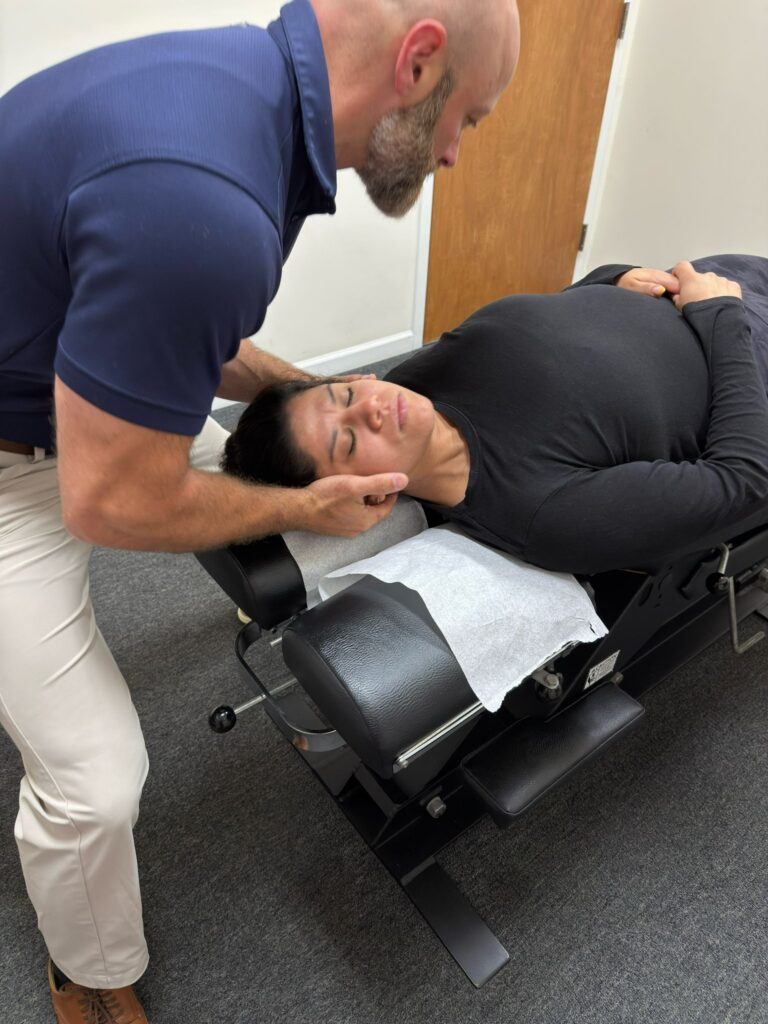

As a local chiropractor, I understand that chronic migraines can be incredibly debilitating. Many of my patients find themselves searching for effective relief beyond conventional medication. The good news is that there are natural approaches to alleviate migraine pain that can complement your overall health and wellness.
One of the first steps is to identify your individual triggers—these could be stress, dietary choices, or even poor posture. By making lifestyle adjustments, we can create a strong foundation for relief. For instance, maintaining a consistent sleep schedule and incorporating regular physical activity into your routine can significantly impact your migraine frequency and intensity.
In addition to these strategies, chiropractic care can play a vital role in your journey to wellness. Through spinal adjustments and rehabilitative exercises, we can help improve your posture, reduce tension, and enhance your body’s overall function.
Are you interested in learning more about additional methods that can contribute to your well-being? Let’s explore the various natural treatments available to help you manage your chronic migraines effectively.
Identifying and Avoiding Triggers
As a local chiropractor, I often see patients who suffer from chronic migraines and are seeking relief through natural healing methods. One of the first steps in managing your migraines is to identify what might be triggering them. Common triggers can include certain foods—like aged cheeses, processed meats, and alcohol.
I recommend keeping a migraine diary to document what you eat and drink, as well as how you feel afterward. This can help reveal patterns that may surprise you.
Stress is another significant contributor to migraines. It’s important to find ways to manage stress in your life. Activities such as meditation, yoga, or simply taking breaks during your hectic day can be incredibly beneficial.
Additionally, weather changes—like fluctuations in temperature and humidity—can also play a role in the onset of migraines, so it’s helpful to be mindful of these changes.
Sensory triggers, such as bright lights or strong odors, can exacerbate your symptoms as well. Creating a calming environment by dimming lights and steering clear of overpowering fragrances can make a difference.
Maintaining a Consistent Sleep Schedule
As a local chiropractor, I want to emphasize the importance of maintaining a consistent sleep schedule, especially for those dealing with chronic migraines. Your body functions best with a routine, and irregular sleep patterns can often be a trigger for headaches. I encourage you to aim for the same bedtime and wake-up time every day, even on weekends. This consistency can help regulate your body’s internal clock, leading to improved sleep quality.
To enhance your sleep schedule, here are some practical tips I recommend:
- Limit screen time: Try to avoid screens for at least an hour before bedtime. Blue light emitted from devices can disrupt the production of your sleep hormone, making it harder to fall asleep.
- Create a calming bedtime routine: Engage in relaxing activities such as reading or meditating. These practices can signal to your body that it’s time to unwind and prepare for rest.
- Optimize your sleep environment: Ensure your bedroom is dark, cool, and quiet. A comfortable sleeping space can greatly contribute to uninterrupted rest, promoting overall well-being and potentially reducing migraine frequency.
By incorporating these strategies into your daily life, you can support not only your sleep quality but also your overall health and wellness.
Incorporating Regular Exercise
As a local chiropractor, I want to emphasize the importance of incorporating regular exercise into your daily routine. Not only can it significantly enhance your overall well-being, but it may also help reduce the frequency and intensity of your migraines.
You might be surprised to learn that even gentle activities such as walking or practicing yoga can bring about substantial benefits.
Let’s take a closer look at how physical activity can positively impact your health and the types of exercises that are particularly beneficial for migraine relief.
By understanding these concepts, you can take proactive steps toward managing your condition naturally and effectively.
Benefits of Physical Activity
As a local chiropractor, I want to share the incredible benefits of regular exercise, especially for those of you who may be struggling with chronic migraines.
Integrating physical activity into your daily routine can make a significant difference in managing migraine symptoms. Here are some advantages you may experience:
- Enhanced Blood Circulation: Improved blood flow helps alleviate tension and promotes relaxation, which can be crucial in reducing migraine triggers. Proper circulation supports the body’s natural healing processes, aligning perfectly with chiropractic principles.
- Stress Management: Engaging in exercise releases endorphins, the body’s natural mood lifters. This can help manage stress and anxiety, which are often linked to the onset of migraines. By addressing these factors, you may find relief from your symptoms.
- Improved Sleep Quality: Consistent physical activity can lead to better sleep patterns. Quality rest is essential for your body’s recovery and can potentially lower the frequency of migraine attacks.
As a chiropractor, I understand that a well-rested body is better equipped to handle stressors.
Incorporating exercise into your lifestyle not only aligns with natural healing methods but also supports overall wellness.
If you’re interested in learning more about how chiropractic care and exercise can work together to help manage your migraines, don’t hesitate to reach out!
Types of Suitable Exercises
As a local chiropractor, I want to emphasize the importance of staying active, especially for those of you who may be dealing with chronic migraines. While there are numerous ways to engage in physical activity, it’s crucial to choose exercises that are gentle and supportive of your body’s needs.
Low-impact activities such as walking, swimming, or cycling can be excellent options. These exercises allow you to maintain your fitness levels without exacerbating your pain.
I often recommend yoga and Pilates to my patients, as these practices promote relaxation, enhance flexibility, and can significantly reduce stress levels—factors that are often linked to migraine triggers.
Tai chi is another gentle option worth considering. This practice blends slow movements with deep breathing, which can help to soothe both your mind and body, creating a sense of calm that’s beneficial for migraine sufferers.
Strength training can also be beneficial, but it’s important to approach it wisely. Focus on lighter weights rather than heavy lifting to avoid straining your body. Always pay attention to how your body responds and make adjustments to your routine as needed.
Remember, consistency is vital. Finding activities that you genuinely enjoy will make it easier to incorporate them into your daily life.
Exploring Dietary Modifications
As a chiropractor dedicated to your overall health and wellness, I want to share how dietary modifications can significantly aid in managing chronic migraines. Many patients are often surprised to learn how certain foods can either trigger headaches or help alleviate them. By being mindful of your diet, you can influence the frequency and intensity of your migraines.
Here are some dietary changes to consider:
- Hydration: Make it a habit to drink plenty of water throughout the day. Staying hydrated is essential, as dehydration is a common trigger for migraines.
- Elimination: Pay attention to your body and identify any food triggers. Common culprits include aged cheeses, processed meats, and artificial sweeteners. Removing these from your diet may lead to fewer headaches.
- Balanced meals: Aim for a diet rich in whole foods. Incorporate a variety of fruits, vegetables, lean proteins, and whole grains to help maintain stable blood sugar levels, which can be beneficial for migraine management.
By integrating these changes into your lifestyle, not only can you help manage your migraines, but you can also enhance your overall health.
As your chiropractor, I’m here to support you on this journey to better health through natural healing methods.
Utilizing Stress Management Techniques
As a local chiropractor dedicated to promoting natural healing, I want to emphasize the importance of managing stress for those who suffer from chronic migraines. Incorporating effective stress management techniques into your daily routine can be incredibly beneficial.
One powerful method is deep breathing exercises. By focusing on your breath, you can help to calm your nervous system and reduce muscle tension, which is often a contributing factor to migraines.
Mindfulness meditation is another excellent technique. It encourages you to stay present and can significantly lower stress levels, allowing your body to relax, which may help alleviate migraine symptoms.
Lastly, progressive muscle relaxation is a practice worth exploring. This technique involves tensing and then relaxing different muscle groups, helping you become more aware of where you hold tension and teaching your body to release it.
By integrating these techniques into your lifestyle, you can take an active role in managing your migraines and improving your overall well-being.
As your chiropractor, I’m here to guide you in discovering how these practices can complement your chiropractic care for optimal relief.
Deep Breathing Exercises
As a local chiropractor, I want to share with you an effective and natural approach to managing chronic migraine symptoms: deep breathing exercises.
These exercises can be especially beneficial when stress levels are high, as they help to calm the mind and alleviate tension throughout the body. This, in turn, may reduce both the frequency and intensity of your migraines.
Here are some simple techniques you can incorporate into your routine:
- Inhale deeply through your nose for a count of four, allowing your abdomen to expand fully. This deep breath brings in oxygen that your body needs.
- Hold your breath for a count of four. This moment allows the oxygen to circulate throughout your system, nourishing your body.
- Exhale slowly through your mouth for a count of six, consciously releasing any built-up tension. This step helps to clear your mind and body of stress.
By practicing these deep breathing exercises regularly, you can cultivate a sense of calm and take a proactive role in managing your migraine symptoms.
Mindfulness Meditation Practices
As a local chiropractor, I want to share with you some effective techniques that can help alleviate chronic migraine symptoms naturally. One approach that I’ve found particularly beneficial is incorporating mindfulness meditation practices into your daily routine. This practice is all about focusing your mind and calming your body, which can significantly reduce stress—a common trigger for migraines.
To get started, find a quiet space where you can relax without interruptions. Close your eyes, take some deep breaths, and shift your attention to the present moment. It’s important to observe your thoughts without judging them, allowing them to drift away like clouds in the sky.
By doing this regularly, you can enhance your emotional resilience, which will help you respond more effectively to migraine triggers. Even dedicating just a few minutes each day to mindfulness meditation can lead to meaningful improvements over time.
This practice not only aids in migraine relief but also contributes to a greater sense of overall well-being. As your chiropractor, I encourage you to explore this natural healing method alongside your chiropractic care for a more holistic approach to managing your migraines.
Progressive Muscle Relaxation
As a local chiropractor, I want to share an effective technique called Progressive Muscle Relaxation (PMR) that can play a significant role in managing tension and stress, which are common triggers for chronic migraines.
PMR is a simple yet powerful practice where you systematically tense and then relax different muscle groups. This process not only helps to alleviate physical tension but also enhances your awareness of how your body feels.
Incorporating PMR into your daily routine can lead to several benefits:
- It promotes relaxation and significantly reduces anxiety levels.
- You’ll cultivate a deeper awareness of your body, which can aid in identifying areas of tension.
- It can improve your sleep quality, contributing to overall health.
I encourage you to set aside just a few minutes each day for this practice. You may find that it not only helps alleviate your migraines but also supports your general well-being.
Practicing Mindfulness and Relaxation
As a local chiropractor, I want to share how practicing mindfulness and relaxation can significantly alleviate the burden of chronic migraines. Many of my patients have found that these techniques help them manage the stress and tension that often trigger their migraine attacks.
By incorporating mindfulness into your daily routine, you can cultivate a greater awareness of your thoughts and feelings without judgment. I recommend starting with simple breathing exercises or guided meditations. These practices can ground you in the present moment, helping to ease the mental strain that contributes to migraines.
Additionally, relaxation techniques such as deep breathing or visualization are effective in reducing physical tension within your body, making it easier to cope with migraine symptoms. Setting aside just a few minutes each day for relaxation can be incredibly beneficial.
Focus on your breath, let go of distractions, and allow your body to unwind. I also encourage my patients to explore activities like yoga or tai chi, which combine physical movement with mindfulness. These practices not only enhance flexibility and strength but also promote a calm mind.
As you integrate these techniques into your routine, you may notice a decrease in both the frequency and intensity of your migraines. Embracing these moments of self-care can empower you to better manage your chronic migraines, complementing the chiropractic care we provide.
Exploring Herbal and Nutritional Supplements
As a local chiropractor, I often emphasize the importance of a holistic approach to health, especially when it comes to managing chronic migraines.
Beyond the benefits of chiropractic adjustments and spinal care, exploring herbal and nutritional supplements can provide additional relief for those suffering from migraines. Many of my patients have found that certain natural remedies can help reduce both the frequency and intensity of their migraine episodes.
Here are a few supplements that may be worth considering:
- Butterbur: This herb has shown promise in studies for decreasing the number of migraines when incorporated into your daily routine.
- Feverfew: Renowned for its anti-inflammatory properties, feverfew may assist in preventing migraines from occurring in the first place.
- Magnesium: Since low magnesium levels can be a trigger for migraines, supplementing with magnesium may help in reducing their occurrence.
Before introducing any new supplements to your regimen, I strongly encourage you to consult with your healthcare provider.
They can offer guidance on the appropriate dosages and help you understand any potential interactions with other medications you may be taking.
Conclusion
As your local chiropractor, I’m here to share how you can take charge of your chronic migraines through natural methods that align with your overall well-being. First and foremost, it’s crucial to identify your migraine triggers and establish a consistent sleep schedule, as these factors can significantly impact your health. Regular physical activity is also key; it not only strengthens your body but can help reduce the frequency of migraines.
In addition, managing stress is essential—consider incorporating relaxation techniques like deep breathing or yoga into your routine. Staying well-hydrated and making thoughtful dietary changes can also play a vital role in migraine prevention. If you’re curious about incorporating herbal supplements, I advise you to consult with your healthcare provider to ensure they align with your health needs.
With commitment and mindfulness, you can effectively lessen the severity and occurrence of your migraines, paving the way for a healthier and more fulfilling life. Remember, chiropractic care can also support your journey towards migraine relief by addressing any underlying spinal misalignments that may contribute to your discomfort. Let’s work together to help you feel better!