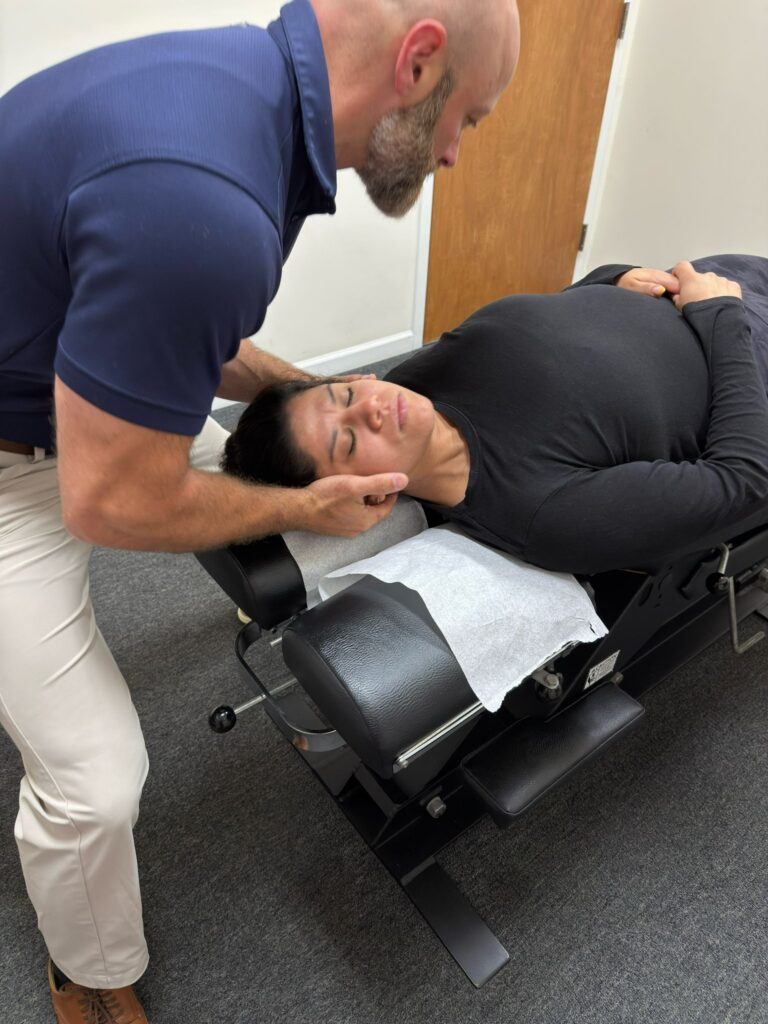

Tension headaches can be a real nuisance, but you can take proactive steps to prevent them. As a chiropractor, I understand how important it is to address the root causes of these headaches, which often stem from poor posture, high stress levels, and lifestyle choices. By making some mindful adjustments, you can significantly reduce the frequency and intensity of tension headaches.
One of the best ways to prevent tension headaches is by focusing on your posture. Whether you’re sitting at a desk or standing, maintaining a proper alignment of your spine can alleviate strain on your muscles. Consider incorporating regular chiropractic adjustments into your routine to ensure your spine is in optimal condition. This not only helps with headache prevention but also promotes overall wellness.
Stress management is also key to preventing tension headaches. Techniques such as deep breathing, meditation, and gentle exercises like yoga can help reduce stress levels. Regular chiropractic care can also aid in stress relief by promoting relaxation and improving your body’s function.
Additionally, adopting healthier lifestyle choices can make a significant difference. Staying hydrated, eating a balanced diet, and getting adequate sleep can all contribute to reducing headache triggers. Make sure to take breaks throughout your day to stretch and move your body, especially if you’re working at a computer for long hours.
If you’re looking for effective strategies to stay headache-free, consider these practical solutions. And remember, chiropractic care is an excellent choice for achieving optimal health and pain relief naturally. By focusing on your spinal health and making these lifestyle changes, you can pave the way for a happier, healthier life without the burden of tension headaches.
Key Takeaways
- Maintain good posture by keeping your back straight and your shoulders relaxed, especially when sitting at a desk. This can help prevent strain on your spine and reduce the risk of tension headaches.
- Incorporate relaxation techniques such as deep breathing and meditation into your daily routine. These practices can help lower stress levels, which is a common trigger for tension headaches.
- Make sure to stay hydrated by drinking plenty of water and enjoying water-rich fruits and herbal teas. Proper hydration supports overall health and can help minimize headache occurrences.
- Engage in regular physical activity. Not only does exercise alleviate muscle tension, but it also helps manage stress effectively, contributing to your overall well-being. Consider activities like yoga or gentle stretching, which are particularly beneficial for spinal health.
- Prioritize a consistent sleep schedule and nurture your body with a balanced diet rich in nutrients. This supports your overall health and can enhance your body’s natural ability to cope with stress and tension.
Remember, regular chiropractic care can play a crucial role in helping you achieve optimal health. By addressing spinal alignment and function, chiropractic adjustments can help alleviate pain and promote natural healing, making it an excellent choice for those seeking relief from tension headaches and a pathway to healthier living.
Understanding Tension Headaches
Tension headaches can feel like a tight band around your head, producing a dull, aching pain that lingers and can make daily activities uncomfortable. These headaches often stem from stress, muscle tension, or poor posture, and can vary in intensity—sometimes becoming more pronounced during stressful times or certain activities.
Unlike migraines, tension headaches typically don’t come with nausea or light sensitivity, which may lead some to underestimate their impact. However, the persistent discomfort can make it difficult to concentrate and might leave you feeling irritable.
As a chiropractor, I believe that understanding the nature of tension headaches is key to preventing them. Identifying the factors that contribute to your discomfort is an essential step in creating a plan to reduce their occurrence. One of the most effective ways to address tension headaches is through chiropractic care, which focuses on spinal health and alignment. By ensuring that your spine is properly aligned, you can alleviate muscle tension and improve posture, which can significantly reduce the frequency and intensity of headaches.
In addition to regular chiropractic adjustments, here are some helpful tips to manage and prevent tension headaches:
- Practice Good Posture: Be mindful of your posture while sitting, standing, and moving. Use ergonomic furniture if you work at a desk for long periods, and take frequent breaks to stretch and reposition yourself.
- Incorporate Relaxation Techniques: Techniques such as deep breathing, meditation, or yoga can help reduce stress and muscle tension, contributing to fewer headaches.
- Stay Hydrated: Dehydration can lead to headaches, so make sure to drink plenty of water throughout the day.
- Regular Exercise: Engaging in regular physical activity can help relieve tension in your muscles and reduce stress, both of which can contribute to headaches.
- Adequate Sleep: Ensure you’re getting enough restful sleep. A regular sleep schedule can help keep tension headaches at bay.
Remember, chiropractic care not only addresses the symptoms of tension headaches but also the underlying issues that may be contributing to them. By prioritizing your spinal health and utilizing these tips, you can take proactive steps towards a healthier, headache-free life.
If you’re experiencing frequent tension headaches, consider scheduling a visit to your chiropractor to discuss a tailored approach to your care.
Identifying Triggers and Symptoms
To prevent tension headaches, it’s crucial to pinpoint your specific triggers and symptoms. By recognizing these early on, you can manage your headaches more effectively and improve your overall well-being. Common lifestyle factors, such as stress and poor posture, often contribute to tension headaches, making it vital to stay aware of them.
As a chiropractor, I recommend incorporating regular spinal care into your routine. Proper alignment of your spine can significantly reduce tension in your muscles and alleviate headache symptoms.
Additionally, practicing good posture, especially if you work at a desk for long hours, can help prevent strain on your neck and shoulders.
To further support your health, consider incorporating relaxation techniques, such as deep breathing exercises or gentle stretching, into your daily life. Staying hydrated and maintaining a balanced diet can also support your overall wellness and help reduce the frequency of headaches.
Common Tension Headache Triggers
Identifying common triggers is key to managing tension headaches effectively, and as a chiropractor, I want to share how you can take control of your wellness naturally. Stress is a major factor in tension headaches, so finding ways to relax is crucial. Techniques like deep breathing, meditation, and gentle stretches can help alleviate stress and tension in your body.
Another contributing factor is poor posture, especially if you spend long hours at a desk. It’s important to ensure that your workspace is ergonomically friendly. Make sure your chair supports your back, your screen is at eye level, and take regular breaks to stretch and move around. This not only helps with headaches but also promotes overall spinal health.
Dehydration can also lead to headaches, so it’s vital to drink enough water throughout the day. Keeping hydrated supports your body’s functions and can help prevent tension headaches.
Sleep is another important aspect. Inconsistent sleep patterns can trigger headaches, so aim for a regular sleep schedule. Quality sleep is essential for healing and recovery, and it can significantly affect your overall health.
Additionally, be mindful of dietary habits; things like excessive caffeine or skipping meals can spark headaches. Eating balanced meals at regular intervals can help maintain your energy levels and reduce the risk of headaches.
By recognizing these triggers and adopting healthy habits, you can proactively reduce the frequency and severity of tension headaches.
Recognizing Symptoms Early
When it comes to managing tension headaches, recognizing symptoms early is crucial for your comfort and overall well-being. As a chiropractor, I encourage you to pay attention to the initial signs, such as tightness in your neck or shoulders, a dull ache in your head, or heightened sensitivity to light and sound. These early indicators often herald the onset of a headache, giving you a chance to take action before it escalates.
It’s important to identify your personal triggers, whether they stem from stress, poor posture, or dehydration. By understanding what sets off your headaches, you can better anticipate and address these issues. For example, maintaining proper posture while sitting or standing can significantly reduce tension in your neck and shoulders, which are common culprits in headache development.
Once you notice those early warning signs, consider incorporating some relaxation techniques. Simple practices like deep breathing exercises, gentle neck stretches, or even a quick break to walk around can help alleviate the tension.
Additionally, staying hydrated and practicing good posture throughout your day can contribute to overall spinal health and help prevent headaches from occurring in the first place.
By acting swiftly and utilizing these natural approaches, you can effectively manage your symptoms and enhance your quality of life.
Remember, chiropractic care is an excellent choice for those seeking pain relief and a pathway to natural wellness. Regular visits to your chiropractor can help keep your spine aligned and your body functioning optimally, reducing the frequency and intensity of tension headaches.
Take charge of your health and consider chiropractic as a proactive solution for a headache-free life!
Lifestyle Factors Impacting Headaches
Understanding the various lifestyle factors that contribute to headaches can empower you to take control of your well-being, especially when combined with chiropractic care. Stress, lack of sleep, and poor nutrition are common triggers that many people experience. It’s important to listen to your body; signs such as fatigue or irritability can indicate that a headache may be on the way.
Dehydration plays a significant role in headache occurrences, so ensure you’re drinking enough water throughout the day. Regular exercise is another fantastic way to relieve tension, improve your mood, and reduce the frequency of headaches—activities like walking, stretching, or yoga can be particularly beneficial.
Don’t overlook the impact of screen time and posture. Prolonged periods in front of screens can strain your eyes and neck, leading to discomfort. Taking regular breaks and maintaining good posture can help alleviate this strain.
As a chiropractor, I encourage you to consider regular adjustments to support your spine and nervous system. Chiropractic care can effectively reduce headache pain by addressing misalignments in your spine that might contribute to tension and discomfort.
Improving Posture and Ergonomics
Good posture and proper ergonomics play a crucial role in maintaining your overall health and preventing tension headaches. When your body is aligned correctly, it reduces strain on your neck and shoulders, which can significantly improve your comfort and well-being. As a chiropractor, I encourage you to adopt simple adjustments to enhance your posture and create a healthier workspace.
To improve your posture, remember to keep your back straight, shoulders relaxed, and feet flat on the ground. It’s essential to adjust your workstation for optimal alignment: ensure your computer screen is at eye level, and choose a chair that provides support for your lower back. These small changes can make a significant difference in how you feel throughout the day.
Here’s a quick reference table to help you remember key adjustments:
| Area | Adjustment |
|---|---|
| Chair Height | Keep feet flat on the floor |
| Screen Position | Set at or slightly below eye level |
| Keyboard Placement | Position elbows at a 90-degree angle |
In addition to these adjustments, consider regular chiropractic care to maintain spinal health and enhance your body’s natural healing abilities. Chiropractic adjustments can help align your spine, relieve pain, and promote better posture. Remember, taking care of your body is a journey, and incorporating these tips into your daily routine can lead to a healthier, pain-free life.
Stress Management Techniques
Maintaining proper posture and ergonomics is essential for your overall physical health, and as a local chiropractor, I want to emphasize that managing stress is just as crucial in preventing tension headaches. One of the simplest yet most effective techniques you can incorporate into your daily routine is deep breathing exercises. Inhale slowly through your nose, hold for a few seconds, and then exhale through your mouth. This practice calms your mind and can significantly reduce muscle tension, promoting a sense of relaxation.
Another fantastic approach is practicing mindfulness or meditation. Even just a few minutes of focusing on the present moment can help alleviate stress and enhance your overall well-being. You might also find journaling beneficial; jotting down your thoughts can provide clarity and assist you in processing your emotions, which is vital for mental health.
Let’s not underestimate the power of laughter! Engaging in activities that bring you joy and make you laugh can greatly lower stress levels. It’s a natural way to boost your mood and well-being.
Additionally, it’s important to set boundaries in your life. Prioritize your tasks and don’t hesitate to say no when you feel overwhelmed. This helps you manage your workload better and can prevent stress from building up.
By incorporating these stress management techniques into your routine, you’re not only promoting relaxation but also supporting your chiropractic care journey.
Incorporating Regular Exercise
To prevent tension headaches, it’s crucial to incorporate regular exercise into your daily routine. As your local chiropractor, I can’t emphasize enough how beneficial movement is for your overall wellness. Engaging in exercises that promote spinal health, such as stretching, walking, or yoga, can greatly alleviate tension and stress, which are common triggers for headaches.
The key is consistency. By establishing a regular exercise routine, you not only strengthen your body but also create a natural way to manage stress and tension. This is where chiropractic care can play a pivotal role. Regular adjustments help ensure that your spine is aligned, which enhances your body’s ability to move freely and reduces the risk of headaches.
Here are some simple tips to help you get started:
- Start Slow: If you’re new to exercise, begin with short sessions and gradually increase the duration and intensity.
- Focus on Posture: Pay attention to your posture during exercises. Proper alignment can help prevent strain on your neck and shoulders.
- Incorporate Stretching: Include gentle stretches for your neck and upper back to relieve tension.
- Stay Hydrated: Drink plenty of water before, during, and after your workouts to keep your muscles hydrated.
- Listen to Your Body: If you experience discomfort while exercising, stop and consult with your chiropractor for tailored advice.
By embracing regular exercise along with chiropractic care, you can create a powerful foundation for natural healing and optimal health, effectively keeping tension headaches at bay.
Types of Effective Exercises
Incorporating regular exercise into your routine can greatly alleviate the frequency and intensity of tension headaches, while also supporting your overall spinal health.
As a local chiropractor, I want to emphasize how the right types of exercises can help release built-up tension, improve your mood, and promote relaxation—all essential elements for maintaining optimal health.
Here are four effective exercises to consider, alongside the benefits of chiropractic care:
- Stretching: Gentle neck and shoulder stretches can relieve tightness and enhance blood flow. This can complement your chiropractic adjustments, helping to keep your spine aligned and your muscles relaxed.
- Yoga: This holistic practice combines physical postures with mindful breathing techniques, making it an excellent way to reduce stress and enhance relaxation. Regular yoga can be a great addition to your chiropractic care, as it encourages flexibility and balance.
- Walking: A brisk walk isn’t only a fantastic way to clear your mind and boost endorphins, but it also promotes spinal health by encouraging proper posture and movement. Walking naturally integrates your body’s mechanics, which aligns beautifully with the principles of chiropractic care.
- Strength Training: Building muscle plays a crucial role in improving posture and reducing strain on your neck and back. By strengthening your core and back muscles, you support your spine, which is vital for long-term wellness.
Pairing strength training with chiropractic visits can enhance your overall physical condition.
Integrating these exercises into your lifestyle, along with regular chiropractic care, can lead to fewer headaches and a more enjoyable daily experience.
Consistency and Routine Importance
While it may be tempting to skip workouts occasionally, maintaining a consistent exercise routine is vital for preventing tension headaches and promoting overall wellness. Regular physical activity not only releases endorphins, which help alleviate pain, but it also reduces stress and improves muscle tension—key factors that can contribute to headache relief.
As a local chiropractor, I believe that incorporating regular exercise into your life, alongside chiropractic care, can help you achieve and maintain optimal health. Here’s a simple weekly plan to help you stay consistent and support your well-being:
| Day | Activity | Duration |
|---|---|---|
| Monday | Yoga | 30 minutes |
| Wednesday | Brisk walking | 45 minutes |
| Friday | Strength training | 30 minutes |
| Sunday | Stretching or Pilates | 30 minutes |
In addition to this plan, consider these general tips to enhance your wellness journey:
- Listen to Your Body: If you’re feeling particularly tense or stressed, prioritize activities that promote relaxation, such as yoga or gentle stretching.
- Stay Hydrated: Drinking plenty of water can help reduce headache triggers and keep your muscles functioning well.
- Posture Matters: Pay attention to your posture throughout the day, whether you’re sitting at a desk or exercising. Good spinal alignment can reduce tension headaches.
- Incorporate Chiropractic Care: Regular visits to a chiropractor can help identify misalignments in your spine that may contribute to headaches. Chiropractic adjustments can relieve tension, improve mobility, and enhance your body’s natural healing processes.
Practicing Relaxation and Breathing Exercises
Relaxation and breathing exercises can be incredibly beneficial for preventing tension headaches and promoting overall wellness. As a chiropractor, I want to emphasize that focusing on your breath and unwinding can significantly help reduce stress and muscle tension, which are crucial for maintaining a healthy spine and nervous system.
Here are some effective techniques you can easily incorporate into your daily routine:
- Deep Breathing: Take a moment to inhale deeply through your nose, hold your breath for a few seconds, and then exhale slowly through your mouth. Doing this for several minutes can help calm both your mind and body, allowing your spine to relax.
- Progressive Muscle Relaxation: This technique involves tensing each muscle group for a few seconds and then releasing. Start from your toes and gradually move up to your head. This helps release built-up tension, especially in areas that may affect your spinal alignment.
- Meditation: Dedicate a few minutes each day to sit quietly and focus on your breath. This practice can help clear your mind of stress and anxiety, which is beneficial for both your mental and physical health.
- Gentle Stretching: Incorporate simple stretching exercises into your daily routine to relieve muscle tension, particularly in your neck and shoulders. This can help keep your spine aligned and support better posture, reducing the likelihood of headaches.
By integrating these relaxation and breathing exercises with regular chiropractic care, you can achieve optimal health and well-being.
Chiropractic adjustments can help address any underlying spinal issues, enhancing the benefits of these relaxation techniques. Remember, taking care of your spine is essential for overall health, and natural, holistic approaches like chiropractic care can lead to lasting relief and wellness.
Maintaining a Balanced Diet and Hydration
As a local chiropractor, I believe that maintaining a balanced diet and staying well-hydrated are crucial for preventing tension headaches and supporting your overall health. When you nourish your body with nutrient-rich foods, you can reduce the likelihood of headaches and improve your wellness. Incorporating fresh fruits, vibrant vegetables, whole grains, and lean proteins into your meals can provide you with the essential nutrients your body craves.
Hydration plays a significant role as well; dehydration is a common trigger for headaches. Make it a habit to drink plenty of water throughout the day to keep your body and spine functioning optimally.
Here are some beneficial food choices that can support your health and help alleviate tension:
| Food Choices | Benefits |
|---|---|
| Leafy Greens | Help reduce inflammation |
| Nuts and Seeds | Provide magnesium for muscle relaxation |
| Fruits (like Bananas) | Give you a natural energy boost |
In addition to these dietary tips, consider scheduling regular chiropractic adjustments. Chiropractic care is a natural and effective way to address pain and tension in your body, helping you achieve optimal health without the need for medications or surgeries. By aligning your spine and improving your overall function, you can experience relief from headaches and a greater sense of well-being.
Conclusion
Understanding tension headaches and their triggers is essential for taking proactive steps toward prevention. As a chiropractor, I believe focusing on your spinal health can significantly contribute to reducing these headaches. Start by being mindful of your posture; maintaining proper alignment can ease tension in your neck and shoulders, which are common areas for headache triggers.
Additionally, managing stress is crucial. Incorporating relaxation techniques such as deep breathing, meditation, or gentle yoga can help calm your mind and body. Regular exercise not only strengthens your muscles but also promotes better spinal health, which can lead to fewer headaches.
Nutrition plays a vital role, too. A balanced diet paired with adequate hydration can support overall wellness. Remember to drink plenty of water throughout the day to help prevent dehydration-related headaches.
Finally, consider incorporating chiropractic care into your routine. Regular adjustments can help align your spine, reduce muscle tension, and enhance your body’s natural healing abilities. By taking charge of your well-being with these strategies, you can reduce the frequency and intensity of tension headaches, leading to a healthier and more comfortable life. Embrace the journey to optimal health today!