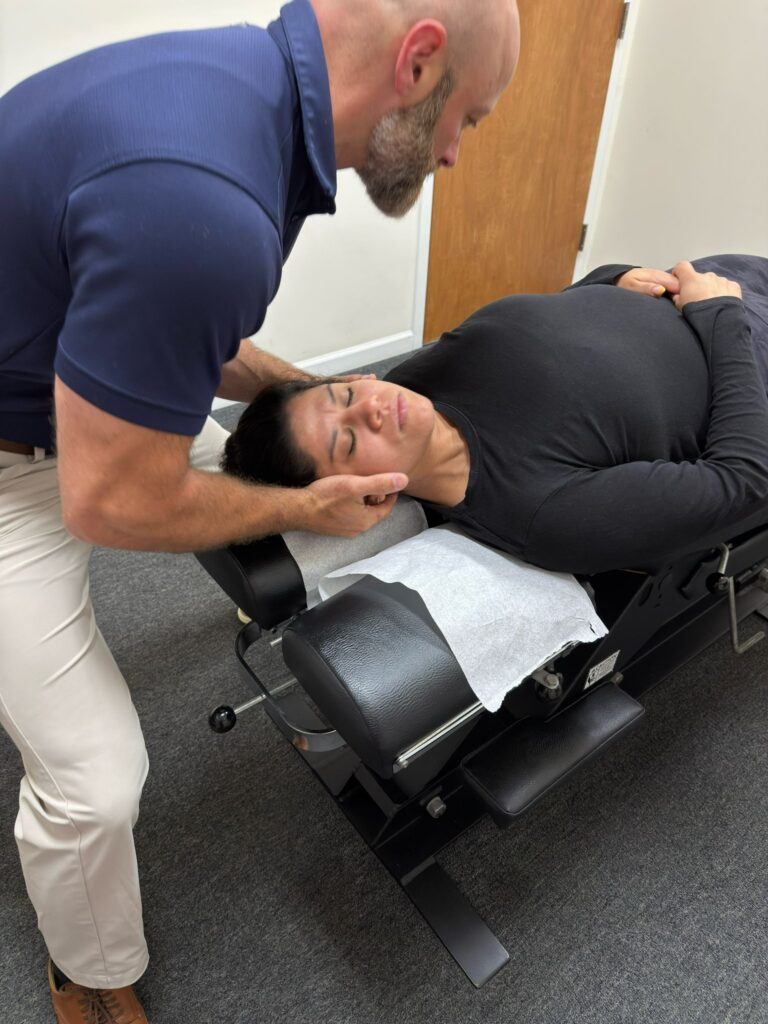

If you’re dealing with low back pain, you may be looking for natural remedies to help ease your discomfort. As a chiropractor, I believe that chiropractic care is one of the best ways to promote healing and achieve optimal health. Not only can chiropractic adjustments provide immediate relief, but they also address the underlying issues that contribute to back pain.
In addition to chiropractic care, there are several natural remedies that can complement your treatment. For example, incorporating specific exercises designed to strengthen your core and improve flexibility can significantly alleviate pain. Gentle stretches can also enhance mobility and reduce tension in the muscles surrounding your spine.
Dietary changes can play a vital role in your recovery, too. Eating anti-inflammatory foods, such as leafy greens, fatty fish, and nuts, can support your body’s healing process. Staying hydrated and maintaining a balanced diet can also contribute to overall wellness and pain management.
Mindful practices such as yoga or meditation can help reduce stress and promote relaxation, which can be beneficial for managing pain. Focusing on your breath and practicing mindfulness can help shift your mindset, making it easier to cope with discomfort.
Remember, chiropractic care is a natural and effective approach to addressing low back pain. By combining regular adjustments with these supportive strategies, you can work towards a pain-free life and greater overall health. If you’re unsure about the best plan for your specific situation, don’t hesitate to reach out for a consultation. Together, we can create a personalized approach to help you feel your best.
Key Takeaways
When it comes to alleviating low back pain, there are several natural remedies that can support your healing journey alongside chiropractic care.
- Ginger and Turmeric: These powerful spices have anti-inflammatory properties that can help reduce pain and improve circulation. Incorporating them into your diet can be a delicious way to support your recovery.
- Gentle Exercises: Movements like the Cat-Cow Stretch and Child’s Pose are excellent for promoting flexibility and relieving tension in your back. Regularly practicing these stretches can complement the adjustments you receive in chiropractic care.
- Heat and Cold Therapy: Applying heat can help relax tight muscles, while cold packs can numb pain and decrease inflammation. Alternating between heat and cold can enhance your relief and make your recovery process smoother.
- Mindfulness Techniques: Engaging in deep breathing exercises or guided meditation can significantly support pain management. These techniques help reduce stress and tension, which can often exacerbate back pain.
- Anti-Inflammatory Foods: Eating a diet rich in anti-inflammatory foods, such as fatty fish, nuts, and whole grains, can aid in healing and reduce inflammation. This not only supports your spine health but enhances your overall well-being.
Remember, while these natural remedies can be beneficial, chiropractic care remains one of the most effective ways to address low back pain. Regular adjustments can help align your spine, improve mobility, and ultimately lead to a healthier, pain-free life. If you’re experiencing back pain, consider scheduling an appointment with a chiropractor to explore a personalized treatment plan that suits your needs. Your path to optimal health starts here!
Herbal Supplements for Pain Relief
When it comes to managing low back pain, many people explore various options for relief, including herbal supplements. While you might’ve heard about popular choices like ginger, turmeric, and devil’s claw, it’s essential to remember that these can be supportive measures and shouldn’t replace the benefits of chiropractic care.
Herbal supplements like ginger can help improve circulation and reduce muscle soreness, while turmeric’s active compound, curcumin, is recognized for its anti-inflammatory properties. Willow bark, often referred to as nature’s aspirin, has been used for centuries to relieve pain. Additionally, Boswellia is praised for its ability to block inflammatory enzymes, which can be beneficial in managing discomfort.
However, before considering any herbal remedies, it’s crucial to consult your healthcare provider, especially if you’re already on other treatments. They can guide you in choosing the right options while ensuring they complement your overall health strategy.
As a chiropractor, I want to emphasize that while herbal supplements can provide some relief, they should work alongside the comprehensive care that chiropractic offers. Chiropractic adjustments can address the root causes of your pain by improving spinal alignment, enhancing mobility, and promoting better overall health.
Here are a few tips for managing low back pain naturally:
- Stay Active: Gentle exercises, stretching, and walking can help keep your back strong and flexible.
- Maintain Good Posture: Pay attention to your body mechanics when sitting, standing, and lifting to prevent strain.
- Stay Hydrated: Drinking plenty of water can help maintain the elasticity of the spinal discs.
- Listen to Your Body: If you feel discomfort or pain, take a break and rest rather than pushing through it.
Gentle Exercises and Stretches
Incorporating gentle exercises and stretches into your daily routine can significantly alleviate low back pain and enhance your overall mobility. These movements not only help to strengthen your core but also increase flexibility, which is crucial for maintaining a healthy spine. As a local chiropractor, I encourage you to integrate these simple stretches and exercises into your day for optimal spinal health.
| Exercise | Duration | Benefits |
|---|---|---|
| Cat-Cow Stretch | 5 minutes | Increases flexibility in the spine |
| Child’s Pose | 5 minutes | Relieves tension and stress in the back |
| Pelvic Tilts | 10 reps | Strengthens the lower back |
| Seated Hamstring Stretch | 5 minutes | Enhances leg flexibility |
Take your time with these exercises; it’s important to listen to your body and avoid pushing yourself too hard. As your strength improves, you can gradually increase the intensity of your routine. The key to success is consistency, so aim to perform these gentle exercises several times a week to enjoy their full benefits and reduce that nagging pain.
In addition to these exercises, consider scheduling regular chiropractic adjustments. Chiropractic care is a natural and effective way to support your body’s healing process, improve spinal alignment, and promote overall wellness. By working with a chiropractor, you can develop a personalized plan that aligns with your health goals, helping you achieve optimal health without the need for medications or surgeries.
Heat and Cold Therapy
After incorporating gentle exercises and stretches into your routine, consider adding heat and cold therapy to your pain management toolkit for low back pain.
Heat therapy is a fantastic way to relax tight muscles and boost blood flow, which can help alleviate stiffness. You can easily apply heat using a heating pad, hot water bottle, or a warm towel. Just remember to use it for about 15-20 minutes at a time for the best results.
On the flip side, cold therapy is perfect for numbing sharp pain and reducing inflammation. You can use an ice pack or even a bag of frozen vegetables wrapped in a cloth. Again, aim for 15-20 minutes of application to maximize its effects.
Feel free to alternate between heat and cold therapy based on what feels best for you. Always listen to your body, and be cautious with temperature extremes to avoid any skin irritation or burns.
While these techniques can offer relief, remember that chiropractic care is your best ally for long-term health and wellness. A chiropractor can help address the underlying issues causing your pain, promote natural healing, and guide you on your journey to optimal health.
Mindfulness and Relaxation Techniques
Managing low back pain can be a challenging journey, but incorporating mindfulness and relaxation techniques can significantly enhance your overall well-being. These practices not only help reduce stress and tension, which can worsen your pain, but they also complement the benefits of chiropractic care. As a chiropractor, I believe that these techniques can work hand-in-hand with spinal adjustments to promote natural healing and optimal health. Here are three effective techniques you can try:
- Deep Breathing: Take a moment to focus on your breath. Inhale deeply through your nose, allowing your abdomen to expand, hold for a brief moment, and then exhale slowly through your mouth. Repeat this for several minutes. This simple practice helps calm both your mind and body, creating a tranquil space that supports your healing process.
- Guided Meditation: Consider using apps or online resources that offer guided meditations specifically designed for pain relief and relaxation. These meditations can help you visualize comfort and ease tension in your back, promoting a sense of peace. This mental clarity can enhance the effectiveness of your chiropractic treatments by encouraging a positive mindset towards healing.
- Progressive Muscle Relaxation: This technique involves tensing and then relaxing each muscle group in your body, starting from your toes and moving all the way up to your head. By doing this, you help release physical tension that may be contributing to your discomfort. Integrating this practice into your routine can greatly complement the adjustments you receive from chiropractic care, leading to a more holistic approach to your well-being.
Dietary Changes and Anti-Inflammatory Foods
Managing low back pain goes beyond just chiropractic adjustments—it’s also about creating a healthy lifestyle that supports your body’s healing process. One key aspect to consider is your diet. Incorporating anti-inflammatory foods into your meals can significantly help reduce pain and inflammation, making your chiropractic care even more effective.
Focus on whole foods like fresh fruits, vibrant vegetables, nuts, seeds, and fatty fish that are rich in omega-3 fatty acids. These foods can help calm inflammation in your body. Don’t forget about powerful ingredients like turmeric and ginger; they’re great natural options to add to your meals because of their well-known anti-inflammatory properties.
It’s just as important to limit processed foods, added sugars, and trans fats. These items can actually trigger inflammation, worsening your pain. Instead, choose whole grains and lean proteins to create a balanced diet that supports your body’s healing process. Staying hydrated is also essential—drinking plenty of water keeps everything in your body functioning smoothly.
Conclusion
Incorporating natural remedies into your daily routine can significantly alleviate low back pain and enhance your overall wellness. As a chiropractor, I believe that chiropractic care is one of the best approaches to achieving optimal health and managing pain without relying on surgeries or medications.
Start by considering gentle exercises that promote flexibility and strength in your back and core. Activities like stretching, yoga, or swimming can help ease tension and improve your posture, which is essential for spinal health. Remember, consistent movement is key!
Herbal supplements can also be beneficial. Many people find relief through natural options like turmeric or ginger, known for their anti-inflammatory properties. However, it’s always best to discuss any new supplements with a healthcare professional to ensure they fit well with your health goals.
Heat and cold therapy are simple yet effective methods for managing discomfort. Applying a warm compress can help relax tight muscles, while cold packs can reduce inflammation. Try alternating between the two for the best results.
Mindfulness techniques, such as meditation or deep breathing exercises, can help you manage stress and pain. Taking a moment to focus on your breath can make a big difference in how you feel physically and emotionally.
Don’t forget the importance of a diet rich in anti-inflammatory foods. Incorporating fruits, vegetables, whole grains, and healthy fats can support your overall health and aid in your recovery.
Ultimately, chiropractic care is an excellent choice for addressing low back pain. It focuses on aligning the spine, improving mobility, and enhancing your body’s natural healing process. If you’re struggling with back pain, I encourage you to explore chiropractic adjustments as a way to restore balance and promote wellness.
Always consult with a healthcare professional before starting any new regimen, but know that with the right approach, you can manage your pain effectively and improve your quality of life. Your journey to a healthier back starts with simple, natural remedies and chiropractic care!