
Low back pain can arise from a variety of sources, and understanding these can be crucial for your overall wellness. Common culprits include strained muscles, poor posture, and lifestyle choices. However, it’s important to note that psychological factors and age can also impact how you experience pain.
Have you considered that the solutions to your discomfort might be more straightforward than you think? By incorporating chiropractic care into your routine, you can address the root causes of low back pain naturally and effectively. Chiropractic adjustments can help realign your spine, relieve tension, and promote better posture, leading to long-lasting relief.
Here are some practical tips to help manage and prevent low back pain:
- Maintain Good Posture: Whether sitting at your desk or standing, be mindful of your posture. Keep your back straight and shoulders relaxed to reduce strain on your spine.
- Stay Active: Regular physical activity, such as walking or gentle stretching, can strengthen your back muscles and improve flexibility, making you less prone to pain.
- Practice Ergonomics: Ensure your workspace is ergonomically friendly. Adjust your chair, desk, and computer screen to promote a healthy posture.
- Listen to Your Body: Pay attention to how your body feels during daily activities. If you start to feel discomfort, take a break and adjust your position or activity.
- Consider Chiropractic Care: A chiropractor can help you develop a personalized plan to address your low back pain. Regular adjustments can keep your spine healthy and functioning optimally.
By focusing on these strategies and incorporating chiropractic care into your wellness plan, you can take significant steps toward relieving low back pain and enhancing your overall health. Remember, a healthy spine is the foundation of a healthy life!
Key Takeaways
Low back pain can often be traced back to a few common causes, and understanding these can help you find relief and maintain your overall health.
- As we age, our bodies naturally undergo changes like degenerative disc disease and osteoarthritis. These conditions can lead to decreased flexibility and increased stiffness in the spine. Regular chiropractic adjustments can help improve your range of motion and alleviate discomfort, making it easier to stay active as you age.
- Many people experience muscle strains and sprains due to improper lifting or sudden movements. These injuries can cause acute low back pain. A chiropractor can assist in proper body mechanics and provide exercises to strengthen your muscles, reducing the risk of future injuries.
- Herniated discs can press on nerves, leading to sharp pain, numbness, or weakness in the legs. Chiropractic care can help relieve this pressure through gentle adjustments, promoting natural healing and pain relief.
- Poor posture and a sedentary lifestyle can weaken your back muscles, increasing the likelihood of pain and injury. Incorporating regular chiropractic visits can help correct your posture and strengthen your core muscles, which are essential for a healthy back.
- Extra body weight can put added stress on your spine, worsening existing pain conditions. A chiropractor can guide you on lifestyle changes, including nutrition and exercise, that not only help manage your weight but also support your spinal health.
Remember, taking care of your spine is crucial for overall wellness. Regular chiropractic care can be an effective way to promote natural healing, relieve pain, and enhance your quality of life. Simple lifestyle changes, like maintaining good posture and staying active, can also play a significant role in preventing low back pain. If you’re experiencing discomfort, consider scheduling a consultation with your local chiropractor to explore how they can help you achieve optimal health naturally.
Understanding the Anatomy of the Lower Back
When you think about your lower back, it’s essential to recognize its intricate structure and how it plays a vital role in your overall health. The lumbar spine is made up of five vertebrae, labeled L1 to L5, which provide not only support but also flexibility for your daily movements. These vertebrae are cushioned by intervertebral discs that serve as shock absorbers, allowing you to move freely while protecting your spinal cord.
Surrounding these bones are muscles and ligaments that help stabilize your spine, facilitating everyday activities such as bending, lifting, and twisting. Additionally, nerves exit the spine at various levels to supply sensation and strength to your legs and feet. Understanding this anatomy can help you appreciate how interconnected everything is; even a minor issue with your spine can lead to discomfort and affect your quality of life.
As a chiropractor, I want to emphasize the importance of maintaining a strong core to support your lower back. A strong core reduces strain on your spine, promoting better posture and overall health. Simple exercises, like planks or gentle stretches, can strengthen your core and enhance your spine’s stability.
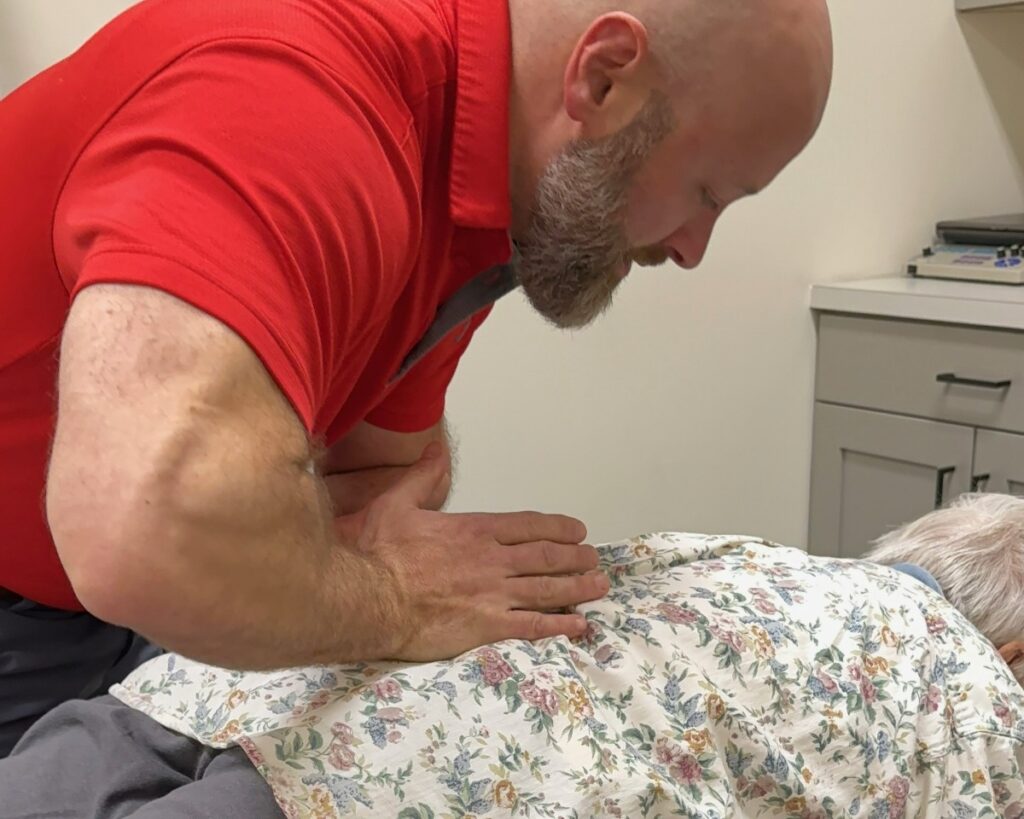
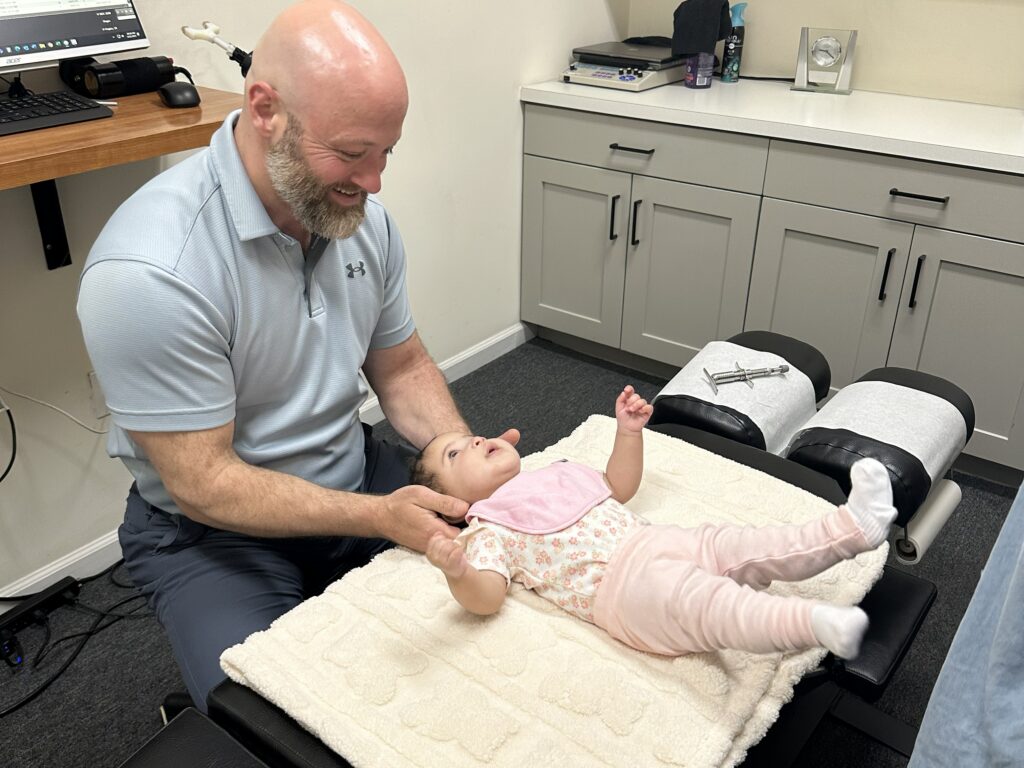
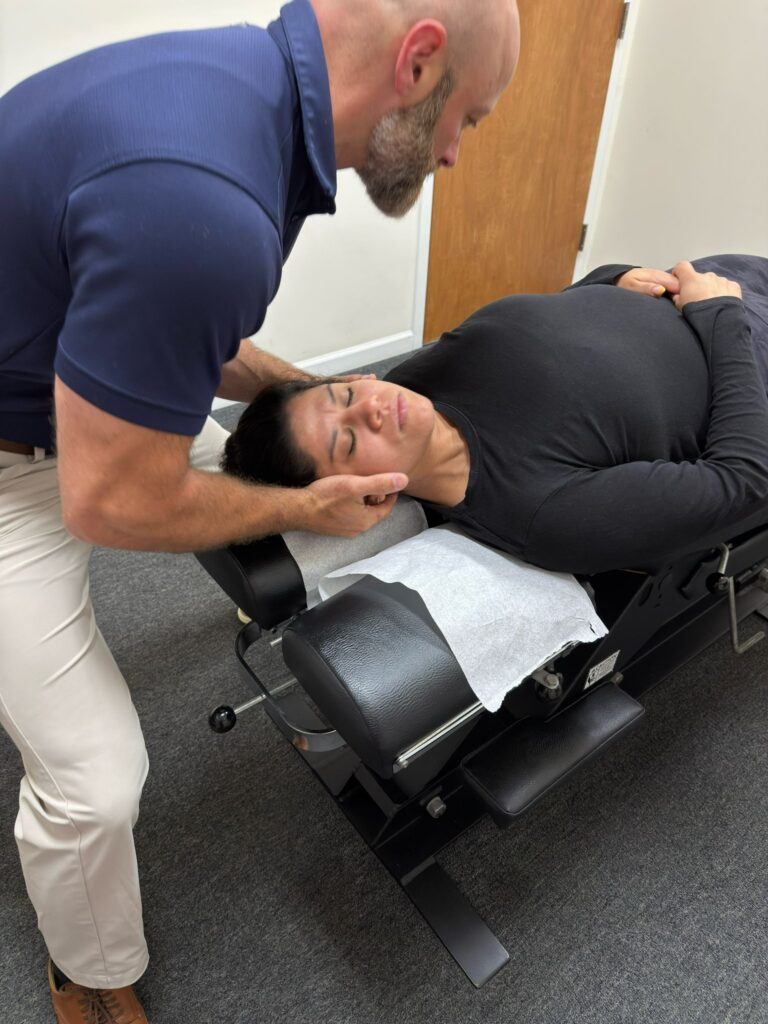
Chiropractic care is an excellent way to achieve optimal health and wellness. Regular adjustments can help align your spine, alleviate pain, and enhance your body’s natural ability to heal itself. By prioritizing your spinal health and seeking chiropractic care, you can take proactive steps toward living a pain-free, healthier life.
Common Physical Causes of Low Back Pain
When you experience low back pain, it often stems from common physical issues like muscle strains and sprains.
These problems can arise from everyday activities, poor posture, or even overexertion.
Another significant contributor to your discomfort could be herniated discs, which can put pressure on your nerves and lead to pain.
Understanding these causes is essential for finding relief and preventing future pain.
One of the best ways to address low back pain naturally is through chiropractic care.
A chiropractor can help assess your spine and overall health, identify any misalignments, and provide adjustments to restore proper function.
This not only helps alleviate pain but also promotes overall wellness.
In addition to seeking chiropractic care, there are some general tips you can incorporate into your daily routine to support your back health:
- Practice Good Posture: Be mindful of how you sit, stand, and lift. Make sure your back is straight and your shoulders are relaxed.
- Stay Active: Regular low-impact exercises, like walking or swimming, can strengthen your core and back muscles, providing better support for your spine.
- Stretch Regularly: Incorporate gentle stretching into your day to improve flexibility and reduce tension in your back muscles.
- Use Proper Lifting Techniques: When lifting heavy objects, bend at your knees, keep the object close to your body, and avoid twisting.
- Consider Ergonomics: If you spend long hours at a desk, ensure your workstation is set up ergonomically to reduce strain on your back.
By focusing on these practices and prioritizing chiropractic care, you can take proactive steps towards achieving optimal health and living pain-free.
Muscle Strains and Sprains
Muscle strains and sprains are among the most common causes of low back pain, often stemming from sudden movements or improper lifting techniques.
When you lift something heavy without using your legs or twist awkwardly, you put your muscles and ligaments at risk. This can lead to inflammation, stiffness, and discomfort, making daily activities challenging. If you’ve recently experienced a pull or sharp pain in your lower back after physical exertion, it’s likely a strain or sprain.
As a chiropractor, I want to emphasize that proper lifting techniques, engaging your core, and warming up before strenuous activities can significantly reduce the risk of injury.
Incorporating these habits into your routine won’t only help protect your back but can also enhance your overall well-being.
If you’re dealing with persistent pain, chiropractic care is an excellent option for natural healing. Chiropractors focus on spinal health and can help alleviate pain through gentle adjustments and targeted therapies, promoting your body’s innate ability to heal itself.
Here are some general tips to support your back health:
- Practice Good Posture: Whether sitting, standing, or lifting, maintaining proper posture helps reduce strain on your back.
- Strengthen Your Core: Engaging your abdominal muscles supports your spine and helps prevent injuries.
- Stay Active: Regular exercise keeps your muscles strong and flexible, which is essential for a healthy back.
- Listen to Your Body: If you feel pain, take a break and assess what might be causing it.
Herniated Discs Issues
Herniated discs can cause significant issues in your lower back, leading to severe pain and discomfort. This occurs when the soft, gel-like center of a disc pushes through its outer layer and presses on surrounding nerves. As a result, you may experience sharp pain, numbness, or weakness in your legs. Everyday activities like bending, lifting, or even sitting can become challenging.
These herniated discs can happen due to natural age-related wear and tear, improper lifting techniques, or sudden injuries. If you suspect you have a herniated disc, it’s important to address it promptly. Chiropractic care is a fantastic option to help alleviate your pain and promote healing naturally.
Through spinal adjustments and targeted therapies, we can help reduce nerve pressure, improve mobility, and promote overall wellness. Chiropractic care focuses on the body’s ability to heal itself, making it a safe and effective choice for managing herniated disc symptoms.
In addition to chiropractic care, here are some general tips to support your back health:
- Practice Good Posture: Whether sitting or standing, maintaining good posture can help reduce strain on your spine.
- Stay Active: Engage in low-impact activities like walking or swimming to strengthen your back muscles without putting too much pressure on your spine.
- Use Proper Lifting Techniques: When lifting, always bend your knees and keep the object close to your body to minimize strain on your back.
- Incorporate Stretching: Regularly stretching can help keep your spine flexible and reduce tension in your muscles.
- Maintain a Healthy Weight: Extra weight can put additional pressure on your spine, so maintaining a balanced diet and regular exercise is crucial.
The Role of Poor Posture in Back Pain
Poor posture is a significant contributor to low back pain, and as a chiropractor, I want to help you understand how to manage and prevent this issue naturally.
When you slouch or sit for extended periods without proper support, your spine can become misaligned, putting unnecessary strain on the muscles and ligaments in your back. This tension often results in discomfort and pain that can radiate through your lower back. If you find yourself hunching over your phone or computer frequently, you may be putting your spine under added stress.
To combat this, it’s important to be mindful of your posture throughout the day. Here are some simple tips to improve your posture and support your spinal health:
- Stay Aligned: Keep your shoulders back and your head aligned over your spine. This alignment helps reduce strain on your back.
- Foot Positioning: When sitting, ensure your feet are flat on the ground. This helps stabilize your body and promotes better posture.
- Take Breaks: Incorporate regular breaks to stand up and stretch. This can relieve built-up tension and improve blood circulation.
- Strengthening Exercises: Consider incorporating exercises that strengthen your core and back muscles. A strong core supports your spine and helps maintain good posture.
- Chiropractic Care: Regular visits to a chiropractor can help ensure your spine is properly aligned and functioning optimally. Chiropractic adjustments can relieve pain and prevent future discomfort by promoting natural healing in your body.
By making these simple adjustments and considering chiropractic care as part of your wellness routine, you can significantly reduce your risk of developing low back pain and enhance your overall health.
Psychological Factors and Their Impact on Pain Perception
Your emotional state plays a significant role in how you experience pain, particularly with low back issues. When you’re feeling stressed or anxious, it can amplify your perception of pain, making it seem more intense. This is why understanding the connection between your mind and body is essential for effectively managing discomfort.
At our chiropractic practice, we emphasize the importance of a holistic approach to health. By addressing not just the physical aspects of pain, but also the emotional and mental factors, we can help you achieve better overall wellness. Chiropractic care is a natural and effective way to alleviate pain and improve your quality of life.
Here are some helpful tips to manage your pain and enhance your well-being:
- Stay Active: Gentle movement can help alleviate stiffness and pain. Simple activities like walking or stretching can be beneficial.
- Practice Relaxation Techniques: Techniques such as deep breathing, meditation, or yoga can help reduce stress and anxiety, which may in turn lessen your perception of pain.
- Maintain Good Posture: Proper alignment helps reduce strain on your back. Be mindful of your posture when sitting, standing, or lifting.
- Stay Hydrated: Drinking plenty of water is crucial for maintaining healthy spinal discs and overall body function.
- Schedule Regular Chiropractic Visits: Regular adjustments can help keep your spine aligned, reduce pain, and promote overall wellness.
Emotional Stress and Pain
While physical factors often dominate conversations about low back pain, it’s essential to recognize the significant impact of emotional stress on your experience of that pain.
When stress levels rise, your body can respond in ways that amplify discomfort. For instance, anxiety and tension can lead to muscle tightness, worsening existing pain or even introducing new sensations. Your emotional state also shapes your focus; during overwhelming moments, pain can feel more pronounced.
Understanding how stress affects you is crucial for effective pain management. One of the best approaches to handling emotional stress is through chiropractic care. By aligning your spine and improving your overall body function, chiropractic adjustments can help reduce tension and promote relaxation, making it easier for you to cope with stress and its physical manifestations.
In addition to regular chiropractic visits, consider incorporating mindfulness and relaxation techniques into your daily routine. Simple practices like deep breathing, gentle stretches, or meditation can help alleviate stress and, in turn, may provide relief from low back pain. Prioritizing your emotional health is just as vital as addressing physical symptoms. Remember, when you focus on both your spine and your stress levels, you’re taking a significant step toward achieving optimal health and wellness.
Mind-Body Connection Explained
Understanding the mind-body connection is crucial for anyone dealing with low back pain, as your psychological state can significantly influence how you experience discomfort. Your emotions, thoughts, and overall mental well-being play an important role in pain perception. For instance, when you’re feeling stressed or anxious, your brain may heighten pain signals, making your discomfort feel even more intense.
Here are some key psychological factors to consider:
- Stress: High levels of tension can trigger or worsen pain sensations. Finding ways to manage stress through relaxation techniques or mindfulness can help alleviate discomfort.
- Anxiety: Constant worry about your pain can increase your sensitivity to it. Practicing deep breathing or engaging in calming activities can help reduce anxiety and make pain feel more manageable.
- Depression: A low mood can create a cycle of pain and emotional distress. Engaging in physical activity, even gentle movements, can boost your mood and help break this cycle.
- Coping Mechanisms: Employing healthy coping strategies, such as chiropractic care, can significantly reduce your perception of pain. On the other hand, negative coping strategies may worsen your situation.
Chiropractic care is an excellent choice for addressing not just the physical aspects of pain but also its psychological components. Regular adjustments can improve spinal health, enhance mobility, and promote overall wellness, helping you feel better both physically and mentally.
Incorporate some general tips into your daily routine to enhance your healing journey:
- Stay Active: Gentle exercises like walking, stretching, or yoga can help keep your back strong and flexible.
- Practice Relaxation: Techniques such as deep breathing, meditation, or guided imagery can help manage stress and anxiety.
- Maintain a Positive Attitude: Surround yourself with supportive people and engage in activities that bring you joy, as a positive mindset can aid in recovery.
- Stay Hydrated and Nourished: A balanced diet and plenty of water can support your body’s healing processes.
Lifestyle Choices That Contribute to Low Back Pain
Many people don’t realize how their everyday habits can contribute to low back pain. One of the biggest culprits is a sedentary lifestyle. If you find yourself sitting for long periods—especially with poor posture—your back muscles can weaken, leading to strain and discomfort. It’s essential to incorporate movement into your daily routine. Simple activities like taking short walks or doing stretches can help keep your back healthy and strong.
Another common cause of low back pain is improper lifting techniques or carrying heavy bags. Remember to lift with your legs, not your back, and avoid overloading yourself. Even your choice of footwear matters; wearing high heels or shoes without proper support can misalign your spine and lead to pain.
Nutrition also plays a crucial role in back health. Carrying extra weight puts additional stress on your spine, so maintaining a balanced diet and staying hydrated is important.
Don’t underestimate the power of a good night’s sleep either. Inadequate rest can lead to muscle tension and pain. Aim for restful nights to help your body recover and rejuvenate.
The Influence of Age on Lower Back Health
As you age, your spine undergoes natural changes that can influence your lower back health. Understanding how these changes occur is crucial for maintaining your well-being. With age, you might notice a decrease in flexibility, increased stiffness, and a higher risk of injury. Here are some important factors to keep in mind:
- Degenerative Disc Disease: As we age, our spinal discs can lose hydration and elasticity, which may lead to discomfort. Regular chiropractic adjustments can help keep your spine aligned and reduce pressure on these discs.
- Osteoarthritis: The wear and tear on your joints can result in pain and limit your mobility. Chiropractic care focuses on enhancing joint function and can help alleviate discomfort naturally.
- Muscle Weakness: Age-related muscle loss may contribute to strain on your lower back. Incorporating gentle exercises and stretches, as recommended by your chiropractor, can strengthen your back and improve overall stability.
- Postural Changes: Over time, your posture may shift, placing additional stress on your spine. A chiropractor can provide guidance on maintaining good posture and offer strategies to help you stay aligned.
Being aware of these age-related influences empowers you to take proactive steps toward a healthier back. Regular chiropractic care can play a vital role in managing pain and supporting your lower back health as you age.
Additionally, engaging in regular exercise, maintaining a healthy weight, and practicing good posture can significantly benefit your overall well-being.
Don’t let age dictate your lower back health—consider incorporating chiropractic care into your wellness routine for natural pain relief and a healthier lifestyle!
Myths and Misconceptions About Low Back Pain
While many people hold certain myths about low back pain, these misconceptions can lead to unnecessary fear and hinder effective management of the condition. One prevalent myth is that bed rest is the best treatment. In truth, staying active is often key to promoting healing and maintaining mobility. Gentle movement and activities can help keep your back strong and flexible.
Another common misconception is that low back pain is always the result of a serious injury. In most cases, it’s actually caused by daily activities or poor posture. Being mindful of your posture throughout the day, whether sitting, standing, or lifting, can make a significant difference in preventing pain.
Many people also believe that lifting heavy objects will inevitably lead to back pain. However, using proper lifting techniques—like bending your knees and keeping your back straight—can greatly reduce the risk of injury.
It’s a common belief that aging automatically brings more back pain. While it’s true that our bodies change as we age, many older adults remain active and enjoy a pain-free life. Regular chiropractic care can support spinal health and help you maintain an active lifestyle as you grow older.
Finally, some think that experiencing back pain is a sign of weakness. In reality, back pain is a widespread issue that affects countless individuals. It’s important to recognize that seeking help is a proactive step toward recovery and wellness.
Understanding these myths can empower you to seek appropriate solutions, like chiropractic care, which focuses on natural healing and optimal spinal health. Regular chiropractic adjustments can help alleviate pain, improve mobility, and enhance your overall wellness. Remember, maintaining a healthy back is a journey, and incorporating simple practices like good posture, regular movement, and chiropractic care can lead to a happier, healthier life.
Importance of Early Diagnosis and Treatment
Recognizing low back pain early can make a significant difference in your recovery and overall wellness. By addressing the issue promptly with chiropractic care, you can prevent it from escalating into a chronic condition. Early diagnosis allows for personalized treatment plans that target your specific needs, helping you regain control over your health.
Here are some key benefits of acting quickly and choosing chiropractic care for your low back pain:
- Reduced Pain: Early chiropractic intervention can alleviate discomfort before it worsens, helping you feel better sooner.
- Faster Recovery: Chiropractic adjustments and therapies often lead to quicker healing, allowing you to return to your daily activities more swiftly.
- Preventing Recurrence: By identifying the root cause of your pain, chiropractic care helps prevent future episodes, keeping you active and healthy.
- Improved Quality of Life: Addressing your pain early with natural and holistic chiropractic methods enhances your overall well-being and functionality.
Don’t let low back pain disrupt your life. Seek chiropractic help as soon as you notice symptoms to take control of your health and pave the way for a smoother recovery journey.
Here are some general tips to support your spinal health:
- Stay Active: Engage in regular, low-impact exercises that strengthen your core and back muscles.
- Maintain Good Posture: Be mindful of your posture while sitting, standing, and lifting to reduce strain on your back.
- Practice Stretching: Incorporate gentle stretches into your daily routine to keep your spine flexible and reduce tension.
- Listen to Your Body: If you experience discomfort, don’t ignore it. Early intervention is key to effective treatment.
Strategies for Prevention and Management of Low Back Pain
Taking proactive steps can significantly lower your risk of low back pain while enhancing your overall well-being. One of the best ways to support your spine is through regular exercise that strengthens your core and improves your flexibility. Consider incorporating activities like yoga and Pilates, which not only promote physical strength but also encourage mindfulness and relaxation.
Paying attention to your posture is crucial, especially if you spend long hours sitting. Invest in ergonomic furniture, and remember to take regular breaks to stretch and move around. Simple stretches can help alleviate tension and keep your spine aligned.
When lifting objects, always bend your knees and keep your back straight. This technique helps protect your spine from unnecessary strain. If your job or lifestyle puts you at greater risk for back issues, consider using supportive braces or cushions to provide extra stability.
Maintaining a healthy weight is also essential, as it reduces stress on your spine and supports overall health.
For managing discomfort, natural remedies such as heat or cold packs can be very effective. Instead of reaching for medications, consider visiting a chiropractor who can provide gentle adjustments and techniques to alleviate pain and promote healing.
If you experience persistent pain, it’s important to seek the guidance of a chiropractor. They can offer personalized advice and treatment options tailored to your specific needs. By adopting these strategies and prioritizing chiropractic care, you can effectively prevent and manage low back pain and achieve optimal health.
Conclusion
To sum up, understanding the various causes of low back pain—from mechanical issues and poor posture to psychological factors and lifestyle choices—empowers you to take control of your health. As a chiropractor, I want to emphasize that addressing these issues naturally through chiropractic care can greatly enhance your well-being. By recognizing the root causes of your pain and seeking early chiropractic treatment, you can prevent chronic pain and improve your overall quality of life.
Chiropractic care focuses on aligning the spine and improving overall function, which can alleviate pain and promote healing without the need for medications or surgeries. Remember, making small adjustments in your daily routine, such as practicing good posture, engaging in regular physical activity, and utilizing ergonomic furniture, can lead to significant improvements in your back health.
Stay proactive in your wellness journey, and don’t hesitate to reach out for chiropractic care when needed. Together, we can work towards achieving optimal health and a pain-free life!