Low back pain can be a frustrating and limiting experience, but there are effective remedies that can help you find relief and restore your mobility. As a local chiropractor, I want to share with you some natural healing methods that can help alleviate your discomfort and promote overall wellness.
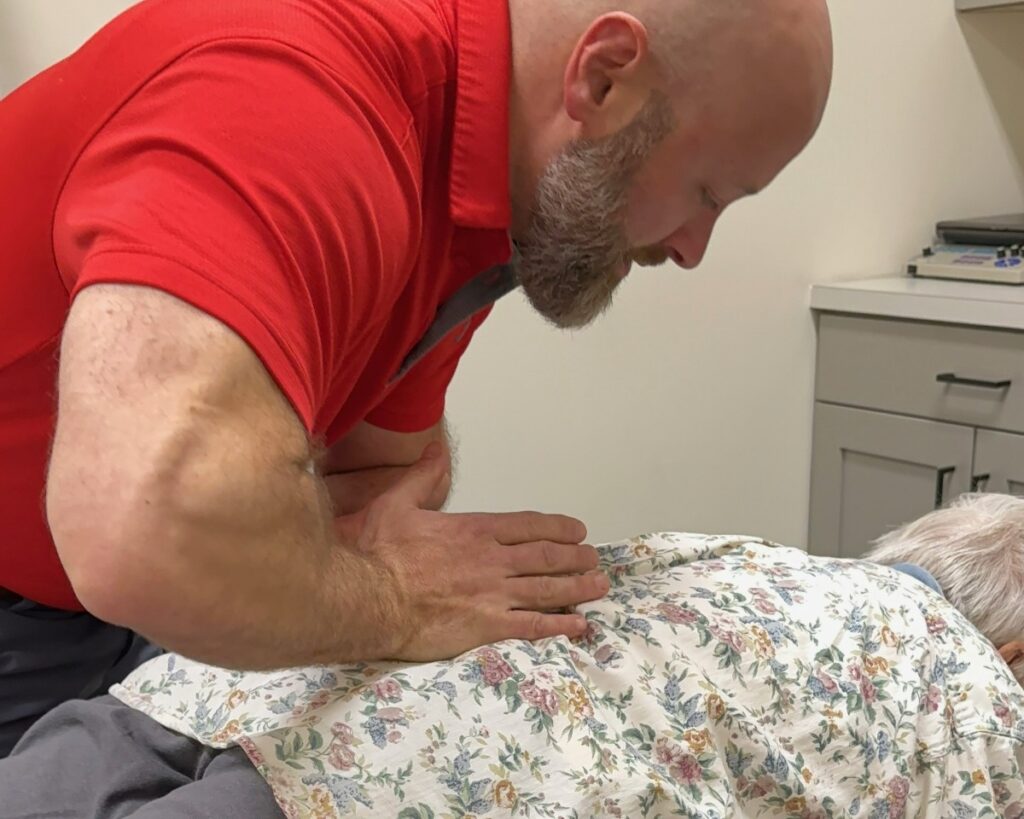
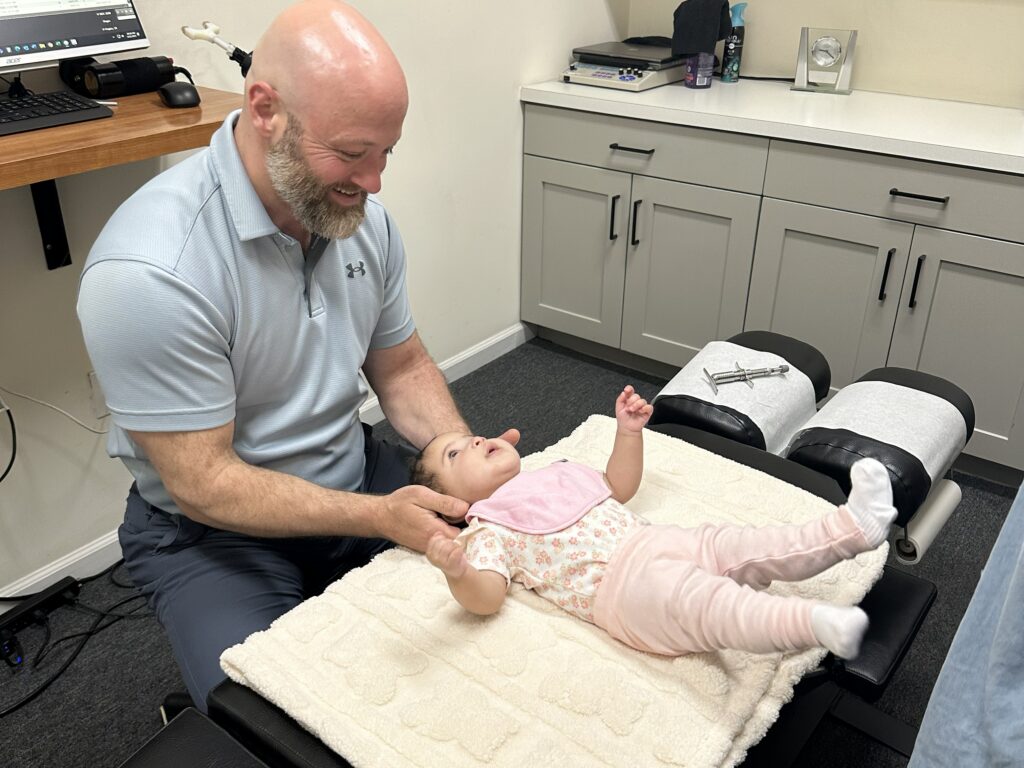
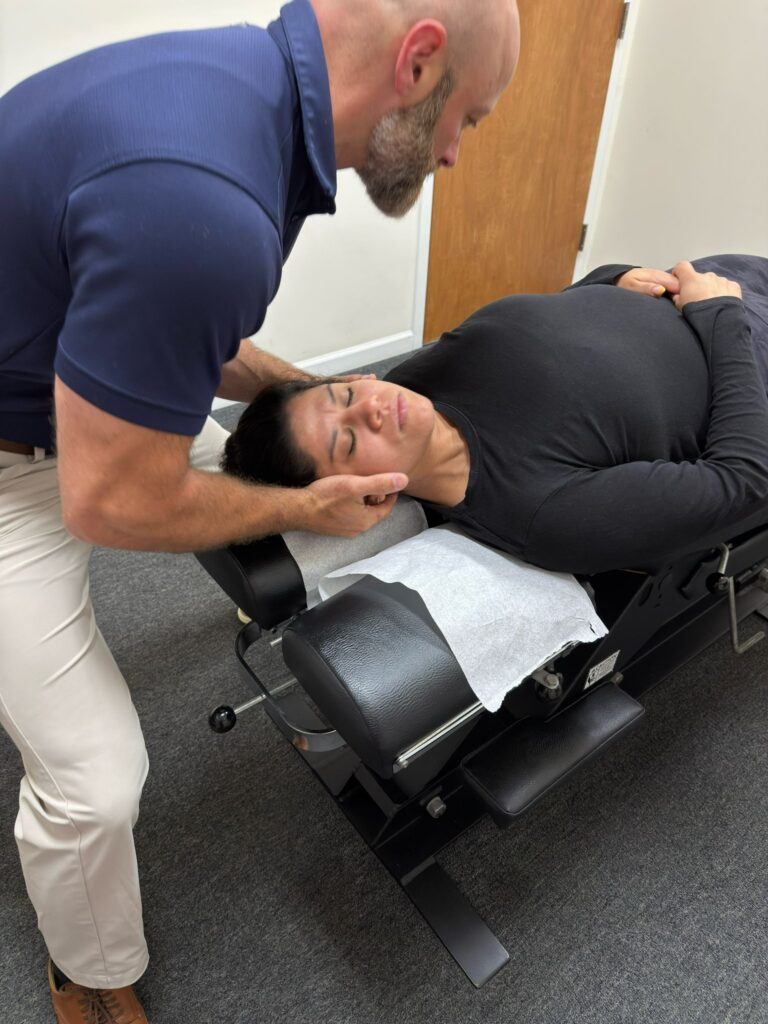
Chiropractic care is one of the best options available for treating low back pain. By using hands-on spinal manipulation, chiropractors can help align your spine and improve your body’s function. This not only alleviates pain but also enhances your overall health and wellness. Regular chiropractic adjustments can keep your spine in optimal condition, preventing future issues and promoting long-term relief.
In addition to chiropractic care, there are several at-home strategies that can complement your treatment and help you manage low back pain:
- Stay Active: Gentle exercises, such as walking or stretching, can help keep your back muscles strong and flexible. Aim for low-impact activities that don’t strain your back.
- Practice Good Posture: Whether sitting at a desk or lifting heavy objects, maintaining proper posture is crucial. Ensure your workstation is ergonomically set up, and always lift with your legs, not your back.
- Use Heat or Cold Therapy: Applying heat pads or ice packs to your lower back can help reduce inflammation and improve circulation, providing relief from pain.
- Stay Hydrated: Keeping your body hydrated supports overall health and can help maintain the elasticity of spinal discs, reducing the risk of injury.
- Consider Supportive Cushions: If you spend long periods sitting, using a supportive cushion can help improve your posture and reduce strain on your lower back.
Remember, every individual is unique, and what works for one person may not work for another. That’s why it’s important to consult with a chiropractor who can tailor a treatment plan specific to your needs. By prioritizing chiropractic care and following these simple tips, you can take significant steps toward alleviating low back pain and achieving optimal health.
Key Takeaways
- Focus on maintaining good posture throughout your daily activities. This simple adjustment can significantly reduce strain on your lower back and promote better spinal health.
- Incorporate regular stretching and core-strengthening exercises into your routine. These practices not only enhance flexibility but also provide essential support to your spine, helping you maintain its natural alignment.
- Consider seeking chiropractic care. A chiropractor can help with spinal alignment and relieve nerve pressure, which promotes overall wellness and can lead to lasting relief from back pain.
- Explore manual therapies, such as massage and myofascial release, which are great complements to chiropractic care. These therapies can ease muscle tension and improve your mobility, helping you feel more comfortable in your daily life.
- Don’t underestimate the power of stress management techniques like meditation. Reducing stress can help prevent muscle tightening and the pain that often accompanies it, contributing to your overall health and well-being.
By integrating these practices into your life and prioritizing chiropractic care, you can work towards achieving optimal health and living pain-free. Remember, your spine is the foundation of your health, so take care of it!
Understanding Low Back Pain
When you experience low back pain, it’s important to understand the potential causes behind it. This type of discomfort can arise from various sources, including muscle strain, herniated discs, or even poor posture. Identifying the root cause is crucial for effectively addressing the issue and finding relief.
Daily activities, such as lifting heavy objects or sitting for extended periods, can contribute to your low back pain. Stress can also tighten your muscles, exacerbating discomfort. It’s essential to listen to your body and recognize patterns that may trigger your pain.
As a chiropractor, I believe that simple lifestyle changes can significantly improve your well-being. Incorporating stretching and strengthening exercises into your routine can help alleviate pain and enhance flexibility. Additionally, consider adjusting your workstation to promote better posture. These small adjustments can make a big difference.
Chiropractic care is a natural and effective approach to managing low back pain. By focusing on spinal health and proper alignment, chiropractic adjustments can help relieve pressure on nerves and improve overall function. This holistic approach empowers you to take charge of your health and reduce the likelihood of future episodes.
Over-the-Counter Medications
Many people often seek quick relief from low back pain, but it’s important to remember that there are natural and effective ways to address this discomfort—without relying solely on over-the-counter (OTC) medications. While some may turn to nonsteroidal anti-inflammatory drugs (NSAIDs) like ibuprofen or naproxen, these options only mask the pain rather than addressing the root cause.
As a chiropractor, I believe in the power of natural healing and the body’s ability to recover when given the right support. Chiropractic care focuses on restoring proper alignment to the spine, which can significantly reduce pain and improve mobility. By addressing issues such as misalignments or tension in the spine, you can alleviate the discomfort associated with low back pain and promote overall wellness.
In addition to chiropractic adjustments, there are several simple tips you can incorporate into your daily routine to help manage and prevent low back pain:
- Stay Active: Gentle exercises, such as walking or stretching, can keep your back strong and flexible. Aim for regular movement throughout the day.
- Practice Good Posture: Be mindful of your posture whether you’re sitting, standing, or lifting objects. Keeping your spine aligned can prevent strain.
- Use Heat or Cold Therapy: Applying a warm compress or an ice pack can soothe soreness and reduce inflammation naturally.
- Stay Hydrated: Drinking plenty of water supports spinal health by keeping the discs in your spine hydrated.
- Mind Your Sleep: Ensure you have a supportive mattress and pillow. A good night’s sleep is vital for recovery and overall health.
While OTC medications may provide temporary relief, chiropractic care offers a comprehensive approach to managing low back pain by addressing its underlying causes. If your pain persists or worsens, I encourage you to consult a chiropractor who can guide you on your journey to optimal health and wellness.
Physical Therapy Techniques
When it comes to alleviating low back pain, chiropractic care can truly make a world of difference. By focusing on spinal alignment and natural healing, we can help you regain mobility and reduce discomfort effectively. One key aspect of our approach involves gentle adjustments that realign the spine and improve overall function.
In addition to spinal adjustments, incorporating stretching and flexibility exercises into your routine can help enhance your mobility. Strengthening your core muscles is equally important, as a strong core supports your spine and reduces strain. Simple exercises like planks or pelvic tilts can be beneficial, and I can guide you through these during your visits.
Manual therapy techniques, which are a hallmark of chiropractic care, can also play a crucial role in your recovery. These hands-on methods can relieve tension in your muscles and joints, promoting a sense of relaxation and pain relief.
Stretching and Flexibility Exercises
Incorporating stretching and flexibility exercises into your daily routine can significantly alleviate low back pain and enhance your overall mobility. These exercises are essential for loosening tight muscles, improving circulation, and increasing your range of motion, all of which are fundamental for maintaining a healthy spine.
Simple stretches like the cat-cow, child’s pose, and hamstring stretches effectively target the muscles in your lower back and hips. I recommend aiming to stretch daily, holding each position for about 20-30 seconds. Remember to focus on your breathing; deep, steady breaths can help relax your body further and deepen the stretch.
Consistency is crucial. Over time, you’ll likely notice a reduction in pain and stiffness, contributing to a more active and fulfilling lifestyle. Always listen to your body—if something doesn’t feel right, don’t push past your comfort zone. It’s important to honor your body’s signals and adjust accordingly.
Additionally, consider integrating chiropractic care into your wellness routine. Chiropractic adjustments can complement your stretching exercises by aligning your spine and enhancing your overall health. This holistic approach can provide natural pain relief and support your journey to optimal health.
Before starting any new exercise routine, if you have any concerns or pre-existing conditions, it’s wise to consult with a healthcare professional who aligns with your health goals. With regular practice and the right support, you can achieve lasting relief and improved flexibility, paving the way for a healthier, more active life.
Strengthening Core Muscles
Strengthening your core muscles is incredibly important for supporting your lower back and preventing pain, which is where chiropractic care can play a vital role. A strong core helps stabilize your spine and improves your posture, significantly reducing the risk of injury. As a chiropractor, I recommend starting with simple exercises like planks, bridges, and pelvic tilts. These exercises target different core muscle groups and can easily be incorporated into your routine.
To get the most out of your core-strengthening efforts, aim to practice these exercises three to four times a week. Consistency is key! As you build strength, consider adding some resistance training or even yoga to enhance both your strength and flexibility. Remember, the focus should always be on maintaining proper form to ensure you’re maximizing the effectiveness of the exercises while minimizing any potential strain.
Chiropractic care complements your core-strengthening routine by ensuring that your spine is aligned and functioning optimally. This alignment not only helps alleviate low back pain but also enhances your overall physical performance and well-being. By committing to a core-strengthening routine alongside regular chiropractic adjustments, you’re on your way to achieving a healthier, pain-free life.
Here are a few general tips to keep in mind:
- Stay consistent with your exercises for the best results.
- Pay attention to your body and adjust as needed; don’t push through pain.
- Consider seeing a chiropractor to ensure your spine is aligned and to help with any discomfort you may have.
Manual Therapy Techniques
Building a strong core is essential for supporting your spine and overall health, and it lays the groundwork for exploring effective manual therapy techniques. When it comes to alleviating low back pain, chiropractic care stands out as a natural and holistic approach. As a chiropractor, I believe that hands-on techniques, such as adjustments and targeted therapies, can significantly improve mobility and reduce discomfort without the need for medications or surgeries.
Here’s a simple breakdown of some effective techniques and their benefits:
| Technique | Benefits |
|---|---|
| Chiropractic Care | Realigns your spine and reduces pain, promoting overall wellness. |
| Deep Tissue Massage | Relaxes tight muscles and enhances blood flow, aiding recovery. |
| Myofascial Release | Eases tension in the fascia, allowing for better movement and comfort. |
| Trigger Point Therapy | Targets specific pain areas for relief, helping you feel your best. |
In addition to these techniques, here are some general tips to help you on your journey to better health:
- Stay Active: Regular physical activity strengthens your core and supports spinal health. Aim for exercises that promote flexibility and strength, such as yoga or pilates.
- Maintain Good Posture: Be mindful of your posture throughout the day, whether sitting at a desk or lifting objects. Good posture helps prevent strain on your back.
- Stay Hydrated: Drinking enough water helps keep your muscles and joints lubricated, which is key for overall function and pain relief.
- Listen to Your Body: If you experience discomfort or pain, don’t ignore it. Consult with a chiropractor to identify the root cause and develop a personalized plan for relief.
Chiropractic care is a powerful tool in achieving optimal health and wellness. By focusing on natural healing methods and maintaining a strong core, you can enhance your quality of life and reduce the risk of future pain. Remember, your spine is the foundation of your entire body—take care of it!
Alternative Therapies
When traditional methods aren’t providing the relief you need for your low back pain, it’s time to consider the powerful benefits of chiropractic care.
Chiropractic adjustments focus on aligning your spine, which can alleviate pain and enhance your overall well-being.
Chiropractic care not only addresses the symptoms of back pain but also targets the root cause by restoring proper function to your nervous system.
This holistic approach promotes natural healing and can lead to improved mobility, better posture, and a healthier lifestyle.
To complement your chiropractic treatments, here are some general tips to help you manage your low back pain at home:
1. Maintain Good Posture: Whether sitting, standing, or lifting, being mindful of your posture can significantly reduce strain on your back.
2. Stay Active: Gentle exercises, such as walking or stretching, can keep your muscles strong and flexible.
Incorporating regular movement into your day helps prevent stiffness and discomfort.
3. Apply Heat or Cold: Using a heating pad or a cold pack can provide temporary relief and reduce inflammation.
4. Stay Hydrated: Drinking plenty of water supports spinal health by keeping the discs in your spine hydrated.
5. Practice Relaxation Techniques: Stress can contribute to muscle tension.
Techniques such as deep breathing, yoga, or meditation can help you relax and reduce back pain.
By choosing chiropractic care, you’re taking a proactive step towards achieving optimal health and wellness.
It’s a safe, effective, and natural way to relieve pain and improve your quality of life.
If you’re struggling with low back pain, I encourage you to schedule a consultation to explore how chiropractic care can benefit you.
Acupuncture for Pain Relief
As a local chiropractor, I want to share some insights on managing low back pain through natural methods, emphasizing the benefits of chiropractic care. While acupuncture is an ancient practice that some people find helpful, I believe chiropractic care is a more effective approach for achieving optimal health and wellness.
Chiropractic care focuses on adjusting the spine to improve alignment and relieve pressure on nerves, which can significantly reduce pain and discomfort.
Here are some benefits of chiropractic care for low back pain:
- Spinal Alignment: Regular chiropractic adjustments help keep your spine in proper alignment, which is essential for preventing and alleviating pain.
- Increased Mobility: Chiropractic treatment can enhance your range of motion, making it easier to perform daily activities without pain.
- Natural Pain Relief: Chiropractic care addresses the root cause of your pain without the need for medications or invasive procedures.
- Holistic Approach: A chiropractor will consider your overall health, lifestyle, and specific needs to create a personalized treatment plan.
In addition to chiropractic adjustments, here are some general tips for maintaining a healthy back:
- Stay Active: Regular exercise strengthens your back muscles and improves flexibility. Simple activities like walking or swimming can make a big difference.
- Practice Good Posture: Be mindful of your posture, especially when sitting for long periods. Use ergonomic furniture and take breaks to stretch.
- Use Proper Lifting Techniques: When lifting heavy objects, bend at your knees and keep the weight close to your body to protect your back.
If you’re struggling with low back pain, consider visiting a chiropractor for a natural and effective solution. Together, we can work towards your wellness goals and help you live a healthier, pain-free life!
Chiropractic Adjustments Benefits
Chiropractic adjustments are a natural and effective way to enhance your overall well-being, especially when it comes to easing low back pain. These adjustments focus on realigning your spine, which can relieve pressure on nerves and enhance your mobility. Many people experience reduced pain, increased flexibility, and a greater range of motion after receiving care.
Here’s a simple overview of the key benefits of chiropractic adjustments:
| Benefit | Description | Emotional Impact |
|---|---|---|
| Pain Relief | Quickly alleviates discomfort | Lifts your spirits |
| Enhanced Mobility | Boosts flexibility and movement | Restores your independence |
| Overall Wellness | Encourages better health and vitality | Improves your quality of life |
Regular chiropractic care not only helps with pain relief but also leaves you feeling more energized and ready to take on your daily activities. By choosing chiropractic care, you’re opting for a holistic approach to health that focuses on your body’s ability to heal itself naturally.
To maximize the benefits of chiropractic adjustments, consider these tips:
- Stay active: Engage in light exercises or stretches to support your spine.
- Maintain good posture: Be mindful of how you sit, stand, and move throughout the day.
- Stay hydrated: Drinking plenty of water helps keep your spinal discs healthy.
- Practice relaxation techniques: Stress can contribute to tension in your back, so find time for relaxation.
Herbal Remedies and Oils
If you’re dealing with low back pain, incorporating herbal remedies and essential oils into your routine can be a gentle way to find some relief. While chiropractic care is the most effective option for addressing the root causes of pain and promoting overall wellness, these natural remedies may complement your journey to better health without the side effects that can come with conventional medications.
Here are some options you might consider:
- Turmeric: This powerful herb is well-known for its anti-inflammatory properties. You can take it as a supplement or sprinkle it into your meals for added flavor and health benefits.
- Ginger: Another fantastic root, ginger can help reduce pain and inflammation. It’s easy to incorporate into your diet by adding it to teas, smoothies, or even stir-fries.
- Peppermint oil: When you dilute peppermint oil with a carrier oil (like coconut or olive oil), it can be massaged into sore areas. The cooling sensation can provide temporary relief and help soothe discomfort.
- Eucalyptus oil: This oil has a calming scent that can promote relaxation. When used in a warm compress, eucalyptus oil may help alleviate pain and tension in your back.
While these remedies may help, remember that the best way to ensure lasting relief from low back pain is through chiropractic care. A chiropractor can identify the underlying issues contributing to your pain and provide tailored treatments to restore alignment and function to your spine.
In addition to exploring natural remedies, here are a few general tips to support your back health:
- Stay active: Gentle exercises, such as walking or stretching, can keep your back muscles strong and flexible.
- Practice good posture: Being mindful of your posture while sitting, standing, and lifting can help reduce strain on your back.
- Listen to your body: If something doesn’t feel right, don’t push through the pain. Consult with a chiropractor to address any concerns.
Lifestyle Modifications
Managing low back pain isn’t just about medical treatments; it’s also crucial to make lifestyle modifications that can significantly boost your recovery and enhance your overall wellness. As a chiropractor, I encourage you to incorporate regular physical activity into your daily routine. Engaging in simple exercises like walking, swimming, or practicing yoga can help strengthen your back and improve your flexibility, which is essential for spinal health.
Be mindful of your posture, whether you’re sitting at a desk or lifting objects. Proper alignment is key to preventing strain on your spine. Always remember to lift with your legs and keep your back straight to minimize the risk of injury.
Maintaining a healthy weight is another important factor. Excess weight can put added stress on your spine, leading to increased pain. Balancing your diet and staying active can help you achieve and maintain a healthy weight.
Don’t forget about the importance of restorative sleep. Ensure your mattress provides adequate support for your back—this can make a world of difference in how you feel each day.
Additionally, managing stress is vital for both your mental and physical health. Techniques like meditation or deep breathing exercises can significantly reduce muscle tension and alleviate pain.
These lifestyle changes not only support your recovery but also lay a strong foundation for long-term health and wellness. Remember, chiropractic care is an excellent natural approach to achieving optimal health and relieving pain. By integrating these tips into your life, you can enhance your well-being and embrace a healthier, pain-free lifestyle.
When to Seek Professional Help
Knowing when to seek professional help for low back pain is crucial for your recovery and overall wellness. If your pain lingers despite trying home remedies, or if it intensifies, it’s a strong indication that it’s time to consult a chiropractor.
You should also consider reaching out if you experience any of the following symptoms:
- Numbness or tingling in your legs
- Severe pain that doesn’t improve with rest
- Difficulty standing or walking
- Loss of bladder or bowel control
These indicators may suggest a more serious issue that requires prompt attention. Don’t hesitate to schedule an appointment if your low back pain disrupts your daily life or activities. A chiropractor can provide a thorough assessment, identify the root cause of your discomfort, and recommend effective, natural treatment options tailored to your unique needs.
In addition to seeking professional help, there are some general tips you can incorporate into your daily routine to support your spine health:
- Maintain Good Posture: Be mindful of your posture while sitting, standing, and lifting. Proper alignment can help reduce strain on your back.
- Stay Active: Engage in regular, gentle exercises like walking or stretching to keep your muscles strong and flexible.
- Use Proper Lifting Techniques: Bend at your knees and keep your back straight when lifting heavy objects to prevent injury.
- Invest in a Supportive Mattress: A good mattress can significantly impact your spinal health and comfort during sleep.
- Stay Hydrated: Drinking plenty of water supports overall health and helps keep your spinal discs hydrated.
Addressing low back pain early through chiropractic care can prevent long-term complications and promote a healthier, more active lifestyle. Remember, you don’t have to live with pain—embrace natural healing through chiropractic for optimal health!
Conclusion
Managing low back pain effectively starts with understanding the benefits of chiropractic care, which is a holistic approach to health that focuses on your body’s natural ability to heal itself. As a local chiropractor, I can assure you that chiropractic adjustments are one of the best methods for relieving pain and promoting optimal spinal health. These adjustments help align your spine, reduce nerve interference, and improve overall function, leading to significant relief from discomfort.
In addition to chiropractic adjustments, incorporating targeted exercises into your routine can significantly enhance your strength and flexibility, which are crucial for a healthy back. Simple stretches and core-strengthening exercises can aid in reducing tension and preventing future pain.
Lifestyle changes also play a vital role in managing low back pain. Maintaining a healthy weight, practicing good posture, and using ergonomic furniture can help alleviate strain on your back. Incorporating regular movement throughout your day, even if it’s just a short walk, can keep your back muscles engaged and prevent stiffness.
While many people consider medications for temporary relief, I encourage you to focus on natural healing methods through chiropractic care and self-management techniques. This approach not only addresses the symptoms but also targets the root cause of your low back pain.
If your pain persists or you notice any unusual symptoms, it’s crucial to reach out for professional help. Remember, the goal is to lead you towards a healthier, pain-free life. By prioritizing chiropractic care and embracing these simple strategies, you’ll be on the path to improved well-being and mobility.