
If you’re experiencing low back pain, you’re not alone, and there are effective techniques to help you find relief. One of the best approaches is chiropractic care, which focuses on aligning your spine and addressing the root causes of your discomfort. Understanding how factors like posture and muscle tension affect your back is crucial in finding the right solutions.
Chiropractic adjustments can help restore proper alignment to your spine, which may alleviate pain and improve your overall function. In addition to adjustments, incorporating targeted exercises and stretches can strengthen your back muscles and enhance flexibility. Simple activities like walking or practicing good posture can also make a significant difference in your pain levels.
As you explore these methods, remember that natural healing is key to long-lasting relief. Chiropractic care not only addresses your current pain but also promotes overall wellness. If you’re looking for a holistic approach to managing your low back pain, consider visiting a chiropractor. They can provide personalized care tailored to your specific needs and guide you on your journey to optimal health. Take charge of your well-being today and discover the benefits of chiropractic care!
Key Takeaways
As a local chiropractor, I’m here to share valuable insights on how to alleviate low back pain and promote optimal health through natural healing methods.
- One of the first steps in addressing low back pain is through chiropractic assessments. By identifying spinal misalignments, we can perform targeted adjustments that not only relieve pain but also improve your posture, leading to better overall spinal health.
- Incorporating simple stretching exercises into your routine can work wonders for your lower back. Movements like the cat-cow stretch and child’s pose help relieve tension and enhance flexibility, making your back feel more comfortable and less stiff.
- Strengthening your core, hips, and back is crucial for supporting your spine and reducing discomfort. Exercises such as planks and bridges are fantastic for building strength in these areas, which can lead to a healthier back and less pain in your daily life.
- Don’t underestimate the power of home therapies! Applying heat or cold to your back can provide immediate relief by relaxing tight muscles and reducing inflammation. This is an easy and effective way to manage pain between chiropractic visits.
- Additionally, consider complementary approaches like massage therapy, acupuncture, and yoga. These practices promote relaxation and can enhance your overall pain management strategy. They work well alongside chiropractic care to create a comprehensive approach to wellness.
Remember, chiropractic care is focused on addressing the root causes of your pain rather than just masking symptoms. By choosing natural healing methods, you are taking a proactive step towards a healthier, pain-free life. Always consult with your chiropractor about which techniques are best for you, and don’t hesitate to reach out for guidance on how to maintain your spinal health.
Techniques for Relieving Low Back Pain
When it comes to alleviating low back pain, understanding the root causes is essential. Discomfort can stem from various factors, such as poor posture, muscle strain, or underlying issues. By identifying the source of your pain, you can choose the right techniques to find relief. Whether you’re experiencing acute or chronic pain, there are several natural methods that can help improve your quality of life and promote overall wellness.
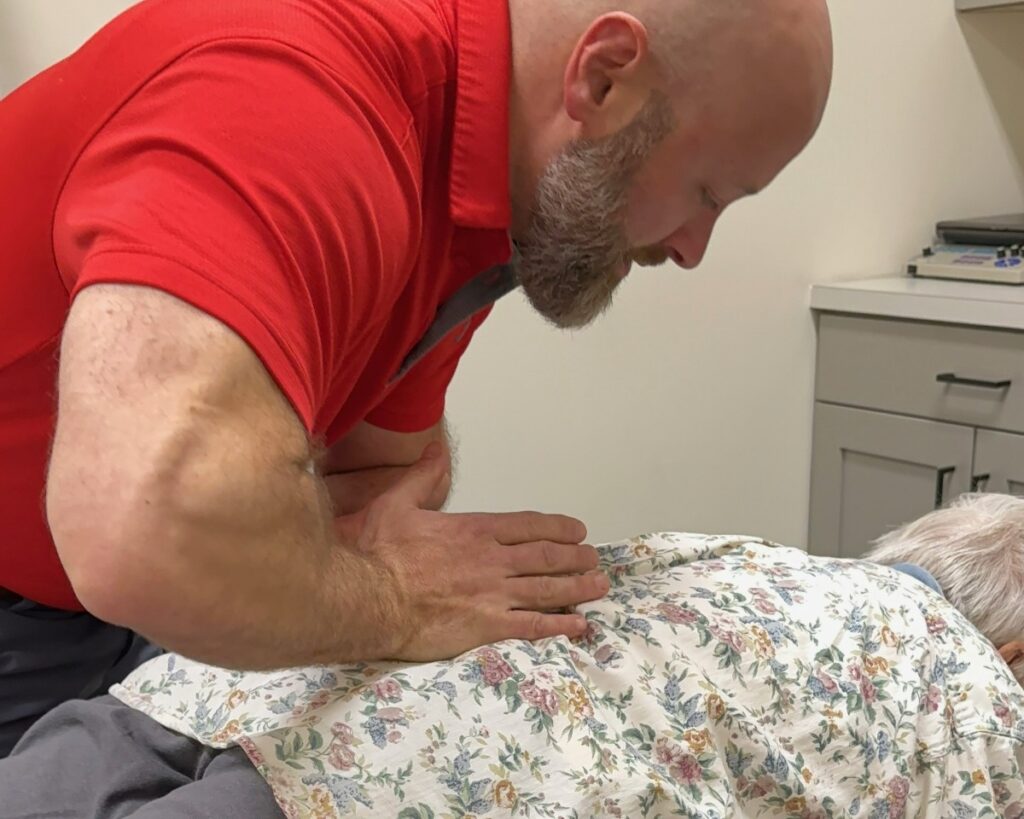
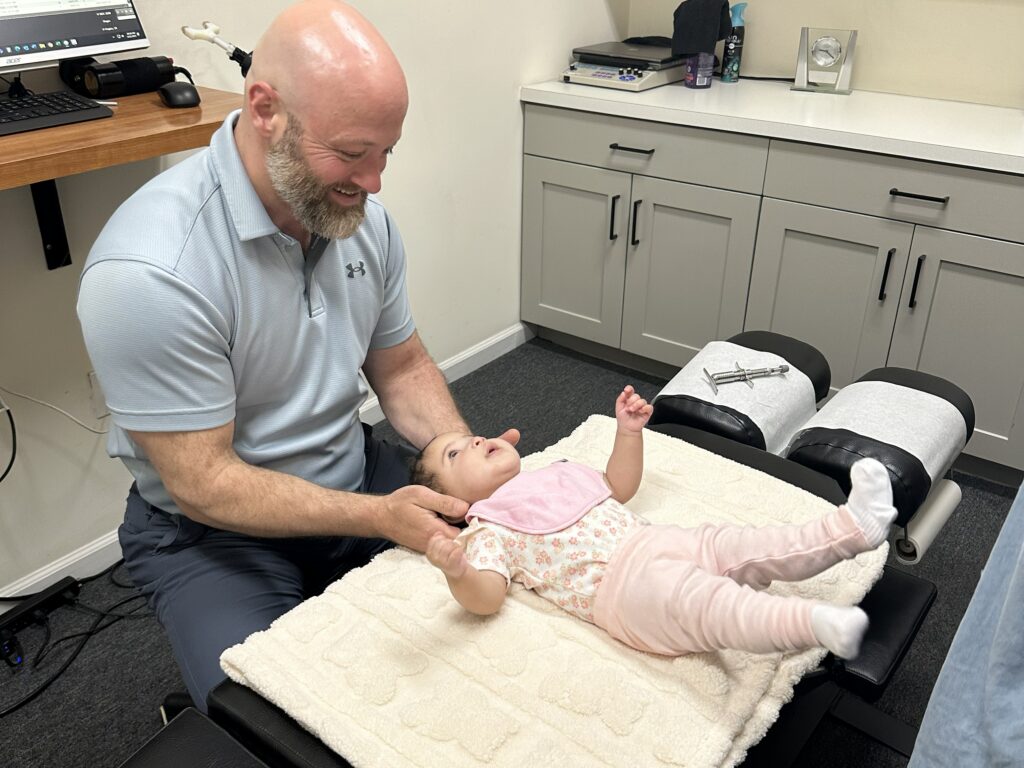
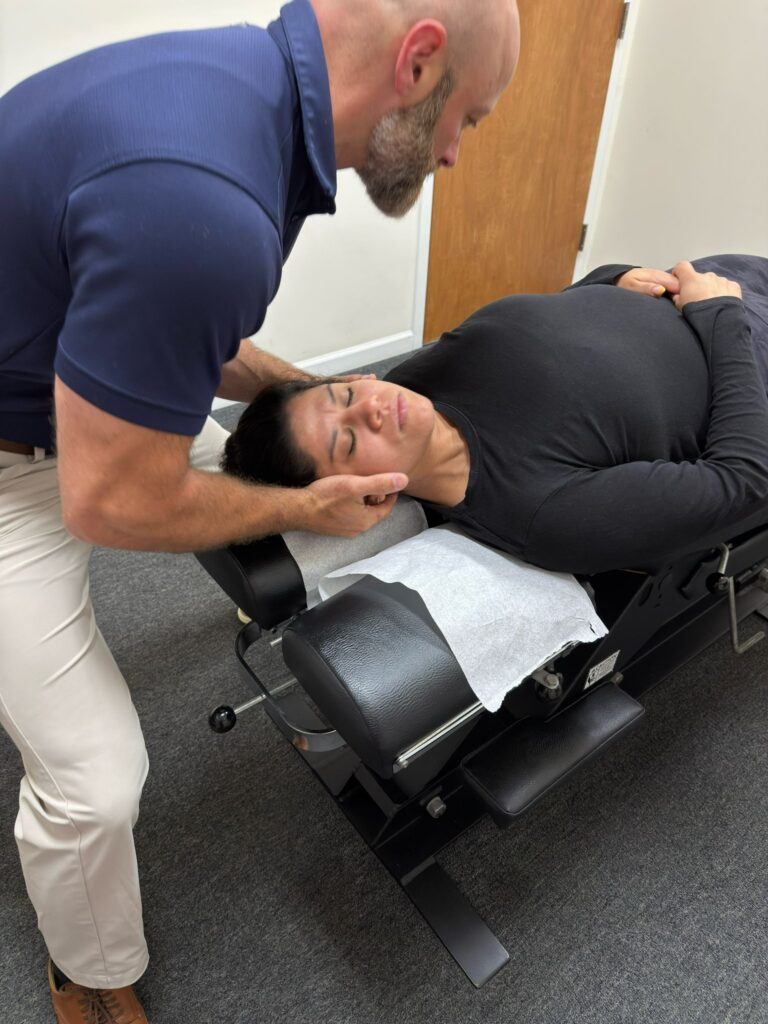
One of the best approaches is through chiropractic care. A chiropractor can assess your spine and identify misalignments that may be contributing to your pain. By using gentle adjustments, they can realign your spine, improve your posture, and reduce tension in your back muscles. This natural healing method not only targets the root cause of your discomfort but also enhances your body’s ability to heal itself.
Incorporating stretching and strengthening exercises into your daily routine can also be incredibly beneficial. Simple stretches like cat-cow or child’s pose can relieve tension and improve flexibility. Strengthening your core, hips, and back with exercises like planks, bridges, and pelvic tilts can fortify the muscles that support your spine. Just remember to start slowly and listen to your body to avoid any further strain.
Heat and cold therapy are additional techniques you can use at home. Applying heat can relax tight muscles and boost blood flow, promoting healing. A warm shower, heating pad, or warm towel can work wonders for your discomfort. On the flip side, cold therapy can help reduce inflammation and numb sharp pain. Ice packs or a bag of frozen vegetables wrapped in a towel can be great for this. Alternating between heat and cold can provide balanced relief for your symptoms.
Improving your posture is another key factor in alleviating low back pain. Poor posture while sitting, standing, or lifting can contribute significantly to discomfort. Take a moment to evaluate your daily habits. If you sit for long periods, ensure your workstation is ergonomically designed. Use a chair that supports your lower back, and keep your feet flat on the floor. When lifting heavy objects, remember to bend at your knees and keep your back straight to prevent strain.
If your pain persists, seeking out chiropractic care can be a game changer. A chiropractor can create a personalized plan that may include spinal adjustments, exercises, and education on proper body mechanics. They’ll guide you on how to perform movements correctly, helping you avoid future injuries and maintain a healthy spine.
Alternative therapies can also complement your journey toward wellness. Techniques such as acupuncture, chiropractic adjustments, and massage therapy have shown positive results for many people experiencing low back pain. These methods can reduce tension, improve circulation, and promote relaxation, all of which contribute to pain relief.
Lastly, don’t overlook the importance of mindfulness and stress management. Chronic pain can often be worsened by stress and anxiety. Practices such as yoga, meditation, or deep-breathing exercises can help you manage your mental state, allowing you to cope more effectively with physical discomfort.
Conclusion
Incorporating a variety of techniques can significantly alleviate low back pain and enhance your overall well-being. One of the most effective methods is chiropractic care, which focuses on spinal alignment to promote natural healing and improve your body’s function. By receiving regular adjustments from a trained chiropractor, you can ensure your spine is properly aligned, which alleviates pressure on nerves and reduces pain.
In addition to chiropractic adjustments, strengthening your core muscles is crucial. A strong core supports your spine and helps prevent future discomfort. Simple exercises like planks, bridges, and gentle stretches can go a long way in building strength and flexibility.
Practicing good ergonomics in your daily activities is another key factor. Make sure your workspace is set up to support proper posture, whether you’re sitting or standing. Using chairs that support your lower back and taking frequent breaks to move around can help reduce strain.
Complementary therapies such as massage and yoga can also play a role in your healing journey. They enhance the benefits of chiropractic care by promoting relaxation, increasing flexibility, and reducing muscle tension.
Remember, the path to a healthier, pain-free back involves staying informed and gradually incorporating these practices into your routine. By prioritizing chiropractic care and making mindful lifestyle choices, you’re taking proactive steps toward optimal health and well-being. Your journey to a pain-free back starts now!