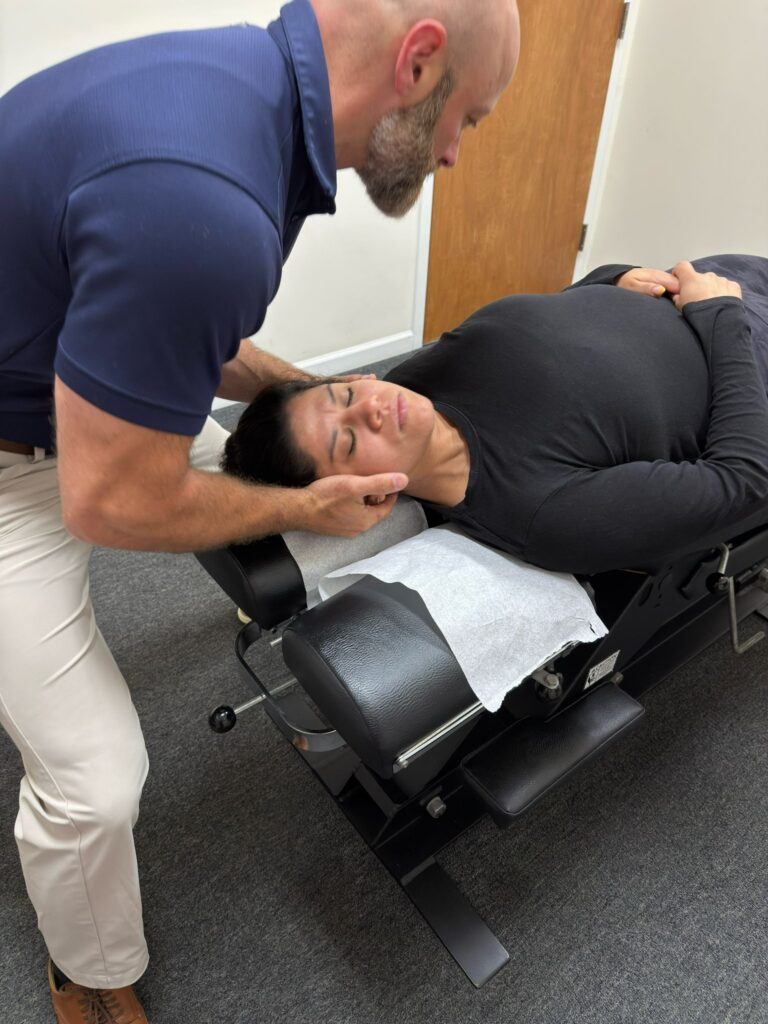

If you’re dealing with migraines, embracing effective prevention techniques can greatly enhance your quality of life. As a chiropractor, I want to emphasize that understanding your body and making simple lifestyle adjustments can help you manage and reduce the frequency and intensity of your headaches.
First, it’s crucial to identify your migraine triggers. Keeping a headache diary can help you notice patterns related to your diet, sleep, stress levels, and activities. By pinpointing these triggers, you can take proactive steps to avoid them.
In addition to diet, incorporating stress management techniques is vital. Practices such as deep breathing, meditation, and yoga can help keep stress at bay, which is often a significant migraine trigger. Regular chiropractic adjustments can also play a key role in managing stress and promoting relaxation by ensuring your spine is properly aligned, which supports overall nervous system function.
Don’t forget the importance of physical activity. Regular exercise can help reduce the severity and frequency of migraines by releasing endorphins, the body’s natural painkillers. Aim for at least 30 minutes of moderate exercise most days of the week, but always listen to your body and consult with your chiropractor about what’s best for you.
Staying hydrated is another simple yet effective strategy. Dehydration can trigger headaches, so make sure you’re drinking enough water throughout the day.
By focusing on these holistic approaches, including regular chiropractic care, you can create a foundation for better health and wellness. Remember, it’s about nurturing your body naturally, so you can live a life free from the constraints of migraines. Let’s work together to find the best plan for your health and well-being!
Key Takeaways
- Start by keeping a detailed headache diary to pinpoint specific triggers and patterns that lead to migraines. This can be incredibly helpful in understanding what might be affecting your well-being.
- Consider dietary changes that can make a difference. Avoid known food triggers and focus on a balanced diet filled with whole, nutritious foods. This not only supports your overall health but can also play a role in reducing migraine occurrences.
- Incorporate stress management techniques into your daily routine. Simple practices like deep breathing and mindfulness can significantly lower tension and anxiety, both of which can contribute to migraines.
- Regular physical activity is essential. Not only does it boost your mood, but it also improves sleep quality and enhances your overall well-being. It’s a natural way to keep your body balanced and functioning optimally.
- Don’t hesitate to reach out to healthcare professionals, such as chiropractors, who can offer personalized care plans tailored to your specific needs. Chiropractic care focuses on the spine and nervous system, which can be instrumental in promoting natural healing and overall wellness. Together, we can create a collaborative treatment strategy that aligns with your health goals. Remember, taking care of your spine is a key component of maintaining optimal health and preventing migraines.
Identifying and Avoiding Triggers
How can you effectively identify and avoid migraine triggers while promoting overall wellness? A great first step is to keep a detailed headache diary. Record the timing, duration, and intensity of your migraines, along with your daily activities, stress levels, and sleep patterns. This will help you spot patterns and specific triggers that may be affecting your health. Common culprits include stress, lack of sleep, and exposure to bright lights, so it’s essential to pay attention to these factors.
Next, take proactive measures to minimize exposure to identified triggers. For instance, if you find that certain weather changes lead to migraines, plan your activities accordingly. Make simple adjustments in your environment—using blackout curtains can help block harsh light, and noise-canceling headphones can be beneficial in noisy situations.
Chiropractic care can also play a vital role in managing migraines. Regular adjustments can help reduce stress, improve sleep quality, and enhance your overall well-being. As your spine and nervous system are closely linked to how your body functions, maintaining spinal health through chiropractic care can lead to fewer headaches and a better quality of life.
Lastly, don’t hesitate to discuss your migraine experiences with a chiropractor. They can provide valuable insights and personalized strategies tailored to your needs, helping you understand your triggers and how to manage them naturally.
Dietary Modifications for Migraine Prevention
Managing migraine triggers often involves making lifestyle changes, and dietary modifications can play a significant role in prevention. One effective first step is to keep a food diary. This will help you pinpoint any foods that may be triggering your migraines. Common offenders include aged cheeses, processed meats, alcohol, and caffeine. By eliminating these items from your diet, you might notice a reduction in the frequency of your migraines.
To support your overall health and wellness, focus on a balanced diet filled with whole foods. Incorporate a variety of fruits, vegetables, whole grains, and lean proteins. Don’t forget the importance of hydration; make sure to drink plenty of water throughout the day to keep your body well-hydrated.
Regular meal times can also be beneficial; skipping meals may increase the chances of a migraine. Consider opting for smaller, more frequent meals to help maintain steady blood sugar levels. Including omega-3 fatty acids, found in fish and flaxseeds, can offer additional health benefits.
As a chiropractor, I encourage you to incorporate these dietary changes along with regular chiropractic care, which can support your body’s natural healing processes and enhance your overall well-being.
Together, these approaches can help you manage your migraines more effectively. Always consult with your chiropractor to tailor a wellness plan that meets your specific needs. By making these dietary and lifestyle adjustments, you can take significant steps toward reducing your chances of experiencing migraines while promoting natural health and wellness.
Stress Management Techniques
As a local chiropractor, I understand that stress can be a significant trigger for migraines. That’s why managing stress effectively is crucial for prevention and maintaining your overall health. By incorporating chiropractic care into your wellness routine, you can help your body better handle stress and reduce the frequency and intensity of migraines. Here are some effective stress management techniques that complement chiropractic care:
| Technique | Description |
|---|---|
| Deep Breathing | Focus on your breath to calm your mind and body, promoting relaxation and reducing tension. |
| Mindfulness | Practice being present in the moment, which can help lower anxiety and stress levels. |
| Guided Imagery | Visualize peaceful settings and scenarios to help alleviate tension and create a sense of calm. |
Integrating these techniques into your daily life can make a significant difference in your well-being. Start with deep breathing exercises during those stressful moments and gradually incorporate mindfulness practices to enhance your relaxation.
Additionally, regular chiropractic adjustments can support your nervous system, improve spinal alignment, and promote overall health, making it easier for your body to manage stress effectively. By committing to these stress management strategies and chiropractic care, you can create a more peaceful environment for yourself, ultimately reducing the risk of migraines. Remember, consistency is key to achieving optimal health and wellness!
The Role of Regular Exercise
Regular exercise is a vital component in preventing migraines, and it can significantly reduce the frequency and intensity of these painful episodes. As a chiropractor, I believe that incorporating physical activity into your daily routine can bring about numerous benefits that support your overall well-being and help manage migraines naturally:
- Enhanced Mood: Engaging in regular exercise stimulates the release of endorphins, the body’s natural feel-good hormones. This uplift in mood can help alleviate stress, which is a common trigger for migraines.
- Improved Sleep Quality: Physical activity is known to promote deeper and more restorative sleep. A well-rested body is less likely to experience migraines, making quality sleep essential for migraine management.
- Healthy Weight Maintenance: Regular exercise helps you maintain a healthy weight, which is important since obesity can increase the risk of migraines. Staying active not only helps with weight management but also supports a healthy spine and overall physical health.
- Boosted Circulation: Exercise enhances blood flow and circulation, ensuring that your brain receives the necessary oxygen. This can help alleviate potential headache triggers and promote better overall brain health.
Aim to incorporate at least 30 minutes of moderate exercise into your routine most days of the week. Whether it’s a brisk walk, cycling, or gentle yoga, choose activities that you enjoy—this will make it easier to stick with your routine.
In addition, don’t forget the importance of chiropractic care in your wellness journey. Regular chiropractic adjustments can help ensure that your spine is aligned and functioning optimally. This can improve your overall health and may further assist in reducing migraine occurrences.
Alternative Therapies and Treatment Options
In addition to the benefits of regular chiropractic care and exercise, exploring natural therapies can further enhance relief from migraines. One option you might consider is acupuncture, which uses fine needles inserted into specific points on the body to relieve pain and help reduce the frequency of migraine attacks.
While some herbal supplements like butterbur and feverfew have shown promise in studies, it’s crucial to discuss these with your chiropractor to ensure they align with your overall wellness plan.
Incorporating mindfulness practices, such as yoga and meditation, can also be very effective in managing stress, which is a common trigger for migraines. These practices not only promote relaxation but also support your spinal health and overall well-being.
Another approach is biofeedback training; this technique helps you learn to control certain physiological functions, potentially decreasing the frequency of your migraines.
Don’t forget about the power of aromatherapy! Essential oils like lavender and peppermint can create a calming environment and may help alleviate headache symptoms.
Remember, everyone’s body responds differently, so it’s essential to find the therapies that resonate with you. By combining these natural options with the holistic benefits of chiropractic care, you can create a well-rounded approach to managing migraines and enhancing your overall health.
Always consult with your chiropractor to build a personalized plan that works best for you!
Conclusion
To summarize, effectively preventing migraines requires a comprehensive approach that emphasizes natural wellness and the benefits of chiropractic care. One key strategy is to identify and avoid triggers that can lead to migraines, which might include certain foods or environmental factors. Making dietary adjustments, such as staying hydrated and incorporating more whole foods, can also contribute to overall health and well-being.
Managing stress is crucial, and chiropractic adjustments can play a significant role in reducing tension and promoting relaxation. Regular exercise not only helps alleviate stress but also improves your posture and spinal health, which can further reduce the likelihood of migraine occurrences.
Don’t overlook the potential of alternative therapies like chiropractic adjustments, which can help restore balance to your nervous system and improve overall function. By working closely with your chiropractor, you can develop a personalized wellness plan that fits your lifestyle and needs.
Staying proactive in these areas can greatly diminish the frequency and intensity of your migraines, allowing you to reclaim a sense of normalcy and fully enjoy your life. Remember, taking care of your spine and overall health is a natural way to support your body and prevent pain.