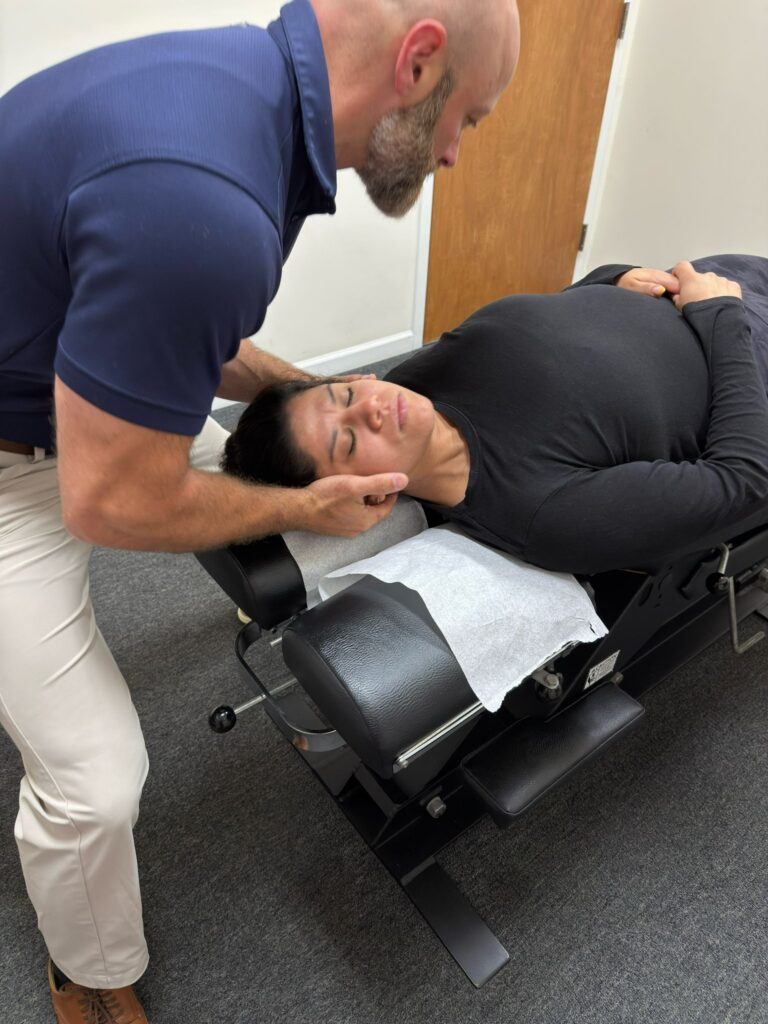

As a local chiropractor, I’ve seen firsthand how the relentless “no days off” mentality can impact athletes, often to the detriment of their overall health. This mindset, while driven by the desire to excel, frequently leads to neglecting vital recovery practices that our bodies desperately need. When athletes push through pain and fatigue without allowing time for proper healing, they not only jeopardize their physical performance but also their long-term well-being.
Ignoring the signals our bodies send us can result in a host of issues. For instance, ongoing stress on the musculoskeletal system can lead to chronic pain, decreased mobility, and even injuries that could have been prevented with adequate recovery time. As your chiropractor, I want to emphasize the importance of listening to your body and integrating recovery into your routine.
Chiropractic care plays a crucial role in this process. Through natural healing methods, we can address misalignments and tension in the body, helping athletes recover more effectively. By prioritizing recovery and incorporating chiropractic adjustments, you can enhance your performance, prevent injuries, and cultivate a healthier, more balanced approach to training. Let’s work together to ensure that your commitment to excellence includes a commitment to your health.
The Culture of Constant Training
In today’s world, where the idea of “no days off” is often glorified, many athletes find themselves ensnared in a cycle of relentless training. You may feel compelled to push your limits every single day, convinced that increased practice will directly lead to improved performance. However, this constant drive can lead to both physical and mental burnout, making it increasingly difficult to maintain your best performance.
As a chiropractor, I see many individuals who feel guilty for taking a break, fearing that their competitors are constantly gaining an edge. This pressure to always be “on” can obscure the vital distinction between rigorous training and necessary self-care. Often, signs of fatigue or discomfort are dismissed as mere parts of the journey, but this mindset can be detrimental to your overall well-being.
The culture of constant training tends to neglect the importance of balance and recovery. Prioritizing consistent practice over holistic health can increase your risk of injury and burnout.
Embracing a more balanced approach that includes recovery and self-care is crucial. Chiropractic care can play a key role in this process, helping to ensure that both your body and mind are primed for the challenges you face.
Misunderstanding Recovery
As a local Chiropractor, I often see athletes who underestimate the importance of recovery in their training routines.
Many believe that pushing through pain or skipping rest days showcases their determination and strength. However, this mindset can lead to burnout and injuries, which can significantly hinder their performance in the long run.
It’s crucial to understand that recovery isn’t just a break from training—it’s an essential component of your overall health and athletic success.
By prioritizing recovery, including chiropractic care and natural healing practices, you can enhance your performance, prevent injuries, and ultimately reach your peak potential.
Let’s work together to embrace the benefits of recovery and keep you in top shape!
Common Misconceptions About Recovery
As a local chiropractor, I often encounter misconceptions about recovery that can impact both your performance and overall well-being. One prevalent myth is that recovery means simply resting and doing nothing. In reality, active recovery—such as gentle exercises and stretching—can significantly enhance blood circulation and expedite the healing process.
Another common misunderstanding is the belief that more training equates to better results, which can lead you to overlook the importance of recovery. It’s crucial to realize that recovery isn’t a sign of weakness; instead, it plays a vital role in muscle repair and growth.
Additionally, some people think that recovery is only necessary after intense workouts. However, incorporating recovery strategies into your daily routine can tremendously improve your performance.
Ignoring Recovery’s Importance
As a local chiropractor, I often see athletes who underestimate the vital role of recovery in their training regimen.
It’s important to understand that overlooking this essential aspect can significantly hinder your progress and even lead to injuries. Many athletes believe that pushing through fatigue is a sign of strength, but this mindset can actually lead to burnout or, worse, chronic injuries that may keep you sidelined for a long time.
Recovery isn’t merely about taking a break; it’s about giving your body the necessary time to heal and adapt. Without proper recovery strategies, you risk diminishing your performance and stalling your athletic development.
Moreover, neglecting recovery can take a toll on your mental health, leading to a decrease in motivation and enjoyment of your sport.
As your chiropractor, I encourage you to prioritize recovery by listening to your body. This includes incorporating rest days, and exploring various recovery techniques such as stretching, proper hydration, and balanced nutrition.
Additionally, chiropractic care can play a significant role in your recovery by helping to align your spine, alleviate tension, and improve overall mobility.
Embracing a holistic approach to recovery is essential for your long-term success and well-being on your athletic journey.
The Pressure to Perform
As a local chiropractor, I want to share some insights about the unique pressures athletes face when striving for peak performance. Many of you may not realize how these pressures can impact your health and overall well-being.
Athletes often feel an immense weight of expectations—from coaches, fans, and even themselves—which can lead to a dangerous mindset. In the pursuit of excellence, you might find yourself prioritizing performance over recovery, mistakenly believing that resting will hinder your competitive edge.
However, neglecting recovery can actually set you back in your training and performance. It’s crucial to understand that your body needs support and time to heal, especially when you’re pushing it to its limits.
The fear of disappointing others or failing to meet personal goals can create a toxic atmosphere where recovery seems like a luxury you can’t afford. You might ignore signs of fatigue or even injury, thinking that pushing through is the only way to succeed.
This approach not only puts your health at risk but can also compromise your long-term athletic performance. As a chiropractor, I emphasize the importance of recovery as a vital component of your training regimen.
By understanding the role of proper care, including chiropractic adjustments and natural healing techniques, you can achieve a balance that allows you to perform at your best without sacrificing your health.
Ignoring Mental Health
As your local chiropractor, I want to emphasize the importance of holistic well-being, which includes not just your physical health but also your mental health. Many people feel immense pressure to perform and may overlook their mental wellness in the process. This can lead to feelings of isolation, especially when there’s a stigma surrounding mental health issues.
It’s crucial to remember that mental well-being is just as important as physical health in your journey to recovery.
In chiropractic care, we focus on aligning the body and promoting natural healing, which can have a positive impact on your mental state as well. By addressing physical discomfort and tension, we can help create a sense of balance that supports both your body and mind.
It’s essential to prioritize your mental health and seek support when needed, as this contributes significantly to your overall health and recovery. Remember, taking care of your mental well-being is a vital part of the healing process.
Stigma Surrounding Mental Health
As a local chiropractor, I’ve seen firsthand how mental health can often be overlooked, even in the world of athletics. Just like physical injuries, mental well-being is crucial for optimal performance and recovery.
Many athletes feel the pressure to maintain a facade of strength, but neglecting mental health can significantly impact both your physical and mental performance. This is a prevalent issue that can surface in various ways:
- Fear of Judgment: You may feel hesitant to acknowledge any mental health challenges, worrying that others will question your resilience or toughness.
- Isolation: Choosing to avoid conversations about mental health can lead to feelings of loneliness, exacerbating anxiety or depression.
- Lack of Resources: Some athletes believe that mental health support is secondary to their physical training, causing them to forgo valuable resources that could aid their overall wellness.
It’s critical to address and break this stigma surrounding mental health. Just as you prioritize your physical health through chiropractic care, recognizing and nurturing your mental well-being is essential for a balanced and healthy life, both on and off the field.
Performance Pressure and Stress
As a local chiropractor, I want to emphasize the importance of understanding the impact of performance pressure and stress on your overall well-being, especially if you’re involved in athletics.
Many athletes, whether amateur or professional, often overlook how deeply the stress of expectations can affect their mental health. The pressure from coaches, fans, and even personal ambitions can lead to feelings of anxiety and burnout, which can ultimately hinder your performance.
Constantly striving for peak performance can cloud your focus and reduce your enjoyment of the sport you love. It’s crucial to recognize that mental health is just as significant as your physical training. Ignoring stress can lead to both mental and physical imbalances that chiropractic care can help address.
Incorporating mindfulness practices and maintaining open discussions about your feelings can greatly benefit your mental well-being.
As your chiropractor, I encourage you to acknowledge the emotional side of your athletic journey. By doing so, you not only enhance your performance but also cultivate a healthier relationship with your sport and yourself.
Lack of Support Systems
As a local chiropractor, I want to emphasize the importance of holistic health, which includes not only your physical well-being but also your mental health.
Many athletes may not realize that a lack of support systems addressing mental health can lead to feelings of isolation and overwhelm. While physical training often gets the spotlight, mental well-being is equally crucial for optimal performance and happiness.
To enhance your mental health support, consider these important aspects:
- Open Communication: It’s vital to express your feelings with coaches and teammates. Remember, you’re not alone in navigating the pressures of athletic life.
- Professional Help: Don’t hesitate to reach out to sports psychologists or counselors who are well-versed in the unique challenges you face. They can provide valuable insights and coping strategies.
- Peer Support Groups: Engaging with fellow athletes can be incredibly beneficial. Sharing experiences and strategies can foster a sense of community and understanding.
By incorporating these elements into your routine, you can create a more balanced approach to both your physical and mental health, allowing you to thrive in your athletic pursuits.
As a chiropractor, I’m here to support you on this journey towards holistic well-being.
Lack of Awareness About Recovery Techniques
As a local chiropractor, I often see athletes who are dedicated to their training but may not fully grasp the critical role that recovery plays in their overall performance.
It’s common to get caught up in the intensity of workouts and forget that effective recovery techniques are just as important as the training itself. Many athletes don’t realize that methods like active recovery, staying properly hydrated, and prioritizing sleep can significantly impact their performance and well-being.
Moreover, stretching and mobility exercises are frequently undervalued, yet they’re essential for reducing injury risk and enhancing athletic capabilities. Without a thorough understanding of these recovery strategies, you might be hindering your potential to perform at your best.
Recovery isn’t merely about resting; it’s about implementing practices that help your body bounce back stronger. Techniques such as foam rolling, massage therapy, and even mindfulness can greatly aid in the recovery process.
By expanding your knowledge of these natural healing methods, you can train smarter rather than just harder. This approach not only leads to improved athletic performance but also contributes to long-term health and longevity in your sport.
Let’s work together to ensure you have the tools you need for optimal recovery and success.
Balancing Training and Recovery
As a chiropractor, I often see patients who are eager to push their limits in training, but it’s crucial to understand that balancing your training with proper recovery is essential for optimal health.
While it’s great to be motivated, neglecting recovery can lead to burnout and injury, which we definitely want to avoid. Here are some strategies I recommend to help you find that balance:
- Schedule Recovery Days: Just like any exercise program, incorporating rest days into your routine is vital. These days allow your body to heal and rejuvenate, which is key for long-term performance.
- Listen to Your Body: Your body communicates with you, often through signs of fatigue or soreness. When you notice these signs, it’s important to adjust your training intensity. This is where chiropractic care can assist in identifying any misalignments or issues that might be contributing to discomfort.
- Prioritize Nutrition and Sleep: Proper nutrition and adequate sleep are foundational to recovery. Fueling your body with the right nutrients enhances your healing process, and quality sleep allows your body to repair itself effectively.
By integrating these strategies into your training regimen, you’ll not only enhance your performance but also promote a healthier, more balanced lifestyle.
The Role of Coaches and Support Staff
As a local chiropractor, I want to emphasize the crucial role that coaches and support staff can play in your journey towards optimal health and performance. Just like athletes rely on their coaches for technique and strategy, you too can benefit from guidance in recognizing when to push through discomfort and when to prioritize rest and recovery.
In my practice, I focus on helping you understand the importance of balancing training and recovery to maintain your physical and mental well-being. This balance is essential for preventing injuries and achieving your peak performance, whether you’re an athlete or simply looking to enhance your daily activities.
Incorporating recovery protocols into your routine—such as chiropractic adjustments, stretching techniques, and nutritional advice—can significantly improve your overall health. My goal is to create a supportive environment where you feel comfortable expressing your needs and concerns.
This open communication fosters a culture that prioritizes holistic healing and recovery. Ultimately, building a strong relationship with a chiropractor, like myself, can empower you to optimize your health journey while embracing essential recovery practices.
Consequences of Neglecting Recovery
As a local chiropractor, I want to emphasize the importance of recovery for your overall health and athletic performance. Many people underestimate the impact of neglecting recovery, but doing so can lead to serious consequences that hinder your progress.
While it might seem tempting to push through discomfort, it’s crucial to understand what can happen when recovery is overlooked:
- Increased Injury Risk: Overexerting yourself without allowing your body to rest can result in strains, sprains, and even chronic injuries. These setbacks can keep you from your activities for weeks or even months, which is something we want to avoid.
- Decreased Performance: Adequate rest is essential for maintaining your strength, speed, and endurance. If you don’t prioritize recovery, you may find it increasingly difficult to perform at your best, whether you’re training or competing.
- Mental Fatigue: Recovery isn’t just physical; it also has a significant impact on your mental well-being. Ignoring the need for rest can lead to burnout, diminished motivation, and a lack of focus, which can affect your training and competition outcomes.
Recognizing these potential consequences is vital for your long-term success in any physical endeavor.
At our chiropractic office, we advocate for a holistic approach that prioritizes recovery as a key component of achieving peak performance and maintaining overall well-being.
Strategies for Prioritizing Recovery
As a local chiropractor, I want to emphasize the importance of prioritizing recovery in your health and wellness journey. Neglecting recovery can lead to significant setbacks in your overall well-being, but there are effective strategies you can incorporate into your routine.
First and foremost, it’s essential to schedule recovery days, just as you’d for any other health-related activities. Treat these days as non-negotiable appointments for your body.
Additionally, tuning in to your body’s signals is crucial; if you’re feeling fatigued or experiencing soreness, it’s a sign you may need to take a step back. You know your body best, and listening to it is key to avoiding injuries.
Incorporating active recovery techniques can greatly benefit your body. Simple activities like light stretching or yoga can promote blood flow and reduce stiffness, enhancing your recovery process.
Don’t overlook the importance of sleep, either; aiming for 7-9 hours each night is vital for your body to repair and rejuvenate itself.
Hydration and nutrition also play significant roles in recovery. Make sure to drink plenty of water and consume nutritious foods that support healing and restoration.
Lastly, consider utilizing recovery tools such as foam rollers or compression gear. These can significantly enhance your recovery routine and help alleviate tension in your muscles.
By consciously prioritizing these recovery strategies, you’ll not only improve your performance but also support your long-term health and well-being.
Conclusion
In a world that revolves around sports and athletic performance, it’s crucial to recognize the importance of recovery alongside your training regimen. As a local chiropractor, I often see athletes who overlook the signals their bodies are sending them, as well as the critical role that mental health plays in overall performance. Ignoring these aspects can lead to burnout and injuries, which can significantly impede your athletic goals.
Incorporating recovery techniques into your routine is essential. This includes not only physical rest but also engaging in practices like chiropractic care, which can help alleviate tension and promote healing. It’s important to communicate openly with your coaches and teammates about your recovery needs—this can foster a supportive environment that prioritizes well-being.
By finding a balance between rigorous training and effective recovery methods, you can enhance your athletic performance while also safeguarding your long-term health. Remember, allowing yourself to take a break and seek natural healing can be a powerful step forward, leading to better results on and off the field. Embrace recovery as a vital part of your journey to success.