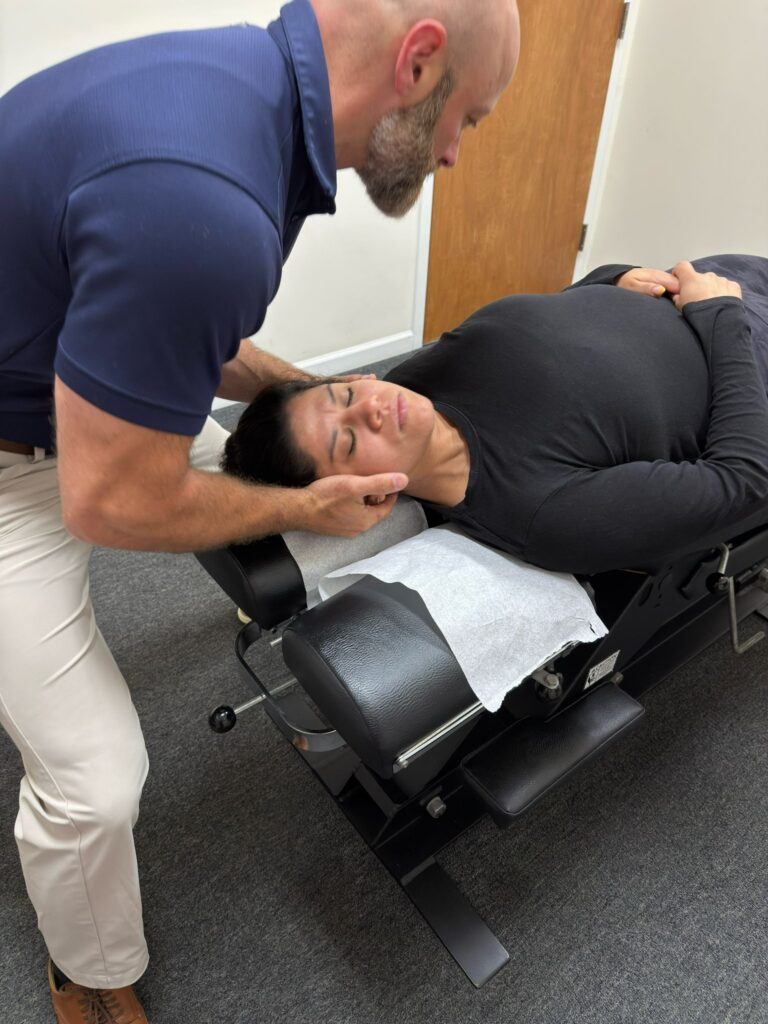

If you’ve ever experienced the crippling effects of migraines, you understand just how disruptive they can be to your daily life. Many conventional treatments focus primarily on alleviating symptoms, leaving the underlying causes unaddressed. This is where chiropractic care can make a significant difference. By focusing on spinal alignment and nervous system function, chiropractic adjustments can help identify and correct misalignments that may be contributing to your migraines.
Chiropractic care offers a holistic approach to pain management. Instead of just masking the pain with medications, we aim to enhance your overall wellness through natural healing methods. Regular adjustments can improve blood flow, reduce muscle tension, and promote relaxation, all of which can be beneficial for migraine sufferers.
Additionally, incorporating lifestyle tips can further support your journey to better health. Staying hydrated, maintaining a balanced diet rich in magnesium and omega-3 fatty acids, and practicing stress-reduction techniques such as yoga or meditation can complement your chiropractic care.
Curious about how chiropractic adjustments can transform your migraine experience? Let’s explore the potential benefits together and discover how this natural approach can lead you to a healthier, more vibrant life without the need for medications or invasive procedures. Your path to optimal health starts with understanding the power of chiropractic care!
Key Takeaways
Why Choose Chiropractic Care for Migraine Relief?
- Chiropractic care focuses on addressing the root causes of migraines, rather than just masking the pain with temporary relief. By improving spinal health, we aim to tackle issues that may contribute to your migraine episodes.
- Regular chiropractic adjustments can enhance spinal alignment, which may help reduce the frequency and intensity of migraines. A well-aligned spine supports your overall nervous system function, which is crucial for maintaining optimal health.
- In addition to chiropractic treatments, incorporating natural remedies like herbal supplements such as feverfew and butterbur can be beneficial. These options provide a holistic approach to preventing migraines without the unwanted side effects that often come with conventional medications.
- Mindfulness practices and dietary changes can also play a significant role in managing migraine triggers. Simple techniques like meditation, yoga, or keeping a food diary can help you identify what might be causing your headaches, allowing for better management.
- The beauty of chiropractic care is that treatment plans are personalized to fit your unique needs. This tailored approach not only improves the effectiveness of your migraine management but also promotes overall wellness and a healthier lifestyle.
By choosing chiropractic care, you’re taking a proactive step towards better health and natural relief from migraines. Remember, maintaining a healthy spine is key to reducing pain and enhancing your overall quality of life.
Understanding Migraines and Their Triggers
While many people think of migraines simply as intense headaches, they’re actually complex neurological events that can significantly affect your daily life. Understanding migraines involves recognizing their various triggers, which can vary from person to person. Common triggers include stress, hormonal changes, certain foods, and environmental factors like bright lights or strong smells.
For example, specific foods such as aged cheeses or processed meats may trigger an attack.
However, one of the most effective ways to manage migraines and enhance your overall well-being is through chiropractic care. By focusing on spinal health, chiropractors can help improve your body’s nervous system function, which may reduce the frequency and intensity of migraine attacks.
In addition to chiropractic adjustments, stress management techniques like meditation or yoga can be incredibly beneficial. These practices help to lower stress levels, which can be a significant trigger for migraines.
Maintaining a detailed headache diary can also provide you with valuable insights into your unique triggers, allowing you to make informed lifestyle choices.
Remember, natural healing is achievable through a holistic approach. By prioritizing spinal health and practicing stress-relief techniques, you can work towards a life with fewer migraines and improved overall wellness.
Choose chiropractic care as a natural and effective way to support your health journey!
The Limitations of Conventional Treatments
Many individuals seek conventional treatments for migraine relief, but these methods often come with significant limitations. While they may provide temporary relief, they typically fail to address the underlying causes of your migraines. This can lead to a frustrating cycle of medications that may come with side effects, causing additional discomfort or dependence.
Here are some common limitations to consider:
- Side effects: Many medications can result in unwanted reactions like nausea, dizziness, or fatigue, which can affect your daily life.
- Tolerance: Over time, you may find that you need to increase your dose to achieve the same level of relief, which can be concerning.
- Not always effective: Traditional treatments don’t work for everyone, leaving some individuals with unresolved pain.
- Cost: Prescription medications can be pricey, adding financial stress to your situation.
- Limited focus: Conventional treatments often target immediate symptom relief rather than promoting overall wellness and health.
Instead of relying solely on these conventional methods, consider exploring the benefits of chiropractic care. Chiropractic adjustments focus on correcting spinal misalignments, which can alleviate tension and improve nervous system function. This holistic approach not only aims to relieve migraine pain but also addresses the root causes, promoting better overall health.
Here are some tips to enhance your wellness alongside chiropractic care:
- Stay Hydrated: Dehydration can trigger migraines, so make sure you’re drinking enough water throughout the day.
- Maintain a Regular Sleep Schedule: Good sleep hygiene can help reduce the frequency of migraines. Aim for a consistent sleep routine.
- Manage Stress: Incorporate relaxation techniques such as deep breathing, yoga, or meditation into your daily routine to help minimize stress-related triggers.
- Eat Balanced Meals: Avoid skipping meals and aim for a diet rich in whole foods, fruits, and vegetables, which can support your overall health.
- Regular Chiropractic Visits: Regular adjustments can help keep your spine aligned, reduce tension, and improve your body’s ability to heal naturally.
Exploring Acupuncture for Pain Relief
While there are various alternative treatments for migraine relief, chiropractic care stands out as one of the most effective and natural options available. As a chiropractor, I see firsthand how spinal health plays a crucial role in overall wellness and pain management.
Migraines can often be linked to tension in the neck and spine, which is where chiropractic adjustments can make a significant difference. By realigning the spine and improving nervous system function, chiropractic care not only helps reduce the frequency and intensity of migraines but also promotes overall health.
Many patients report experiencing fewer migraine episodes and less severe pain after receiving chiropractic adjustments. This is due to the release of tension in the spine and surrounding muscles, which can lead to a reduction in pain signals sent to the brain.
Plus, chiropractic care focuses on treating the root cause of the issue rather than just masking symptoms, offering a holistic approach to wellness.
If you’re considering options for migraine relief, I encourage you to explore chiropractic care. It’s essential to find a qualified chiropractor who understands your individual needs and can tailor a treatment plan specifically for you.
Consistent care may yield the best results, as some patients find relief after just a few visits, while others may need ongoing support.
In addition to chiropractic adjustments, here are some general tips to help manage migraines naturally:
- Stay Hydrated: Dehydration can trigger migraines, so make sure you’re drinking plenty of water throughout the day.
- Maintain a Regular Sleep Schedule: Consistent sleep patterns can help reduce the likelihood of migraine attacks.
- Practice Stress Management: Techniques like deep breathing, meditation, and yoga can help reduce stress, which is a common migraine trigger.
- Monitor Your Diet: Certain foods may trigger migraines for some individuals. Keeping a food diary can help identify potential culprits.
By prioritizing your spinal health through chiropractic care, you’re taking a proactive step towards achieving optimal health and naturally managing your migraines.
The Role of Herbal Remedies in Migraine Management
Herbal remedies have become a popular choice for those seeking natural solutions to manage migraines. As a chiropractor, I believe that exploring these options can be beneficial for your overall health and wellness.
Two common herbs you may have heard of are feverfew and butterbur. Understanding how these herbs work in your body can help you make informed choices about your migraine relief strategy.
Feverfew is known for its potential to reduce the frequency and severity of migraines. It may help by inhibiting inflammation and promoting better blood flow.
Butterbur is another herb that has shown promise in studies for migraine prevention. It works by reducing the amount of certain chemicals in the body that can trigger headaches.
While these herbal options can be part of a holistic approach to migraine management, it’s essential to remember that they work best alongside other natural methods. Regular chiropractic adjustments can play a crucial role in relieving tension and misalignments that contribute to headaches.
By addressing the root causes of your migraines through chiropractic care, you may experience more effective and long-lasting relief.
Here are a few tips to help manage your migraines naturally:
- Stay Hydrated: Dehydration can trigger migraines, so ensure you’re drinking plenty of water throughout the day.
- Maintain a Regular Sleep Schedule: Inconsistent sleep patterns can lead to headaches, so try to go to bed and wake up at the same time each day.
- Manage Stress: Stress can be a significant trigger for migraines. Incorporate relaxation techniques such as deep breathing, yoga, or meditation into your routine.
- Monitor Your Diet: Keep track of foods that may trigger your migraines and try to avoid them. Eating balanced meals regularly can also help stabilize your body.
- Regular Chiropractic Care: Consider scheduling regular visits with your chiropractor. They can help align your spine, relieve tension, and improve your overall well-being.
By focusing on these natural methods and incorporating chiropractic care into your routine, you can take steps toward a healthier, migraine-free life.
Remember to consult with your chiropractor before starting any new herbal remedies to ensure they align with your health goals.
Common Herbal Options
As a local chiropractor, I understand how debilitating migraines can be and the search for effective relief. While many people turn to traditional medications, I want to share some herbal options that may complement the natural healing benefits of chiropractic care.
These remedies can provide additional support when you’re looking to manage migraine symptoms holistically. Here are some common herbs you might consider:
- Butterbur: This herb is known for its anti-inflammatory properties, which can help reduce the frequency of migraines.
- Feverfew: Traditionally used to prevent migraines, feverfew may also help lessen their intensity.
- Ginger: If nausea often accompanies your migraines, ginger can be a gentle remedy to soothe your stomach.
- Peppermint: The soothing effects of peppermint can be beneficial for alleviating headache discomfort.
- Lavender: Known for its calming effects, lavender may help reduce tension and anxiety that can trigger headaches.
In addition to considering these herbal options, I encourage you to explore chiropractic care as a primary approach to managing migraines. Chiropractic adjustments can improve spinal alignment and reduce nerve irritation, which may contribute to headache relief.
Remember, it’s always wise to consult with a healthcare professional before trying any new remedy, including herbs, to ensure they align with your health needs.
Furthermore, maintaining a balanced lifestyle, staying hydrated, and managing stress through practices like yoga or meditation can significantly enhance your overall well-being and help prevent migraines.
Mechanisms of Action
Understanding how different remedies work can enhance your approach to managing migraines, but it’s essential to remember that chiropractic care is one of the best natural solutions for pain relief and overall wellness.
When it comes to migraines, many people explore herbal remedies, each with unique mechanisms that can support your health. For example, feverfew is known for its ability to reduce inflammation and may help prevent headaches by blocking certain chemicals in the brain.
Butterbur can relax blood vessels, potentially decreasing the frequency of migraines. Ginkgo biloba is believed to increase blood flow to the brain, which could improve oxygen delivery and reduce pain. Additionally, peppermint oil contains menthol, which can provide a soothing cooling effect and ease tension.
While these herbal options can have benefits, incorporating chiropractic care into your routine can address the underlying issues contributing to migraines. Chiropractic adjustments can help align your spine, improve nerve function, and enhance overall body mechanics. This natural approach not only aids in pain relief but also promotes your body’s ability to heal itself.
Here are a few tips to consider for managing migraines alongside chiropractic care:
- Stay Hydrated: Dehydration can trigger migraines, so make sure you’re drinking plenty of water throughout the day.
- Manage Stress: Incorporate relaxation techniques like deep breathing, yoga, or meditation to help reduce stress levels, which can be a common trigger for migraines.
- Regular Chiropractic Visits: Schedule regular adjustments to keep your spine aligned and your body functioning optimally.
- Maintain a Healthy Diet: Eating balanced meals and avoiding known food triggers can help in reducing migraine frequency.
- Get Enough Sleep: Establish a consistent sleep schedule to ensure you’re getting adequate rest, as sleep deprivation can trigger migraines.
By understanding how various remedies work and integrating chiropractic care into your wellness routine, you can create a comprehensive strategy for managing migraines effectively and naturally.
Always consult with your chiropractor to tailor your approach for the best results.
Safety and Efficacy
When seeking relief from migraines, it’s crucial to consider natural remedies and how they can complement chiropractic care in achieving optimal wellness. Many individuals explore herbal options, and understanding their effects can help you make informed choices alongside your chiropractic treatments.
- Feverfew: This herb is often recognized for its anti-inflammatory properties, which may help reduce the frequency of migraines. Incorporating it into your wellness routine might assist in managing migraine symptoms naturally.
- Butterbur: Some studies indicate that butterbur can help prevent migraines. However, it’s important to choose PA-free versions to ensure safety. Always discuss with your chiropractor before trying new supplements.
- Ginger: Well-known for its ability to alleviate nausea, ginger can also be beneficial for migraine discomfort. Adding ginger tea to your diet may provide soothing relief.
- Peppermint: This calming herb can ease tension and may offer relief when applied topically. Consider using peppermint oil on your temples or inhaling its aroma during a migraine episode.
- Lavender: Often used in aromatherapy, lavender can promote relaxation and help reduce migraine severity. A few drops of lavender oil in a diffuser can create a calming environment.
In addition to exploring these herbal remedies, remember that chiropractic care is a powerful ally in managing migraines. Regular adjustments can help align your spine, reduce tension, and promote overall wellness.
Always consult your chiropractor before introducing any new remedies into your routine to ensure they align with your health goals.
For optimal health, maintain good posture, stay hydrated, and manage stress through practices like yoga or meditation. These simple lifestyle changes, combined with chiropractic care, can enhance your well-being and help you find relief from migraines naturally.
Mindfulness and Meditation: Tools for Managing Pain
As a local chiropractor, I understand how debilitating migraine pain can be. While chiropractic care is often the best choice for achieving optimal health and natural relief from pain, incorporating mindfulness and meditation practices can enhance your overall well-being. These techniques can be powerful allies in managing migraine discomfort alongside regular chiropractic adjustments.
Let’s explore some effective mindfulness and meditation methods that you can easily weave into your daily routine to support your journey towards better health.
- Deep Breathing Exercises: Begin each day with a few minutes of deep breathing. Find a comfortable position, close your eyes, and take slow, deep breaths. Focus on inhaling through your nose, allowing your belly to rise, and exhaling through your mouth. This practice can help reduce stress and tension, which are common triggers for migraines.
- Body Scan Meditation: Take time to connect with your body. Lie down in a quiet space and gently scan from the top of your head to the tips of your toes, paying attention to any areas of tension or discomfort. This mindfulness practice can help you become more aware of how your body feels and may assist in identifying pain patterns.
- Guided Imagery: Visualize a peaceful place or a calming scenario in your mind. This could be a serene beach, a quiet forest, or any location that brings you comfort. Engaging your imagination in this way can help distract you from pain and promote relaxation.
- Regular Chiropractic Visits: While mindfulness and meditation can be beneficial, don’t forget the importance of regular visits to your chiropractor. Spinal adjustments can help alleviate tension in your body, improve your overall spinal health, and enhance the effectiveness of your mindfulness practices.
- Create a Relaxation Routine: Set aside time each day for relaxation and self-care. This could include a combination of chiropractic care, mindfulness exercises, gentle stretching, and hydration. Establishing a routine can help you manage stress and reduce the frequency of migraines.
By incorporating these techniques into your lifestyle and prioritizing chiropractic care, you’ll be taking proactive steps towards managing your migraine pain naturally.
Benefits of Mindfulness Practice
When you embrace mindfulness practice, you unlock valuable tools that can help manage pain, including migraines. This holistic approach encourages you to stay present, which can significantly ease the intensity of your discomfort. By focusing on the here and now, you create a mental space that fosters relaxation and reduces stress—key components of overall wellness.
Here are some benefits of incorporating mindfulness into your daily life:
- Enhances your ability to cope with pain naturally
- Lowers anxiety and stress levels, which can often trigger migraines
- Improves emotional regulation, allowing you to respond better to pain
- Increases self-awareness and helps you identify triggers for your migraines
- Promotes overall well-being and mental clarity, making daily tasks easier
As a chiropractor, I believe that combining mindfulness practice with chiropractic care can empower you to take control of your migraine symptoms and enhance your quality of life.
Here are a few simple tips to integrate mindfulness into your routine:
- Deep Breathing: Take a few moments each day to focus on your breath. Inhale deeply through your nose and exhale slowly through your mouth. This can help calm your mind and body.
- Body Scan: Spend a few minutes lying down and mentally scan your body from head to toe. Notice any areas of tension and consciously relax them.
- Daily Check-ins: Set aside a few moments throughout your day to check in with yourself. Ask how you’re feeling—physically and emotionally—and adjust your activities accordingly.
- Mindful Movement: Engage in gentle activities like yoga or stretching, which also align with chiropractic principles, promoting spinal health while enhancing mindfulness.
By incorporating these practices alongside regular chiropractic adjustments, you can create a comprehensive approach to managing your migraines and improving your overall well-being.
Meditation Techniques for Relief
Meditation can be an excellent complement to chiropractic care, especially when you’re managing the discomfort of migraines. By focusing on mindfulness and your breath, you can cultivate a calming environment that alleviates stress and tension, which are often triggers for migraines. Here are some simple meditation techniques that might help:
| Technique | Description |
|---|---|
| Deep Breathing | Sit comfortably and inhale deeply through your nose, hold for a moment, and then exhale slowly through your mouth. Repeat this for several minutes to help relax your mind and body. |
| Body Scan | Close your eyes and bring your awareness to each part of your body, starting from your head and moving down to your toes. As you focus on each area, consciously release any tension you feel. |
| Guided Imagery | Picture a serene place or a cherished memory in your mind. Allow this visualization to transport you away from the discomfort, promoting relaxation and peace. |
Integrating these meditation techniques into your daily routine can enhance the benefits of your chiropractic adjustments, helping you manage migraine discomfort more effectively. Remember, chiropractic care focuses on natural healing and optimizing your body’s function, which plays a crucial role in your overall well-being. Embrace these practices, and consider how regular chiropractic visits can support your journey to a healthier, pain-free life.
Integrating Mindfulness Into Routine
How can you seamlessly incorporate mindfulness into your daily routine to support your overall health and well-being? As a chiropractor, I believe that mindfulness complements the benefits of chiropractic care by promoting relaxation and reducing stress, which can enhance your recovery and pain management.
Here are some simple techniques to help you get started:
- Morning Mindfulness: Start your day by taking a few deep breaths. This helps to center your mind and prepare your body for the day ahead. Focusing on your breath can also align with the principles of chiropractic care, where awareness of your posture plays a crucial role in spinal health.
- Mindful Eating: During meals, take the time to savor each bite. Pay attention to the flavors and textures of your food. This practice not only supports digestion but also encourages healthy eating habits, which are essential for maintaining a healthy spine and body.
- Walking Meditation: Go for a leisurely walk, concentrating on your steps and the environment around you. This not only helps clear your mind but also promotes movement, which is vital for spinal health. Remember, regular movement can alleviate stiffness and discomfort.
- Breath Awareness: Use short breaks throughout your day to focus solely on your breathing. This technique can help lower stress levels, which may contribute to muscle tension and pain. By practicing breath awareness, you’ll find that it can enhance your overall sense of well-being.
- Evening Reflection: Before bed, take a moment to reflect on your day. Acknowledge both the challenges you faced and the successes you achieved. This practice can help release any tension built up during the day, preparing your body for a restful night, which is crucial for recovery and health.
Incorporating these mindfulness practices into your routine can significantly enhance your well-being and support your chiropractic care.
Dietary Changes: Foods That Help and Hurt
Managing migraines can be tough, but making some thoughtful changes to your diet can lead to significant improvements in your symptoms. As a chiropractor, I believe in the power of natural healing and wellness, and I want to share how certain foods can either help or hurt your migraines. By being mindful of what you eat, you can take a positive step toward better health.
Here’s a handy overview of foods that may support your wellness journey or exacerbate your migraines:
| Foods That Help | Foods That Hurt | Tips |
|---|---|---|
| Leafy greens | Aged cheeses | Keep a food diary to identify triggers |
| Nuts and seeds | Processed meats | Stay hydrated throughout the day |
| Whole grains | Alcohol | Eat regular meals to maintain energy levels |
| Fatty fish | Caffeinated drinks | Avoid skipping meals to prevent spikes in symptoms |
In addition to these dietary tips, remember that chiropractic care can also play a crucial role in managing migraines. By focusing on spinal health, you can improve your overall well-being and potentially reduce the frequency and severity of your headaches. Regular chiropractic adjustments can help align your spine, relieve tension, and promote better blood flow, all of which can contribute to a reduction in migraine symptoms.
Embracing a holistic approach to your health by combining mindful eating with chiropractic care can pave the way for a more balanced and pain-free life.
The Benefits of Physical Activity and Exercise
Engaging in regular physical activity can significantly enhance your overall health and well-being, especially when it comes to managing migraines. As a local chiropractor, I believe that movement plays a crucial role in natural healing and pain relief.
Exercise not only helps alleviate headache symptoms but also boosts the production of endorphins, your body’s natural painkillers. Additionally, staying active can reduce stress and improve sleep quality—two common triggers for migraines.
Here are some benefits of incorporating physical activity into your daily routine, along with tips on how to do it effectively:
- Reduces tension: Regular movement helps relieve muscle tightness, especially in the neck and shoulders, which can contribute to headaches. Consider stretching or practicing yoga to ease tension.
- Improves mood: Exercise is a natural way to combat anxiety and depression, both of which can trigger migraines. Try to find activities you enjoy, whether it’s walking, dancing, or cycling, to keep your spirits high.
- Enhances sleep: Establishing a consistent exercise routine can lead to better sleep patterns. Aim for at least 30 minutes of moderate exercise most days, but remember to listen to your body and rest when needed.
- Increases blood flow: Improved circulation from physical activity can help reduce the severity and frequency of headaches. Incorporating simple activities like brisk walking or light jogging can make a big difference.
- Promotes weight management: Maintaining a healthy weight can lower the chances of experiencing migraines. Focus on a balanced diet and regular exercise to support your weight management goals.
In addition to these tips, consider incorporating chiropractic care into your wellness routine. Chiropractic adjustments can help align your spine, relieve muscle tension, and improve overall function, which can further aid in managing migraines.
Essential Oils and Aromatherapy for Migraine Relief
Are you tired of battling migraines and looking for a natural way to find relief? As a chiropractor, I believe in the power of holistic approaches to health and wellness, and essential oils can be a wonderful complement to your chiropractic care. While chiropractic adjustments focus on aligning your spine to relieve tension and enhance overall wellness, incorporating essential oils into your routine can further soothe your discomfort.
Certain essential oils, such as lavender, peppermint, and eucalyptus, are known for their calming and pain-relieving properties. Here’s a quick overview of how these oils can support your journey to wellness:
| Essential Oil | Benefits | How to Use |
|---|---|---|
| Lavender | Calming, reduces anxiety | Diffuse in your home or apply diluted oil to your temples |
| Peppermint | Cooling, alleviates pain | Apply diluted oil to your temples or inhale directly for relief |
| Eucalyptus | Decongestant, invigorating | Use in a diffuser or try steam inhalation to clear your sinuses |
Incorporating these essential oils with regular chiropractic adjustments can help tackle migraines from multiple angles. Remember, a healthy spine contributes to overall body function, including how you handle stress and tension, which are often triggers for headaches.
Here are a few tips to enhance your migraine relief strategy:
- Stay Hydrated: Dehydration can contribute to headaches, so make sure you drink plenty of water throughout the day.
- Practice Good Posture: Poor posture can lead to tension in your neck and shoulders, which may trigger migraines. Regular chiropractic visits can help improve your posture.
- Manage Stress: Incorporate relaxation techniques such as deep breathing or yoga into your daily routine. These practices can complement the calming effects of essential oils.
The Importance of Sleep and Rest in Migraine Care
Getting enough sleep is essential for managing migraines, as insufficient rest can trigger or worsen your symptoms. By prioritizing sleep and relaxation, you can significantly improve your overall well-being and reduce the frequency of your migraines.
Here are some important reasons why sleep is vital for your health:
- Restores Energy: Quality sleep helps replenish your energy levels, allowing you to better cope with daily stressors that might otherwise lead to a migraine.
- Improves Mood: A restorative night’s sleep can lift your spirits and reduce feelings of irritability, which can be a contributing factor to migraine episodes.
- Regulates Hormones: Sleep is critical for maintaining hormonal balance in your body, including hormones that impact how you perceive pain. This balance can help mitigate migraine triggers.
- Supports Immune Function: Getting adequate rest strengthens your immune system, decreasing the chances of getting sick, which can often lead to migraine attacks.
- Enhances Cognitive Function: A well-rested mind improves focus and clarity, empowering you to recognize and manage potential migraine triggers more effectively.
To support your sleep and overall wellness, consider incorporating chiropractic care into your routine. Chiropractic adjustments can improve your spinal alignment and promote better sleep quality by relieving tension and promoting relaxation.
Here are a few additional tips to help you achieve better sleep:
- Establish a Sleep Schedule: Go to bed and wake up at the same time every day to regulate your body’s internal clock.
- Create a Relaxing Bedtime Routine: Wind down before bed with calming activities such as reading or gentle stretching.
- Limit Screen Time: Reduce exposure to screens at least an hour before bedtime to help your brain prepare for sleep.
- Optimize Your Sleep Environment: Keep your bedroom dark, quiet, and cool to create an ideal sleeping atmosphere.
Creating a Personalized Holistic Treatment Plan
When it comes to managing migraines, creating a personalized holistic treatment plan can be a powerful way to enhance your overall well-being. One of the first steps is to identify your specific triggers, such as stress, certain foods, or even environmental factors. Keeping a migraine diary can help you track patterns and symptoms, giving you insight into what may be contributing to your discomfort.
Chiropractic care is a fantastic option to consider for migraine relief. Many patients find that regular chiropractic adjustments help alleviate tension in the spine and neck, which can be a significant factor in triggering migraines. By ensuring that your spine is properly aligned, we can support your nervous system and promote natural healing throughout your body.
In addition to chiropractic care, exploring alternative therapies can complement your treatment plan. Practices like yoga and mindfulness meditation can be great for managing stress, which is a common migraine trigger. Incorporating simple stretches or relaxation techniques into your daily routine can help reduce tension and improve your overall sense of calm.
Don’t overlook the importance of nutrition in your plan. Eating a balanced diet rich in magnesium can be beneficial for migraine sufferers. Foods like spinach, almonds, and avocados are excellent choices. Staying hydrated is also crucial; aim to drink plenty of water throughout the day to support your body’s functions.
As you embark on this journey, it’s essential to stay flexible and open to adjustments in your plan. What works best for you may take some time to discover, but with patience and dedication, you can find effective strategies for managing your migraines naturally.
Conclusion
Incorporating alternative treatments for migraine relief, particularly chiropractic care, can empower you to take control of your health. Chiropractic adjustments focus on aligning the spine and improving nervous system function, which can help address the underlying causes of your migraines rather than just masking the pain. Alongside chiropractic care, exploring options like acupuncture, herbal remedies, and mindfulness practices can enhance your wellness journey.
Embracing lifestyle changes such as regular exercise, proper hydration, and a balanced diet can significantly impact your overall health and reduce the frequency of migraines. Creating a personalized holistic plan that includes chiropractic care not only promotes well-being but also decreases your reliance on conventional medications.
Take the leap into chiropractic therapy and discover how it can work in harmony with other natural approaches to provide you with the relief you seek. Remember, maintaining a healthy spine is key to optimal health, so consult with your chiropractor about how to best support your body on your journey to wellness.