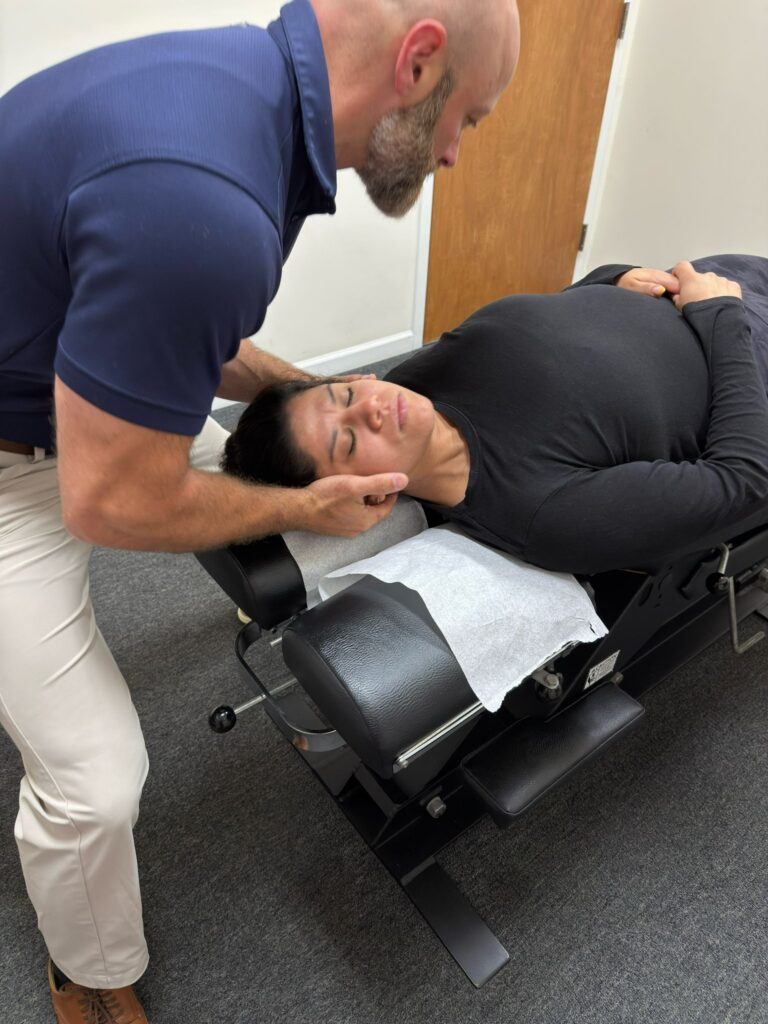

When it comes to managing headaches, choosing the right strategies can truly make a difference, especially when you understand the unique needs of your body. Here are some tips that focus on natural healing and healthier living, with a special emphasis on the benefits of chiropractic care.
- Stay Hydrated: Dehydration can often lead to headaches. Make sure you’re drinking enough water throughout the day to keep your body functioning at its best.
- Practice Stress Management: Stress is a common trigger for headaches. Techniques such as deep breathing, meditation, or even gentle yoga can help reduce tension and promote relaxation.
- Consider Your Posture: Poor posture can contribute to headaches, especially tension headaches. Regular chiropractic adjustments can help align your spine and improve your posture, leading to less strain on your neck and shoulders.
- Get Enough Sleep: A regular sleep schedule is essential for overall health. Aim for 7-9 hours of restful sleep each night, as lack of sleep can trigger headaches.
- Take Breaks from Screens: If you spend a lot of time in front of a computer or on your phone, make sure to take regular breaks. The 20-20-20 rule—every 20 minutes, look at something 20 feet away for 20 seconds—can help reduce eye strain and associated headaches.
- Nutrition Matters: Eating a balanced diet rich in fruits, vegetables, and whole grains can help keep your body nourished. Be mindful of potential headache triggers in your diet, such as excessive caffeine or certain preservatives.
- Regular Chiropractic Care: Incorporating chiropractic adjustments into your wellness routine can help alleviate headaches by addressing spinal misalignments that may be contributing to your pain. A chiropractor can provide personalized care tailored to your specific needs.
By addressing the root causes of headaches rather than just masking symptoms, you can find lasting relief. Curious about how to create a personalized plan that works for you? Let’s explore the essential elements that can transform your approach to headache relief through natural and effective chiropractic care.
Key Takeaways
- These tips are designed to help you find targeted relief for different types of headaches, taking into account specific symptoms and underlying causes.
- Staying hydrated is essential; it helps prevent headaches that can arise from dehydration, which many people experience. Simple hydration practices can make a big difference.
- Incorporating stress management techniques, such as mindfulness and deep breathing, can significantly decrease headache frequency by easing overall tension and promoting relaxation.
- Making lifestyle adjustments, like engaging in regular physical activity and maintaining a balanced diet, can support long-term headache prevention and enhance your overall well-being.
- Natural remedies and chiropractic care offer effective, immediate relief from headaches while also promoting spinal health and optimizing the functioning of your nervous system. By visiting a chiropractor, you can address the root causes of your headaches and work towards a healthier, pain-free life.
Understanding the Different Types of Headaches
When you experience a headache, identifying its type is crucial for finding the right path to relief, and chiropractic care can often be an effective solution.
Tension headaches, the most common type, typically feel like a tight band around your head and are often linked to stress, poor posture, or muscle tension in the neck and upper back. Regular chiropractic adjustments can help alleviate this tension by improving spinal alignment and reducing muscle strain.
Migraines, characterized by intense pain often accompanied by nausea or sensitivity to light and sound, can also benefit from chiropractic care. By addressing spinal misalignments and enhancing overall nervous system function, many patients find significant relief from their migraine symptoms.
Cluster headaches may be less common but are extremely painful and occur in cycles, often affecting one side of your head. While chiropractic care may not eliminate the clusters, it can help reduce the frequency and intensity of the pain by promoting better spinal health and reducing nerve irritation.
Sinus headaches, which are linked to sinus infections and can create pressure in your forehead, cheeks, or behind your eyes, can also be managed through chiropractic care. By focusing on spinal adjustments and techniques that promote sinus drainage, many individuals find relief from the discomfort associated with sinus pressure.
By recognizing the specific type of headache you’re experiencing, you can take proactive steps towards relief. Incorporating chiropractic care into your wellness routine not only addresses the immediate discomfort but also promotes overall health and wellbeing.
Additionally, practicing good posture, managing stress through relaxation techniques, and staying hydrated can further support your journey to optimal health. Remember, understanding your body and seeking natural, holistic approaches like chiropractic can lead to more effective and lasting relief.
The Role of Hydration in Headache Prevention
Hydration is crucial not only for overall health but also for preventing headaches. As a chiropractor, I emphasize the importance of maintaining proper hydration as part of a holistic approach to wellness. Aim for the recommended daily water intake to help fend off dehydration, which can be a significant trigger for those annoying headaches.
Recognizing the signs of dehydration—such as dry mouth, fatigue, or dark urine—can be your first line of defense against that throbbing pain. By staying ahead of dehydration, you can keep headaches at bay and support your body’s natural healing processes.
In addition to drinking adequate water, consider integrating chiropractic care into your routine. Misalignments in the spine can contribute to tension and discomfort, which may exacerbate headache symptoms. Regular chiropractic adjustments can help align your spine, relieve tension, and promote better overall health.
Here are a few simple tips to enhance your hydration and headache prevention strategy:
- Carry a Water Bottle: Keep a refillable bottle handy to remind you to drink water throughout the day.
- Infuse Your Water: Add slices of fruits or herbs to make drinking water more enjoyable.
- Eat Hydrating Foods: Incorporate fruits and vegetables with high water content, like cucumbers and watermelon, into your diet.
- Set Reminders: Use your phone or a timer to remind you to take a sip of water every hour.
Hydration and Headache Connection
Hydration is crucial for maintaining overall health and plays a significant role in preventing headaches. Even mild dehydration can lead to discomfort, and when our bodies are lacking water, it can manifest as that familiar pounding in the head. By staying well-hydrated, not only can you help maintain optimal brain function, but you can also reduce the frequency of headaches, which can be a common concern for many.
As a chiropractor, I want to emphasize the importance of natural methods for achieving wellness, including proper hydration. Here are some helpful tips to recognize dehydration and effective ways to stay hydrated:
| Symptoms of Dehydration | Hydration Tips |
|---|---|
| Thirst | Always carry a water bottle with you |
| Dry mouth | Set reminders on your phone to drink |
| Fatigue | Infuse your water with fruits for flavor |
| Dizziness | Make it a habit to drink water before meals |
| Headaches | Keep a hydration log to track your intake |
Recommended Daily Water Intake
Staying properly hydrated every day is crucial for preventing headaches and supporting your overall well-being. Many people mightn’t realize that dehydration can lead to headaches, which is why maintaining good hydration is so important. A good rule of thumb is to aim for at least eight 8-ounce glasses of water daily, totaling about 2 liters. If you’re active or living in a warm climate, you may need to drink even more.
Listen to your body; if you feel thirsty, that’s a sign you need to hydrate. Carrying a reusable water bottle can serve as a great reminder to sip water throughout the day. Additionally, incorporating hydrating foods like fruits and vegetables into your meals can boost your daily water intake.
As a chiropractor, I believe that prioritizing hydration is a key aspect of maintaining a healthy spine and overall health. Proper hydration supports spinal health, as well-hydrated discs can help keep your spine flexible and minimize pain.
Signs of Dehydration Awareness
How can you tell if your body is signaling for more water? It’s essential to recognize the signs your body gives you. Thirst is the most obvious indicator, but it’s not the only one.
If you’re experiencing a dry mouth, fatigue, headaches, or dizziness, these are all signals that your body is in need of hydration. Additionally, pay attention to the color of your urine; darker urine often indicates dehydration.
You might also find that feeling unusually hungry or irritable can be your body’s way of asking for more fluids.
To support your overall well-being and maintain optimal health—especially for your spine—it’s crucial to stay properly hydrated. Dehydration can lead to tension and discomfort, which can impact your spinal health.
Don’t wait until you’re thirsty; make it a habit to drink water regularly throughout the day. Keeping a water bottle handy can remind you to sip often and maintain ideal hydration levels.
Staying hydrated not only helps prevent headaches but can also enhance your overall vitality, supporting the natural healing process that chiropractic care promotes.
Stress Management Techniques for Relief
Managing stress is essential for maintaining your overall health and well-being, especially when it comes to reducing headaches. As a chiropractor, I believe that a holistic approach to health can make a significant difference in how you experience stress and its physical manifestations.
Here are some effective techniques to help you cope with stress naturally, promoting a healthier lifestyle and reducing headache frequency:
- Mindfulness Meditation: Taking just a few minutes each day to focus on your breath and be fully present can greatly benefit your mind and body. This practice helps clear your thoughts and reduces stress levels, which can contribute to fewer headaches.
- Deep Breathing Exercises: A simple yet powerful technique, deep breathing can quickly calm your mind and body. Try inhaling deeply through your nose, holding for a few seconds, and then exhaling slowly. This method not only helps relieve tension but also supports proper spinal alignment and relaxation.
- Progressive Muscle Relaxation: This technique involves tensing and then relaxing each muscle group in your body, starting from your toes and moving up to your head. By releasing built-up tension, you allow your body to relax fully, which can alleviate stress and promote better spinal health.
Incorporating these stress management techniques into your daily routine can lead to improved wellness and a reduction in headache occurrences.
The Benefits of Regular Exercise
Regular exercise provides numerous benefits that extend well beyond just physical fitness, especially when it comes to pain relief and overall wellness. As a chiropractor, I can tell you that engaging in regular physical activity can significantly reduce the frequency and intensity of headaches. When you exercise, your body releases endorphins—natural painkillers that also help improve your mood. Furthermore, exercise enhances blood circulation, which can alleviate tension and stress, two common headache triggers.
| Benefit of Exercise | How It Helps | Example Activity |
|---|---|---|
| Reduces Stress | Lowers cortisol levels | Gentle yoga or brisk walking |
| Improves Sleep Quality | Enhances sleep patterns | Cycling or swimming |
| Boosts Mood | Releases endorphins | Dancing or participating in team sports |
Incorporating exercise into your daily routine not only enhances your overall well-being but also makes it easier to manage headaches. As you prioritize your health, consider the following tips to get started:
- Find Activities You Enjoy: Whether it’s yoga, walking, or dancing, choosing activities that you love will make it easier to stick with them.
- Start Slow and Build Up: If you’re new to exercise, begin with short sessions and gradually increase the duration and intensity.
- Listen to Your Body: Pay attention to how your body feels during and after exercise. If you experience pain, especially in your spine or neck, consult with a chiropractor for personalized guidance.
- Stay Consistent: Aim for regular physical activity several times a week to see lasting benefits.
Dietary Changes That Can Alleviate Symptoms
Making dietary changes can significantly alleviate headache symptoms, especially when you identify and avoid common triggers. You might be surprised at how what you eat affects your head.
As a chiropractor, I believe that taking a holistic approach to health and wellness can greatly enhance your well-being. Here are some dietary tips that can help you manage headaches naturally:
- Stay Hydrated: Dehydration is a common headache trigger, so it’s crucial to drink plenty of water throughout the day. Proper hydration supports overall spinal health and can help prevent tension headaches.
- Limit Caffeine: While a small amount of caffeine can relieve headaches for some, too much can lead to withdrawal headaches. Moderation is key! It’s important to listen to your body and find the right balance for you.
- Avoid Processed Foods: Foods high in preservatives and additives can trigger headaches. Focusing on whole, natural foods not only improves your diet but also supports your spinal health and overall wellness. Incorporate fruits, vegetables, lean proteins, and whole grains into your meals.
By making these simple dietary adjustments, you can support your body’s natural ability to heal and maintain optimal health.
Natural Remedies Worth Trying
If you’re seeking natural ways to ease your headache, it’s important to consider the holistic benefits of chiropractic care. As a chiropractor, I can attest that addressing spinal health can play a significant role in alleviating headache symptoms. Misalignments in the spine can contribute to tension and discomfort, so regular chiropractic adjustments may help restore balance and reduce pain.
In addition to chiropractic care, there are several natural remedies you can try at home. One effective method is using peppermint oil; applying it to your temples and gently massaging can help relieve tension.
Another option is ginger tea, which not only may ease headache symptoms but can also alleviate nausea. Simply steep fresh ginger in hot water for a comforting drink.
Staying hydrated is essential, as dehydration can lead to headaches. Make sure to drink plenty of water throughout the day. You might also find relief with a cold compress; applying it to your forehead for 15-20 minutes can help numb pain and reduce inflammation.
Aromatherapy with essential oils like lavender is another wonderful option that can promote relaxation and soothe headache symptoms.
Finally, engaging in gentle activities such as yoga or stretching can aid in relieving muscle tension, which is often a contributing factor to headaches.
The Importance of Sleep and Rest
While exploring various remedies for headaches, don’t overlook the incredible benefits of sleep and rest. Quality sleep is vital for your body’s recovery and can significantly reduce the frequency and intensity of headaches.
When you’re well-rested, your brain functions more efficiently, which can help alleviate pain. As a chiropractor, I encourage you to embrace natural methods for wellness, and improving your sleep is a great place to start. Here are some simple tips to enhance your sleep and rest:
- Create a Relaxing Environment: Your bedroom should be a sanctuary for sleep. Keep it dark, quiet, and cool to promote better sleep quality. Consider using blackout curtains or a white noise machine to block out distractions.
- Establish a Routine: Going to bed and waking up at the same time every day helps regulate your body’s internal clock. Consistency is key to better sleep, which in turn supports your overall health.
- Limit Screen Time: Reducing exposure to screens at least an hour before bedtime can help your mind unwind. The blue light emitted by devices can interfere with your sleep cycle, so opt for reading a book or practicing relaxation techniques instead.
Incorporating these habits can create a solid foundation for your health and wellness journey, and they complement the benefits of chiropractic care.
Identifying and Avoiding Triggers
Have you ever noticed how certain situations or foods can bring on your headaches? Identifying these triggers is essential for finding effective relief and improving your overall wellness. A great starting point is to keep a headache diary. Note when your headaches occur, what activities you were engaged in, and what you ate beforehand. This simple practice can help you uncover patterns and specific triggers, such as stress, dehydration, or certain foods like aged cheese or chocolate.
Once you’ve identified your triggers, you can take proactive steps to avoid them, which is where chiropractic care can play a crucial role in your health journey. For instance, if stress is a contributing factor, incorporating relaxation techniques like deep breathing or yoga can help.
Additionally, regular chiropractic adjustments not only relieve tension in your spine but also promote overall relaxation and balance in your body. Staying hydrated is also important—make sure to drink plenty of water throughout the day.
And if certain foods seem to trigger your headaches, consider eliminating them from your diet one at a time to see if your symptoms improve.
Remember, chiropractic care is an excellent choice for natural pain relief and maintaining a healthy lifestyle. By focusing on your body’s alignment and function, you can enhance your body’s ability to cope with stress and reduce the frequency of headaches.
Always consult with your chiropractor for personalized advice and strategies that fit your specific needs. Taking these steps will help you on your path to better health and wellness!
When to Seek Professional Help
If you’re experiencing severe headaches accompanied by symptoms like changes in vision, confusion, or weakness, it’s important to take those signals seriously and seek professional help. Frequent headaches or ones that last longer than usual can be signs that something isn’t right, and addressing these issues early can greatly enhance your overall health.
As a local chiropractor, I want to emphasize that chiropractic care can be a natural and effective solution for headaches and related discomfort. Our approach focuses on aligning the spine and improving nervous system function, which can often lead to significant relief from headache pain.
Here are some tips you can incorporate into your daily routine to support your wellness and potentially alleviate headaches:
- Stay Hydrated: Dehydration can contribute to headaches, so make sure you’re drinking plenty of water throughout the day.
- Practice Good Posture: Poor posture can strain your neck and back, leading to headaches. Be mindful of your posture when sitting or standing, and consider ergonomic adjustments to your workspace.
- Incorporate Relaxation Techniques: Stress is a common headache trigger. Techniques such as deep breathing, meditation, or gentle yoga can help reduce tension.
- Regular Chiropractic Visits: Regular adjustments can help maintain spinal health, alleviate tension, and prevent headaches before they start.
- Get Adequate Sleep: Ensure you’re getting enough restful sleep, as lack of sleep can contribute to headache frequency.
Remember, your body communicates with you. If you notice persistent issues like headaches, visiting a chiropractor can be a proactive step toward better health and wellness.
Our goal is to help you achieve optimal health naturally, without relying on medications or invasive procedures.
Symptoms Indicating Serious Issues
Recognizing when a headache might indicate a more serious issue is crucial for your overall health, and it’s something we take seriously in chiropractic care. While most headaches are often harmless and can be managed through natural methods, there are certain symptoms that should prompt you to seek professional help right away.
If you encounter any of the following signs, it’s essential to consult with a healthcare professional:
- A sudden, severe headache that feels different from your usual headaches
- Headaches that come with confusion, changes in vision, or difficulty speaking
- Persistent headaches that seem to worsen over time or don’t respond to natural treatments
It’s important to listen to your body and not ignore these symptoms, as doing so could lead to further complications. Your health and well-being are of utmost importance, and addressing potential issues early on can significantly influence your health outcomes.
In the realm of chiropractic care, we believe in a natural approach to health and wellness. Regular chiropractic adjustments can help alleviate tension in the spine and neck, which might be contributing to headaches.
Additionally, practicing good posture, staying hydrated, and managing stress through relaxation techniques can also aid in reducing headache frequency and intensity.
Remember, your instincts about your body are powerful. If something feels off, don’t hesitate to reach out for help. Chiropractic care can be a key component of your journey to optimal health, offering a drug-free and holistic approach to pain relief and wellness.
Take care of yourself, and prioritize your health naturally!
Frequency and Duration Concerns
When headaches become frequent or last longer than usual, it’s important to understand how they affect your daily life. If you’re dealing with headaches several times a week or if they linger for hours or even days, it can be a sign that something needs attention. Ignoring symptoms like severe pain, changes in vision, or difficulty speaking isn’t advisable, as they may indicate a need for further evaluation.
Tracking your headaches, including how often they happen and how long they last, can be very helpful. This information can assist your chiropractor in understanding your condition better. It’s also beneficial to share any other symptoms you may be experiencing, as they can influence your treatment plan.
Chiropractic care can be an excellent choice for addressing headaches naturally. By focusing on spinal health and alignment, chiropractors can help alleviate the tension and discomfort that may contribute to headache symptoms. Regular chiropractic adjustments can improve your overall well-being and may reduce the frequency and intensity of headaches.
In addition to chiropractic care, there are some general tips to help manage headaches and promote a healthier lifestyle:
- Stay Hydrated: Dehydration can trigger headaches, so make sure you’re drinking enough water throughout the day.
- Maintain Good Posture: Poor posture can lead to tension in the neck and shoulders, contributing to headaches. Be mindful of your posture, especially if you spend long hours sitting.
- Limit Screen Time: Take regular breaks from screens to reduce eye strain, which can lead to headaches.
- Practice Relaxation Techniques: Stress can be a significant headache trigger. Techniques such as deep breathing, meditation, or yoga can help reduce stress levels.
- Get Regular Exercise: Physical activity can improve overall health and reduce stress, which may decrease headache frequency.
Creating a Personalized Headache Relief Plan
Creating a personalized headache relief plan can significantly improve your ability to manage pain naturally and effectively. By customizing your approach, you can pinpoint specific triggers and discover strategies that resonate with your body’s needs. A great first step is to start a headache diary. This will help you track patterns, potential causes, and how your body responds to different environments or activities.
Here are three essential components to consider when crafting your plan:
- Chiropractic Care: Regular chiropractic adjustments can help align your spine and improve your overall nervous system function. This can lead to reduced tension and relief from headaches. By addressing structural issues, chiropractic care targets the root cause of pain rather than just masking symptoms.
- Lifestyle Adjustments: Engage in regular physical activity, maintain a balanced diet rich in whole foods, and ensure you stay well-hydrated. Simple changes like taking short walks or incorporating more fruits and vegetables into your meals can make a significant difference in how you feel.
- Relaxation Techniques: Implement relaxation methods such as mindfulness, deep breathing, or gentle stretches. Practices like yoga or meditation can help alleviate stress, which is a common trigger for headaches. These techniques not only promote relaxation but also enhance your overall well-being.
Embracing a holistic approach towards headache relief, particularly through chiropractic care, empowers you to take charge of your health.
Conclusion
By incorporating these holistic tips for headache relief into your daily routine, you’re taking important steps toward managing and preventing headaches naturally. As a chiropractor, I believe that understanding your headache type is crucial. Many headaches stem from tension in the neck and spine, so chiropractic care can be an effective method for addressing these issues. Staying hydrated is essential, as dehydration can contribute to headaches, so be sure to drink plenty of water throughout the day.
Managing stress is another key factor. Techniques such as deep breathing exercises, meditation, or gentle yoga can help alleviate tension and promote relaxation. Making simple dietary adjustments, like reducing caffeine and incorporating more whole foods, can also support your overall well-being.
Don’t overlook the benefits of regular exercise and quality sleep; both are vital for maintaining a healthy body and mind. Chiropractic adjustments can help improve your sleep quality by alleviating pain and tension in your body.
Identifying your headache triggers is an empowering step. Whether it’s stress, poor posture, or certain foods, knowing what to avoid can help you create a personalized relief plan. By prioritizing chiropractic care, you can address the root cause of your headaches, paving the way for a healthier and more enjoyable life. Remember, taking control of your health is within your reach!