
Your daily habits play a crucial role in your spinal health and can often lead to low back pain. Poor posture and long hours of sitting create misalignments in your spine that can be difficult for your body to correct on its own. When stress and inactivity are added to the mix, it’s no surprise that discomfort can arise.
As a chiropractor, I believe it’s essential to understand how these lifestyle choices impact your well-being. Knowledge is power when it comes to finding relief and enhancing your quality of life. Here are some simple steps you can take to improve your situation:
- Mind Your Posture: Whether you’re at your desk, in your car, or watching TV, make a conscious effort to maintain good posture. Keep your shoulders back, your spine aligned, and your feet flat on the ground.
- Take Regular Breaks: If you sit for long periods, set a timer to remind yourself to stand up, stretch, and move around every 30-60 minutes. This can help reduce tension in your back and promote better circulation.
- Stay Active: Incorporate regular physical activity into your routine—simple exercises like walking, swimming, or yoga can strengthen your core muscles and support your spine.
- Manage Stress: Practice relaxation techniques such as deep breathing, meditation, or gentle stretching to help reduce stress, which can contribute to muscle tension and pain.
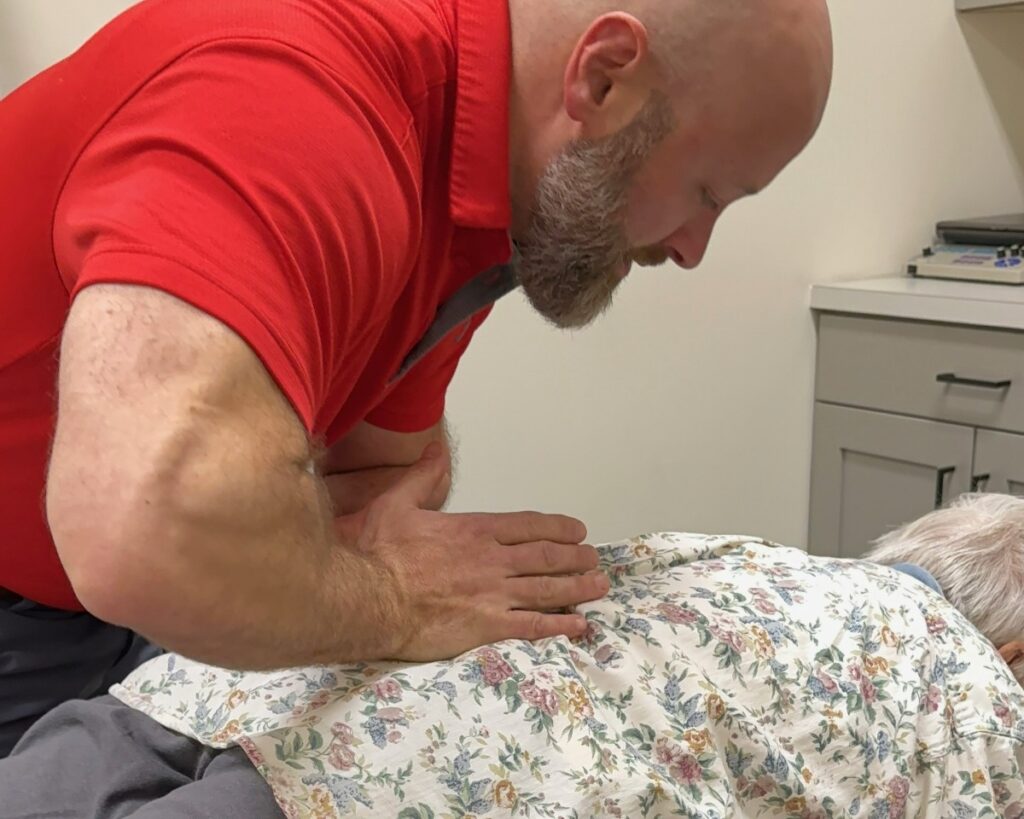
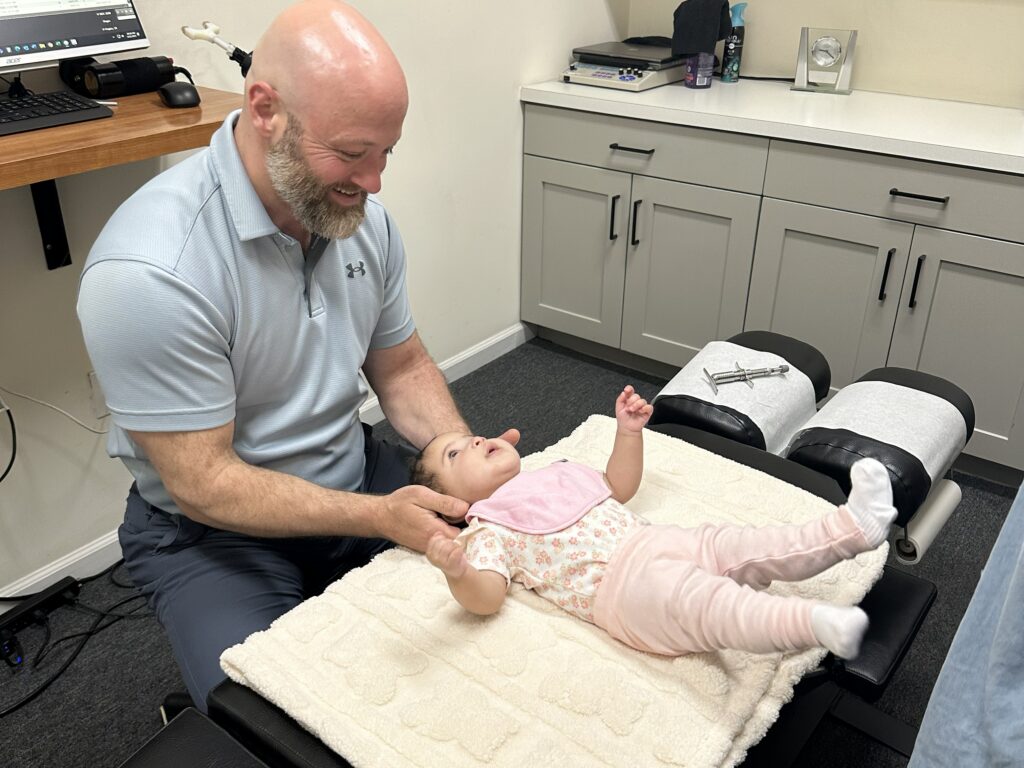
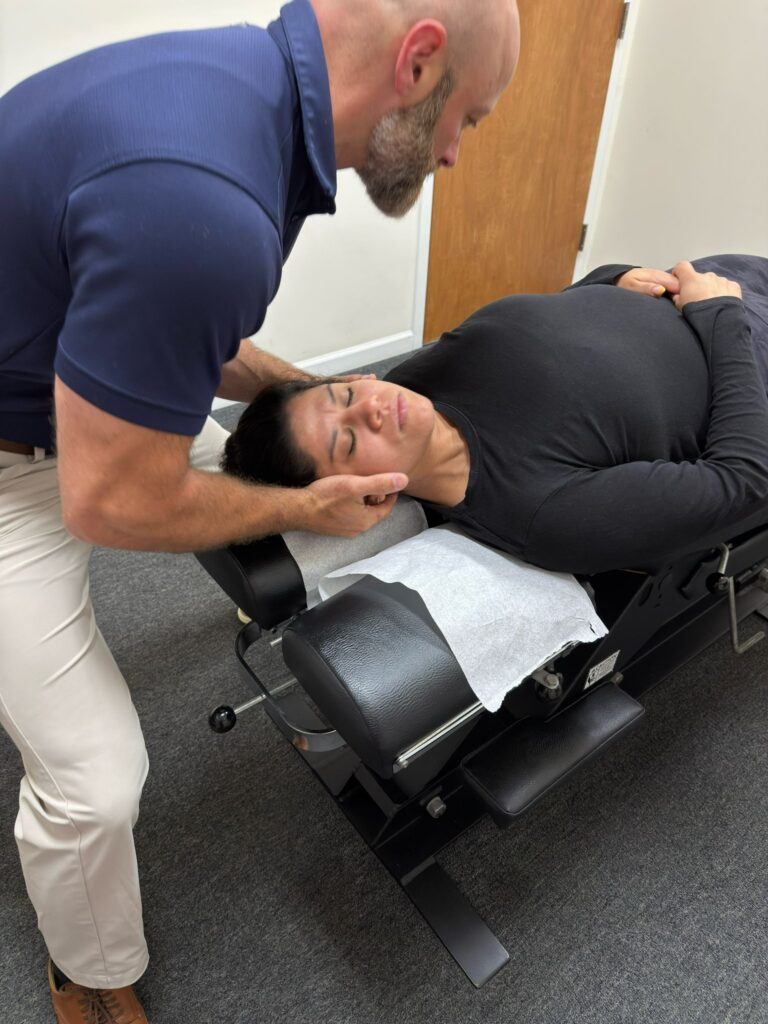
- Seek Chiropractic Care: Regular chiropractic adjustments can help correct misalignments in your spine, relieve pain, and promote overall wellness. A chiropractor can provide personalized advice and treatments tailored to your specific needs.
By making these lifestyle adjustments and considering chiropractic care, you can take important steps towards achieving optimal health and alleviating low back pain. Remember, your spine is the foundation of your body, and taking care of it will lead to a healthier, more active life.
Key Takeaways
- Poor posture from slouching and prolonged sitting can lead to spinal misalignment, which often results in pain and stiffness in the lower back. It’s essential to be mindful of your posture throughout the day to help maintain a healthy spine.
- Sedentary lifestyles can weaken your core muscles, leading to imbalances that put extra pressure on your lower back. To combat this, consider incorporating simple exercises that strengthen your core, such as planks or gentle stretches.
- A lack of movement can restrict blood flow, causing stiffness and discomfort that may worsen existing back pain. Remember to take regular breaks to stand, stretch, and move around. This simple act can greatly improve your spinal health and overall well-being.
- Stress can lead to muscle tension, especially in the back and neck, resulting in chronic pain and limited mobility. Practicing relaxation techniques such as deep breathing, yoga, or mindfulness can help reduce this tension and promote a healthier spine.
- Pay attention to your work environment! Ergonomic deficiencies, like improper chair height and monitor placement, can increase the risk of low back pain. Adjust your workspace to support good posture, and consider consulting a chiropractor for personalized advice on creating an optimal work setup.
By making these lifestyle adjustments and seeking chiropractic care, you can work towards alleviating low back pain and achieving a healthier, pain-free life. Remember, maintaining a healthy spine is crucial for overall wellness, and chiropractic care is a natural and effective way to support your journey to optimal health.
The Impact of Poor Posture on Spinal Health
When you slouch or sit for long periods, it’s not just uncomfortable; it can lead to serious spinal issues. Poor posture creates misalignment in your spine, putting strain on muscles and ligaments. This misalignment can result in pain, stiffness, and even long-term damage if not addressed properly.
Many of us don’t realize how often we lean forward or hunch over while working at a computer or scrolling on our phones. These habits can weaken your core muscles, making it tougher to maintain good posture. Over time, your body gets used to these positions, reinforcing those unhealthy habits.
As a chiropractor, I encourage you to be proactive in taking care of your spine. Start by taking regular breaks to stretch and adjust your position. Simple stretches can help relieve tension and improve your posture. Additionally, strengthening your core and back muscles through exercises like planks or bridges can provide essential support for your spine.
Sedentary Lifestyles and Their Consequences
Long hours spent sitting, whether at a desk or on the couch, can significantly impact your overall health, especially your spine. When you stay inactive for long stretches, the muscles that support your back weaken, leading to imbalances and increased strain on your spine. This sedentary lifestyle can also contribute to weight gain, which can put even more pressure on your lower back.
You may not realize it, but poor circulation from prolonged sitting can lead to stiffness and discomfort. Your body thrives on movement, and without it, you could experience chronic pain or discomfort. It’s crucial to acknowledge these consequences and take proactive steps to enhance your well-being.
As a chiropractor, I want to emphasize the importance of maintaining a healthy spine. Here are some simple tips to help you keep your spine happy and healthy:
- Take Breaks: Set a timer to remind yourself to stand up and stretch every 30 minutes. This can help relieve tension in your back and improve circulation.
- Move More: Incorporate short walks into your daily routine, whether it’s around your home or during your lunch break. Movement is key to supporting your spinal health.
- Use a Standing Desk: If possible, consider using a standing desk to reduce the amount of time you spend sitting. This can help alleviate pressure on your spine and improve posture.
- Practice Good Posture: Make sure your workstation is ergonomically set up. Keep your feet flat on the ground, your back straight, and your screen at eye level to maintain proper alignment.
- Stay Hydrated: Drinking plenty of water can help keep your discs hydrated and maintain spinal health.
- Chiropractic Care: Regular visits to a chiropractor can help address spinal imbalances, improve function, and relieve pain naturally. Chiropractic adjustments can enhance your overall wellness.
The Role of Exercise in Preventing Low Back Pain
Incorporating regular exercise into your daily routine is one of the best ways to prevent low back pain and support your overall health. Strengthening your core muscles and improving flexibility can provide essential support for your spine, reducing the risk of injury and discomfort. A well-rounded exercise plan that includes aerobic, strength, and flexibility activities is key to achieving these benefits.
Here’s a simple guide to help you get started:
| Type of Exercise | Benefits |
|---|---|
| Aerobic | Boosts blood flow and stamina, helping your body function better |
| Strength | Enhances core stability, providing support for your spine |
| Flexibility | Improves range of motion, making everyday movements easier |
Engaging in just 30 minutes of moderate exercise most days can lead to significant improvements in your well-being. Activities like walking, swimming, or practicing yoga not only keep your body active but also contribute to your mental health. Choose exercises that you enjoy to stay motivated and make fitness a regular part of your life.
It’s important to remember that consistency is crucial in reaping the benefits of exercise and preventing low back pain. Additionally, regular chiropractic care can complement your exercise routine by ensuring your spine is aligned and functioning optimally. With the right combination of exercise and chiropractic support, you can achieve a healthier, pain-free life.
Take charge of your health today by committing to a balanced exercise routine and considering chiropractic care as a natural and effective way to enhance your overall well-being.
Stress and Its Connection to Muscle Tension
Stress can significantly contribute to muscle tension, making it crucial to understand this link for effective management of low back pain. When you’re under stress, your body instinctively reacts by tightening muscles, particularly in the back and neck. This tension can lead to discomfort and pain, creating a frustrating cycle that can worsen your stress levels.
Many people don’t even realize they’re holding tension in their back throughout the day, whether at work or while navigating personal challenges. This ongoing strain can lead to chronic pain, limiting your mobility and impacting your overall well-being.
As a chiropractor, I encourage you to break this cycle by identifying the stressors in your life and finding healthy coping mechanisms. Consider practices such as deep breathing or gentle stretching exercises, which can help release tension and promote relaxation in your muscles. Regular chiropractic adjustments can also play a vital role in alleviating muscle tension and improving spinal health, helping your body to function optimally.
Ergonomics: Creating a Supportive Environment
Creating a supportive environment is crucial for maintaining a healthy spine and preventing low back pain, particularly if you find yourself sitting for extended periods at a desk or working on a computer. As a chiropractor, I want to share some simple and effective tips to help you stay comfortable and promote your overall wellness.
First, ensure your chair is adjusted correctly. Your feet should rest flat on the floor, and your knees should be at or slightly below hip level. Opt for a chair that offers good lumbar support to help maintain your natural spine curvature and encourage proper posture. This can make a significant difference in how your back feels throughout the day.
Next, pay attention to your desk height. It should allow your elbows to be at a 90-degree angle while typing. This positioning helps reduce strain on your back and neck. Your monitor should be positioned at eye level, about an arm’s length away, to avoid twisting or straining your neck.
Incorporating regular breaks into your routine is essential. Stand up, stretch, and walk around periodically to promote blood flow and alleviate tension in your muscles. Consider investing in a standing desk or using an ergonomic keyboard and mouse, which can further enhance your comfort and support your spine.
Remember, making these adjustments not only creates a healthier workspace but also significantly reduces your risk of developing low back pain. If you do experience discomfort, chiropractic care can be a natural and effective option to help relieve pain and improve your overall health.
Conclusion
To summarize, your lifestyle choices play a crucial role in your spinal health, and chiropractic care can be a key component in achieving optimal well-being. By being mindful of your posture, staying active, managing stress, and creating an ergonomic workspace, you can significantly reduce the risk of low back pain. Incorporating regular chiropractic adjustments into your routine not only helps alleviate pain but also promotes overall wellness by ensuring your spine is properly aligned.
Remember, making small, consistent changes in your daily habits can lead to lasting improvements in your back health. Simple practices like taking breaks to stretch, using supportive chairs, and being aware of your body mechanics can make a big difference. Take charge of your lifestyle today and consider chiropractic care as a natural way to enhance your spinal health and overall quality of life. A healthier back tomorrow starts with the choices you make today!