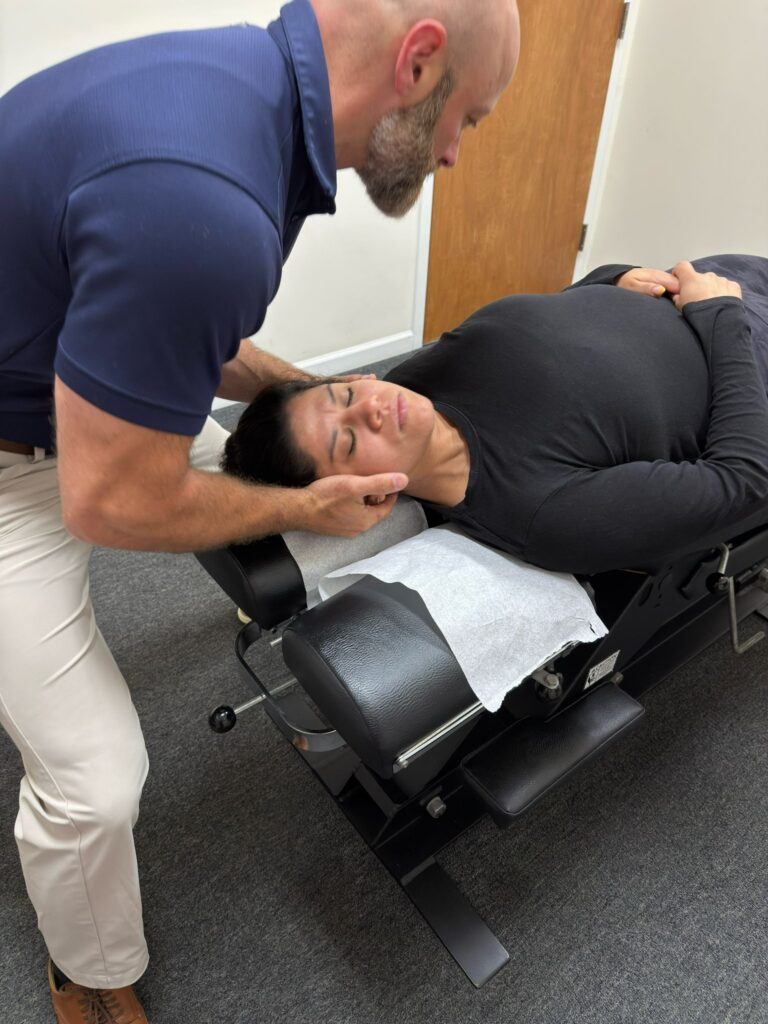

Have you ever noticed how your posture can impact your head? Misalignments in your spine or jaw can create tension and pain that you might not even realize are connected to your overall alignment. This link is crucial, as it can significantly affect how often and how intensely you experience headaches. By understanding the specific misalignments that trigger these issues, you can take steps toward finding relief.
As a chiropractor, I want to emphasize that chiropractic care is one of the best ways to address these misalignments naturally. Regular adjustments can help realign your spine and jaw, relieving the tension that contributes to headache pain.
Here are some simple tips to help you maintain better alignment and potentially reduce your headache symptoms:
- Be Mindful of Your Posture: Whether you’re sitting at a desk, using your phone, or standing, keep your shoulders back and your head aligned over your spine. This can help prevent unnecessary strain.
- Take Breaks: If you work at a desk for long periods, make it a habit to take short breaks. Stand up, stretch, and move around to keep your muscles engaged and reduce tension.
- Stay Hydrated: Dehydration can exacerbate headache pain. Make sure you drink plenty of water throughout the day.
- Practice Relaxation Techniques: Stress can lead to muscle tension, so consider incorporating relaxation methods like deep breathing, meditation, or yoga into your routine.
- Schedule Regular Chiropractic Visits: Regular chiropractic adjustments can help keep your spine aligned, reduce tension, and improve your overall health.
By addressing misalignments and maintaining a healthy lifestyle, you can take significant steps toward managing your headache pain naturally. Remember, chiropractic care is here to support you on your journey to optimal health and wellness!
Key Takeaways
Misalignment of the spine can create tension in the muscles and nerves surrounding it, which often leads to headache pain. When vertebrae are out of place, they can irritate nearby nerves, sending pain signals to the brain that contribute to headaches.
Maintaining proper spinal alignment is crucial not just for reducing tension, but also for improving blood flow throughout the body. Better circulation can help alleviate headache symptoms and promote overall wellness.
It’s also important to consider jaw alignment. Issues in the jaw can radiate tension to the forehead, resulting in headaches. By addressing both spinal and jaw alignment, we can tackle the root causes of headache discomfort.
Regular chiropractic adjustments can play a significant role in maintaining proper alignment. Many patients find that their headache frequency and severity decrease with consistent chiropractic care, allowing them to enjoy a better quality of life.
As you think about your health, consider incorporating some simple tips into your daily routine: practice good posture, stay hydrated, and take breaks if you’re working at a desk for long periods. These small changes can complement your chiropractic care and help keep headaches at bay. Remember, choosing chiropractic care is a natural and effective way to achieve optimal health and relieve pain without the need for medications or surgeries.
The Connection Between Alignment and Headaches
When your spine is misaligned, you may not realize it could be a source of your headaches. Your spine plays a crucial role in supporting your entire body, including your neck and head. Even a slight misalignment can create tension in the surrounding muscles and nerves. This tension can lead to tightness and discomfort that radiates to your head, resulting in painful headaches.
Understanding the link between alignment and headaches is important. When your spine is out of alignment, your muscles have to work extra hard to stabilize it. This extra effort can lead to muscle fatigue, increasing your pain and discomfort. Furthermore, misaligned vertebrae can irritate nearby nerves, sending pain signals to your brain and intensifying your headache.
Chiropractic care offers a natural and effective solution to address these issues. By realigning your spine, we can help relieve tension, reduce nerve irritation, and ultimately alleviate your headaches. Regular chiropractic adjustments can’t only provide immediate relief but also promote long-term wellness by improving your overall spinal health.
Here are some general tips to help manage headaches:
- Stay Hydrated: Dehydration can lead to headaches, so make sure you’re drinking enough water throughout the day.
- Practice Good Posture: Be mindful of your posture, especially if you sit for long periods. Keeping your back straight and your head aligned over your shoulders can help prevent misalignments.
- Take Breaks: If you work at a computer or perform repetitive tasks, take regular breaks to stretch and move around. This can reduce muscle tension.
- Manage Stress: Stress can contribute to headaches, so consider incorporating relaxation techniques like deep breathing, yoga, or meditation into your routine.
- Prioritize Sleep: A good night’s sleep is vital for overall health. Aim for 7-9 hours of quality sleep each night to help your body recover.
Common Misalignments That Cause Head Pain
Misalignments in your spine can significantly contribute to head pain, and it’s important to address these issues for effective relief. One common misalignment occurs in the cervical spine, particularly in the upper neck. When the vertebrae are misaligned, they can irritate nearby nerves, leading to tension headaches or migraines.
Practicing good posture and being mindful of your head position can help reduce strain on your neck and potentially alleviate these headaches.
Another area to consider is the thoracic spine, which can influence your breathing and muscle tension. If the thoracic spine is misaligned, it can worsen headache symptoms.
Simple exercises, like stretching and deep breathing, can improve spinal alignment and help you feel more comfortable.
Don’t forget about the alignment of your jaw, known as the temporomandibular joint (TMJ). A misaligned jaw can create tension and pain that radiates to your temples and forehead.
If you notice jaw discomfort, gentle jaw exercises and relaxation techniques can be beneficial.
Chiropractic care is a natural and effective approach to address these misalignments. By visiting a chiropractor, you can receive personalized adjustments and care that focus on restoring your spine’s alignment, which can lead to reduced headaches and improved overall wellness.
The Role of Posture in Headache Frequency
Posture significantly impacts the frequency of headaches and can often worsen discomfort associated with spinal misalignments. When you slouch or hunch over—especially while working at a desk or using your phone—you create unnecessary tension in your neck and shoulders. This strain can lead to more frequent and intense headaches.
By maintaining proper posture, you can help alleviate some of that tension and reduce headache occurrences. It’s important to consciously sit up straight, keep your shoulders back, and align your head over your spine. These small adjustments can relieve strain on your muscles and nerves, potentially decreasing the frequency and severity of headaches.
Incorporating regular breaks into your routine to stretch and change your position is also beneficial. Whether you’re at work or relaxing at home, being mindful of your posture can make a significant difference in how often you experience headaches.
As a chiropractor, I encourage you to consider chiropractic care for optimal spinal health and natural relief from headaches. Regular adjustments can help correct misalignments, promote proper posture, and enhance your overall well-being.
Jaw Alignment and Its Impact on Tension
Jaw alignment is crucial for managing tension in your body, as improper alignment can lead to increased muscle strain and discomfort. When your jaw isn’t aligned properly, it can set off a chain reaction that contributes to headaches and other issues. You may find yourself clenching or grinding your teeth, which can only make the tension and pain worse.
Here are some important effects of jaw misalignment:
- Increased muscle tension: Tight jaw muscles can lead to discomfort not just in your jaw, but also in your neck and shoulders. This can create a cycle of tension that might feel overwhelming.
- Altered posture: When your jaw is misaligned, you might unconsciously adjust your posture to compensate. This can put extra strain on your spine and lead to further discomfort.
- Headache triggers: The tension from your jaw can radiate up to your temples and forehead, often resulting in headaches that can disrupt your daily life.
As a chiropractor, I want to emphasize that maintaining proper jaw alignment is key to overall wellness. Here are some tips to help you manage tension in your jaw and promote better alignment:
- Practice Relaxation Techniques: Engaging in mindfulness or relaxation exercises can help reduce stress and lower the tendency to clench your jaw.
- Be Mindful of Your Posture: Pay attention to your posture throughout the day. Keeping your spine aligned can help alleviate some of the strain caused by jaw misalignment.
- Gentle Jaw Exercises: Simple jaw stretches can help relieve tension. Try gently opening and closing your mouth or moving your jaw side to side.
- Regular Chiropractic Care: Visiting a chiropractor can help align not just your jaw, but also your spine and overall body structure. This holistic approach to health can lead to lasting pain relief and improved well-being.
Techniques for Improving Alignment
Improving your alignment is essential for reducing headache pain and achieving overall wellness. As a local chiropractor, I want to share some effective strategies that focus on natural healing and healthier living. By prioritizing your spinal health, you can experience significant relief without the need for medications or surgeries.
First and foremost, posture correction exercises are a fantastic way to enhance your alignment. Simple adjustments in your daily habits, such as being mindful of your sitting and standing postures, can make a world of difference. Consider incorporating specific stretches that target the neck and upper back, as these areas are often tense and contribute to headaches.
Creating an ergonomic workspace is another vital step. Ensure that your chair supports your lower back, your computer screen is at eye level, and your feet are flat on the ground. Making these adjustments can significantly reduce strain on your spine and help maintain proper alignment throughout your workday.
Additionally, practicing stretching and mobility techniques regularly can help keep your body flexible and free from tension. Gentle neck rolls, shoulder shrugs, and upper back stretches can alleviate tightness and promote better alignment.
Finally, consider regular chiropractic care as a proactive approach to maintaining your spinal health. A chiropractor can provide personalized adjustments that not only relieve headaches but also enhance your overall well-being. By focusing on proper alignment, you’re investing in a healthier, pain-free future.
Posture Correction Exercises
While many people overlook the impact of spinal alignment on headache pain, addressing poor posture can significantly reduce discomfort. As a chiropractor, I’ve seen firsthand how incorporating posture correction exercises into your daily routine can enhance your alignment, alleviate tension, and promote overall wellness.
Here are a few simple and effective techniques you can try at home to support your spine’s health and relieve headaches naturally:
- Chin Tucks: This exercise is great for realigning your head over your shoulders. Gently pull your chin back towards your throat while keeping your spine straight. Hold this position for a few seconds, and then relax. Repeat this movement to help strengthen the muscles that support your neck.
- Shoulder Rolls: This simple exercise helps release tension in your upper back, which can contribute to headache pain. Roll your shoulders forward, then up, back, and down in a smooth circular motion. Do this several times in each direction to promote relaxation and improve circulation.
- Wall Angels: This exercise is excellent for improving posture. Stand with your back against a wall, and bend your arms at a 90-degree angle. Slowly slide your arms up and down the wall while keeping your back, head, and arms in contact with the wall. This helps open up your chest and encourages proper alignment.
Incorporating these exercises into your daily routine can make a significant difference in your comfort and well-being.
Remember, maintaining proper posture is essential not only for preventing headaches but for overall health. If you’re experiencing chronic pain or discomfort, consider visiting a chiropractor who can offer tailored advice and treatment to help you achieve optimal health through natural methods.
Embrace these simple tips, and take a proactive step toward a healthier, pain-free life!
Ergonomic Workspace Setup
Creating an ergonomic workspace is essential for maintaining proper spinal alignment and overall comfort, and it can greatly enhance your health and wellness. As a chiropractor, I understand the importance of a well-designed workspace in preventing pain and discomfort. By making these adjustments, you can support your spine and promote natural healing.
Begin by adjusting your chair so that your feet rest flat on the floor and your knees form a 90-degree angle. This position helps to alleviate strain on your lower back. It’s also vital to position your screen at eye level to prevent unnecessary neck strain, which can lead to discomfort and tension.
Here’s a simple checklist to help you create an ergonomic workspace:
| Element | Recommendation |
|---|---|
| Chair Height | Ensure your feet are flat on the ground and knees are at a 90° angle to support your lower back. |
| Monitor Position | Adjust your screen to be at eye level and about an arm’s length away to reduce neck strain. |
| Keyboard Height | Keep your elbows at a 90° angle with your wrists straight to promote a relaxed posture while typing. |
Stretching and Mobility Techniques
To enhance your spinal alignment and overall mobility, incorporating stretching and mobility techniques into your daily routine can be incredibly beneficial.
These practices not only help to release tension and improve flexibility, but they also support proper posture, which can significantly reduce headache pain. As a chiropractor, I emphasize the importance of natural healing and healthy living, and these exercises are a great way to promote your well-being.
Here are a few simple techniques you can easily add to your daily routine:
- Neck Stretches: Sit or stand comfortably and gently tilt your head to each side, holding for 15-30 seconds. This helps to relieve tension in the neck and can improve your overall comfort.
- Cat-Cow Stretch: Get on all fours, and alternate between arching your back (like a cat) and rounding it (like a cow). This movement mobilizes your spine and encourages flexibility, which is vital for maintaining alignment.
- Hip Flexor Stretch: Take a step forward with one leg while keeping the other knee on the ground. This lunge position helps alleviate tightness in your hips, which can contribute to alignment issues and discomfort.
Integrating these exercises into your routine can lead to a positive impact on your body and help alleviate headaches.
Remember, regular chiropractic care is also essential for optimal health, as it focuses on the root causes of discomfort and promotes natural healing.
When to Seek Professional Help for Headaches
If you’re dealing with headaches that last longer than usual, it might be time to consider seeking help from a chiropractor. Sudden severe pain or any accompanying neurological symptoms signal that your body is trying to tell you something important. Remember, your health is your greatest asset.
Chiropractic care is a natural and effective way to address headaches, as it focuses on the spine and nervous system, which play a crucial role in overall well-being. Misalignments in the spine can lead to tension and pain, contributing to headaches. A chiropractor can assess your spinal health and provide gentle adjustments to help alleviate discomfort and promote healing.
In addition to seeking professional help, there are simple lifestyle changes you can make to support your health. Staying hydrated, maintaining good posture, practicing relaxation techniques, and incorporating regular physical activity can all contribute to headache relief.
Always listen to your body. If headaches persist or worsen, don’t hesitate to reach out to a chiropractic professional who can guide you on your journey to optimal health and wellness.
Persistent Headache Duration
Persistent Headache Duration: Understanding the Signs and Seeking Natural Relief
While occasional headaches are common and often manageable, persistent headaches that linger for days can indicate a more serious issue that deserves your attention. If you’re experiencing headaches that last longer than a few days, it’s important to evaluate your symptoms.
Here are some signs that might suggest it’s time to seek help:
- Increased Frequency: If you notice that your headaches are occurring more often than usual, it’s a signal your body may be trying to communicate something important.
- Impact on Daily Life: When headaches interfere with your ability to perform everyday activities, it’s a strong indication that you should take action.
- Change in Headache Pattern: If your headaches feel different or more intense than before, this could be a sign that something is off.
Don’t ignore these signs. As a chiropractor, I believe in the power of natural healing through spinal health and wellness. Consulting with a chiropractor can help you understand the underlying issues contributing to your headaches.
Through a thorough assessment, we can evaluate your spinal alignment and overall health, which can play a significant role in headache relief.
Here are some general tips to help manage your headaches naturally:
- Stay Hydrated: Dehydration can often trigger headaches. Aim to drink plenty of water throughout the day.
- Maintain Good Posture: Poor posture can lead to tension headaches. Be mindful of your posture, especially if you sit for long periods.
- Practice Stress Relief Techniques: Incorporate relaxation practices such as deep breathing, yoga, or meditation into your routine.
- Get Regular Chiropractic Adjustments: Regular visits to a chiropractor can help maintain proper spinal alignment, which may alleviate headache symptoms.
- Monitor Your Diet: Certain foods can trigger headaches. Keep a food diary to identify any potential culprits.
Taking action early can lead to better outcomes, and chiropractic care offers a holistic approach to achieving optimal health.
Severe Pain Onset
When a headache hits with sudden, intense pain, it’s crucial to listen to your body. This type of headache can signal an underlying issue, and knowing the right steps to take is essential for your health. If your headache feels different from what you usually experience, or if you notice any additional warning signs, it’s important to reach out to a healthcare professional, and I recommend considering chiropractic care as a natural approach to pain relief.
| Warning Sign | Suggested Action |
|---|---|
| Sudden, intense headache | Contact a chiropractor for evaluation |
| Headache after injury | Schedule a chiropractic consultation promptly |
| Persistent pain | Plan a visit to your chiropractor for a thorough assessment |
Listening to your body can truly make a difference. Ignoring severe pain is not advisable; addressing it early with chiropractic care can lead to better outcomes and promote overall wellness. Chiropractic adjustments can help realign the spine, reduce tension, and improve blood flow, which may alleviate headache symptoms naturally.
Here are some general tips to support your health and wellness:
- Stay Hydrated: Dehydration can lead to headaches. Aim for adequate water intake throughout the day.
- Maintain Good Posture: Poor posture can strain your neck and back, contributing to headaches. Be mindful of your sitting and standing positions.
- Practice Relaxation Techniques: Stress management is key. Consider meditation, deep breathing exercises, or gentle yoga.
- Regular Chiropractic Visits: Regular adjustments can help maintain spinal health, which may reduce the frequency and severity of headaches.
Accompanying Neurological Symptoms
Headaches can be particularly concerning when they come with neurological symptoms, as this may point to a more serious issue. It’s important to stay aware of any unusual signs and seek guidance if you experience:
- Sudden changes in your vision, such as blurriness or seeing double
- Weakness or numbness on one side of your body
- Difficulty speaking or understanding what others are saying
If you notice any of these symptoms, don’t hesitate to reach out to a healthcare professional. Early intervention can greatly impact your treatment and recovery.
At our chiropractic practice, we believe in a holistic approach to health. Chiropractic care focuses on restoring balance to your spine and nervous system, which can help alleviate headaches and improve overall well-being.
Here are some general tips to consider for natural relief:
- Stay Hydrated: Dehydration can lead to headaches. Make sure you’re drinking enough water throughout the day.
- Practice Good Posture: Poor posture can strain your neck and back, leading to tension headaches. Be mindful of your posture, especially if you spend long hours sitting.
- Regular Chiropractic Adjustments: Regular visits to your chiropractor can help keep your spine aligned and reduce headache frequency and intensity.
- Stress Management: Incorporate relaxation techniques such as deep breathing, yoga, or meditation into your daily routine to help manage stress, which can trigger headaches.
- Get Enough Sleep: Aim for a consistent sleep schedule to ensure your body gets the rest it needs to function optimally.
Remember, while headaches can be common, accompanying neurological symptoms shouldn’t be ignored. Chiropractic care is a natural and effective way to address pain and promote overall health.
Always prioritize your wellness and consult a chiropractor for personalized care tailored to your needs.
Conclusion
In summary, maintaining proper alignment is crucial for alleviating headache pain and promoting your overall well-being. When your spine, muscles, and nerves are misaligned, it can lead to increased tension and discomfort, which often manifests as headaches. By understanding the impact of alignment on your body, you can take proactive steps to improve your posture and jaw alignment, both of which play a significant role in your health.
To help maintain alignment, consider these simple tips:
- Practice Good Posture: Keep your shoulders back and down, and align your head over your spine to reduce strain on your neck and back.
- Stay Active: Regular exercise can strengthen your muscles and support proper alignment. Activities like stretching, yoga, and walking are great options.
- Be Mindful of Your Jaw: If you notice yourself clenching your jaw, try relaxing it and keeping your teeth slightly apart to alleviate tension.
- Take Breaks: If you spend long hours at a desk, remember to take short breaks to stretch and adjust your posture.
If you’re experiencing persistent pain, seeking the care of a chiropractor can be a game-changer. Chiropractic adjustments can help realign your spine and improve function, leading to natural pain relief and enhanced wellness. Your path to feeling better starts with prioritizing your alignment and embracing a holistic approach to health. Remember, chiropractic care is a safe and effective way to achieve optimal health and wellness without the need for medications or surgeries.