
You might not realize just how much your posture influences your low back pain. When your spine’s alignment is off, it can create uneven pressure on your discs and strain your muscles. This not only increases discomfort but can also pave the way for chronic issues down the line. It’s vital to understand the strong connection between posture and spinal health.
As a chiropractor, I encourage you to take steps to improve your posture and alleviate pain naturally. Here are some tips to help you get started:
- Be Mindful of Your Sitting Position: When sitting, ensure your back is straight, shoulders relaxed, and feet flat on the floor. Consider using a chair that provides good lumbar support.
- Stand Tall: When standing, distribute your weight evenly on both feet, keep your shoulders back, and align your ears with your shoulders. This simple adjustment can relieve pressure on your spine.
- Strengthen Your Core: A strong core supports your spine. Incorporate exercises that strengthen your abdominal and back muscles, like planks and bridges, into your routine.
- Take Frequent Breaks: If you sit for long periods, remember to stand up, stretch, and move around every 30 minutes. This helps prevent stiffness and maintains healthy spinal alignment.
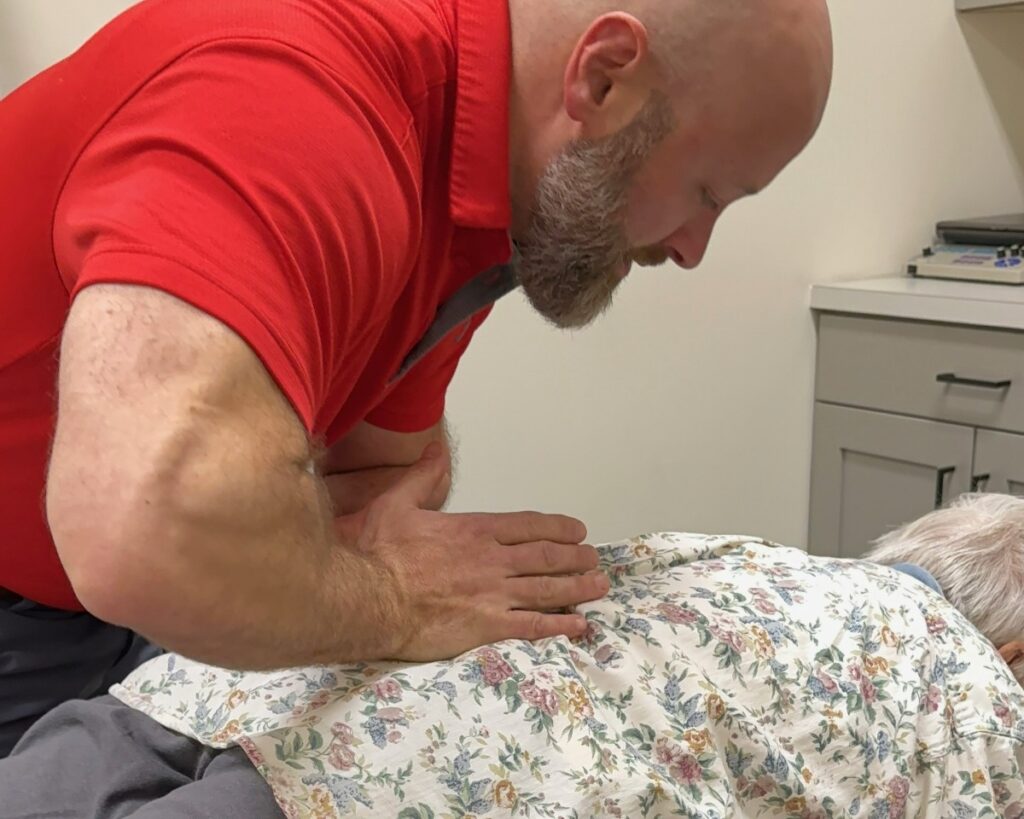
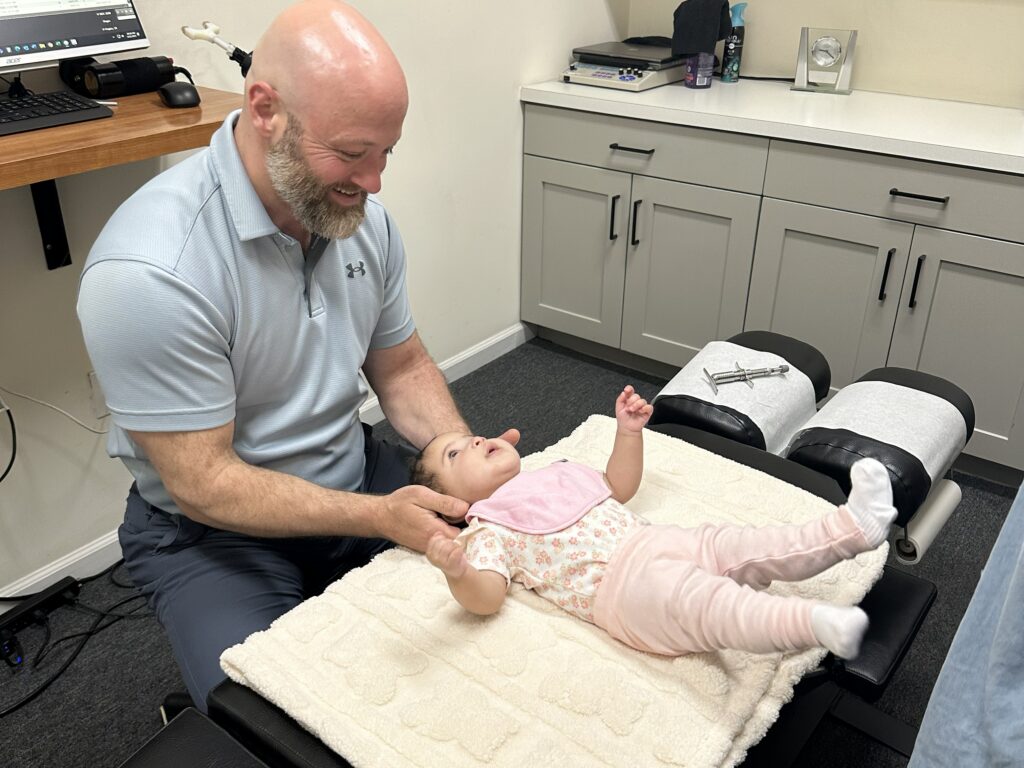
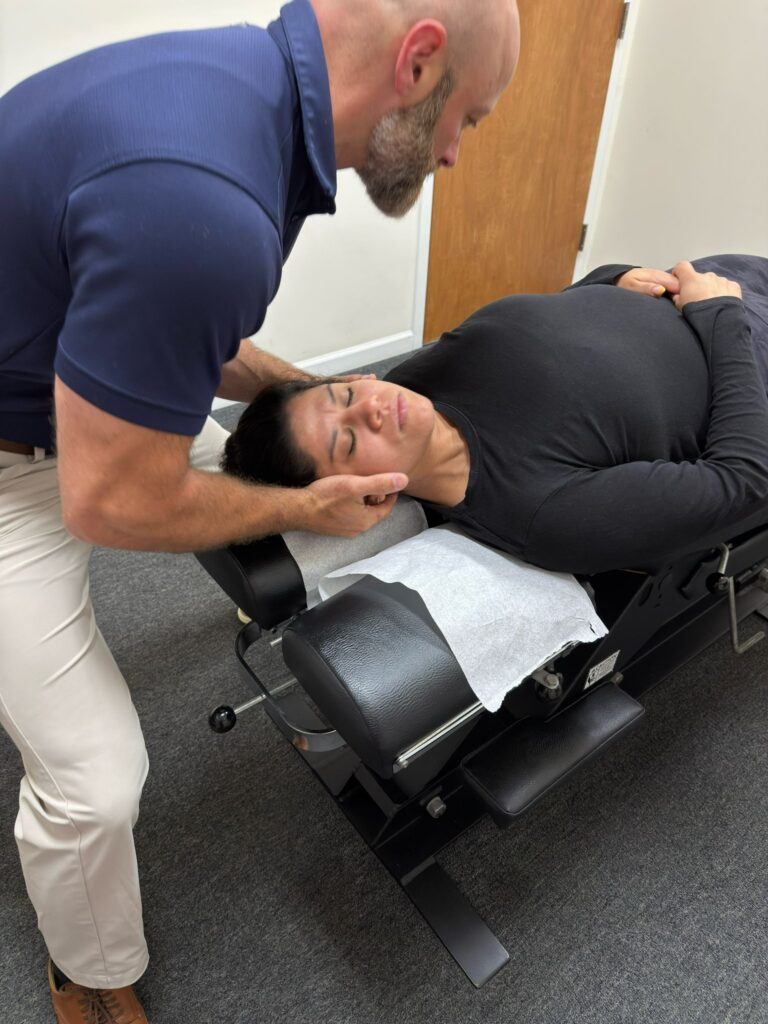
- Consider Chiropractic Care: Regular chiropractic adjustments can help realign your spine, reduce pain, and improve overall posture. Our goal is to enhance your health naturally and empower you to live your best life.
Remember, you have the power to improve your posture and, in turn, your low back pain. By making small changes and considering chiropractic care, you can achieve better spinal health and overall wellness.
Key Takeaways
Why Does Posture Matter in Low Back Pain?
Maintaining good posture is essential for a healthy spine and can significantly impact your overall well-being. When we slouch or sit poorly, it disrupts the natural alignment of our spine, which can lead to discomfort and low back pain.
Poor posture places extra strain on muscles, ligaments, and spinal discs, causing them to work harder than necessary. Over time, this can intensify pain and discomfort, making it crucial to be mindful of how we hold our bodies throughout the day.
Additionally, poor posture can create muscle imbalances. Some muscles may become overworked and tight, while others weaken and lose strength. This imbalance can contribute to chronic pain, making it even more important to focus on maintaining proper posture.
Neglecting your posture can also limit blood flow and nerve function, which can aggravate low back pain symptoms. When your body is properly aligned, it allows for better circulation and nerve communication, helping to alleviate discomfort.
As a chiropractor, I recommend taking regular breaks from sitting or standing in one position for too long. This simple practice can help reduce strain on your back. Additionally, setting up an ergonomic workspace, where your chair and desk are at the right heights, can make a significant difference in your posture and overall comfort.
Remember, chiropractic care is an excellent way to support your spinal health and help you achieve optimal wellness. By addressing posture and alignment issues through gentle adjustments, we can work together to help relieve your pain naturally and promote healing. Focus on these tips for better posture, and you may find yourself feeling more comfortable and vibrant in your daily life!
The Importance of Posture in Everyday Life
Good posture is essential for your everyday well-being, influencing everything from your energy levels to your overall health. When you sit or stand correctly, you allow your spine and nervous system to operate at their best. This means you’ll feel more energized, as your muscles won’t have to strain to keep you upright. By maintaining proper alignment, you can better concentrate on your tasks, whether you’re at work or home.
Chiropractic care plays a vital role in helping you achieve and maintain good posture. Regular adjustments can alleviate tension in your muscles and align your spine, promoting better circulation. This enhanced blood flow ensures that nutrients and oxygen reach your essential organs effectively, supporting their optimal function. Additionally, proper spinal alignment can aid digestion, allowing your body to work more efficiently.
Beyond the physical benefits, good posture can significantly boost your confidence. When you stand tall and maintain aligned shoulders, you not only feel better about yourself, but you also project a positive image to others. By incorporating simple tips into your daily routine, like being mindful of your posture while sitting at your desk or using ergonomic furniture, you can feel the benefits throughout your day.
Prioritizing your posture is a small yet impactful change that can lead to major improvements in your daily life. If you’re experiencing discomfort or want to enhance your overall wellness, consider visiting a chiropractor. Chiropractic care is a natural and effective way to address posture-related issues and promote your journey toward optimal health without relying on medications or surgeries. Remember, with a little effort and the right support, you can achieve a healthier, more balanced life.
How Poor Posture Contributes to Low Back Pain
When you find yourself slouching or hunching over, it can lead to misalignment in your spine, which often results in significant low back pain. Poor posture places excessive strain on your muscles, ligaments, and discs, making them work harder to support your body. This strain can create discomfort and tension in your lower back, which can be quite bothersome.
If you spend long periods sitting or standing with a rounded back, you may notice that your spinal discs become compressed. This compression can cause the discs to lose hydration and flexibility over time, leading to degenerative changes and increased discomfort.
Moreover, poor posture can limit your range of motion, making everyday movements more challenging and uncomfortable. This can deter you from engaging in physical activities, which can further exacerbate your pain.
To combat the effects of poor posture and promote a healthier spine, consider these tips:
- Mind Your Posture: Regularly check in with your posture throughout the day. Keep your shoulders back, chest open, and spine straight whether sitting or standing.
- Take Frequent Breaks: If you’re sitting for long periods, make sure to stand up, stretch, and walk around every 30 minutes. This helps alleviate pressure on your spine.
- Strengthen Your Core: Incorporate exercises that strengthen your core muscles. A strong core supports your spine and can help improve your posture.
- Use Ergonomic Furniture: If you work at a desk, invest in an ergonomic chair and desk setup to promote better posture and spinal alignment.
- Stay Active: Engage in regular physical activity that promotes flexibility and strength, such as yoga or swimming. These activities can help keep your spine healthy.
As a chiropractor, I can help you achieve optimal health through natural healing methods. Chiropractic care focuses on aligning your spine, relieving pain, and promoting overall wellness without the need for surgeries or medications.
If you’re experiencing low back pain due to poor posture, consider reaching out to a chiropractor for a personalized assessment and care plan. Let’s work together towards a healthier, pain-free life!
The Science Behind Posture and Spinal Health
Poor posture can lead to immediate discomfort and significantly impact your long-term spinal health. When you slouch or sit incorrectly, you put unwanted pressure on your spine and the muscles around it. Your spine is designed to have natural curves that support your body, and when these curves are misaligned, it can throw everything out of balance. Over time, poor alignment can result in chronic pain and structural issues like herniated discs or pinched nerves.
As certain muscles become overworked, others may weaken, creating imbalances that can worsen your discomfort. A strong core and proper alignment are crucial for maintaining stability and overall well-being. When you neglect your posture, it can restrict blood flow and nerve function, affecting how you feel day-to-day.
At my chiropractic practice, I emphasize the importance of understanding posture and its impact on spinal health. By prioritizing good posture, you can promote a healthier spine, reduce the risk of pain, and improve your quality of life.
Here are some simple tips to help you maintain good posture throughout your day:
- Be Mindful of Your Sitting Position: When sitting, keep your back straight and shoulders relaxed. Your feet should be flat on the floor, and your knees should be at a right angle.
- Use Supportive Seating: If you’re sitting for long periods, consider using a chair that provides good lumbar support or add a small cushion to support your lower back.
- Take Frequent Breaks: Stand up, stretch, and walk around every 30 minutes to keep your muscles active and reduce stiffness.
- Strengthen Your Core: Incorporate exercises that strengthen your core muscles, as they play a vital role in maintaining proper posture.
- Practice Good Body Mechanics: When lifting, bend at the knees and keep the object close to your body to avoid straining your back.
Tips for Improving Posture and Reducing Pain
Improving your posture and reducing pain is an achievable goal, and it all starts with being mindful of your body mechanics throughout the day. As a chiropractor, I can tell you that maintaining proper posture is key to spinal health and can significantly alleviate discomfort.
When sitting, aim to keep your back straight, shoulders relaxed, and feet flat on the floor. Choose a chair that offers good support for your lower back; if you need extra help, consider using a lumbar roll to enhance your posture.
When it comes to standing, be sure to distribute your weight evenly across both feet. Avoid locking your knees, as this can create tension in your body. Engaging your core muscles will provide additional stability and support for your spine.
Incorporating regular breaks is also essential. I recommend that you stand up, stretch, and move around every hour to relieve built-up tension. Simple stretches like neck rolls and shoulder shrugs can do wonders for alleviating tightness and improving your overall comfort.
Additionally, consider exploring practices like yoga or Pilates. These activities not only enhance flexibility but also strengthen your core, which is crucial for maintaining good posture and supporting your spine.
Long-Term Benefits of Maintaining Proper Posture
Maintaining proper posture is crucial not just for immediate relief from discomfort, but it also brings a multitude of long-term benefits that can significantly improve your overall well-being. As a chiropractor, I want to emphasize that good posture helps minimize stress on your spine and the muscles surrounding it, which means fewer injuries and chronic pain issues in the future.
When you align your body correctly, you enhance your body’s natural functions, such as breathing and digestion. This can lead to increased energy levels and improved focus, allowing you to tackle your day with vigor.
Moreover, standing tall and maintaining good posture can work wonders for your confidence and mood, making social interactions more enjoyable and fulfilling. Over time, you may also find that you sleep better and feel less fatigued, all of which contribute to a more vibrant life.
Incorporating chiropractic care into your routine can be a game-changer. Regular adjustments help to keep your spine aligned, ensuring that your body functions optimally. This proactive approach can lead to a healthier lifestyle, fewer visits to the chiropractor for issues that arise from poor posture, and an overall better quality of life.
Here are a few simple tips to help you maintain proper posture throughout your day:
- Be Mindful: Pay attention to your posture when sitting, standing, or walking. Imagine a string gently pulling you upwards from the crown of your head.
- Ergonomic Workstation: If you work at a desk, arrange your workspace to promote good posture—keep your computer screen at eye level, your feet flat on the ground, and your chair supporting your lower back.
- Take Breaks: Stand up, stretch, and walk around regularly—this helps to reset your posture and relieve tension.
- Strengthen Your Core: Engage in exercises that strengthen your core muscles, as a strong core supports good posture.
- Stay Hydrated: Drinking plenty of water helps maintain healthy disc function in your spine.
Conclusion
To sum up, paying attention to your posture is crucial for managing and preventing low back pain, and chiropractic care can play a pivotal role in this process. By maintaining a neutral alignment and engaging in core-strengthening exercises, you can significantly reduce strain on your spine. Our chiropractic approach focuses on restoring proper alignment and function to your spine, which is essential for overall health and wellness.
In addition to chiropractic adjustments, remember to practice ergonomic habits throughout your daily activities. Simple changes, like adjusting your workstation or using supportive seating, can make a big difference. Staying active with gentle movements and stretches is also key to keeping your back healthy.
With these small adjustments and the support of chiropractic care, you can alleviate discomfort and promote long-term spinal health. So, take charge of your posture today, seek out the benefits of chiropractic care, and enjoy a pain-free, more active life! Your journey to optimal health starts with a strong foundation – your spine.