
When it comes to athlete recovery, many people overlook the vital role of trusted therapy, particularly chiropractic care. You might assume that physical recovery is simply about taking time off, but it involves much more than that. Effective chiropractic therapy not only focuses on healing injuries but also addresses the mental aspects of recovery, which can be just as crucial for athletic performance.
As a local chiropractor, I want to help you understand the different types of therapies available and how personalized chiropractic plans can significantly enhance your recovery process. We tailor our approaches to meet the unique needs of each athlete, ensuring that both body and mind are supported throughout the healing journey. So, what makes chiropractic care and its various therapeutic methods essential for athletes aiming to come back stronger? By integrating natural healing techniques, we can optimize recovery and help you return to your sport with renewed vigor and resilience.
Understanding Athlete Recovery
As a local chiropractor, I want to emphasize the importance of understanding athlete recovery for optimal performance and injury prevention. When you challenge your body, it's crucial to allow it the necessary time to heal and regenerate. Recovery isn't simply about resting; it requires a thoughtful approach to help your muscles, joints, and mind recover stronger than before.
One of the foundational components of recovery is sleep. Quality sleep is vital because it aids in tissue repair, protein synthesis, and the release of hormones that are essential for growth and recovery. Ideally, aim for 7-9 hours of restorative sleep each night to ensure your body receives the rest it deserves.
Nutrition also plays a significant role in recovery. After exercise, it's important to refuel your body with the right nutrients. Protein is crucial for muscle repair, while carbohydrates help restore glycogen levels. Don't overlook hydration; staying properly hydrated is key to maintaining your body's functions and supporting recovery.
Incorporating active recovery techniques can also be very beneficial. Engaging in light activities such as walking, stretching, or yoga can improve blood circulation, which is essential for delivering nutrients to sore muscles. Techniques like foam rolling or massage can help relieve muscle tension and enhance flexibility.
Most importantly, I encourage you to listen to your body and recognize when it's signaling the need for a break. Ignoring signs of fatigue or discomfort can lead to injuries that may sideline you for an extended period.
The Role of Mental Health
Mental health is an essential component of your recovery as an athlete, and it's something we focus on at our chiropractic practice.
Understanding and nurturing your mental well-being can significantly enhance your physical performance. It helps you build mental resilience, manage performance anxiety, and establish strong emotional support systems.
By integrating these elements into your recovery process, you can improve not just your athletic performance, but also your overall health and well-being.
Mental Resilience Development
As a local chiropractor, I want to emphasize the importance of not only physical health but also mental resilience for your overall well-being and recovery. Many people think that chiropractic care is solely about addressing physical issues like pain or injury, but nurturing your mental resilience is equally important.
Building mental toughness helps you tackle challenges, recover from setbacks, and maintain the motivation necessary for your healing journey. You may not be aware, but your mental state can significantly impact your physical health.
By incorporating practices that enhance mental resilience, you can improve your focus, manage stress, and cultivate the ability to remain present, especially in challenging situations. Techniques such as visualization, mindfulness, and positive self-talk can be beneficial in developing this mental strength, equipping you to approach your health goals with confidence.
In our chiropractic sessions, we can also explore your thoughts and emotions. Understanding these patterns can reveal any mental barriers that might be hindering your progress. This self-awareness is crucial for fostering a growth mindset, allowing you to view challenges as opportunities for personal development rather than obstacles.
Ultimately, prioritizing mental resilience can significantly support your recovery and enhance your overall health. When you establish a strong mental foundation, you become better prepared to handle adversity, leading to improved physical performance and a healthier relationship with your body.
I encourage you to embrace the journey of developing mental resilience; it's a vital component of achieving optimal health and wellness through chiropractic care and natural healing.
Coping With Performance Anxiety
Performance anxiety can pose a significant challenge for athletes, impacting both their mental well-being and physical capabilities. Many individuals experience the pressure to perform at their best, leading to feelings of self-doubt, heightened stress levels, and even physical manifestations such as racing heartbeats or muscle tension.
As a chiropractor, I want to emphasize that recognizing these feelings is a critical first step toward managing them effectively.
One natural approach to coping with performance anxiety involves focusing on your breathing. Engaging in deep, controlled breaths can help soothe your nervous system and promote mental clarity.
Additionally, visualization techniques can be incredibly beneficial; by picturing yourself succeeding in your sport, you can bolster your confidence and diminish anxiety.
Setting realistic goals is another powerful strategy. Rather than concentrating solely on winning, shift your focus to executing your skills to the best of your ability. This change in perspective can reduce the pressure you feel and allow for a more liberated performance.
If you find that your anxiety is becoming overwhelming, I encourage you to seek professional assistance. As a chiropractor, I can work with you to develop tailored strategies that incorporate natural healing methods, helping you build resilience and confidence.
Emotional Support Systems
How can you tap into the power of emotional support systems to boost your athletic performance and overall well-being? As a chiropractor, I often see how athletes grapple not only with physical challenges but also with mental health issues that can significantly affect their recovery and performance.
Building a strong support system is crucial; it can greatly enhance your emotional well-being during your athletic journey. Surrounding yourself with a network of friends, family, coaches, and teammates can provide invaluable encouragement. They can help you navigate the ups and downs of your sport, which is essential for maintaining both physical health and mental resilience.
It's also vital to engage in open communication about your feelings. By sharing your worries and stresses with those around you, you create an environment where support flows freely. This camaraderie can help build your resilience and boost your confidence—key components in both physical and mental performance.
Don't hesitate to seek professional help when needed. Just as you'd come to me for physical adjustments, mental health professionals can offer tailored strategies to help you manage pressure, anxiety, and setbacks. They can equip you with techniques to maintain focus, enhance motivation, and foster a positive mindset.
Ultimately, nurturing your emotional support systems is just as important as your physical health. By prioritizing these connections and your mental well-being, you'll not only improve your athletic performance but also make your journey more fulfilling and enjoyable.
Types of Trusted Therapy
As a local chiropractor, I want to take a moment to educate you on the various trusted therapy types available that can significantly enhance your recovery process, especially if you're an athlete.
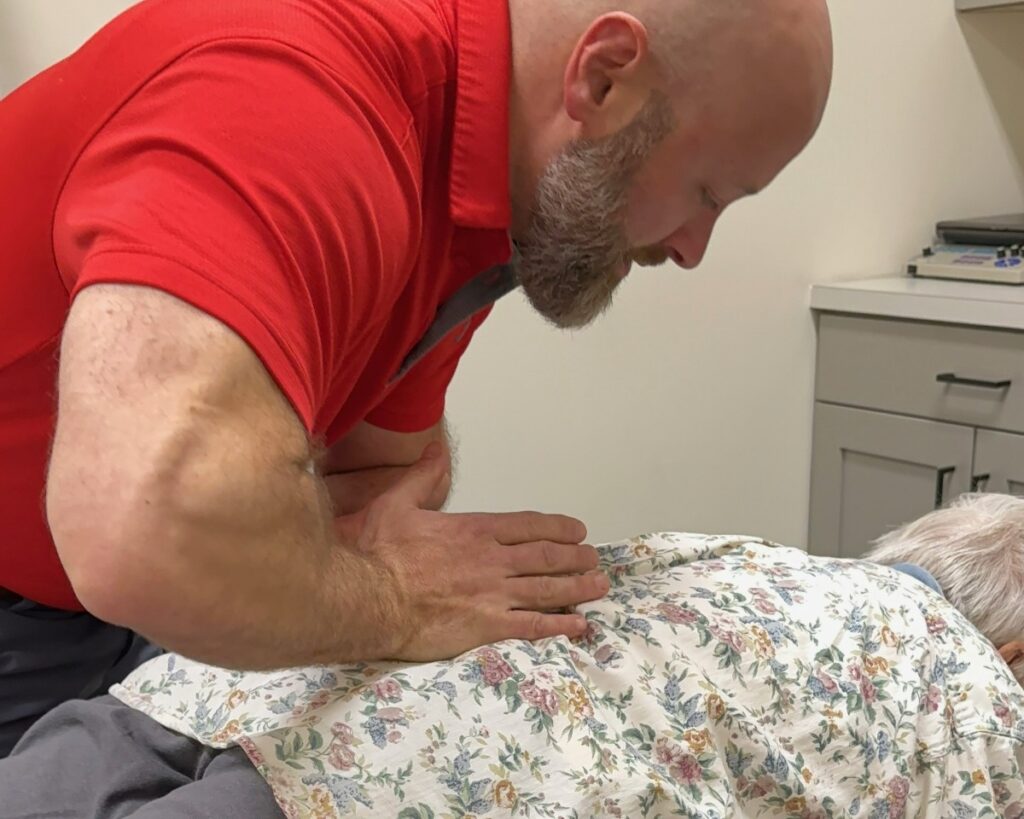
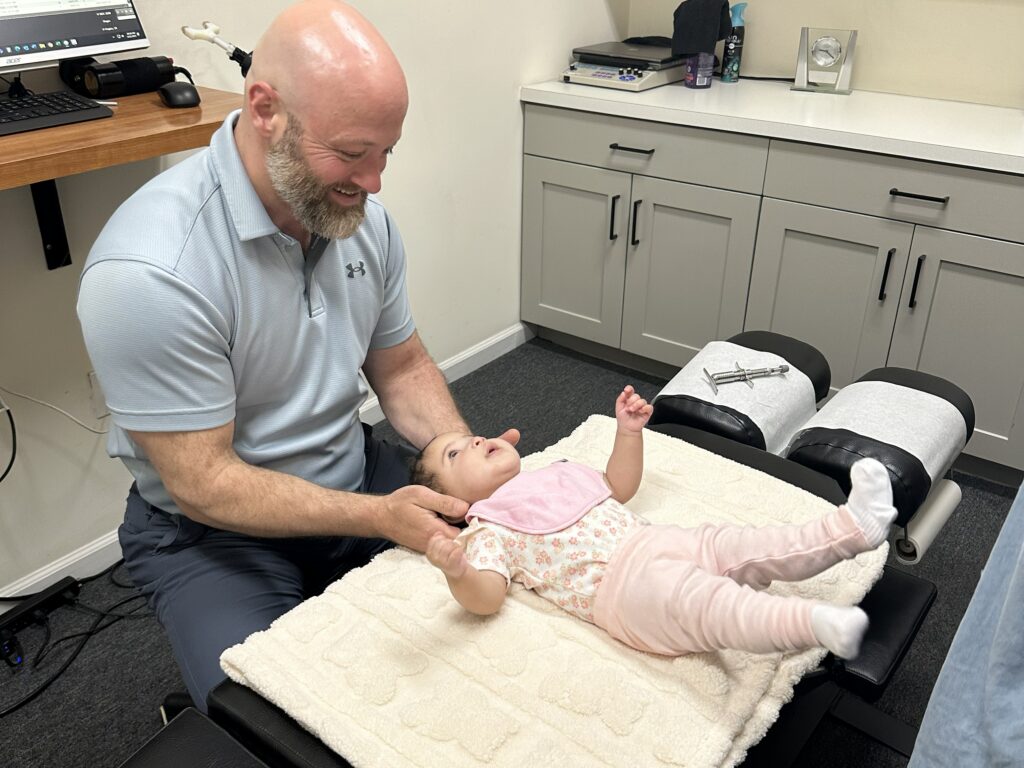
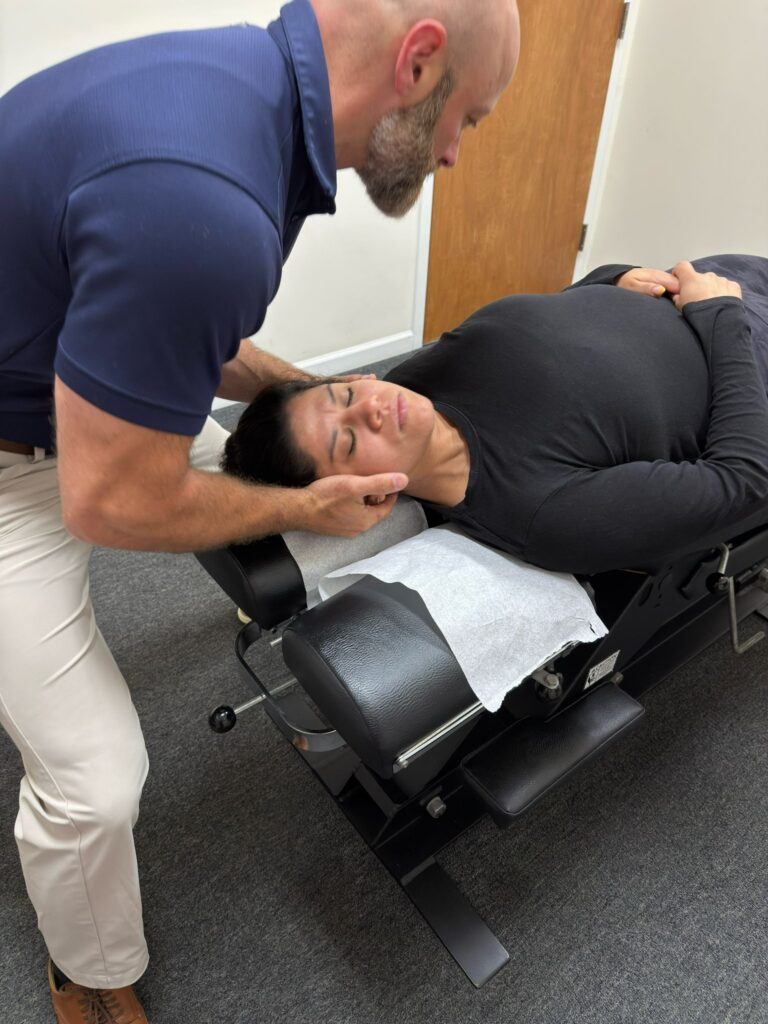
One key method we utilize is chiropractic therapy, which focuses on spinal alignment and overall body mechanics. By performing specific adjustments, we improve your range of motion, alleviate pain, and help your body function at its best—especially after a sports-related injury.
In addition to chiropractic care, I encourage you to explore other complementary therapies. Physical therapy is a fantastic option, where trained professionals work with you to regain strength, flexibility, and mobility following an injury. They create personalized exercise programs and use hands-on techniques to guide you back to peak performance.
Massage therapy is another effective avenue to consider. It aids in muscle recovery by relieving tension and improving circulation. Regular massage sessions can significantly reduce soreness and accelerate healing, allowing you to return to your sport more quickly.
Remember, relaxation is vital for both your body and mind.
Acupuncture is also worth mentioning. This ancient practice involves inserting thin needles into specific points on the body to relieve pain and promote healing. It enhances blood flow and releases endorphins, providing a natural way to manage discomfort.
Finally, don't overlook the importance of mental recovery. Cognitive behavioral therapy (CBT) can be an invaluable resource. By working with a licensed therapist, you can address the psychological aspects of your injury and stress, ultimately building resilience and a positive mindset.
By combining these therapies, including chiropractic care, you can create a comprehensive approach to recovery that supports both your physical and mental well-being.
If you have any questions or would like to learn more about how chiropractic care can benefit you, feel free to reach out!
Benefits of Personalized Plans
As a local chiropractor, I want to emphasize the importance of personalized recovery plans for maximizing your healing potential. Each individual's body is unique, and what works for one person may not be effective for another. By creating a recovery plan tailored specifically to your needs, we can focus on your individual strengths, weaknesses, and goals.
One of the key benefits of a personalized plan is its ability to target your specific injury or condition. Whether you're experiencing discomfort from a sprained ankle or dealing with a more complex issue, a customized approach allows us to concentrate on the exact area that needs care. This targeted treatment can't only accelerate your recovery but also help minimize the risk of re-injury.
In addition to addressing your specific injury, personalized plans take into account your training schedule, lifestyle, and overall health. By integrating these factors, your recovery can align seamlessly with your athletic commitments, ensuring you stay on track with your performance goals. This connection can enhance your motivation and commitment to the recovery process.
Furthermore, a customized plan often incorporates various therapeutic techniques that resonate with you. Whether it's spinal adjustments, therapeutic exercises, or natural modalities like ultrasound, having options tailored to your preferences can improve your experience and encourage consistency in your therapy sessions.
Ultimately, personalized plans empower you to take an active role in your recovery. By engaging in a process that's specifically designed for you, you not only build trust in your care but also pave the way for a quicker and more effective return to your sport or daily activities.
Take control of your healing journey with a chiropractic plan that's as unique as you are.
Building Resilience Through Therapy
Building resilience is crucial for everyone, including athletes, and chiropractic care can play a significant role in enhancing your mental and physical well-being.
By focusing on natural healing and proper alignment, you can develop effective coping strategies that help you tackle life's challenges.
Let's discuss how chiropractic treatment can empower you to recover and thrive, both in sports and everyday life.
Mental Toughness Development
To excel in the competitive world of sports, it's crucial to cultivate mental toughness alongside physical skills. As a chiropractor, I want to emphasize the importance of holistic approaches, including therapy, in building this resilience.
Here are four key areas where therapy can complement chiropractic care and enhance your mental toughness:
- Self-Awareness: Engaging in therapy allows you to reflect on your thoughts and emotions, helping you identify negative patterns that may affect your athletic performance. This heightened self-awareness can enhance the mind-body connection that we often work on in chiropractic sessions.
- Goal Setting: Collaborating with a therapist can aid you in establishing realistic and achievable goals. This structured approach not only boosts your confidence and motivation but also aligns with the physical improvements we aim for in our chiropractic treatments, keeping you focused on your journey to success.
- Stress Management: Therapy can provide you with effective coping strategies to manage stress during high-pressure situations. Coupled with the physical relief from chiropractic adjustments, these tools can help you perform at your best when it counts.
- Positive Mindset: Therapy promotes a positive mindset, encouraging you to view setbacks as opportunities for growth. This shift in perspective can significantly enhance your resilience, complementing the physical well-being we strive for through chiropractic care.
Coping Strategies Enhancement
Enhancing your coping strategies through chiropractic care can significantly strengthen your resilience as an athlete. When you face setbacks or challenges, having effective coping mechanisms helps you manage stress and adversity more effectively.
Chiropractic care provides a holistic approach to healing, allowing you to explore your physical and emotional well-being, identify tension and imbalances in your body, and develop practical tools to support your overall health.
During your visits, you'll experience techniques such as spinal adjustments, soft tissue therapy, and postural alignment. These strategies help you maintain focus and positivity, even in demanding situations. For example, regular chiropractic adjustments can relieve physical tension and improve your body's ability to respond to stress, which can reduce anxiety before competitions.
Additionally, aligning your spine can enhance your overall performance by improving your body's communication and function.
Furthermore, chiropractic care encourages self-awareness, helping you recognize how physical discomfort can affect your mental state. This understanding is crucial when you encounter pressure or challenges.
With the right support from chiropractic care, you'll not only recover from setbacks more rapidly but also develop a stronger, more resilient mindset. Embracing a holistic approach to your health can empower you as an athlete, allowing you to thrive both physically and mentally.
Integrating Therapy Into Training
Integrating chiropractic care into your training routine can significantly enhance your athletic performance and facilitate quicker recovery. By incorporating chiropractic practices into your regimen, you can optimize your physical health, boost mental resilience, and improve your overall effectiveness in your sport.
Here's how you can seamlessly weave chiropractic care into your training:
1. Schedule Regular Chiropractic Adjustments: Make chiropractic visits a staple of your training schedule. Consistent adjustments can help maintain proper alignment and mobility, which are crucial for peak performance.
Whether you're dealing with an injury or looking to enhance your overall functionality, regular sessions are essential.
2. Implement Recovery Strategies: Combine chiropractic adjustments with recovery methods such as foam rolling, stretching, and other self-care techniques.
These practices reduce muscle soreness and inflammation, helping your body recover more efficiently between training sessions.
3. Prioritize Your Mental Health: It's essential to recognize the link between physical alignment and mental wellness.
Incorporating mindfulness practices or consultations with a chiropractor can enhance your focus and alleviate stress. A balanced mind and body can lead to remarkable improvements in your performance.
4. Educate Yourself on Chiropractic Benefits: Take the time to learn about different chiropractic techniques and how they can support your training goals.
Understanding how chiropractic adjustments work and their benefits can empower you to make informed choices about your health and recovery process.
Conclusion
Incorporating trusted chiropractic care into your recovery routine is crucial for enhancing both your performance and overall well-being as an athlete. Many people may not realize the significant role that mental health plays in physical recovery, and that's where a holistic approach comes in. As a chiropractor, I can help you understand how various therapeutic techniques, including spinal adjustments and soft tissue therapy, can be tailored to meet your individual needs.
These methods not only promote faster healing but also build resilience, so you can return to your sport even stronger. Remember, investing in your recovery through chiropractic care is an investment in your future success as an athlete. Don't underestimate the transformative power of personalized support and natural healing on your journey to optimal performance. Let's work together to create a recovery plan that works for you!