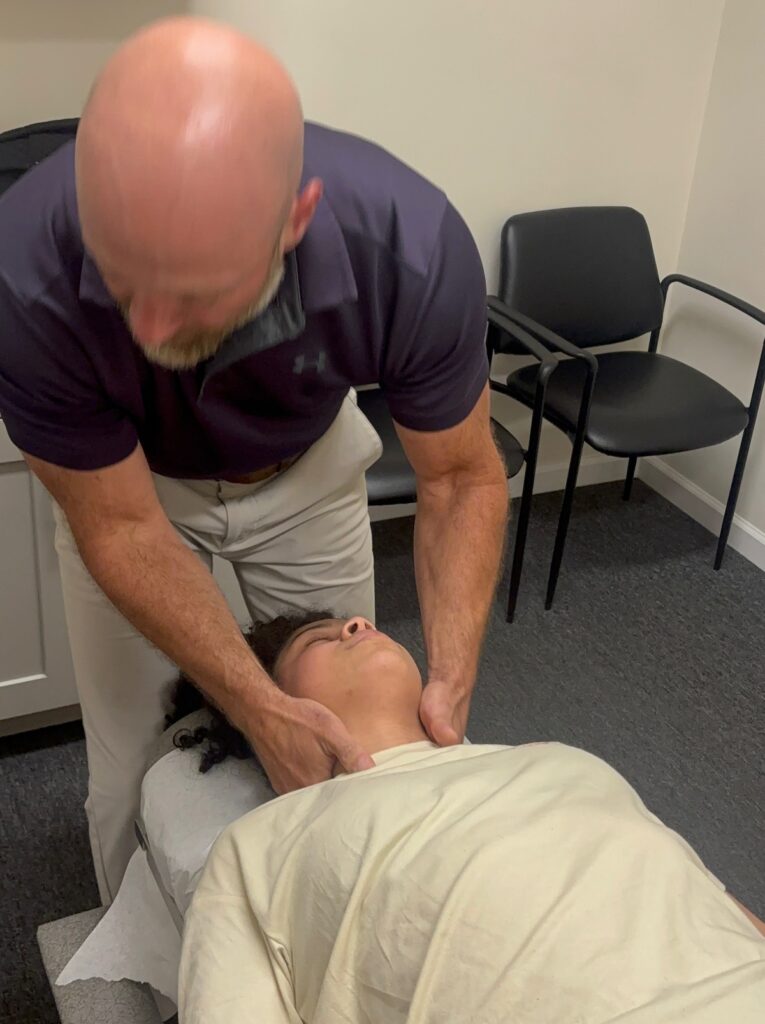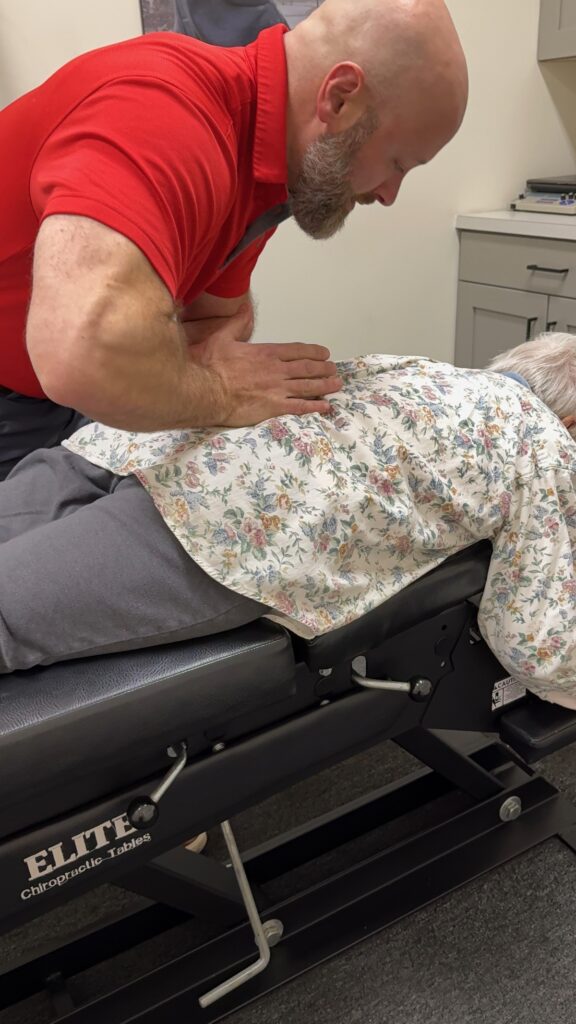

As a local chiropractor, I understand that many of you may be grappling with chronic pain and seeking effective ways to manage it without relying heavily on medication. It's important to know that there are numerous natural approaches that can not only ease your discomfort but also improve your overall well-being.
In my practice, I often recommend a variety of methods, from dietary changes to mindfulness techniques, that can be integrated into your daily routine. These strategies are designed to promote healing and enhance your quality of life. You might be surprised to learn how simple lifestyle adjustments can lead to meaningful improvements in your pain levels and daily function.
So, let's explore these ten strategies together and discuss how they can fit seamlessly into your life. By embracing these natural healing methods, you may discover a new path to relief and wellness that supports your body's innate ability to heal.
Dietary Adjustments
As a local chiropractor, I want to emphasize the significant role your diet can play in managing chronic pain. Many people are unaware that the foods we consume can greatly influence our body's inflammatory responses. By focusing on incorporating anti-inflammatory foods into your daily meals, you can potentially reduce your pain levels and enhance your overall well-being.
Start by adding more fruits and vegetables to your diet, particularly those that are high in antioxidants. Berries, leafy greens, and cruciferous vegetables like broccoli and kale are excellent choices. These nutrient-rich foods can help combat inflammation and support your body's healing processes.
Don't overlook the importance of healthy fats! Omega-3 fatty acids, which are abundant in fatty fish such as salmon and in plant sources like flaxseeds, have been shown to reduce inflammation. I recommend swapping out saturated fats found in processed foods and red meats for healthier fats such as olive oil, nuts, and avocados. Although these changes may seem minor, they can lead to significant improvements in how you feel over time.
Staying hydrated is also crucial for managing pain. Drinking sufficient water helps your body eliminate toxins and supports optimal joint function. Conversely, it's wise to limit your intake of refined sugars and processed foods, as these can increase inflammation and exacerbate your pain.
Additionally, I encourage you to keep a food diary. Tracking what you eat can help you identify specific foods that may trigger your pain. By recognizing these triggers, you can customize a diet that caters to your unique needs.
Through mindful dietary adjustments, you can take an active role in managing your chronic pain and improving your quality of life. As a chiropractor, I'm here to guide you on this journey toward natural healing and overall wellness.
Regular Exercise
As a local chiropractor, I often emphasize the importance of incorporating regular exercise into your routine as a powerful tool for managing chronic pain. It may seem counterintuitive to move more when you're feeling discomfort, but gentle physical activity can significantly alleviate pain and enhance your overall well-being.
When you engage in exercise, your body produces endorphins, which serve as natural pain relievers. These hormones not only boost your mood but also help diminish your perception of pain.
I recommend starting with low-impact activities that align with your current fitness level. Options such as walking, swimming, or cycling can be fantastic choices. Aim for at least 30 minutes of moderate exercise most days of the week. Remember, you don't have to complete all of that in one go; breaking it into shorter sessions can make it more achievable.
It's essential to listen to your body, adjusting the intensity as needed. Consistency is vital, so I encourage you to find activities that you genuinely enjoy to maintain your motivation.
Beyond pain relief, regular exercise can improve your flexibility, strength, and endurance. Enhanced strength and flexibility can provide better support for your joints, reducing strain on painful areas. As you increase your activity level, you may also notice a boost in your energy and an improvement in your sleep quality.
If you're unsure where to start, I encourage you to consult with a healthcare professional or a physical therapist. Together, we can create a tailored exercise plan that meets your specific needs.
Mindfulness and Meditation
As a local chiropractor, I want to share with you how mindfulness and meditation can be incredibly effective in managing chronic pain. These practices allow you to focus your attention and calm your mind, which can lead to significant relief and an overall improvement in your well-being.
In my experience, incorporating mindfulness into your daily routine can complement the chiropractic care you receive.
Let's discuss the benefits of mindfulness, some techniques you can try, and how to seamlessly integrate these practices into your life for better pain management and healing.
Benefits of Mindfulness
As a local chiropractor, I want to share with you how practicing mindfulness can significantly enhance your approach to managing chronic pain. Incorporating mindfulness into your daily routine allows you to focus on the present moment, fostering a deeper awareness of your pain and how your body responds to it. This shift in perspective can lead to a variety of benefits that support your overall well-being.
- Reduced Stress: Mindfulness is a powerful tool for lowering stress levels, which can often worsen pain. When you reduce stress, your body tends to feel more relaxed and less tense, making it easier to cope with discomfort.
- Enhanced Emotional Regulation: Through mindfulness, you'll gain better control over your emotions. This practice teaches you to accept pain rather than resist it, enabling you to manage your feelings more effectively and cope with discomfort in a healthier way.
- Increased Pain Tolerance: Many of my patients find that their perception of pain changes as they practice mindfulness regularly. You may notice that pain feels less intense, allowing you to participate more fully in your daily activities and enjoy life.
- Improved Focus and Concentration: Mindfulness can sharpen your focus, providing a valuable distraction from pain. This clarity can empower you to approach challenges with a fresh perspective, enhancing your overall quality of life.
As your chiropractor, I encourage you to explore the benefits of mindfulness as part of your holistic approach to managing chronic pain. It can be a powerful ally in your journey toward healing and well-being.
Give it a try and see how it can positively impact your life!
Meditation Techniques Explained
As a local chiropractor, I want to share how meditation techniques can be powerful allies in your journey toward managing chronic pain alongside chiropractic care. By focusing your mind and building awareness, you can create a sense of calm that helps alleviate discomfort.
One effective method is mindfulness meditation. This involves sitting quietly, paying attention to your breath, and noticing any sensations in your body without judgment. This practice enhances your awareness of your body's signals, allowing you to respond to pain more effectively.
Another technique we often recommend is body scan meditation. In this practice, you lie down comfortably and mentally scan your body from head to toe, identifying areas of tension or pain. By directing your attention to these areas, you can promote relaxation and relieve stress, which complements the adjustments you receive in our office.
Loving-kindness meditation is also a valuable practice. This involves silently repeating phrases of goodwill toward yourself and others, which fosters compassion and can reduce the feelings of isolation that often accompany chronic pain.
Lastly, guided meditations, available through various apps and online resources, can provide the support and structure you need as you explore these techniques.
I encourage you to try different approaches and discover what resonates with you. Your commitment to incorporating these practices can significantly enhance your pain management strategy, working hand-in-hand with the care you receive from chiropractic treatments.
Incorporating Mindfulness Daily
Integrating mindfulness into your daily routine can significantly enhance your journey towards managing chronic pain, especially when paired with chiropractic care. By focusing on the present moment, you can alleviate stress and improve your overall well-being.
Here are four straightforward strategies to incorporate mindfulness into your day, tailored to support your healing process:
- Start your day with intention: As a chiropractor, I encourage you to take a few minutes each morning to set a positive intention for your day. Reflect on how you want to feel—aiming for acceptance and calmness can lay a strong foundation for your physical and emotional health.
- Practice mindful breathing: Throughout your day, especially during moments of discomfort, take a moment to engage in mindful breathing. Inhale slowly, hold for a moment, and then exhale fully. This simple practice can ground you and help release tension in your body, complementing the adjustments you receive in our office.
- Engage in mindful activities: Whether you're eating, walking, or doing household chores, focus on each sensation. Pay attention to the flavors, textures, and sounds around you. This mindfulness can enhance your awareness of your body and its needs, promoting a deeper connection to your healing journey.
- End your day with gratitude: Before you go to sleep, take a moment to write down three things you're grateful for. This practice helps shift your focus from any pain you may be experiencing to the positive aspects of your life, fostering a sense of peace that supports your overall wellness.
Incorporating these mindfulness practices into your daily routine can work synergistically with chiropractic care, empowering you to take an active role in your healing process.
Herbal Remedies
As a local chiropractor, I want to share with you the benefits of herbal remedies in managing chronic pain. Many of my patients are looking for natural alternatives to pharmaceutical drugs, and herbal solutions can often provide effective relief without the side effects.
Let's start with turmeric. This vibrant yellow spice contains curcumin, which is known for its powerful anti-inflammatory properties. Incorporating turmeric into your diet, whether in your meals or as a supplement, can help reduce inflammation and alleviate pain.
Another herb to consider is ginger. It's not just a tasty addition to your cooking; ginger has been shown to soothe muscle soreness and joint pain. I often recommend brewing a cup of ginger tea or adding fresh ginger to your meals for its therapeutic benefits.
Have you heard of willow bark? It has been used for centuries for its pain-relieving effects, similar to aspirin. You can find it in supplement form or as a tea, but be sure to check with me first if you have any allergies to salicylates.
Boswellia is another herb I frequently discuss with my patients. It's recognized for its anti-inflammatory properties and can be especially beneficial for conditions like arthritis.
Don't forget about peppermint oil! This essential oil can be applied topically to relieve headaches and muscle tension, but it's important to dilute it with a carrier oil before use to avoid skin irritation.
Lastly, chamomile is a calming herb that can help reduce pain associated with stress and anxiety. It's a great addition to your evening routine, promoting relaxation.
Before you start any herbal regimen, I strongly encourage you to consult with me or another healthcare professional. This is especially important if you're currently taking other medications.
Acupuncture Therapy
As a local chiropractor, I want to share with you the remarkable benefits of acupuncture therapy in managing chronic pain—a natural approach that deserves more attention.
This time-honored practice, deeply rooted in Traditional Chinese Medicine, involves the insertion of thin needles into specific points on your body. These points are linked to pathways of energy, known as "qi." When this energy is balanced, it can lead to significant pain relief and enhance your overall well-being.
If you're exploring natural options for chronic pain relief, here are four key benefits of acupuncture to consider:
- Decreases Inflammation: Acupuncture is effective in reducing inflammation in your body, which can be a major factor in chronic pain. By focusing on targeted areas, this therapy encourages healing and lessens discomfort.
- Stimulates Endorphin Production: The insertion of needles prompts your body to release endorphins, which are your natural pain relievers. This process can induce a sense of calm and relief, making it easier for you to manage pain effectively.
- Boosts Blood Circulation: One of the advantages of acupuncture is improved blood flow. Enhanced circulation means that more oxygen and nutrients are delivered to the areas affected by pain, aiding in recovery and helping to lower pain levels.
- Promotes Overall Wellness: Acupuncture doesn't just address pain; it can also elevate your mood and improve your sleep quality. When you feel better overall, it becomes easier to cope with the challenges of chronic pain.
As you consider your options for pain management, I encourage you to explore the benefits of acupuncture as part of a holistic approach to your health.
Heat and Cold Therapy
As a local chiropractor, I want to share with you an effective and natural method for managing chronic pain: heat and cold therapy. Many of my patients have found that by applying heat or cold to affected areas, they can significantly alleviate discomfort and improve their overall function.
Heat therapy is particularly beneficial as it increases blood flow, relaxes tight muscles, and eases stiffness. You can easily incorporate this into your routine by using a heating pad, a warm towel, or enjoying a soothing warm bath. This comforting sensation penetrates deep into your tissues, promoting relaxation and healing.
On the flip side, cold therapy is a fantastic option for numbing pain and reducing inflammation, especially in the case of acute injuries or flare-ups. Ice packs or even a bag of frozen vegetables wrapped in a cloth can be great tools for providing relief. I recommend applying cold therapy for about 15-20 minutes at a time, ensuring you allow your skin to return to its normal temperature between sessions.
Choosing between heat and cold often depends on your specific condition. If you're experiencing muscle tension or chronic soreness, heat therapy might be the way to go. However, if you're dealing with swelling or sharp pain, cold therapy could provide more relief. It's essential to listen to your body and observe how it responds to each method.
For some patients, alternating between heat and cold therapy can enhance relief. This contrast can stimulate circulation and promote healing. Just be sure to protect your skin to prevent burns or frostbite.
Essential Oils
As a local chiropractor, I want to share how essential oils can serve as valuable tools in managing chronic pain.
Many of my patients find relief with popular options like lavender and peppermint, each offering distinct benefits.
Additionally, there are various application techniques we can discuss that can enhance the effectiveness of these natural remedies.
Let's explore how incorporating essential oils into your pain relief routine can complement your chiropractic care and promote a holistic approach to healing.
Popular Essential Oils
As a local chiropractor dedicated to promoting natural healing methods, I want to share how aromatherapy can be an effective complement to your wellness journey, especially when it comes to managing chronic pain.
Essential oils can be powerful allies in reducing inflammation, alleviating discomfort, and promoting relaxation. Here are four essential oils that I often recommend to my patients:
- Lavender Oil: Renowned for its calming properties, lavender oil can help alleviate tension and anxiety, which often accompany chronic pain. By promoting relaxation, it can contribute to an overall sense of well-being.
- Peppermint Oil: Known for its refreshing and cooling sensation, peppermint oil is excellent for soothing sore muscles and headaches. Many of my patients find it particularly helpful for immediate pain relief after chiropractic adjustments.
- Eucalyptus Oil: This oil is recognized for its anti-inflammatory benefits and can help clear the mind while easing muscle and joint pain. Incorporating eucalyptus oil into your routine may enhance the effects of chiropractic care.
- Ginger Oil: Often appreciated for its warming effects, ginger oil can improve circulation and reduce inflammation. It's a great option for those seeking relief from chronic pain and complements the adjustments I provide.
By incorporating these essential oils into your daily routine, you may enhance your overall health and well-being.
Remember that each oil has unique properties, so I encourage you to explore which ones resonate with you. Your path to managing chronic pain naturally can be more effective with the right essential oil allies alongside your chiropractic care.
If you have any questions or would like to discuss how these oils can fit into your treatment plan, feel free to reach out!
Application Techniques
As a local chiropractor, I often see patients dealing with chronic pain, and I believe in the power of natural healing methods, including essential oils. Understanding the right application techniques can significantly enhance their benefits for pain relief.
Let's start with topical application. It's essential to dilute essential oils in a carrier oil, such as coconut or jojoba oil, before applying them to your skin. This dilution not only helps to prevent any skin irritation but also allows the oils to penetrate more effectively. A good rule of thumb is to use 2-3 drops of essential oil per teaspoon of carrier oil.
When applying the oil blend, consider using a gentle massage technique. This approach not only aids in better absorption of the oils but also promotes circulation in the painful area. You can apply your mixture to sore muscles, joints, or any other areas causing discomfort, using circular motions to enhance relief.
Inhalation is another effective technique worth trying. You can add a few drops of essential oil to a diffuser or a bowl of hot water and breathe deeply. This method can help alleviate pain by reducing stress and promoting relaxation, both of which are crucial for healing.
Lastly, warm compresses can be a soothing technique. Simply soak a cloth in warm water mixed with a few drops of essential oil, then place it on the area that hurts. The combination of warmth and the aroma from the oils can provide a wonderful sense of relief.
Sleep Hygiene
As a local chiropractor, I want to emphasize the importance of good sleep hygiene for managing chronic pain and improving your overall well-being. Many people overlook the impact of sleep on their health, but prioritizing your sleep environment and habits can significantly enhance the quality of your rest, helping to alleviate the effects of chronic pain.
Here are some practical tips I often share with my patients to foster better sleep hygiene:
- Stick to a Schedule: Try to go to bed and wake up at the same time every day, including weekends. This consistency helps regulate your body's internal clock, making it easier for you to fall asleep and wake up feeling refreshed and ready to tackle the day.
- Create a Relaxing Environment: Ensure that your bedroom is a sanctuary for sleep. Keep the room dark, quiet, and cool, which can help facilitate a restful night. You might consider using blackout curtains to block out light or a white noise machine to mask any disruptive sounds.
- Limit Screen Time: Be mindful of your screen time, especially in the hour leading up to bedtime. The blue light emitted by your phone, tablet, or computer can interfere with melatonin production, making it harder for you to drift off to sleep. Aim to unplug and unwind before bedtime.
- Establish a Wind-Down Routine: Engage in calming activities before you hit the hay, such as reading a book, practicing meditation, or doing gentle stretches. This routine can signal to your body that it's time to relax and prepare for a restorative night of sleep.
By incorporating these tips into your daily routine, you can improve your sleep hygiene, which is essential for managing chronic pain and enhancing your overall health.
Physical Therapy
As a local chiropractor, I want to emphasize the transformative role that chiropractic care can play in managing chronic pain.
By concentrating on aligning the spine and improving your body's overall function, we can enhance your mobility and significantly reduce discomfort.
Our personalized treatment plans are designed to address your unique needs, helping you learn effective natural healing techniques that promote long-term wellness.
Chiropractic care not only targets pain relief but also encourages a healthier, more active lifestyle.
Strengthening Muscles and Flexibility
As a local chiropractor, I want to emphasize the importance of strengthening your muscles and improving flexibility as key components in managing chronic pain naturally.
When your muscles are robust and flexible, they offer better support for your joints, which can significantly alleviate strain and discomfort.
Here are some essential exercises I recommend for evaluation:
- Stretching: It's important to incorporate gentle stretching into your daily routine. Regular stretching can enhance flexibility and reduce muscle tension, making your everyday movements smoother and more comfortable.
- Strength Training: I suggest focusing on low-impact strength training exercises. Utilizing resistance bands or light weights can effectively build muscle strength without placing excessive stress on your body. This approach is particularly beneficial for those with chronic pain.
- Core Exercises: Strengthening your core is vital for improving posture and stability. Practices like Pilates or yoga not only enhance core strength but also promote flexibility, which is essential for overall body function.
- Balance Training: Adding balance exercises to your routine can be incredibly beneficial. Activities such as tai chi or simply practicing standing on one foot can improve your stability and coordination, reducing your risk of injury and promoting better overall health.
By integrating these exercises into your lifestyle, you can take proactive steps toward managing your pain naturally and improving your overall well-being.
Pain Management Techniques
As a local chiropractor, I want to share how effective pain management techniques, particularly chiropractic care, can significantly improve your journey toward relief from chronic pain. Chiropractic care focuses on restoring proper alignment and function to your spine and joints, which can lead to enhanced strength, flexibility, and overall well-being.
When you visit a chiropractor, you'll receive personalized adjustments and therapies designed to target your specific pain areas. These targeted treatments can help restore mobility and reduce discomfort, allowing you to engage in daily activities with greater ease.
One of the primary benefits of chiropractic care is the education you gain about your body. I'll work with you to identify your pain triggers and teach you strategies to avoid them. Moreover, I'll provide guidance on proper body mechanics and posture, which can help prevent future injuries. This not only alleviates your current pain but also supports long-term health improvements.
In addition to spinal adjustments, chiropractic care may incorporate various natural healing modalities such as massage, stretching, and rehabilitation exercises to soothe your muscles and joints.
Regular visits can help establish a routine that prioritizes movement and wellness, which is crucial in managing chronic pain effectively. By choosing chiropractic care, you're taking a proactive step toward better health and an improved quality of life.
Personalized Treatment Plans
As a local chiropractor, I want to emphasize the importance of personalized treatment plans in managing chronic pain and supporting your journey to recovery. Unlike a one-size-fits-all approach, tailoring your treatment to fit your unique needs can significantly enhance your ability to cope with pain and improve your overall well-being.
One of the core components of chiropractic care is physical therapy, which focuses on techniques that help you regain strength and mobility.
Here are four key elements to consider when developing your personalized treatment plan with us:
- Comprehensive Assessment: During your initial visit, I'll conduct a thorough evaluation of your condition to identify the sources of your pain and any functional limitations you may have. This assessment is crucial for understanding your specific needs.
- Collaborative Goal Setting: Together, we'll establish realistic and achievable goals that center around improving your quality of life and reducing your pain levels. This collaboration ensures that your treatment aligns with your personal aspirations.
- Tailored Chiropractic Techniques: You'll receive customized chiropractic adjustments and therapeutic exercises designed to strengthen your muscles, enhance flexibility, and improve your overall function. These methods are specifically chosen to address your individual condition.
- Continuous Support and Monitoring: Regular follow-up appointments are essential for tracking your progress and making necessary adjustments to your treatment plan. This ongoing support ensures that your care remains effective and responsive to your evolving needs.
By understanding and engaging in a personalized treatment plan, you can empower yourself on the path to healing and regain control over your pain management.
Together, we can explore the natural healing benefits of chiropractic care that can lead to lasting relief.
Stress Management Techniques
As a local chiropractor, I understand that navigating the challenges of chronic pain can be overwhelming. It's crucial to manage stress effectively for your overall well-being, as chronic pain can significantly elevate your stress levels, creating a cycle that exacerbates your condition. By implementing effective stress management techniques, you can break this cycle and find relief.
Let's start with mindfulness meditation. Just dedicating a few minutes each day can help you stay grounded in the present, reducing those anxious thoughts that often accompany pain. Find a quiet space, close your eyes, and focus on your breath. If your mind starts to wander, gently bring your attention back to your breathing.
Deep breathing exercises are another powerful tool at your disposal. When stress starts to creep in, take a moment to inhale deeply through your nose, hold for a few seconds, and then exhale slowly through your mouth. This simple practice can help lower your heart rate and calm your mind, making it easier to cope with discomfort.
Incorporating physical activity into your routine is equally important. Gentle exercises such as yoga or tai chi not only enhance flexibility but also promote the release of endorphins, which can help alleviate pain. Choose a routine that fits your abilities, and always listen to your body's signals.
Lastly, I encourage you to consider journaling as a way to process your thoughts and feelings. Writing down your experiences can provide an emotional outlet, aiding your journey in managing pain and stress. Set aside time each day to reflect or express gratitude for the positive aspects of your life.
As your chiropractor, I'm here to support you on your wellness journey. Together, we can explore more natural healing methods that complement these stress management techniques and enhance your quality of life.
Conclusion
As a local chiropractor, I want to emphasize the importance of incorporating natural methods into your daily routine to effectively manage chronic pain. By focusing on dietary adjustments, regular exercise, and mindfulness practices, you can take proactive steps toward finding relief.
I encourage you to explore herbal remedies, acupuncture, and the use of essential oils, as these can provide valuable support in your healing journey. Additionally, prioritizing sleep hygiene and managing stress will not only enhance your overall well-being but also complement the chiropractic care you receive.
By embracing this holistic approach, you may discover the relief you've been searching for. Remember, chiropractic care is all about supporting your body's natural ability to heal, and integrating these practices can greatly enhance your health and quality of life.