

If you’ve ever wondered what actually happens during a chiropractic adjustment for back pain, you’re not alone. It’s one of the most common questions patients ask before their very first visit. Maybe you’ve heard the sound — that satisfying pop or crack — and you’re curious about what it means. Or maybe you’re simply nervous and want to know what to expect. Whatever brought you here, you’re in the right place. At Fanwood Back Relief Center, with offices in both Fanwood, NJ and Flemington, NJ, Dr. Eric Chludzinski works with patients every day who walk in unsure of what a back pain adjustment involves — and walk out feeling informed, relieved, and well cared for.
What is a chiropractic back pain adjustment?
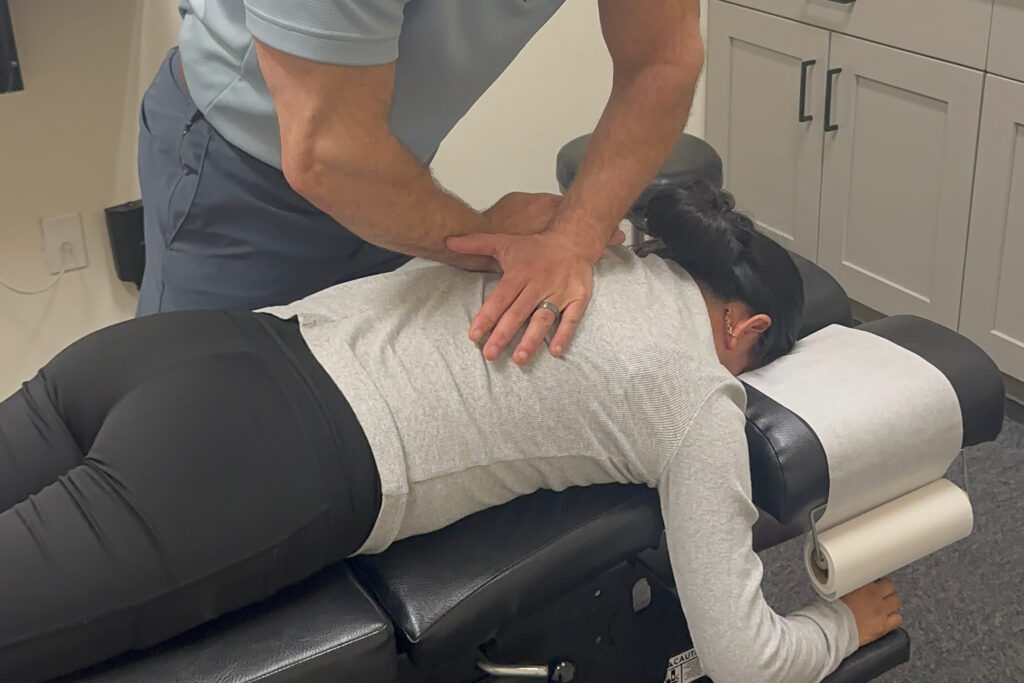
A chiropractic adjustment is a hands-on technique in which a trained chiropractor applies a controlled, precise force to a specific joint in the spine. The goal is to restore proper motion, reduce nerve irritation, and help the body move and feel better. It is a non-invasive, drug-free form of care that has been practiced for well over a century.
What Is a Back Pain Adjustment?
At its core, a chiropractic adjustment — sometimes called spinal manipulation — is a carefully applied movement directed at one or more vertebral joints in your spine. When joints in your back become restricted, misaligned, or stop moving the way they should, the surrounding muscles tighten up, inflammation can develop, and nerves may become irritated. This combination is often what produces that nagging, sometimes debilitating back pain that sends people searching for a chiropractor near me.
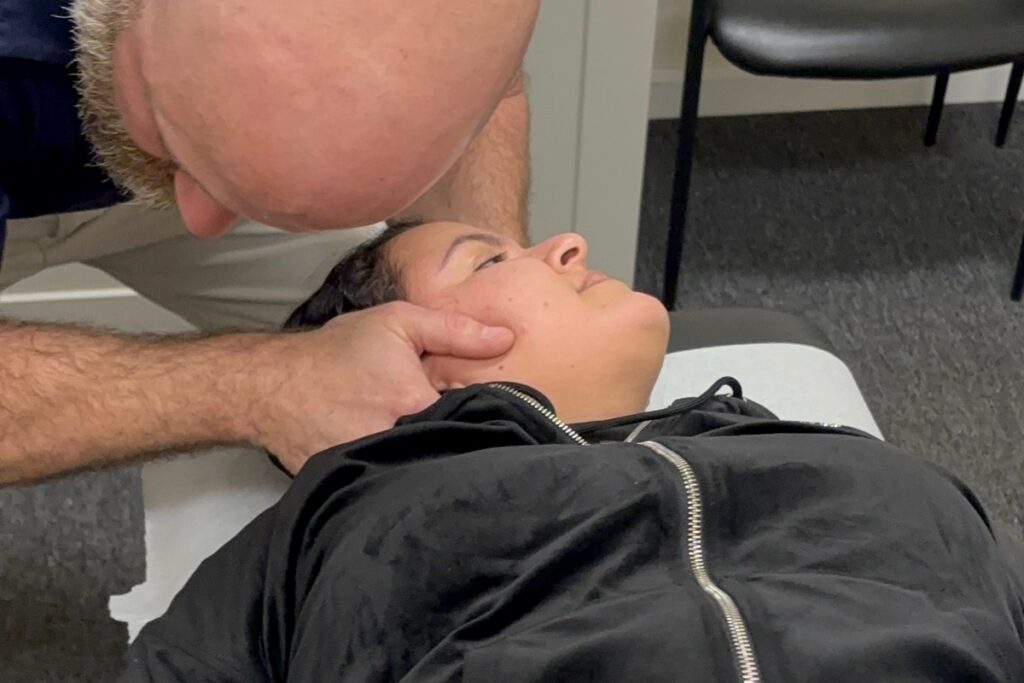
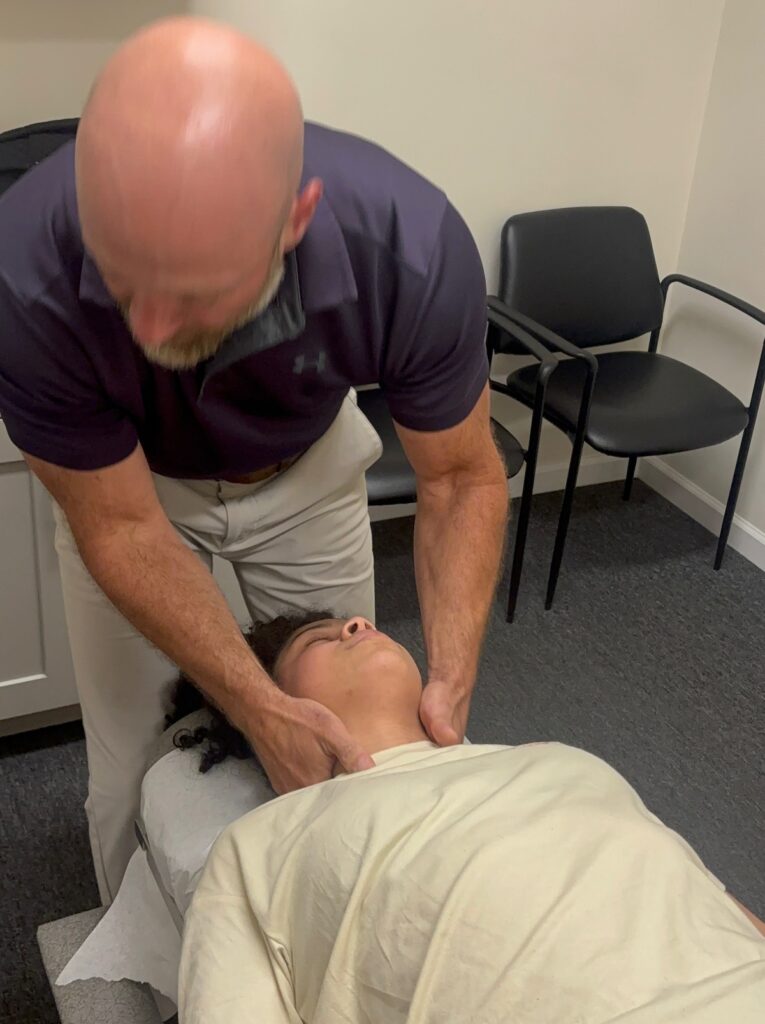
Dr. Eric Chludzinski uses his hands to deliver a quick, controlled thrust to the targeted joint. This restores proper movement to the area and can relieve pressure on the surrounding tissues. The adjustment itself is generally very quick — often just a second or two per joint — though your overall appointment involves much more than just that moment of contact.
Chiropractic care focuses on the relationship between the spine and the nervous system. When the spine is functioning properly, the nervous system can communicate more effectively throughout the body. This is why many patients notice improvements not just in their back pain, but in how they feel overall after consistent care.
Common Chiropractic Techniques for Back Pain
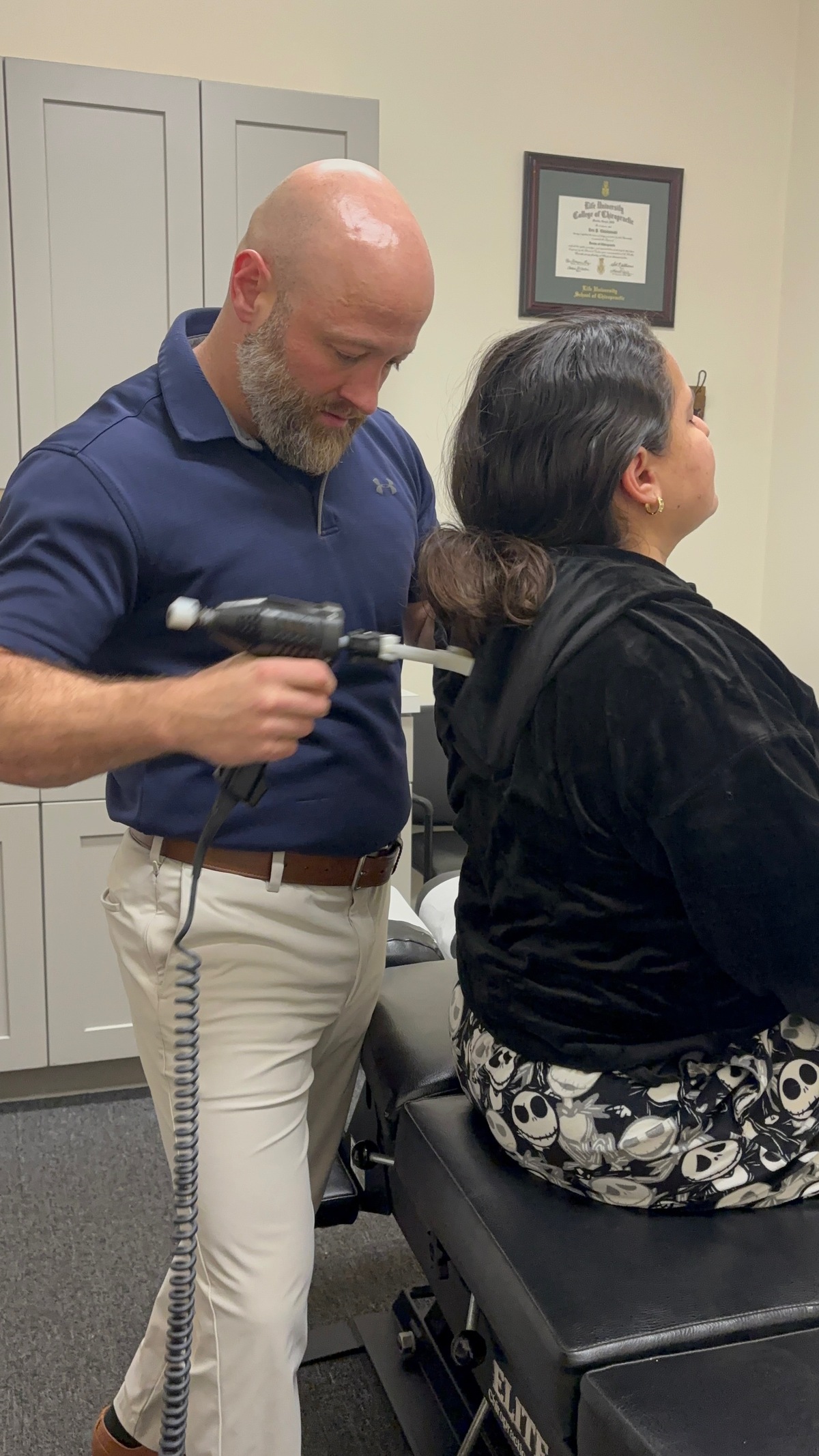
One of the things patients often don’t realize is that there is more than one way to perform a chiropractic adjustment. Dr. Eric Chludzinski tailors the technique to each patient’s specific condition, comfort level, age, and overall health. Here’s a look at the most well-established manual chiropractic techniques used for back pain.
The Diversified Technique
This is the most widely used chiropractic adjustment method in practice today. The diversified technique involves a short, high-velocity, low-amplitude thrust delivered directly to a spinal joint by hand. This is the technique most people associate with chiropractic care — it is often what produces the audible pop or cracking sound that surprises first-time patients. That sound is simply the release of gas bubbles within the joint fluid, and it is entirely harmless. The diversified technique is highly adaptable and can be applied to nearly every area of the spine, making it a cornerstone of back pain care at Fanwood Back Relief Center.
The Gonstead Technique
The Gonstead technique is known for its precision. Rather than adjusting multiple segments broadly, this approach focuses on identifying the specific vertebral level that is most restricted or misaligned and addressing it directly. It involves a thorough analysis of the spine before any adjustment is made, including careful palpation of the joints and assessment of the patient’s posture and movement patterns. Patients who receive Gonstead adjustments often appreciate how targeted and methodical the process feels. It is a particularly effective approach for patients dealing with localized, specific areas of back pain.
The Thompson Drop Technique
The Thompson drop-table technique uses a specially designed chiropractic table with sections that drop slightly when the adjustment is delivered. The chiropractor applies a quick thrust, and the drop piece of the table gives way, allowing the force to travel through the joint more gently. This technique is often used for patients who prefer a lower-force approach or who may not be comfortable with the more direct thrust of the diversified method. It is a great option for patients of all ages and is particularly popular among those who are new to chiropractic care or have some sensitivity in their joints.
Flexion-Distraction Technique
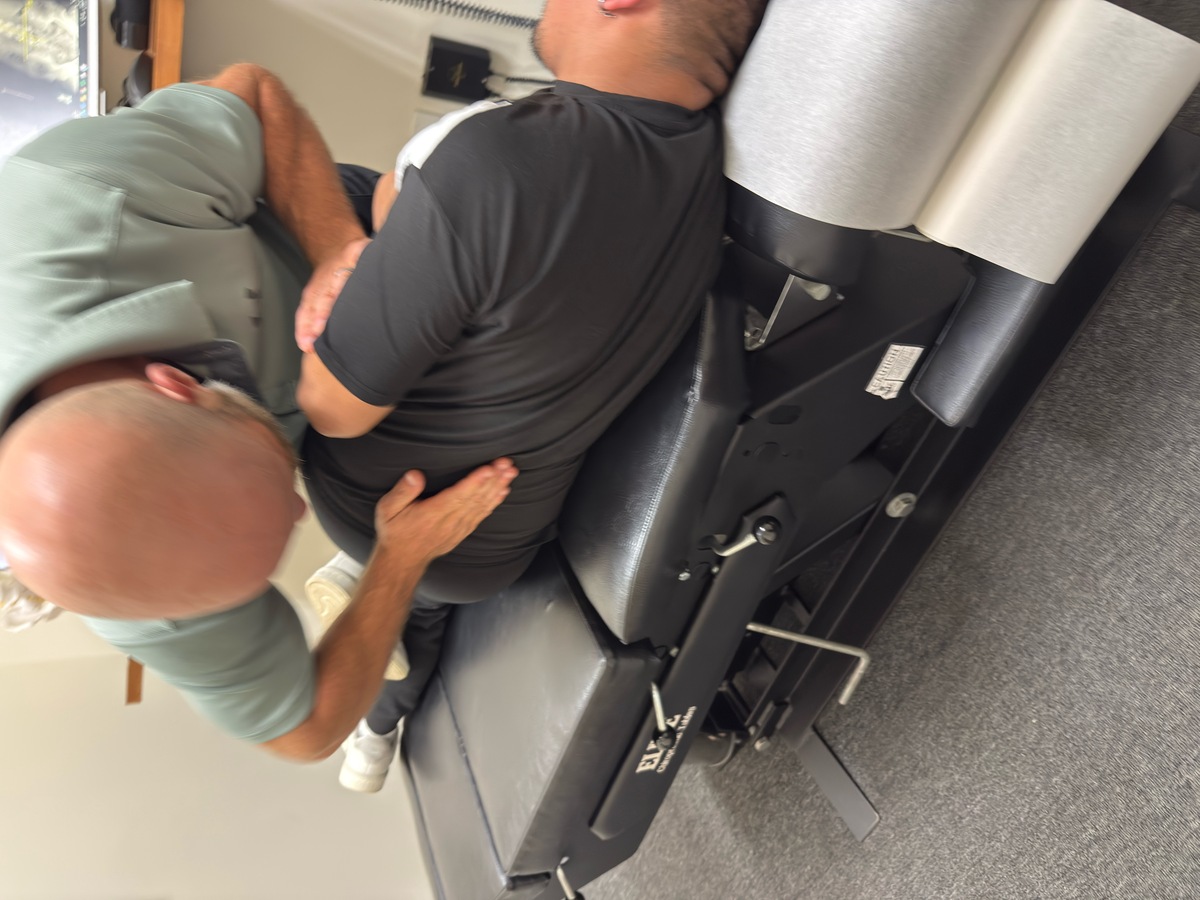
Flexion-distraction is a gentler, non-thrusting approach that uses a specialized table to gently stretch and flex the spine in a rhythmic motion. The chiropractor guides the movement while applying light pressure to specific spinal segments. This technique is especially helpful for patients dealing with disc-related back pain, sciatica, or significant stiffness. Because it is low-force and gradual, it tends to be very comfortable — even for patients who are in acute pain or who have significant joint sensitivity. Many patients at Fanwood Back Relief Center, across both the Fanwood and Flemington offices, find this method particularly soothing during flare-ups.
What to Expect During Your Visit
If you’re coming in for your first back pain adjustment at Fanwood Back Relief Center — whether you’re visiting from Fanwood, Flemington, or the surrounding area — here’s a clear picture of what the appointment experience typically looks like.
Your first visit will begin with a thorough health history and consultation. Dr. Eric Chludzinski will ask about your symptoms, when they started, what makes them better or worse, and your general health background. This conversation is important — it shapes everything that follows. From there, a physical examination of your spine and posture will be performed to understand how your joints are moving and where the problem may be originating.
Once Dr. Chludzinski has a clear picture of what’s going on, he’ll discuss the findings with you and explain which adjustment technique or combination of techniques he recommends. You’ll lie on a comfortable chiropractic table, and he’ll work through the areas of concern. Most patients are surprised by how straightforward and comfortable the experience is. You may hear some sounds from the joints, feel some pressure, or notice an immediate sense of relief — everyone’s experience is a little different.
After the adjustment, you might feel some mild soreness, similar to how you’d feel after a workout, particularly if it’s your first visit. This is entirely normal and typically resolves within a day or two. Many patients feel noticeably better right away.
How Chiropractic Care Fits Into Back Pain Recovery
Chiropractic care has been recognized by major health organizations, including the American College of Physicians, as a front-line, non-invasive option for managing back pain. Evidence suggests that spinal manipulation can be effective for acute and chronic low back pain, and guidelines increasingly recommend conservative care approaches before considering medications or surgery.
At Fanwood Back Relief Center, the approach is to treat the root cause of the back pain rather than just manage symptoms. When a joint is restricted or misaligned, it creates a ripple effect through the surrounding muscles, ligaments, and nerves. Restoring proper joint movement through adjustment helps the body’s own healing process work more efficiently.
Dr. Eric Chludzinski sees patients across both Fanwood and Flemington with a wide range of back pain presentations — from sudden, acute injuries to long-standing chronic discomfort that has been building for years. Regardless of how the pain started, the chiropractic adjustment serves as the central tool for improving spinal function and reducing pain in a lasting way.
Practical Tips to Support Your Adjustment
Getting the most out of your chiropractic care involves a little effort on your part between visits. These suggestions are simple, practical, and in line with what most conservative care providers recommend for people dealing with back pain.
Stay hydrated. Your spinal discs and joints depend on adequate hydration to maintain their cushioning properties. Drinking enough water each day is one of the easiest things you can do to support your spine’s health and recovery.
Be mindful of your posture. Whether you’re sitting at a desk in Flemington, driving through Fanwood, or relaxing at home, the position you hold your body in for extended periods matters. Try to keep your ears aligned over your shoulders, your shoulders over your hips, and avoid prolonged slouching whenever possible.
Move regularly. Staying in any one position for too long — even a good one — can cause stiffness. Getting up and walking around, even briefly, every 45 to 60 minutes is one of the most effective habits you can build for spinal health. Gentle, low-impact movement supports circulation and keeps joints from becoming stiff between adjustments.
Sleep on a supportive surface. The position and support you get during sleep directly affects how your spine recovers overnight. A mattress that is too soft or too firm can contribute to morning stiffness and back pain. If you’re unsure what works best for your body, that’s a great question to bring up with Dr. Chludzinski during your next visit.
When to See a Chiropractor for Back Pain
Many people wait far too long before seeking care for back pain. If your discomfort has been present for more than a few days and isn’t improving with rest, it’s reasonable to have your spine evaluated. Back pain that keeps coming back, that limits your ability to move freely, or that wakes you up at night are all signals worth taking seriously.
For residents throughout Fanwood, Flemington, and the surrounding New Jersey communities, Fanwood Back Relief Center offers evaluations to determine whether chiropractic care is the right fit for what you’re experiencing. Dr. Eric Chludzinski takes time to thoroughly understand each patient’s situation before recommending any course of care.
There are certain situations where it’s important to seek immediate medical attention rather than starting with chiropractic care. These include back pain following a serious accident or fall, pain accompanied by loss of bowel or bladder control, unexplained weight loss alongside back pain, or significant numbness and weakness in the legs. These symptoms may indicate a more serious underlying condition and should be evaluated by a physician right away. A responsible chiropractor will always refer out when a situation calls for it.
Chiropractic Techniques at a Glance
|
Technique |
Force Level |
Best For |
Audible Pop? |
|---|---|---|---|
|
Diversified |
Moderate to High |
General back pain, joint restriction across multiple segments |
Often |
|
Gonstead |
Moderate to High |
Specific, localized joint dysfunction |
Often |
|
Thompson Drop |
Low to Moderate |
Patients preferring gentler care, pelvic/lumbar issues |
Rarely |
|
Flexion-Distraction |
Very Low |
Disc-related pain, sciatica, acute flare-ups |
No |
Myths vs. Facts About Chiropractic Adjustments
Myth: The popping sound means something is cracking or breaking in your spine.
Fact: The sound you hear during an adjustment is not bone cracking. It is the release of gas — primarily carbon dioxide — from within the synovial fluid that surrounds your joints. This is called cavitation, and it is a completely harmless, natural event. It doesn’t always happen, and its absence doesn’t mean the adjustment wasn’t effective.
Myth: Chiropractic adjustments are dangerous for your spine.
Fact: When performed by a licensed chiropractor, spinal manipulation is considered a very safe form of care for appropriate candidates. Serious adverse events are rare. As with any healthcare intervention, a proper examination helps ensure the right technique is used for the right patient — which is exactly what Dr. Eric Chludzinski prioritizes at every visit.
Myth: Once you start chiropractic care, you have to go forever.
Fact: The frequency and duration of care depends entirely on what you and your chiropractor decide together based on your goals and how your body responds. Some patients complete a short course of care for an acute issue and feel fine. Others choose to continue with periodic visits for ongoing maintenance and wellness. Neither approach is forced — it’s always your choice.
Myth: Chiropractic adjustments are only for people with severe back problems.
Fact: Chiropractic care is appropriate for a wide range of people — from those dealing with mild stiffness to those managing more significant pain. Many patients in the Fanwood and Flemington communities seek care proactively to maintain good spinal health before significant pain develops. Catching joint restrictions early often means less pain and faster recovery.
Myth: An adjustment will hurt.
Fact: Most patients find the adjustment process to be comfortable, and many feel immediate relief. Some people experience mild soreness afterward, especially after the first few visits, but this is temporary. Dr. Chludzinski always adapts the technique to each patient’s comfort level, and communication during the visit is always encouraged.
Final Thoughts
Understanding what goes into a chiropractic adjustment takes a lot of the mystery — and the worry — out of the experience. Whether you’re dealing with a sudden bout of lower back pain, chronic discomfort that has been slowing you down for years, or something in between, chiropractic care offers a hands-on, conservative approach that addresses the problem at its source.
At Fanwood Back Relief Center, Dr. Eric Chludzinski and the care team are proud to serve patients throughout Fanwood, Flemington, and the greater New Jersey area. With offices in both Fanwood and Flemington, we’re here to make quality chiropractic care accessible to the communities we call home. If you’ve been searching for a chiropractor near me and wondering whether an adjustment might be right for your back pain, we’d love the opportunity to sit down with you, answer your questions, and help you take the first step toward feeling better.
Frequently Asked Questions
How many adjustments will I need before I notice improvement?
This varies from person to person based on the nature and duration of the back pain, as well as overall health factors. Some patients feel noticeable improvement after just one or two visits, while others with longer-standing issues may need several weeks of consistent care before significant changes take hold. Dr. Eric Chludzinski will give you a realistic sense of what to expect after your initial evaluation.
Is a chiropractic adjustment safe if I have a herniated disc?
In many cases, yes — but it depends on the specifics of your condition. Certain gentle techniques, such as flexion-distraction, are commonly used for disc-related issues and are designed to reduce pressure on the affected disc rather than add to it. A thorough examination is essential before any adjustment to ensure the right approach is chosen for your situation.
What should I wear to my chiropractic appointment?
Comfortable, loose-fitting clothing is ideal. You’ll want to be able to move freely and lie on a table without restriction. Avoid overly tight clothing or anything that limits movement in your back, hips, or legs.
Can chiropractic adjustments help with lower back pain that shoots down my leg?
Pain that radiates from the lower back down through the leg — often called sciatica — is something Dr. Chludzinski evaluates and treats regularly at Fanwood Back Relief Center. Spinal adjustments, particularly gentle techniques like flexion-distraction, have been shown to help reduce nerve-related leg pain in many patients. A proper examination will help determine the best approach for your specific situation.
Does it matter which office I visit — Fanwood or Flemington?
Both offices are operated under the same standard of care. Whichever location is more convenient for you — whether that’s the Fanwood office or the Flemington office — you can expect the same quality, individualized attention from Dr. Eric Chludzinski and the team.
Can older adults safely receive chiropractic adjustments?
Absolutely. Chiropractic care can be adapted for patients of virtually any age, including older adults. Gentler, lower-force techniques are often preferred for patients with osteoporosis or significant joint sensitivity, and Dr. Chludzinski will always tailor the approach to what is safe and comfortable for each individual.
TL;DR Summary
-
A chiropractic back pain adjustment is a hands-on, precise technique applied to restricted spinal joints to restore motion, reduce nerve irritation, and ease pain.
-
Common techniques include the Diversified, Gonstead, Thompson Drop, and Flexion-Distraction methods — each suited to different patient needs and comfort levels.
-
The popping sound during an adjustment is harmless gas releasing from the joint and does not indicate anything breaking or cracking.
-
Chiropractic care is recognized as a safe, conservative first-line option for back pain and is always personalized to the individual patient.
-
Fanwood Back Relief Center, with offices in both Fanwood and Flemington, NJ, offers thorough evaluations and individualized chiropractic care from Dr. Eric Chludzinski for patients throughout the community.