Scoliosis is one of those conditions that many people have heard of, but far fewer truly understand. Whether you’ve recently received a diagnosis, noticed an unusual curve in your posture, or you’re a parent concerned about your child’s spine health, it’s completely natural to have questions. The different types of scoliosis vary significantly in their causes, their onset, and how they affect the body — and understanding those differences is the first step toward making informed decisions about your health. Here at Fanwood Back Relief Center, with offices in both Fanwood and Flemington, we work with patients of all ages who are navigating the challenges that come with scoliosis, and we believe that education is one of the most powerful tools we can offer.
What Is Scoliosis?
Scoliosis is an abnormal lateral curvature of the spine that causes the backbone to curve sideways, often in an “S” or “C” shape when viewed from behind. Rather than running in a straight vertical line, a scoliotic spine bends to one side or both, sometimes accompanied by rotation of the vertebrae. It ranges from mild to severe and can affect people at any stage of life.
The Main Types of Scoliosis
Not all spinal curves are the same, and neither are all forms of scoliosis. Clinicians generally categorize scoliosis into several distinct types based on when the condition develops, what causes it, and where the curve is located in the spine. Getting familiar with these categories helps paint a clearer picture of what’s actually happening in the body.
Idiopathic Scoliosis
Idiopathic scoliosis is by far the most common type, accounting for the vast majority of diagnosed cases. The word “idiopathic” simply means that there is no clearly identified single cause — in other words, it appears on its own without an obvious structural defect or underlying disease driving it. Researchers believe genetics play a meaningful role, as the condition tends to run in families, though the exact mechanism is still being studied.
Idiopathic scoliosis is further broken down by age of onset. Infantile idiopathic scoliosis appears in children under three years old. Juvenile idiopathic scoliosis develops between the ages of three and ten. Adolescent idiopathic scoliosis — the most commonly diagnosed subtype — typically emerges during the growth spurts of puberty, between ages ten and eighteen. Adolescent girls are disproportionately affected and more likely to experience curve progression compared to boys. Many families in both Fanwood and Flemington first become aware of their child’s scoliosis through school screening programs or routine pediatric exams.
Degenerative Scoliosis
Degenerative scoliosis, sometimes called adult-onset scoliosis or de novo scoliosis, develops later in life as the discs and joints of the spine naturally wear down over time. As the structural integrity of the spine changes with age, the vertebrae can shift unevenly, gradually producing a lateral curve. This type is particularly common in adults over fifty and tends to be accompanied by symptoms like lower back pain, stiffness, and sometimes leg pain or discomfort when standing for extended periods.
We see a fair number of adults at Fanwood Back Relief Center — both in our Fanwood and Flemington offices — who come in initially for low back pain, and after a thorough assessment, we discover that degenerative scoliosis is contributing to their discomfort. It’s important to know that this type of scoliosis does not mean the spine is “failing.” It means the body has been working hard for decades, and certain areas need more support.
Congenital Scoliosis
Congenital scoliosis occurs when the spine does not develop properly during fetal development. Specific vertebrae may be incompletely formed, partially fused, or otherwise malformed before a baby is even born. This type is typically detected early in childhood and is often associated with other developmental conditions. While it is far less common than idiopathic scoliosis, it requires careful long-term monitoring by qualified healthcare professionals.
Neuromuscular Scoliosis
Neuromuscular scoliosis develops as a secondary complication of an underlying neurological or muscular condition. Disorders such as cerebral palsy, muscular dystrophy, or spina bifida can impair the muscles that normally support the spine, causing the vertebrae to drift into an abnormal curvature over time. This type often progresses more rapidly than idiopathic scoliosis and tends to produce larger, more sweeping curves. Care for neuromuscular scoliosis is often coordinated across multiple healthcare providers.
Common Causes and Risk Factors
Understanding what drives the development of scoliosis depends heavily on which type we’re discussing. For idiopathic scoliosis, genetics appear to be a significant contributing factor, though no single gene has been identified as solely responsible. Family history of scoliosis meaningfully increases a person’s risk. Hormonal influences during puberty are also thought to play a role in why adolescent girls experience more curve progression than boys.
For degenerative scoliosis, the root cause is cumulative wear and tear on the intervertebral discs and spinal joints — what clinicians call osteoarthritis of the spine. Bone density loss, which accelerates after menopause in women, can also contribute to uneven vertebral loading and gradual curve development. Poor postural habits over many years, combined with a sedentary lifestyle, may accelerate the process, though they are not primary causes on their own.
Congenital scoliosis stems from structural abnormalities that originate during the earliest weeks of fetal development. Neuromuscular scoliosis traces back directly to the underlying neurological or muscular disease affecting muscle tone and coordination. In all of these cases, no single lifestyle choice or parenting decision “causes” scoliosis — which is something Dr. Eric Chludzinski frequently reminds patients and families when they come into our offices in Fanwood or Flemington with unnecessary guilt or worry.
Signs and Symptoms to Watch For
One of the reasons scoliosis can go undetected for a while is that mild cases often produce no pain at all, particularly in children and adolescents. Instead, the signs are primarily visual. Parents might notice that one shoulder blade appears more prominent than the other, or that a child’s clothing hangs unevenly. The waistline may look asymmetrical, or one hip might appear higher than the other. When bending forward, one side of the ribcage may be noticeably elevated compared to the other — this is known as a rib hump.
In adults with degenerative scoliosis, pain and stiffness are often more prominent. Muscle fatigue along one side of the back, difficulty standing upright for long periods, and a visible lean to one side are all common complaints. Some people experience radiating discomfort into the hips or legs if the curvature is placing pressure on nearby nerve structures. If any of these signs sound familiar, it’s worth having a professional evaluation — something our teams in both Fanwood and Flemington are equipped to provide.
How Chiropractic Care Fits In
Chiropractic care cannot straighten a scoliotic spine or reverse structural changes. That needs to be stated clearly and honestly. What chiropractic care can do is address the compensatory patterns, joint restrictions, and muscle imbalances that often develop as a result of an abnormal spinal curve. When the spine curves laterally, the vertebrae above and below that curve often become hypomobile — meaning they lose their normal range of motion and become stiff and restricted. This compensation can be a major source of pain and dysfunction.
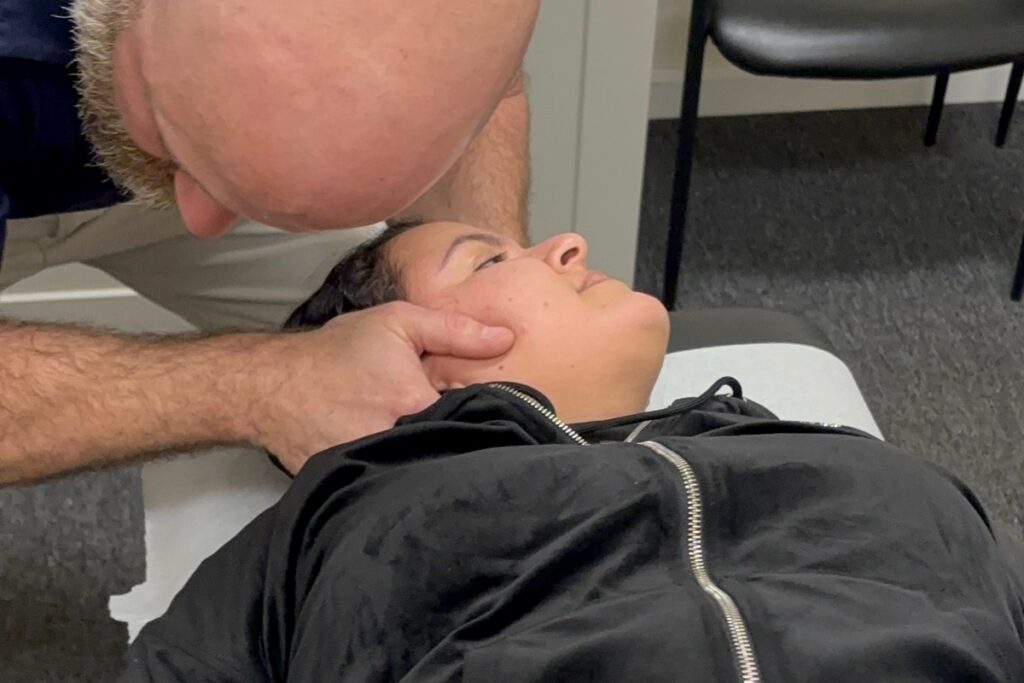
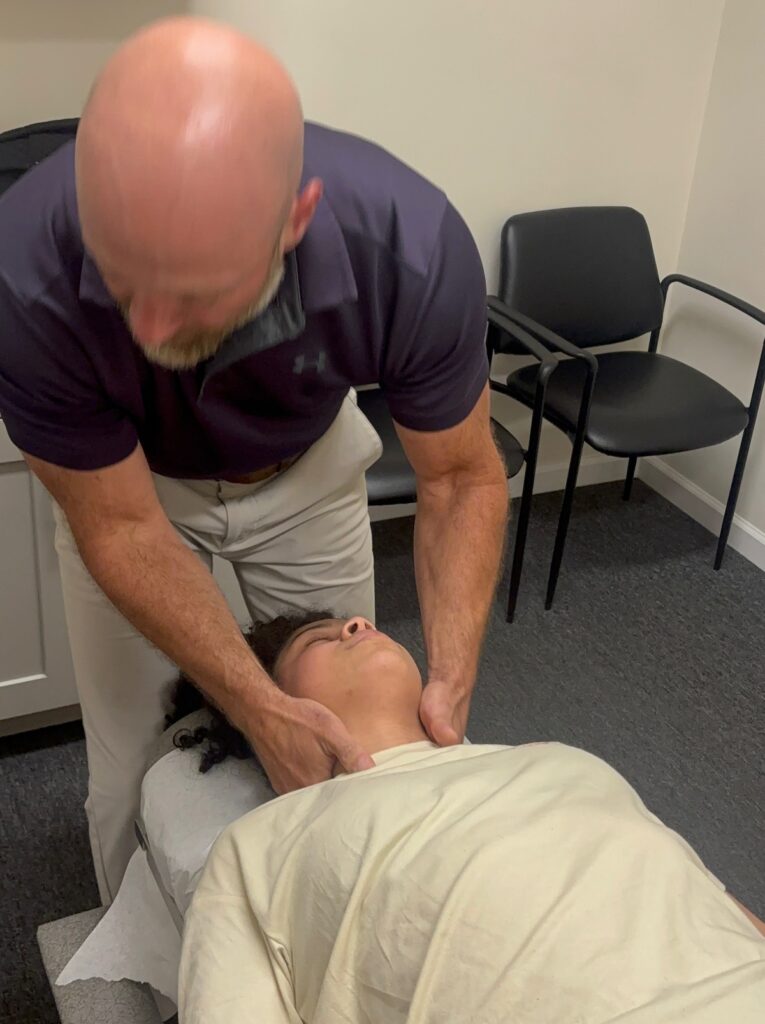
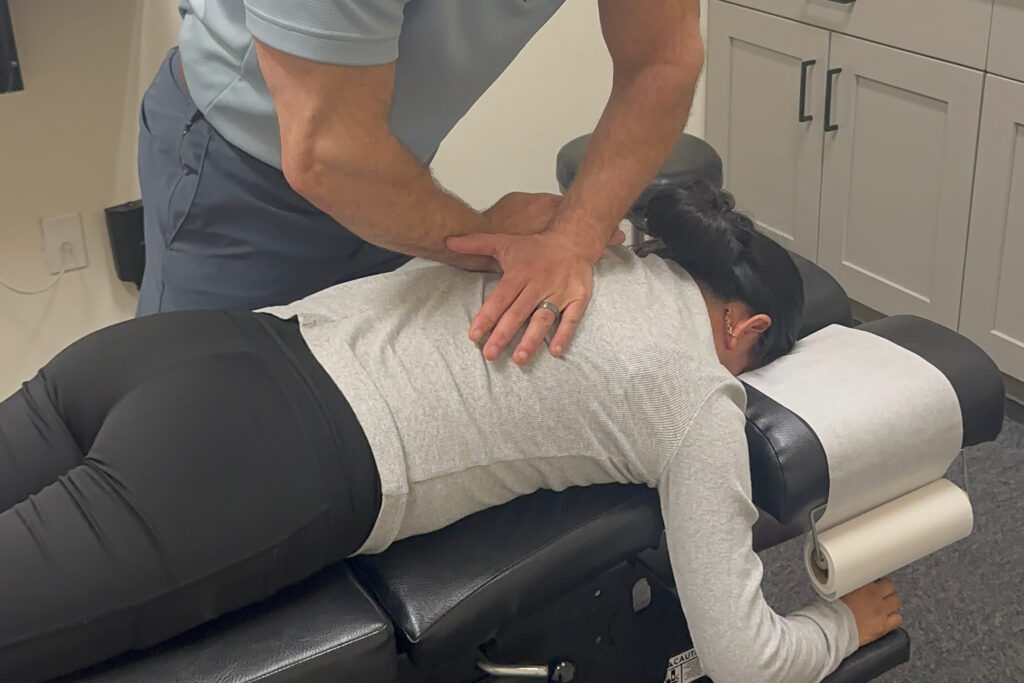
Dr. Eric Chludzinski approaches scoliosis care with a thorough assessment first, looking at the full picture of the patient’s spine, their symptoms, and their functional limitations. From there, manual chiropractic adjustments are used to restore better motion to the spinal joints, reduce areas of fixation, and help the body move more efficiently. The goal is not to force the spine into a different shape, but rather to help it function as well as possible given its current structure.
Evidence suggests that conservative care approaches, including chiropractic adjustments, can help manage the pain and discomfort associated with scoliosis, particularly in adult patients with degenerative or mild idiopathic curves. The American Chiropractic Association recognizes spinal manipulation as a reasonable conservative approach for managing musculoskeletal pain. At Fanwood Back Relief Center, patients from both Fanwood and Flemington receive individualized care plans that reflect the specific nature of their curvature and their personal health goals.
Practical Tips for Living with Scoliosis
Managing scoliosis day-to-day involves building habits that support spinal health without placing unnecessary strain on already-compromised structures. Staying active is genuinely one of the most important things you can do. Regular, low-impact movement — such as walking, swimming, or gentle stretching — helps maintain muscle strength on both sides of the spine and reduces stiffness. A spine that moves regularly tends to feel better than one that is sedentary.
Paying attention to how you sit is also worthwhile. Spending hours slumped in a chair places uneven compressive forces on spinal discs and joints, which can worsen the discomfort associated with a lateral curve. Aim to sit with both feet flat on the floor, knees at roughly hip height, and a supportive surface behind your lower back. Taking brief standing or walking breaks every thirty to forty-five minutes makes a meaningful difference over the course of a workday.
Sleep position matters as well. Sleeping on a supportive, medium-firm mattress and avoiding sleeping entirely on your stomach can help minimize spinal stress overnight. Side sleeping with a pillow between the knees is often comfortable for people with lumbar curves. If you’re unsure which positions are best for your specific curve pattern, that’s a great conversation to have with Dr. Eric Chludzinski at your next visit to our Fanwood or Flemington office.
When to See a Chiropractor
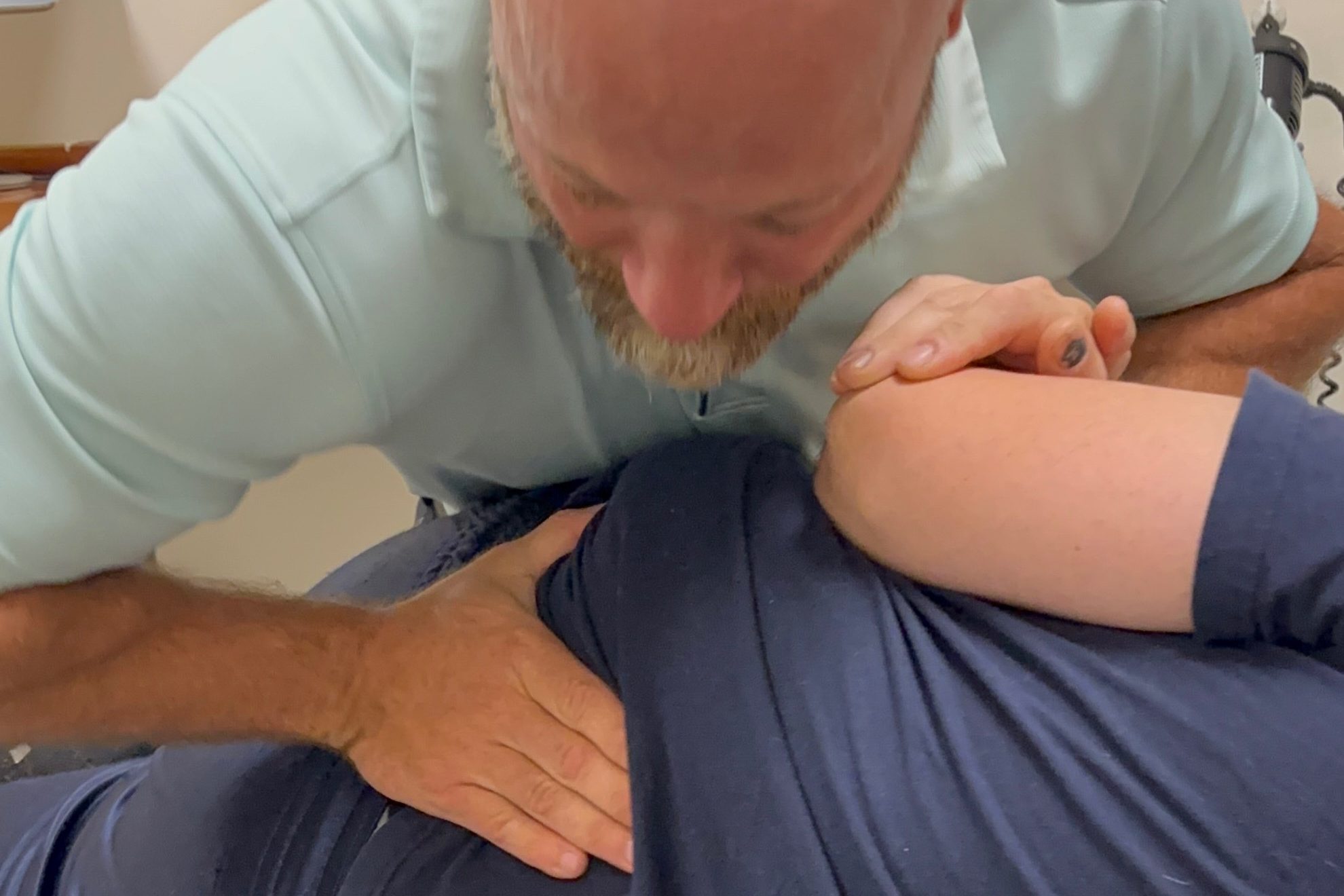
If you or someone in your family has been diagnosed with scoliosis — or if you suspect an undiagnosed curve based on the visual signs described above — a consultation with a chiropractor is a reasonable and low-risk first step. Chiropractic evaluation can help clarify the nature of any spinal asymmetries and determine whether conservative care is appropriate for your situation.
You should also consider seeking care if you are experiencing back pain, uneven muscle fatigue, or postural changes that have been worsening gradually over time. Adults who notice that they seem to be “leaning” more to one side as the years pass, or who find standing or walking increasingly uncomfortable, may be dealing with degenerative scoliosis and deserve a proper evaluation.
There are also situations where chiropractic care alone is not the right answer, and a good chiropractor will always tell you so. Severe curves measuring above forty to fifty degrees, rapidly progressing curves in growing children, or scoliosis accompanied by significant neurological symptoms — such as weakness, numbness, or loss of bladder control — require medical evaluation and possible referral to an orthopedic specialist or neurosurgeon. At Fanwood Back Relief Center, we take a collaborative and honest approach to every patient’s care, ensuring that the right recommendations are made at the right time.
Scoliosis Types at a Glance
Type |
Age of Onset |
Primary Cause |
Common Characteristics |
|---|---|---|---|
|
Idiopathic (Adolescent) |
10–18 years |
Genetic / Unknown |
Most common type; often detected at school screenings; more prevalent in girls |
|
Idiopathic (Infantile / Juvenile) |
0–10 years |
Genetic / Unknown |
Less common; requires close monitoring during growth years |
|
Degenerative (Adult-Onset) |
50+ years |
Disc and joint degeneration |
Often accompanied by back pain and stiffness; more common in women post-menopause |
|
Congenital |
Present at birth |
Vertebral malformation in utero |
Rare; often detected in infancy or early childhood; may co-occur with other conditions |
|
Neuromuscular |
Variable |
Underlying neurological or muscular disease |
Often more severe curves; associated with conditions like cerebral palsy or muscular dystrophy |
Myths vs. Facts About Scoliosis
Myth: Carrying a heavy backpack causes scoliosis.
Fact: While heavy, unevenly distributed loads can contribute to postural strain and back discomfort, there is no established evidence that carrying a backpack causes scoliosis. Idiopathic scoliosis — the most common type — is believed to be primarily influenced by genetic factors, not load-bearing habits. That said, reducing unnecessary backpack weight is still a good general wellness habit.
Myth: Scoliosis only affects teenagers.
Fact: While adolescent idiopathic scoliosis gets a lot of attention, scoliosis can develop at any stage of life. Degenerative scoliosis is quite common in adults over fifty, and congenital scoliosis is present from birth. Patients of all ages at Fanwood Back Relief Center’s offices in Fanwood and Flemington seek care for scoliosis-related concerns.
Myth: If you have scoliosis, you must avoid all physical activity.
Fact: In most cases, the opposite is true. Regular, appropriate physical activity is generally encouraged for individuals with scoliosis because it helps maintain muscle balance and overall spinal health. The type and intensity of activity should be guided by a healthcare professional based on the severity of the curve, but rest and avoidance of movement are rarely the recommended approach.
Myth: Chiropractic adjustments can straighten a scoliotic spine.
Fact: Chiropractic care is not a cure for scoliosis and cannot realign a structural spinal curve. What chiropractic adjustments can do is improve joint mobility, reduce compensatory restrictions, and help manage associated discomfort. Dr. Eric Chludzinski is always transparent with patients about what chiropractic care can and cannot achieve.
Myth: Scoliosis always gets worse over time.
Fact: Many people with mild scoliosis — particularly those diagnosed as adolescents — never experience significant curve progression. Once skeletal maturity is reached, many idiopathic curves stabilize. Ongoing monitoring is important, but a scoliosis diagnosis does not automatically mean a progressively worsening condition.
Final Thoughts
Living with scoliosis — or supporting a child who has been diagnosed — can feel overwhelming at first. But understanding the different types of scoliosis and what causes them puts you in a much stronger position to make thoughtful, empowered decisions about your health. The condition is not a life sentence, and for many people, it is entirely manageable with the right guidance and ongoing care.
At Fanwood Back Relief Center, Dr. Eric Chludzinski and the care team are proud to serve patients across our Fanwood and Flemington communities. Whether you’re a parent in Flemington who just learned that your teenager has a mild thoracic curve, or an adult in Fanwood who has been struggling with low back pain that’s been tied to degenerative changes in the spine, you deserve clear information, compassionate care, and a treatment plan that’s built around your unique situation. We’re here to help you understand what’s happening in your body and to support you every step of the way.
Frequently Asked Questions
Can scoliosis cause back pain?
Yes, scoliosis can contribute to back pain, particularly in adults with degenerative scoliosis or in cases where the curve places uneven stress on spinal joints and muscles. Mild adolescent idiopathic scoliosis, however, often produces little to no pain. The relationship between scoliosis and pain varies significantly from person to person.
Is scoliosis hereditary?
Idiopathic scoliosis does appear to have a genetic component, as it tends to run in families. Having a parent or sibling with the condition increases the likelihood of developing it. However, having a family history does not guarantee that scoliosis will develop, and the genetics involved are still being studied.
At what degree of curvature does scoliosis require medical attention?
A spinal curve of ten degrees or more is generally the threshold for a clinical scoliosis diagnosis. Curves between ten and twenty-five degrees are often monitored conservatively. Curves approaching forty to fifty degrees or more in growing children are typically discussed with an orthopedic specialist regarding additional intervention options.
Can adults develop scoliosis even if they didn’t have it as children?
Yes. Degenerative scoliosis is a form that develops in adulthood, typically in people over fifty, as a result of disc and joint changes that accumulate over time. This is a distinct condition from idiopathic scoliosis that was undetected in childhood.
How does a chiropractor assess scoliosis?
A chiropractor will typically perform a postural assessment, evaluate the spine’s range of motion, observe for visual asymmetries, and may review imaging such as X-rays if available. Dr. Eric Chludzinski uses this information to understand the nature and severity of the curve before making any care recommendations at our Fanwood and Flemington offices.
Is chiropractic care safe for someone with scoliosis?
For many people with mild to moderate scoliosis, chiropractic care is considered a safe and conservative option. A qualified chiropractor will tailor the approach based on the severity of the curve and the patient’s overall health. Patients with severe curves or significant neurological symptoms will be appropriately referred to the right specialist.
TL;DR Summary
-
Scoliosis is an abnormal lateral curvature of the spine that comes in several distinct types, including idiopathic, degenerative, congenital, and neuromuscular — each with different causes and characteristics.
-
Idiopathic scoliosis is the most common type and is believed to be largely genetic; adolescent girls are most frequently diagnosed during growth spurts.
-
Degenerative scoliosis develops in adults as a result of disc and joint wear over time, and is often accompanied by back pain and stiffness.
-
Chiropractic care cannot straighten a scoliotic spine, but manual adjustments can help improve joint mobility, reduce compensatory restrictions, and manage associated discomfort.
-
Fanwood Back Relief Center, with offices in Fanwood and Flemington, offers individualized chiropractic consultations for patients navigating scoliosis at any age.