
As your local chiropractor, I want to share some effective ways to manage pain that don't rely solely on medications. Many of my patients have found natural strategies to be incredibly helpful for improving their comfort and overall well-being. You might be surprised to learn that simple changes, such as incorporating specific herbs into your diet or practicing mindfulness techniques, can significantly impact your pain levels. If you're curious about how chiropractic care and these natural methods can work together, let's explore some of the top natural pain relief strategies that could benefit you.
Herbal Remedies
As a local chiropractor, I want to share with you some effective ways to manage pain naturally through herbal remedies. Many of my patients have found that incorporating these plants into their health routines can help alleviate discomfort without solely depending on medications. You might be surprised at the diverse range of herbs available for pain relief, each offering its own unique benefits.
For instance, turmeric is well-known for its powerful anti-inflammatory properties. It can be easily included in your diet, whether you use it in your cooking or enjoy it as a soothing turmeric tea.
Another herb worth considering is ginger, which has been shown to ease muscle pain and soreness. A warm cup of ginger tea or a ginger-infused broth can provide comforting relief.
If you experience headaches or lower back pain, willow bark is another option you might find helpful. Often referred to as nature's aspirin, it contains salicin, which can assist in pain relief. Willow bark is available in tea or capsule form, making it easy to incorporate into your routine.
For those dealing with joint pain, boswellia may be a beneficial choice; it has been shown to improve mobility and reduce inflammation.
Don't forget about peppermint, either. Its menthol content provides a cooling sensation that can help relieve tension headaches. You can enjoy a cup of peppermint tea or apply diluted peppermint oil to your temples for quick relief.
As you explore these herbal remedies, it's important to consult with a healthcare professional, such as myself, especially if you're on other medications or have underlying health conditions.
I can help guide you on safe usage and help you find the best combinations tailored to your specific needs. Together, we can enhance your wellness journey through natural healing methods.
Essential Oils
As a chiropractor, I want to share with you an effective and natural approach to pain relief that you may not be familiar with: essential oils. These concentrated plant extracts can play a significant role in managing various types of discomfort, whether you're experiencing headaches, muscle soreness, or joint pain.
By integrating essential oils into your daily routine, you can take advantage of their therapeutic properties to support your overall well-being.
Let's start with a few key oils that can be particularly helpful. Lavender oil is renowned for its calming effects and is excellent for alleviating tension headaches. A few drops in a diffuser or a simple inhalation can work wonders in easing your discomfort.
Eucalyptus oil is another powerful option, especially for muscle pain, due to its anti-inflammatory properties. You can apply it topically by mixing it with a carrier oil, such as coconut or almond oil, and gently massaging it into the affected area. This can complement the adjustments and treatments that I provide in the clinic.
Peppermint oil is also beneficial, particularly for headaches and migraines. The menthol in peppermint creates a cooling sensation that can help relieve pain. Applying a diluted mixture to your temples or the nape of your neck can provide quick relief, making it a great addition to your self-care routine.
Remember, when using essential oils, always dilute them with a carrier oil to prevent skin irritation. You can also explore other methods such as incorporating these oils into baths, creating compresses, or adding them to massage blends.
Each of these practices can enhance the effects of your chiropractic care and contribute to your overall healing journey.
Incorporating essential oils alongside chiropractic adjustments can help you achieve a more holistic approach to pain management and wellness. If you have any questions about how to use essential oils safely or effectively, feel free to ask during your next visit!
Acupuncture Techniques
As a local chiropractor, I want to share with you how incorporating acupuncture techniques can greatly enhance your healing journey alongside chiropractic care. Acupuncture is an ancient practice that involves the gentle insertion of thin needles into specific points on your body, stimulating the flow of energy, or "Qi." Many patients find that acupuncture effectively alleviates various types of pain, including chronic back pain, migraines, and joint discomfort, complementing the benefits of chiropractic adjustments.
When you come to see me, I'll ensure a comprehensive evaluation of your individual needs. While I focus on spinal alignment and musculoskeletal health, I also recognize the value of acupuncture. If you're interested, I can refer you to a licensed acupuncturist who'll conduct an assessment to pinpoint the specific acupuncture points that align with your symptoms and overall health. This tailored approach ensures that you receive personalized care rather than a one-size-fits-all treatment.
You might be curious about the experience of acupuncture. Most individuals report feeling minimal discomfort during the needle insertion, often just a slight prick. Once the needles are in position, you can relax for about 20 to 40 minutes, allowing your body to absorb the full benefits of the treatment.
Regular acupuncture sessions can yield cumulative effects, meaning that the more consistently you engage in this practice, the better your results may be. Some patients notice improvements after just one session, while others may require several treatments to achieve substantial relief.
Integrating acupuncture into your pain management routine can create a powerful synergy with chiropractic care and other natural strategies, such as essential oils. If you're curious about how acupuncture can work for you, I encourage you to explore this option. Your journey to pain relief could be just a needle away!
Mindfulness and Meditation
As a local chiropractor, I often see patients who are unfamiliar with the benefits of chiropractic care and natural healing. One of the key aspects of managing pain effectively is through mindfulness and meditation. These practices can significantly transform your approach to pain management and enhance your overall well-being.
Mindfulness and meditation encourage you to develop a deeper awareness of your body and mind. This awareness allows you to respond to pain with greater ease and acceptance. Instead of becoming overwhelmed by your discomfort, mindfulness teaches you to observe your sensations without judgment. This shift in perspective can help lighten the emotional burden that pain often brings.
By dedicating just a few minutes each day to meditation, you can equip yourself with valuable skills to manage your pain more effectively. Start by finding a quiet space where you can sit comfortably. Close your eyes and focus on your breath. When thoughts of pain arise, acknowledge them without reacting. This practice can help you detach from the pain's intensity, making it feel more manageable.
Research indicates that mindfulness can lower pain perception and enhance your overall well-being. Regular mindfulness practice helps build resilience against pain, allowing you to approach it with a calmer mindset. I recommend incorporating guided meditation apps or online resources into your daily routine to help you stay consistent.
Integrating mindfulness and meditation into your life not only aids in pain relief but also improves your emotional health. By embracing these practices, you're nurturing a more compassionate relationship with yourself.
Physical Therapy
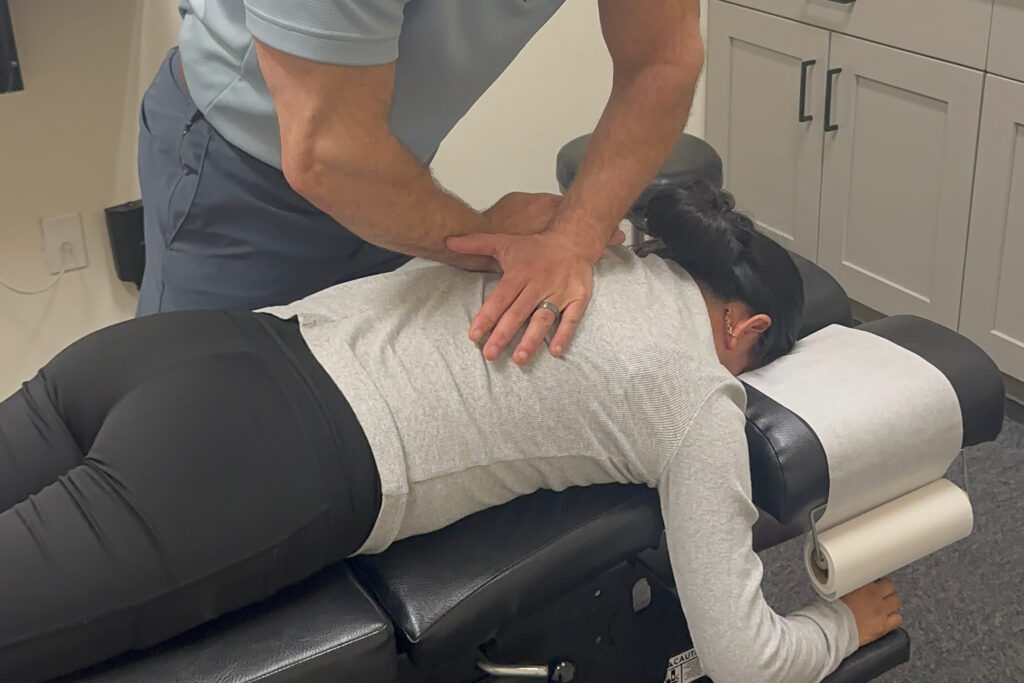
As a local chiropractor, I want to introduce you to the benefits of chiropractic care as a natural approach to managing pain and improving your overall health. Chiropractic focuses on the alignment of your spine and musculoskeletal system, which can significantly alleviate discomfort and enhance your body's ability to function optimally.
During your initial visit, I'll conduct a thorough assessment to understand your specific needs and identify the root causes of your pain. Based on this evaluation, I'll develop a personalized treatment plan that targets your unique concerns.
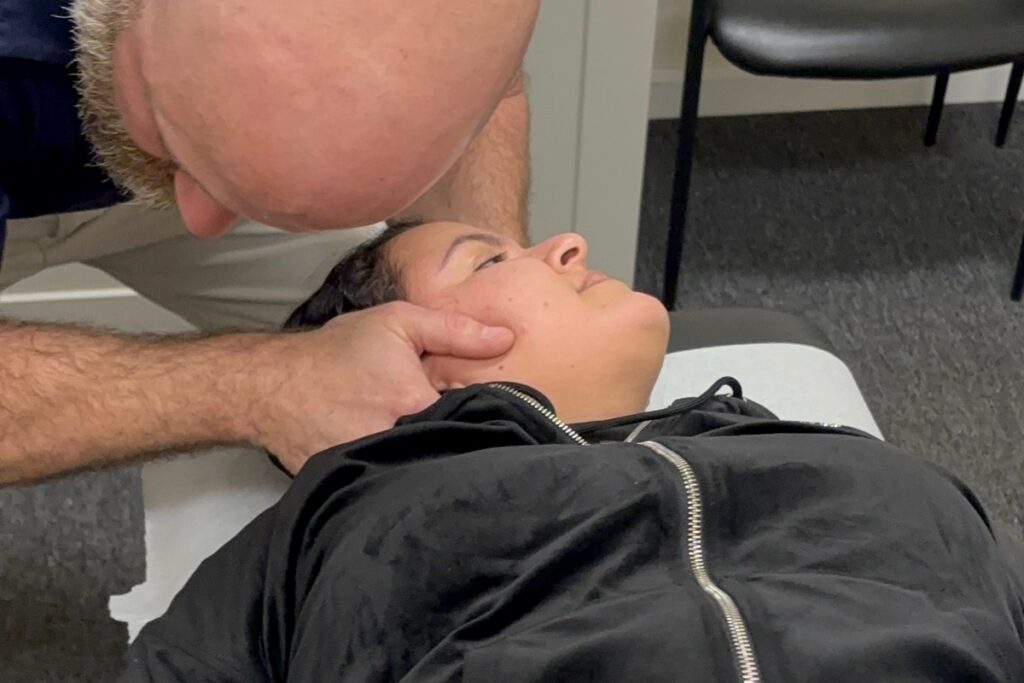
In our sessions, you may experience a variety of techniques designed to relieve pain, improve mobility, and promote healing. These may include spinal adjustments, which help restore proper alignment and function to your spine, as well as exercises that strengthen your core and improve flexibility.
By learning how to move correctly, you can prevent future injuries and manage chronic conditions more effectively.
In addition to spinal adjustments, I may incorporate soft tissue therapies, such as massage and myofascial release, into your treatment. These techniques help enhance circulation, reduce muscle tension, and support your body's healing processes.
With consistent chiropractic care, you'll likely notice improvements in your daily activities, allowing you to engage more fully in the things you love.
Staying committed to your chiropractic care is crucial for achieving the best results. Regular visits and active participation in your treatment plan will help you on your journey to better health.
Remember, each person's experience with pain is different, so it's important to communicate openly about your progress and any concerns you may have.
Hot and Cold Therapy
As a local chiropractor, I often emphasize the importance of natural healing methods, and one of the simplest yet most effective techniques I recommend is hot and cold therapy. This approach isn't only easy to incorporate into your daily routine but can significantly help manage pain and promote healing from various conditions, including injuries, muscle strains, and chronic pain.
When you apply heat therapy, it works wonders by increasing blood flow to the affected area. This enhanced circulation helps relax tight muscles and improve flexibility, which is crucial for recovery. Simple tools like a warm towel, heating pad, or hot water bottle can provide soothing relief. I recommend using heat for about 15-20 minutes at a time, but always ensure it's at a comfortable temperature to prevent burns.
Conversely, cold therapy is beneficial in reducing inflammation and numbing sharp pain. Ice packs or cold compresses are particularly effective immediately after an injury or during painful flare-ups. By constricting blood vessels, cold therapy helps minimize swelling and can provide quick relief. Just remember to apply the cold for about 10-15 minutes and always place a cloth between the ice and your skin to avoid frostbite.
For optimal results, alternating between hot and cold therapy can be especially effective. Start with heat to relax your muscles and follow up with cold therapy to reduce any swelling. This combination is particularly beneficial for managing chronic pain conditions such as arthritis or back pain.
It's essential to listen to your body and adjust the duration and intensity of each therapy based on what feels most comfortable for you. By regularly incorporating hot and cold therapy into your pain management routine, you can empower yourself in your healing journey and support your overall wellness.
If you have any questions or need personalized guidance, feel free to reach out during your next visit!
Dietary Adjustments
As a local chiropractor, I want to emphasize the significant impact that dietary adjustments can have on managing pain and enhancing your overall health. The foods you consume can greatly influence inflammation levels in your body, which is directly connected to the amount of pain you might experience. One effective way to start your journey towards relief is by incorporating anti-inflammatory foods into your diet.
Focus on whole foods, such as fresh fruits, colorful vegetables, whole grains, lean proteins, and healthy fats. Leafy greens, berries, and fatty fish like salmon are particularly advantageous. These foods are packed with antioxidants and omega-3 fatty acids, which are known to help reduce inflammation and improve your overall well-being.
Conversely, it's important to limit your intake of processed foods, sugars, and trans fats, as these can increase inflammation and contribute to discomfort.
Staying hydrated is another essential aspect of managing pain. Drinking enough water helps maintain joint lubrication and can reduce stiffness. I also recommend considering herbal teas like ginger or turmeric, as they've natural anti-inflammatory properties that can be beneficial.
Don't overlook the importance of portion control. Overeating can lead to weight gain, which places extra strain on your joints and can exacerbate pain. It's crucial to listen to your body's hunger and fullness signals and aim for balanced meals that provide the nutrients your body needs.
Lastly, I suggest keeping a food diary. By tracking what you eat and how it affects your pain levels, you can identify specific foods that may trigger or alleviate discomfort. Through these dietary adjustments, you can take an active role in managing your pain and improving your quality of life.
Conclusion
As a local chiropractor, I want to share with you some effective natural pain relief strategies that can greatly enhance your well-being. Many people are unaware of the powerful benefits of chiropractic care combined with holistic approaches. By incorporating herbal remedies and essential oils into your routine, alongside chiropractic adjustments, you can find effective ways to manage pain.
It's also important to consider mindfulness techniques and physical therapy, which can complement your chiropractic treatment. Hot and cold therapy is another simple yet effective method to alleviate discomfort, and making dietary adjustments can play a significant role in your overall health.
You have the tools at your disposal to improve your comfort and resilience. I encourage you to start exploring these options today and take an active role in your pain relief journey. Together, we can work towards a healthier, more balanced lifestyle.