
Low back pain is a common issue that affects many people, and understanding its causes is the first step toward finding relief. Often, it may stem from muscle strain due to lifting heavy objects, poor posture, or even stress. Recognizing what’s causing your discomfort is crucial in addressing it effectively.
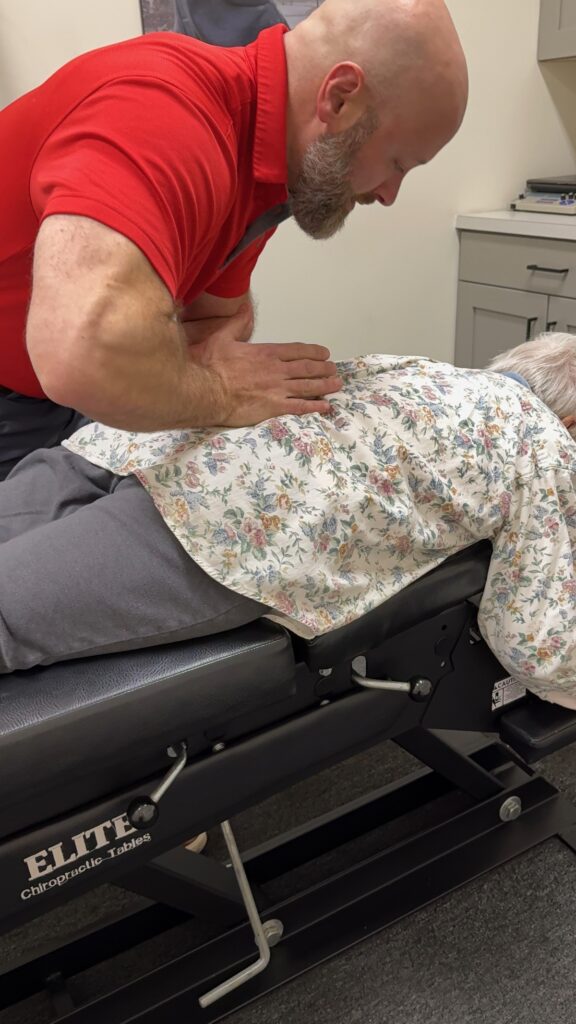
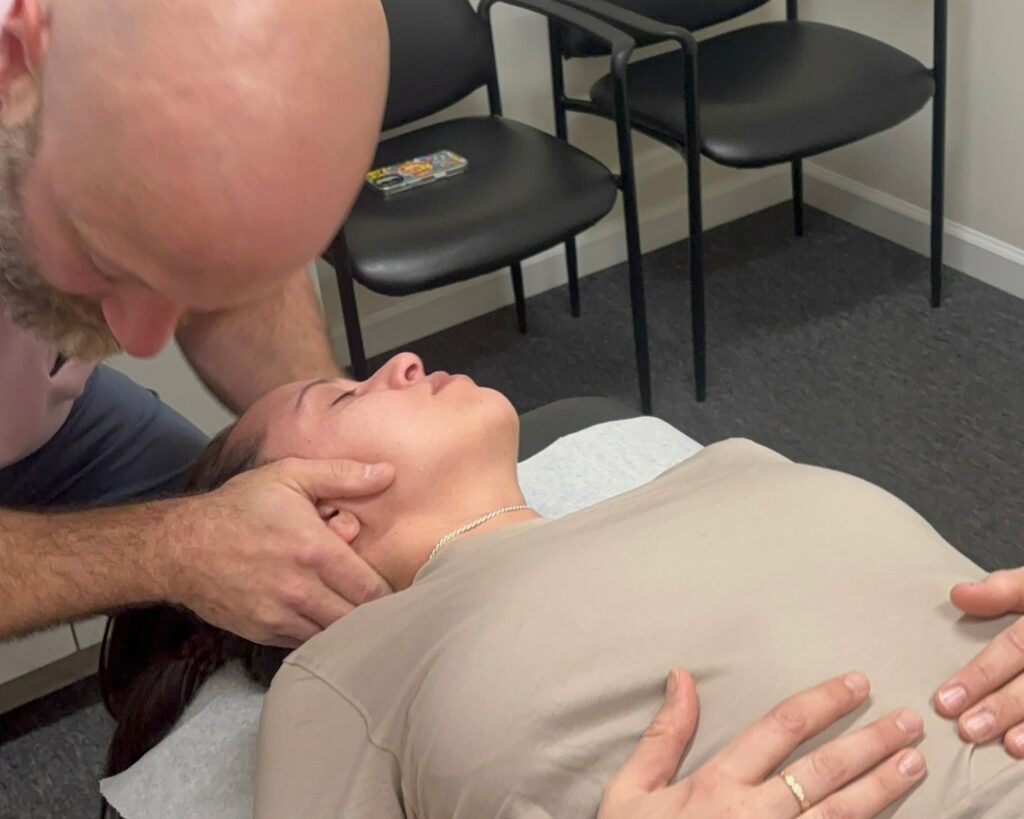
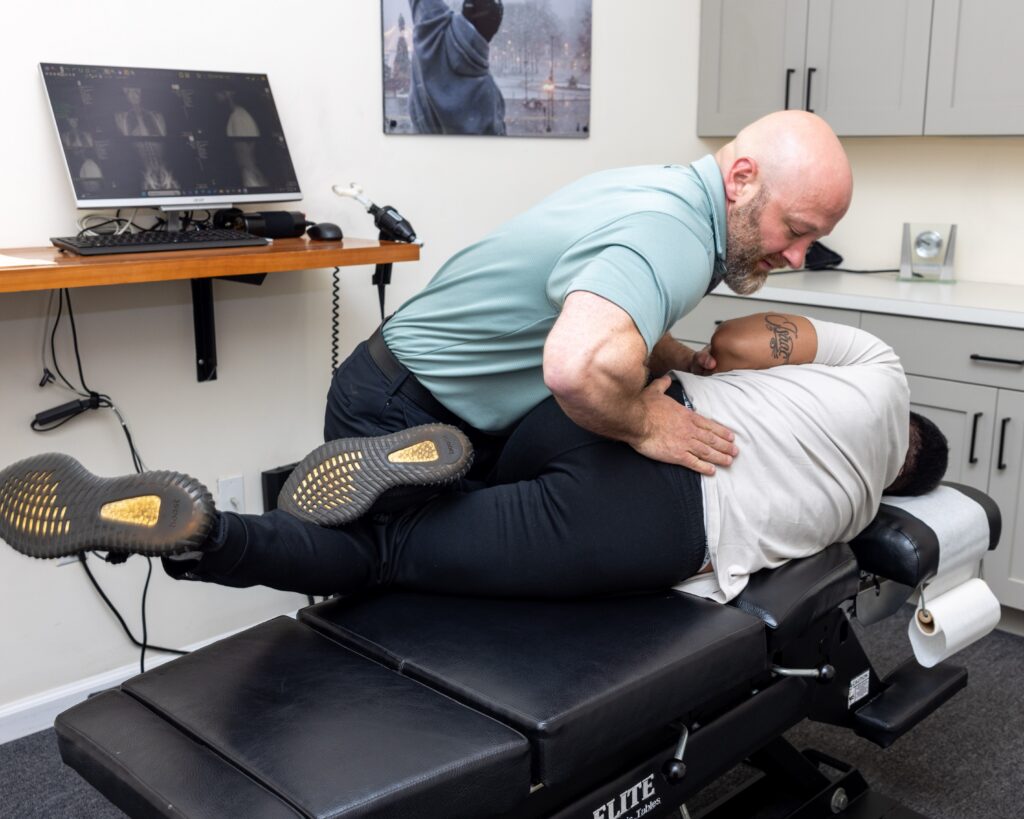
Chiropractic care is an excellent option for managing low back pain naturally. It focuses on aligning the spine and improving overall function, which can relieve pain and promote healing without the need for medications or surgery. Many people experience significant improvements in their pain and well-being through regular chiropractic adjustments.
In addition to chiropractic treatment, there are simple changes you can make at home to support your recovery. Here are some tips:
- Maintain Good Posture: Be mindful of your posture when sitting, standing, or lifting. Keeping your spine aligned can prevent strain and discomfort.
- Stay Active: Gentle exercises, such as walking or stretching, can help keep your back muscles strong and flexible.
- Use Proper Lifting Techniques: Always lift heavy objects with your legs, not your back, to avoid strain.
- Create a Comfortable Workspace: If you work at a desk, ensure your chair supports your lower back and your computer screen is at eye level to reduce strain.
- Incorporate Relaxation Techniques: Stress can contribute to muscle tension. Consider activities like yoga or meditation to help manage stress levels.
If your low back pain persists or worsens, it’s a good idea to consult with a chiropractor. They can assess your spine and provide personalized care to help you feel your best. Remember, taking proactive steps toward your spinal health can lead to a pain-free, healthier life!
Key Takeaways
Low back pain is a common issue that many people face, often caused by factors like muscle strains, herniated discs, arthritis, or the natural wear and tear that comes with aging. As a chiropractor, I want to emphasize the importance of understanding these causes, as well as how to find relief and promote overall wellness.
One of the best ways to support your lower back is by maintaining proper posture and using good ergonomics while working. This simple adjustment can significantly reduce the strain on your back and help prevent discomfort.
Incorporating regular stretching, low-impact exercises, and core-strengthening routines into your daily life can also work wonders. These activities not only promote flexibility but also strengthen the muscles that support your spine, helping to prevent injuries and maintain back health.
If you’re experiencing pain, consider immediate treatments like applying ice or heat to the affected area. Gentle stretches can help relieve tension, and over-the-counter pain relievers may offer temporary relief. However, I encourage you to explore chiropractic care as a natural and effective solution. Chiropractors focus on spinal health and can help you identify the root causes of your pain, providing targeted adjustments and therapies that promote healing without the need for medications or surgeries.
If you notice that your pain persists, radiates down your legs, or is accompanied by sudden weakness or changes in bladder control, it’s essential to seek professional help. A qualified chiropractor can guide you through personalized treatment plans tailored to your unique needs.
Remember, taking proactive steps in your daily routine, such as practicing good posture and engaging in regular physical activity, can make a significant difference in your back health. Embrace chiropractic care as a holistic approach to achieving optimal health and wellness, and say goodbye to low back pain for good!
Common Causes of Low Back Pain
Low back pain can creep up on you, often arising from simple everyday activities that you mightn’t think twice about. Heavy lifting, bending down to tie your shoes, or sitting for extended periods can all lead to discomfort in your lower back. One of the main reasons for this pain is muscle strains, which can happen when you push your body too hard or use improper lifting techniques.
As we age, our spines can undergo wear and tear, which can contribute to back pain. Conditions like degenerative disc disease are common in older adults and can lead to discomfort. Additionally, your sleeping environment plays a significant role; poor sleep positions or an old mattress can exacerbate your pain and hinder your recovery.
It’s also essential to recognize that stress can physically manifest in our bodies, leading to muscle tension and discomfort in the lower back. That’s why it’s vital to manage stress through relaxation techniques and self-care practices.
To help alleviate and prevent low back pain, consider focusing on a few key practices. First, always use proper lifting techniques—bend at your knees, not your back, and avoid twisting your body while lifting. If you’re sitting for long periods, be sure to take regular breaks to stretch and move around. This will help keep your muscles loose and reduce tension.
Finally, a good night’s sleep is crucial for recovery. Ensure your mattress supports your spine and consider your sleep position to avoid adding strain to your back.
Chiropractic care is an excellent option for those seeking relief from low back pain. A chiropractor can help align your spine, improve mobility, and reduce discomfort through natural, non-invasive methods. By addressing the root causes of your pain and working together on a tailored wellness plan, you can take significant steps towards a healthier, pain-free life. Remember, recognizing the triggers of your discomfort is the first step toward finding lasting relief.
The Role of Posture in Back Health
Maintaining good posture throughout your daily activities is vital for supporting your back health and overall wellness. As a chiropractor, I can’t stress enough how important it’s to keep your spine aligned. Whether you’re sitting at your desk or standing in line, remember to keep your shoulders back and your spine straight. Slouching can lead to unnecessary strain on your muscles and ligaments, which may result in discomfort or even injury.
To promote good posture, it’s essential to adjust your workspace. Choose a chair that provides support for your lower back, and make sure your computer screen is at eye level to avoid straining your neck. When you’re walking, aim to distribute your weight evenly on both feet. This balance helps maintain your spine’s natural alignment.
If you find yourself sitting for long periods, make it a habit to take regular breaks. Stand up, stretch, and move around to keep your muscles engaged and prevent stiffness. Simple stretches can also aid in relieving tension in your back and neck.
Muscle Strain and Overuse
Muscle strain and overuse are common contributors to low back pain, particularly if you’ve recently been lifting heavy objects or spending long hours sitting. It’s essential to recognize the symptoms early to prevent further complications. In this article, we’ll delve into the causes of these strains, the signs to watch for, and the most effective ways to find relief, emphasizing the benefits of chiropractic care.
Muscle strains often occur when the muscles are pushed beyond their normal limits, whether due to heavy lifting or repetitive movements. This can lead to discomfort and tension in your lower back. Common signs include a feeling of tightness, sharp or aching pain, and difficulty moving or bending. If you notice any of these symptoms, it’s a good idea to seek help sooner rather than later.
Chiropractic care is a natural and effective approach to managing low back pain caused by muscle strain or overuse. A chiropractor can assess your spine and muscle function, identifying any misalignments or areas of tension. Through gentle adjustments and targeted therapies, we can help restore balance to your body, alleviate pain, and promote healing.
In addition to chiropractic adjustments, there are several simple tips you can incorporate into your daily routine to support your back health:
- Practice good posture: Whether sitting or standing, maintaining proper alignment can alleviate unnecessary strain on your back.
- Stay active: Regular low-impact exercises like walking, swimming, or yoga can strengthen your muscles and improve flexibility.
- Take breaks: If you find yourself sitting for long periods, make it a habit to stand up, stretch, and move around every 30 minutes to prevent stiffness.
- Use proper lifting techniques: When lifting heavy objects, remember to bend at your knees and keep the load close to your body to avoid straining your back.
Common Causes Explained
When participating in physical activities without proper conditioning, it’s common to encounter muscle strain and overuse, both of which are frequent contributors to low back pain. Straining your muscles can occur when lifting heavy objects, twisting in an awkward way, or through repetitive movements. If you push yourself too hard or skip warm-ups, your muscles may not be adequately prepared for the demands you place on them. Additionally, sitting for prolonged periods without stretching or exercising can lead to weakened back muscles, increasing your risk of injury.
It’s vital to listen to your body and recognize when it’s time to rest. To help prevent these issues, I recommend incorporating regular chiropractic care into your routine. Chiropractic adjustments can enhance your body’s alignment and function, allowing for improved mobility and reduced pain. Alongside chiropractic care, engaging in strength training and flexibility exercises can also support a healthy back. Simple practices like gentle stretching during breaks from sitting, maintaining good posture, and taking time to warm up before physical activities can go a long way in keeping your back healthy and pain-free.
Symptoms to Watch For
Recognizing the symptoms of muscle strain and overuse is essential for effective recovery and prevention of further injury, especially when it comes to your lower back. If you’re experiencing discomfort in this area, keep an eye out for these signs that may indicate a strain or overuse:
- Sharp or dull pain in the lower back
- Stiffness or tightness that limits your movement
- Muscle spasms or cramping in the affected area
- Pain that intensifies with activity or prolonged sitting
Catching these symptoms early can help you avoid more serious complications in the future. If you notice any of these signs, take a moment to reassess your activities and listen to your body. This is where chiropractic care shines! By addressing these issues with a chiropractor, you can receive personalized treatment that focuses on natural healing and restoring balance to your spine.
In addition to seeking chiropractic care, here are some general tips to promote a healthier back:
- Maintain Good Posture: Sitting and standing with proper alignment can significantly reduce strain on your back.
- Stay Active: Regular, gentle exercise helps maintain flexibility and strength in your back muscles. Consider low-impact activities like walking or swimming.
- Stretch Daily: Incorporating stretching into your routine can help alleviate stiffness and improve your range of motion.
- Listen to Your Body: If you feel pain or discomfort, don’t push through it. Rest and seek chiropractic advice if needed.
By prioritizing your spinal health and opting for chiropractic care, you can achieve optimal wellness and a pain-free lifestyle.
Effective Treatment Options
If you’re experiencing muscle strain or overuse in your lower back, chiropractic care can be a powerful ally in your recovery journey. Start by giving your back the rest it needs and steering clear of activities that exacerbate the pain.
One of the best natural remedies is to apply ice packs to reduce inflammation, followed by heat therapy to enhance blood flow and promote relaxation.
Instead of relying on over-the-counter medications, consider visiting a chiropractor who can provide tailored treatment plans focused on your unique needs. Chiropractic adjustments can help realign your spine and relieve tension in your back muscles, allowing your body to heal more effectively.
Incorporating gentle stretches and low-impact activities, such as walking, can also support your recovery while keeping your body active. And don’t forget the importance of good posture! Simple adjustments to how you sit or stand throughout your day can significantly reduce strain on your back and prevent future discomfort.
Underlying Health Conditions
Understanding low back pain is crucial for achieving optimal health, and certain underlying health conditions may play a significant role in your discomfort. Identifying these factors can lead to effective relief, and I’m here to help you understand how chiropractic care can support your journey to wellness.
Here are some common contributors to low back pain and how chiropractic care can help:
- Herniated Discs: When discs between your vertebrae bulge or rupture, they can press on nearby nerves, leading to pain. Chiropractic adjustments can help realign the spine and relieve pressure on these nerves, promoting natural healing.
- Arthritis: Inflammation in the joints can cause stiffness and chronic pain. Chiropractic care focuses on improving joint function and reducing inflammation, allowing you to move more freely and comfortably.
- Osteoporosis: Weak bones can lead to fractures and sudden pain. Regular chiropractic adjustments, combined with proper nutrition and exercise, can strengthen your spine and improve bone health over time.
- Kidney Issues: While kidney stones and other kidney problems may manifest as lower back pain, it’s important to address the discomfort holistically. Chiropractic care can help improve your overall health and may alleviate some of the discomfort associated with these conditions.
By recognizing these underlying health issues, you can take proactive steps towards relief. I encourage you to seek chiropractic care, as it’s a natural and effective way to address the root causes of your low back pain. A chiropractor can offer personalized guidance tailored to your unique situation, helping you regain your health and wellness.
Effective Home Remedies for Relief
Finding relief from low back pain can often start right at home with some simple remedies that support healing and comfort, but it’s important to remember that chiropractic care is one of the most effective ways to achieve long-term relief and wellness.
One of the first steps you can take is to apply heat or cold packs to your lower back. Heat helps to relax tight muscles, while cold can reduce inflammation.
Additionally, gentle stretching or yoga can be beneficial for improving flexibility and strengthening your core, which are crucial for spinal health.
While over-the-counter pain relievers like ibuprofen or acetaminophen might offer temporary relief, they don’t address the underlying issues causing your discomfort. Instead, consider visiting a chiropractor who can provide tailored adjustments and therapies that promote natural healing and restore your body’s balance.
Staying active is also vital for your back health. Low-impact exercises like walking or swimming can help keep your back strong, but always consult with your chiropractor for personalized recommendations that suit your specific condition.
Incorporating proper posture during your daily activities makes a significant difference. If you sit for long periods, invest in a supportive chair and remember to take regular breaks to move and stretch. This not only helps your back but also enhances your overall well-being.
Finally, ensure that you’re sleeping on a supportive mattress and pillow to maintain proper spinal alignment. A chiropractor can help assess your sleep setup and make suggestions for optimal support.
When to Seek Professional Help
Knowing when to seek professional help for low back pain is crucial for your recovery, and chiropractic care can often be the best choice for achieving optimal health.
While many cases see improvement with home remedies, certain signs indicate that it’s time to consult a chiropractor.
Watch for these symptoms:
- Persistent pain lasting more than a few weeks
- Pain that radiates down one or both legs
- Sudden loss of bladder or bowel control
- Weakness or numbness in the legs
If you notice any of these symptoms, don’t hesitate to reach out to a chiropractor.
Early intervention through chiropractic care can help prevent further complications and promote a faster recovery.
It’s also a good idea to seek help if your pain worsens despite your self-care efforts, or if it follows a fall or injury.
A chiropractor can accurately assess your condition and provide a natural treatment plan tailored to your needs.
This may include spinal adjustments, exercises, and lifestyle advice to help you manage pain effectively and safely return to your daily activities.
Remember, prioritizing your well-being is essential!
Alongside professional care, consider incorporating gentle stretches, maintaining good posture, and using proper lifting techniques in your daily routine to support your spine and enhance your overall wellness.
Chiropractic care is here to help you achieve a pain-free life naturally!
Conclusion
Understanding the causes of low back pain is crucial for achieving relief and maintaining a healthy spine. Factors such as muscle strain, poor posture, and underlying health conditions can significantly contribute to your discomfort. By identifying these causes, you can take proactive steps to support your recovery.
Incorporating chiropractic care into your wellness routine is one of the best ways to address low back pain naturally. Chiropractors are trained to assess and treat spinal issues, helping to restore proper alignment and function to your back. Regular adjustments can alleviate pain, improve mobility, and enhance your overall well-being.
In addition to seeking chiropractic care, here are some simple tips to help you manage low back pain at home:
- Practice Good Posture: Whether you’re sitting, standing, or lifting, maintaining proper posture can reduce strain on your back. Keep your shoulders back and your spine aligned.
- Stay Active: Gentle exercises and stretching can strengthen your back muscles and improve flexibility. Activities like walking, yoga, or swimming can be beneficial.
- Use Ergonomic Furniture: If you spend long hours at a desk, invest in an ergonomic chair and desk setup to support your spine properly.
- Apply Heat or Cold: Using a heating pad or an ice pack on the affected area can help reduce inflammation and ease muscle tension.
- Sleep Smart: Choose a supportive mattress and pillow to ensure proper spinal alignment while you sleep.
Remember, if your pain persists or worsens, seeking the expertise of a chiropractor can provide targeted treatment tailored to your needs. Your spinal health is essential, so make it a priority and take control of your well-being!