
Hip pain can be a game-changer in how you move through your day. Whether you’re climbing stairs, bending down to tie your shoes, or simply getting out of bed in the morning, healthy hips are essential for maintaining independence and quality of life. While many people seek care only after pain becomes unbearable, there’s growing interest in proactive approaches that address underlying issues before they develop into chronic problems. Here in Fanwood and Flemington, NJ, patients at Fanwood Back Relief Center often ask whether chiropractic care can play a role in preventing future hip pain and injuries. The answer involves understanding how the body works as an integrated system, where proper alignment, balanced muscle function, and healthy movement patterns all contribute to long-term hip health.
Can chiropractic care help prevent hip pain and injuries? Yes, chiropractic care can be an effective preventive approach by addressing biomechanical imbalances, improving joint function, maintaining proper spinal alignment, and identifying movement dysfunction before it leads to injury. Regular chiropractic evaluation and care may help reduce risk factors associated with future hip problems.
Table of Contents
Understanding the Hip-Spine Connection
Your hips don’t function in isolation. They’re part of a complex kinetic chain that includes your pelvis, lower back, knees, and feet. The hip joint itself is a ball-and-socket joint designed for both stability and mobility, allowing you to walk, run, squat, and twist. But when one part of this interconnected system isn’t working properly, compensations occur throughout the chain.
Consider how your pelvis sits at the foundation of your spine. When your pelvis is misaligned or rotated, it creates uneven stress on both hip joints. One hip may bear more weight than the other, leading to accelerated wear and tear on cartilage, increased tension in surrounding muscles, and altered gait patterns. Over time, these compensations can set the stage for degenerative changes, muscle strains, and painful conditions like hip bursitis or labral tears.
The lumbar spine plays an equally important role. Nerve roots exiting the lower back supply sensation and motor control to the hip muscles. When spinal segments become restricted or misaligned, nerve communication can be affected, potentially leading to muscle weakness, poor coordination, or altered firing patterns in the muscles that stabilize your hip. This is why many patients with hip pain also report lower back discomfort, and vice versa.
Understanding this connection is crucial for prevention. Rather than waiting until hip pain develops and treating it as an isolated problem, a whole-body approach looks at how your spine, pelvis, and hips work together. Dr. Eric Chludzinski at Fanwood Back Relief Center emphasizes this systems-based perspective when evaluating patients for both current complaints and future injury risk.
Common Causes of Hip Pain and Injury Risk
Before discussing prevention, it helps to understand what puts your hips at risk in the first place. Hip pain and injuries rarely appear out of nowhere. They typically develop over time as a result of accumulated stress, poor movement patterns, or underlying structural issues that go unaddressed.
One major risk factor is prolonged sitting. Many people in Fanwood and Flemington and surrounding communities spend hours each day sitting at desks, in cars, or on couches. This sustained hip flexion shortens the hip flexor muscles and weakens the hip extensors and gluteal muscles. When you finally stand up and try to move, your body has to compensate for these imbalances, placing abnormal stress on the hip joint itself.
Muscle imbalances represent another common culprit. When certain muscle groups become overactive while others remain weak, the hip joint doesn’t track properly during movement. For example, tight hip flexors combined with weak glutes can cause anterior pelvic tilt, which alters how force is distributed across the hip joint during walking and running. Over time, this abnormal loading can lead to labral damage, cartilage wear, or chronic bursitis.
Previous injuries that never fully healed also increase future risk. An old ankle sprain, knee injury, or lower back problem can create lasting compensation patterns. Your body is remarkably adaptive, but those adaptations often come at a cost. You might favor one leg over the other, rotate your pelvis to avoid discomfort, or alter your stride length. These subtle changes accumulate over months and years, eventually overloading the hip joint.
Spinal misalignments contribute significantly to hip problems. When vertebrae in the lumbar spine or pelvis lose their normal position and motion, it creates uneven tension through the muscles and ligaments that attach to the hip. This can pull the pelvis out of alignment, create leg length discrepancies, and force the hip to move through abnormal ranges of motion.
Age-related changes are inevitable, but their impact can be minimized. As we age, cartilage naturally loses some of its water content and elasticity. Muscle mass decreases if we’re not actively maintaining it. Ligaments become less flexible. These changes don’t have to result in pain, but they do mean that maintaining proper alignment and movement patterns becomes even more important as we get older.
How Chiropractic Care Supports Hip Health
Chiropractic care takes a proactive approach to hip health by addressing the underlying factors that contribute to injury risk. Rather than waiting for severe pain to develop, regular chiropractic evaluation can identify problems early when they’re easier to correct.
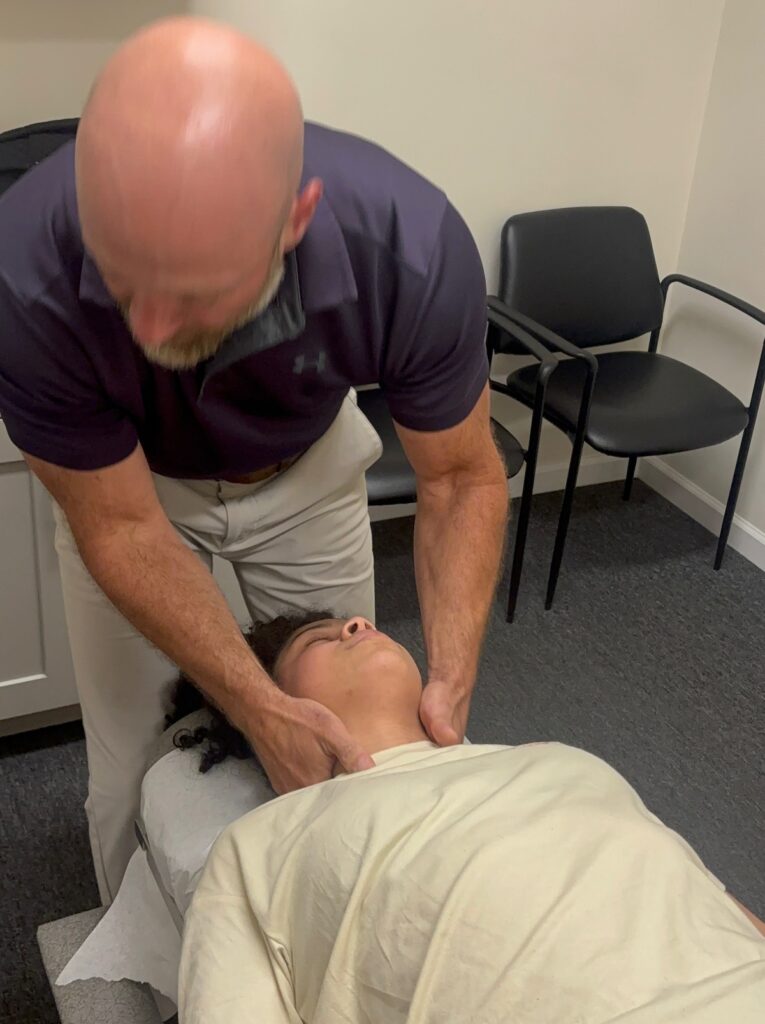
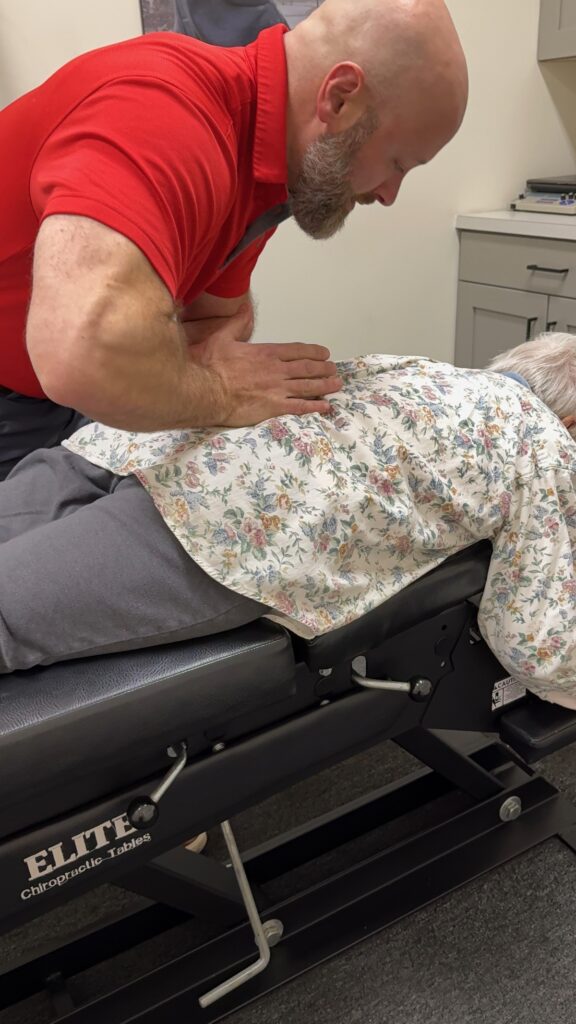
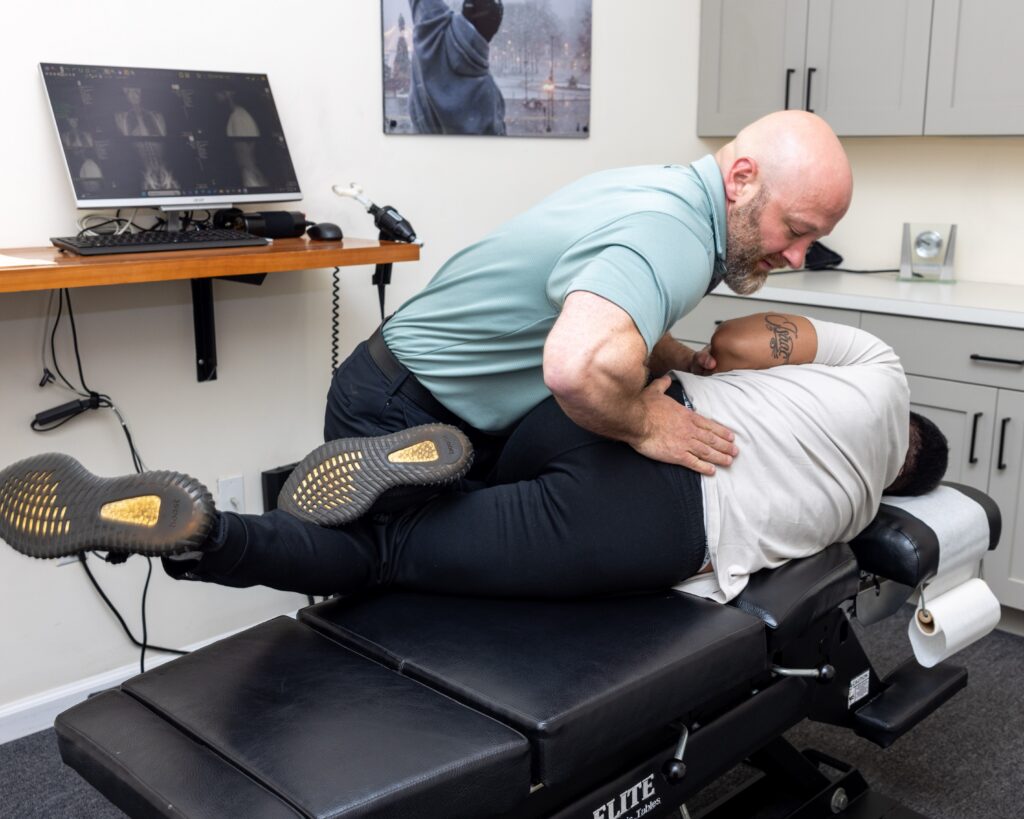
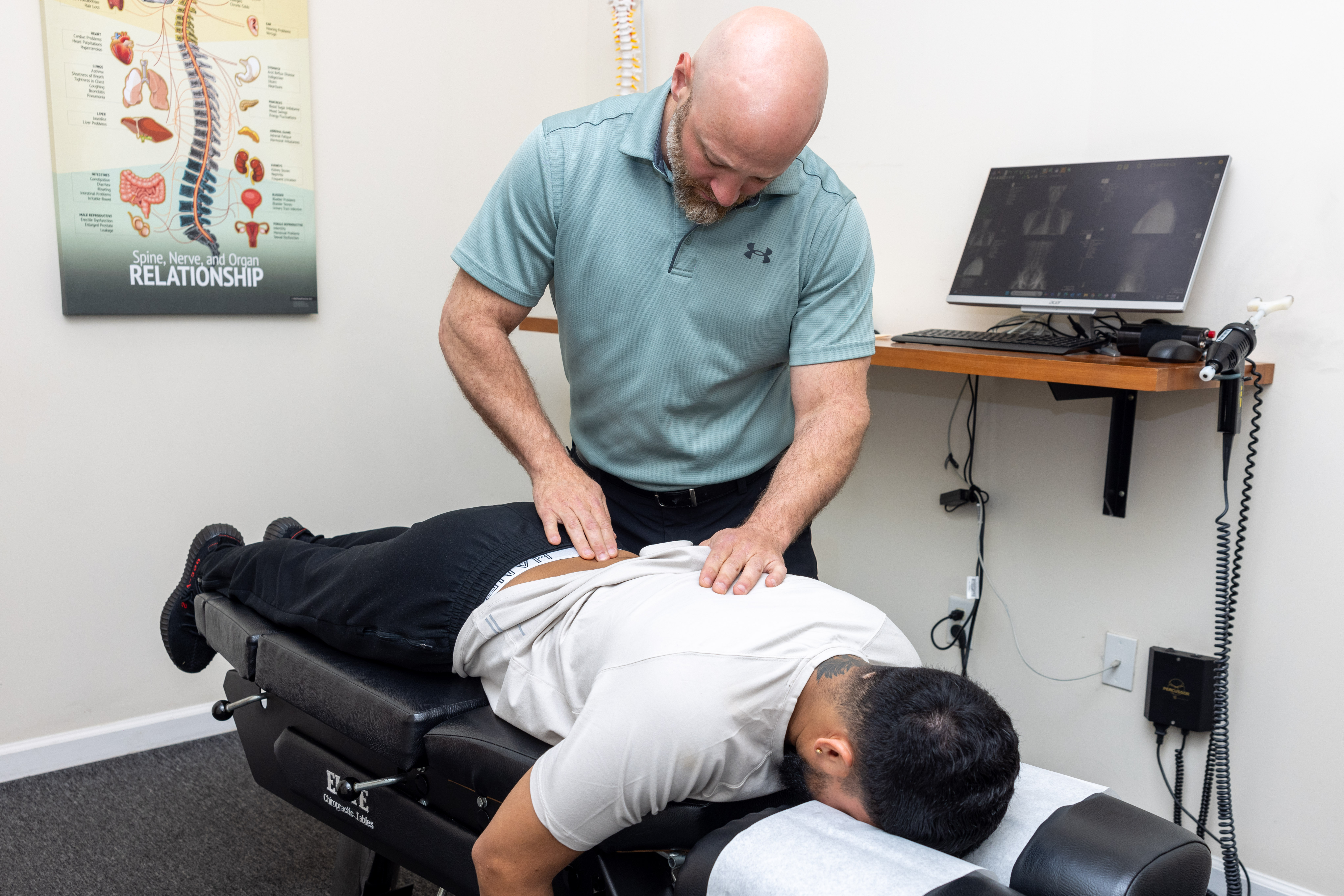
Spinal and pelvic adjustments form the foundation of chiropractic care for hip health. When vertebrae or pelvic bones lose their normal alignment, chiropractic adjustments restore proper position and motion. This reduces abnormal stress on the hip joints, improves nerve function, and allows muscles to work more efficiently. At Fanwood Back Relief Center, Dr. Eric Chludzinski provides personalized chiropractic care using traditional manual chiropractic adjustments tailored to each patient’s specific condition, comfort level, and goals. Following a thorough evaluation, he delivers precise hands-on adjustments designed to restore proper spinal and joint alignment, improve mobility, and support the body’s natural healing process. Each treatment plan is individualized to help patients reduce pain, improve function, and return to their daily activities with greater comfort.
Manual chiropractic adjustments play an important role in addressing hip dysfunction by improving joint alignment and restoring proper motion to the spine and pelvis. When the joints of the lower back and pelvis are functioning properly, unnecessary stress on the hips may be reduced, allowing for smoother, more comfortable movement. By correcting joint restrictions that contribute to altered biomechanics, chiropractic adjustments can help improve mobility, reduce discomfort, and support long-term hip function.
Manual chiropractic adjustments may also play an important role in supporting long-term hip health. Proper spinal alignment and joint mobility help promote balanced movement throughout the body, reducing unnecessary stress on the hips and surrounding structures. By restoring normal motion to restricted joints and supporting healthy biomechanics, chiropractic adjustments may help improve overall function and reduce the risk of recurring hip discomfort over time.
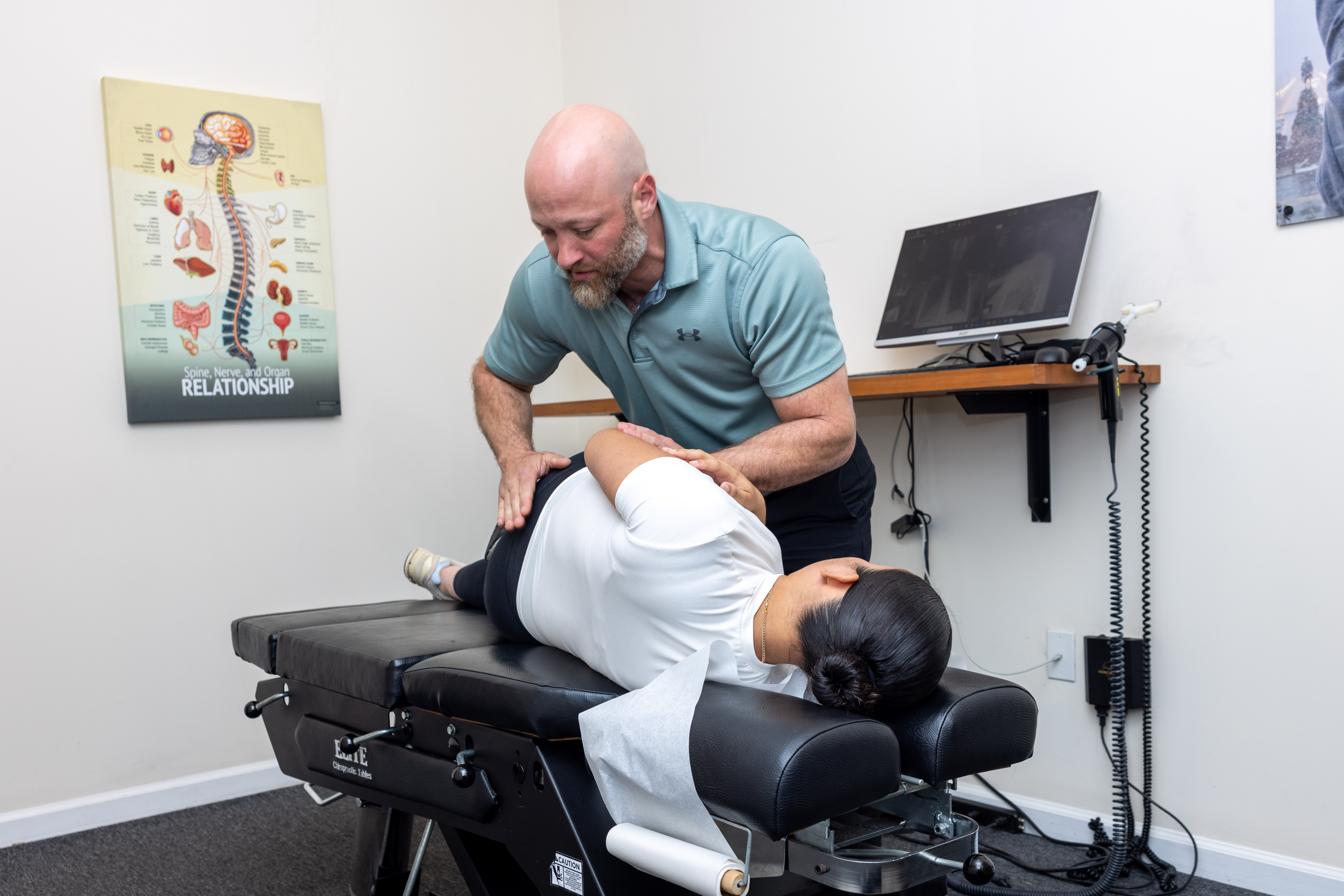
For some patients, manual chiropractic adjustments may be appropriate when spinal joint dysfunction contributes to hip pain or restricted movement. By restoring proper motion to the spine and pelvis, chiropractic adjustments may help reduce stress on nearby nerves and joints, support better movement patterns, and improve overall hip function. Treatment recommendations are always based on a thorough evaluation and each patient’s individual needs.
X-rays available at Fanwood Back Relief Center allow for precise analysis of spinal alignment, pelvic position, and even leg length discrepancies. This objective information helps Dr. Eric Chludzinski create targeted care plans that address your specific biomechanical issues rather than using a one-size-fits-all approach.
The conservative, non-invasive nature of chiropractic care makes it well-suited for prevention. You don’t need to wait until you’re dealing with severe pain or considering surgery. Regular wellness care can maintain optimal function and catch small problems before they become major ones.
Proactive Wellness: More Than Just Pain Relief
Prevention requires a shift in mindset. Most people only think about their hips when something hurts. But wellness care takes a different approach, focusing on maintaining function and preventing problems rather than just reacting to symptoms.
Wellness care at Fanwood Back Relief Center involves regular check-ups even when you feel fine. These visits allow for ongoing assessment of spinal alignment, pelvic position, and movement patterns. Small misalignments or muscle imbalances can be identified and corrected before they have time to create compensations and injury risk. Think of it like maintaining your car: regular oil changes and tune-ups prevent breakdowns, even though nothing seems wrong at the time.
This proactive approach is particularly valuable for certain populations. Athletes who place high demands on their hips benefit enormously from regular chiropractic care. Whether you’re a weekend warrior who enjoys running or recreational sports, or you’re training for competitive events, athlete care helps maintain proper biomechanics, reduce injury risk, and support optimal performance. The same principles apply to prenatal care, as pregnancy dramatically changes a woman’s center of gravity and places unique stresses on the pelvis and hips. Regular chiropractic adjustments during pregnancy can help the body adapt to these changes more comfortably.
Even children can benefit from early intervention. Pediatric care at Fanwood Back Relief Center helps ensure that young bodies develop proper movement patterns and alignment from an early age. Poor posture, heavy backpacks, and sports participation can all create early stress on growing hips and spines. Addressing these issues early sets the stage for lifelong hip health.
Auto accident care represents another aspect of prevention. Even minor car accidents can create misalignments and soft tissue injuries that don’t hurt much initially but lead to chronic problems over time. Prompt chiropractic evaluation after an accident can identify and correct these issues before they become entrenched patterns that eventually affect hip function and comfort.
The key principle underlying all wellness care is simple: maintaining proper alignment and function is easier than restoring it after years of compensation and degeneration. By the time hip arthritis shows up on an x-ray or a labral tear causes sharp pain, significant damage has already occurred. Preventive care intervenes much earlier in this process.
Practical Tips for Hip Injury Prevention
While professional chiropractic care plays an important role in prevention, daily habits and choices also make a significant difference. Here are practical strategies you can implement to support your hip health between visits to Fanwood Back Relief Center.
Movement is medicine for your hips. Regular physical activity maintains strength in the muscles that support and stabilize the hip joint. Focus on exercises that promote balanced development of the glutes, hip flexors, abductors, and adductors. Walking is excellent, as is swimming, which provides resistance without impact. Strength training that includes exercises like bridges, clamshells, and squats helps maintain the muscular foundation your hips need. The key is consistency and variety rather than intensity alone.
Pay attention to how you sit throughout your day. When sitting for extended periods, your hip flexors are in a shortened position, and your glutes aren’t working. Set a timer to remind yourself to stand and move every 30-45 minutes. When you do sit, choose chairs that allow your hips to be at or slightly above knee level, which reduces strain on the hip joint. Avoid crossing your legs repeatedly, as this creates rotational stress on the pelvis and hips.
Maintain a healthy body weight. Each extra pound you carry translates to multiple pounds of force across your hip joints during walking and stair climbing. Weight management isn’t just about appearance; it’s a key factor in reducing mechanical stress on weight-bearing joints. Even modest weight loss can significantly decrease hip pain risk and slow degenerative changes.
Choose supportive footwear that promotes proper alignment from the ground up. Worn-out shoes, high heels worn frequently, or shoes without adequate arch support can alter your gait and create compensatory patterns that stress the hips. Replace athletic shoes regularly and save high heels for occasional wear rather than daily use.
Develop body awareness around your movement patterns. Do you tend to stand with more weight on one leg? Do you always carry your bag on the same shoulder? Do you sit with your wallet in your back pocket, creating pelvic asymmetry? Small habitual asymmetries add up over time. Varying these patterns and striving for more balanced movement reduces cumulative stress on one hip.
Stay hydrated and eat an anti-inflammatory diet. Cartilage health depends partly on adequate hydration, and chronic inflammation can accelerate joint degeneration. A diet rich in omega-3 fatty acids, colorful vegetables, and lean proteins while limiting processed foods and excess sugar supports overall joint health.
Listen to your body’s early warning signals. Mild stiffness, occasional twinges, or feeling like one hip is “tighter” than the other are all early signs that something may need attention. These subtle symptoms are your body’s way of communicating before a problem becomes serious. This is an ideal time to schedule an evaluation rather than waiting for severe pain.
When to See a Chiropractor for Hip Concerns
Knowing when to seek professional evaluation is an important part of prevention. You don’t need to wait until you’re in severe pain or unable to function normally. In fact, earlier intervention typically leads to faster resolution and better long-term outcomes.
Consider scheduling an evaluation if you notice stiffness in your hip that doesn’t resolve after light movement and stretching. Morning stiffness that gradually improves is common and not necessarily concerning, but stiffness that persists throughout the day or gets worse with activity may indicate underlying dysfunction that needs addressing.
Clicking, popping, or grinding sensations in the hip warrant attention, especially if accompanied by discomfort. While occasional, painless joint sounds are normal, persistent mechanical sounds suggest that the joint isn’t tracking properly or that soft tissues are rubbing abnormally. Identifying the cause early can prevent more serious problems like labral tears or cartilage damage.
A history of lower back pain, even if it has resolved, increases your hip injury risk due to the biomechanical connections discussed earlier. Having your spine and pelvis evaluated ensures that old compensation patterns aren’t setting you up for future hip problems. Similarly, if you’ve had previous hip injuries, knee problems, or ankle sprains, periodic evaluations can catch compensatory patterns before they create new issues.
Athletes should consider regular evaluations even without pain. Sports that involve repetitive hip motion, like running, cycling, soccer, or dance, place significant demands on hip structures. Proactive care helps maintain proper biomechanics under these high loads. At Fanwood Back Relief Center, athlete care is designed specifically to support active individuals in staying healthy and performing their best.
After any auto accident, even a minor fender-bender, schedule a chiropractic evaluation. The forces involved in car accidents can create misalignments and soft tissue injuries that don’t become apparent until weeks later. Early assessment and treatment prevent these issues from becoming chronic problems that eventually affect hip function.
Pregnant women benefit from regular chiropractic care throughout pregnancy. As the body changes to accommodate a growing baby, the pelvis widens and the center of gravity shifts forward. These changes can create hip discomfort and alter movement patterns. Prenatal care helps the body adapt more comfortably and can reduce hip and back pain during and after pregnancy.
Certain red flags warrant prompt medical evaluation rather than starting with chiropractic care alone. Severe pain that comes on suddenly without injury, pain accompanied by fever or unexplained weight loss, numbness or weakness in the legs, or pain that’s worse at night and not relieved by rest may indicate conditions requiring medical diagnosis. Dr. Eric Chludzinski will refer to appropriate medical specialists when necessary, ensuring you receive comprehensive care.
Prevention Strategies Comparison
|
Prevention Strategy |
How It Helps |
Best For |
Frequency |
|---|---|---|---|
|
Regular Chiropractic Adjustments |
Maintains spinal and pelvic alignment, reduces abnormal joint stress |
Everyone, especially those with prior back/hip issues |
Monthly for wellness, more often during active treatment |
|
Regular Chiropractic Adjustments & Good Posture Habits |
Releases muscle tension, improves flexibility, restores balanced movement |
Desk workers, athletes, anyone with tight hips |
As needed based on assessment, often combined with adjustments |
|
Daily Movement & Exercise |
Strengthens supporting muscles, maintains joint mobility and cartilage health |
All ages and activity levels |
Daily movement, strength training 2-3 times weekly |
|
Ergonomic Modifications |
Reduces prolonged stress positions, promotes better sitting and standing posture |
Office workers, anyone who sits extensively |
Ongoing daily implementation |
|
Weight Management |
Decreases mechanical load on hip joints, reduces inflammation |
Anyone carrying extra weight, especially with family history of hip problems |
Ongoing lifestyle focus |
|
Proper Footwear |
Supports proper gait mechanics, reduces compensatory patterns from ground up |
Runners, walkers, people on feet all day |
Replace athletic shoes every 300-500 miles; daily attention to shoe choice |
Myths vs. Facts About Hip Health and Chiropractic Care
Myth: You Only Need to See a Chiropractor If Something Hurts
Fact: Wellness care focuses on maintaining function and catching problems early, before pain develops. Many structural issues and movement dysfunctions are present long before symptoms appear. Regular evaluations can identify these risk factors when they’re easiest to correct. Waiting for pain means addressing problems that have already progressed significantly.
Myth: Hip Problems Are Just a Normal Part of Getting Older
Fact: While some age-related changes are inevitable, painful hip conditions are not a guaranteed consequence of aging. Many people maintain healthy, pain-free hips well into their senior years by staying active, maintaining proper alignment, and addressing problems early. How you care for your body throughout your life has enormous influence on how your joints age.
Myth: Chiropractors Only Work on the Spine, Not the Hips
Fact: Chiropractors are trained in biomechanics and the relationship between the spine, pelvis, and extremity joints including the hips. Chiropractic care addresses the whole kinetic chain, recognizing that hip problems often stem from or contribute to spinal and pelvic dysfunction. Treatment includes both spinal adjustments and work directly on hip joint function and surrounding soft tissues.
Myth: Exercise Alone Is Enough to Prevent Hip Problems
Fact: While exercise is crucial for hip health, it’s not sufficient if you’re moving with poor biomechanics or structural misalignments. Exercising on top of a misaligned pelvis or dysfunctional movement pattern can actually reinforce the problem. Combining proper alignment through chiropractic care with appropriate exercise provides the best prevention strategy.
Myth: If You Don’t Have Hip Pain Now, You Won’t Develop It Later
Fact: Hip conditions often develop gradually over years as the result of accumulated stress and compensation patterns. The absence of current pain doesn’t mean your hips are functioning optimally or that problems aren’t developing. Proactive evaluation can reveal risk factors like muscle imbalances, gait abnormalities, or alignment issues before they cause symptoms, allowing for prevention rather than reaction.
Final Thoughts from Fanwood Back Relief Center
Your hips carry you through life, literally supporting every step you take. Investing in their long-term health through proactive care makes sense, whether you’re currently experiencing discomfort or simply want to maintain the active lifestyle you enjoy. Here in Fanwood and Flemington, New Jersey, Dr. Eric Chludzinski and the team at Fanwood Back Relief Center are committed to helping patients understand the connection between spinal health, proper alignment, and injury prevention.
Chiropractic care offers a conservative, non-invasive approach to maintaining hip health by addressing the root causes of dysfunction rather than just masking symptoms. By keeping your spine and pelvis properly aligned, maintaining balanced muscle function, and catching small problems before they become major ones, you give your hips the best chance of serving you well for years to come.
Remember that prevention is always easier than correction. Whether you’re an athlete looking to stay competitive, someone with a family history of hip problems, or simply someone who wants to age actively and comfortably, establishing a relationship with a chiropractor who understands preventive care is a wise investment in your future quality of life. The specialized techniques available at Fanwood Back Relief Center, including gentle adjusting methods, soft tissue therapy, and individualized wellness programs, provide comprehensive support for your hip health goals.
If you’re ready to take a proactive approach to preventing hip pain and injuries, or if you’re experiencing early warning signs that something might need attention, we encourage you to schedule an evaluation. Understanding your individual risk factors and creating a personalized prevention plan is the first step toward maintaining healthy, pain-free hips for life.
Frequently Asked Questions
How often should I see a chiropractor to prevent hip problems?
For wellness and prevention, most patients benefit from monthly visits once any existing issues are resolved. However, frequency depends on individual factors like activity level, history of injuries, and current biomechanics. Dr. Eric Chludzinski will recommend a schedule based on your specific needs and goals.
Can chiropractic care prevent hip arthritis?
While chiropractic care cannot reverse existing arthritis or guarantee you’ll never develop it, maintaining proper alignment and joint function can slow degenerative changes and reduce risk factors. Proper biomechanics means more even wear on cartilage and less inflammation, both of which are important for joint health over time.
Is chiropractic care safe for older adults concerned about hip fractures?
Yes, chiropractic care is generally considered safe for older adults when provided by a qualified chiropractor who performs a thorough evaluation and tailors care to the individual’s needs. At Fanwood Back Relief Center, Dr. Eric Chludzinski uses precise manual chiropractic adjustments designed to restore proper spinal alignment and joint mobility while considering each patient’s age, overall health, and medical history. Every treatment plan is personalized to help patients move more comfortably and support their long-term spinal health.
Will I need x-rays before starting preventive chiropractic care?
X-rays aren’t always necessary for wellness care, but they provide valuable information about your spinal alignment, pelvic position, and any structural factors that might increase your hip injury risk. Dr. Eric Chludzinski will determine whether x-rays are appropriate based on your history, examination findings, and care goals.
Can chiropractic care help if I’ve already had hip surgery?
Yes, chiropractic care can be very helpful after hip surgery by addressing compensatory patterns that developed before or after the procedure. Many patients develop altered gait and posture during recovery that can create new problems if not corrected. Chiropractic care supports optimal recovery and helps prevent issues in the opposite hip or lower back.
What’s the difference between treatment for existing hip pain and preventive care?
Treatment for existing pain typically involves more frequent visits initially to address active inflammation, restore normal function, and resolve symptoms. Preventive care involves less frequent visits focused on maintaining optimal alignment and function, catching small issues early, and supporting your body’s natural ability to stay healthy. Both use similar techniques but with different goals and visit frequencies.
TL;DR – Quick Takeaways
-
Chiropractic care can help prevent hip pain by maintaining proper spinal and pelvic alignment, addressing muscle imbalances, and correcting movement dysfunction before it leads to injury.
-
The connection between your spine, pelvis, and hips means problems in one area often affect the others. A whole-body approach to prevention is more effective than treating the hip in isolation.
-
Regular wellness care catches small problems early when they’re easier to correct, rather than waiting for severe pain or structural damage to develop.
-
Prevention involves both professional care at Fanwood Back Relief Center and daily habits like staying active, maintaining proper ergonomics, and listening to your body’s early warning signals.
-
Anyone can benefit from preventive chiropractic care for hip health, but it’s especially valuable for athletes, people with previous injuries, those with sedentary jobs, pregnant women, and anyone with a family history of hip problems.