Lower back pain can be a persistent challenge, but there are effective, natural techniques to help relieve it. At our chiropractic practice, we believe that a combination of stretching, strengthening, and mindful practices can make a significant difference in your comfort and overall well-being. By focusing on proper posture and making ergonomic adjustments to your workspace and daily activities, you can enhance your quality of life without the need for medications or invasive procedures.
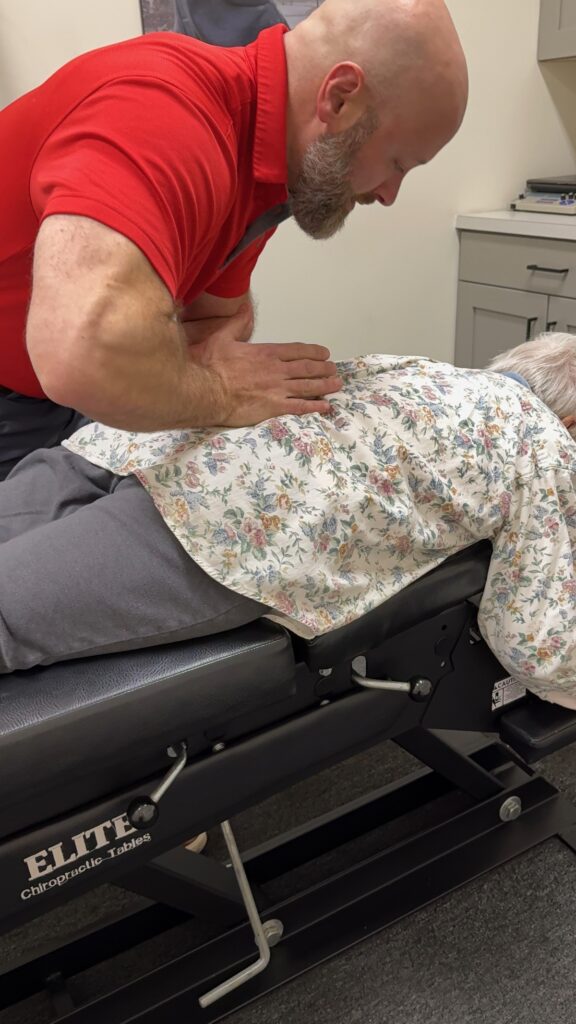
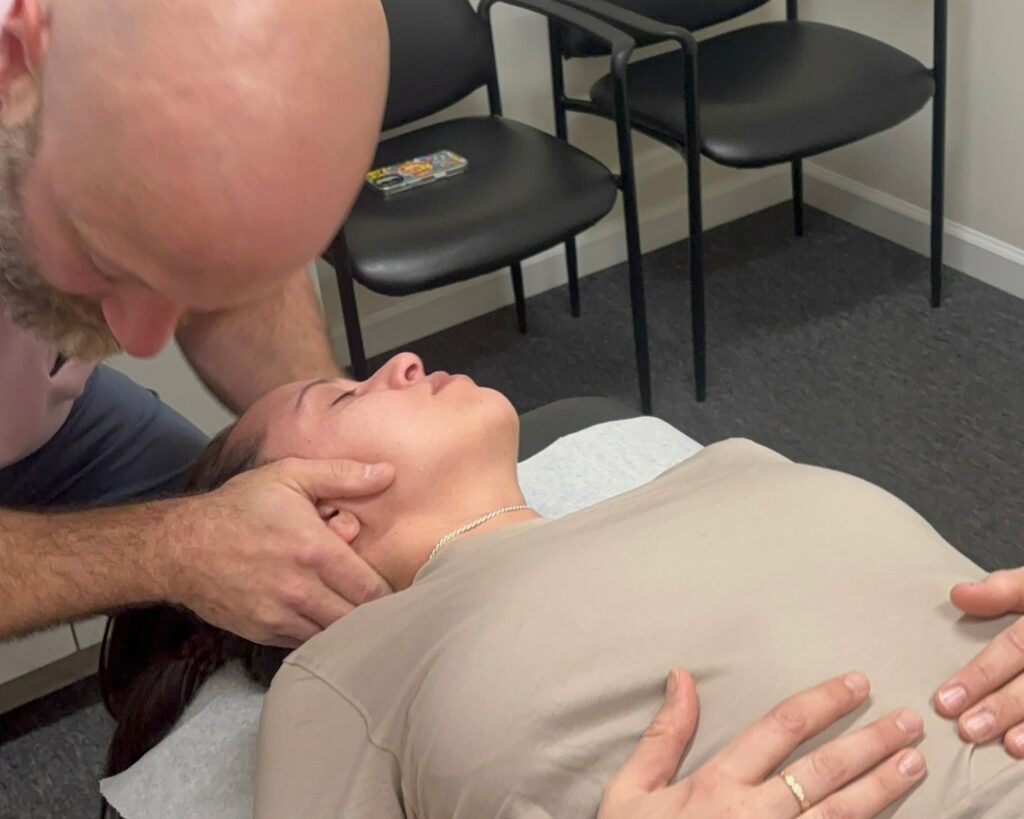
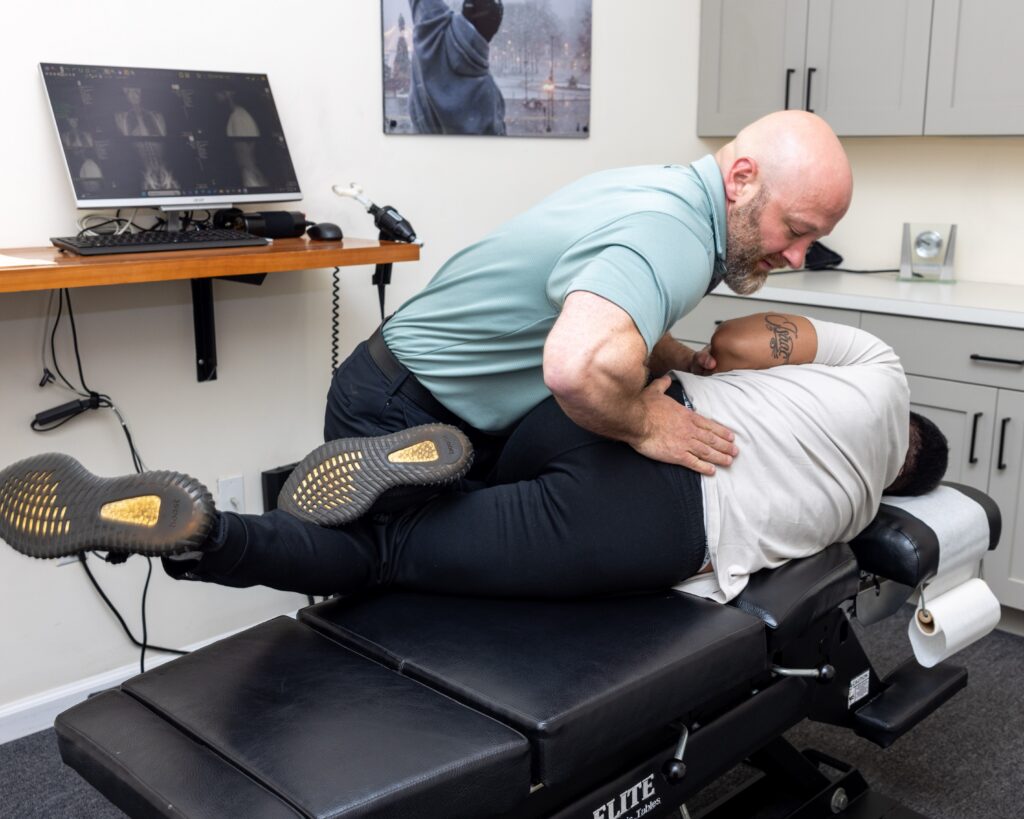
Chiropractic care is an excellent option for addressing lower back pain because it targets the root causes rather than just masking the symptoms. Through spinal adjustments, we can help restore proper alignment, improve mobility, and promote the body’s natural healing processes. Curious about how these techniques work and which ones might be the best fit for you? Let’s explore some methods that can lead you toward relief and a healthier lifestyle.
- Stretching: Gentle stretches can alleviate tension in the lower back and improve flexibility. Incorporate simple stretches like the cat-cow stretch or child’s pose into your routine to relieve tightness.
- Strengthening Exercises: Building core strength is vital for supporting your spine. Focus on exercises that target your abdominal and back muscles, like planks and bridges, to enhance stability.
- Mindful Practices: Techniques such as yoga and meditation can help reduce stress, which may contribute to muscle tension. Taking time to breathe deeply and center yourself can be beneficial for both your mind and body.
- Posture Awareness: Pay attention to your posture throughout the day. Sit up straight with your shoulders back, and if you spend long hours at a desk, ensure your chair and desk are set up ergonomically.
- Regular Chiropractic Visits: Regular adjustments can keep your spine in alignment, reduce pain, and prevent future issues. Your chiropractor can also provide personalized advice and exercises tailored to your specific needs.
- Heat and Cold Therapy: Applying heat or cold packs to the affected area can provide immediate relief. Heat helps relax tight muscles, while cold therapy can reduce inflammation.
- Stay Active: Engage in low-impact activities like walking or swimming to keep your body moving and promote circulation, which is essential for healing.
By incorporating these techniques into your daily routine and considering chiropractic care as your go-to solution for lower back pain, you’ll be well on your way to achieving optimal health and wellness. Remember, taking proactive steps today can lead to a more comfortable tomorrow!
Key Takeaways
Here are some effective techniques for relieving lower back pain that you can easily incorporate into your daily routine:
- Start your day with gentle stretching exercises like the cat-cow pose and hamstring stretches. These movements can significantly improve your flexibility and help alleviate tension in your lower back.
- Focus on strengthening your core muscles with simple exercises like planks and bridges. A strong core provides better support for your spine and enhances stability, which can reduce the risk of back pain.
- Consider using heat therapy before engaging in physical activities. Applying heat helps relax your muscles, making them more pliable. After your activities, cold therapy can be beneficial to minimize inflammation and soothe any discomfort.
- Pay attention to your posture throughout the day, especially if you work at a desk. Making ergonomic adjustments to your workspace can help reduce strain on your spine, allowing you to maintain a healthier alignment while you work.
- As a chiropractor, I encourage you to consult with a professional for personalized care. A chiropractor can offer tailored treatments and integrate additional holistic therapies that promote natural healing and overall wellness.
By adopting these simple practices, you can take significant steps towards relieving lower back pain and enhancing your overall health and well-being. Remember, chiropractic care is a safe and effective way to achieve optimal health without the need for medications or surgeries.
Stretching Exercises
Stretching exercises can be a transformative approach to alleviating lower back pain, and they complement chiropractic care beautifully. By integrating specific stretches into your daily routine, you can enhance flexibility, alleviate tension, and promote better posture—all of which are vital for maintaining a healthy spine.
Start with gentle movements like the cat-cow stretch. This simple exercise warms up your spine and helps to release tight muscles. Another effective stretch is the child’s pose, which encourages your back to relax and elongate, providing a soothing relief to any discomfort.
Don’t overlook the importance of the hamstring stretch. Tight hamstrings can often contribute to lower back pain, so giving them some attention can be incredibly beneficial. Additionally, include the piriformis stretch in your routine; this targets the muscle deep in your buttocks and is frequently associated with sciatica discomfort.
As you stretch, remember to hold each position for at least 20-30 seconds while focusing on deep, calming breaths to enhance relaxation. Consistency is key—aim to stretch daily or at least several times a week. This commitment not only helps in relieving pain but also improves mobility and overall spinal health.
Incorporating these stretches into your routine is a natural way to support your body and enhance the benefits of chiropractic care. By embracing these exercises, you’re taking proactive steps towards optimal health and wellness. Always listen to your body, and if you have any concerns, consider consulting with your chiropractor for personalized advice and support.
Strengthening Workouts
Building strength in your core and back muscles is vital for alleviating lower back pain and preventing future discomfort. As a local chiropractor, I want to emphasize how incorporating specific strengthening workouts into your routine can greatly enhance your overall health and wellness.
Here are some effective exercises that can support your spinal health:
- Planks: This exercise engages your entire core, promoting stability and supporting your spine.
- Bridges: By strengthening your glutes and lower back, bridges help improve hip mobility and provide essential support to your spine.
- Bird-Dogs: This exercise enhances balance and coordination while working your core and back, contributing to a healthier spine.
- Deadlifts: When performed correctly, deadlifts can target multiple muscle groups and strengthen your back, which is crucial for maintaining proper posture.
- Superman Exercise: This exercise focuses on your lower back and glutes, helping to build strength by lifting your arms and legs off the ground.
As you incorporate these exercises, it’s important to start slowly and prioritize proper form over the number of repetitions. Gradually increase the resistance and volume as your strength improves.
Remember, consistency is key to reaping the benefits of these exercises and maintaining a healthy back.
In addition to these workouts, regular chiropractic care can further enhance your progress by ensuring your spine is properly aligned and functioning optimally. This holistic approach to health can help you achieve lasting pain relief and foster a healthier lifestyle.
Always listen to your body, and if you have any concerns, feel free to reach out for personalized advice on how chiropractic care can support you in your wellness journey.
Proper Posture Techniques
Maintaining proper posture throughout your daily activities is crucial for preventing and alleviating lower back pain, and as a chiropractor, I want to help you achieve optimal health through natural methods. Here are some simple tips to enhance your posture and overall well-being, which can complement your chiropractic care.
When sitting, ensure your feet are flat on the floor and your knees form a right angle. Keep your back straight and shoulders relaxed—avoid slumping, as this can strain your spine. If you work at a desk, adjust your chair so your computer screen is at eye level, which helps prevent neck strain.
When standing, distribute your weight evenly on both feet and engage your core muscles for better support. Avoid locking your knees or leaning too far forward. If you find yourself on your feet for extended periods, consider wearing supportive shoes to maintain proper alignment and reduce strain on your back.
Additionally, be cautious when lifting objects. Use your legs instead of your back by bending at your hips and knees while keeping the load close to your body. This technique helps protect your spine and minimizes the risk of injury.
Implementing these posture techniques can significantly enhance your well-being and is a great complement to regular chiropractic care. Remember, by prioritizing your posture, you’re taking a proactive step toward a healthier, pain-free life. If you have further questions or need personalized guidance, don’t hesitate to reach out for chiropractic support.
Heat and Cold Therapy
When you’re experiencing lower back pain, incorporating heat and cold therapy into your routine can significantly enhance your comfort and recovery. As a chiropractor, I often encourage my patients to use these methods as complementary tools alongside chiropractic care to achieve optimal health and wellness.
Applying heat can be incredibly beneficial for relaxing tight muscles that contribute to discomfort. It increases blood flow, which helps nutrients reach the affected area and promotes healing.
On the other hand, cold therapy is fantastic for reducing inflammation and numbing sharp pain. It constricts blood vessels, which can alleviate swelling and provide immediate relief.
To maximize the benefits of heat and cold therapy, here are some general tips you can easily incorporate into your daily routine:
- Heat Therapy: Use a warm towel, heating pad, or take a warm bath to soothe your muscles. Aim for about 15-20 minutes of heat application, making sure to listen to your body and avoid overheating.
- Cold Therapy: A cold pack or a bag of frozen vegetables wrapped in a towel can do wonders. Apply it to the painful area for about 15-20 minutes as well, allowing your body to rest in between applications.
- Timing: Use heat before engaging in physical activities to loosen up your muscles, and opt for cold therapy afterward to help reduce any potential swelling.
- Chiropractic Care: Remember that these therapies work best when combined with regular chiropractic adjustments. A chiropractor can help align your spine and relieve tension in your muscles, which can further enhance the benefits of heat and cold therapy.
Benefits of Heat Application
Heat application is a widely recognized method for easing lower back pain, and as a local chiropractor, I want to share the numerous benefits it can provide in your journey toward natural healing and optimal wellness.
By incorporating heat into your routine, you may experience the following advantages:
- Increased Blood Flow: Applying heat helps to increase circulation to the affected area, which can promote healing and relieve discomfort.
- Muscle Relaxation: Heat works wonders at relaxing tight muscles and reducing spasms, making it easier for your body to find relief.
- Soothing Sensation: The warmth can provide a comforting feeling, which can improve your mood and overall sense of well-being.
- Enhanced Flexibility: Regular heat application can help improve your flexibility and range of motion, making everyday activities more manageable.
- Easy Application: You can conveniently apply heat using options like heating pads, warm towels, or even a relaxing warm bath at home.
Incorporating heat therapy into your daily routine can significantly support your recovery, especially if you’re dealing with chronic pain or a recent strain.
Remember, while heat can be beneficial, it’s essential to complement this therapy with chiropractic care. A chiropractor can help identify the root cause of your pain and guide you toward a personalized treatment plan that encourages healing and wellness without the need for medications or surgeries.
As you navigate your path to recovery, consider these general tips:
- Use heat for 15-20 minutes at a time for optimal results, making sure to take breaks to prevent skin irritation.
- Combine heat therapy with gentle stretches to enhance its benefits.
- Always listen to your body; if heat increases your pain, it’s best to consult with your chiropractor for further guidance.
Cold Therapy Techniques
As a local chiropractor dedicated to your health and wellness, I want to share some valuable insights on managing lower back pain, particularly through the use of cold therapy. This method can be highly effective for alleviating discomfort after activities that may put strain on your muscles.
To use cold therapy, simply apply a cold pack or ice wrapped in a towel to the affected area for 15-20 minutes. This practice can help reduce inflammation and numb sharp pain, allowing you to feel more comfortable.
It’s important to take breaks between applications to protect your skin from damage. If you don’t have a cold pack on hand, a bag of frozen vegetables can serve as a great alternative. For prolonged relief, consider investing in a cold gel pack that conforms to your body, enhancing the effectiveness of your treatment.
Remember, listening to your body is crucial. If at any point the cold feels uncomfortable or increases your pain, stop right away. Cold therapy is just one of many tools you can use to ease your discomfort and promote healing.
While cold therapy can provide relief, it’s essential to address the root causes of your pain for long-term wellness. Chiropractic care focuses on the spine and nervous system, helping to restore balance and promote natural healing.
Regular adjustments not only alleviate pain but also enhance your overall health, making chiropractic care an excellent choice for achieving optimal well-being.
If you’re struggling with lower back pain, consider incorporating these cold therapy techniques into your routine, and always remember that chiropractic care can help you achieve lasting relief and a healthier lifestyle. Your path to wellness starts with understanding your body and making informed choices.
When to Use Both
Knowing when to combine heat and cold therapy can significantly enhance your recovery from lower back pain, and chiropractic care can guide you in this process. Using both methods at the right times can target pain more effectively and promote healing, helping you return to your daily activities without discomfort.
- Use cold first to reduce acute pain or swelling. Applying an ice pack for 15-20 minutes can numb the area and decrease inflammation.
- Apply heat for chronic pain or muscle tension. A warm towel or heating pad can help relax tight muscles and improve blood flow, aiding in recovery.
- Alternate therapies every 20 minutes to maximize benefits. This approach can provide a balanced effect, offering relief and enhancing healing.
- Listen to your body; if one method feels better, stick with that. Everyone’s response can vary, so it’s essential to find what works best for you.
- Consult a chiropractor if pain persists or worsens. They can provide personalized advice and adjustments to support your healing journey.
By integrating these practices with chiropractic care, you can achieve a more holistic approach to your wellness and pain relief, promoting optimal health naturally.
Massage Therapy
Massage therapy can provide some relief for lower back pain by relaxing tense muscles and improving circulation. However, as a chiropractor, I believe that addressing the root cause of your pain through spinal health is key for optimal wellness.
When you visit a chiropractor, we focus on aligning your spine and ensuring your nervous system functions properly. This approach not only helps alleviate pain but also supports your overall health by allowing your body to heal naturally. While massage may feel good temporarily, chiropractic adjustments can provide longer-lasting relief and promote better movement and flexibility.
If you’re experiencing lower back pain, consider incorporating regular chiropractic care into your wellness routine. Communicating openly with your chiropractor about your pain levels and preferences is essential to tailor the right treatment plan for you.
In addition to chiropractic adjustments, there are some general tips to help manage and prevent lower back pain:
- Maintain good posture when sitting or standing.
- Incorporate gentle stretching and strengthening exercises into your daily routine.
- Use proper lifting techniques to avoid straining your back.
- Stay active with low-impact activities like walking or swimming.
Mindfulness and Relaxation
Mindfulness and relaxation techniques, such as breathing exercises and guided imagery, can significantly help alleviate lower back pain. When you concentrate on your breath and visualize peaceful scenes, you create a mental space that supports healing. While these practices are beneficial for managing discomfort, incorporating chiropractic care into your routine can enhance your overall well-being even further.
Chiropractic care focuses on aligning your spine and improving your body’s natural ability to heal itself. By addressing the root causes of pain, chiropractic adjustments can provide lasting relief and promote a healthier lifestyle.
Here are some simple tips to combine mindfulness with chiropractic care for optimal health:
- Practice Deep Breathing: Take a few moments each day to focus on your breath. Inhale deeply through your nose, hold for a few seconds, and exhale slowly. This can help relax your muscles and reduce tension in your back.
- Visualize Your Healing: While lying down or sitting comfortably, imagine a warm light surrounding your lower back. Picture this light soothing any discomfort and promoting healing.
- Stay Active: Gentle stretches and exercises recommended by your chiropractor can enhance your spine’s health. Movement helps keep your joints flexible and reduces stiffness.
- Regular Chiropractic Visits: Schedule regular check-ups with your chiropractor to maintain spinal health and prevent future issues.
- Create a Relaxation Routine: Set aside time each week for mindfulness practices, such as meditation or yoga. These can complement your chiropractic care and support your body’s healing process.
Breathing Exercises Benefits
Incorporating breathing exercises into your daily routine can significantly enhance your overall well-being and complement your chiropractic care. These exercises not only promote mindfulness and relaxation but also help you connect with your body, reduce stress, and alleviate discomfort, particularly in the lower back.
By focusing on your breath, you can calm your mind and release built-up tension in your muscles, which is essential for maintaining a healthy spine.
Here are some benefits of practicing breathing exercises that can work hand-in-hand with your chiropractic care:
- Reduces stress levels: Breathing deeply helps lower cortisol, the stress hormone, which can contribute to muscle tension and misalignments in the spine.
- Promotes relaxation: By encouraging a state of calmness and peace, breathing exercises can enhance the effectiveness of your chiropractic adjustments.
- Improves focus: Techniques that center on your breath can enhance mental clarity and concentration, which is vital for making informed decisions about your health.
- Increases lung capacity: Strengthening your respiratory function can improve oxygen flow throughout your body, supporting overall health and vitality.
- Relieves muscle tension: Alleviating soreness in the back through breathing can enhance the results of chiropractic treatments, making your recovery more effective.
To get started with breathing exercises, try setting aside just a few minutes each day to focus on your breath. Find a comfortable position, close your eyes, and take deep, slow breaths, allowing your belly to rise and fall.
If you’re dealing with back pain or tension, consider combining these exercises with gentle stretches recommended by your chiropractor to maximize your comfort and support your spinal health.
Integrating breathing exercises into your life can lead to a significant improvement in your overall health, especially when paired with the natural healing benefits of chiropractic care. Remember, taking a holistic approach to your wellness is key to achieving and maintaining optimal health.
Guided Imagery Techniques
Breathing exercises can pave the way for an effective technique that many find beneficial: guided imagery. This practice encourages you to visualize calming scenes or experiences, helping your mind shift from pain to relaxation. To get started, find a quiet place where you can sit comfortably. Close your eyes and take deep, soothing breaths. Picture yourself on a tranquil beach or in a peaceful forest—immerse yourself in the sights, sounds, and scents of these serene environments. Engaging your senses in this way can help your body naturally unwind.
As you visualize, consider directing warmth and healing energy to areas of discomfort, like your lower back. This can be a powerful mental tool to aid in pain relief. Incorporating guided imagery into your daily routine can’t only ease your discomfort but also enhance your sense of control over your body. Remember, regular practice can lead to improved mindfulness and overall well-being.
In addition to guided imagery, chiropractic care is an excellent option for achieving optimal health and natural pain relief. Chiropractors focus on the health of your spine and nervous system, addressing any misalignments that may contribute to pain. By choosing chiropractic care, you’re investing in a holistic approach to wellness that emphasizes natural healing.
For ongoing health, consider scheduling regular chiropractic visits to support your body’s natural alignment and function. This combination of guided imagery and chiropractic care can be a powerful way to enhance your health journey.
Ergonomic Adjustments
To alleviate lower back pain, making ergonomic adjustments in your workspace can have a significant impact on your overall wellness.
By fostering a supportive environment, you can reduce strain on your back and enhance your comfort, which is essential for maintaining a healthy spine. Here are a few essential adjustments to consider:
- Chair Height: Ensure your chair provides adequate support for your lower back and allows your feet to rest flat on the floor. A chair that cradles your spine can make a world of difference in your comfort levels.
- Desk Level: Your desk should be at elbow height to prevent slouching or straining your back. This helps keep your spine aligned, allowing for better posture throughout the day.
- Monitor Position: Position your monitor at eye level. This keeps your neck straight and reduces tension, which can contribute to discomfort over time.
- Keyboard Placement: Place your keyboard close enough so that your wrists remain straight while typing. This simple adjustment can prevent unnecessary strain on your wrists and back.
- Breaks: Take regular breaks to stand, stretch, and move around. This not only prevents stiffness but also promotes better circulation, which is crucial for overall spinal health.
Remember, these ergonomic adjustments are just one part of the puzzle.
Regular chiropractic care can play a vital role in enhancing your spinal health and overall wellness. Chiropractors focus on natural healing and can help address the root causes of your pain, allowing you to achieve optimal health without the need for surgeries or medications. Prioritize your comfort and well-being in your workspace, and consider integrating chiropractic care into your routine for lasting relief and a healthier lifestyle!
Conclusion
Incorporating these seven techniques into your daily routine can make a significant difference in managing lower back pain, and as a chiropractor, I want to emphasize the importance of natural healing and wellness. By focusing on stretching regularly, strengthening your core, and maintaining proper posture, you’ll not only promote stability but also reduce discomfort without relying on medications or invasive treatments.
Consider utilizing heat and cold therapy—these simple methods can help alleviate pain and inflammation effectively. Massage therapy is another fantastic way to relieve tension and improve circulation, and I encourage you to explore this option alongside your chiropractic care for comprehensive relief.
Mindfulness practices such as meditation or deep breathing can also be beneficial. They help you manage stress, which can contribute to muscle tension in the back. Additionally, making ergonomic adjustments to your workspace can prevent strain on your spine during daily activities.
Stay consistent with these practices, and remember that gradual progress is key. By dedicating yourself to these techniques and seeking regular chiropractic care, you can achieve lasting relief and prevent future issues. Natural wellness is within your reach, and with the right approach, you can enhance your overall health and well-being.