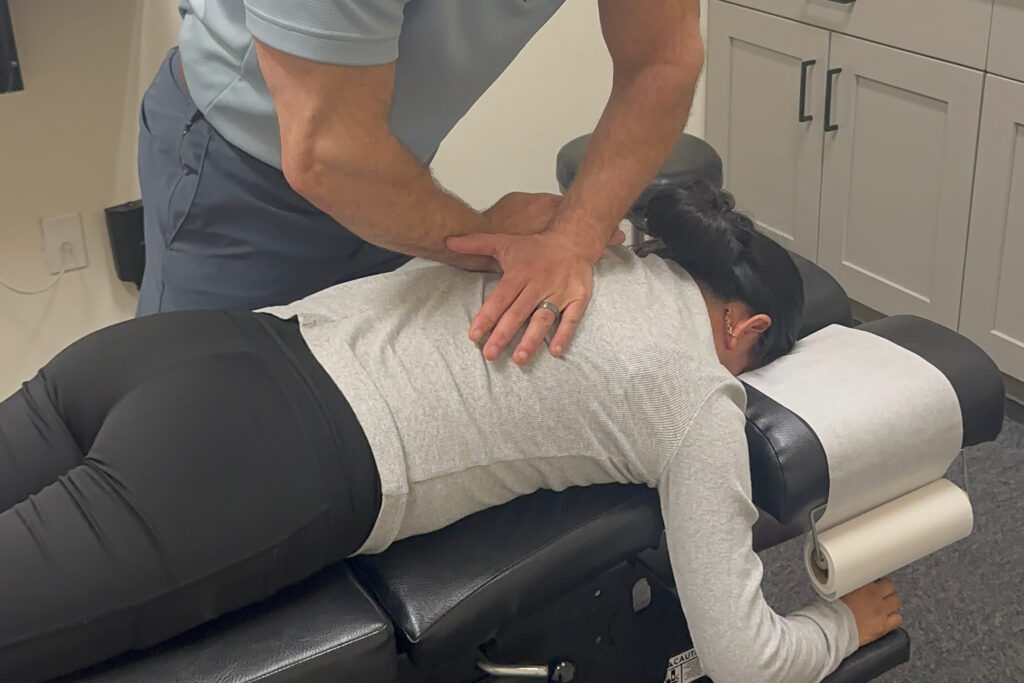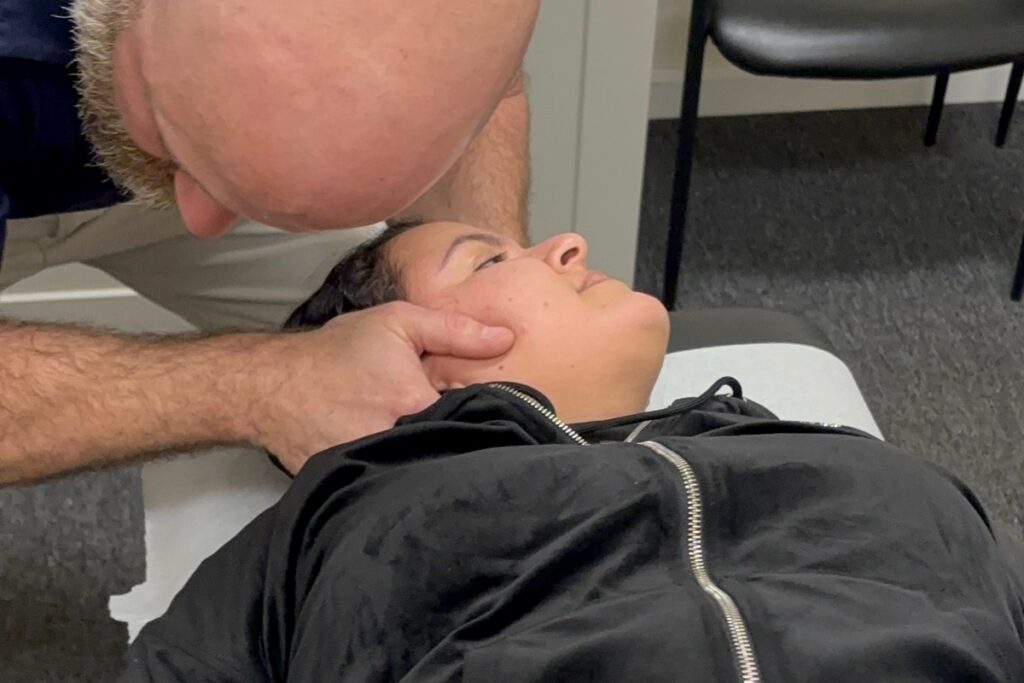

If you’re struggling with low back pain, chiropractic care may be the most effective solution for you. It offers a natural approach to alleviating discomfort and enhancing your mobility without the need for medications or invasive procedures. With various techniques available, such as spinal adjustments and soft tissue therapy, there’s something tailored to meet your individual needs.
Chiropractic care focuses on correcting misalignments in the spine, which can be a significant source of pain. By addressing these issues, we not only relieve discomfort but also promote overall health and wellness. Each chiropractic technique has its unique benefits, and understanding them can help you make informed decisions about your treatment.
For instance, spinal adjustments can realign your vertebrae, improving your body’s function and reducing pain. Soft tissue therapy can relax tight muscles and release tension, enhancing your overall comfort. Additionally, incorporating gentle stretching and strengthening exercises can support your recovery and help prevent future issues.
If you’re curious about which techniques might work best for you, let’s explore the top chiropractic approaches that can help you find relief from low back pain. Remember, taking proactive steps towards better spinal health is a key part of achieving optimal wellness. Embrace the natural healing power of chiropractic care and start your journey towards a healthier, pain-free life today!
Key Takeaways
- Diversified Technique: This widely-used chiropractic method empowers your body’s natural ability to heal by providing gentle spinal adjustments. By creating personalized treatment plans, we can alleviate low back pain and enhance your mobility, helping you feel your best every day.
- Gonstead Technique: This technique zeroes in on specific vertebrae that may be misaligned, providing precise adjustments for targeted relief. By correcting these misalignments, we can help you experience significant relief from low back pain, allowing you to engage fully in your daily activities.
- Flexion-Distraction Technique: Using a specialized table, this technique gently decompresses the spine, relieving pressure on discs and enhancing overall spinal alignment. This method not only reduces pain but also promotes a healthier spine, making it easier for you to move freely and comfortably.
- Active Release Technique (ART): This hands-on technique focuses on tight muscle groups and fascia, helping to release tension and restore normal muscle function. By addressing these areas, we can reduce pain in your lower back and improve your overall well-being, allowing you to enjoy life without discomfort.
- Trigger Point Therapy: This approach targets specific muscle knots that can cause referred pain. By applying direct pressure to these points, we can relieve tension and improve your overall function. Incorporating this technique into your care can help you feel more relaxed and mobile, enhancing your quality of life.
General Tips for Low Back Health:
- Maintain good posture while sitting, standing, and walking to reduce strain on your back.
- Incorporate gentle stretching and strengthening exercises into your daily routine to support spinal health.
- Stay hydrated and eat a balanced diet to promote overall wellness and healing.
- Consider regular chiropractic visits to keep your spine aligned and functioning optimally.
Chiropractic care is a natural, non-invasive way to achieve pain relief and promote wellness. By choosing chiropractic, you’re investing in a healthier, happier you!
Spinal Adjustments
Spinal adjustments are essential for relieving low back pain and promoting overall wellness.
When you come to see me, I’ll carefully examine your spine to find any misalignments that might be causing your discomfort. Using gentle and precise techniques, I’ll help restore proper alignment, easing pressure on your nerves and improving your mobility. Many people experience immediate relief, while others notice gradual improvement as we continue with your adjustments.
These adjustments not only help alleviate pain but also work to restore your spine’s natural curvature, which is crucial for your body’s overall function. After treatment, you may find that you have a greater range of motion and less muscle tension. It’s important to understand that spinal adjustments do more than just relieve pain; they can also enhance your body’s ability to heal itself by improving blood flow and nerve function.
Incorporating regular spinal adjustments into your routine can lead to lasting benefits. By addressing the root causes of your low back pain, you’re making a vital investment in your health and well-being.
Here are a few simple tips to enhance your wellness journey:
- Stay Active: Engage in gentle exercises, like walking or stretching, to keep your body moving.
- Practice Good Posture: Be mindful of your posture while sitting, standing, and lifting to avoid unnecessary strain on your back.
- Stay Hydrated: Drinking plenty of water helps maintain the health of your discs and overall spinal function.
- Prioritize Sleep: Ensure you’re getting enough restful sleep, as this is crucial for your body’s healing processes.
Trusting the chiropractic process can lead to significant improvements in how you feel. By choosing chiropractic care, you’re taking an important step towards a healthier, more active life. Remember, I’m here to support you every step of the way on your journey to optimal health.
Soft Tissue Therapy
Soft tissue therapy is an essential component of managing low back pain, as it targets the muscles, tendons, and ligaments that support your spine. By focusing on these areas, soft tissue therapy can help relieve tension and improve mobility, making it a perfect complement to your chiropractic care.
As a chiropractor, I believe that understanding the benefits of soft tissue therapy is crucial for your overall wellness. It helps enhance the effectiveness of spinal adjustments, promoting natural healing and pain relief. Common techniques include massage, stretching, and myofascial release, all aimed at alleviating discomfort and restoring function.
Incorporating soft tissue therapy into your treatment plan can lead to lasting improvements in your health.
Here are some tips to consider:
- Stay Active: Gentle movements and stretches can help keep your muscles flexible and strong, supporting your spine better.
- Listen to Your Body: Pay attention to areas of tension or discomfort and communicate these to your chiropractor. This information can guide your treatment plan.
- Practice Good Posture: Maintaining proper posture while sitting, standing, or lifting can significantly reduce strain on your back.
- Hydrate: Drinking plenty of water helps keep your muscles and tissues healthy, promoting recovery and overall wellness.
- Regular Check-ups: Regular visits to your chiropractor can help ensure your spine remains aligned, which is key for preventing and managing pain.
Choosing chiropractic care, complemented by soft tissue therapy, is a natural and effective way to achieve optimal health. By focusing on the root causes of pain and promoting overall well-being, you can enjoy a more vibrant, active life.
Techniques Overview
When it comes to addressing low back pain, chiropractic care is an excellent choice for natural healing and promoting overall wellness. One of the key components of chiropractic treatment is soft tissue therapy, which includes a variety of techniques designed to relieve tension and improve mobility in your body. These hands-on methods target muscles, fascia, and connective tissue, helping to alleviate discomfort and enhance your daily functioning. Here are three common techniques you might encounter during your chiropractic sessions:
- Massage Therapy: This technique focuses on relaxing tight muscles and increasing blood flow to the affected area. It can help ease pain and promote relaxation, making it a valuable part of your wellness routine.
- Myofascial Release: By applying gentle sustained pressure, this method aims to release restrictions in the fascia, which is the connective tissue surrounding your muscles. This promotes better movement and flexibility, allowing you to stay active and engaged in your life.
- Trigger Point Therapy: This approach targets specific muscle knots that can cause pain and discomfort. By addressing these areas, trigger point therapy can reduce pain and enhance your overall function, making it easier for you to perform daily activities.
In addition to these techniques, here are some general tips to help manage your low back pain and promote a healthier lifestyle:
- Stay Active: Engage in regular physical activity to strengthen your back muscles and improve flexibility. Simple exercises like walking, swimming, or stretching can make a big difference.
- Practice Good Posture: Be mindful of your posture whether you’re sitting, standing, or lifting objects. Proper alignment can help reduce strain on your back.
- Listen to Your Body: If you experience discomfort, don’t push through the pain. Instead, take a break and consult with your chiropractor for guidance on how to address your symptoms.
Benefits of Therapy
As a local chiropractor, I want to share the incredible benefits of soft tissue therapy, especially for those who are dealing with low back pain. This effective technique focuses on the muscles, tendons, and ligaments that support your spine. By targeting these soft tissues, we can relieve tension and improve your overall mobility.
Many of my patients notice a significant reduction in pain and discomfort as we work to release tight muscle knots. When these knots are addressed, your body can function more efficiently, allowing you to enjoy daily activities without the nagging pain.
Soft tissue therapy also enhances blood flow to the affected areas, which helps promote quicker healing and recovery. Plus, it improves flexibility, making it easier for you to move and reducing the risk of future injuries.
What’s great about soft tissue therapy is that it takes a holistic approach to managing low back pain. By addressing both muscular and structural issues, it can lead to a marked improvement in your overall quality of life.
Here are some tips to help you manage low back pain at home:
- Stay Active: Gentle exercises, like walking or stretching, can keep your muscles engaged and flexible.
- Use Heat or Cold Therapy: Applying heat to tight muscles or cold packs to swollen areas can provide relief.
- Focus on Posture: Maintaining good posture while sitting and standing can reduce strain on your back.
- Stay Hydrated: Drinking plenty of water supports your muscles and overall health.
Common Applications
Therapy methods like soft tissue therapy can be incredibly effective in addressing low back pain, especially when combined with chiropractic care. By focusing on the muscles and connective tissues, you can experience significant relief and support your overall wellness.
Here are three common applications of soft tissue therapy that can complement your chiropractic treatment:
- Massage Techniques: Techniques such as deep tissue or trigger point massage can be beneficial in releasing tension and improving blood flow to the affected areas. These massages not only provide immediate relief but also enhance the effectiveness of chiropractic adjustments by relaxing tight muscles.
- Myofascial Release: This approach targets the fascia, the connective tissue surrounding your muscles, helping to alleviate pain and increase flexibility in your lower back. By integrating myofascial release into your routine, you can support the natural healing process facilitated by chiropractic care.
- Stretching Exercises: Incorporating specific stretches into your daily routine can greatly enhance mobility and reduce stiffness, promoting a healthier range of motion. Simple stretches can be done at home and can work hand-in-hand with chiropractic adjustments to keep your spine and muscles functioning optimally.
General Tips for Low Back Health:
- Maintain a strong core: Strengthening your abdominal and back muscles can provide better support for your spine.
- Stay active: Regular physical activity helps maintain flexibility and strength, reducing the risk of back pain.
- Practice good posture: Be mindful of your posture when sitting, standing, or lifting to minimize strain on your back.
Active Release Technique
Active Release Technique is an effective method for alleviating muscle tension and enhancing your range of motion, making it a valuable tool in the realm of chiropractic care.
By specifically targeting tight muscle groups, this technique helps to release built-up tension and restore normal muscle function, allowing you to feel more at ease and move freely.
If you’re experiencing low back pain, this method could be an excellent addition to your wellness routine.
Chiropractic care, including Active Release Technique, focuses on natural healing and supports your body’s ability to recover without the need for medications or invasive procedures.
In addition to seeking chiropractic treatment, here are some practical tips you can incorporate into your daily life to support your spinal health:
- Stay Active: Engage in regular physical activity, such as walking, swimming, or yoga, to keep your muscles strong and flexible.
- Practice Good Posture: Pay attention to your posture while sitting, standing, and lifting. Proper alignment can help prevent muscle strain and back pain.
- Stretch Regularly: Incorporate gentle stretching into your daily routine to improve flexibility and reduce tension in your muscles.
- Hydrate: Drink plenty of water to keep your muscles hydrated and functioning optimally.
- Listen to Your Body: If you feel discomfort, take a break and give your body time to rest and recover.
Remember, chiropractic care is your best choice for achieving optimal health naturally.
Muscle Tension Relief
When muscle tension builds up in your back, it can lead to discomfort and restrict your daily activities.
As a chiropractor, I want to share with you an incredible method for relieving this tension: Active Release Technique (ART). This natural approach targets specific muscles, tendons, and fascia to help release tightness and restore your body’s function.
Here’s how ART works:
- Identification: First, I’ll carefully assess the areas where you’re feeling tension and restrictions. Understanding where the problem lies is the first step towards relief.
- Manual Pressure: Using my hands, I’ll apply gentle yet precise pressure to the affected muscles while guiding you through specific movements. This helps the muscle fibers relax and release the built-up tension.
- Reassessment: After the treatment, I’ll evaluate your progress and check in with you to ensure you’re feeling relief and improvement in your mobility.
In addition to ART, here are a few general tips you can incorporate into your daily life to help manage and prevent muscle tension:
- Stay Active: Engage in regular physical activity to keep your muscles strong and flexible.
- Practice Good Posture: Pay attention to your posture, especially if you sit for long periods. Consider ergonomic furniture that supports a healthier spine.
- Take Breaks: If you work at a desk, take short breaks every hour to stretch and move around.
- Stay Hydrated: Drinking enough water can help keep your muscles hydrated and functioning well.
Chiropractic care, including techniques like ART, is a fantastic way to achieve natural pain relief and promote overall wellness.
Enhanced Range of Motion
Many people find that tight muscles or past injuries can limit their range of motion, making daily activities more challenging. One effective approach to overcoming these limitations is the Active Release Technique (ART), which I incorporate into my chiropractic care. This hands-on therapy is designed to identify and release tightness in your soft tissues, allowing for smoother movement of your muscles and joints.
During an ART session, I’ll gently apply pressure to the areas that are tight while guiding you through specific movements. This method helps to break up adhesions and restore elasticity in your muscles, which can lead to improved flexibility and reduced discomfort. As a result, you may find that you can perform everyday tasks with greater ease and comfort.
If you’re dealing with limited mobility, I encourage you to consider ART as part of your journey toward better health and wellness. Remember, chiropractic care is a natural and effective way to achieve pain relief and enhance your overall well-being.
To support your mobility at home, here are a few simple tips:
- Stretch regularly: Incorporate gentle stretching into your daily routine to maintain flexibility.
- Stay hydrated: Drinking enough water helps keep your muscles hydrated and functioning well.
- Practice good posture: Being mindful of your posture can prevent unnecessary strain on your muscles and joints.
- Listen to your body: If you feel discomfort, take a break and give your body the rest it needs.
Gonstead Technique
The Gonstead Technique is a specialized chiropractic approach that aims to effectively alleviate low back pain while promoting overall wellness. By focusing on realigning the spine and restoring its natural function, this method ensures that your body can heal itself naturally. Each treatment is customized to fit your individual needs, making chiropractic care a top choice for pain relief and healthy living.
Here are three important aspects of the Gonstead Technique that highlight its benefits:
- Thorough Examination: Your journey begins with a detailed assessment from your chiropractor, including a comprehensive examination and, if necessary, X-rays. This allows us to identify misalignments in your spine and understand the root causes of your discomfort.
- Targeted Adjustments: The Gonstead Technique uses precise adjustments focused on specific vertebrae. By correcting these misalignments, we aim to relieve your low back pain and restore proper function, helping your body to work more efficiently.
- Posture Improvement: A key element of this technique is improving your overall posture. Good posture supports spinal health and can help prevent future pain, making it easier for you to maintain a healthy lifestyle.
By choosing the Gonstead Technique, you’re not just seeking relief from low back pain—you’re investing in your overall health and wellness.
Along with your treatments, consider these tips for a healthier lifestyle:
- Stay active with regular exercise, which strengthens your core muscles and supports your spine.
- Practice good posture, whether sitting at your desk or standing, to reduce strain on your back.
- Incorporate stretching into your daily routine to enhance flexibility and relieve tension.
With chiropractic care, you can achieve optimal health and enjoy a pain-free life naturally!
Diversified Technique
The Diversified Technique is one of the most popular chiropractic methods available today, and for good reason!
This technique is specifically designed to address a variety of spinal issues, making it an excellent choice for anyone dealing with low back pain. By focusing on precise adjustments, the Diversified Technique helps restore proper alignment to your spine, which is essential for overall health and wellness.
So, how does this technique work?
During your treatment, I’ll assess your spine and identify any misalignments or areas of tension. Using gentle yet effective adjustments, I’ll help realign your spine to improve your body’s function and alleviate pain.
Many patients find significant relief after just a few sessions, as their bodies begin to heal naturally.
Here are a few tips you can incorporate into your daily routine to support your spinal health:
- Practice Good Posture: Whether sitting at a desk or standing, maintaining proper posture can help reduce strain on your back. Try to keep your shoulders back and your spine straight.
- Stay Active: Regular physical activity strengthens your back and core muscles, providing better support for your spine. Aim for at least 30 minutes of moderate exercise most days of the week.
- Stretch Regularly: Incorporating gentle stretches into your daily routine can help relieve tension in your back and improve flexibility. Simple stretches like reaching for the sky or bending side to side can make a big difference.
- Listen to Your Body: If you feel discomfort or pain, don’t ignore it! Early intervention through chiropractic care can prevent more serious issues down the road.
- Prioritize Sleep: A good night’s sleep is essential for recovery. Ensure you have a supportive mattress and pillow to maintain proper spinal alignment while you rest.
Remember, chiropractic care isn’t just about pain relief; it’s about achieving optimal health and wellness.
Overview of Diversified Technique
Diversified Technique is one of the most popular chiropractic methods for addressing low back pain, and for good reason. This approach emphasizes gentle and precise spinal adjustments to boost your mobility and ease discomfort.
Let’s break down its essential components in a way that’s easy to understand:
1. Spinal Adjustments: You’ll receive focused adjustments targeting specific vertebrae. This helps realign your spine, which can significantly reduce pain and enhance your overall function.
Think of it like tuning a guitar; when the strings are in tune, everything sounds better!
2. Palpation: Your chiropractor will carefully examine your spine to find areas that might be tense or out of alignment. This hands-on assessment is crucial for understanding your unique situation and determining the best course of action.
3. Personalized Treatment Plans: Every individual is different, so your treatment plan will be specially designed to meet your needs. This tailored approach ensures that you receive the most effective care for your low back pain.
Chiropractic care, and specifically the Diversified Technique, has shown to be effective for many people on their journey to recovery. By focusing on natural healing, it offers a pathway to regain comfort and mobility without the need for medications or surgeries.
Here are some general tips to help you maintain a healthy spine and enhance your well-being:
- Stay Active: Regular movement helps keep your spine flexible and strong. Simple activities like walking, stretching, or yoga can make a big difference.
- Maintain Good Posture: Be mindful of your posture when sitting, standing, or lifting. Good alignment can prevent unnecessary strain on your back.
- Listen to Your Body: If you feel pain or discomfort, don’t ignore it. Pay attention to what your body is telling you, and consider reaching out to a chiropractor for guidance.
- Stay Hydrated: Drinking plenty of water is essential for overall health and can keep your spinal discs hydrated and functioning well.
Benefits for Low Back
Experiencing low back pain can significantly affect your daily life, but there’s a natural and effective solution: the Diversified Technique in chiropractic care. This method focuses on gentle, precise spinal adjustments that help realign your spine and improve mobility. Many people notice a decrease in pain and an increase in their range of motion, enabling them to participate in everyday activities with more ease and comfort.
Beyond just pain relief, the Diversified Technique can also enhance your overall posture and body function, which helps prevent future injuries. Improved alignment means that your body can move more efficiently and reduce strain on your muscles and joints. Additionally, this technique boosts nerve function, which is essential for your overall health and well-being. Many patients report feeling more energized after their sessions, as chiropractic care promotes better blood circulation throughout the body.
Incorporating regular chiropractic adjustments into your wellness routine is a proactive way to manage low back pain and promote a healthier lifestyle. Remember, you can also support your back health at home by practicing good posture, staying active with gentle exercises, and using ergonomic furniture. By choosing chiropractic care, you’re taking a significant step toward achieving and maintaining optimal health naturally.
Treatment Process Explained
When dealing with low back pain, understanding the treatment process of the Diversified Technique can significantly improve your journey toward relief and wellness. This natural approach emphasizes precise spinal adjustments to restore proper alignment and function, promoting your body’s inherent ability to heal itself. Here’s what you can expect during your treatment:
- Assessment: Your chiropractor will start with a comprehensive evaluation, gathering your medical history and conducting physical examinations. This step is crucial to pinpoint the specific issues affecting your spine and overall health.
- Adjustment: Through skilled, hands-on manipulation, your chiropractor will perform targeted adjustments. These adjustments are designed to realign your spine, relieve pain, and enhance your body’s function. You’ll likely feel an immediate sense of relief as your body responds positively to the adjustment.
- Follow-Up: After your adjustments, you’ll have regular follow-up appointments. These sessions are important for monitoring your progress and making any necessary modifications to your treatment plan. Your chiropractor may also suggest additional therapies like stretching exercises, lifestyle changes, or nutritional advice to support your healing journey.
General Tips for Wellness:
- Stay active: Gentle exercises, like walking or swimming, can help strengthen your back and improve mobility.
- Maintain good posture: Be mindful of your posture while sitting, standing, and lifting to prevent strain on your back.
- Use supportive furniture: Ergonomic chairs and mattresses can make a significant difference in your comfort and spinal health.
- Stay hydrated: Drinking plenty of water supports overall health and helps keep your spinal discs hydrated.
By choosing chiropractic care, you’re investing in a holistic approach that promotes natural healing and can lead you to a path of optimal health and wellness.
Flexion-Distraction Technique
The Flexion-Distraction Technique is a gentle and effective method for relieving low back pain, and it’s one of the many tools in a chiropractor’s toolbox for promoting natural healing. This technique utilizes a specialized table that allows your chiropractor to carefully flex and distract your spine. While you lie comfortably on the table, they perform controlled movements on your lower back, creating space between your vertebrae. This process helps alleviate pressure on the discs and nerves, which is essential for achieving better spinal alignment.
Many patients experience immediate relief as muscle tension diminishes and blood flow improves. The Flexion-Distraction Technique is particularly beneficial for conditions such as herniated discs or sciatica, making it an excellent option for those who prefer a non-invasive approach to pain relief. It’s a safe alternative to surgeries or medications, allowing your body to heal naturally.
After your session, you may find that your mobility has increased and your pain has lessened. Your chiropractor may suggest follow-up visits to support your recovery and ensure that you continue to feel your best. This technique not only helps in relieving pain but also significantly enhances your overall quality of life, allowing you to engage in daily activities with greater ease and comfort.
To further support your spinal health, consider incorporating gentle stretching and strengthening exercises into your routine. Staying active, maintaining good posture, and practicing stress-reducing techniques like mindfulness or yoga can also promote a healthier spine. Remember, chiropractic care is a powerful ally in your journey to optimal health and wellness, helping you achieve lasting relief and a more vibrant life.
McKenzie Method
After diving into the benefits of the Flexion-Distraction Technique, let’s shift our focus to another powerful method for managing low back pain: the McKenzie Method. This approach is all about active patient involvement and self-treatment strategies, empowering you to take charge of your recovery and overall wellness.
Here are three essential components of the McKenzie Method that you can easily incorporate into your daily routine:
- Assessment: As your local chiropractor, I’ll conduct a thorough evaluation to pinpoint specific movements that either relieve or aggravate your pain. Understanding these triggers is the first step towards effective self-management.
- Exercises: You’ll be introduced to targeted exercises that enhance spinal mobility and strengthen your core muscles. These exercises not only help in alleviating your current discomfort but also play a crucial role in preventing future issues. Consistency is key, so make these exercises a regular part of your day!
- Posture Education: Learning about proper posture and body mechanics is vital. I’ll provide you with practical tips on maintaining good posture during daily activities—whether you’re sitting at your desk, lifting objects, or even sleeping. Correct posture helps minimize strain on your spine and keeps you feeling your best.
By embracing the McKenzie Method, you’re not just seeking relief from low back pain; you’re also investing in your long-term health and wellness.
Remember, chiropractic care is a natural and effective way to achieve optimal health without the need for medications or surgeries.
If you have any questions or need further guidance, I’m here to help you on your journey to a pain-free life!
Trigger Point Therapy
Understanding and relieving muscle tension is crucial for effectively managing low back pain, and that’s where Trigger Point Therapy shines. This technique zeroes in on specific tight spots in your muscles, known as trigger points, which can lead to pain and discomfort throughout your back. When pressure accumulates in these areas, it can cause referred pain, making it essential to address them directly.
During a session, I’ll apply gentle, direct pressure to these trigger points to help release the built-up tension and promote better blood flow. While you may feel some discomfort at first, many patients find that this leads to significant relief. Regular sessions not only enhance flexibility but also reduce muscle stiffness, making daily activities more enjoyable and less painful.
Incorporating Trigger Point Therapy into your back pain management plan can truly transform your experience. By focusing on the root causes of your discomfort, you can achieve lasting relief and improve your overall quality of life.
Here are a few simple tips to help manage muscle tension at home:
- Stretch Regularly: Incorporate gentle stretches into your daily routine to keep your muscles flexible and reduce tension.
- Stay Hydrated: Drinking plenty of water helps maintain muscle function and can prevent cramping and tightness.
- Practice Good Posture: Be mindful of your posture during daily activities, especially if you sit for long periods. Proper alignment can significantly reduce strain on your back.
- Use Heat Therapy: Applying a warm compress to tight areas can help relax muscles and increase blood flow, providing relief.
- Listen to Your Body: Pay attention to areas of discomfort and address them early with gentle movements or stretches.
Heat and Cold Therapy
Incorporating heat and cold therapy into your daily routine can significantly support your recovery from low back pain and enhance your overall wellness. These natural techniques can help reduce inflammation, relax muscles, and alleviate discomfort, all of which can complement your chiropractic care. Here’s how you can effectively use heat and cold therapy:
- Heat Therapy: Applying a heating pad or a warm towel for 15-20 minutes can be particularly beneficial. Heat increases blood flow and relaxes tight muscles, making it an excellent option for chronic pain or stiffness. This method can help prepare your body for adjustments and improve your mobility.
- Cold Therapy: Using an ice pack wrapped in a cloth for 15-20 minutes on the affected area can provide relief as well. Cold therapy numbs the pain and reduces inflammation, making it especially useful for acute injuries or swelling. This can be a great way to manage discomfort before your chiropractic visit.
- Alternating Treatments: For a more comprehensive approach, consider alternating between heat and cold therapy. Applying one after the other can enhance circulation and promote healing, further supporting the adjustments made during your chiropractic sessions.
Postural Correction
While heat and cold therapy can offer quick relief, it’s crucial to address the root causes of low back pain for lasting wellness. One of the most significant contributors is your posture. When we’ve poor posture, it can put unnecessary strain on our back muscles and spine, leading to discomfort and pain.
Start by being mindful of how you sit, stand, and move throughout the day. Ensure your workspace is set up for comfort and support—keep your monitor at eye level, and choose a chair that provides good back support. When sitting, keep your feet flat on the ground and your back firmly against the chair.
Incorporating exercises that strengthen your core and enhance your flexibility is essential. Simple stretches and strength training can help support your spine more effectively. Additionally, regular chiropractic adjustments can significantly improve your posture, allowing your body to function at its best.
At our chiropractic practice, we believe that prioritizing postural correction not only alleviates pain but also promotes overall well-being. Here are a few easy tips to get you started on your journey to better posture and health:
- Practice Awareness: Throughout the day, check in with your posture. Are your shoulders back and relaxed? Is your head aligned over your spine?
- Create an Ergonomic Workspace: Adjust your chair height, and keep your monitor at eye level to reduce strain.
- Take Breaks: Stand up and stretch every hour to relieve tension and reset your posture.
- Strengthen Your Core: Simple exercises like planks and bridges can help build the muscles that support your spine.
- Seek Chiropractic Care: Regular adjustments can help align your spine, improve your posture, and enhance your overall health.
Conclusion
Incorporating chiropractic techniques into your routine can significantly enhance your low back pain relief and overall wellness. By exploring natural options like spinal adjustments, soft tissue therapy, and personalized exercises, you’ll discover an approach that truly fits your unique needs.
A key aspect of chiropractic care is addressing posture, which can have a profound impact on your back health. Simple adjustments to your sitting and standing habits can lead to remarkable improvements. Additionally, using heat or cold therapy can be a great way to soothe discomfort and promote healing.
With regular chiropractic care and the right techniques, you can effectively reduce pain, restore your body’s function, and prevent future issues from arising. Remember, the goal is to foster natural healing and achieve optimal health without the need for invasive procedures or medications.
If you’re experiencing low back pain, don’t hesitate to consult with a chiropractor. Together, we can create a personalized treatment plan that empowers you on your journey to a pain-free and healthier life. Let’s take this path to wellness together!