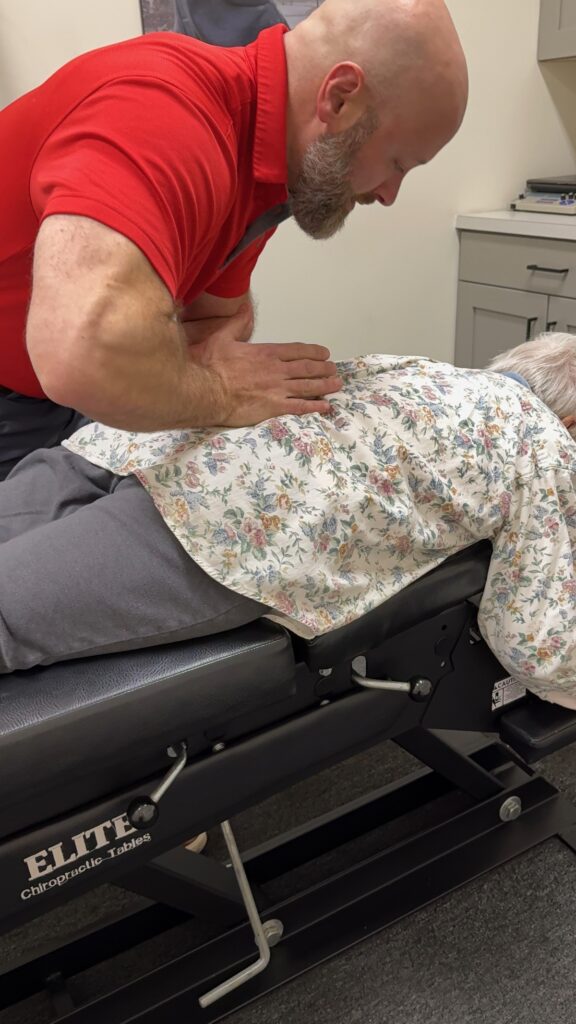

When it comes to finding the best frequency for headache relief, it’s important to consider your specific type of headache and individual needs. As a chiropractor, I believe that natural healing through chiropractic care is one of the most effective ways to address headaches. Many people don’t realize how small adjustments in their daily routine can lead to significant improvements in their well-being.
Chiropractic adjustments can help alleviate tension and restore balance to the spine, which may be a key factor in reducing headache frequency and intensity. It’s amazing how aligning the spine can relieve pressure on nerves and improve overall health.
In addition to regular chiropractic care, here are some simple tips you can incorporate into your lifestyle for better headache management:
- Stay Hydrated: Drinking plenty of water can help prevent dehydration, which is a common headache trigger.
- Practice Good Posture: Maintaining proper posture while sitting, especially if you work at a desk, can reduce muscle tension that contributes to headaches.
- Manage Stress: Techniques like deep breathing, meditation, or yoga can help lower stress levels, reducing the likelihood of tension headaches.
- Get Regular Exercise: Physical activity enhances blood flow and can help reduce headache frequency.
- Prioritize Sleep: Ensure you’re getting enough restful sleep, as fatigue can be a significant headache trigger.
By focusing on these natural approaches and making chiropractic care a part of your routine, you can create a strong foundation for optimal health and headache relief. Remember, everyone is unique, so it’s essential to find what works best for you. If headaches persist, consider reaching out to your local chiropractor for personalized care tailored to your needs.
Key Takeaways
- Regular chiropractic adjustments, ideally every 4-6 weeks, are a wonderful way to not only reduce the frequency of headaches but also to enhance your overall spinal health. By ensuring your spine is aligned, you can help your body function at its best, which may lead to fewer headaches.
- For those dealing with tension headaches, incorporating daily relaxation techniques, such as deep breathing or gentle stretching, can be beneficial. These practices help manage stress and can prevent headaches from developing in the first place.
- Staying hydrated and eating a balanced diet rich in fruits, vegetables, and whole grains should be part of your daily routine. Proper nutrition and hydration play a crucial role in preventing headaches and supporting your overall well-being.
- Consistent sleep patterns are essential for everyone. Aiming for 7-9 hours of quality sleep each night can significantly lower the chances of headaches. Establishing a calming bedtime routine can improve your sleep quality.
- Keeping a headache diary is a practical tool. By tracking when your headaches occur and what might trigger them, you can gain valuable insights. This information can guide you and your chiropractor in developing effective strategies to prevent future headaches and determine the right frequency of interventions.
Remember, chiropractic care is a safe and natural way to promote wellness and manage pain. By incorporating these tips into your lifestyle and regularly visiting your chiropractor, you can work towards a headache-free life!
Understanding Headache Types and Their Frequencies
When you experience a headache, it’s important to recognize that not all headaches are the same. Different types can present with varying frequencies and intensities, and understanding them can lead to better management and relief.
Tension headaches are often the most common type and may arise from stress, poor posture, or muscle tension. They can occur sporadically or become chronic depending on your lifestyle. One effective way to alleviate tension headaches is through chiropractic care, which addresses misalignments in the spine that can contribute to muscle tension and pain.
Migraines, while less frequent, can be quite debilitating, lasting from hours to several days. These headaches can be triggered by various factors such as certain foods, stress, or hormonal changes. Chiropractic adjustments can help reduce the frequency and severity of migraines by improving spinal function and reducing tension in the nervous system.
Cluster headaches are rarer but can occur in intense bursts, often at the same time each day during a cycle. While these can be particularly challenging, regular chiropractic care may help in managing overall body tension and promoting better spinal health, which can be beneficial in reducing the likelihood of these painful episodes.
By recognizing the patterns and triggers of your headaches, you can take proactive steps to manage your pain. Here are some general tips to help:
- Maintain Good Posture: Be mindful of your posture whether sitting at a desk or using your phone. Poor posture can lead to tension headaches.
- Stay Hydrated: Dehydration can trigger headaches, so make sure you drink plenty of water throughout the day.
- Manage Stress: Incorporate relaxation techniques such as deep breathing, yoga, or meditation to help reduce stress levels.
- Regular Chiropractic Visits: Frequent chiropractic adjustments can help keep your spine aligned and reduce tension, potentially decreasing headache occurrences.
- Identify Triggers: Keep a headache diary to track when headaches occur and what you were doing at the time. This can help you identify and avoid triggers.
By taking these steps and considering chiropractic care, you can work towards not only alleviating headaches but also enhancing your overall health and well-being.
Medication Use: Finding the Right Dose and Timing
When it comes to managing headaches, many people often turn to medications for relief. However, as a local chiropractor, I want to emphasize the importance of exploring natural methods for pain relief and overall wellness.
Timing and dosage of medications can certainly play a role in headache management, but chiropractic care offers a holistic approach that targets the root causes of pain without the need for medications.
Understanding your body’s signals is key. If you experience frequent headaches, it may be a sign of spinal misalignment or tension in your neck and shoulders. Regular chiropractic adjustments can help restore proper alignment, reduce tension, and promote better circulation, which can lead to fewer headaches and improved overall health.
Here are some tips to consider for natural headache relief:
- Stay Hydrated: Dehydration can often be a trigger for headaches. Make sure you drink plenty of water throughout the day.
- Maintain Good Posture: Poor posture can lead to tension in the neck and back, contributing to headaches. Be mindful of your posture while sitting and standing.
- Manage Stress: Stress is a common headache trigger. Incorporating relaxation techniques such as deep breathing, meditation, or gentle yoga can help alleviate stress-induced headaches.
- Regular Chiropractic Visits: Schedule regular appointments with your chiropractor to keep your spine aligned and to address any underlying issues that may contribute to headaches.
- Get Enough Sleep: Aim for a consistent sleep schedule and ensure you’re getting enough rest each night, as lack of sleep can lead to increased headache frequency.
By focusing on these natural approaches, you can take proactive steps towards better health and wellbeing.
Timing of Medication Intake
To effectively manage headaches, understanding the timing of your body’s signals is essential for achieving optimal relief. Recognizing the first signs of a headache can be your best defense; addressing it early can prevent the discomfort from intensifying and help you regain control over your well-being more quickly.
It’s important to listen to your body—don’t wait until the pain becomes overwhelming. If you know that certain activities or stressors tend to trigger your headaches, consider implementing lifestyle changes to avoid those triggers or seek chiropractic care to address underlying issues that may contribute to your pain.
Regular chiropractic adjustments can help maintain spinal alignment and improve overall body function, which can reduce the frequency and intensity of headaches. Establishing a consistent routine for your overall wellness, including regular chiropractic visits, can enhance your body’s ability to manage stress and tension.
Remember, chiropractic care focuses on natural healing and promotes a healthier living environment. Always consult with your chiropractor about your specific needs and the steps you can take to support your health.
Optimal Dosage Recommendations
Finding the right approach for headache relief can significantly enhance your well-being. As a chiropractor, I believe in the power of natural healing and spinal health to help manage pain. Here are some helpful tips to consider:
- Start with Natural Remedies: Before considering any medication, explore natural methods such as staying hydrated, practicing relaxation techniques, and ensuring proper posture. These can often alleviate headaches without the need for drugs.
- Pay Attention to Triggers: Keep a journal of your headaches to identify patterns or triggers. This can help you understand what might be causing your discomfort and allow you to make lifestyle adjustments.
- Consult Your Chiropractor: Always talk to your chiropractor about your headaches. They can assess your spinal health and offer adjustments or therapies that may help relieve your pain naturally.
- Incorporate Gentle Exercise: Regular physical activity, such as yoga or walking, can improve circulation and reduce tension in your body, which may help decrease the frequency and severity of headaches.
- Practice Good Posture: Maintaining proper posture while sitting or standing can prevent tension in your neck and upper back, areas often linked to headaches.
Using these tips can help you find relief while promoting overall health and wellness.
Types of Pain Relievers
Pain relief can often be achieved through natural methods, and chiropractic care is one of the most effective ways to address headaches and their underlying causes. Instead of relying on over-the-counter medications like ibuprofen or acetaminophen, consider how spinal health plays a key role in overall wellness.
Chiropractic adjustments can help alleviate tension headaches and migraines by improving spinal alignment and reducing nerve interference.
For those who frequently experience headaches, regular chiropractic visits can be a proactive approach. By maintaining proper spinal function, you can potentially reduce the frequency and intensity of headaches without the need for medications.
Additionally, incorporating lifestyle changes—such as practicing good posture, staying hydrated, and managing stress through relaxation techniques—can also contribute to headache prevention.
Some individuals find that natural remedies, like magnesium supplements or herbal teas, can complement their chiropractic care. However, the best step you can take is to consult a chiropractor. They can provide personalized advice and treatment plans tailored to your unique situation.
Remember, taking action at the first sign of discomfort—whether through a chiropractic adjustment or by practicing relaxation techniques—can often lead to quicker relief.
Ultimately, prioritizing your spinal health through chiropractic care not only addresses pain but also promotes overall wellness. Embrace a healthier lifestyle, and consider making chiropractic a part of your journey to optimal health.
Alternative Therapies: Acupuncture, Massage, and More
When it comes to managing headaches, many people often turn to traditional medications for relief. However, there are effective alternative therapies that can support your journey toward optimal health and well-being, with chiropractic care being a top choice. Here’s how you can find relief and promote better health naturally:
– Chiropractic Care: By focusing on spinal health, chiropractic adjustments can help alleviate headaches caused by tension in the neck and back. Proper alignment of the spine can reduce nerve irritation and improve blood flow, leading to fewer headaches and a greater sense of well-being.
Regular visits to your chiropractor can help maintain this balance and prevent future headaches.
– Massage Therapy: While chiropractic care addresses the root cause of headaches through spinal adjustments, massage therapy can complement this by easing muscle tension. A skilled massage can relieve tightness in the neck and shoulders, which often contributes to headache pain.
Consider incorporating regular massage sessions into your wellness routine to enhance relaxation and further reduce headache frequency.
– Lifestyle Adjustments: Simple changes in your daily habits can also make a big difference. Staying hydrated, maintaining good posture, and managing stress through techniques like deep breathing or gentle stretching can help prevent headaches.
Make sure to take regular breaks if you work at a desk, and prioritize proper ergonomics.
– Nutritional Support: Eating a balanced diet rich in fruits, vegetables, whole grains, and healthy fats can support overall health. Some people find relief from headaches by avoiding certain triggers, such as processed foods or excessive caffeine.
Keeping a food diary can help identify patterns and potential culprits.
– Mind-Body Techniques: Practices such as yoga and meditation can provide additional support for headache management. These techniques promote relaxation and reduce stress, which can be contributing factors to tension headaches.
Remember, while alternative therapies can offer relief, chiropractic care is a holistic approach that focuses on correcting spinal misalignments to enhance your body’s natural ability to heal.
If you’re struggling with headaches, consider scheduling a consultation with your chiropractor to explore how spinal adjustments and personalized wellness strategies can help you achieve optimal health.
Lifestyle Changes: Sleep, Diet, and Hydration
To effectively manage headaches, it’s crucial to consider your lifestyle choices, especially when it comes to sleep, diet, and hydration. At our chiropractic clinic, we believe that these natural approaches can significantly enhance your well-being and help alleviate headache pain.
First and foremost, prioritize getting enough quality sleep each night. Aim for 7-9 hours, as insufficient sleep can often trigger headaches. Establishing a consistent sleep schedule and creating a calming bedtime routine can improve your rest. Consider gentle stretching or relaxation techniques before bed to help prepare your body for a restorative night’s sleep.
Next, let’s talk about diet. Eating regular meals that include a balance of nutrients is essential for maintaining stable blood sugar levels, which can help prevent headaches. Avoid skipping meals, and be mindful of common headache triggers like caffeine, alcohol, and processed foods. Instead, fill your plate with whole foods rich in magnesium, such as leafy greens and nuts. These foods not only support overall health but can also contribute to reducing headache frequency.
Hydration is another vital factor. Dehydration can lead to headaches, so it’s important to drink enough water throughout the day. Carrying a reusable water bottle with you can serve as a great reminder to stay hydrated. Aim for at least 8 glasses of water daily, and consider herbal teas as an alternative.
In addition to these lifestyle changes, regular chiropractic care can play a significant role in managing headaches. Chiropractic adjustments can improve spinal alignment, enhance nervous system function, and reduce tension in the neck and shoulders—all common contributors to headache pain.
By prioritizing chiropractic care alongside these lifestyle tips, you can take proactive steps towards optimal health and well-being.
Exercise: Frequency and Intensity for Headache Relief
Incorporating regular exercise into your routine can be a transformative step toward alleviating headaches, as it enhances both physical and mental well-being. To harness the full benefits of exercise, it’s essential to focus on how often and how intensely you engage in physical activity. Aim for at least 150 minutes of moderate aerobic exercise each week, spread over several days.
Here are some helpful guidelines to customize your exercise routine for headache relief:
- Frequency: Aim to exercise 3-5 times a week. Consistency is key in promoting better health and reducing headache frequency.
- Intensity: Opt for moderate activities such as brisk walking, cycling, or swimming. These activities can help improve blood flow and reduce tension without overwhelming your body. If you’re feeling up to it, you can occasionally try more vigorous workouts, but always listen to your body and avoid pushing yourself too hard.
- Variety: Incorporate strength training and flexibility exercises, such as yoga or Pilates, into your routine. These forms of exercise not only keep things fresh but also help in relieving tension that can contribute to headaches.
Remember, while exercise is a powerful tool for headache relief, chiropractic care is an excellent complement to your wellness journey.
Regular chiropractic adjustments can help ensure your spine is aligned, which promotes better overall health and may reduce the frequency and intensity of headaches.
Stress Management Techniques: How Often to Practice
Exercise can significantly reduce headache frequency, but managing stress is just as vital for your overall wellness. As a chiropractor, I believe that incorporating stress management techniques into your daily routine can enhance the benefits of chiropractic care.
Aim to practice these techniques every day to help ease tension and promote a healthier spine. This can include simple activities like mindfulness meditation, deep breathing exercises, or even a few minutes of gentle yoga. Dedicating just 10 to 15 minutes each day to these practices can help lower your stress levels and support your body’s natural healing processes.
In addition to daily practices, consider integrating longer sessions into your week, such as a yoga class or a guided meditation. These sessions can deepen your relaxation and mindfulness, complementing the care you receive in my office.
If you notice your stress levels rising, feel free to adjust your routine—some days may call for more focus on stress relief than others.
When to Seek Professional Help for Chronic Headaches
If you find that headaches are becoming a more frequent part of your life, it’s important to consider reaching out for professional help, especially from a chiropractor.
Pay close attention to any symptoms that seem severe or out of the ordinary, as these may indicate underlying issues that need addressing. Chronic headaches shouldn’t interfere with your daily activities, and chiropractic care can provide a natural solution to help alleviate that pain.
Chiropractors focus on the relationship between your spine and overall health. Misalignments in the spine can lead to tension and discomfort that may contribute to headaches.
By using gentle adjustments, a chiropractor can help restore proper alignment and reduce the frequency and intensity of your headaches.
In addition to seeking chiropractic care, here are some general tips to help manage headaches naturally:
- Stay Hydrated: Dehydration can be a trigger for headaches, so make sure you’re drinking enough water throughout the day.
- Practice Good Posture: Poor posture can strain your neck and back, leading to headaches. Be mindful of how you sit and stand, especially when using electronic devices.
- Take Breaks: If you spend long hours at a desk, take regular breaks to stretch and relieve tension in your muscles.
- Manage Stress: Stress can contribute to tension headaches, so consider incorporating relaxation techniques such as deep breathing, yoga, or meditation into your routine.
- Regular Exercise: Staying active can improve blood flow and help reduce headache frequency. Aim for activities that you enjoy and can do consistently.
Remember, there’s no need to live with chronic pain. By exploring chiropractic care and making simple lifestyle changes, you can work towards achieving optimal health and wellness.
Don’t hesitate to reach out for support – your well-being is worth it!
Frequency of Headache Occurrence
Chronic headaches can often occur more frequently than you might realize, and knowing when to seek help is crucial. If you find yourself dealing with headaches regularly, pay attention to these signs that indicate it’s time to reach out to a healthcare professional, particularly a chiropractor:
- Headaches that happen on 15 or more days each month.
- A noticeable change in how often or how intensely you’re experiencing headaches.
- Headaches that interfere with your daily activities or seem to be getting worse over time.
Chiropractic care offers a natural, effective approach to managing headaches and improving your overall well-being. Instead of relying on medications or invasive treatments, consider the benefits of spinal adjustments and holistic wellness strategies.
By addressing any misalignments in your spine, chiropractors can help alleviate tension and improve your body’s function, which may reduce the frequency and intensity of your headaches.
Here are some general tips to help you manage headaches naturally:
- Stay Hydrated: Dehydration can trigger headaches, so be sure to drink plenty of water throughout the day.
- Practice Good Posture: Poor posture can lead to tension in your neck and shoulders, contributing to headaches. Make sure your workspace is ergonomically designed.
- Incorporate Regular Exercise: Physical activity can reduce stress and tension. Aim for at least 30 minutes of moderate exercise most days of the week.
- Manage Stress: Techniques such as deep breathing, yoga, or meditation can help keep stress levels in check, which may also help lessen headache occurrences.
- Get Adequate Sleep: Aim for 7-9 hours of quality sleep each night to allow your body to recover and reduce headache triggers.
Don’t let chronic headaches take control of your life. Seeking chiropractic care early can lead to better management and relief, allowing you to regain control over your health.
Symptoms Warranting Immediate Attention
Recognizing when a headache requires immediate professional attention is crucial for your overall health. If you suddenly experience a severe headache, often described as a “thunderclap,” it’s important to seek help without delay. This kind of headache can be a sign of something more serious, and getting evaluated promptly is key.
Additionally, if your headache comes with symptoms like confusion, difficulty speaking, or sudden changes in your vision, these are red flags that shouldn’t be ignored. Other symptoms to watch for include a high fever, neck stiffness, or a rash, as they might indicate a more serious condition.
If you notice your headache worsening despite trying to relieve it, or if it feels different from your usual headaches, it may be time to consult with a healthcare professional. Headaches following a head injury also warrant a visit to a chiropractor or other healthcare provider for a thorough evaluation.
As a chiropractor, I encourage you to trust your instincts. It’s always better to be safe and get checked out.
In addition to seeking professional help, consider some natural strategies for managing headaches. Staying hydrated, practicing good posture, and incorporating relaxation techniques such as deep breathing or gentle stretching can be beneficial.
Remember, chiropractic care focuses on natural healing and optimizing your body’s function. Regular adjustments can help maintain spinal health and may reduce the frequency and severity of headaches.
Impact on Daily Life
Frequent headaches can significantly impact your daily life, influencing everything from your work performance to your social interactions. If you’re dealing with persistent headaches that disrupt your routine, it’s essential to take action. As a local chiropractor, I recommend considering natural solutions like chiropractic care to address the underlying causes of your headaches.
Here are some signs that it might be time to consult a chiropractor:
- Headaches occurring more than 15 days a month
- Severe pain that doesn’t seem to improve with over-the-counter remedies
- Changes in headache patterns or new symptoms, such as vision changes or nausea
Chiropractic care focuses on the spine and its connection to your overall health. Misalignments in the spine can lead to tension and pain, contributing to headaches. Through gentle adjustments and spinal care, chiropractors can help restore proper alignment, alleviate tension, and promote natural healing.
Here are some general tips to help manage headaches and promote wellness:
- Stay Hydrated: Dehydration can lead to headaches, so make sure you’re drinking plenty of water throughout the day.
- Practice Good Posture: Poor posture can strain your neck and back, leading to headaches. Be mindful of your posture when sitting and standing.
- Manage Stress: Stress can trigger headaches, so find healthy ways to manage it, such as yoga, meditation, or deep-breathing exercises.
- Get Regular Exercise: Physical activity increases blood flow and can help reduce the frequency and severity of headaches.
- Prioritize Sleep: Aim for a consistent sleep schedule to ensure you’re well-rested, as fatigue can contribute to headaches.
By taking these steps and considering chiropractic care, you can address your headaches naturally and improve your quality of life. Your health is a priority, and together we can work towards achieving optimal wellness.
Don’t hesitate to reach out to a chiropractor for personalized care that fits your needs.
Conclusion
Finding the best frequency for headache relief often comes down to understanding your individual needs and how chiropractic care can play a vital role in your well-being. Regular chiropractic visits can help alleviate tension in your spine and neck, which are common contributors to headaches.
In addition to chiropractic adjustments, consider making some lifestyle changes that promote overall wellness. Staying hydrated, maintaining a balanced diet, and incorporating regular exercise can all contribute to reducing headache frequency and intensity. Stress management techniques such as mindfulness, meditation, or yoga can also be beneficial in keeping headaches at bay.
Keeping a headache diary can be a helpful tool. By tracking the frequency, intensity, and potential triggers of your headaches, you can work with your chiropractor to identify patterns and tailor a treatment plan specifically for you.
If you find that headaches persist or worsen, don’t hesitate to reach out to a healthcare professional who specializes in natural healing, like a chiropractor. You deserve to live a life free of pain and discomfort, and chiropractic care is a powerful ally in achieving optimal health and wellness. Remember, your path to relief starts with understanding your body and taking proactive steps towards a healthier lifestyle!