As a local chiropractor, I understand that living with fibromyalgia can be a daunting challenge. However, I want to reassure you that there are effective ways to manage your symptoms that do not involve invasive procedures or medications. By making some simple lifestyle adjustments, exploring alternative therapies, and embracing mind-body techniques, you can significantly enhance your overall well-being.
Chiropractic care, in particular, focuses on the connection between your body’s structure and its function. This holistic approach can play a vital role in alleviating pain associated with fibromyalgia. I encourage you to consider how these different strategies can work together to improve your quality of life. Let’s take a closer look at how you can start feeling better today.
Lifestyle Changes for Pain Management
As a chiropractor, I often see patients struggling with conditions like fibromyalgia, and I want to share some lifestyle changes that can significantly alleviate your pain.
First and foremost, incorporating regular, low-impact exercise, such as walking or swimming, into your routine can work wonders. This type of activity not only helps improve your sleep but also reduces fatigue—two factors that can be game-changers in managing your symptoms.
Next, let’s talk about your diet. Focusing on whole foods and maintaining proper hydration can have a profound effect on how you feel. I recommend reducing your intake of processed foods and sugar, as these can contribute to inflammation and make your pain worse.
Sleep is another crucial element in your pain management journey. Establishing a consistent sleep schedule and creating a calming bedtime routine can help you achieve more restful sleep, making you less sensitive to pain throughout the day.
Additionally, managing stress is vital. Techniques such as mindfulness or meditation can be beneficial in providing you relief from stress, which often exacerbates pain.
Lastly, don’t overlook the importance of social support. Engaging with friends and family can uplift your spirits and help you cope with your condition more effectively.
Alternative Therapies to Consider
As a local chiropractor, I often see patients who are seeking relief from fibromyalgia symptoms and are curious about alternative therapies.
It’s important to understand that alongside lifestyle changes, exploring natural healing methods can be beneficial in managing your discomfort.
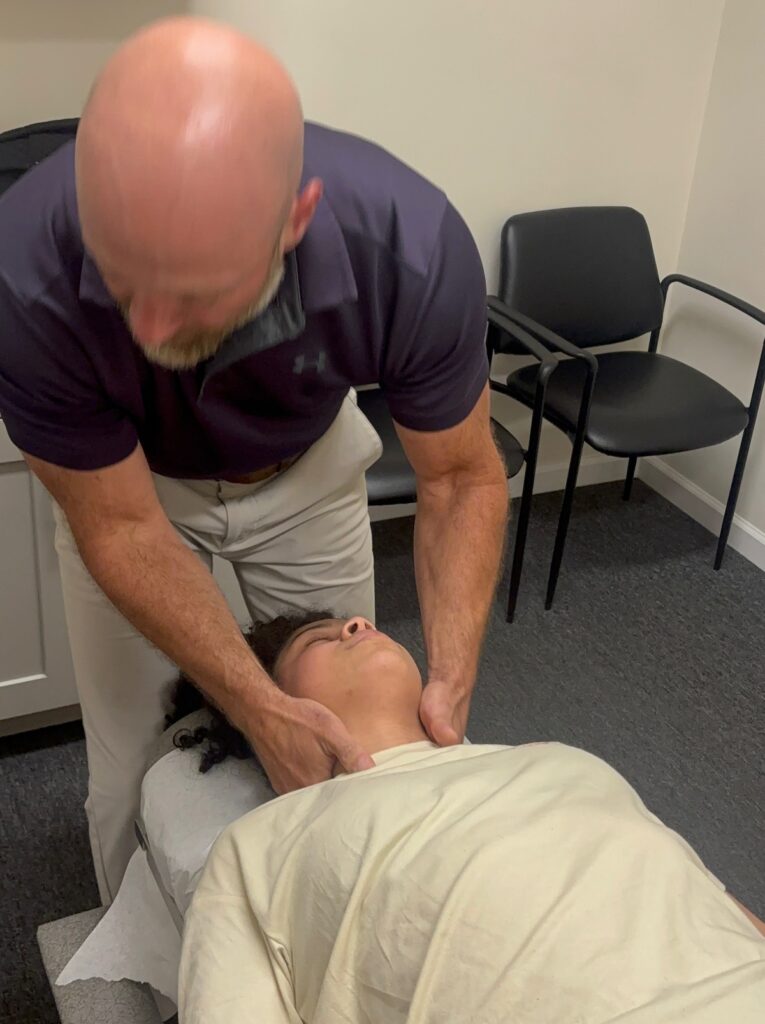
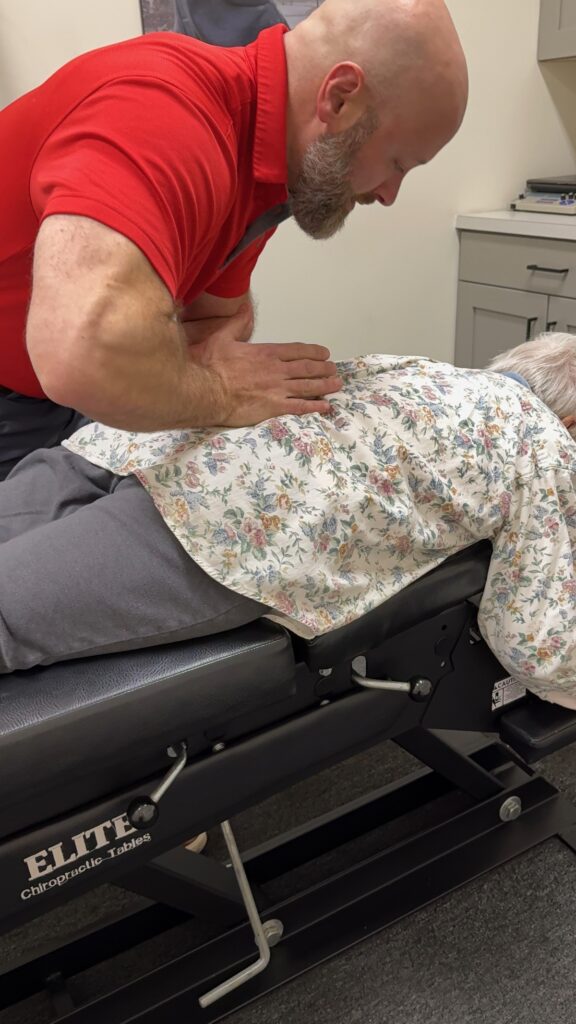
One effective approach is chiropractic care, which focuses on spinal alignment and the overall function of your joints. By ensuring that your spine is properly aligned, we can enhance your body’s ability to heal itself and potentially alleviate pain associated with fibromyalgia.
In addition to chiropractic adjustments, I also recommend considering therapies like acupuncture. This ancient practice involves inserting thin needles into specific points on the body. Many patients report reduced pain and improved sleep quality after sessions, as acupuncture helps release endorphins and promote relaxation.
Massage therapy is another great option to explore. Regular massages can relieve muscle tension and improve blood circulation, which may lead to a decrease in pain levels.
You might also want to look into herbal remedies such as turmeric or ginger, known for their anti-inflammatory properties.
And don’t overlook the power of essential oils; many individuals find relief using oils like lavender or peppermint, whether diffused in the air or applied topically.
Mind-Body Techniques for Stress Relief
As a local chiropractor, I often encounter patients who feel overwhelmed by the challenges associated with conditions like fibromyalgia.
It’s important to know that incorporating mind-body techniques can be incredibly effective in reducing stress and enhancing your overall well-being. These practices foster a connection between your mental and physical states, leading to relaxation and relief from various symptoms.
Here are some valuable techniques I encourage you to consider:
Meditation: Dedicate a few minutes each day to focus on your breath or explore guided meditation sessions. This can help calm your mind and create a sense of peace.
Yoga: Participate in gentle stretching and mindful movements. Yoga not only enhances flexibility but also helps in reducing tension throughout your body.
Deep Breathing: Engage in the practice of slow, deep breaths. This technique activates your body’s natural relaxation response, helping to alleviate stress.
Progressive Muscle Relaxation: This method involves tensing and then relaxing different muscle groups, which can effectively release built-up stress and tension.
Visualization: Take a moment to imagine a peaceful scene or a soothing experience. This mental imagery can help redirect your focus away from pain and discomfort.
Conclusion
As your local chiropractor, I want to share some effective ways to manage fibromyalgia symptoms through natural healing and lifestyle adjustments. By making simple changes in your daily routine, exploring alternative therapies, and incorporating mind-body techniques, you can take significant steps toward alleviating your discomfort.
Engaging in regular low-impact exercise is crucial; activities like walking, swimming, or cycling can help ease pain and improve mobility. A balanced, nutritious diet is equally important, as it fuels your body and supports overall health. Additionally, practices such as yoga and meditation can help you connect with your body and reduce stress, which is essential for managing fibromyalgia.
It’s important to remember that each person is unique, so finding the right combination of strategies that work for you is key. Together, we can explore these options and develop a personalized approach to your health. You’re not alone in this journey, and with the right support and techniques, relief is within reach!
Whiplash can leave you in serious pain and unable to move freely. Discover how chiropractic care restores mobility and eases whiplash symptoms effectively.
Chronic back pain doesn’t have to control your life. Discover effective, long-term strategies for managing back pain and reclaiming your daily activities.
This place was recommended to me and Dr. Eric is so kind, courteous and empathetic. I improved soon after my first visit from pain and stiffness in my back as I have scoliosis. My flexibility is better too. He's great!
Nothing but great interactions from me. The Doctor is awesome. Went in and in the 1st 10 minutes he xray me and found what the issues were. He then relived me of weeks of pain. Again he is awesome!! I recommend him to all my friends and family.
I went to Dr Eric after having experienced several episodes of dizziness without any explanation from any MD I had seen including cardiac, ENT and family doctor. Did some of my own research and decided to try out a chiropractic approach unsure of where it was going to go. After 2 weeks of adjustments I have not had any more episodes as I had previously been experiencing. Dr Eric explained how his treatments may help and how it helps the entire physiological system. I am still his patient about 1/4 of the way thru my treatments but I am overall feeling better and appreciative of what he has done for my health.
Takes the time to understand what’s going on and explains treatment clearly. I’ve seen a noticeable improvement in my mobility and pain levels. Highly recommend.
Highly recommend Dr. Eric. Very professional and knowledgeable. Always answers questions and greets you with a smile. Came in for a checkup on minor pain/discomfort and the doctor came up with a plan to get my body back to 100%.
Staff is also top notch, receptionist has been helpful and friendly.
Highly recommend Dr. Eric for your chiropractic needs. My body was feeling so much better after first session (my main complaint was neck pain/stiffness that I couldn’t stretch out). The reviews aren’t just hype, Dr. Eric is quite simply the best.
Dr. Eric is knowledgeable, kind, courteous, and professional, providing excellent chiropractic services. He actively listens to your concerns, and responds accordingly. His staff members are very pleasant and professional too. I like that I'm put on an automatic massage table for a few minutes before being adjusted; very relaxing. Overall, I highly recommend Dr. Eric's services to anyone in need.
After only six sessions, my neck pain is essentially gone. I came in with a lot of discomfort. The chiropractor took the time to do X-rays, clearly explained what was going on, and started a focused treatment.I felt heard and supported every step of the way. Professional, thorough, and effective, and I’m grateful for the relief.
My visit to the Fanwood Back Relief Center was an excellent choice. Dr. Eric provided exceptional care that helped alleviate my shoulder and neck pain. The staff was wonderful, ensuring that my experience was both comfortable and supportive. Additionally, the service was quick and efficient, making the entire process easy. I highly recommend Dr. Eric and the Fanwood
Back Relieif Center for anyone seeking relief from pain.
So far so good back is getting better sciatica relief from the visits. The Dr knows how to get your back moving in the right spots!! Thanks for the relief
Dr. Eric and his staff are excellent! They've truly helped me regain my life. I went from living with constant, chronic back pain to moving freely and functioning normally in a short amount of time. I was skeptical at first, but now I only wish I had gone years ago! Don’t hesitate like I did.
Awesome doctor who healed my back pain in two sessions. His attitude and positive outlook give comfort and confidence to patients . Entire staff were cordial and helpful
Dr. Eric is an absolutely incredible chiropractor, and I cannot praise his work enough! After recently being in a car accident, I was completely overwhelmed and felt like I had nowhere to turn. From the moment I walked into his office, everything changed. He took X-rays and pinpointed the exact problem with incredible accuracy. He saw things and explained my situation with a level of clarity that I don't think I would have gotten from any other doctor. His ability to sort out the root cause of my pain left me in absolute awe. He is thorough, deeply compassionate, and a true expert in post-accident care. If you need a chiropractor who gets conclusive results, he is the one to see.
The office staff is warm and outstanding. Dr. Eric is the BEST!!! The pain in my back has gone away in less than 2 weeks. I keep going because I don’t ever want that pain again.
DAMN!! This place is definitely the best chiropractor I’ve been too. I first came to this clinic because of a terrible pain in my lower back. On my first day I was given an Xray and started treatment. The very next day I was able to come in and get treated again. Dr.C erased all my pain in less than 1 hr. This place is efficient and effective. And to put the cherry on top, the staff is always so helpful and genuinely pleasant young ladies. If you’re looking for a new chiropractor trust this is the one!!!
Excellent service, highly recommended. They are very friendly to people. I haven't been visiting this place for very long and I have absolutely no complaints.
My pain was relieved after my first visit. Dr. Eric is great at explaining the procedures and treatment plans in plain terms without talking down to you. His assistants are also super professional and helpful. I highly recommend this location if you want pain relief.
I feel so comfortable with the Dr. and staff they are very welcoming and supportive to the patients I have seen and recommend them to all.<br>The treatment received on my back has helped me tremendously each time I go to the office. Keep up the amazing work. Thank you so much.
I have had a great experience with The Fanwood Back Relief center. The staff is warm, friendly and supportive. The facility is state-of-the-art, clean bright and comfortable. Dr. Eric is incredibly knowledgeable and has been an incredible help in relieving my neck and shoulder pain.
I’ve been scheduling numerous appointments a week at this facility and there’s a reason why. Exceptional service by both Dr. Eric as well as his staff. I can’t express enough how seamless this establishment operates. Most importantly, the progress I’ve made thus far is very much noticeable. I was referred to this facility by a coworker and I couldn’t thank him enough, I plan on doing the same for my peers who are seeking assistance from a chiropractor. All in all, I will continue to frequent this establishment as much as I can and I highly suggest any new comers to not hesitate and schedule your first appointment! Health is Wealth !
As somebody who hasn’t been to a chiropractor in years - the before and after feeling after being adjusted by Dr. Eric was amazing. I would have never guessed after a few minutes to experience relief of tightness around my lower back.
I have had a great experience every time I come in for my appointment! The office staff is very welcoming & attentive. Dr. Eric was also very attentive when listening to my concerns and intentional when coming up with the best plan of treatment for me. Highly recommend!
It was the best decision I made coming here and he does a good job helping you with your back problems. I’m able to walk without pain and everyone should come to him with problems
I highly recommend Dr. Chludzinski. He is extremely knowledgeable in his profession and takes the time to truly understand the issues his patients are experiencing. His ability to identify the root cause of discomfort and provide effective solutions is impressive. He maintains a professional, welcoming environment and genuinely cares about helping people feel better. The level of attention, expertise, and care he provides makes a noticeable difference.
I am very happy with my experience at Fanwood Back Pain Relief Center. The staff is very friendly. I am already feeling an improvement with my back and neck pain and feel better mobility. Office hours are convenient to fit my bust schedule.
My son is a soccer player and in the past few months has started complaining about back pain. We decided to give a chiropractor a try. We found Fanwood Back Relief Center and recently started seeing doctor Eric for treatment. My son is already feeling better after about a month.The office is nice, the doctor friendly, and Jacqueline and the rest of the front desk very prompt and courteous. They accommodate our busy schedule but most importantly my son is feeling like himself again.
i was having trouble with my back for sometime now and i decide to start looking for a chiropractor and i found fanwood back relief center and decide to make a visit and i'm amazed from the first visit on April 7 i have less back pain and feelin much better i would recommend 100% if u want your back ,back to continue living and out of pain this is the place .i recommend.
I have been to Dr Eric for many times over the years and he is beyond a doubt not only a great Dr but if you get a chance to read and listen to his podcast he explains all of his methods and how procedures are related. His staff is also very courteous and can answer questions for you. I personally would recommend his services to anyone
Dr. Eric has been an incredible help with my neck pain. I came in with limited mobility, and he took the time to understand exactly what was going on before tailoring a treatment plan. You can tell he genuinely cares about long‑term improvement rather than quick fixes. Highly recommend.
I have been coming to Fanwood Back Relief Center for about a month now, and I couldn't be happier with the experience. One of the best parts is that I never have to wait—they see me immediately every time! The facility is spotless, and the environment is very professional yet welcoming. The doctor is incredibly kind, friendly, and inviting, making every visit a pleasant one. I would highly recommend this place to anyone looking for great care."
Dr. Eric truly has healing hands. I’ve been seeing him for 6 years now, and the level of care he provides is unmatched. He has not only helped me, but also my entire family. We always leave feeling better than when we walked in. I’m so grateful to have found someone so skilled and genuinely caring.
Always greeted with a smile. Seldom a wait. Dr Eric listens to my symptoms - carefully read my MRI and reviewed it to be sure I understood each issue - took an x-ray to confirm treatment modality - Dr Eric identified each area requiring attention… I am a work in progress and I am pleased with my results. I highly recommend Dr Eric and the Fanwood Back Relief Center.
Amazing experience! I had a lot of back tension and pain and they helped me feel so much better. The doctor is very knowledgeable and actually cares about your progress. The office is clean and the staff is very friendly. I always leave feeling relief.
Amazing! I can’t say enough good things. I was totally crippled before coming to see Dr. Eric. In a few sessions he had me pain free and back to myself.
I had a great experience at this chiropractic office. The staff was friendly and welcoming, and Dr. Eric was knowledgeable and attentive. After just a few visits, I noticed a big improvement in my pain and mobility. I highly recommend them to anyone looking for professional and caring chiropractic care.
Ok so for the first time in my life I tweaked my back during the 2026 blizzard. I had a sharp stabbing pain in my back when I’d try to lay down and lost a night of sleep it was so bad. Tried all my at home remedies and nothing worked—massage, muscle creams, Advil, stretching, etc. Did a google search and found Dr. Eric right here in town with an appointment available same day, and wow! He did an x-ray 🩻 right there on the spot and we saw that my rib was out of alignment with my spine!? He also explained how everything I was doing at home was the OPPOSITE of what the injury needed, lol! Omg it was very eye opening. He adjusted my rib back into place, and set me up for a treatment plan. After 1 month of treatments we looked at my second x-ray and you can see the alignment difference - everything is back in place and I’m all set to get back to lifting (carefully, of course). I highly highly recommend Dr. Eric as a chiropractor! He answers all my questions and is patient yet effective. It’s good energy. The office is clean and run extremely well; they get you in and out really quickly, and the staff are super nice and welcoming. I like that they are bilingual to Spanish speakers too - I speak English but I just think that’s so cool. I feel grateful for finding you all and will be referring friends, family and clients of mine in the future. Sending big hugs and love! 🙏💖💖💖💖
Absolutely love it there! For the first time my back pain and problems are being addressed. The staff is very nice and accommodating and the doctor is awesome and goes real in depth with what is wrong and how he is gonna fix it.
My family is so happy that we found Fanwood Back Relief. The entire team is professional, knowledgeable, friendly, and efficient. We initially came because my daughter was recently diagnosed with scoliosis. Dr. Eric has been wonderful explaining everything to us, developing a treatment plan, and giving exercises for her to do at home. As a result, my husband also started seeing Dr. Eric for his chronic cluster headaches. While they do take appointments, having the walk-in option is great as well. The facility is very clean, organized, and welcoming. Highly recommend!
My experience with Dr. Eric was fabulous, and the courtesy of the employees was wonderful. I loved it, they were super professional. I truly recommend it 100%.
Best doc ever. I had a herniated disk surgery in 21', went through all the therapy and what not and then eventually came upon this doc since my back started acting up again. He has gifted hands. He relieved my pain for well over a year after the first treatment sessions I had with him. The pain I had went from lumbar to leg and he put and end to it for a while. He is kind and efficient. It came back again after a long time, went to get a massage, did sauna, and cold plung, it helped very temporarily. So I had to come back. As soon as I came back I got the same warm welcome from the ladies upfront, and amazing help from the doc. Already feeling so much more relief 2 sessions in. The roller machine is great. The ladies upfront are very kind, accommodating, respectful, and great at what they do. They greet you kindly and go over your plan throughly. I appreciate this place alot. God blessed this doctors hands trust me.
Kept driving past this office suffering from back pain and finally decided to go in. I’m an idiot and should have done it much sooner! Felt the difference after one visit and well on my way to being able to walk without worrying about throwing my back out. Great Doctor, great location, excellent staff.
I was in pain for last 8 months for my herniated disc and facet joint irritation. I got epidural and RFA helped a lot but not enough after first visit with Dr. Eric my pain started fading away
Never been to a chiropractor. I woke up with significant pain and a stiff neck. DR. Eric discovered I had whiplash and within three sessions my pain was relieved. I’ll we doing quarterly sessions, recommend more people to do this. 👍🏾
From the moment I walked in, the staff is warm, welcoming, and incredibly professional. They make you feel comfortable right away and are always helpful with anything you need.<br><br>Dr. Eric is exceptional. He takes his time to explain everything clearly, and personalize the treatment to what your body actually needs. I have been feeling so much better since coming here!
Great and knowledgeable staff. Each practitioner and doctor takes their time getting to know you and your problems and makes a personalized program to fit your needs.
I moved to the area about a year ago and I’ve been looking for a chiropractor since then and I finally found the perfect place. Everyone is super friendly. They remember your name and they work around your schedule. It’s great that they take insurance as well. I came in with such back pain on the left side of my body and Dr. Eric was able to work with me to help adjust and clear up all of my issues.
Found a lot of relief with some neck issues I've had. Dr. Eric is amazing, I've found A LOT of relief in a short amount of time. The staff is excellent, very accommodating & especially efficient. Thanks so much!