
Neck pain is one of the most common complaints that brings patients through our doors — and in many cases, it didn’t start with a sudden injury or accident. It crept in slowly, quietly, over months of looking down at a phone, hunching over a keyboard, or sleeping in an awkward position. If you’ve been waking up with a stiff neck, feeling tension creeping up into your shoulders and head, or noticing that your posture just doesn’t look the way it used to, you’re not alone. At Fanwood Back Relief Center, with offices in both Fanwood and Flemington, we work with patients every day who are dealing with neck pain that stems directly from posture-related issues — and the good news is that this is one of the most addressable problems in chiropractic care.
What is posture-related neck pain?
Posture-related neck pain refers to discomfort, stiffness, or tension in the cervical spine (the neck region) that develops as a result of poor alignment habits over time. When the head and neck are repeatedly positioned in ways that place undue stress on the spine, the surrounding muscles, joints, and nerves begin to suffer — often leading to chronic pain that worsens without correction.
Why Posture Matters More Than You Think
Most people understand on some level that slouching isn’t great for them. But the full impact of poor posture on the neck is something that often surprises patients when it’s explained in detail. The human head weighs approximately 10 to 12 pounds when it’s balanced directly over the spine. However, for every inch the head shifts forward from its neutral position, the effective load on the cervical spine increases dramatically — placing significantly more strain on the muscles, discs, and joints of the neck.
This forward head posture has become increasingly common in our screen-centered world. Whether you’re here in Fanwood commuting and checking your phone on the train, or working long hours at a desk in Flemington, the pattern is the same: the head drifts forward, the shoulders round, and the neck begins to bear a load it was never designed to carry in that position. Over time, this leads to muscle fatigue, joint irritation, and eventually, real pain.
Posture isn’t just about appearance or confidence, although it affects both. It’s about the long-term health of your spine. The cervical spine protects the spinal cord and the nerve roots that branch out to your arms, shoulders, and upper back. When the alignment of these vertebrae is compromised through habitual poor posture, the effects can extend far beyond the neck itself.
Common Causes of Poor Posture and Neck Pain
Understanding what causes poor posture is the first step toward changing it. For many of our patients at Fanwood Back Relief Center, the culprits are surprisingly familiar — and often a combination of factors working together.
Prolonged sitting is one of the biggest contributors. Office workers in both Flemington and Fanwood who spend eight or more hours at a desk are particularly vulnerable, especially when workstations aren’t set up ergonomically. Monitors positioned too low force the head to drop forward. Chairs without proper lumbar support cause the lower back to collapse, which then throws the entire upper body and neck out of alignment.
Smartphone and tablet use — often called “tech neck” in popular conversation — is another significant driver. The habit of looking down at a handheld device places enormous repetitive strain on the posterior muscles of the neck. Over months and years, this can actually begin to alter the natural curve of the cervical spine.
Sleeping position matters more than many people realize. Stomach sleeping, in particular, forces the neck into a prolonged rotated position that can strain the cervical joints and muscles overnight. Pillows that are too high or too flat fail to support the natural curve of the neck in a side or back-sleeping position, contributing further to morning stiffness and pain.
Stress and tension are also significant factors. When we’re under emotional or mental stress, we tend to unconsciously tighten the muscles of the neck and upper shoulders. Over time, this chronic muscular tension compounds posture problems and makes the neck more susceptible to pain.
Signs and Symptoms Worth Paying Attention To
Neck pain doesn’t always announce itself loudly at first. It tends to build gradually, and many patients adapt to early warning signs without realizing what’s happening. Here are some signals that your posture and cervical alignment may need attention.
Persistent stiffness in the morning that takes a while to loosen up is often an early sign. So is a dull aching sensation across the back of the neck and shoulders that worsens as the day goes on. Some patients notice that turning their head in one direction has become restricted or causes discomfort. Others experience headaches — particularly tension headaches that begin at the base of the skull and radiate upward — which are closely linked to cervical spine dysfunction.
In more advanced cases, patients may notice tingling, numbness, or weakness that radiates into one or both arms. This can indicate that irritated nerve roots in the cervical spine are being affected. When these symptoms are present, it’s especially important to seek a professional evaluation promptly rather than waiting to see if things improve on their own.
Dr. Eric Chludzinski at Fanwood Back Relief Center sees a wide range of presentations across both the Fanwood and Flemington offices — from mild postural tension to more complex cervical issues — and emphasizes that earlier intervention almost always leads to better outcomes.
How Chiropractic Care Fits Into Posture Correction
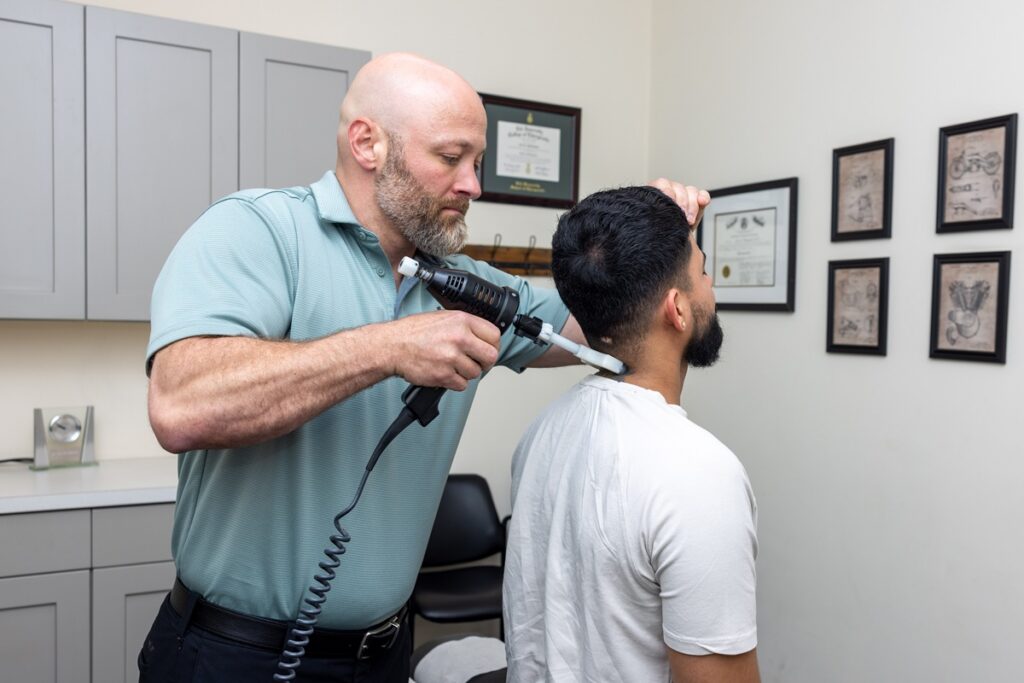
Chiropractic care is fundamentally about restoring proper alignment, mobility, and function to the spine. When it comes to neck pain rooted in poor posture, this is directly relevant. At Fanwood Back Relief Center, Dr. Eric Chludzinski approaches each patient with a thorough assessment to understand the specific alignment issues at play and how they relate to that individual’s symptoms and lifestyle.
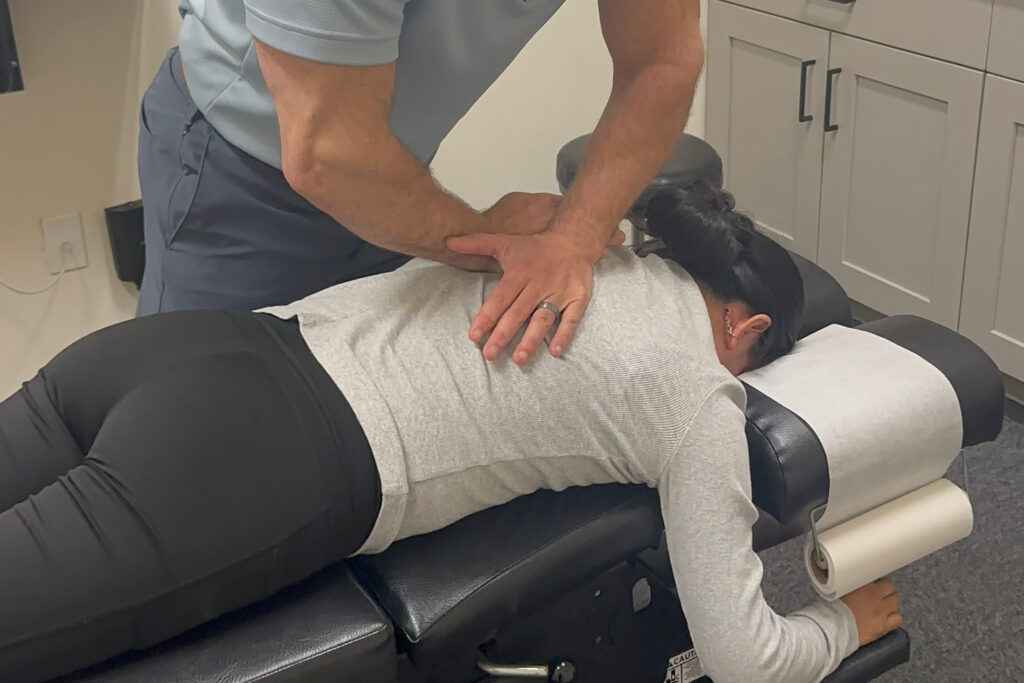
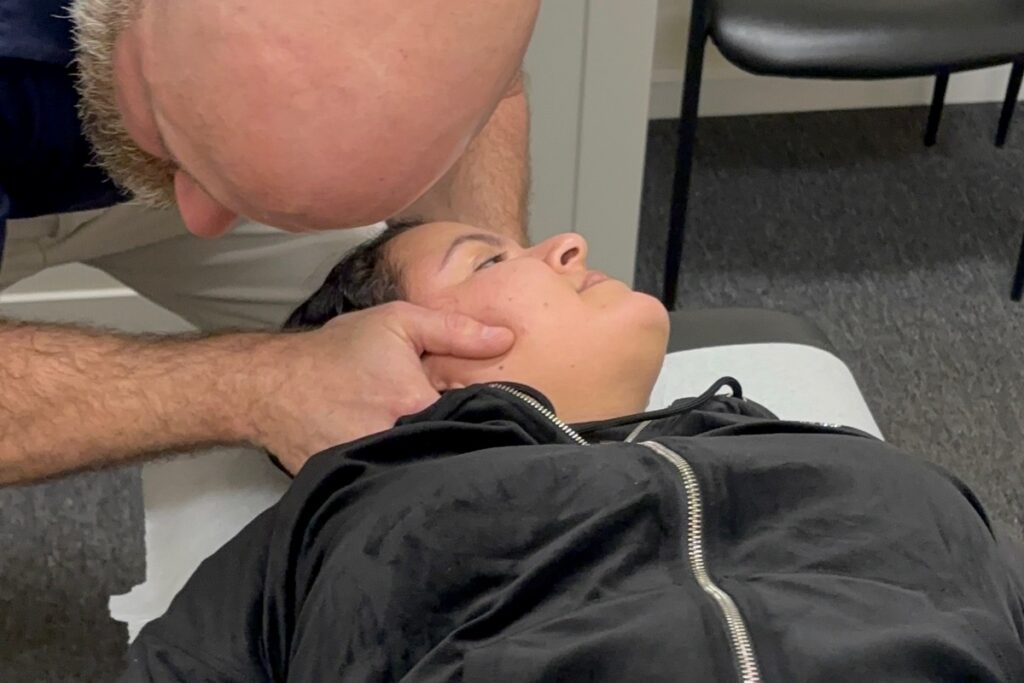
Manual chiropractic adjustments to the cervical spine are a cornerstone of this approach. When individual vertebrae in the neck lose their normal position or range of motion — what chiropractors call a subluxation — the surrounding tissues respond with inflammation, muscular guarding, and altered nerve function. A precise, manual chiropractic adjustment is designed to restore normal joint motion, reduce that local irritation, and allow the body to begin healing and adapting more effectively.
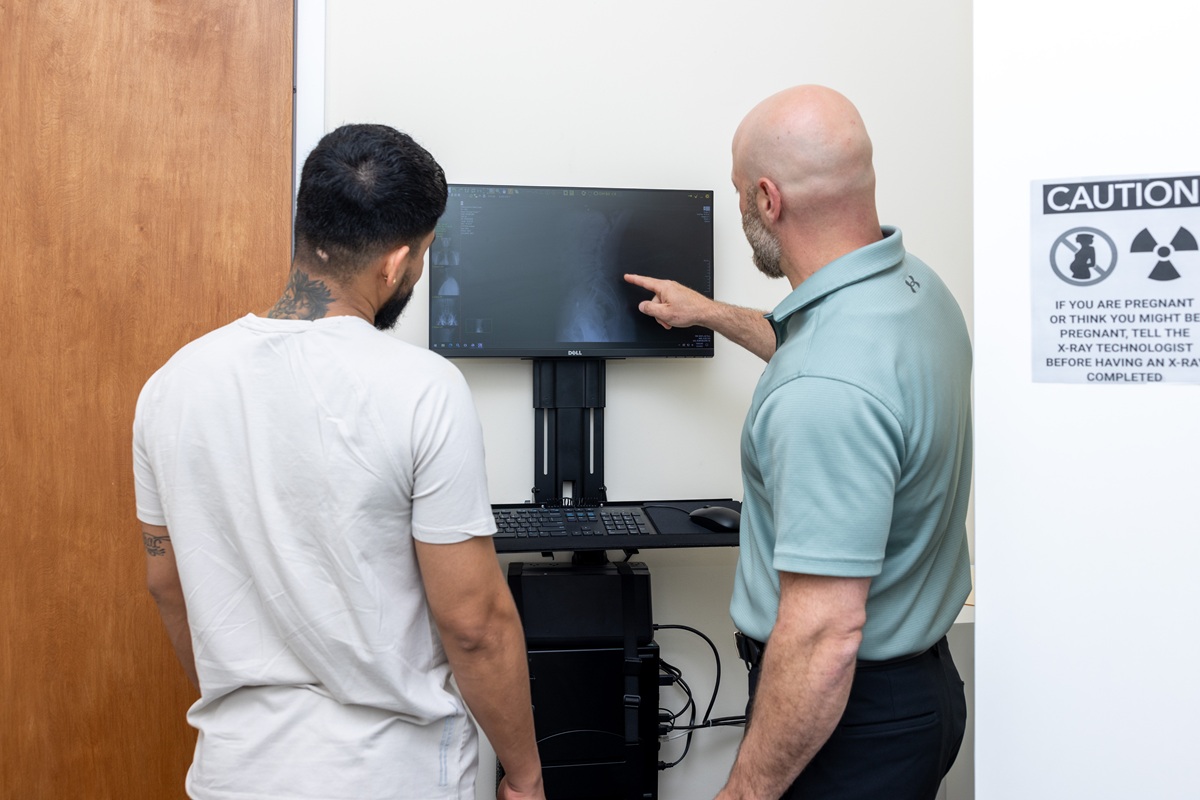
Many patients are understandably cautious about the idea of having their neck adjusted, which is completely understandable. Dr. Eric Chludzinski takes the time to explain exactly what will happen, answer questions, and tailor the approach to each patient’s comfort level. Cervical adjustments performed by a skilled chiropractor are a well-established part of conservative care for neck pain, and evidence from organizations like the National Institutes of Health and the American Chiropractic Association supports manual cervical manipulation as an effective, non-invasive option for many types of neck pain and headaches.
Beyond the adjustment itself, chiropractic care creates an opportunity to address the underlying posture habits that are driving the problem. Our team at both the Fanwood and Flemington locations works with patients to understand their daily movement patterns and identify specific changes that can support the progress made in the office. The adjustment corrects the spine; the lifestyle education helps protect it going forward.
It’s also worth noting that chiropractic care is not a one-size-fits-all treatment. Some patients need frequent visits initially to address significant misalignment, while others benefit from periodic maintenance care to keep things on track. The plan is always individualized based on examination findings and how the patient responds over time.
Practical Tips for a Healthier Neck Every Day
Chiropractic adjustments do important work, but what happens between visits matters enormously. There are several realistic, evidence-informed habits that can help protect your neck and support better posture over time.
Monitor and screen positioning is one of the easiest wins for desk workers in Fanwood, Flemington, or anywhere in between. Your screen should be at approximately eye level so that your head isn’t constantly dropping forward or tilting back. If you work on a laptop, consider using an external keyboard and raising the laptop screen to the appropriate height.
Take movement breaks regularly throughout your day. Sitting in any single position for extended periods — even a good one — leads to muscle fatigue and joint stiffness. A brief break every 30 to 45 minutes to stand, move your neck gently through its range of motion, and reset your posture can make a meaningful difference over time.
Be mindful of how you use your phone. Bringing your device up to eye level rather than dropping your chin to your chest to look at it reduces the mechanical stress on your cervical spine significantly. This one habit, practiced consistently, can offset a meaningful portion of the daily strain that tech neck creates.
Your sleep setup deserves attention as well. A supportive pillow that maintains the natural curve of your neck in your preferred sleep position is worth investing in. If you’re a back sleeper, a contoured cervical pillow can be helpful. Side sleepers generally need a firmer, higher pillow to keep the head properly aligned with the spine. Stomach sleeping is generally best avoided for those with neck issues.
When to See a Chiropractor for Neck Pain
Many people wait longer than they should before seeking care. If your neck pain has persisted for more than a week or two, is recurring regularly, or is getting worse over time, those are all good reasons to schedule a professional evaluation. You don’t need to be in severe pain to benefit from chiropractic assessment — in fact, catching postural and alignment issues early often makes the correction process faster and more straightforward.
There are also certain red flags that warrant more urgent attention, and in those cases, a referral to an appropriate medical provider may be necessary. Neck pain accompanied by significant numbness or weakness in the arms or hands, difficulty with coordination or balance, severe headache that comes on suddenly, or pain following a trauma such as a car accident or fall should all be evaluated promptly. Dr. Eric Chludzinski and the team at Fanwood Back Relief Center are committed to making sure every patient gets the right level of care — including referral when that’s what’s needed.
Posture Habits: What Helps vs. What Hurts
|
Posture Habit |
Helpful for the Neck |
Harmful to the Neck |
|---|---|---|
|
Screen Position |
Monitor at eye level, head balanced over spine |
Screen too low, chin dropped forward |
|
Phone Use |
Holding device up toward eye level |
Looking down at phone for extended periods |
|
Sleep Position |
Back or side sleeping with supportive pillow |
Stomach sleeping, unsupportive pillow |
|
Sitting Posture |
Lumbar support, feet flat, head over shoulders |
Slouched, rounded shoulders, head forward |
|
Movement Throughout the Day |
Regular breaks, gentle neck movement |
Prolonged static posture without breaks |
|
Stress Management |
Aware of tension, conscious relaxation |
Chronic shoulder and neck guarding from stress |
Myths vs. Facts About Neck Pain and Chiropractic
Myth: Neck pain is just a normal part of aging and there’s nothing you can do about it.
Fact: While changes in the spine do occur with age, chronic neck pain is not simply something you have to accept. Many people experience significant improvement in neck pain and function through chiropractic care, even after dealing with symptoms for years. Age doesn’t disqualify someone from benefiting from conservative care — it just means the approach may need to be appropriately adapted.
Myth: Chiropractic neck adjustments are dangerous.
Fact: Cervical chiropractic adjustments have been studied extensively and are considered a safe, effective conservative care option for most patients with mechanical neck pain. As with any healthcare intervention, a thorough intake and examination helps identify the rare cases where adjustments may need to be modified or avoided. Dr. Eric Chludzinski performs a detailed evaluation before any care begins to ensure each patient’s plan is appropriate for their specific situation.
Myth: If I just sit up straighter, my neck pain will go away on its own.
Fact: Improved posture awareness is genuinely helpful, but it doesn’t correct underlying joint misalignments or restore lost mobility in the cervical spine on its own. Once vertebral joints have lost their normal motion and position, that typically requires professional intervention — like chiropractic adjustments — to address effectively. Posture correction and chiropractic care work best together.
Myth: You have to keep seeing a chiropractor forever once you start.
Fact: The frequency and duration of chiropractic care varies by patient. Many people achieve their goals with an initial course of care and then choose periodic maintenance visits to stay on track — much like regular dental checkups. Others may need only a few visits. The approach at Fanwood Back Relief Center is always goal-oriented and individualized, not open-ended.
Myth: Neck pain from bad posture always requires imaging or surgery.
Fact: The vast majority of neck pain — including posture-related neck pain — is mechanical in nature and responds well to conservative care without any need for imaging or surgery. Organizations like the American College of Physicians recommend conservative approaches, including manual therapies, as first-line options for most types of neck pain.
Final Thoughts from Fanwood Back Relief Center
Neck pain is incredibly common, but it’s also incredibly treatable in most cases — especially when the root cause is postural and caught before it becomes a long-standing problem. Whether you’re a desk worker in Flemington, a commuter based in Fanwood, or someone whose neck has simply been nagging at you for longer than it should, there’s a good chance that chiropractic care can help.
At Fanwood Back Relief Center, Dr. Eric Chludzinski and the team at our Fanwood and Flemington offices genuinely care about helping our neighbors understand their bodies and find real, lasting relief. We’re not here to push unnecessary care or make promises we can’t keep. We’re here to do honest, thoughtful, evidence-informed chiropractic work — and to help our patients feel better and move better for the long haul.
If neck pain or posture concerns have been on your mind, we warmly encourage you to reach out to either of our offices and start the conversation. You deserve to feel good in your own body, and we’d be honored to help you get there.
Frequently Asked Questions
Can chiropractic adjustments actually improve my posture?
Yes — chiropractic adjustments help restore normal joint motion in the spine, which can reduce the compensatory patterns that contribute to poor posture. When combined with posture education and daily habit changes, chiropractic care can support meaningful, lasting posture improvement for many patients.
How many chiropractic visits will I need for neck pain?
This varies depending on how long the problem has been present, the degree of misalignment, and how an individual’s body responds to care. Some patients notice improvement within a few visits, while others with more chronic issues may benefit from a more extended care plan. Dr. Eric Chludzinski will give you an individualized recommendation after your initial evaluation.
Is it safe to get my neck adjusted by a chiropractor?
For most people with mechanical neck pain, cervical chiropractic adjustments are considered a safe and effective form of care. A thorough health history and examination are always conducted first to make sure the approach is appropriate for each individual patient.
What’s the difference between neck pain from posture and neck pain from an injury?
Postural neck pain typically develops gradually from cumulative stress on the spine, while injury-related neck pain tends to come on more suddenly following a specific event. Both can involve cervical joint dysfunction and may benefit from chiropractic care, though the evaluation and approach may differ based on the cause.
Does Fanwood Back Relief Center treat patients from both Fanwood and Flemington?
Yes — Fanwood Back Relief Center has offices in both Fanwood, NJ and Flemington, NJ, making it convenient for patients across both communities to access chiropractic care close to home.
Can neck pain cause headaches?
Yes. Tension headaches and cervicogenic headaches (headaches that originate from dysfunction in the cervical spine) are strongly associated with neck pain and poor posture. Chiropractic care for the underlying cervical alignment issues has been shown to help reduce the frequency and intensity of these types of headaches in many patients.
TL;DR — Key Takeaways
-
Neck pain is frequently caused by forward head posture and prolonged poor alignment habits — not just injury or aging.
-
Manual chiropractic adjustments help restore normal joint motion in the cervical spine, reducing pain and supporting better posture.
-
Daily habits like screen height, phone use, sleep position, and movement breaks play a major role in neck health.
-
Dr. Eric Chludzinski at Fanwood Back Relief Center serves patients in both Fanwood and Flemington with individualized, examination-based chiropractic care.
-
Early intervention for neck pain and posture issues generally leads to faster, more complete recovery — don’t wait until symptoms become severe.