If you’ve ever been stopped in your tracks by a pounding headache or a debilitating migraine, you know just how much it can disrupt your entire day — or even your entire week. For many people, headaches feel like an unavoidable part of life, something to be managed with over-the-counter pain relievers and a dark room. But what if there was a drug-free, non-invasive approach that could help address the underlying causes of your headaches rather than just masking the pain? That’s exactly where chiropractic care comes in. At Fanwood Back Relief Center, with offices serving both Fanwood, NJ and Flemington, NJ, Dr. Eric Chludzinski works with patients every day who are dealing with chronic headaches and migraines — and there is real, growing evidence that chiropractic adjustments can make a meaningful difference.
What Does Chiropractic Care Have to Do With Headaches?
Chiropractic care focuses on the spine, the nervous system, and how misalignments in the vertebrae — particularly in the neck — can contribute to headache symptoms. Many types of headaches, especially tension headaches and cervicogenic headaches, are directly related to dysfunction in the cervical spine. Through precise, hands-on chiropractic adjustments, a chiropractor works to restore proper alignment, reduce nerve irritation, and improve overall function — which may significantly reduce headache frequency and intensity.
Understanding Headaches and Migraines
Not all headaches are the same, and understanding the type you’re experiencing is an important first step. The three most commonly encountered types in chiropractic practice are tension headaches, cervicogenic headaches, and migraines — and each has distinct characteristics, though they can sometimes overlap.
Tension headaches are the most prevalent type. They typically produce a dull, aching sensation around the head, often described as a tight band or pressure across the forehead or at the back of the head and neck. They’re frequently triggered by stress, poor posture, prolonged sitting, or muscle tightness in the neck and shoulders. In Fanwood and Flemington, many of the patients Dr. Eric Chludzinski sees lead busy, desk-bound lifestyles — and tension headaches are incredibly common among them.
Cervicogenic headaches originate from the cervical spine — the bones, joints, and soft tissues of the neck — and refer pain upward into the head. They often feel like pain starting at the base of the skull that radiates to the forehead, temples, or behind the eyes. What makes cervicogenic headaches particularly important in chiropractic care is that they are structurally driven, meaning they are caused by actual dysfunction in the neck itself.
Migraines are a neurological condition characterized by intense, often throbbing pain — usually on one side of the head — along with accompanying symptoms like nausea, light sensitivity, sound sensitivity, and visual disturbances known as aura. Migraines can last for hours or even days, and their exact cause is multifactorial. While chiropractic care is not a cure for migraines, research suggests that spinal manipulation and chiropractic adjustments may help reduce the frequency and intensity of migraine episodes in some patients.
The Cervical Spine Connection
One of the foundational principles of chiropractic care is understanding how the spine — and particularly the cervical (neck) spine — relates to the nervous system and overall body function. The cervical spine is made up of seven vertebrae, and it houses and protects the spinal cord while also serving as a passageway for a dense network of nerves. When any of these vertebrae shift out of their proper alignment, even subtly, it can create irritation, pressure, and tension that radiates into the head.
This is why so many headache sufferers find relief when the underlying spinal dysfunction is addressed. A vertebral subluxation — the chiropractic term for a misalignment in the spine that affects nervous system function — in the upper cervical spine can create muscular tension, restrict movement, and irritate the nerves and blood vessels that serve the head and face. The result can be a recurring or chronic headache pattern that no amount of pain medication is going to permanently resolve, because the structural cause remains untouched.
The muscles of the neck and upper back also play a significant role. When the vertebrae are not moving properly, the surrounding muscles compensate and tighten. This muscular tension adds another layer to the headache experience. Poor posture — something Dr. Eric Chludzinski frequently sees in patients across Fanwood and Flemington — is a major contributor to this cycle. Sitting for long periods, looking down at a phone, or working at a poorly positioned computer screen all place excessive stress on the cervical spine and the muscles that support it.
Restoring proper motion and alignment to the cervical spine through chiropractic adjustments helps break this cycle. When the vertebrae move as they should, muscle tension decreases, nerve irritation is reduced, and the body is better equipped to regulate the biological processes that contribute to headache pain.
How Chiropractic Care Fits In
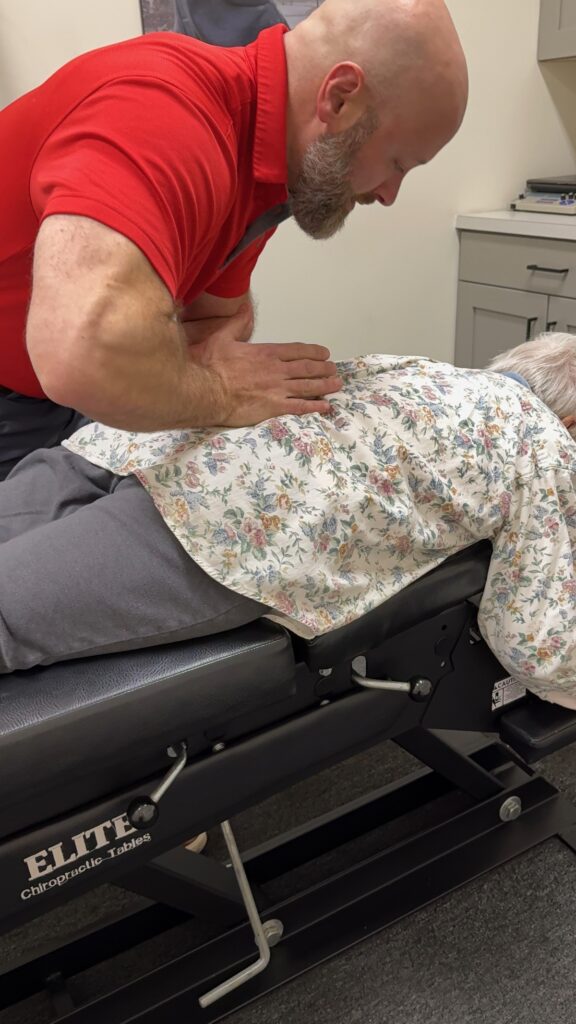
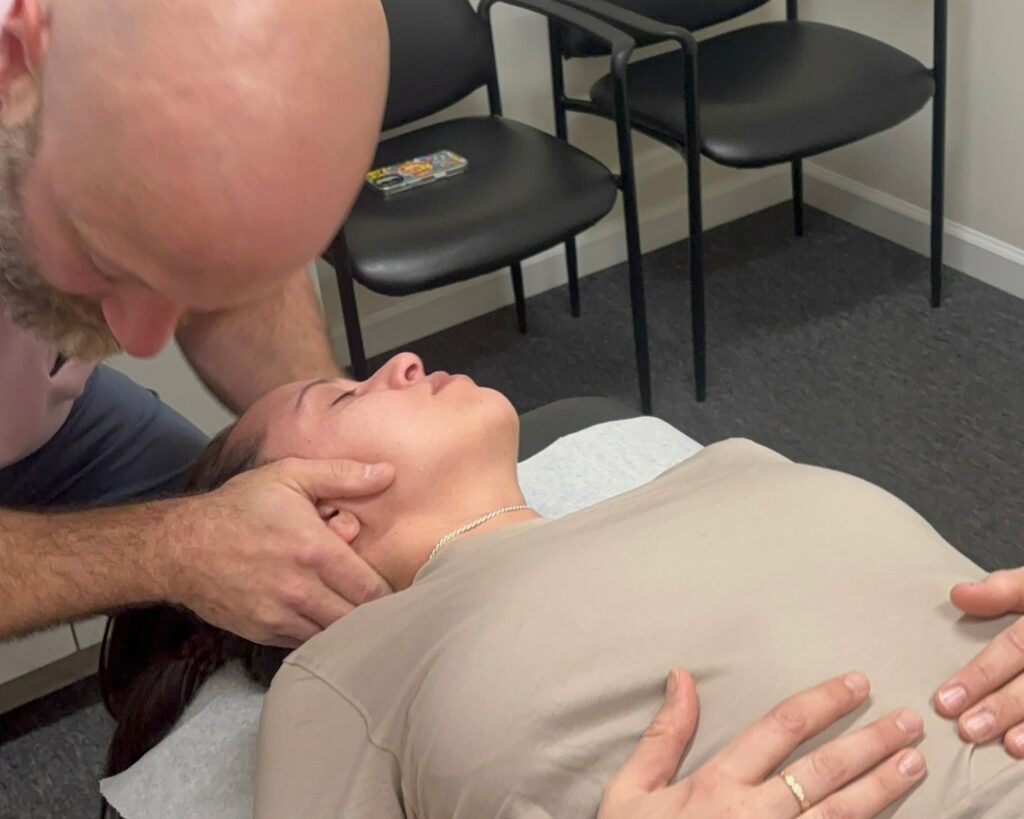
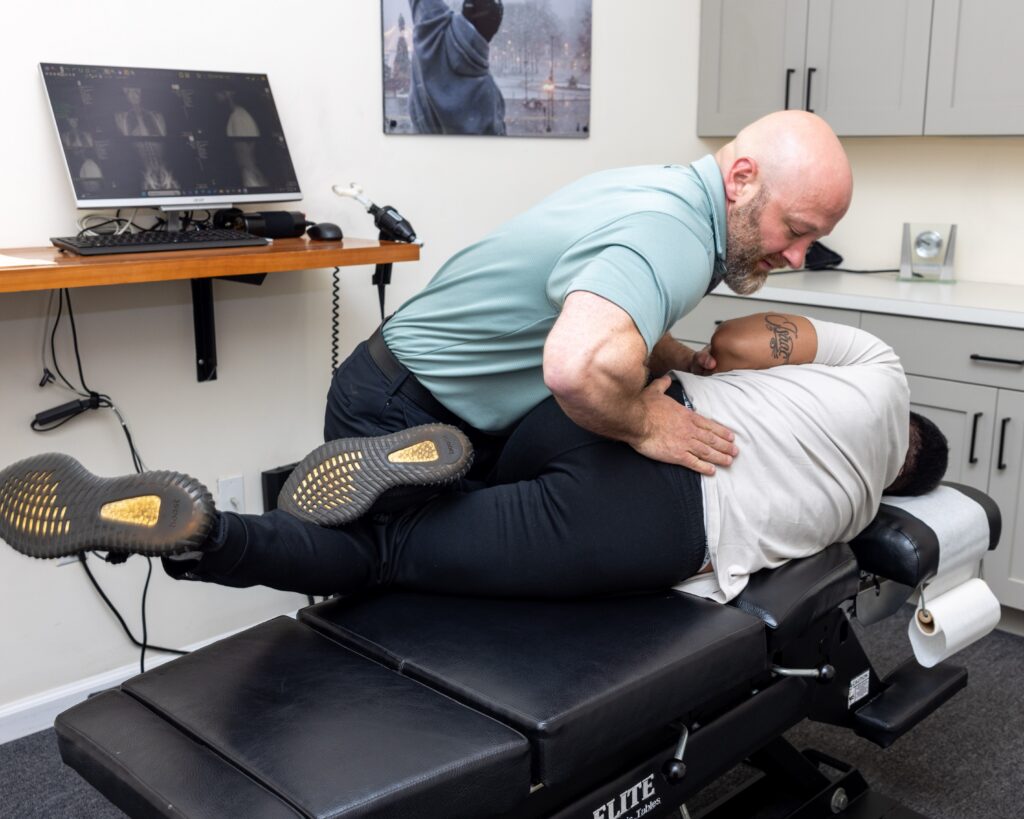
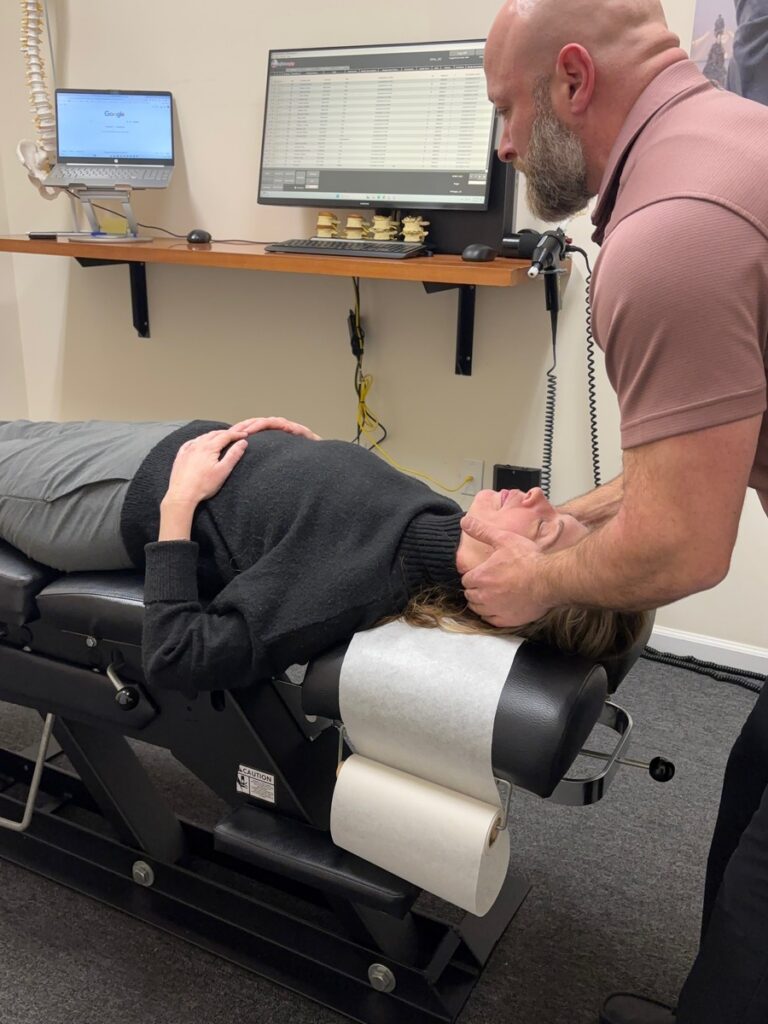
Chiropractic care offers a conservative, hands-on approach to addressing headaches that doesn’t rely on medication. At Fanwood Back Relief Center, Dr. Eric Chludzinski uses manual chiropractic adjustments to identify and correct areas of the spine — especially the cervical and upper thoracic regions — that are not functioning optimally. This is the foundation of chiropractic care, and it’s where the most meaningful change occurs for headache patients.
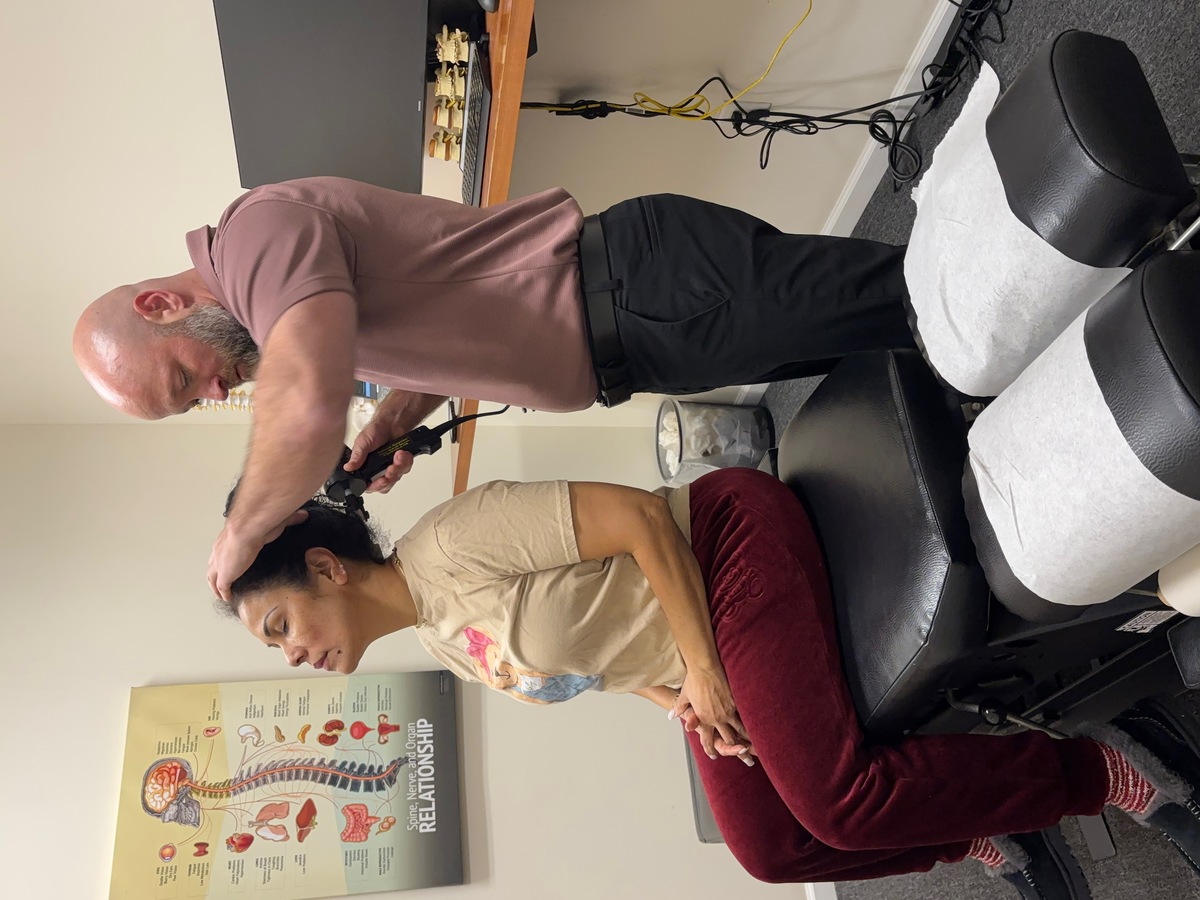
A chiropractic adjustment involves the application of a precise, controlled force to a specific vertebral joint with the goal of restoring proper alignment and motion. When applied to the cervical spine, adjustments help relieve the joint restrictions and nerve irritation that contribute to headache patterns. The process is highly individualized. Dr. Eric Chludzinski takes the time to understand each patient’s history, symptoms, and lifestyle before determining the most appropriate approach for their specific type of headache.
Evidence supporting chiropractic care for headaches is meaningful and growing. The American Chiropractic Association recognizes chiropractic manipulation as an effective option for certain types of headaches, particularly tension-type and cervicogenic headaches. Research published in reputable medical journals, including the Journal of Manipulative and Physiological Therapeutics, has shown that spinal manipulation can reduce both the frequency and intensity of headaches. For migraines specifically, evidence indicates that chiropractic care may serve as a helpful part of a broader management strategy.
What many patients in our Fanwood and Flemington communities appreciate most about this approach is that it treats the root cause rather than suppressing symptoms. You’re not simply taking something to blunt the pain temporarily — you’re working toward addressing why the headaches keep coming back in the first place. That’s a meaningful distinction, especially for people who have been dealing with chronic headaches for years.
Practical Tips to Reduce Headache Triggers
Chiropractic adjustments are the core of what we do, but empowering patients with everyday habits that support their spinal health is equally important. Headaches are often made worse — or more frequent — by lifestyle factors that can be modified with some awareness and effort.
Posture is one of the biggest contributors to cervicogenic and tension headaches. If you spend hours each day looking at a screen, make sure your monitor is at eye level so your head is not constantly tilted forward or downward. This “forward head posture” places enormous stress on the cervical spine and the muscles that support the skull, which over time creates the kind of chronic tension that fuels recurring headaches.
Hydration is another simple but surprisingly impactful factor. Dehydration is a well-known headache trigger, and many people simply don’t drink enough water throughout the day. Keeping a water bottle nearby and maintaining consistent hydration is one of the easiest things you can do to reduce headache frequency.
Sleep posture also matters more than most people realize. Sleeping on your stomach forces your head to rotate sharply to one side for hours at a time, placing the cervical spine in a compromised position. Sleeping on your back or side with appropriate pillow support helps maintain healthy cervical alignment overnight — which directly supports the work done during chiropractic adjustments.
Finally, regular movement breaks are essential for desk workers. Getting up, walking around, and gently moving your neck every 30 to 60 minutes helps prevent the muscular stiffness and joint restriction that build up over long periods of sitting. These small habits can compound over time into real, noticeable improvements in how often and how severely headaches occur.
When to See a Chiropractor for Headaches
Many people wonder how long they should wait before seeking care. The honest answer is: if headaches are interfering with your quality of life, it’s worth having an evaluation sooner rather than later. Chronic headaches — those occurring 15 or more days per month — are a strong signal that something in the musculoskeletal system may need attention. But even if your headaches are less frequent, if they’re intense, recurring, or getting progressively worse, that’s reason enough to be evaluated.
Patients in both Fanwood and Flemington come to Fanwood Back Relief Center with all kinds of headache histories — some have been dealing with daily headaches for years, others have noticed a recent increase in frequency after a postural change or a period of increased stress. No matter where you fall on that spectrum, a thorough chiropractic evaluation can help clarify whether the cervical spine is contributing to your symptoms.
It’s equally important to know when headaches should prompt a visit to a medical doctor rather than, or in addition to, a chiropractor. Seek emergency medical attention if you experience a sudden, severe headache unlike any you’ve had before — sometimes called a “thunderclap headache” — or if your headache is accompanied by fever, stiff neck, confusion, vision changes, slurred speech, weakness, or numbness. These symptoms can indicate a serious neurological condition that requires immediate evaluation. Dr. Eric Chludzinski is committed to ensuring every patient receives the right care, and that includes making appropriate referrals when necessary.
|
Headache Type |
Common Triggers |
Chiropractic Relevance |
|---|---|---|
|
Tension Headache |
Stress, poor posture, muscle tightness, prolonged sitting |
High — often responds well to cervical adjustments |
|
Cervicogenic Headache |
Neck dysfunction, joint restriction, whiplash history |
Very high — directly caused by cervical spine issues |
|
Migraine |
Hormonal changes, light/sound, food sensitivities, stress |
Moderate — adjustments may help reduce frequency |
|
Cluster Headache |
Alcohol, smoking, disrupted sleep cycles |
Lower — primarily managed medically; chiro may be adjunct |
Myths vs. Facts About Chiropractic Care and Headaches
Myth: Chiropractic adjustments are only for back pain.
Fact: While chiropractic care is widely associated with back pain, it has a well-established role in addressing neck dysfunction, which is directly related to many types of headaches. The cervical spine is firmly within the chiropractic scope of practice, and headache relief is one of the most common reasons patients seek chiropractic care.
Myth: If I take pain medication, I don’t need a chiropractor.
Fact: Pain medication can provide temporary relief, but it does not address the underlying structural and neurological causes of headaches. Overuse of pain relievers can also lead to what’s known as medication overuse headache — a condition where taking too much pain medication actually perpetuates the headache cycle. Chiropractic care aims to address the root cause rather than simply suppressing symptoms.
Myth: Chiropractic neck adjustments are dangerous.
Fact: When performed by a licensed, trained chiropractor, cervical adjustments are considered a safe and effective treatment option for many patients. Serious adverse events are rare. Dr. Eric Chludzinski conducts a thorough intake process with every new patient to ensure that chiropractic adjustments are appropriate for their individual health situation.
Myth: You’ll need to see a chiropractor forever once you start.
Fact: Many patients experience significant improvement in their headaches within a focused course of chiropractic care. Some choose to continue with periodic wellness visits to maintain their spinal health, but this is always a personal choice — not a requirement. The goal is always to help patients achieve better function and a higher quality of life.
Myth: Migraines can’t be helped by chiropractic care at all.
Fact: While chiropractic care is not a cure for migraines, research suggests that spinal manipulation may help reduce the frequency and severity of migraine episodes in some individuals. For patients whose migraines have a musculoskeletal component — particularly tension and neck dysfunction — chiropractic adjustments can be a valuable part of their overall management approach.
Final Thoughts
Headaches and migraines don’t have to be a permanent fixture in your life. If you’ve been reaching for pain relievers month after month without finding lasting relief, it may be time to consider whether your cervical spine is playing a role in your symptoms. At Fanwood Back Relief Center, Dr. Eric Chludzinski has helped patients throughout Fanwood, NJ and Flemington, NJ discover that their chronic headaches had a structural component that responded well to targeted chiropractic care.
Whether you’re in the Fanwood area or closer to our Flemington office, our team is here to provide a thorough evaluation, listen carefully to your history, and develop a plan centered on traditional chiropractic adjustments that are right for your specific situation. You deserve to feel like yourself again — clear-headed, comfortable, and fully engaged in the life you want to live. We’d be glad to be part of that journey with you.
Frequently Asked Questions
How many chiropractic visits does it typically take to notice improvement in headaches?
This varies depending on the type, frequency, and duration of your headaches, as well as any underlying spinal issues identified during your evaluation. Some patients notice improvement within a few visits, while others may require a more extended course of care. Dr. Eric Chludzinski will discuss realistic expectations with you after your initial assessment.
Is chiropractic care safe for people who get frequent migraines?
For most people, yes. Chiropractic adjustments are a conservative, non-invasive approach, and Dr. Eric Chludzinski carefully reviews each patient’s health history before beginning care. Patients with migraines are encouraged to share their full symptom picture so care can be appropriately tailored.
Can children or teenagers see a chiropractor for headaches?
Yes, chiropractic care can be appropriate for younger patients experiencing headaches, particularly those related to posture or sports activity. Adjusting techniques are adapted for younger patients. A thorough evaluation is always conducted first to ensure chiropractic care is the right fit.
Will a chiropractor only adjust my neck for headaches?
Not necessarily. While the cervical spine is a primary focus for headache care, Dr. Eric Chludzinski evaluates the entire spine, including the upper thoracic region, because dysfunction there can also contribute to headache patterns. Care is individualized based on your specific examination findings.
Do I need a referral from my medical doctor to see a chiropractor?
In most cases, no. Chiropractors are primary contact healthcare providers, meaning you can schedule an appointment directly without a referral. However, if you are currently under medical care for your headaches, it’s always a good idea to keep your healthcare providers informed and to coordinate care where appropriate.
What should I expect at my first chiropractic visit for headaches at Fanwood Back Relief Center?
Your first visit will typically include a detailed health history review, a discussion of your headache patterns and triggers, and a thorough physical and spinal examination. Dr. Eric Chludzinski will use this information to determine whether chiropractic adjustments are appropriate and to outline a care plan tailored to your needs.
TL;DR Summary
-
Many headaches — especially tension and cervicogenic types — are directly linked to dysfunction in the cervical spine, making chiropractic care a relevant and research-supported option.
-
Chiropractic adjustments work by restoring proper alignment and motion to the spine, reducing nerve irritation and muscle tension that contribute to headache pain.
-
Evidence suggests chiropractic care may also help reduce the frequency and intensity of migraines, though it is not a cure for the condition.
-
Lifestyle habits like posture improvement, hydration, sleep position, and regular movement can complement chiropractic care and help reduce headache triggers.
-
Fanwood Back Relief Center, with offices in both Fanwood, NJ and Flemington, NJ, offers individualized chiropractic care under Dr. Eric Chludzinski for patients dealing with chronic or recurring headaches.