
You may not realize it, but your daily habits could be quietly jeopardizing your back health. Simple actions like slouching at your desk, lifting objects incorrectly, or even your sleep position can lead to significant strain on your spine. Over time, these everyday choices may result in discomfort and chronic issues that can affect your quality of life.
What if I told you that making a few simple adjustments could transform your back health? As a local chiropractor, I want to help you understand how these habits could be impacting your spine and what steps you can take to promote healing and wellness naturally.
Here are some tips you can easily incorporate into your daily routine:
- Mind Your Posture: When sitting at your desk, keep your back straight, shoulders relaxed, and feet flat on the floor. Consider using a chair with good lumbar support to help maintain the natural curve of your spine.
- Lift with Care: Always bend at your knees, not at your waist, when lifting heavy objects. Keep the item close to your body and use your legs to do the heavy lifting.
- Sleep Smart: Your sleep position matters! Try sleeping on your side with a pillow between your knees to align your spine properly. If you prefer sleeping on your back, place a small pillow under your knees to reduce lower back strain.
- Take Breaks: If you sit for long periods, make a habit of standing up, stretching, or taking short walks every hour. This can alleviate tension and promote better circulation.
- Stay Active: Regular physical activity, such as walking, swimming, or yoga, can strengthen your back muscles and improve your overall spinal health.
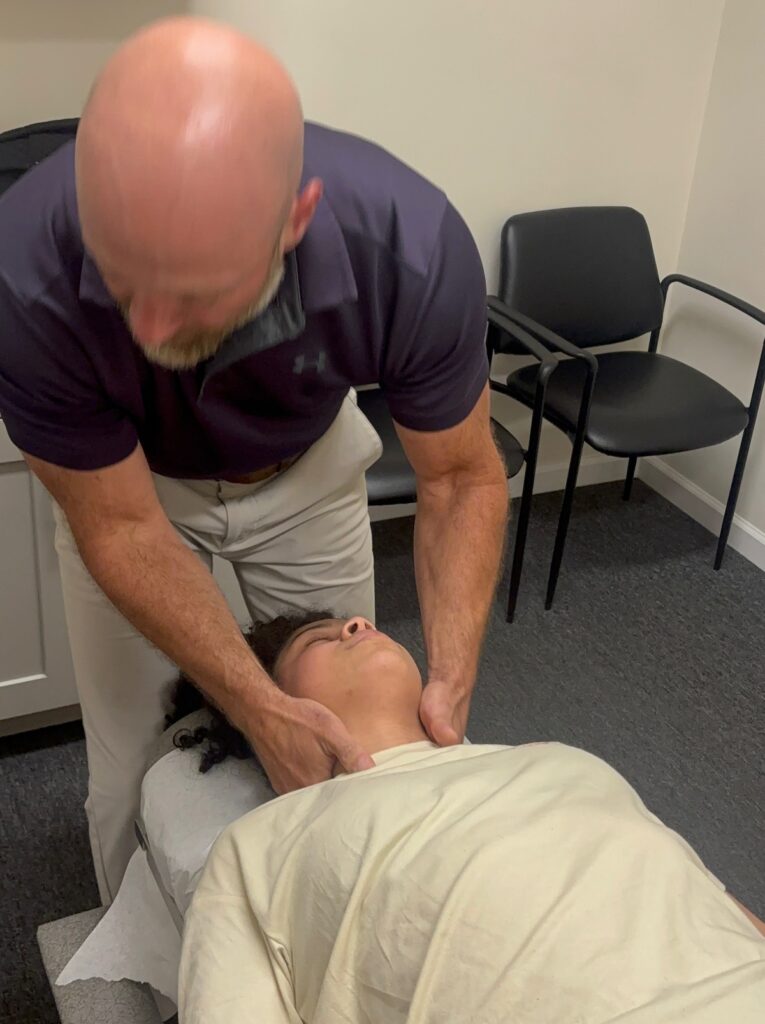
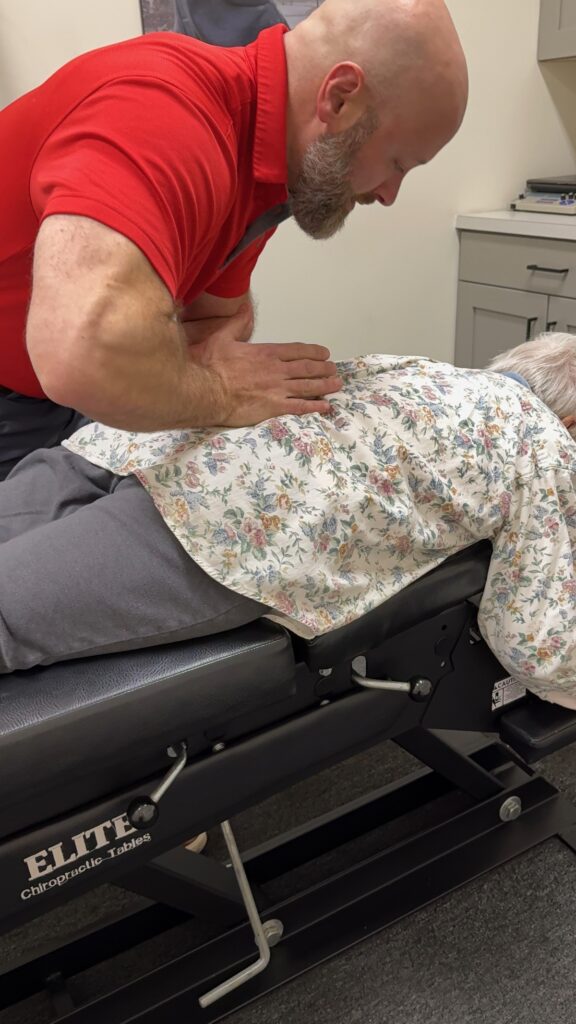
- Chiropractic Care: Regular visits to your chiropractor can help you maintain a healthy spine and provide relief from pain. Chiropractic adjustments can restore proper alignment and function, promoting natural healing and overall wellness.
Remember, small changes can lead to big improvements in your back health. By being mindful of your habits and seeking chiropractic care, you can pave the way for a healthier, pain-free life. Let’s work together to achieve optimal health and wellness for your spine!
Key Takeaways
Are Your Daily Habits Contributing to Back Pain?
As a chiropractor, I often see patients who are struggling with chronic back pain, and many times, their daily habits are to blame. Here are some common habits that can lead to discomfort and some tips on how to improve them:
- Desk Ergonomics: Poor desk setup, like slouching or having your monitor too low, can put a lot of strain on your back. To help, make sure your chair supports your lower back, and position your monitor at eye level. This simple adjustment can make a big difference in reducing discomfort.
- Sitting for Long Periods: Staying seated for extended periods can increase strain on your spine, potentially leading to issues like herniated discs. Remember to take regular breaks—stand up, stretch, and walk around every hour. This keeps your spine healthy and relieves built-up pressure.
- Lifting Techniques: Many people lift heavy objects incorrectly, which can cause serious back injuries. Always bend at your knees and keep your back straight when lifting. If something is too heavy, don’t hesitate to ask for help. Using proper lifting techniques is essential for protecting your back.
- Sleep Positions: Your sleep position can also affect your spinal health. Sleeping on your stomach can create unnecessary strain on your neck and spine. Instead, try sleeping on your side or back, and consider using a supportive pillow to keep your spine aligned.
- Chiropractic Care: Regular visits to a chiropractor can be incredibly beneficial for maintaining a healthy spine. Chiropractic adjustments help realign your spine, reducing discomfort caused by everyday habits. Making chiropractic care a part of your routine can lead to significant improvements in your overall health and wellness.
Making small changes to your daily habits can have a huge impact on your spinal health. Remember, your back supports you through every activity, so take care of it! If you’re experiencing discomfort, don’t hesitate to reach out to a chiropractor for guidance and support on your journey to optimal health.
The Impact of Poor Posture at Your Desk
As you spend hours at your desk, poor posture can quietly cause significant damage to your back. When you slouch or lean forward, it places extra strain on your spine, resulting in discomfort that can persist long after you leave your workspace. You may not feel it immediately, but those little adjustments you make to get comfortable can accumulate over time and lead to considerable pain.
One of the key factors in maintaining good posture is your chair and desk setup. If your monitor is positioned too low or your chair lacks proper support for your lower back, it’s easy to find yourself hunching over. I encourage you to take a moment to assess your work environment—raise your screen to eye level and ensure your feet rest flat on the ground. These simple adjustments can lead to remarkable improvements in your posture and overall well-being.
It’s important to understand that consistent poor posture can lead to misalignments in your spine, which may result in chronic pain. This is where chiropractic care comes in as a natural and effective solution for pain relief and overall wellness. Regular chiropractic adjustments help realign your spine, alleviate discomfort, and promote optimal health.
Being mindful of your posture now can prevent serious issues down the line. Here are some general tips to help you maintain good posture while working at your desk:
- Adjust Your Chair: Ensure your chair supports your lower back. If it doesn’t, consider using a small cushion or lumbar roll to provide extra support.
- Monitor Height: Your monitor should be at eye level to prevent straining your neck. If you can’t adjust it, use books or a stand to elevate it.
- Take Breaks: Stand up, stretch, and walk around every hour. This helps reduce tension and keeps your muscles engaged.
- Mind Your Feet: Keep your feet flat on the floor or on a footrest. Avoid crossing your legs, as this can lead to misalignment.
- Consider Chiropractic Care: Regular visits to a chiropractor can help maintain your spine’s health and address any issues before they become more serious.
The Dangers of Slouching While Sitting
Slouching while sitting may seem harmless at first glance, but it can lead to significant issues for your back and overall well-being. When you hunch over, you put unnecessary strain on your spine, which can result in discomfort and long-term problems. As a chiropractor, I want to help you understand the dangers of slouching and how chiropractic care can be an effective solution for maintaining a healthy spine and body.
Here are three dangers of slouching you should be aware of, along with some tips to improve your posture:
- Increased Back Pain: Poor posture can place excessive pressure on your spine and surrounding muscles, leading to chronic pain. Regular chiropractic adjustments can help realign your spine and alleviate discomfort. Additionally, consider incorporating simple stretches and exercises into your daily routine to strengthen your back muscles and improve your posture.
- Reduced Lung Capacity: Slouching compresses your lungs, making it harder to breathe deeply and reducing oxygen flow to your body. This can leave you feeling fatigued and less energized. To counteract this, practice deep breathing exercises while sitting up straight. Engaging in activities like yoga can also help open up your chest and improve your lung capacity.
- Decreased Productivity: The discomfort from slouching can distract you, lowering your focus and efficiency throughout the day. By maintaining good posture, you can enhance your concentration and overall productivity. Set reminders to check your posture throughout the day, and consider using ergonomic chairs or desk setups to support healthy sitting habits.
Remember, chiropractic care is a natural and effective way to achieve optimal health and wellness. By prioritizing your posture and seeking regular adjustments, you can prevent the dangers of slouching and enjoy a healthier, more active lifestyle.
Take control of your spinal health today!
Improper Lifting Techniques and Back Strain
When you lift heavy objects without maintaining proper posture, you’re putting your back at risk for strain and injury. Ignoring weight limits and pushing your body too hard can lead to serious issues that may affect your daily life. To protect your back while lifting, it’s important to understand the right techniques.
Here are some helpful tips to keep your spine healthy and avoid injury:
- Bend at the Hips and Knees: Instead of bending at your waist, squat down by bending your hips and knees. This helps keep your back straight and reduces strain.
- Keep the Load Close: When lifting, hold the object as close to your body as possible. This minimizes the leverage on your spine and makes it easier to lift.
- Engage Your Core: Before lifting, take a moment to engage your core muscles. This provides stability to your spine and helps protect against injury.
- Avoid Twisting: Keep your body facing the direction you’re lifting. Twisting while lifting can lead to serious strain on your back.
- Use Your Legs: Your legs are much stronger than your back. Use your legs to lift by pushing through your heels and standing up straight.
Incorporating these techniques into your lifting routine can significantly reduce your risk of back injuries. However, if you do experience pain or strain, chiropractic care is an excellent natural option for relief.
A chiropractor can help realign your spine, improve your posture, and enhance your overall health.
Lifting With Incorrect Posture
Improper lifting techniques can seriously impact your back, leading to unnecessary strain and discomfort. When you lift with incorrect posture, your spine is at risk. As a local chiropractor, I want to share some essential tips to help you protect your back and maintain optimal health through safe lifting practices:
- Bend at Your Hips and Knees: Instead of bending at your waist, squat down and use your legs to lift. This technique helps distribute the weight more evenly and minimizes the stress on your spine.
- Keep the Load Close: Always hold objects close to your body. This simple adjustment can significantly reduce the strain on your back, allowing you to lift more comfortably and safely.
- Engage Your Core: Tightening your abdominal muscles while lifting provides extra support to your spine. A strong core is essential for maintaining proper posture and preventing injuries.
Remember, chiropractic care is an excellent choice for addressing back pain and promoting natural wellness. If you’re experiencing discomfort, consider visiting a chiropractor for personalized guidance and care.
Together, we can work towards a healthier, pain-free lifestyle. Your back will thank you!
Overexertion and Weight Limits
Even if you feel strong enough, lifting heavy objects beyond your weight limits can lead to serious back injuries. Your spine isn’t just there to support you; it can easily become strained when you push your physical limits. To keep your back healthy and avoid injuries, it’s essential to assess the weight of what you’re lifting before you begin. If it feels too heavy, don’t hesitate to ask for assistance or consider using machinery.
When you do lift something, remember to keep the object close to your body. Bending your knees and keeping your back straight is key. This technique helps distribute the weight evenly and reduces strain on your back. It’s important to remember that strength alone isn’t enough; using proper techniques is vital for protecting your spine.
Chiropractic care can play a crucial role in maintaining your back health. Regular adjustments can help keep your spine aligned and functioning optimally, reducing the risk of injury. Plus, chiropractors can provide personalized advice on lifting techniques and exercises to strengthen your back.
Prioritizing your safety and well-being not only helps you avoid pain but also contributes to a healthier lifestyle overall. By incorporating these tips and considering chiropractic care, you can support your back and live a more active, pain-free life.
The Effect of Prolonged Sitting on Spinal Health
As a chiropractor, I want to highlight how prolonged sitting can negatively impact your spinal health. When you sit for long stretches, your spine can experience significant strain, leading to discomfort and potential long-term issues.
Here are three important effects of extended sitting on your back:
- Disc Degeneration: Sitting for too long compresses the spinal discs, which can increase the risk of degeneration and herniation. This is where chiropractic care can be incredibly beneficial. Regular adjustments help to restore proper alignment and relieve pressure on those discs, promoting better spinal health.
- Poor Posture: Slouching in your chair can weaken your core muscles and lead to imbalances that may result in chronic pain. Chiropractic adjustments can improve your posture by addressing misalignments and encouraging the right alignment of your spine, which supports a healthier posture overall.
- Reduced Blood Flow: When you stay in one position for long periods, circulation can be restricted. This can lead to stiffness and reduced nutrient supply to your spinal tissues. Chiropractors often recommend gentle stretches and movements, which can enhance blood flow and help keep your spine healthy.
To combat these effects, it’s essential to take breaks every hour to stand, stretch, or walk. Adjust your chair and desk to encourage better posture, and consider incorporating ergonomic solutions into your workspace.
How Your Sleep Position Affects Your Back
As a chiropractor, I want to emphasize how important your sleep position is for maintaining a healthy spine. Many people don’t realize that the way you sleep can significantly affect your back health. Poor posture during sleep can lead to discomfort and misalignment of your spine, making it crucial to choose a position that supports your back’s natural curves.
Here’s a simple guide to common sleep positions and how they impact your back health, along with some tips for improvement:
| Sleep Position | Impact on Back Health | Tips for Improvement |
|---|---|---|
| On your back | This position is great for supporting spinal alignment. It allows your spine to rest in its natural curve. | Use a supportive pillow to keep your neck aligned. A pillow under your knees can further relieve pressure on your lower back. |
| On your side | While this position can be comfortable, it may cause strain on your shoulders and hips if not done correctly. | Place a firm pillow between your knees to help keep your hips aligned and reduce pressure on your joints. |
| On your stomach | This position can put unnecessary strain on both your neck and spine, leading to pain. | I recommend trying to switch to a different position, as this can help alleviate discomfort and improve your spinal alignment. |
| Fetal position | This position can relieve pressure on the spine but can also lead to misalignment if curled up too tightly. | Ensure that your spine stays aligned by keeping your back straight and not overly curled. A supportive pillow can help maintain good neck alignment. |
Everyday Activities That Contribute to Back Pain
Many people don’t realize how their everyday activities can quietly contribute to back pain.
Often, simple actions can strain your back without you even noticing.
As a local chiropractor dedicated to helping you achieve optimal health and wellness, I want to share three common activities that might be causing you discomfort:
- Poor Posture: Slouching while sitting or standing puts extra pressure on your spine, which can lead to pain over time. Make a conscious effort to maintain a straight back and keep your shoulders relaxed. If you work at a desk, consider using an ergonomic chair to support your spine properly.
- Improper Lifting: Whether you’re picking up groceries or moving heavy boxes, bending at the waist instead of using your legs can seriously harm your back. Always remember to squat down, keep your back straight, and lift with your legs. This technique helps protect your spine and reduces the risk of injury.
- Extended Sitting: Spending hours hunched over a desk or couch can weaken your back muscles and stiffen your spine. To counteract this, take regular breaks to stand, stretch, and walk around. Incorporating gentle stretches into your routine can also promote flexibility and ease tension in your back.
Being mindful of these habits can help you protect your back and overall well-being.
Chiropractic care is an excellent choice for maintaining a healthy spine and relieving pain naturally.
If you’re experiencing discomfort, consider visiting a chiropractor to explore personalized treatment options that promote healing and wellness.
Your back will thank you for taking these steps towards a healthier lifestyle!
Conclusion
Your daily habits can significantly affect your back health, and being mindful of these habits is essential for maintaining a healthy spine. As a chiropractor, I want to share some insights that can help you support your back naturally, without the need for surgeries or medications.
First, pay attention to your posture while sitting at your desk. Ensure that your chair supports your lower back and that your feet are flat on the ground. This simple adjustment can help reduce strain on your spine. Remember to take regular breaks from sitting; standing up and stretching every hour can work wonders for your back.
When it comes to lifting objects, always use proper techniques. Bend your knees and keep the object close to your body to minimize strain on your back. If something feels too heavy, don’t hesitate to ask for help.
Your sleep position is another crucial factor. Try sleeping on your side with a pillow between your knees, or on your back with a supportive pillow under your knees. These positions can help maintain the natural curve of your spine and alleviate pressure.
Incorporating these small changes into your daily routine can make a significant difference in your overall back health. If you’re experiencing pain or discomfort, consider visiting a chiropractor. Chiropractic care offers a natural, effective approach to pain relief and wellness, helping your body heal itself and achieve optimal health. Start taking care of your back today, and it will thank you in the long run!