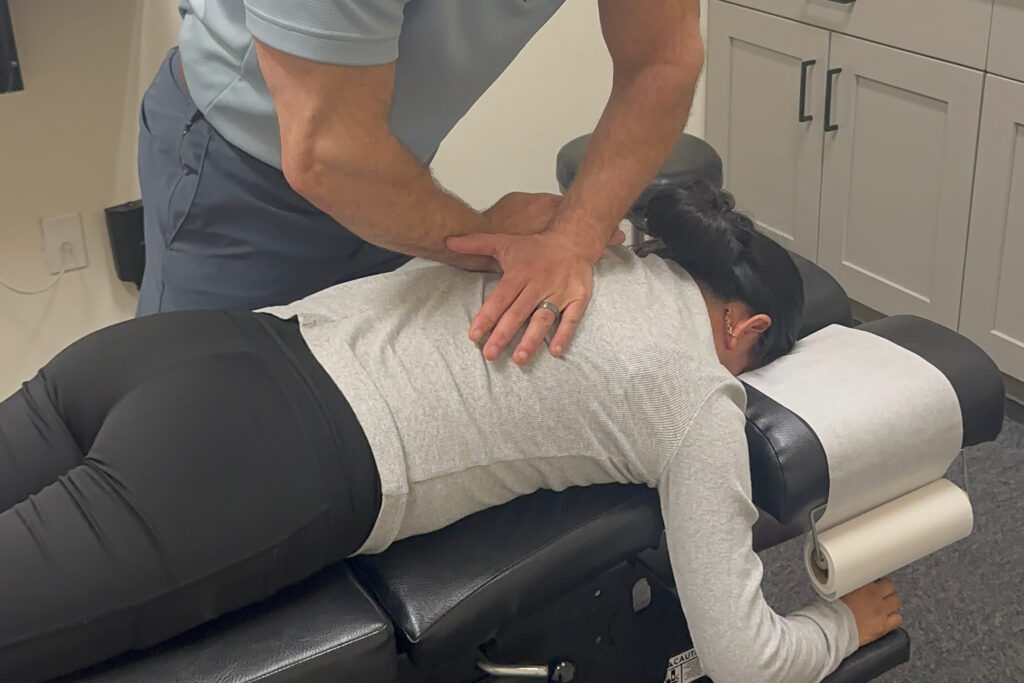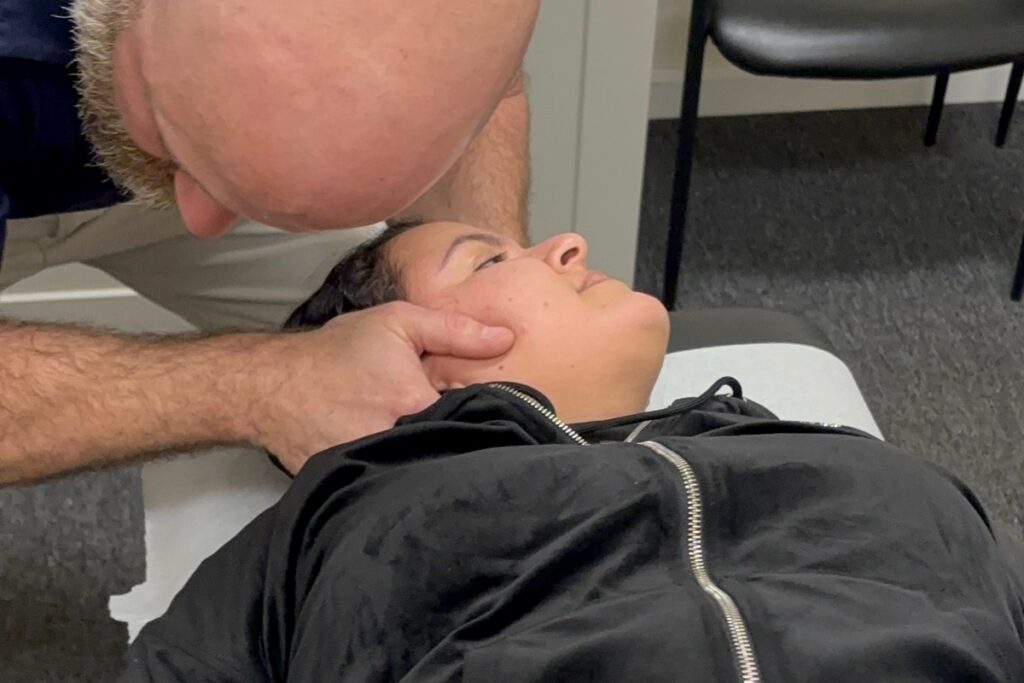

Headaches can be a frustrating and debilitating experience, but managing them effectively is within your reach. As a chiropractor, I believe in a holistic approach to health that emphasizes natural healing and wellness, particularly through spinal care. Your spine plays a crucial role in your overall health, and by maintaining its alignment, you can significantly reduce the frequency and intensity of headaches.
Here are some essential tips to help you manage headaches naturally:
- Stay Hydrated: Dehydration can trigger headaches, so aim to drink plenty of water throughout the day. Keeping your body well-hydrated supports spinal health and overall wellness.
- Prioritize Sleep: Quality sleep is vital for your body to heal and rejuvenate. Establish a consistent sleep schedule and create a restful environment to improve your sleep quality.
- Regular Exercise: Engaging in regular physical activity can help reduce stress and tension, which are common headache triggers. Focus on exercises that promote spinal health, such as yoga or swimming.
- Practice Good Posture: Poor posture can lead to spinal misalignment, contributing to headaches. Be mindful of your posture while sitting, standing, or using electronic devices to reduce strain on your spine.
- Manage Stress: Stress is a major headache trigger. Incorporate relaxation techniques such as deep breathing, meditation, or chiropractic adjustments to help alleviate stress and tension in your body.
- Limit Caffeine and Alcohol: Both substances can contribute to dehydration and trigger headaches. Moderation is key, so keep an eye on your intake.
- Identify Triggers: Keep a headache diary to track what may be triggering your headaches. This can help you identify patterns and avoid specific triggers in the future.
- Chiropractic Care: Regular chiropractic adjustments can help align your spine, relieving tension and pressure that may contribute to headaches. Consider visiting your chiropractor to discuss a personalized care plan.
- Healthy Diet: Eating a balanced diet rich in whole foods can support your overall health and reduce headache frequency. Focus on fruits, vegetables, lean proteins, and whole grains.
- Take Breaks: If you spend long hours at a desk or using screens, remember to take regular breaks. Stretching your back and neck can help alleviate tension and prevent headaches.
By incorporating these tips into your daily routine, you can take proactive steps towards managing headaches naturally. Remember, chiropractic care is a powerful tool in achieving optimal health and wellness, helping you live a pain-free life. If you’re struggling with headaches, consider scheduling an appointment with your chiropractor to explore how spinal health can improve your overall well-being.
Key Takeaways
- Stay hydrated by drinking plenty of water—aim for at least eight 8-ounce glasses each day. Incorporate hydrating fruits and vegetables into your meals; they can work wonders for your overall health and may help reduce headache occurrences.
- Establish a consistent sleep routine, aiming for 7-9 hours of quality sleep each night. A well-rested body is crucial for preventing headaches and maintaining optimal health.
- Regular physical activity is essential. Simple exercises like walking or yoga can significantly decrease stress and tension, which are common headache triggers. Plus, these activities promote a healthier spine, enhancing your overall wellness.
- Consider natural pain relief methods, such as using cold compresses to alleviate headache pain. Mindfulness and relaxation techniques can also be beneficial; they not only help with headaches but improve your mental and physical health.
- As a chiropractor, I encourage you to consult with a licensed practitioner who can create personalized treatment plans tailored to your needs. By discussing your headache patterns, we can develop effective strategies to manage and prevent headaches, ensuring you maintain a healthy, pain-free lifestyle. Embracing chiropractic care can be a powerful step towards achieving optimal health and wellness.
Stay Hydrated
Staying hydrated is essential for your overall health and can play a significant role in reducing the frequency and intensity of headaches. As a chiropractor, I often see patients who experience headaches due to dehydration. Our bodies rely on water to function optimally, and when we don’t get enough, it can lead to discomfort and pain.
To keep headaches at bay, make it a habit to drink water throughout the day—don’t wait until you feel thirsty! Carrying a reusable water bottle with you can serve as a reminder to sip regularly. It’s a simple yet effective way to ensure you’re staying hydrated.
Aim to drink at least eight 8-ounce glasses of water daily. If you’re active or in a warm environment, you might need to increase that amount. Remember, hydration doesn’t only come from water; incorporating fruits and vegetables into your diet can also help. Think about adding juicy options like watermelon or cucumbers, which are great for hydration.
Be mindful of the signs of dehydration such as a dry mouth, fatigue, or even dizziness. These signals can indicate that it’s time to drink more water. Prioritizing hydration not only helps prevent headaches but also supports your spinal health and overall well-being.
As you focus on hydration, remember that chiropractic care can help address the underlying issues that may contribute to headaches and discomfort. Regular chiropractic adjustments can improve your body’s function, reduce tension, and enhance your overall health.
Maintain a Regular Sleep Schedule
Maintaining a regular sleep schedule is crucial for your overall health and can significantly help in preventing headaches. As a chiropractor, I often see patients whose inconsistent sleep patterns disrupt their body’s natural rhythms, leading to various health issues, including headaches. By establishing a consistent bedtime and wake-up time, you can help regulate your body’s internal clock, which often results in better sleep quality and fewer headaches.
To assist you in developing a sleep routine, here’s a simple table you can use to track your sleep schedule:
| Day | Bedtime |
|---|---|
| Monday | 10:30 PM |
| Tuesday | 10:30 PM |
| Wednesday | 10:30 PM |
| Thursday | 10:30 PM |
Aim for 7-9 hours of restful sleep each night. Creating a comfortable sleep environment can also make a big difference—dim the lights, minimize noise, and limit screen time before bed.
Practice Stress Management Techniques
Since stress is a common trigger for headaches, managing stress effectively can significantly enhance your daily well-being. As a chiropractor, I want to emphasize the importance of natural techniques to not only alleviate stress but also promote overall health.
Start by incorporating deep breathing exercises into your routine. Taking a few minutes each day to breathe deeply—inhale through your nose, hold your breath for a couple of seconds, and exhale slowly through your mouth—can calm your mind and help reduce tension. This simple practice can be a wonderful way to connect with your body and support your spinal health.
Mindfulness meditation is another excellent tool. Just five to ten minutes of focused attention can shift your perspective and help alleviate stress. This practice encourages relaxation and mental clarity, both of which are essential for maintaining a healthy spine.
Physical activities, such as yoga or even a gentle walk, are also fantastic for stress relief. These activities not only promote the release of endorphins—your body’s natural pain relievers—but also improve your posture and spinal alignment, which are crucial for overall wellness.
Consider journaling as a way to express your thoughts and feelings. Writing can help you process emotions and identify stressors, giving you insight into what may be affecting your well-being.
Lastly, don’t underestimate the power of connection. Spend time with friends or family, share your experiences, and lean on your support network. These social interactions can provide comfort and relieve stress, contributing to a healthier lifestyle.
By integrating these techniques into your daily life, you’ll be better equipped to manage stress and reduce the frequency of headaches.
Identify and Avoid Triggers
Recognizing and avoiding headache triggers is essential for managing your discomfort and promoting overall wellness. As a chiropractor, I believe that understanding what sets off your headaches can lead to better health outcomes and improved quality of life. Common triggers can include certain foods, environmental factors, and lifestyle habits. Keeping a headache diary can be a powerful tool to help pinpoint these triggers and make necessary adjustments.
Here’s a simple table to help you identify potential headache triggers and ways to avoid them:
| Trigger Type | Examples | Tips to Avoid |
|---|---|---|
| Food | Aged cheese, chocolate | Keep a food diary to track what you eat and how it affects you |
| Environmental | Bright lights, strong smells | Consider using sunglasses indoors or avoiding strong scents when possible |
| Lifestyle | Skipping meals, dehydration | Maintain a regular schedule for meals and stay hydrated throughout the day |
Incorporate Regular Exercise
Incorporating regular exercise into your routine can be a true game-changer for managing headaches. As a chiropractor, I’ve seen firsthand how different types of activities can help alleviate stress and tension—two common triggers for headaches.
Engaging in exercises like walking, yoga, or swimming can’t only improve your overall health but also support spinal alignment, which is crucial for reducing headache frequency and intensity.
Consistency is vital; the more regularly you exercise, the better the benefits you’ll experience. Remember to listen to your body and choose activities that feel good for you. If you’re unsure where to start, consider consulting with a chiropractor who can guide you on exercises that are safe and effective for your specific needs.
Additionally, don’t underestimate the importance of stretching and maintaining good posture throughout the day. Simple movements can enhance flexibility and reduce tension in the neck and shoulders, where headaches often originate.
Make sure to incorporate these habits into your daily life to promote natural healing and optimal wellness. Always remember, chiropractic care is here to support you on your journey to a headache-free life!
Benefits of Exercise
When you incorporate regular exercise into your daily routine, it can significantly help relieve headache symptoms. Exercise increases blood flow and oxygen to the brain, which can ease tension and alleviate pain. Moreover, physical activity releases endorphins—your body’s natural painkillers—leading to a greater sense of well-being.
Not only will you likely notice improved sleep quality and lower stress levels, both crucial for managing headaches, but regular exercise can also enhance your overall fitness. This means you may become less sensitive to common headache triggers.
As a chiropractor, I emphasize the importance of a holistic approach to health. By combining exercise with chiropractic care, you’re not just tackling headaches; you’re also nurturing your mood and boosting your energy levels.
Here are some practical tips to integrate exercise into your life for better health:
- Start Small: If you’re new to exercise, begin with short walks or gentle stretches. Gradually increase intensity as your body adapts.
- Stay Consistent: Aim for at least 30 minutes of physical activity most days of the week. Consistency is key to reaping the benefits.
- Choose Activities You Enjoy: Whether it’s dancing, swimming, or yoga, engaging in activities you love makes it easier to stick with your routine.
- Pair Exercise with Chiropractic Care: Regular visits to your chiropractor can help ensure your spine is aligned and functioning well, which can enhance the benefits of your exercise routine.
- Listen to Your Body: If you experience discomfort or pain, don’t push through it. Consult with your chiropractor to address any issues.
Types of Activities
Finding the right types of activities can make all the difference in your exercise routine, especially when it comes to managing headaches. Regular physical activity not only keeps you fit but can also play a significant role in reducing the frequency and intensity of headaches.
Here are some chiropractic-friendly activities that you might find beneficial:
- Walking: A simple walk can ease tension in your muscles and improve circulation, which is essential for overall spinal health. Plus, it’s a great way to clear your mind.
- Yoga: This practice combines stretching and relaxation techniques, which can work wonders for headache relief and is excellent for maintaining spinal alignment.
- Swimming: The soothing properties of water can help relax your muscles and alleviate stress. Swimming is also a low-impact exercise that’s gentle on your spine.
- Cycling: A fun way to elevate your mood by boosting endorphins while providing a solid cardiovascular workout. Just remember to maintain good posture while cycling to support your spinal health.
Incorporating these activities into your daily routine can help you discover what works best for your body.
Remember, staying active isn’t just about exercise; it’s about enhancing your overall well-being. And when you pair these activities with chiropractic care, you can achieve optimal health and natural pain relief.
Always listen to your body and, if you’re struggling with persistent headaches, consider visiting a chiropractor who can help assess your spinal alignment and recommend personalized strategies for relief.
Together, you can create a plan for a healthier, more active lifestyle!
Consistency Is Key
To effectively manage headaches, incorporating regular exercise into your routine is essential, but it’s equally important to consider the role of chiropractic care in achieving optimal wellness. Chiropractic adjustments can help alleviate tension in the spine and neck, which may be contributing to your headaches. By ensuring proper alignment, chiropractic care can enhance your overall health and reduce headache frequency.
Exercise is still a crucial part of your wellness journey. It boosts your endorphins, reduces stress, and improves sleep—all vital for headache relief. Aim for a consistent workout schedule that complements your chiropractic treatments. Activities like brisk walking, yoga, or cycling can be beneficial.
Here’s a simple exercise plan to get you started:
| Day | Activity |
|---|---|
| Monday | 30-minute walk |
| Wednesday | Gentle yoga session |
| Friday | Cycling for 45 mins |
In addition to exercise, remember to prioritize regular visits to your chiropractor. They can provide tailored adjustments that address your specific needs, helping to relieve tension and enhance your body’s natural healing process.
Try Relaxation Techniques
Stress is a common trigger for headaches, but incorporating relaxation techniques into your daily routine can significantly help in relieving tension and enhancing your overall well-being.
As a chiropractor, I believe that a holistic approach to health is vital, and regular practice of these techniques can create a peaceful environment that minimizes the frequency and intensity of headaches.
Here are some effective relaxation methods that you can easily integrate into your life:
- Deep Breathing: Take a moment to focus on slow, deep breaths. This simple practice calms your nervous system and can help reduce stress levels, which may contribute to headache relief.
- Progressive Muscle Relaxation: Try tensing and then relaxing each muscle group, starting from your toes and moving up to your head. This technique helps release built-up tension in your body, promoting relaxation and comfort.
- Meditation: Spend a few minutes each day in quiet reflection or guided meditation. Clearing your mind can help manage stress and improve your mental clarity.
- Yoga or Stretching: Engage in gentle yoga or simple stretching exercises. These activities can help release tension in your body, support spinal health, and enhance flexibility.
By experimenting with these techniques, you can discover what works best for you.
Remember, chiropractic care is also an excellent option for managing pain and promoting natural healing. Regular adjustments can align your spine, improve nervous system function, and enhance your body’s ability to cope with stress.
Integrating relaxation techniques and chiropractic care into your lifestyle can empower you to take charge of your health, manage stress effectively, and reduce the likelihood of experiencing headaches.
Embrace these practices for a healthier, more balanced life!
Use Over-the-Counter Pain Relievers
When headaches strike, it’s essential to consider holistic approaches to find relief. While over-the-counter pain relievers may seem like a quick fix, they often come with side effects and don’t address the root cause of your discomfort. As a chiropractor, I advocate for natural healing methods that can enhance your overall wellness.
Instead of relying on medication, let’s explore some effective strategies for managing headaches naturally:
- Chiropractic Care: Regular chiropractic adjustments can help align your spine and relieve tension that may contribute to headaches. By addressing spinal misalignments, we can improve your body’s function and reduce the frequency and intensity of headaches.
- Hydration: Dehydration is a common trigger for headaches. Make sure you’re drinking enough water throughout the day to keep your body well-hydrated.
- Mindfulness and Relaxation Techniques: Stress can be a significant factor in headache development. Practicing mindfulness, deep breathing, or meditation can help reduce stress levels and prevent tension headaches.
- Regular Exercise: Physical activity promotes blood flow and helps reduce muscle tension. Incorporating regular exercise into your routine can significantly decrease the likelihood of headaches.
- Proper Posture: Maintaining good posture, especially if you spend long hours at a desk, is crucial. Poor posture can lead to neck and back strain, which may trigger headaches. Make adjustments to your workspace and take breaks to stretch.
- Adequate Rest: Ensure you’re getting enough sleep. Fatigue can lead to headaches, so establishing a consistent sleep schedule is important for your overall health.
- Nutrition: Pay attention to your diet. Certain foods can trigger headaches in some individuals, so it’s helpful to identify any dietary patterns that may correlate with your headaches.
By focusing on these natural wellness strategies, you can empower yourself to manage headaches effectively while promoting overall health.
Chiropractic care offers a supportive approach that addresses the underlying issues causing your discomfort, helping you achieve optimal health without the need for medications.
Types of Pain Relievers
If you’re experiencing headaches, it can be tempting to reach for over-the-counter (OTC) pain relievers for quick relief. However, I want to encourage you to consider a more holistic and natural approach: chiropractic care. Not only can it help address the underlying issues contributing to your headaches, but it also promotes overall wellness without the need for medications.
Chiropractic adjustments focus on aligning the spine, which can relieve tension and pressure that often leads to headaches. By addressing any misalignments, we can help restore proper function to your nervous system and reduce pain naturally.
Here are a few tips to consider:
- Regular Chiropractic Visits: Regular adjustments can help keep your spine aligned, reducing the frequency and intensity of headaches.
- Stay Hydrated: Dehydration can contribute to headaches, so make sure to drink plenty of water throughout the day.
- Practice Good Posture: Poor posture can lead to tension in your neck and shoulders, often triggering headaches. Be mindful of your posture, especially when sitting for long periods.
- Stretch and Move: Incorporate gentle stretching and regular movement into your day to relieve muscle tension and improve circulation.
- Manage Stress: Stress can be a significant trigger for headaches. Consider relaxation techniques such as deep breathing, meditation, or yoga.
While OTC pain relievers may offer temporary relief, chiropractic care addresses the root causes of pain and promotes a healthier lifestyle.
Proper Dosage Guidelines
Chiropractic care provides a holistic approach to managing headaches, emphasizing natural healing methods that promote overall wellness. While over-the-counter (OTC) pain relievers might offer temporary relief, they often come with risks and don’t address the root causes of your discomfort. Instead, consider chiropractic adjustments as a safer, more effective way to alleviate headache pain and enhance your overall health.
When experiencing headaches, it’s important to listen to your body and understand what triggers your pain. Common causes include tension, poor posture, and spinal misalignments. Regular chiropractic visits can help correct these issues, reduce tension in your neck and shoulders, and restore proper alignment to your spine, which can lead to significant improvements in headache frequency and intensity.
In addition to chiropractic care, there are several natural remedies you can incorporate into your daily routine to support your wellness:
- Stay Hydrated: Dehydration can lead to headaches, so be sure to drink plenty of water throughout the day.
- Practice Good Posture: Pay attention to your posture, especially if you spend long hours at a desk. Ensure your workspace is ergonomically friendly to reduce strain on your neck and back.
- Manage Stress: Techniques such as deep breathing, yoga, or meditation can help alleviate stress, which is a common headache trigger.
- Get Enough Sleep: Aim for 7-9 hours of quality sleep each night to help your body recover and reduce the likelihood of tension headaches.
- Regular Exercise: Engage in regular physical activity to help alleviate tension and improve circulation, which can reduce headache symptoms.
- Mind Your Diet: Certain foods can trigger headaches in some people, so keep a food diary to identify any potential culprits.
Remember that chiropractic care plays a vital role in achieving optimal health and wellness. By addressing the underlying issues contributing to your headaches, you can experience lasting relief and a greater sense of well-being.
Prioritize your health by choosing natural, effective solutions like chiropractic care, and enjoy the benefits of a pain-free life.
Potential Side Effects
While over-the-counter (OTC) pain relievers can offer quick relief for headaches, they come with potential side effects that are worth considering. Instead of immediately reaching for medication, I encourage you to explore natural alternatives, such as chiropractic care, which can address the root causes of your headaches without the risks associated with pills.
Here are some common side effects of OTC pain relievers:
- Stomach upset: Regular use can irritate your digestive system, leading to discomfort.
- Drowsiness: Some medications may leave you feeling sleepy or sluggish, which can affect your daily activities.
- Allergic reactions: You might experience skin rashes or breathing difficulties, which can be serious.
- Rebound headaches: Overuse of pain relievers can ironically lead to more frequent headaches.
Instead of relying on medications, consider visiting your local chiropractor. Chiropractic care can help alleviate headaches by addressing spinal alignment and tension that may be contributing to your discomfort.
Here are some tips to manage headaches naturally:
- Stay Hydrated: Dehydration can trigger headaches, so make sure you drink plenty of water throughout the day.
- Practice Good Posture: Poor posture can strain your neck and back, leading to headaches. Be mindful of your alignment, especially if you spend long hours at a desk.
- Regular Exercise: Engaging in regular physical activity can reduce stress and tension in your body, helping to prevent headaches.
- Mindfulness and Relaxation Techniques: Practices such as yoga, meditation, or deep-breathing exercises can help alleviate stress, which is often a headache trigger.
Always consider discussing your headaches with a healthcare professional who understands the benefits of chiropractic care.
Apply Cold or Warm Compresses
Applying cold or warm compresses is a simple and effective way to alleviate headache pain naturally. As a chiropractor, I encourage my patients to explore these methods as part of a holistic approach to wellness. Cold compresses can help numb the pain and reduce inflammation, making them a great option for headaches caused by tension or swelling. On the other hand, warm compresses are fantastic for relaxing tight muscles and enhancing blood flow, which can be particularly beneficial for tension headaches.
Here’s a quick overview of the benefits of each type of compress:
| Compress Type | Benefit |
|---|---|
| Cold | Numbs pain |
| Reduces inflammation | |
| Warm | Relaxes muscles |
| Improves circulation |
To use a cold compress, simply wrap ice or a cold pack in a cloth and place it on your forehead or neck for about 15-20 minutes. If you opt for a warm compress, soak a cloth in warm water, wring it out, and gently apply it to the area where you feel discomfort.
Experiment with both types of compresses to discover which one provides you with the most relief. It’s important to listen to your body and find what works best for you. Remember, these natural methods can complement the benefits of chiropractic care, which focuses on addressing the root causes of pain and promoting overall health.
Incorporating compresses into your routine can be a simple yet effective way to manage headaches. Always keep in mind that regular chiropractic adjustments can help maintain a healthy spine and nervous system, which is crucial for preventing headaches and achieving optimal wellness.
Explore Alternative Therapies
If you’re seeking effective ways to address your headaches, I encourage you to consider chiropractic care as a primary solution. Chiropractic adjustments focus on aligning your spine, which can help relieve tension and pressure that may contribute to headaches. By restoring proper spinal alignment, we can enhance your overall health and well-being.
In addition to chiropractic care, there are other holistic approaches that can complement your treatment. Techniques such as acupuncture can help stimulate points in the body to promote natural healing, while aromatherapy may provide soothing scents that can aid in relaxation. Herbal remedies can also be beneficial, but it’s essential to consult with a healthcare professional to find the right options for you.
Here are some general tips to help manage headaches naturally:
- Maintain good posture to reduce strain on your neck and back.
- Stay hydrated, as dehydration can trigger headaches.
- Consider regular chiropractic visits to keep your spine in optimal condition.
- Engage in stress-reducing activities, such as yoga or meditation.
Acupuncture for Relief
Chiropractic care offers an excellent alternative for those seeking relief from headaches, focusing on the alignment of the spine and the body’s overall wellness. By addressing misalignments and tension in the spine, chiropractic adjustments can help alleviate headache pain and promote a healthier lifestyle.
Here are some key benefits of chiropractic care for headache relief:
- Pain reduction: Chiropractic adjustments can help reduce the intensity and frequency of headaches by addressing the root cause of the pain.
- Stress relief: Regular chiropractic care promotes relaxation and helps relieve tension in the body, which can often trigger headaches.
- Improved circulation: By ensuring proper spinal alignment, chiropractic care can enhance blood flow, reducing tension and pressure that contribute to headaches.
- Holistic approach: Chiropractic care not only focuses on relieving symptoms but also on promoting long-term wellness by supporting the body’s natural healing processes.
If you’re considering chiropractic care for headache relief, it’s essential to consult with a licensed chiropractor who can evaluate your specific situation and create a personalized treatment plan.
In addition to chiropractic adjustments, here are some general tips for headache relief:
- Stay hydrated: Drinking plenty of water can help prevent dehydration, which is a common headache trigger.
- Practice good posture: Maintaining proper posture can alleviate strain on your neck and spine, reducing headache frequency.
- Manage stress: Incorporating relaxation techniques such as deep breathing or yoga can help lower stress levels, which may contribute to headaches.
- Get regular exercise: Engaging in regular physical activity can improve overall health and reduce tension in the body.
Chiropractic care is a natural and effective way to achieve optimal health and wellness, making it a top choice for those dealing with headaches.
Aromatherapy Benefits
Aromatherapy can be a beneficial addition to your wellness routine, especially when it comes to managing headaches. The soothing properties of essential oils can help promote relaxation and alleviate discomfort naturally.
While chiropractic care is the best choice for addressing the root causes of headaches through spinal adjustments and overall alignment, incorporating aromatherapy can enhance your overall well-being.
Essential oils, like lavender and peppermint, are known for their calming and revitalizing effects. Lavender can help you unwind and reduce stress, while peppermint may provide a refreshing sensation that eases headache discomfort.
To make the most of these oils, try diffusing them in your home or diluting them with a carrier oil for topical application on your temples and neck.
Remember, taking a moment to incorporate simple techniques like aromatherapy into your daily routine can complement your chiropractic care and support your journey to optimal health.
Always consult with your chiropractor about the best approaches for your specific needs, and consider aromatherapy as an additional tool in your wellness toolkit.
Herbal Remedies Options
Exploring herbal remedies can be a part of your journey towards natural healing and wellness, especially when managing headaches. While I strongly advocate for chiropractic care as the best choice for pain relief and promoting overall health, some individuals may find herbal options beneficial as supplementary support.
Here are some popular herbs to consider, alongside the foundational benefits of chiropractic care:
- Peppermint: Known for its cooling and soothing effect, peppermint can help ease tension headaches. Consider incorporating peppermint tea or essential oil into your self-care routine for a refreshing experience.
- Ginger: This powerful anti-inflammatory herb not only may help reduce headache severity but can also alleviate nausea. Adding ginger to your diet, whether in meals or as a tea, can support your overall wellness.
- Feverfew: Frequently used to prevent migraines, feverfew has been helpful for some individuals. However, it’s essential to approach this herb with care and consult your chiropractor to see how it fits with your health plan.
- Willow Bark: Often referred to as “nature’s aspirin,” willow bark may help with pain relief. Remember, though, that the best way to address pain is through regular chiropractic adjustments, which target the underlying causes of discomfort.
While these herbal remedies can offer some relief, it’s crucial to remember that they aren’t substitutes for chiropractic care. Regular visits to your chiropractor can help ensure your spine is aligned and functioning optimally, reducing the frequency and intensity of headaches.
Before trying any herbal remedies, consult with your chiropractor to ensure they’re safe and suitable for your specific health needs.
Additionally, prioritize hydration, practice good posture, and incorporate stress-reducing techniques like yoga or meditation into your routine for a holistic approach to wellness. Your journey to optimal health is best supported by a combination of chiropractic care and mindful lifestyle choices.
Consult a Healthcare Professional
If you’ve been dealing with persistent headaches, it’s important to explore natural ways to find relief, and chiropractic care can be a great option. Chiropractors specialize in understanding how the spine and nervous system affect your overall health, including headaches. By addressing any misalignments in your spine, chiropractic adjustments can help alleviate tension and improve your body’s natural healing processes.
Ignoring chronic headaches can lead to more discomfort over time, so it’s beneficial to take action. A chiropractor can assess your posture, movement patterns, and spinal alignment to better understand the root causes of your headaches. They may also provide guidance on lifestyle changes that can help reduce headache frequency and intensity.
When you visit a chiropractor, be sure to share any patterns you’ve noticed, such as triggers or accompanying symptoms. This information will help them create a tailored treatment plan that might include spinal adjustments, stretches, and exercises designed to promote better spinal health and reduce tension.
Additionally, consider incorporating some general wellness tips into your routine. Staying hydrated, practicing good posture, managing stress through relaxation techniques, and ensuring you get enough sleep can all contribute to headache relief.
Conclusion
By incorporating these essential tips into your routine, you can take charge of your headaches and enhance your overall well-being. Staying well-hydrated and managing stress are fundamental steps; consider incorporating chiropractic care to help alleviate tension and misalignments that may contribute to headaches. Regular exercise is another vital component—movement not only promotes physical health but can also help prevent headache occurrences.
Identifying your personal triggers is crucial; keep a journal to note any patterns you observe. Additionally, exploring natural therapies, such as chiropractic adjustments, can provide significant relief. Chiropractic care focuses on realigning the spine and improving nervous system function, which can help reduce headache frequency and intensity.
If your headaches continue, it may be beneficial to consult with a chiropractor for personalized insights and treatment options. Remember, you’re not alone in this journey—by being proactive and embracing chiropractic care, you can find relief and enjoy a higher quality of life. Embrace these tips, and take the first step towards a healthier, headache-free existence!