
If you’ve ever felt the relentless grip of a headache, you understand how it can disrupt your daily life. The first step toward relief is understanding the types of headaches and their triggers. Keeping a headache diary can be incredibly helpful in identifying patterns that may surprise you. However, there’s more to this journey than just tracking your pain.
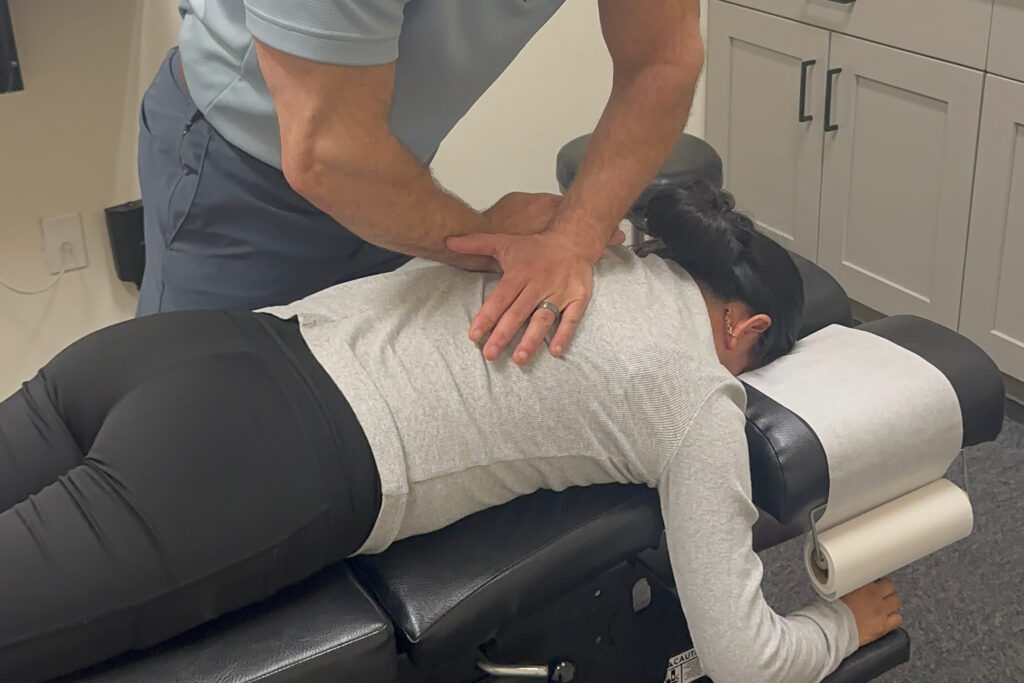
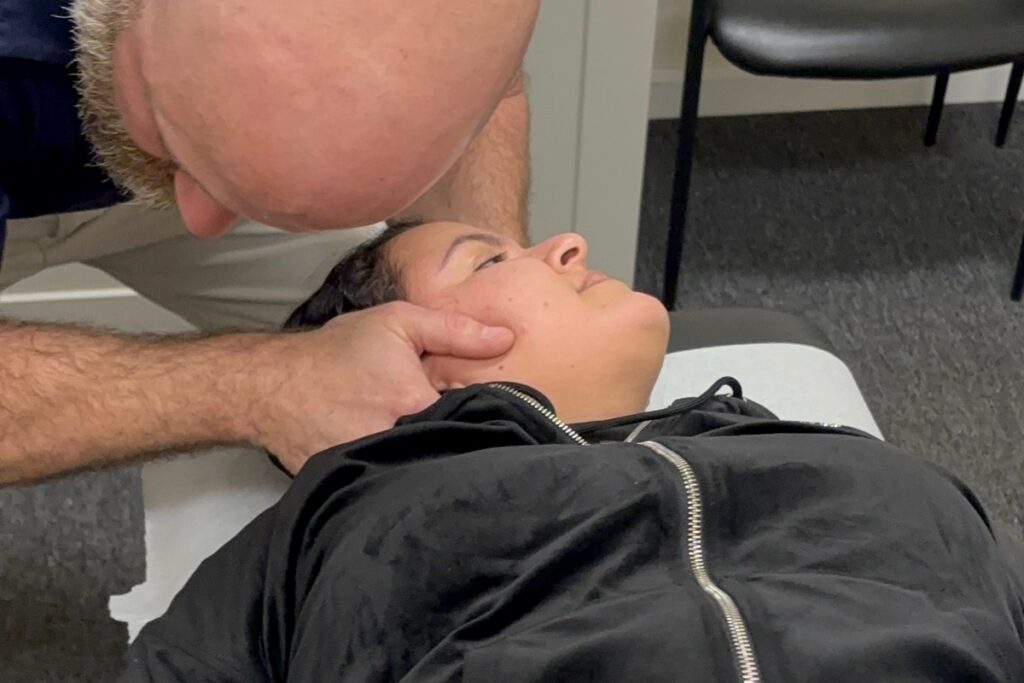
What if I told you that simple lifestyle changes, combined with the benefits of chiropractic care, could significantly reduce your headaches? Chiropractic adjustments focus on aligning the spine, which can relieve tension in the body and reduce headache frequency and intensity.
Here are some strategies to consider on your path to a more comfortable life:
- Stay Hydrated: Dehydration can lead to headaches, so make sure you drink plenty of water throughout the day.
- Practice Good Posture: Poor posture can contribute to tension headaches. When sitting or standing, keep your shoulders back and your spine aligned. Regular chiropractic adjustments can help maintain proper alignment.
- Limit Stress: Stress is a common headache trigger. Incorporate relaxation techniques such as deep breathing, meditation, or yoga into your routine. Chiropractic care can also help alleviate stress by promoting relaxation through spinal adjustments.
- Get Regular Exercise: Physical activity increases blood flow and helps reduce tension. Find an exercise routine that works for you, and stick with it.
- Sleep Well: Ensure you’re getting enough quality sleep. Establish a regular sleep schedule and create a restful environment.
- Nutrition Matters: Pay attention to your diet. Certain foods can trigger headaches in some people, so keep an eye on what you eat. A balanced diet rich in fruits, vegetables, and whole grains can promote overall health.
- Consider Chiropractic Care: Regular visits to a chiropractor can help manage headaches by addressing spinal misalignments that may be contributing to your pain. Adjustments can relieve tension in the neck and upper back, which are common areas of discomfort for headache sufferers.
By incorporating these strategies into your life and considering the benefits of chiropractic adjustments, you can take proactive steps toward achieving optimal health and reducing headache pain naturally. Remember, you don’t have to navigate this journey alone—chiropractic care can be a valuable partner in your quest for wellness.
Key Takeaways
- Start by keeping a headache diary to identify and track your personal headache triggers. This practice can help you tailor prevention strategies that work best for you and your unique body.
- Consider incorporating chiropractic care into your wellness routine. Chiropractic adjustments can help address spinal alignment issues, which may alleviate headache symptoms and improve overall well-being.
- Don’t underestimate the power of stress management techniques! Simple practices like deep breathing exercises and mindfulness can be effective in reducing headache frequency by promoting relaxation and balance in your body.
- Staying well-hydrated and maintaining a balanced diet is crucial. Proper hydration and nutrition can help prevent headaches that might be related to dehydration or certain food triggers.
- Lastly, evaluate your workspace ergonomics. By creating an ergonomic workspace and practicing good posture, you can minimize tension in your body that may lead to headaches. Remember, small adjustments can make a big difference!
By choosing chiropractic care and implementing these lifestyle tips, you’re taking proactive steps towards achieving optimal health and finding relief from headaches naturally.
Understanding Headaches: Types and Triggers
When you experience a headache, understanding its type and triggers can be a game changer in finding relief. Headaches can be classified into primary types, such as tension, migraine, and cluster headaches, each with its own characteristics and potential causes.
Tension headaches often feel like a tight band around your head, while migraines may cause throbbing pain, sensitivity to light, and nausea. Cluster headaches, although less common, can be extremely painful and occur in cycles.
Identifying your headache triggers is equally important. Common culprits include stress, certain foods, dehydration, and lack of sleep. Keeping a headache diary can be an effective way to track your symptoms and identify patterns. This proactive approach helps you understand what may be causing your headaches and allows you to take steps to prevent them.
Chiropractic care can play a vital role in managing headaches. By focusing on spinal health and alignment, chiropractic adjustments can alleviate tension and improve overall wellness. Regular visits to a chiropractor can help reduce the frequency and intensity of headaches by addressing the root causes rather than just masking the symptoms.
In addition to chiropractic care, here are some general tips for managing headaches naturally:
- Stay Hydrated: Drink plenty of water throughout the day to prevent dehydration, a common trigger for headaches.
- Practice Relaxation Techniques: Stress management techniques such as deep breathing, meditation, or yoga can help reduce tension in your body.
- Maintain a Consistent Sleep Schedule: Aim for quality sleep by going to bed and waking up at the same time every day.
- Monitor Your Diet: Keep track of foods that may trigger your headaches and consider adjusting your diet accordingly.
- Take Breaks: If you work at a desk or spend long hours on screens, remember to take regular breaks to reduce strain on your neck and eyes.
By understanding your headaches and incorporating chiropractic care into your routine, you can take control of your health and work towards a pain-free life.
Embrace these natural healing strategies and enjoy the benefits of a healthier, happier you!
Identifying Your Headache Patterns
How can you effectively identify your headache patterns? As a chiropractor, I often recommend keeping a detailed headache diary. This simple yet powerful practice can help you understand what might be triggering your headaches and the patterns that develop over time. Here are some key elements to track:
- Frequency: Note how often you experience headaches each week. This can help identify if there are specific times of the week when headaches are more common, which can be linked to stress or lifestyle changes.
- Duration: Record how long each headache lasts, from the moment you feel it coming on until it finally goes away. This can help you determine if your headaches are short-lived or more persistent.
- Intensity: Rate the pain on a scale of 1-10. This can give you a clearer picture of how severe your headaches are and help you communicate effectively with your chiropractor about your experience.
- Potential Triggers: Try to identify what might be causing your headaches, such as stress, certain foods, or lack of sleep. Keeping track of these triggers can be crucial for managing and reducing headache frequency.
As you gather this information, look for trends. Are certain triggers linked to specific types of headaches? Do some headaches occur after particular activities? Understanding these patterns can be a key step in addressing your headaches naturally.
Chiropractic care can be an excellent approach to managing headaches. By focusing on spinal health and proper alignment, we can often relieve tension that may be contributing to your headaches. Regular chiropractic adjustments may help reduce the frequency and intensity of your headaches, leading you closer to natural relief.
In addition to tracking your headaches, consider incorporating some general wellness tips into your routine. Staying hydrated, practicing good posture, managing stress through relaxation techniques, and ensuring you have a consistent sleep schedule can all support your overall health and potentially minimize headaches.
Natural Remedies for Headache Relief
When headaches strike, many people instinctively reach for over-the-counter medications. However, exploring natural remedies can provide effective relief while supporting your overall health and wellness. As a chiropractor, I believe that a holistic approach, including spinal health, can significantly contribute to alleviating headache pain.
One natural remedy to consider is peppermint oil. Applying it to your temples can help soothe tension headaches, while the invigorating scent can lift your spirits. Similarly, lavender oil is known for its calming properties; inhaling its aroma can promote relaxation and may reduce the intensity of headaches.
Don’t forget the importance of hydration. Dehydration is a common headache trigger, so make sure to drink plenty of water throughout the day. Staying well-hydrated not only helps prevent headaches but also supports your spinal health and overall well-being.
Incorporating relaxation techniques into your daily routine can also be beneficial. Practices like deep breathing, yoga, or meditation can help alleviate stress-related headaches, and they also promote spinal alignment and overall wellness.
Herbal teas, such as ginger and chamomile, are great options as well. They may have anti-inflammatory properties that can provide relief and contribute to a healthy lifestyle.
Additionally, maintaining a consistent sleep schedule is essential for reducing headache frequency and supporting optimal spinal function.
Remember, chiropractic care is a powerful tool in managing headaches and enhancing your health. Regular chiropractic adjustments can help restore spinal alignment, improve nerve function, and reduce tension in the body, all of which can lead to fewer headaches.
Over-the-Counter and Prescription Options
If you’re experiencing headaches and natural remedies aren’t giving you the relief you seek, it’s important to explore all your options for finding comfort.
While many people turn to over-the-counter medications or prescriptions, I encourage you to consider the powerful benefits of chiropractic care as a natural approach to achieving wellness.
Chiropractic care focuses on aligning the spine and relieving tension in your body, which can often be the root cause of headaches.
Here are some key points to consider:
- Spinal Alignment: Misalignments in the spine can lead to tension and pain. A chiropractor can help realign your spine, relieving pressure on nerves and reducing headache symptoms.
- Muscle Relaxation: Chiropractors also employ techniques to relax tight muscles around the neck and shoulders, which can often contribute to headache discomfort.
- Holistic Approach: Chiropractic care takes into account your overall health and lifestyle. By addressing the underlying issues and promoting wellness, you can experience a reduction in headache frequency and intensity.
- Lifestyle Tips: Alongside chiropractic adjustments, consider incorporating regular exercise, proper hydration, and stress management techniques like yoga or meditation into your routine.
These practices can enhance your overall well-being and help prevent headaches.
Remember, the goal of chiropractic care is to promote healing and wellness without the need for medications or invasive procedures.
If you’re struggling with headaches, I invite you to schedule a consultation. Together, we can create a personalized plan to help you achieve optimal health and comfort naturally.
Always consult with a healthcare professional to determine the best approach for your individual needs.
The Role of Diet and Hydration
The Role of Diet and Hydration in Headache Management
As a chiropractor, I understand the significant impact that diet and hydration have on your overall health and wellness, particularly when it comes to managing headaches. What you eat and drink can greatly influence how you feel, and by making mindful choices, you can enhance your well-being and reduce headache occurrences.
Incorporating a balanced diet filled with fresh fruits, colorful vegetables, whole grains, and lean proteins can help you maintain stable energy levels and minimize headache triggers. It’s wise to pay attention to certain foods that might provoke headaches, such as aged cheeses and processed meats. Keeping a food diary can be a helpful tool in identifying which foods work for you and which ones might lead to discomfort.
Hydration is just as crucial. Dehydration can easily lead to headaches, so I recommend aiming for at least eight glasses of water a day. Adjust this amount based on your activity level and the climate you live in. In addition to water, consider enjoying herbal teas and munching on water-rich fruits to keep your hydration levels up.
Being aware of how your body responds to different foods and ensuring you’re well-hydrated can play a significant role in headache management. By focusing on these dietary habits, you can take proactive steps towards a healthier lifestyle, which complements the benefits of chiropractic care.
Remember, regular chiropractic adjustments can help ensure your nervous system is functioning optimally, which can further aid in headache relief and overall health.
Stress Management Techniques
Stress can significantly contribute to the development of headaches, making it crucial to manage stress effectively for relief. By incorporating natural and holistic strategies into your daily routine, you can lower your stress levels and reduce the frequency of headaches. Here are some techniques that may help you find balance and wellness:
- Deep Breathing: Set aside a few minutes each day for deep breathing exercises. This simple practice can help calm your mind, ease tension, and promote relaxation. As you breathe deeply, you can also enhance spinal alignment and support overall well-being.
- Mindfulness Meditation: Engaging in mindfulness meditation regularly helps you stay present, reducing anxiety and stress. By focusing on the moment, you can create a peaceful state of mind that supports your body’s natural healing processes.
- Physical Activity: Regular exercise is a powerful way to release endorphins, which elevate your mood and alleviate stress. Activities like walking, yoga, or gentle stretching can also promote spinal health, enhancing your overall physical well-being and reducing headache occurrences.
- Time Management: Organizing your tasks and setting realistic goals can help you feel more in control and less overwhelmed. By managing your time effectively, you can create space for relaxation and self-care, which are essential for maintaining optimal health.
Implementing these techniques gradually can lead to noticeable improvements in your stress levels and headache relief.
Remember, chiropractic care is an excellent option for achieving optimal health and wellness. Regular chiropractic adjustments can enhance spinal function, support your body’s natural healing processes, and help you manage pain more effectively.
The Importance of Sleep and Rest
While it’s easy to get caught up in daily tasks and responsibilities, it’s crucial to recognize the essential role that sleep and rest play in achieving optimal health and wellness. Quality sleep is not just a luxury; it’s a necessary component for your body to heal and function properly, especially when dealing with headaches. When you don’t get enough rest, you may find that your body becomes more sensitive to pain, making headaches even more uncomfortable.
As a chiropractor, I want to emphasize how important sleep is in your journey to relief and wellness. Here’s a quick overview of how sleep can make a significant difference in managing headaches:
| Aspect | Importance |
|---|---|
| Sleep Duration | Aim for 7-9 hours each night to allow your body to recover. |
| Sleep Quality | Deep, restorative sleep is vital for healing and recovery. |
| Regularity | Sticking to a consistent sleep schedule can enhance your overall well-being. |
| Stress Reduction | Lowering stress levels can improve your sleep quality, helping to alleviate headaches. |
| Mindfulness | Practicing relaxation techniques can enhance your ability to rest effectively. |
Incorporating these sleep strategies into your routine can not only improve your headaches but also contribute to your overall health. Remember, chiropractic care can support your sleep quality by ensuring that your spine is aligned, reducing tension, and promoting relaxation. By prioritizing sleep and considering chiropractic adjustments, you’re taking a proactive step towards a healthier, pain-free life.
Seeking Professional Help
When should you consider seeking professional help for your headaches? If you notice that your headaches are disrupting your daily activities, it may be time to consult a chiropractor. Here are some signs that indicate you shouldn’t wait any longer for relief:
- Headaches occur more than twice a week.
- They’re becoming more severe or changing in pattern.
- You’re not finding relief through self-care measures.
- You experience additional symptoms like nausea, vision changes, or numbness.
A chiropractor can help identify the underlying causes of your headaches, often related to spinal misalignments or tension in the body. By focusing on the spine and nervous system, chiropractic care aims to restore balance and promote natural healing, which can be effective for headache relief.
In addition to seeking professional care, here are some general tips you can incorporate into your daily routine:
- Stay hydrated: Dehydration can trigger headaches, so make sure you’re drinking enough water throughout the day.
- Maintain good posture: Poor posture can lead to tension and headaches. Focus on keeping your spine aligned, especially when sitting for long periods.
- Practice relaxation techniques: Incorporating deep breathing, meditation, or yoga can help reduce stress and tension in your body.
- Ensure you’re getting enough sleep: A consistent sleep schedule is crucial for overall health and can help minimize headache occurrences.
Remember, you don’t have to live with the constant burden of headaches. By discussing your symptoms and lifestyle with a chiropractor, you’ll take a vital step toward understanding your headaches and finding effective, natural solutions.
You’re not alone in this journey, and expert guidance can make a significant difference in achieving optimal health and wellness.
Creating a Personalized Headache Management Plan
To effectively manage your headaches, it’s essential to first identify your triggers and patterns. Understanding what sparks your pain can lead to more effective strategies tailored to you. One of the best choices you can make for relief is to consider chiropractic care. Chiropractors focus on spinal health and alignment, which can significantly influence headache occurrences.
Here are some practical tips to help you on your journey to wellness:
- Keep a Headache Diary: Track when your headaches occur, their intensity, and any potential triggers—like stress, certain foods, or poor posture. This can provide valuable insights.
- Stay Hydrated: Dehydration is a common headache trigger. Ensure you’re drinking enough water throughout the day.
- Practice Good Posture: Poor spinal alignment can contribute to headaches. Be mindful of your posture, especially when sitting for long periods. Small adjustments can make a big difference.
- Regular Chiropractic Visits: Regular adjustments can help maintain spinal alignment and reduce tension in the neck and shoulders, which are often contributors to headaches.
- Incorporate Relaxation Techniques: Stress can exacerbate headaches, so consider practices like deep breathing, yoga, or meditation.
By focusing on these natural approaches and prioritizing chiropractic care, you can take significant steps toward reducing your headaches and enhancing your overall wellness.
Identifying Triggers and Patterns
Identifying the triggers and patterns that lead to your headaches is crucial for their effective management, and chiropractic care can play an essential role in this process. By keeping track of your headaches, you can uncover what might be causing them and how to alleviate the pain naturally.
Starting a headache diary can be a valuable tool in this journey—record details about your headaches to help recognize recurring themes. Here are some common triggers to note:
- Stress Levels and Emotional State: Stress can create tension in your body, particularly in your neck and shoulders. Regular chiropractic adjustments can help relieve this tension and promote relaxation.
- Dietary Habits: Pay attention to what you eat and drink, particularly caffeine and alcohol. A balanced diet can support overall wellness and reduce headache frequency.
- Sleep Patterns and Quality: Poor sleep can lead to headaches, and chiropractic care can enhance your sleep quality by ensuring your spine is aligned properly, which can promote better relaxation and rest.
- Environmental Factors: Bright lights and loud noises can trigger headaches. Creating a calming environment can help, and regular chiropractic sessions can also help your body handle stressors more efficiently.
Once you begin to identify these patterns, you can take proactive steps to avoid or manage them. Understanding your triggers empowers you to create a personalized wellness plan, leading to better headache relief and an improved quality of life.
Implementing Effective Strategies
Creating a personalized headache management plan can significantly enhance your overall well-being, especially when incorporating chiropractic care into your routine. Start by keeping a journal of your headache occurrences; this can help you identify patterns and recognize what might be contributing to your discomfort. By understanding your unique triggers and responses, you can develop a tailored approach that suits your needs.
One of the most effective strategies for managing headaches through chiropractic care involves addressing spinal alignment. Misalignments in the spine can contribute to tension and pain in the head, so regular chiropractic adjustments can help restore balance and alleviate discomfort.
Here are some additional strategies that can complement your chiropractic care in managing headaches:
| Strategy | Description |
|---|---|
| Chiropractic Care | Regular adjustments can help align your spine and reduce tension. |
| Lifestyle Changes | Engage in regular physical activity, stay hydrated, and maintain healthy sleep patterns to support overall wellness. |
| Stress Management | Incorporate relaxation techniques such as yoga or meditation to reduce stress and promote a sense of calm. |
| Trigger Awareness | Keep track of any potential headache triggers, such as certain foods or stressors, and learn to avoid them when possible. |
Conclusion
Finding freedom from headaches is more achievable than you might think, especially with chiropractic care as a key component in your journey to wellness. By understanding your triggers and recognizing patterns, you can take control of your health. Chiropractic adjustments can help alleviate tension in the spine and neck, which may be contributing to your headaches.
Don’t overlook the importance of diet, hydration, and stress management techniques in reducing headaches. Incorporating a balanced diet rich in fresh fruits, vegetables, and whole grains can support your overall health. Staying well-hydrated is essential, as dehydration can often lead to headaches. Additionally, practicing relaxation techniques such as deep breathing, meditation, or gentle yoga can help manage stress levels.
Prioritizing quality sleep is crucial for overall wellness, and chiropractic care can help improve your sleep quality by addressing spinal misalignments that may be affecting your comfort. If headaches persist, seeking the expertise of a chiropractor is a natural and effective option to explore.
Creating a personalized management plan that incorporates chiropractic care, lifestyle changes, and self-care practices will empower you on your path to enjoying a life with fewer headaches and greater freedom. Remember, with the right approach, you can achieve optimal health and well-being!