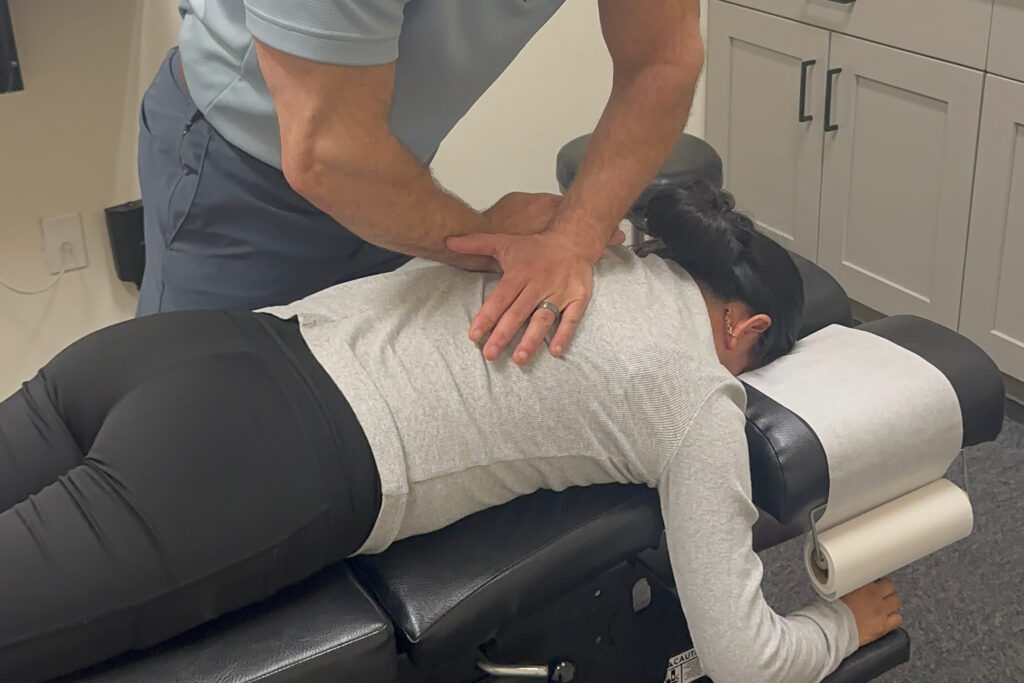

If you’re dealing with chronic low back discomfort, it’s important to know that there are effective ways to manage your pain that don’t rely on medications or surgeries. As a chiropractor, I believe that chiropractic care is one of the best options for achieving optimal health and wellness. Not only can it help relieve pain, but it also addresses the underlying issues contributing to your discomfort.
In addition to chiropractic adjustments, incorporating natural remedies like turmeric and ginger into your daily routine may support your recovery. These herbs have been known to help reduce inflammation and relieve muscle tension, which can complement the benefits of chiropractic care.
Before diving into herbal options, it’s crucial to understand how they work alongside your chiropractic treatment. Always consult with your chiropractor about any new remedies you’re considering. They can provide guidance tailored to your specific situation.
To help manage your back discomfort, here are some general tips you can consider:
- Stay Active: Gentle exercises, such as walking or stretching, can help keep your back muscles strong and flexible. Your chiropractor can recommend specific stretches that are safe and effective for your condition.
- Good Posture: Maintain proper posture while sitting, standing, and lifting. This can prevent additional strain on your back and promote overall spinal health.
- Heat and Cold Therapy: Applying a heating pad or an ice pack can provide temporary relief from pain and inflammation.
- Hydration and Nutrition: Drinking plenty of water and eating a balanced diet rich in anti-inflammatory foods can support your body’s healing processes.
- Regular Chiropractic Visits: Consistency is key. Regular adjustments can help maintain spinal alignment and improve your overall well-being.
Remember, while herbal solutions can be beneficial, they work best when combined with the regular chiropractic care that addresses the root of your discomfort. If you’re looking for a natural, effective approach to managing your chronic low back pain, consider scheduling an appointment with your chiropractor today. They can help you on your journey to better health and wellness.
Key Takeaways
Chronic low back discomfort can be a real challenge, but there are natural ways to help manage it, and chiropractic care is at the forefront of achieving optimal health and wellness. As a chiropractor, I want to share some herbal solutions that can complement your chiropractic treatments and enhance your journey toward a pain-free life.
- Turmeric is a wonderful herb that contains curcumin, which is known for its anti-inflammatory properties. This means it can help reduce chronic pain. You can easily add turmeric to your diet in powder form, take it in capsules, or enjoy a soothing cup of turmeric tea.
- Ginger is another fantastic option. Its anti-inflammatory effects can help ease back tension and improve your mobility. You can incorporate ginger into your meals or sip on ginger tea to enjoy its benefits.
- Boswellia is a powerful herb that works by blocking inflammatory pathways, which can help reduce swelling and discomfort over time. Regular use of boswellia can be very beneficial, especially when combined with your chiropractic care.
- For localized pain relief, consider using topical applications like arnica or capsaicin creams. These can provide targeted relief and help ease muscle tension in the areas affecting your spine.
Remember, while herbal remedies are helpful, they should work alongside your chiropractic care for the best results. Regular chiropractic adjustments focus on aligning your spine, improving your overall function, and reducing pain naturally.
To further support your back health, here are a few general tips:
- Maintain good posture, especially when sitting for long periods.
- Stay active with gentle exercises and stretches that promote flexibility.
- Make sure to hydrate, as staying well-hydrated can help keep your muscles and joints healthy.
By combining these natural remedies with chiropractic care, you can take significant steps toward managing chronic low back discomfort and improving your overall wellness. Your body deserves the best care, and chiropractic is here to support you every step of the way!
Understanding Chronic Low Back Discomfort
When dealing with chronic low back discomfort, it can feel overwhelming and frustrating. This type of pain often lingers for weeks, months, or even years, making daily tasks challenging. Understanding what might be causing your discomfort is essential. It could be due to muscle strain, poor posture, or even underlying conditions like arthritis or herniated discs. You may notice that certain activities, such as lifting heavy objects or sitting for long periods, can make your pain worse.
It’s also important to recognize that emotional factors like stress or anxiety can contribute to your discomfort. By learning to identify your triggers, you can take steps to manage your symptoms more effectively. One of the most beneficial approaches to alleviating chronic low back pain is chiropractic care. Chiropractors specialize in diagnosing and treating musculoskeletal issues, focusing on spinal health to restore balance and function to your body.
In addition to chiropractic adjustments, maintaining a healthy lifestyle is vital. Regular exercise, gentle stretching, and a balanced diet can make a significant difference in reducing pain and promoting overall wellness. Incorporate activities like walking, swimming, or yoga into your routine to strengthen your back and improve flexibility.
The Role of Herbal Remedies in Pain Management
When it comes to managing pain, particularly in the lower back, chiropractic care is an excellent first step towards finding relief and achieving optimal wellness.
While herbal remedies can offer some benefits, it’s important to understand that they work best when combined with a holistic approach, including regular chiropractic adjustments.
Chiropractic care focuses on the alignment of your spine, which is crucial for your overall health and well-being.
Misalignments in the spine can lead to discomfort and pain, and by addressing these issues, you can often find significant relief without resorting to medications or invasive procedures.
In addition to chiropractic adjustments, consider incorporating herbs known for their anti-inflammatory properties into your routine.
For instance, turmeric and ginger are popular choices that may help reduce swelling.
However, remember that these remedies should complement, not replace, the care you receive from your chiropractor.
Here are some general tips to help manage low back pain:
- Stay Active: Gentle exercises and stretches can help keep your spine flexible and strong. Activities like walking, swimming, or yoga are great options.
- Maintain Good Posture: Be mindful of your posture throughout the day, especially when sitting or standing for long periods. Proper alignment can prevent unnecessary strain on your back.
- Use Heat or Cold: Applying heat or cold packs to your back can provide temporary relief from pain and inflammation.
- Stay Hydrated: Drinking plenty of water helps maintain the health of your spinal discs and overall well-being.
- Regular Chiropractic Visits: Make chiropractic adjustments a regular part of your health routine. Your chiropractor can help you develop a personalized plan to address your specific needs.
By prioritizing chiropractic care and integrating healthy habits into your lifestyle, you can achieve lasting relief from low back pain and promote overall wellness.
Natural Anti-Inflammatory Properties
As a local chiropractor, I understand that many individuals seek relief from low back pain and often turn to over-the-counter medications. However, there are natural alternatives that can help manage inflammation and promote healing without the need for drugs. Incorporating certain herbs into your daily routine can complement your chiropractic care, enhancing your overall wellness and providing a holistic approach to pain relief.
Here are some popular herbs with powerful anti-inflammatory properties:
- Turmeric: This vibrant yellow spice contains curcumin, which is known for its ability to fight inflammation and alleviate pain. Adding turmeric to your meals or enjoying it as a tea can be a flavorful way to support your healing journey.
- Ginger: Often used in cooking, ginger can help reduce muscle soreness and may help with pain relief. You can enjoy ginger in teas, smoothies, or even as a spice in various dishes.
- Boswellia: This herb has been recognized for its capacity to block inflammatory pathways, making it a beneficial addition for those experiencing discomfort. Look for it in supplement form, but always discuss it with your chiropractor first.
- Willow Bark: Traditionally used for pain relief, willow bark works similarly to aspirin but is derived from nature. Consider discussing this option with your chiropractor for personalized advice.
Incorporating these herbs into your lifestyle can enhance the benefits of chiropractic care, allowing for a more comprehensive approach to managing chronic low back discomfort.
Additionally, here are some general tips to support your spinal health and overall well-being:
- Stay Active: Regular exercise strengthens your back muscles and improves flexibility. Aim for low-impact activities such as walking, swimming, or yoga.
- Maintain Good Posture: Be mindful of your posture while sitting, standing, or lifting. Proper alignment can prevent excess strain on your spine.
- Stay Hydrated: Drinking plenty of water is essential for overall health and can help maintain the elasticity of spinal discs.
- Rest and Recover: Ensure you get enough rest and prioritize recovery time, especially if you’re feeling any discomfort.
- Visit Your Chiropractor Regularly: Routine chiropractic adjustments can help align your spine, reduce pain, and enhance your body’s ability to heal naturally.
Pain Relief Mechanisms
Herbal remedies can be an important part of your pain management strategy, especially when it comes to addressing the underlying causes of discomfort. These natural solutions often contain compounds that interact with your body’s pain signaling pathways.
For instance, certain herbs can help reduce inflammation, which is a common contributor to pain. Others may boost your body’s natural feel-good chemicals, like endorphins, providing a comforting effect that can ease your discomfort. Additionally, some herbs have antispasmodic qualities, which can relieve muscle tension and contribute to a healthier spine.
While herbal remedies can support your wellness journey, it’s essential to understand that chiropractic care is one of the best ways to achieve optimal health and pain relief. Chiropractors focus on the spine and its role in the body, helping to align the vertebrae and improve overall function. This can alleviate pain caused by muscle tension or misalignment, leading to long-term relief.
Here are a few tips to enhance your pain relief naturally:
- Stay Active: Incorporate gentle exercises or stretches into your daily routine to keep your muscles and spine healthy.
- Maintain Good Posture: Pay attention to how you sit and stand, as good posture can prevent unnecessary strain on your back.
- Stay Hydrated: Drinking plenty of water supports overall health and can help reduce muscle cramps and tension.
- Consider Chiropractic Care: Regular visits to your chiropractor can help maintain spinal alignment and reduce pain over time.
Herbal Formulations and Efficacy
Many people seek natural ways to manage low back pain, and as a chiropractor, I believe in the power of holistic approaches to promote health and wellness. While herbal formulations can play a role in alleviating discomfort, it’s essential to remember that chiropractic care is a leading choice for achieving optimal health and pain relief.
Chiropractic adjustments work to realign the spine and improve overall function, which can significantly reduce pain and enhance mobility. In addition to regular chiropractic visits, incorporating certain natural remedies can support your healing journey. Here are some herbs that may complement your chiropractic care:
- Turmeric: This vibrant yellow spice contains curcumin, which has anti-inflammatory properties and can help reduce pain.
- Ginger: Known for its pain-relieving qualities, ginger can be a soothing addition to your diet.
- Willow Bark: Often referred to as “nature’s aspirin,” this herb may assist in relieving pain naturally.
- Devil’s Claw: This herb is celebrated for its potential to help manage back pain effectively.
In addition to exploring these herbal options, here are a few general tips to enhance your well-being:
- Stay Active: Gentle exercises and stretches can strengthen your back and improve flexibility. Always consult with your chiropractor for personalized recommendations.
- Maintain Good Posture: Be mindful of your posture when sitting, standing, or lifting to reduce strain on your back.
- Stay Hydrated: Drinking plenty of water supports spinal health and helps maintain the elasticity of your discs.
- Listen to Your Body: Pay attention to how your body feels during daily activities and make adjustments as needed.
Turmeric: Nature’s Anti-Inflammatory
Turmeric offers fantastic support for those experiencing low back pain, thanks to its powerful anti-inflammatory properties. The active ingredient, curcumin, can help reduce swelling and promote healing, making it an excellent natural option for pain relief. While chiropractic care is essential for addressing the underlying causes of pain, incorporating turmeric into your daily routine can complement your healing journey. You can enjoy turmeric through supplements, teas, or even sprinkle it as a spice in your meals.
Here’s a quick overview of how you can use turmeric for your wellness:
| Form | Benefits | Usage Ideas |
|---|---|---|
| Powder | Anti-inflammatory properties | Stir into smoothies |
| Capsules | Convenient concentrated dosage | Take as a daily supplement |
| Tea | Soothing and relaxing | Brew with honey for added flavor |
| Topical Paste | Localized pain relief | Apply to the affected area |
Ginger: A Powerful Natural Analgesic
Ginger: A Natural Ally for Pain Relief and Wellness
As a chiropractor, I often emphasize the importance of natural remedies in maintaining a healthy lifestyle and managing pain. One such remedy that has gained attention for its remarkable benefits is ginger. This powerful root isn’t just a flavorful addition to your meals; it also serves as a natural analgesic, offering significant relief from low back pain. Here’s how ginger can support your journey to health and wellness:
- Anti-inflammatory properties: Ginger is known for its ability to reduce inflammation. This means that if you’re experiencing swelling in your back muscles, ginger can help alleviate that discomfort, allowing for better movement and less pain.
- Muscle relaxant: When your muscles are tense, it can lead to discomfort and limited mobility. Ginger may help relax those tight muscles, making it easier for you to move freely and comfortably.
- Pain relief: One of the most appealing aspects of ginger is its natural ability to block pain signals in the body. By incorporating ginger into your routine, you can find a holistic way to manage discomfort without relying on medications.
- Digestive support: A healthy digestive system can contribute to overall well-being, including how we perceive pain. Ginger aids digestion, which may help reduce feelings of discomfort and promote a sense of well-being.
Incorporating ginger into your daily diet is simple. You can enjoy it in teas, take it in capsule form, or add it to your favorite recipes.
However, while ginger is a fantastic addition to your wellness routine, it’s essential to remember that chiropractic care is the cornerstone of achieving optimal health. Regular chiropractic adjustments can help ensure that your spine is aligned, which is crucial for overall health and pain management.
If you’re dealing with low back pain, consider adding ginger to your diet while also seeking regular chiropractic care. Together, these natural approaches can help you achieve lasting relief and a healthier lifestyle.
Embrace the power of ginger and chiropractic care, and experience the benefits for yourself!
Boswellia: The Benefits of Frankincense
When it comes to managing low back pain, Boswellia, also known as frankincense, can be a helpful natural remedy due to its impressive anti-inflammatory properties. However, while exploring the benefits of Boswellia, it’s essential to remember that chiropractic care is the most effective way to achieve long-term pain relief and overall wellness.
Chiropractic care focuses on the spine and nervous system, helping to restore proper alignment and function, which can significantly reduce discomfort. Regular chiropractic adjustments can help improve mobility, decrease inflammation, and promote the body’s natural healing processes.
Incorporating Boswellia into your wellness routine can complement your chiropractic care, but it’s important to prioritize regular visits to your chiropractor for the best results. Understanding how Boswellia works and discussing the right dosage with your chiropractor can enhance your experience with this natural remedy.
Here are some general tips for managing low back pain naturally:
- Stay Active: Gentle stretching and low-impact exercises can strengthen your back and improve flexibility.
- Focus on Posture: Maintain good posture while sitting and standing to reduce strain on your back.
- Stay Hydrated: Drinking plenty of water helps keep your spinal discs healthy and functioning well.
- Regular Chiropractic Visits: Make chiropractic adjustments a part of your routine to ensure your spine stays aligned and healthy.
Anti-inflammatory Properties
If you’re looking for natural relief from low back pain, consider exploring the benefits of Boswellia, commonly known as frankincense. This herb is celebrated for its anti-inflammatory properties, making it a great option for those who experience chronic discomfort. By helping to reduce inflammation, Boswellia may assist in alleviating pain and enhancing your mobility.
However, while Boswellia can be a helpful addition to your wellness routine, it’s important to remember that chiropractic care can be a highly effective way to address the root causes of pain and promote overall health. Chiropractic adjustments can help improve spinal alignment, reduce tension, and enhance your body’s natural ability to heal itself.
Here are some additional benefits you might experience from both Boswellia and chiropractic care:
- Decreased swelling in affected areas
- Enhanced joint flexibility and function
- Improved posture and spinal health
- Greater overall well-being and vitality
Incorporating Boswellia alongside regular chiropractic visits can potentially enhance your healing journey. Always consult your chiropractor before adding any new supplements to your routine, especially if you have existing health concerns.
Remember, maintaining a healthy lifestyle is key to preventing pain. Here are some simple tips to help you along the way:
- Stay active with gentle exercises and stretches that promote mobility.
- Practice good posture to support your spine throughout daily activities.
- Stay hydrated and eat a balanced diet to nourish your body.
Pain Relief Mechanism
Boswellia, commonly known as frankincense, offers a remarkable approach to alleviating pain, particularly by targeting inflammation directly. As a local chiropractor, I want to share how incorporating Boswellia into your wellness routine can complement the benefits of chiropractic care.
The active compounds in Boswellia, especially boswellic acids, work by inhibiting the production of pro-inflammatory enzymes. This means that when you use Boswellia, you can help reduce swelling and discomfort in your lower back, which can enhance your mobility and overall function.
Moreover, Boswellia possesses analgesic properties, which can help dull pain sensations, making your daily activities feel more manageable. By addressing inflammation at its source, you’re not just hiding the discomfort; you’re promoting healing and recovery. Many patients who integrate Boswellia into their natural healing regimen find that it can lead to long-term relief from pain, enhancing their quality of life.
While Boswellia can be a beneficial addition, remember that chiropractic care is the best route to achieving optimal health. Regular chiropractic adjustments can help align your spine, improve your nervous system function, and reduce inflammation naturally. Coupling these adjustments with natural remedies like Boswellia can provide a holistic approach to pain relief.
Here are some general tips to enhance your wellness journey:
- Stay active with gentle exercises to support your spine and overall health.
- Maintain good posture throughout the day to reduce strain on your back.
- Stay hydrated and eat a balanced diet rich in anti-inflammatory foods.
- Consider stress-relief techniques like yoga or meditation to promote relaxation and wellness.
Embracing natural remedies alongside chiropractic care can be a pivotal step towards a more comfortable and healthier life. Your journey to wellness starts with understanding your body and making informed choices.
Dosage and Usage Guidelines
To effectively incorporate Boswellia into your wellness routine, it’s important to understand the right dosage and usage guidelines while keeping in mind that chiropractic care is a holistic approach to achieving optimal health.
A usual daily dosage of 300 to 500 mg of Boswellia extract is suggested, ideally split into two or three doses throughout the day. However, before introducing any new supplement into your regimen, it’s best to consult with your chiropractor or healthcare provider for personalized advice.
Here are some friendly tips to help you maximize the benefits of Boswellia while supporting your overall health through chiropractic care:
- Look for standardized extracts that contain at least 60% boswellic acids; this ensures you’re getting a potent form of the herb for optimal effectiveness.
- Consistency is key! Aim to take Boswellia for at least 8 weeks to truly assess its benefits.
- Enhance your results by pairing Boswellia with a healthy diet and regular exercise, both of which complement the natural healing process of chiropractic adjustments.
- Keep an eye out for any side effects and adjust your dosage as needed, always under the guidance of your chiropractor.
By integrating Boswellia with chiropractic care, you may find relief from chronic discomfort, such as low back pain, while promoting a healthier lifestyle.
Willow Bark: Traditional Pain Relief
When it comes to addressing low back pain, many people are looking for effective, natural remedies. While chiropractic care is often the best choice for achieving optimal health and pain relief, some individuals may also explore herbal alternatives like willow bark. This traditional remedy has been used for centuries and is known for its ability to reduce inflammation and alleviate discomfort due to its salicin content, which is similar to aspirin.
Here’s a quick overview of the benefits of willow bark, alongside some important tips on how to take care of your back:
| Benefit | Description | Usage |
|---|---|---|
| Pain Relief | Can help alleviate discomfort in the lower back | Take as a tea or capsule |
| Anti-inflammatory | May reduce swelling and inflammation | Supports comfort in chronic conditions |
| Traditional Use | A time-tested herbal remedy in wellness practices | Recommended by many herbalists |
| Easy to Find | Widely available in stores and online | Accessible to most users |
| Minimal Side Effects | Generally well-tolerated | Fewer concerns compared to synthetic medications |
While willow bark can be a helpful addition to your wellness routine, it’s essential to remember that chiropractic care addresses the root causes of pain, focusing on spinal alignment and overall health. Regular visits to your chiropractor can help you maintain a healthy spine, improve mobility, and enhance your quality of life.
Here are some general tips for managing low back pain:
- Stay Active: Gentle exercises and stretches can strengthen your back and improve flexibility. Activities like walking or swimming are usually beneficial.
- Posture Matters: Pay attention to your posture when sitting or standing. Proper alignment helps prevent strain on your back.
- Use Heat and Cold: Alternating between heat and cold packs can soothe tight muscles and reduce inflammation.
- Stay Hydrated: Drinking plenty of water supports overall health and can help keep your spinal discs hydrated.
- Consider Chiropractic Care: Regular adjustments can help ensure your spine is well-aligned, which can provide long-term relief from pain.
Incorporating these practices into your daily life, along with exploring natural remedies like willow bark, may help you achieve better back health. Always consult with your chiropractor for tailored advice and treatment that suits your individual needs.
Devil’s Claw: An Ancient Healing Herb
If you’re looking for natural ways to manage low back pain, I encourage you to consider the potential benefits of devil’s claw, an ancient healing herb from southern Africa. While this herb has been used for centuries to alleviate discomfort, it’s important to remember that incorporating it into your routine should complement, not replace, the vital care provided by chiropractic treatments.
Chiropractic care focuses on addressing the root causes of pain through spinal adjustments and holistic wellness approaches. However, devil’s claw can be a supportive addition to your health journey. Here are some key benefits that users have experienced:
- Anti-inflammatory properties: Devil’s claw can help reduce swelling and inflammation, which is often a contributing factor to back pain.
- Pain relief: Many individuals report a decrease in pain intensity after using this herb regularly, enhancing the benefits of chiropractic care.
- Muscle relaxation: It may assist in relaxing tense muscles, which can help alleviate discomfort and improve your overall mobility.
- Improved mobility: Users often find increased flexibility and ease of movement, making daily activities more enjoyable.
Before adding devil’s claw or any supplement to your routine, it’s essential to consult with a healthcare professional. They can help ensure that it aligns with your unique health needs and complements your chiropractic care.
In addition to exploring natural remedies like devil’s claw, here are some general tips for managing back pain and enhancing your overall wellness:
- Stay Active: Regular movement and gentle exercises, like walking or stretching, can help maintain flexibility and strength in your back.
- Posture Matters: Pay attention to your posture while sitting, standing, and lifting. Good posture can prevent unnecessary strain on your spine.
- Ergonomic Workspace: If you work at a desk, ensure your workspace is set up to promote good posture and reduce strain on your back.
- Stay Hydrated and Nourished: Proper hydration and a balanced diet can support your body’s healing processes.
Capsaicin: Harnessing the Power of Chili Peppers
Often overlooked, capsaicin—the active compound in chili peppers—can offer some unique benefits for managing low back pain. While I encourage my patients to consider chiropractic care as the primary solution for pain relief and overall wellness, it’s worth noting that capsaicin can be a helpful addition to your toolkit for managing discomfort. When applied topically, capsaicin desensitizes the pain receptors in your skin, offering temporary relief from aches and soreness.
You may find capsaicin creams or patches particularly useful for targeting specific areas, but remember that these should complement—not replace—regular chiropractic adjustments. Our goal in chiropractic care is to address the root causes of pain through hands-on techniques that enhance spinal alignment and improve overall function.
Using capsaicin can also help reduce your reliance on over-the-counter pain medications, which is always a plus. It’s common to experience a slight burning sensation upon application, but this typically eases with continued use. For the best results, consistency is key, so don’t be discouraged if you don’t notice immediate relief.
After applying capsaicin, be sure to wash your hands thoroughly to avoid transferring it to sensitive areas like your eyes. As you explore this natural remedy, remember that chiropractic care remains the best choice for long-term pain management and wellness. Regular adjustments can help maintain spinal health, enhance mobility, and contribute to your overall quality of life.
In addition to exploring capsaicin, consider incorporating other natural strategies into your routine, such as gentle stretching, staying active, and practicing good posture. These habits, along with chiropractic care, can significantly enhance your journey toward alleviating chronic low back discomfort and achieving optimal health.
Incorporating Herbal Solutions Into Your Daily Routine
Incorporating herbal solutions into your daily routine can be a wonderful way to enhance your overall wellness and support your journey toward managing low back pain. While chiropractic care is the most effective approach for addressing spinal health and pain relief, adding natural remedies can complement your treatment and promote a more holistic healing experience.
Here are some simple and effective ways to start integrating these remedies into your life:
- Herbal teas: Enjoy a warm cup of ginger, turmeric, or chamomile tea. These teas can help reduce inflammation and promote relaxation, making them a great addition to your daily routine, especially in the evening.
- Essential oils: Consider using peppermint or eucalyptus oil. You can diffuse these oils in your home to create a calming atmosphere, or mix them with a carrier oil and use them for a soothing massage on sore areas. This can be a great way to relieve tension while also enhancing the benefits of your chiropractic adjustments.
- Supplements: Think about incorporating turmeric or devil’s claw supplements into your wellness plan. These natural supplements are known for their anti-inflammatory properties and can support your body’s healing process. Always check with your chiropractor before adding new supplements to your regimen.
- Topical applications: Look for herbal creams or ointments that contain arnica or capsaicin. Applying these directly to sore areas can provide localized relief and help ease discomfort as you work on improving your spinal health through chiropractic care.
Remember, while herbal solutions can provide additional support, they should be used in conjunction with regular chiropractic visits for optimal results. Your chiropractor can guide you on the best practices for your specific condition and help you develop a comprehensive wellness plan that includes both chiropractic adjustments and natural remedies.
Embrace these holistic strategies to support your journey toward better health!
Safety and Precautions When Using Herbal Remedies
While herbal remedies may provide some relief for managing low back pain, it’s essential to prioritize your safety and well-being. As a chiropractor, I always recommend consulting with your healthcare provider before trying any new treatment, including herbal options. It’s especially important if you’re currently taking medications or have existing health concerns, as some herbs can interact with medications and lead to unwanted side effects.
When considering herbal remedies, ensure you purchase from reputable sources. This guarantees that you’re getting quality herbs without any harmful contaminants. It’s also vital to follow recommended dosages, as taking too much can have adverse effects. If you have allergies, start with a small amount to see how your body reacts before increasing your intake.
As you explore these options, keep an eye on any changes in your symptoms. If you notice your pain worsening or experience unexpected effects, it’s best to stop use and consult a healthcare professional.
However, I want to emphasize that chiropractic care is a fantastic option for managing pain and promoting overall wellness. By addressing the root causes of discomfort through spinal adjustments and natural healing techniques, chiropractic can provide lasting relief without the need for herbs or medications.
For those looking to enhance their wellness journey, consider incorporating regular chiropractic visits into your routine. Additionally, maintaining a strong core through exercises, staying hydrated, and practicing good posture can support your spine and help prevent low back pain. Remember, your journey to optimal health is best supported through holistic and natural approaches, and chiropractic care is here to guide you every step of the way.
Conclusion
Incorporating herbal solutions into your routine can be a powerful way to manage chronic low back discomfort, but it’s important to remember that chiropractic care is often the best first step towards achieving lasting relief. As a local chiropractor, I believe in the body’s natural ability to heal itself, and combining chiropractic adjustments with natural remedies can enhance your overall wellness.
Herbs such as turmeric and ginger are known for their anti-inflammatory properties, which can help soothe discomfort. Boswellia and devil’s claw are also great options to consider, as they may support your body’s healing process. Capsaicin, found in chili peppers, can offer localized relief when applied topically.
While these herbal remedies can be beneficial, they work best alongside regular chiropractic care. Adjustments help to restore proper alignment and function in your spine, which is crucial for reducing pain and enhancing mobility.
Always consult with your chiropractor or healthcare provider before trying new remedies, as they can guide you on the best approach for your specific situation. Remember, with the right combination of chiropractic care and herbal support, you can create a personalized plan that promotes natural healing and helps you feel your best.
In addition to these methods, I encourage you to adopt healthy lifestyle habits such as maintaining good posture, staying active, and incorporating gentle stretching into your daily routine. These small changes can make a significant difference in your overall health and well-being.