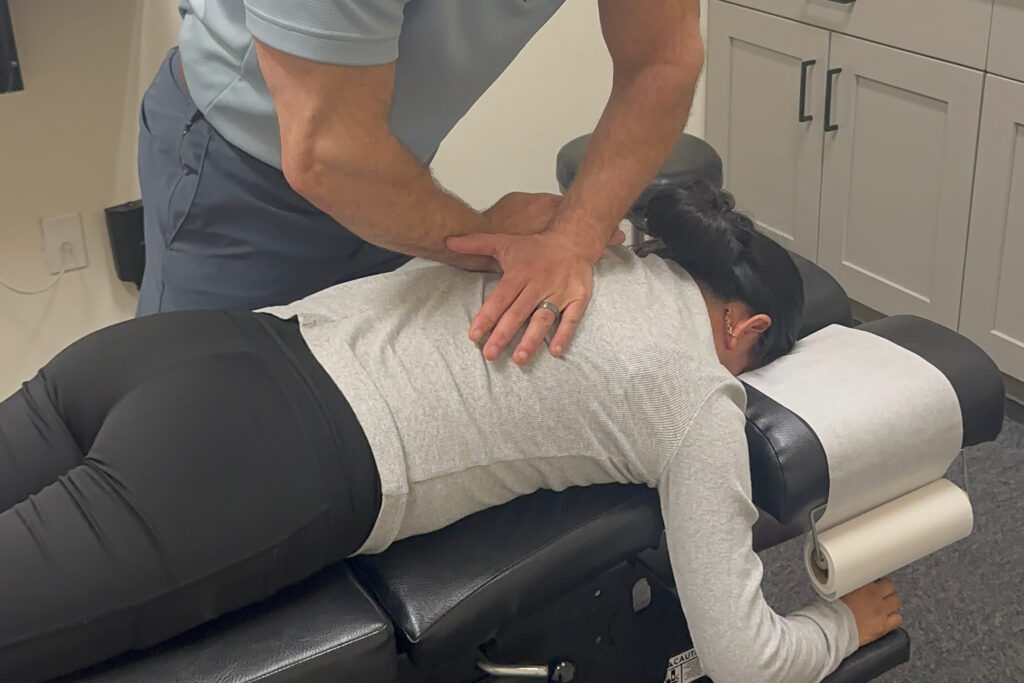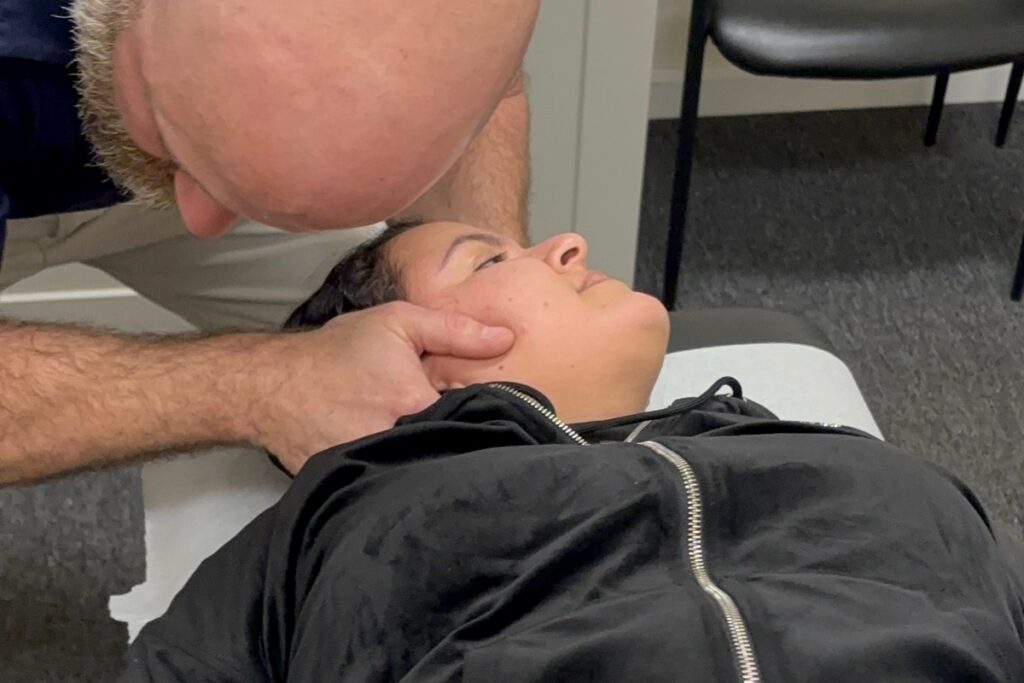

Low back pain is a common issue that many of us experience, and it often arises from our everyday habits. You may not realize how factors like your posture, daily activities, or even the shoes you wear can significantly affect your spine. By identifying these lifestyle contributors, you can take important steps to manage and prevent pain effectively.
As a local chiropractor, I want to emphasize that chiropractic care is one of the best ways to achieve optimal health and relieve pain naturally. It focuses on the spine and nervous system, promoting healing without the need for surgeries or medications. Let’s explore ten key lifestyle factors that could be impacting your back health, along with some simple tips to help you make positive changes.
- Posture: Maintaining good posture while sitting, standing, and walking is crucial. When working at a desk, ensure your chair supports your lower back, and keep your feet flat on the floor.
- Physical Activity: Regular exercise strengthens your back muscles and improves flexibility. Incorporate activities like walking, swimming, or yoga into your routine. Even simple stretches can go a long way.
- Footwear: Your choice of shoes matters! Opt for supportive footwear that provides proper arch support. Avoid high heels or flip-flops for extended periods.
- Weight Management: Maintaining a healthy weight reduces stress on your spine. A balanced diet and regular physical activity can help you achieve this.
- Sleep Position: The way you sleep can affect your back. Try sleeping on your side with a pillow between your knees or on your back with a pillow under your knees to maintain spinal alignment.
- Lifting Techniques: Use your legs, not your back, when lifting heavy objects. Bend your knees and keep the item close to your body to avoid strain.
- Stress Management: High stress levels can lead to muscle tension. Incorporate relaxation techniques such as deep breathing, meditation, or gentle yoga into your daily routine.
- Hydration: Staying hydrated is essential for spinal health. Drink plenty of water throughout the day to keep your discs healthy and functioning properly.
- Ergonomic Adjustments: If you spend long hours at a desk, consider ergonomic adjustments. Invest in a chair that supports your lower back and position your computer screen at eye level.
- Regular Chiropractic Care: Regular visits to your chiropractor can help maintain spinal alignment, relieve tension, and promote overall wellness. Chiropractic adjustments can enhance your body’s natural ability to heal and function optimally.
By making these small changes and prioritizing chiropractic care, you can significantly improve your back health and overall well-being. Remember, pain relief and natural wellness are within your reach!
Key Takeaways
10 Lifestyle Factors That Cause Low Back Pain
As a local chiropractor, I want to share some insights into how our daily habits can impact our spinal health and contribute to low back pain. Understanding these factors can empower you to make healthier choices and consider chiropractic care as a natural solution for pain relief and overall wellness.
- Poor Posture: When we sit or stand for long periods without proper posture, it can place extra strain on our spine. Be mindful of your alignment—keeping your back straight and shoulders relaxed can significantly reduce stress on your lower back. Consider regular chiropractic adjustments to help maintain proper posture.
- Sedentary Lifestyle: Sitting for extended periods can lead to muscle stiffness and weaken your core, which plays a critical role in supporting your spine. Incorporating simple movement breaks throughout your day, such as stretching or short walks, can keep your muscles engaged and healthy. Chiropractic care can also help restore mobility and alleviate discomfort.
- Chronic Stress: Stress can lead to muscle tension, particularly in the back, which can worsen pain. Finding healthy ways to manage stress, such as deep breathing exercises, yoga, or regular chiropractic adjustments, can help reduce tension and promote relaxation.
- Inadequate Sleep: Not getting enough restful sleep can hinder your body’s recovery process, leading to increased muscle tension and sensitivity to pain. Creating a comfortable sleep environment and establishing a consistent sleep routine can improve your rest. Chiropractic care can also enhance your sleep quality by addressing spinal misalignments.
- Lack of Movement: A sedentary lifestyle reduces blood flow and core stability, raising the risk of lower back injuries. Aim for at least 30 minutes of moderate activity most days, such as walking, swimming, or cycling. Incorporating chiropractic care into your routine can help keep your spine aligned and support your movement.
By being aware of these lifestyle factors and making small, positive changes, you can take significant steps toward alleviating low back pain. Chiropractic care offers a natural, holistic approach to pain relief and wellness, helping you achieve optimal health without the need for medications or surgeries. Remember, your spine is the foundation of your health—let’s take good care of it together!
Poor Posture
Poor posture is a significant contributor to low back pain, and as your local chiropractor, I want to help you understand how to combat this issue naturally. When you slouch or sit in awkward positions, you put unnecessary stress on your spine and the surrounding muscles, which can lead to discomfort and chronic pain over time. If you often find yourself hunching over your computer or leaning awkwardly while texting, it’s crucial to make some adjustments.
Improving your posture is one of the simplest ways to enhance your overall health. Start by being mindful of your body alignment. When sitting, ensure your shoulders are back, your spine is straight, and your feet are flat on the floor. If you’re standing, remember to distribute your weight evenly on both feet. These small changes can make a big difference in how your body feels.
Incorporating stretches and strengthening exercises into your daily routine can further support a healthy posture. Simple stretches for your back, neck, and shoulders can relieve tension, while strengthening exercises can help stabilize your spine. Regular chiropractic adjustments can also play a vital role in maintaining proper alignment and relieving pain.
As you work on your posture, remember that chiropractic care is an excellent choice for achieving optimal health. It focuses on natural healing and wellness, helping you to not only alleviate pain but also improve your overall quality of life. If you have any questions or need guidance on posture improvement, don’t hesitate to reach out to your chiropractor for personalized advice. Together, we can help you achieve a healthier, pain-free lifestyle!
Sedentary Lifestyle
If you find yourself sitting for long hours, whether at a desk or on the couch, you might be unknowingly setting the stage for low back pain. A sedentary lifestyle can lead to muscle stiffness and decreased flexibility, making your back more vulnerable to discomfort. Sitting for extended periods can weaken the muscles that support your spine, leaving your back less stable and more prone to pain.
It’s important to recognize that prolonged sitting compresses your spinal discs, increasing pressure and potentially causing discomfort. Even slight changes in posture can worsen the situation. To counteract these effects, I recommend taking short breaks every hour to stand, stretch, or take a brief walk. Simple movements can greatly enhance blood flow and help maintain muscle strength.
Additionally, incorporating gentle exercises into your routine can further support your spinal health. Activities like walking, swimming, or yoga can help keep your muscles engaged and flexible.
Chiropractic care can also be a fantastic solution for managing low back pain and promoting overall wellness. Regular chiropractic adjustments can help restore proper alignment, improve function, and reduce discomfort. Remember, prioritizing movement and seeking chiropractic care is key to preventing low back pain and achieving optimal health. Your back will thank you for making these positive changes!
Lack of Core Strength
If you’re dealing with low back pain, one significant factor could be a lack of core strength. Your core muscles play a vital role in supporting your spine and maintaining good posture, which is essential for overall spinal health. As a chiropractor, I want to emphasize the importance of core stability and how it can contribute to your overall wellness.
Incorporating specific exercises to strengthen your core can make a big difference in alleviating discomfort and preventing future issues. Here are a few simple tips to help you get started:
- Engage Your Core: Throughout your daily activities, practice engaging your core muscles. This can be as simple as pulling your belly button in towards your spine while sitting or standing.
- Gentle Exercises: Begin with gentle exercises such as pelvic tilts, bridges, or bird-dogs. These movements can help strengthen your core without putting too much strain on your back.
- Balance and Stability: Consider incorporating balance exercises, like standing on one leg or using a stability ball. These can help improve your core strength and stability.
- Regular Movement: Make it a point to move regularly throughout the day. Simple activities like walking or stretching can help keep your back healthy and your core engaged.
- Chiropractic Care: Don’t forget the benefits of chiropractic adjustments! Regular visits can help ensure your spine is aligned and functioning optimally, which supports your core strength efforts.
Remember, building core strength is a journey, and every small step counts. By focusing on these practices, you can enhance your core stability, alleviate pain, and promote a healthier, more active lifestyle. Your journey to wellness starts with understanding your body and taking proactive steps towards better health.
Let chiropractic care guide you on this path to optimal health!
Importance of Core Stability
While many people underestimate the significance of core stability, it plays a crucial role in preventing low back pain. A strong core not only supports your spine but also helps maintain proper alignment, reducing strain on your lower back.
Here are four reasons why core stability is vital for your health and how chiropractic care can help:
- Spinal Support: A stable core ensures your spine stays aligned, which helps prevent unnecessary pressure on your discs and joints. Regular chiropractic adjustments can enhance this alignment, promoting better overall spinal health.
- Injury Prevention: Strong core muscles act as shock absorbers during movement, significantly lowering the risk of injuries. By integrating core-strengthening exercises into your routine and visiting your chiropractor for guidance, you can build a resilient body.
- Improved Posture: Core stability supports better posture, which can alleviate stress on your back. Chiropractic care focuses on correcting postural imbalances and can provide exercises tailored to your specific needs, helping you stand tall and confident.
- Enhanced Performance: A strong core boosts overall strength and athletic performance, making daily activities easier. With chiropractic support, you can develop a personalized plan that includes core stability exercises to maximize your performance and comfort.
Incorporating core stability into your life is essential for your overall well-being. Simple exercises, like planks and bridges, can be very effective.
Additionally, don’t hesitate to reach out to your chiropractor for tailored advice and adjustments that can enhance your core strength and spinal health. Remember, maintaining a stable core isn’t just about preventing pain; it’s about achieving optimal health naturally!
Exercises for Core Strength
Strengthening your core is crucial for maintaining a healthy spine and preventing discomfort. As a chiropractor, I emphasize the importance of core stability for overall wellness and spinal health. Incorporating exercises like planks, bridges, and bird-dogs into your routine can significantly enhance your core strength.
Begin with planks: position your body in a straight line, engaging your abdominal muscles for 30 seconds. This exercise not only strengthens your core but also supports your spine. Next, try bridges—lie on your back with your knees bent, lift your hips towards the ceiling, and squeeze your glutes. This move is fantastic for stabilizing your lower back. Lastly, bird-dogs are great for improving balance and coordination; get on all fours, extend one arm and the opposite leg, then switch sides.
Aim for three sets of 10-15 repetitions for each exercise, but remember, quality over quantity is key. Focus on maintaining proper form to avoid strain. By consistently practicing these exercises, you’ll not only boost your core strength but also support your spine, potentially reducing the risk of low back pain.
In addition to these exercises, consider scheduling regular chiropractic adjustments. Chiropractic care can help align your spine, improve your posture, and enhance your overall well-being. Stay committed to your health, and you’ll feel the positive changes in your body!
Improper Lifting Techniques
Many individuals unknowingly jeopardize their spinal health by using improper lifting techniques. Lifting heavy objects without the right form can lead to back strain and long-lasting discomfort.
As a local chiropractor dedicated to promoting health and wellness, I want to share some essential lifting tips that can help you avoid injury and support your spine:
- Bend at the knees: Instead of bending at your waist, lower your body by bending your knees. This technique helps distribute the weight more evenly, reducing stress on your back.
- Keep the load close: Always hold the object as close to your body as possible. The further away it is, the more strain it puts on your back and spine. Keeping it close helps maintain your center of gravity.
- Engage your core: Tightening your abdominal muscles while lifting provides your back with additional support. A strong core is essential for maintaining spinal stability and preventing injuries.
- Use your legs: Focus on pushing through your legs to lift the object rather than relying solely on your back muscles. Your legs are stronger and can help you lift more safely.
By incorporating these simple techniques into your daily routine, you can protect your back and promote a healthier, pain-free lifestyle. Remember, chiropractic care is a natural and effective way to achieve optimal health, providing you with the tools to relieve pain and enhance your overall well-being.
If you ever experience discomfort or want to improve your lifting techniques further, don’t hesitate to reach out for a consultation. Your spine will thank you!
Inadequate Sleep
Inadequate sleep can significantly affect your overall health, especially when it comes to back pain. When your body doesn’t get enough rest, it struggles to heal and recover, which can lead to muscle tension and heightened sensitivity to discomfort. Additionally, poor sleep quality can negatively impact your posture; when you’re fatigued, you may find yourself slouching or adopting awkward positions throughout the day.
You may have noticed that after a restless night, your back feels stiffer and more painful. This is because inadequate sleep can make it more challenging to cope with discomfort, causing even minor aches to feel much worse.
To help improve your sleep and, in turn, your back health, consider prioritizing good sleep hygiene. Here are some practical tips you can implement:
- Create a Calming Bedtime Routine: Engage in relaxing activities before bed, such as reading or gentle stretching, to signal to your body that it’s time to wind down.
- Maintain a Consistent Sleep Schedule: Go to bed and wake up at the same time every day, even on weekends. This helps regulate your body’s internal clock.
- Make Your Sleep Environment Comfortable: Ensure your mattress and pillows provide adequate support. A comfortable sleeping position can make a big difference in how you feel when you wake up.
- Practice Good Posture During the Day: Being mindful of your posture during daily activities can help reduce strain on your back and improve overall comfort.
- Consider Chiropractic Care: A chiropractor can offer personalized strategies to enhance your sleep quality and address any misalignments that may be contributing to your back pain. Regular adjustments can help your body function optimally, promoting better sleep and reducing discomfort.
Stress and Anxiety
Stress and anxiety can have a significant impact on your body, often leading to increased muscle tension that can contribute to low back pain. When you’re feeling stressed, it’s common for your posture and alignment to suffer, which can make discomfort even worse. The good news is that chiropractic care can help address these issues by promoting better alignment and reducing muscle tension.
When you visit a chiropractor, they can work with you to alleviate the physical effects of stress and anxiety on your body. Through gentle adjustments and treatments, chiropractic care helps to restore balance, improve posture, and relieve pain naturally, allowing your body to heal without the need for medications or invasive procedures.
Additionally, stress can trigger inflammation in the body, which is why it’s important to not only address your physical health but also your mental well-being. Incorporating relaxation techniques like deep breathing, meditation, or gentle stretching can complement your chiropractic care and promote overall wellness.
Here are some simple tips to help you manage stress and improve your spinal health:
- Practice Good Posture: Be mindful of your posture throughout the day. Whether you’re sitting at a desk or standing in line, keeping your spine aligned can help reduce tension.
- Incorporate Movement: Regular physical activity, like walking or yoga, can help reduce muscle tension and improve your overall mood.
- Stay Hydrated: Drinking enough water is essential for maintaining muscle function and reducing inflammation.
- Prioritize Sleep: Aim for quality sleep each night, as it plays a crucial role in recovery and stress management.
- Schedule Regular Chiropractic Visits: Make chiropractic care a part of your wellness routine to help keep your spine healthy and your body functioning at its best.
Muscle Tension Increase
When stress or anxiety strikes, it can cause your body to tense up, especially in the muscles of your lower back. This tension can lead to discomfort and even pain, but there are natural ways to manage it effectively. As a chiropractor, I believe that chiropractic care is one of the best approaches to achieving relief and promoting overall wellness. Here are some strategies that can help:
- Visit Your Chiropractor: Regular chiropractic adjustments can help alleviate muscle tension and improve spinal alignment, which is essential for optimal health. Your chiropractor can work with you to develop a personalized treatment plan.
- Practice Deep Breathing: Taking slow, deep breaths can help calm your mind and relax your body. This simple practice can be a quick way to reduce tension and promote a sense of well-being.
- Incorporate Stretching: Gentle stretches are beneficial for relieving tightness and improving flexibility in your lower back. Consider incorporating stretches into your daily routine to help keep your muscles relaxed.
- Engage in Regular Exercise: Physical activity is key for releasing endorphins, the body’s natural painkillers. Exercise can help reduce stress and muscle tension, and it promotes overall health.
- Prioritize Sleep: Ensuring you get enough restorative sleep is vital for your body to recover from daily stress. A well-rested body is better equipped to handle tension and discomfort.
Posture and Alignment
When you experience stress and anxiety, it can significantly impact your posture, leading to misalignment that often contributes to low back pain. You may notice yourself slouching or hunching your shoulders, which puts extra strain on your spine and the surrounding muscles. This poor alignment not only decreases flexibility but can also increase discomfort, making it difficult to feel your best.
Your body naturally reacts to stress by tightening muscles, and this tension can worsen your posture over time. If you find yourself constantly in a state of stress, maintaining proper alignment can feel like a challenge. That’s why it’s important to take a moment to check in with your posture throughout the day.
Here are a few simple tips to help you improve your posture and relieve some of that low back pain:
- Engage Your Core: Whether you’re sitting or standing, gently pull your belly button in towards your spine to engage your core muscles. This provides support for your back.
- Shoulders Back: Make a conscious effort to keep your shoulders back and down. Imagine there’s a string gently pulling your shoulders back, helping to open up your chest.
- Frequent Breaks: If you’re sitting for long periods, take regular breaks to stand up, stretch, and reset your posture. Even a few minutes can make a big difference.
- Mindfulness Practices: Incorporate deep breathing or mindfulness techniques to help reduce stress. This can help relax tense muscles and improve your overall posture.
- Chiropractic Care: Regular visits to a chiropractor can help address postural issues and spinal alignment. Chiropractic adjustments support your body’s natural ability to heal and maintain optimal health, allowing you to feel better and move freely.
Stress-Related Inflammation
Did you know that the emotional strain from everyday stress and anxiety can lead to inflammation in your body? This can often result in a variety of physical issues, including low back pain. When stress hormones enter your system, they can cause muscle tension and tightness, resulting in discomfort. Here are four ways stress-related inflammation can affect your back and how chiropractic care can help:
- Muscle Tension: When you experience constant stress, your muscles tend to stay contracted, which can lead to pain. Chiropractic adjustments can help relieve this tension by aligning your spine and allowing your body to relax.
- Poor Sleep: Anxiety often disrupts your sleep, hindering your body’s natural recovery process. Regular chiropractic care can improve your sleep quality by promoting relaxation and reducing physical discomfort.
- Reduced Mobility: Inflammation can limit your range of motion, making everyday activities more challenging. Chiropractors employ gentle adjustments to improve mobility and restore proper function to your spine.
- Chronic Pain: Ongoing inflammation can result in chronic back pain. Chiropractic care addresses the root causes of pain, helping to alleviate discomfort and promote long-term wellness.
Recognizing the connection between stress and inflammation is crucial for managing your health. By incorporating chiropractic care into your wellness routine, you can effectively reduce stress and its impact on your back health.
Obesity
Obesity can significantly increase your risk of experiencing low back pain, primarily because the extra weight places additional stress on your spine and the surrounding muscles.
When carrying excess pounds, your body may struggle with maintaining proper posture and alignment, which can further strain your lower back. Everyday activities like bending, lifting, or even walking can become challenging when you’re overweight, potentially worsening your discomfort.
Moreover, obesity can lead to increased inflammation throughout the body, which can intensify pain. However, if you’re carrying extra weight, it’s important to know that losing even a small amount can provide noticeable relief for your back. A balanced diet and regular exercise are excellent ways to shed those extra pounds.
As a chiropractor, I want to emphasize that chiropractic care can be a powerful tool in managing your pain and enhancing your overall well-being. By focusing on spinal health and alignment, chiropractic adjustments can help alleviate the pressure on your back and improve your posture, leading to a reduction in pain.
Here are some simple tips to support your journey toward better health and wellness:
- Stay Active: Incorporate gentle exercises into your routine, such as walking or stretching, to keep your body moving and support weight management.
- Focus on Nutrition: Eat a balanced diet rich in fruits, vegetables, lean proteins, and whole grains. Proper nutrition can help fuel your body and support weight loss.
- Posture Awareness: Be mindful of your posture. Whether you’re sitting, standing, or lifting, maintaining good alignment can help reduce strain on your back.
- Chiropractic Care: Regular visits to a chiropractor can help keep your spine aligned and reduce discomfort, making it easier for you to stay active and maintain a healthy weight.
- Hydration: Drink plenty of water throughout the day to stay hydrated, which can support overall health and help reduce inflammation.
Unsupportive Footwear
Carrying extra weight can lead to various challenges, and one often overlooked factor contributing to low back pain is unsupportive footwear. The shoes you choose can significantly impact your posture and spinal alignment. When your footwear lacks proper support, it can place additional strain on your lower back, making it essential to pay attention to what you wear on your feet.
Here are four reasons why unsupportive footwear can lead to discomfort and how you can take steps toward relief:
- Poor Arch Support: Shoes that don’t provide adequate arch support can cause your foot to flatten, which may lead to misalignment of your spine. This misalignment can contribute to back pain. Opt for shoes with good arch support to maintain proper alignment.
- Lack of Cushioning: Footwear without sufficient cushioning fails to absorb shock effectively, which can increase stress on your back. Choose shoes with good cushioning to help protect your spine from the impact of walking or standing.
- Incorrect Fit: Shoes that are too tight or too loose can create instability, leading to compensatory movements that put extra strain on your back. Make sure your shoes fit well and provide a snug, comfortable fit to promote stability.
- Inflexible Soles: Rigid soles can limit natural foot movement, affecting your overall posture. Look for shoes that offer flexibility to allow your feet to move naturally, supporting better posture and reducing discomfort.
By choosing supportive footwear, you can help alleviate back pain and improve your overall comfort. Remember, chiropractic care is an excellent way to address any underlying spinal issues and promote natural healing. Regular chiropractic adjustments can enhance your body’s ability to adapt to your footwear and maintain a healthy spine.
In addition to selecting the right shoes, consider these general tips for a healthier lifestyle:
- Practice good posture whether you’re sitting, standing, or walking.
- Stretch your back and legs regularly to maintain flexibility.
- Consider incorporating low-impact exercises, such as swimming or yoga, to strengthen your core and support your spine.
Smoking
As a local chiropractor, I want to highlight an often-overlooked factor that can significantly contribute to low back pain—smoking. Many people are aware of the harm smoking does to the lungs, but it’s important to understand how it also affects your spine.
When you smoke, nicotine restricts blood flow throughout your body, including to your spinal discs. These discs need proper nutrients to stay healthy and function well, and without them, they can degenerate, leading to increased pain in your back.
Additionally, smoking can lower your overall physical activity levels. It may make you less motivated to engage in exercises that strengthen your back and core muscles, which are crucial for supporting your spine. This combination of weakened discs and a more sedentary lifestyle can create a cycle that worsens your back pain over time.
If you’re looking for ways to manage or prevent low back pain, consider the benefits of quitting smoking. Not only will this improve your circulation, but it will also encourage you to be more active, which is essential for spinal health.
Chiropractic care can play a key role in your journey toward better back health. Regular adjustments can help improve your spine’s alignment, reduce pain, and enhance your overall well-being. If you’re serious about feeling better, I encourage you to explore chiropractic options alongside lifestyle changes like quitting smoking.
Here are a few general tips to help you support your back health:
- Stay Active: Incorporate gentle exercises and stretches into your daily routine to strengthen your back and core.
- Maintain Good Posture: Be mindful of your posture whether you’re sitting, standing, or lifting objects.
- Hydrate: Drinking plenty of water helps to keep your spinal discs hydrated and healthy.
- Consider Chiropractic Care: Regular visits to your chiropractor can help maintain your spine’s health and address any pain or discomfort.
Your back will thank you for making these positive changes, and you’ll feel better overall!
Dehydration
Staying hydrated is vital for your overall health and can have a significant impact on your back pain. When you’re dehydrated, you may experience stiffness and discomfort, which can make existing low back issues feel even worse. As a chiropractor, I want to share why proper hydration is so important and how it relates to your spinal health.
Our bodies are composed of about 60% water, and this fluid is crucial for maintaining the health of our joints and discs in the spine. When you’re not drinking enough water, your body can become less flexible, leading to increased tension in your muscles and joints. This tension can contribute to back pain and discomfort.
Here are a few simple tips to help you stay hydrated and support your spinal health:
- Drink Water Throughout the Day: Aim to drink water regularly, rather than waiting until you feel thirsty. Keeping a water bottle with you can serve as a great reminder.
- Incorporate Hydrating Foods: Foods like cucumbers, watermelon, and oranges have high water content and can contribute to your hydration levels.
- Monitor Your Urine Color: A simple way to check your hydration status is by looking at the color of your urine. Light yellow typically indicates good hydration, while darker urine may suggest you need to drink more water.
- Limit Dehydrating Beverages: Try to reduce your intake of caffeinated and alcoholic drinks, as these can lead to dehydration.
- Pair Hydration with Chiropractic Care: Regular chiropractic adjustments not only help to relieve pain but also enhance your overall wellness. By keeping your spine aligned and your body functioning properly, chiropractic care can improve your ability to stay active, thus encouraging better hydration habits.
Remember, staying hydrated is just one piece of the puzzle when it comes to managing back pain. By combining proper hydration with regular chiropractic care, you can pave the way for a healthier, pain-free lifestyle.
If you’re experiencing persistent discomfort, consider scheduling a visit with your chiropractor to explore holistic approaches to your health and wellness.
Importance of Hydration
Hydration is essential not just for your overall health, but especially for maintaining a healthy spine. When you’re dehydrated, your body can’t perform optimally, and this can lead to your spinal discs losing vital water. This results in decreased cushioning and can increase stress on your spine, contributing to low back pain.
As your local chiropractor, I want to share some simple tips to help you stay hydrated and support your spinal health naturally:
- Drink water regularly: Aim for at least 8 glasses a day, but listen to your body—if you’re active, you might need even more!
- Check your urine color: A light yellow color often means you’re well-hydrated, while darker urine can be a sign that you need to drink more water.
- Eat hydrating foods: Incorporate fruits and vegetables into your diet, as they can help increase your fluid intake naturally.
- Be mindful of dehydrating drinks: Try to limit caffeine and alcohol, as these can contribute to dehydration.
Remember, proper hydration is a key part of your natural wellness journey and can enhance the effectiveness of chiropractic care. By taking these steps, you’re not only supporting your spine but also investing in your overall health and well-being.
If you’re experiencing any discomfort, don’t hesitate to reach out for personalized chiropractic care to help you achieve optimal health!
Symptoms of Dehydration
Dehydration can sneak up on you, leading to various symptoms that can impact your daily life and overall wellness. As your local chiropractor, I want to emphasize the importance of staying hydrated for both your spine health and overall body function. You might experience thirst, a dry mouth, or fatigue as your body struggles to maintain the hydration it needs to function properly.
Pay attention to headaches and dizziness, as these can signal that your body is craving more fluids. Dark-colored urine is another clear indication that it’s time to drink more water. If you’re active or in hot weather, you may also experience muscle cramps, which can be a sign of dehydration.
Even mild dehydration can affect your mood and cognitive function, making it harder to concentrate. Remember, your spinal health is closely linked to your overall well-being, and proper hydration plays a crucial role in keeping your body functioning at its best.
Here are a few simple tips to help you stay hydrated and support your health:
- Keep Water Handy: Always have a water bottle with you, so you can sip throughout the day.
- Set Reminders: Use your phone to remind you to drink water regularly.
- Eat Hydrating Foods: Incorporate fruits and vegetables with high water content, like cucumbers and watermelon, into your diet.
- Listen to Your Body: If you feel thirsty or notice any of the symptoms mentioned, take action by drinking water.
Staying aware of these hydration symptoms and addressing them promptly is essential for your health and wellness. Optimal hydration supports not only your body but also your spinal health, helping you maintain a pain-free and balanced lifestyle.
If you’re experiencing ongoing discomfort or issues related to dehydration, consider visiting your chiropractor for a holistic approach to your health.
Conclusion
Incorporating healthy habits into your daily routine can significantly reduce the risk of low back pain and enhance your overall wellness. As a chiropractor, I believe that maintaining good posture, staying active, and strengthening your core are foundational steps toward a healthier spine. Simple adjustments in your daily activities can go a long way.
Pay attention to your lifting techniques—always bend at the knees and keep your back straight to avoid unnecessary strain. Investing in supportive footwear can also make a big difference in how your body feels throughout the day.
Quality sleep is crucial for your body to heal and recover, so prioritize a comfortable sleeping environment. Managing your weight and staying hydrated are equally important; both can aid in reducing pressure on your spine and improving your overall health.
If you smoke, consider quitting. Smoking can reduce blood flow and slow healing, making it harder for your body to recover from discomfort.
By addressing these lifestyle factors, you not only improve your spinal health but also pave the way for a more comfortable and active life. Remember, regular chiropractic care can play an essential role in maintaining your spinal health and supporting your journey to natural wellness. Together, we can work towards a pain-free future!