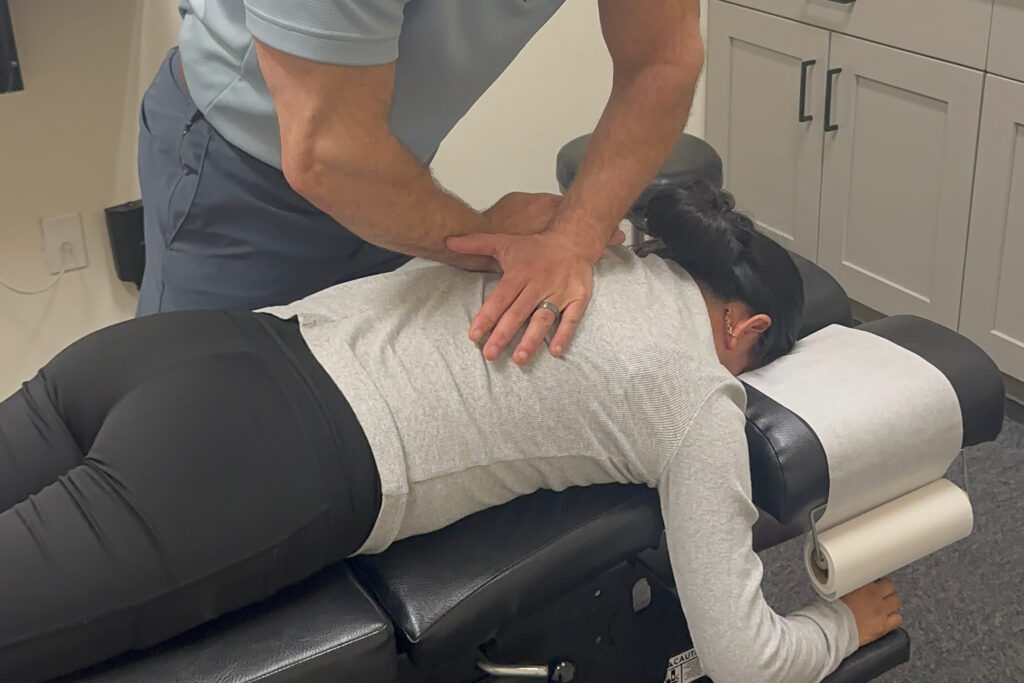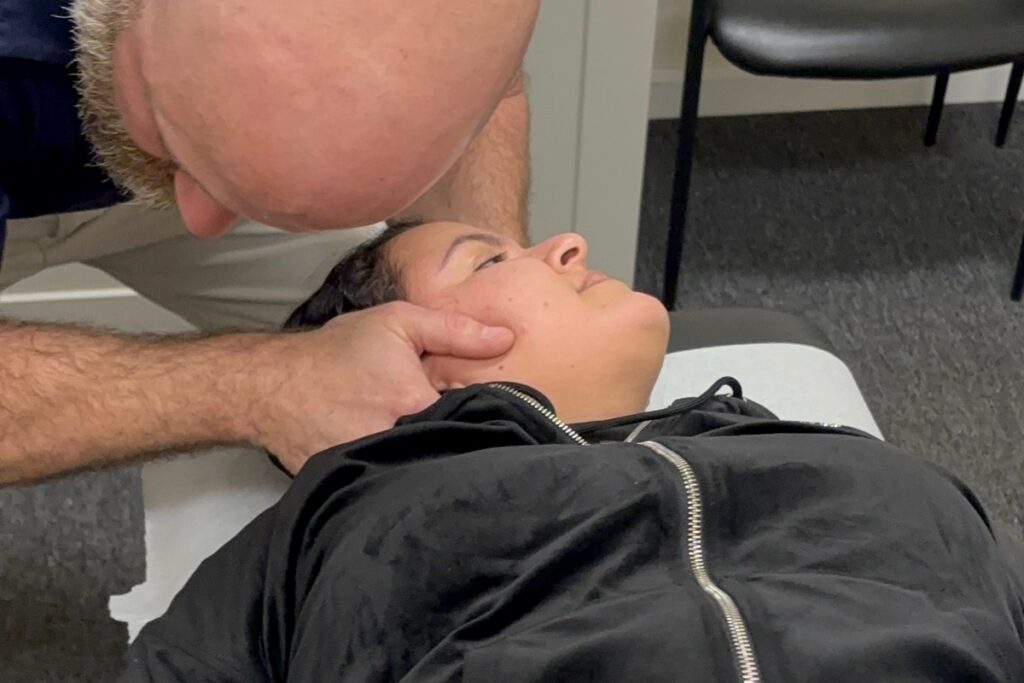

As a local chiropractor, I understand that managing chronic pain can often feel like a daunting journey. However, I want to reassure you that you have the ability to take charge of your health through preventative care. By embracing certain lifestyle changes and prioritizing both your physical and emotional well-being, you can significantly alleviate discomfort.
It’s important to recognize the vital roles that nutrition, exercise, and mindfulness play in your overall health. What may surprise you is how these elements are deeply interconnected and how they can fundamentally change your approach to pain management.
In my practice, I focus on educating patients about how chiropractic care, combined with holistic strategies, can enhance your quality of life. Together, we can explore these effective strategies to help you manage your pain and improve your overall well-being. Your journey towards relief and health starts with understanding these principles, and I’m here to guide you every step of the way.
Understanding Chronic Pain and Its Impact
Chronic pain can be an overwhelming experience, and I understand how it can impact your daily life and emotional well-being. As a chiropractor, I often see patients who struggle with even the simplest tasks, like getting out of bed or participating in social activities, due to persistent discomfort.
This isn’t just a physical challenge; it can lead to feelings of frustration, anxiety, or even depression. Many people find it difficult to concentrate or enjoy hobbies they once loved.
What’s important to understand is that chronic pain can create a cycle of avoidance. You might hesitate to engage in activities you used to enjoy, leading to further isolation and increased emotional distress.
It’s crucial to recognize that your experience is valid. Understanding the nature of chronic pain is an essential step toward finding effective management strategies.
As a chiropractor, I want to help you explore natural healing methods that can alleviate your pain and improve your quality of life. By acknowledging the impact chronic pain has on you, we can work together to seek the right support and resources.
With the right approach, you can regain control over your life and start enjoying the activities that bring you joy again. If you’re ready to take that first step, I’m here to guide you on your journey to better health.
The Role of Lifestyle Changes in Pain Prevention
As a local chiropractor, I often see how lifestyle changes can significantly reduce the risk of chronic pain for my patients. One of the most impactful areas to focus on is nutrition. By incorporating anti-inflammatory foods—such as colorful fruits, fresh vegetables, and whole grains—into your diet, you can help your body combat pain more effectively.
Additionally, staying properly hydrated is crucial, as dehydration can lead to increased discomfort.
Managing stress is another key component in pain prevention. Mindfulness practices, such as meditation and deep breathing exercises, can greatly enhance your body’s resilience to pain. When you learn to manage stress, you may find that your overall pain levels decrease.
Don’t underestimate the power of a good night’s sleep either; prioritizing quality rest allows your body to recover and function at its best.
It’s also important to consider how habits like smoking and excessive alcohol consumption can negatively impact your health and increase your risk of pain. By avoiding these substances, you can improve your overall well-being and reduce pain risk.
Each of these lifestyle adjustments contributes to a healthier you. By embracing these changes, you’re not just working to reduce pain; you’re also enhancing your quality of life.
As a chiropractor, I’m here to support you on this journey toward better health and natural healing. Let’s work together to empower you to take control of your well-being.
Incorporating Physical Activity Into Your Routine
Incorporating regular physical activity into your daily routine can significantly enhance your pain management and overall health. As a chiropractor, I often see how movement plays a crucial role in healing. When you engage in physical activity, your body releases endorphins—natural substances that help alleviate pain and improve your mood.
Start by exploring different types of activities that you genuinely enjoy, such as walking, swimming, or yoga. Finding something you love will make it much easier to stay consistent with your routine. I recommend aiming for at least 150 minutes of moderate exercise each week. If that feels overwhelming, break it down into shorter, manageable sessions throughout the week.
It’s essential to listen to your body during any exercise. If you experience pain, consider adjusting the intensity or switching to a different type of movement that feels more comfortable. Gradually increasing your activity level can help you build strength and flexibility without risking injury.
Remember, regular movement—even gentle exercises—can significantly improve your flexibility and reduce stiffness.
Setting small, achievable goals can also keep you motivated. By prioritizing physical activity in your life, you’re taking proactive steps toward better pain management and a healthier lifestyle.
As your chiropractor, I’m here to support you in your journey to wellness through natural healing and movement.
Nutrition and Its Influence on Pain Management
As a local chiropractor, I want to emphasize the crucial role your diet plays in managing chronic pain.
It’s important to incorporate anti-inflammatory foods into your meals, as they can help reduce discomfort and support your overall well-being.
Additionally, staying well-hydrated is vital; proper hydration can enhance your body’s ability to cope with pain.
By focusing on a balanced intake of nutrients, you can empower your body to heal naturally and improve your quality of life.
Anti-Inflammatory Foods
As your local chiropractor, I understand that managing chronic pain can often feel daunting. However, I want to emphasize the significant role that nutrition plays in your recovery and overall health—particularly through the incorporation of anti-inflammatory foods.
By adding these nutritious options to your diet, you can help reduce inflammation and alleviate pain, supporting your body’s natural healing process. Here are four key anti-inflammatory foods I recommend considering:
- Fatty Fish – Varieties like salmon and sardines are rich in omega-3 fatty acids, which are known to combat inflammation effectively. Including these in your meals can make a noticeable difference in how you feel.
- Berries – Fruits such as blueberries and strawberries are packed with antioxidants, which play a vital role in protecting your cells from damage. These vibrant fruits not only taste great but also offer powerful health benefits.
- Leafy Greens – Nutrient-dense options like spinach and kale are excellent choices for promoting overall health. They’re rich in vitamins and minerals that support your body’s functions and can contribute to reducing inflammation.
- Nuts – Nuts, particularly walnuts and almonds, are a great source of healthy fats that can help lower inflammation levels. Snacking on these can be both satisfying and beneficial for your health.
By integrating these anti-inflammatory foods into your daily routine, you’re taking a proactive step towards managing your pain and enhancing your well-being.
If you have questions or need guidance on how to make these adjustments, feel free to reach out during your next visit. Together, we can work towards a healthier you!
Hydration and Pain Relief
As your local chiropractor, I want to emphasize the importance of staying properly hydrated, especially if you’re managing chronic pain.
It may surprise you to learn that even mild dehydration can worsen your discomfort and slow down your recovery process. Water is essential for maintaining joint lubrication, reducing inflammation, and supporting your body’s overall functions.
When you’re dehydrated, your body finds it more challenging to flush out toxins and repair damaged tissues, which can lead to increased pain.
That’s why I encourage you to drink enough water throughout the day, particularly if you’re physically active or live in a warm climate. You can also enhance your hydration by incorporating water-rich foods like fruits and vegetables into your diet.
Remember, adequate hydration is crucial for your body to function effectively.
By prioritizing your hydration, you can significantly improve your pain management efforts and overall well-being.
Let’s work together to ensure you’re taking the right steps towards a healthier, pain-free life!
Balanced Nutrient Intake
As a local chiropractor, I want to emphasize the crucial role that nutrition plays in managing chronic pain and enhancing your overall health. A well-balanced intake of nutrients can’t only support your body’s healing processes but also help reduce inflammation.
By making mindful choices about what you eat, you can significantly impact your pain levels. Here are four essential nutrients I recommend incorporating into your diet:
- Omega-3 Fatty Acids: These healthy fats, found in foods like fish, flaxseed, and walnuts, are known for their anti-inflammatory properties. Including them in your meals can help alleviate discomfort.
- Antioxidants: Foods rich in antioxidants, such as berries and leafy greens like spinach, are excellent for combating oxidative stress and inflammation. They play a vital role in protecting your body from damage and promoting healing.
- Vitamin D: This nutrient is essential for maintaining strong bones and can help reduce sensitivity to pain. You can obtain vitamin D through sunlight exposure or by choosing fortified foods.
- Magnesium: This mineral is key for muscle and nerve relaxation. Incorporating sources like nuts, seeds, and leafy greens into your diet can help ease tension and discomfort.
By focusing on these nutrients, you can support your body’s natural healing capabilities and enhance your well-being.
Mindfulness and Stress Reduction Techniques
As a local chiropractor, I want to share how mindfulness and stress reduction techniques can be essential in managing chronic pain. Many of my patients are new to chiropractic care and natural healing, so let’s discuss how incorporating mindfulness practices into your daily life can significantly enhance your awareness and lower stress levels.
When you engage in mindfulness, you learn to tune into your body and its sensations, which can be particularly beneficial for those battling chronic pain. By reducing stress through these techniques, you may find that your experience of pain diminishes, allowing for a more enjoyable daily life.
At our practice, we emphasize the importance of these strategies as part of a holistic approach to well-being. By integrating mindfulness into your routine, you can discover new ways to cope with pain and enhance your overall quality of life.
Let’s work together to explore these effective techniques and help you on your healing journey.
Mindfulness Practices Overview
As your local chiropractor, I want to share some effective mindfulness practices that can complement your chiropractic care and help you manage chronic pain.
These techniques are simple to incorporate into your daily routine and can significantly reduce stress while promoting a sense of calm. Here are four practices to consider:
- Meditation: Dedicate a few minutes each day to focus on your breath or a calming mantra. This practice can help center your mind and alleviate anxiety, making it easier for your body to heal.
- Body Scan: Find a comfortable position and mentally scan your body from head to toe. Pay attention to areas of tension without judgment. This awareness can help you identify and release tightness that may be contributing to your discomfort.
- Mindful Walking: Take a slow, intentional walk, focusing on each step and the sensations you feel in your body. This practice not only encourages movement but also enhances your connection to your body, which is essential for overall well-being.
- Gratitude Journaling: Each day, write down three things you’re grateful for. Shifting your focus to the positive aspects of life can improve your mental state and contribute to a more relaxed body, which is beneficial for pain management.
Incorporating these mindfulness practices into your life can enhance your chiropractic experience and support your journey toward natural healing.
Stress Reduction Strategies
As a local chiropractor, I want to share with you the importance of managing stress, especially when dealing with chronic pain. Many patients may not realize how closely stress and pain are linked, and addressing stress can significantly enhance your overall well-being.
Incorporating mindfulness practices into your daily routine can be a powerful tool. Simple activities like deep breathing, meditation, or enjoying a short walk in nature can help ground you and alleviate tension. I recommend setting aside just a few minutes each day to focus on your breath, which can help release built-up stress.
Yoga is another fantastic option that I often suggest. It combines movement, stretching, and breath control, which promotes relaxation and can complement the adjustments I provide in the clinic.
Additionally, journaling can be an effective way to process your thoughts and feelings, helping to reduce anxiety and clear your mind.
Remember, finding the right stress reduction strategy is a personal journey – it takes time and patience. By actively managing your stress, you create a more positive environment for coping with chronic pain.
As your chiropractor, I’m here to support you on this journey toward better health and wellness.
Building a Support Network for Chronic Pain Management
As a local chiropractor, I understand that navigating the challenges of chronic pain can be overwhelming. One vital aspect of managing this journey is building a robust support network. By surrounding yourself with the right individuals, you can gain both emotional support and practical assistance.
Here are four essential steps to help you create your support network:
- Communicate Openly: It’s important to share your experiences and challenges with your family and friends. Let them know how your pain affects your daily life and how they can best support you. This openness can foster understanding and compassion.
- Join Support Groups: Connecting with others who face similar struggles can be incredibly beneficial. Look for local or online support groups focused on chronic pain management. These communities can provide a sense of belonging and shared experiences, which can be comforting.
- Engage Healthcare Professionals: Building strong relationships with healthcare providers, including chiropractors, can make a significant difference in your pain management. We specialize in understanding the body’s mechanics and can offer tailored treatment plans to help alleviate your discomfort and enhance your overall well-being.
- Utilize Community Resources: There are many local organizations dedicated to supporting those with chronic pain. These may offer services like counseling, fitness programs, or workshops on natural healing methods. Engaging with these resources can empower you in your healing journey.
By taking these steps, you can create a network that not only supports you emotionally but also contributes to your physical health through informed care and community involvement.
Conclusion
As a local chiropractor, I want to share with you how managing chronic pain through preventative care can be an accessible and effective path to relief. By making some simple lifestyle changes, such as staying active and adopting a nutritious diet, you can significantly alleviate your discomfort.
Incorporating mindfulness and stress reduction techniques into your daily routine can also enhance your emotional well-being, which is crucial when dealing with chronic pain. Don’t forget the importance of a supportive network; leaning on friends, family, and healthcare professionals, including your chiropractor, can make a world of difference in your journey.
Chiropractic care focuses on holistic healing, addressing the root causes of your pain rather than just masking the symptoms. Together, these strategies empower you to take control of your pain and improve your overall quality of life. I encourage you to explore these options and start your journey toward relief today!