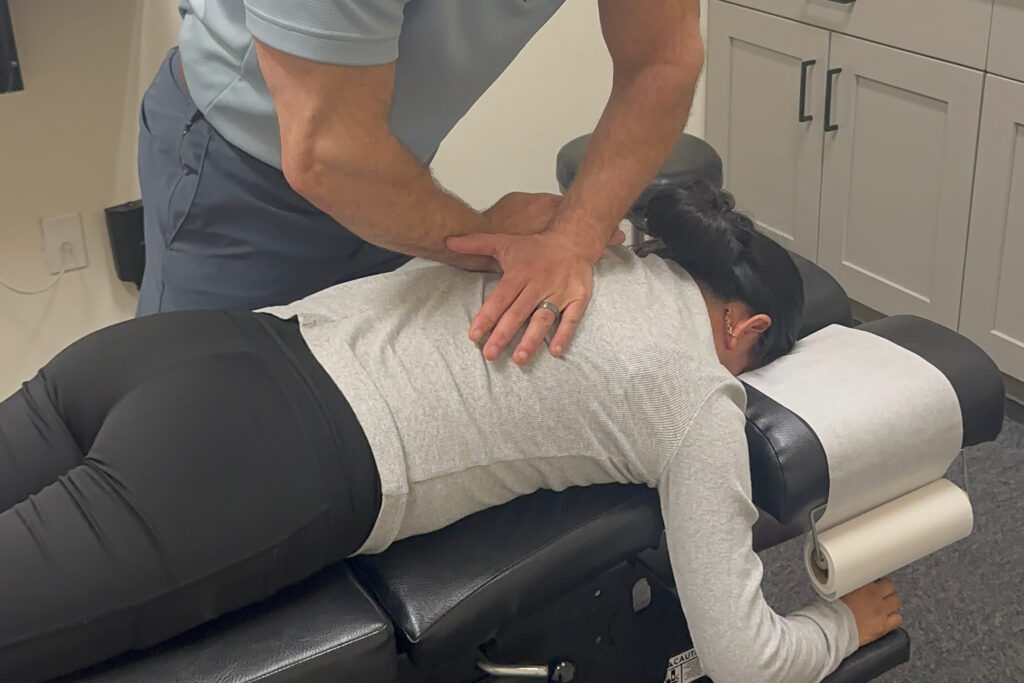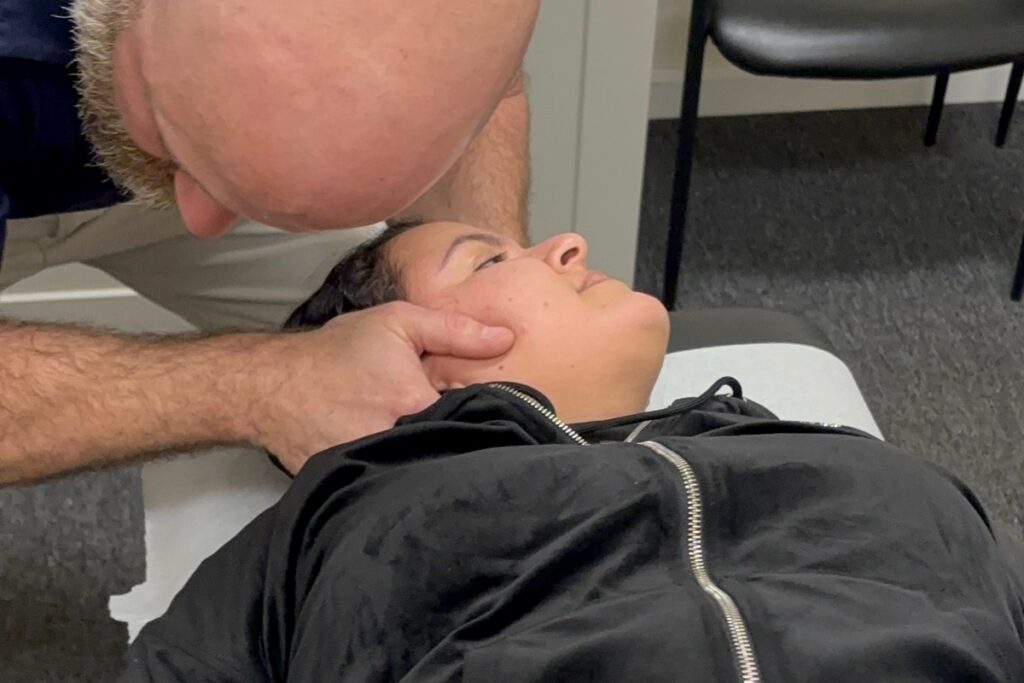

As a local chiropractor, I want to emphasize the importance of athletic recovery, which is often overlooked but is just as crucial as your training regimen. Many people may not realize that effective recovery strategies can significantly enhance your performance and overall well-being.
From proper nutrition and hydration to innovative therapies like chiropractic adjustments, each component plays a vital role in your recovery journey. Imagine if you could customize these techniques to suit your unique needs—this is where chiropractic care can make a difference.
Understanding how to maximize your recovery can unlock your full potential, whether you’re a weekend warrior or a competitive athlete. Let’s delve into how chiropractic adjustments, along with other natural healing methods, can help you recover more effectively and improve your athletic performance. Your body deserves the best care, and together we can achieve that!
The Importance of Recovery in Athletic Performance
As a local chiropractor, I want to emphasize that while you may be dedicated to training hard to enhance your athletic performance, recovery is equally crucial in reaching your goals. Your body experiences significant stress during workouts, and without adequate recovery, you increase the risk of fatigue, injury, and burnout.
Recovery is essential for allowing your muscles to repair, adapt, and strengthen, which in turn helps you perform at your best in future training sessions. Incorporating effective recovery techniques into your routine can greatly improve your overall performance.
One of the most important aspects is prioritizing sleep, which helps restore energy levels and supports cognitive function. Active recovery, such as gentle stretching or low-intensity exercises, can enhance blood flow and alleviate soreness.
It’s also vital to listen to your body; if you’re feeling excessively tired, taking a rest day can help prevent more serious setbacks in the long run. Recognizing the importance of recovery not only boosts your performance but also helps maintain your enthusiasm for your sport.
As a chiropractor, I encourage you to embrace recovery as a vital component of your training regimen. By doing so, you’ll likely see the positive effects reflected in your athletic performance and overall well-being.
Nutrition Strategies for Optimal Recovery
As a local chiropractor, I believe that proper nutrition plays a vital role in your recovery and overall well-being.
After intense physical activity, your body needs the right nutrients to heal and perform at its best. Here are three essential nutrition strategies to consider for optimal recovery:
- Focus on Protein: Incorporating lean proteins such as chicken, fish, or legumes into your meals is essential. These proteins are crucial for repairing muscle tissue and supporting growth, helping your body recover more effectively after workouts.
- Welcome Carbohydrates: Don’t overlook the importance of carbohydrates! Whole grains, fruits, and vegetables are key in replenishing your glycogen stores. This replenishment provides the energy necessary for your next workout, ensuring you stay active and engaged in your fitness journey.
- Add Healthy Fats: Including foods that are rich in omega-3 fatty acids, like avocados and nuts, can significantly reduce inflammation and promote recovery.
These healthy fats also contribute to your overall health, which is vital for enhancing your athletic performance and maintaining your wellness.
As you focus on your recovery, remember that nutrition and chiropractic care can work hand in hand to help you achieve your health goals.
Hydration: The Key to Effective Recovery
As a local chiropractor dedicated to your overall health and wellness, I want to emphasize the vital role that hydration plays in your recovery process. Proper hydration is crucial for your body’s ability to heal and perform optimally. When you maintain adequate fluid levels, your muscles can recover more quickly, and your joints can move more freely.
Conversely, dehydration can lead to issues like fatigue, cramping, and prolonged recovery times, which can hinder your progress on the path to better health.
To enhance your hydration, it’s important to drink water consistently throughout the day—not just during your workouts. A simple way to gauge your hydration status is by paying attention to the color of your urine; a pale yellow color typically indicates that you’re well-hydrated, whereas darker shades suggest that you may need to increase your fluid intake.
Additionally, after intense training sessions, consider incorporating electrolyte-rich beverages to help replenish the minerals your body has lost.
Innovative Recovery Therapies
As a local chiropractor dedicated to your wellness and recovery, I’d like to share some innovative therapies that can significantly enhance your athletic recovery journey.
These techniques are designed to complement your existing routines, helping to accelerate healing and improve your overall performance. Here are three therapies that I believe you may find particularly beneficial:
1. Cryotherapy: This therapy involves exposing your body to extremely cold temperatures.
It’s known to reduce inflammation and alleviate muscle soreness, which can be a game-changer for athletes. Many of my patients have reported experiencing quicker recovery times following cryotherapy sessions.
2. Infrared Sauna: Unlike the traditional saunas that heat the air around you, infrared saunas emit light that penetrates deeper into your skin.
This offers several benefits, including enhanced relaxation, effective detoxification, and improved blood flow to sore muscles, which can help you feel revitalized after intense physical activity.
3. Compression Therapy: This technique utilizes specialized garments or devices to promote better circulation and reduce swelling.
By enhancing blood flow, compression therapy leads to faster recovery times and can help minimize muscle fatigue, making it a valuable addition to any athlete’s recovery plan.
If you have any questions about these therapies or how they can fit into your recovery routine, please feel free to reach out.
Your health and performance are my top priorities!
The Role of Sleep in Recovery
As your local chiropractor, I want to emphasize the crucial role that sleep plays in your recovery process. Quality sleep is fundamental for everything from muscle repair to maintaining mental clarity.
It’s important to understand the different stages of sleep and how much rest you should aim for to support your healing journey. By practicing good sleep hygiene—such as creating a comfortable sleep environment and establishing a consistent sleep schedule—you can significantly boost your athletic performance and overall well-being.
Let’s delve into how optimizing your sleep can lead to improved recovery and a healthier lifestyle.
Sleep Stages Importance
As a local chiropractor, I often see athletes who dedicate themselves to training and nutrition, yet many overlook the crucial role that sleep stages play in their recovery process.
Understanding these stages is essential for enhancing your overall performance. Here’s why they’re important:
- Deep Sleep: This stage is vital for muscle repair and growth. It allows your body to recover from the stresses of intense workouts. When you achieve adequate deep sleep, you’re giving your muscles the chance to heal and strengthen.
- REM Sleep: During this phase, your brain actively processes information and consolidates memories. This is particularly beneficial for improving focus and reaction times, which are critical during training sessions and competitions.
- Light Sleep: Often underestimated, light sleep serves as a transitional phase between deeper sleep stages. It plays a significant role in ensuring that you cycle through sleep effectively, which impacts the overall quality of your rest.
By prioritizing these sleep stages, you can ensure that you’re not just resting but genuinely recovering.
This natural approach to healing can give you the competitive edge you need in your athletic pursuits. As a chiropractor, I encourage you to consider how your sleep can enhance your performance and well-being.
Optimal Sleep Duration
As a local chiropractor, I often emphasize the vital role that sleep plays in your overall health and recovery. Many patients wonder how much sleep they truly need to feel their best. For most individuals, aiming for 7 to 9 hours of quality sleep each night can significantly enhance your body’s ability to recover, especially if you’re active.
This amount of sleep enables your body to go through crucial sleep stages, which are essential for muscle repair, hormone balance, and mental clarity. For those of you who are engaged in more intense physical activities, you may find that extending your sleep to 9 to 10 hours can be even more beneficial.
It’s essential to tune into your body; if you’re feeling fatigued or mentally exhausted, it’s a clear indication that you might need more rest. Additionally, I encourage you to maintain a consistent sleep schedule.
Regular sleep patterns help stabilize your body’s internal clock, which can further enhance your recovery process. Remember, investing in better sleep is an investment in better performance and overall health. If you have any questions about how chiropractic care can support your sleep and recovery, feel free to ask!
Sleep Hygiene Practices
As a local chiropractor committed to your overall well-being, I want to share some essential practices that can significantly enhance your sleep quality and, in turn, support your recovery process.
Here are three simple yet effective sleep hygiene tips to consider:
1. Limit Screen Time: It’s important to step away from screens at least one hour before bedtime. The blue light emitted from devices can interfere with your body’s production of melatonin, the hormone responsible for regulating sleep.
By reducing screen exposure, you set the stage for a more restful night.
2. Establish a Routine: Consistency is key when it comes to sleep. Try to go to bed and wake up at the same time every day, even on weekends.
This practice helps regulate your body’s internal clock, allowing for deeper and more restorative sleep, which is essential for your recovery and overall health.
3. Optimize Your Sleep Space: Your bedroom should be a sanctuary for rest. Aim to keep it cool, dark, and quiet to promote a peaceful atmosphere.
Utilizing blackout curtains, earplugs, or a white noise machine can help create an environment conducive to sleep, which is vital for your body’s healing processes.
By incorporating these sleep hygiene practices into your routine, you can improve your sleep quality and support your journey toward natural healing and overall wellness.
If you have any questions or would like to discuss how chiropractic care can further enhance your recovery, feel free to reach out!
Mental Recovery Techniques for Athletes
As you strive to reach your physical potential, it’s crucial to recognize the role that mental recovery techniques play in enhancing your overall well-being and performance. In my practice as a chiropractor, I often emphasize the importance of holistic health, which includes not just physical adjustments, but also mental wellness.
Incorporating mindfulness practices, such as meditation or deep breathing exercises, can be incredibly beneficial. These techniques help to clear your mind, reduce stress, and allow you to stay present, which can sharpen your focus for both training and competition.
Visualization is another effective strategy. By imagining yourself succeeding in your sport—executing perfect techniques or reaching your goals—you engage in mental rehearsal that can enhance your confidence and better prepare you for the challenges ahead.
Additionally, don’t underestimate the power of social support. Sharing your experiences and feelings with your teammates or friends can significantly lighten your emotional burden and foster a sense of community.
Lastly, it’s important to take time for hobbies or interests outside of your athletic pursuits. Engaging in activities you enjoy can help recharge your mental energy and keep your passion for sports alive.
Creating a Personalized Recovery Plan
Creating a personalized recovery plan is essential for achieving optimal health and wellness, especially when considering chiropractic care. As a local chiropractor, I believe it starts with assessing your individual needs to determine the most effective strategies for your recovery.
By incorporating various natural healing techniques, specifically tailored to your unique situation, we can enhance your healing process and promote overall well-being.
It’s important to remember that recovery isn’t a one-size-fits-all approach. Each patient is different, and what works for one person may not work for another.
Therefore, I encourage you to regularly monitor your progress and communicate with me about any changes or concerns. This way, we can make necessary adjustments to your plan, ensuring it remains effective and adaptable to your evolving needs.
Together, we can create a comprehensive recovery plan that supports your journey to better health.
Assessing Individual Needs
As a local chiropractor dedicated to your holistic well-being, I want to guide you in tailoring a recovery plan that aligns with your individual athletic needs. Understanding how to effectively recover is crucial for maintaining your health and enhancing your performance. Here are three important areas to consider:
1. Injury History: It’s essential to reflect on any previous injuries you may have sustained. Your recovery strategy should incorporate preventative measures and targeted rehabilitation exercises to help avoid re-injury.
We can work together to create a plan that addresses your unique history and promotes healing.
2. Training Intensity: Evaluating the intensity of your workouts is vital. More strenuous training typically requires additional recovery time and methods, while less intense sessions may not need as much focus on recovery.
I can help you understand how your body responds to different levels of exertion and guide you in adjusting your recovery accordingly.
3. Personal Preferences: It’s important to consider the recovery techniques that resonate with you. Whether you enjoy the relief of foam rolling, the flexibility benefits of yoga, or the rejuvenation of active recovery, incorporating methods you appreciate will keep you engaged and motivated.
Together, we can explore various approaches to find what works best for you.
By focusing on these key areas, we can create a personalized recovery plan that supports your health goals and enhances your athletic performance.
Incorporating Varied Techniques
As your local chiropractor, I want to help you understand the importance of a holistic approach to recovery that fits your lifestyle and preferences. To optimize your healing process, it’s beneficial to blend various techniques.
Active recovery methods, such as light jogging or yoga, can complement passive treatments like foam rolling or receiving massages.
Nutrition also plays a crucial role in your recovery. Focus on staying hydrated and ensuring adequate protein intake, which can vary depending on the intensity of your workouts.
Remember that mental recovery is just as important; incorporating practices like meditation or deep breathing exercises can significantly alleviate stress and promote relaxation.
Moreover, prioritizing good sleep hygiene will enhance the quality of your rest, which is vital for recovery. Pay attention to how your body feels after different activities and adjust your routine accordingly.
The goal is to develop a balanced, personalized recovery plan that considers all aspects of your well-being. By doing so, you’ll be better equipped to bounce back stronger and more prepared for your next challenge.
If you have any questions about how chiropractic care can support your recovery journey, I’m here to help!
Monitoring Progress Regularly
As a local chiropractor, I want to emphasize the importance of regularly monitoring your progress in your journey toward recovery and overall wellness. Understanding how your body responds to different treatments is key to creating a personalized recovery plan that works for you.
Here are three crucial areas to focus on:
- Physical Indicators: Pay attention to your energy levels, any muscle soreness, and your overall sense of fatigue. These physical signs can guide you in knowing when to push yourself a little harder or when it might be best to take a step back in your activities.
- Performance Metrics: Keep track of your performance data, whether it’s related to your range of motion, strength, or any physical activities you engage in. This information will help you see how the chiropractic care and natural healing techniques you’re utilizing are positively influencing your body’s capabilities.
- Recovery Techniques: Assess how well your recovery practices, such as adjustments, stretches, or nutrition, are working for you. Regularly reviewing these techniques allows you to adjust and optimize your approach for the best possible results.
By staying vigilant and actively monitoring these aspects, you can ensure that your recovery plan evolves and adapts to meet your unique needs.
Conclusion
As a local chiropractor, I want to share how incorporating expert recovery techniques can significantly enhance your athletic performance, even if you’re new to chiropractic care and natural healing. Prioritizing key elements like nutrition, hydration, quality sleep, and innovative therapies helps support your body’s natural repair process and boosts your overall well-being.
It’s also essential to consider the mental side of recovery. Techniques such as mindfulness and visualization can keep you focused and motivated in your training. I encourage you to create a personalized recovery plan that meets your specific needs, and remember to regularly assess your progress.
With commitment and the right strategies, you can unlock your full athletic potential. Chiropractic care can play a crucial role in this journey, helping to optimize your body’s function and recovery. Let’s work together to enhance your performance and well-being!