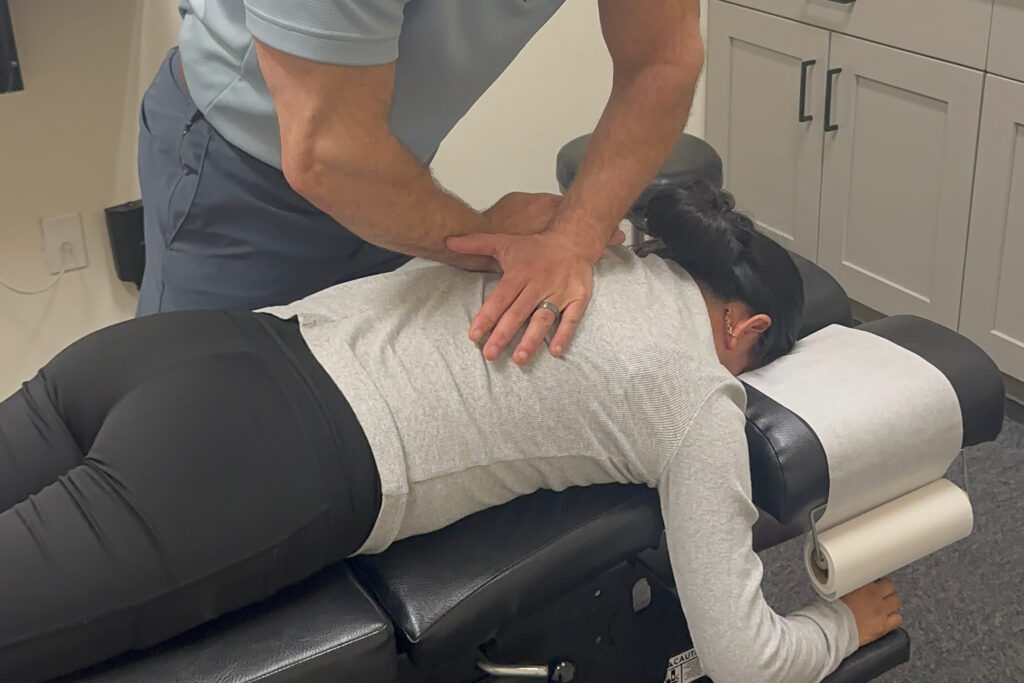

If you’re dealing with migraines, you’re not alone, and there are natural ways to find relief that may be closer than you think. One of the most effective approaches is understanding your triggers and making some simple lifestyle adjustments. This is where chiropractic care can play a vital role in your journey toward a migraine-free life.
Chiropractic care focuses on the health of your spine and nervous system, which can greatly influence how your body responds to pain, including migraines. By ensuring proper spinal alignment, we can help reduce tension and improve overall functionality, which may lead to fewer headaches.
Here are some practical steps you can take to help manage migraines naturally:
- Chiropractic Adjustments: Regular visits to a chiropractor can help align your spine, reduce nerve irritation, and improve blood flow. This can lead to a significant decrease in the frequency and intensity of migraines.
- Identify Triggers: Keep a journal to track your migraines and note what you were doing, eating, or feeling before an attack. Common triggers include certain foods, stress, and lack of sleep. Once identified, you can work on avoiding these triggers.
- Healthy Diet: Focus on a balanced diet rich in whole foods. Foods high in magnesium, like spinach and almonds, can help reduce migraine occurrences. Staying hydrated is also crucial, so drink plenty of water throughout the day.
- Stress Management: Find ways to manage stress, as it can be a significant trigger for migraines. Techniques such as yoga, meditation, or deep breathing exercises can be beneficial. Regular chiropractic care can also help your body manage stress more effectively.
- Regular Exercise: Engage in low-impact activities like walking, swimming, or cycling. Exercise releases endorphins, which can help alleviate pain and reduce the frequency of migraines.
- Sleep Hygiene: Aim for a consistent sleep schedule and create a calming bedtime routine. Quality sleep is essential for overall health and can help prevent migraines.
- Posture Awareness: Pay attention to your posture, especially if you spend long hours at a desk. Poor posture can lead to spinal misalignments that may trigger headaches.
By incorporating these strategies into your life and prioritizing chiropractic care, you can take proactive steps toward reducing migraines and improving your overall well-being. Remember, a healthy spine is essential for a healthy body, and chiropractic care is a natural, effective way to achieve optimal health.
Key Takeaways
- Start a migraine diary to help identify your unique triggers and patterns. This can empower you to create personalized strategies for relief and enhance your overall wellness journey through chiropractic care.
- Focus on a balanced diet and proper hydration. Eating nutritious foods and drinking enough water can significantly help in preventing migraine attacks, which aligns with the holistic approach of chiropractic care.
- Consider incorporating natural supplements like magnesium and riboflavin into your lifestyle. These supplements may assist in reducing the frequency and intensity of migraines, complementing the benefits of regular chiropractic adjustments.
- Engage in stress reduction techniques such as deep breathing, mindfulness, and regular physical activity. These practices not only contribute to lower migraine occurrence but also support overall health and wellness, which chiropractic care aims to enhance.
- Create a migraine-friendly environment that promotes relaxation. Dim lighting, cool temperatures, and minimal noise can help soothe symptoms during an attack. Additionally, regular chiropractic adjustments can help your body better manage stress and tension, contributing to a more balanced state of health.
Understanding Migraines: Causes and Triggers
Understanding Migraines: Causes and Triggers
Migraines can affect anyone, but knowing their causes and triggers is key to managing them effectively. You may notice that certain situations or substances often lead to your migraines. Common triggers include stress, lack of sleep, hormonal changes, and sensory stimuli such as bright lights or loud noises. By identifying these triggers, you can take proactive steps to reduce their impact.
One of the best ways to manage migraines naturally is through chiropractic care. Regular chiropractic adjustments can help improve spinal alignment, reduce tension in the body, and enhance overall well-being. This holistic approach promotes the body’s natural healing processes and can lead to fewer migraines over time.
Incorporating stress management techniques, such as mindfulness or yoga, can also be helpful. These practices not only reduce stress but can also enhance your overall health, making you less susceptible to migraines.
Additionally, pay attention to your sleep patterns; establishing a regular sleep schedule can significantly lower your risk of migraine attacks.
For women, hormonal fluctuations can be a major trigger. Consider keeping a migraine diary to track your headaches and identify patterns over time. This valuable insight can help you and your chiropractor develop a tailored plan to manage your migraines effectively.
Dietary Adjustments for Migraine Prevention
When it comes to preventing migraines, what you eat and drink plays a vital role, and as a chiropractor, I want to emphasize how important a holistic approach to health can be. Staying well-hydrated is essential; drinking plenty of water can help reduce the frequency and intensity of headaches.
Additionally, being mindful of what you consume is just as crucial, as certain foods may trigger migraines for some individuals. Incorporating a balanced diet rich in whole foods, fruits, and vegetables can support your overall health and well-being.
It’s helpful to keep a food diary to identify any specific trigger foods that may contribute to your migraines. By eliminating these from your diet, you may find significant relief.
Moreover, regular chiropractic adjustments can enhance your body’s natural ability to heal and maintain balance, which can play a part in reducing migraine occurrences. Chiropractic care focuses on aligning the spine and improving nervous system function, which can lead to better overall health and possibly lessen the intensity of migraines.
Here are some general tips to consider:
- Stay hydrated: Aim for at least 8 glasses of water a day.
- Maintain a balanced diet: Focus on whole foods and limit processed items.
- Identify triggers: Keep a food diary to help pinpoint what may cause your headaches.
- Consider chiropractic care: Regular adjustments can promote better spinal health and overall wellness.
Hydration and Migraine Relief
As a local chiropractor, I want to emphasize the importance of staying properly hydrated for managing migraines. Even mild dehydration can lead to painful headaches, so it’s crucial to drink plenty of water throughout the day. This is especially important if you’re active or living in a hot climate. Keeping track of your fluid intake can help ensure you’re meeting your hydration needs and supporting your overall health.
Here’s a simple reference table to guide your daily water intake based on your activity level:
| Activity Level | Daily Water Intake (oz) | Notes |
|---|---|---|
| Sedentary | 64 | Basic hydration needs |
| Active | 80 | Increase with exercise |
| Hot Climate | 96 | Adjust for heat and sweating |
Incorporating hydration into your daily routine can be a simple yet effective way to alleviate headache symptoms. Remember, chiropractic care can also play a vital role in your overall wellness. By addressing spinal alignment and promoting healthy nervous system function, you may find additional relief from migraine pain.
Trigger Foods to Avoid
Identifying and avoiding trigger foods can be an essential step in managing migraines and promoting overall wellness. As a chiropractor, I believe that natural healing and maintaining a balanced diet play significant roles in achieving optimal health. Common trigger foods include aged cheeses, processed meats, and those containing MSG, which can exacerbate migraine symptoms.
Additionally, be mindful of chocolate, alcohol, and caffeine, as these can be problematic for many people. Keeping a food diary can be a helpful tool for pinpointing specific triggers unique to you. When you notice a correlation between certain foods and your migraine episodes, consider eliminating them from your diet.
Instead, focus on incorporating fresh, whole foods like fruits, vegetables, and lean proteins, which can support not only your overall health but also your body’s natural healing processes. Remember, everyone’s triggers are different, so it’s important to stay attentive and listen to your body.
While managing your diet, don’t forget the importance of chiropractic care in your wellness journey. Regular chiropractic adjustments can help reduce tension in the body, alleviate pain, and enhance your overall well-being, providing a natural approach to health that complements your dietary choices.
The Role of Hydration in Migraine Management
Staying hydrated is crucial for managing migraines, as even mild dehydration can trigger an attack. As a chiropractor, I often emphasize the importance of overall wellness, and hydration plays a key role in that. You may not realize just how much water you need each day, but meeting those hydration needs can significantly impact your health and help reduce migraine symptoms.
Here are some effective strategies to keep your fluid intake up:
- Set a Daily Goal: Aim for at least 8 glasses of water a day, but listen to your body. If you’re active or it’s hot outside, you may need more.
- Infuse Your Water: If plain water isn’t appealing, try adding slices of fruit, like lemon or cucumber, to enhance the flavor and make it more enjoyable.
- Carry a Water Bottle: Keep a reusable water bottle with you throughout the day. Having it on hand serves as a constant reminder to drink more fluids.
- Eat Hydrating Foods: Incorporate fruits and vegetables with high water content, like watermelon, cucumbers, and oranges, into your diet. They can help keep you hydrated, too.
- Monitor Your Intake: Use apps or a simple journal to track how much water you drink daily. This can help you stay accountable and identify any patterns that might lead to dehydration.
- Create a Routine: Make drinking water part of your daily habits, such as having a glass when you wake up, with each meal, and before bed.
Remember, proper hydration is just one piece of the puzzle in managing migraines. Regular chiropractic adjustments can also help alleviate tension and misalignments in your spine, contributing to overall wellness.
When your body is properly aligned, it functions better, which may help reduce the frequency and severity of migraine attacks. So, prioritize your hydration and consider chiropractic care as a natural approach to achieve optimal health and pain relief.
Importance of Water Intake
One factor that often gets overlooked when it comes to migraine triggers is hydration. As a chiropractor, I want to emphasize how essential proper water intake is for your overall health and well-being, especially if you’re dealing with migraines. Staying well-hydrated not only supports your body’s balance but also plays a significant role in maintaining optimal brain function.
When you drink enough water, you help improve blood circulation, which ensures that vital nutrients and oxygen reach your brain effectively. This can be particularly beneficial in reducing the frequency of migraine attacks. A good rule of thumb is to aim for about eight 8-ounce glasses of water throughout the day, but keep in mind that your needs may vary based on your activity level and environment.
In addition to hydration, regular chiropractic care can also support your overall health and help manage migraine symptoms. By realigning your spine, chiropractic adjustments can enhance your nervous system function, leading to better communication between your body and brain.
This holistic approach to health not only targets pain relief but also promotes natural wellness.
So, in addition to prioritizing hydration, consider incorporating regular chiropractic visits into your routine. Together, these practices can empower you to take control of your health, manage your migraines, and enhance your overall quality of life.
Dehydration Triggers Migraines
Hydration is crucial for overall health and wellness, especially when it comes to managing migraines. As a chiropractor, I want to emphasize the connection between proper hydration and your body’s ability to function optimally. Even mild dehydration can spark migraine attacks, so it’s essential to stay hydrated to support your wellbeing. When you don’t drink enough water, your body can respond with headaches and various uncomfortable symptoms. Keeping your body well-hydrated promotes healthy blood flow and significantly lowers the chances of experiencing migraines.
Here’s a simple breakdown of how hydration levels can affect your body and migraines:
| Hydration Level | Symptoms | Impact on Migraines |
|---|---|---|
| Well-hydrated | No symptoms | Much lower risk of migraines |
| Mildly dehydrated | Fatigue, dry mouth | Increased risk of migraines |
| Severely dehydrated | Dizziness, confusion | Very high risk of migraines |
To help you maintain optimal hydration, here are some practical tips:
- Drink Water Regularly: Aim to drink water throughout the day, not just when you feel thirsty. Keeping a water bottle handy can serve as a reminder to sip regularly.
- Monitor Your Intake: Track how much water you’re drinking. A good goal is about 8 glasses (64 ounces) a day, but you may need more based on your activity level and environment.
- Eat Hydrating Foods: Incorporate fruits and vegetables with high water content, like cucumbers, oranges, and strawberries, into your diet to boost your hydration levels.
- Listen to Your Body: Pay attention to early signs of dehydration, such as dry mouth or fatigue, and address them quickly by drinking water.
- Combine Hydration with Chiropractic Care: Regular chiropractic adjustments can help improve your overall health, including your body’s ability to manage hydration and reduce headache frequency.
Hydration Strategies to Implement
To effectively manage migraines, incorporating strategic hydration practices can be a game changer. As a chiropractor, I believe in the power of natural healing and lifestyle adjustments to enhance your well-being.
Start by ensuring you’re drinking plenty of water throughout the day—aim for about eight 8-ounce glasses. Keeping a reusable water bottle close by can serve as a helpful reminder to sip regularly and stay on track.
If you find yourself active or in warmer conditions, it’s wise to increase your fluid intake to replace what you lose through sweat. Remember, hydration isn’t just about water; you can also incorporate hydrating foods into your diet. Foods like cucumbers, watermelon, and oranges not only help keep you hydrated but also provide essential nutrients that support overall health.
Additionally, consider including electrolyte-rich beverages in your routine, particularly if you have a tough time maintaining hydration. These can be especially beneficial as they help maintain the balance of fluids in your body.
Always listen to your body’s cues; if you experience early signs of dehydration, such as a dry mouth or fatigue, take action and drink some water right away.
By staying well-hydrated, you may find that you can reduce the frequency and intensity of your migraines.
Natural Supplements That May Help
Many people experience relief from migraines through natural approaches that focus on reducing inflammation and enhancing overall brain health. One effective option is chiropractic care, which can help improve spinal alignment and reduce nerve irritation, potentially alleviating migraine symptoms. Regular chiropractic adjustments may enhance your body’s natural ability to heal and promote better overall wellness.
In addition to chiropractic care, you might consider incorporating magnesium into your routine. This essential mineral can help reduce the frequency and intensity of migraines. You can either take a magnesium supplement or enjoy magnesium-rich foods such as spinach, almonds, and black beans.
Another beneficial supplement is riboflavin, or vitamin B2. Studies suggest that riboflavin may help decrease the number of migraine attacks when taken regularly. Alongside your chiropractic treatments, including riboflavin-rich foods like eggs and dairy in your diet can be a great way to support your health.
Coenzyme Q10 is also worth considering; it’s an antioxidant that supports cellular energy and may help alleviate migraine discomfort.
Lastly, feverfew is a herbal remedy known for its anti-inflammatory properties. Some research indicates that taking feverfew consistently may help prevent migraines.
Remember, while these natural supplements can be helpful, it’s always best to consult with your chiropractor or healthcare provider before starting any new regimen, especially if you have existing health conditions or are on medications.
Embracing a holistic approach through chiropractic care, along with these natural supplements, can lead you toward a healthier, pain-free life.
Stress Reduction Techniques
Chiropractic care is an excellent way to improve your overall health and well-being, particularly when it comes to managing stress and reducing the frequency and intensity of migraines. While adjustments and spinal health are crucial, taking care of your mental health is just as important.
One effective technique is practicing deep breathing exercises. These exercises can help calm both your mind and body. Set aside a few moments each day to focus on your breath: inhale deeply through your nose and exhale slowly through your mouth. This simple practice can make a big difference in your stress levels.
In addition to chiropractic adjustments, incorporating mindfulness or meditation into your daily routine can enhance your ability to manage stress. Even a few minutes of quiet reflection can help keep you grounded and focused.
Regular physical activity is another vital component of stress reduction. Activities like brisk walking, yoga, or even dancing can release endorphins that elevate your mood and help melt away tension. Find an activity you enjoy, and make it part of your weekly schedule—it can be a fun way to stay healthy!
Don’t forget the importance of social connections. Spending time with loved ones or joining a supportive community can provide emotional relief and reduce stress. Sharing your experiences with others can be uplifting and comforting.
Remember, chiropractic care isn’t just about pain relief; it’s about achieving optimal health. By combining chiropractic adjustments with these stress-reducing techniques, you can create a holistic approach to wellness that addresses both your physical and mental health.
Take these tips and incorporate them into your lifestyle for a healthier, happier you!
The Importance of Sleep and Rest
While you may focus on various aspects of your health, it’s essential not to overlook the vital role that sleep and rest play in managing migraines. Quality sleep not only helps regulate your body’s stress response but also supports overall wellness and balance. When you’re well-rested, your brain can better cope with pain, which may reduce the chances of experiencing a migraine attack.
Establishing a consistent sleep schedule is a game-changer. Strive for 7 to 9 hours of restorative sleep each night, and try to go to bed and wake up at the same time every day. Creating a calming bedtime routine can signal to your body that it’s time to unwind.
Also, it’s beneficial to limit screen time before bed, as the blue light emitted from devices can disrupt your natural sleep cycle.
If you feel a migraine approaching, don’t hesitate to take breaks throughout your day. Giving yourself time to rest can help prevent a full-blown attack and support your overall well-being. Remember, prioritizing sleep is a crucial step in managing migraines effectively.
Additionally, incorporating chiropractic care into your wellness routine can provide tremendous benefits. Regular chiropractic adjustments can help alleviate tension and improve spinal alignment, leading to better sleep quality and reduced migraine symptoms.
Acupressure and Massage for Relief
After ensuring you get quality sleep, exploring acupressure and massage can further enhance your migraine relief efforts, complementing the benefits of chiropractic care.
Acupressure involves applying pressure to specific points on your body, which can help alleviate pain and tension. One effective point is the “LI4” spot, located between your thumb and index finger. Gently pressing and holding this point for several minutes can help relieve headache symptoms.
Massage therapy can also provide significant benefits, especially when combined with chiropractic adjustments. Focus on your neck, shoulders, and temples, where tension often builds up. You can use your fingers to knead these areas or consider scheduling a professional massage to help ease tightness.
Another simple technique is using a tennis ball against a wall to target sore spots effectively. Lean into the ball and roll it gently over those tight areas, which can help release tension and promote relaxation. Incorporating these techniques into your routine can help you manage migraines and enhance your overall wellness.
Remember, chiropractic care is an excellent way to address the underlying causes of your pain and promote natural healing.
Regular adjustments can improve spinal alignment, reduce tension, and support your body’s ability to cope with pain. By prioritizing chiropractic care alongside these self-care practices, you can work towards achieving optimal health and a greater sense of well-being.
Essential Oils and Aromatherapy
If you’re looking for natural ways to ease migraine symptoms, incorporating essential oils and aromatherapy into your routine can be a helpful addition alongside chiropractic care. These concentrated plant extracts not only promote relaxation but can also complement the pain relief and overall wellness that chiropractic adjustments provide. Here’s a quick guide to some beneficial oils that can enhance your healing journey:
| Essential Oil | Benefits |
|---|---|
| Peppermint | Relieves tension headaches |
| Lavender | Promotes relaxation |
| Eucalyptus | Reduces sinus pressure |
| Frankincense | Eases anxiety and stress |
| Rosemary | Improves circulation |
While essential oils can be effective, it’s important to remember that they work best when used as part of a comprehensive approach to health. As a chiropractor, I encourage you to explore the benefits of spinal alignment, which can alleviate tension and improve overall wellness.
To use essential oils, consider inhaling them directly, adding a few drops to a diffuser, or mixing with a carrier oil for a gentle massage on your temples. These methods can provide soothing relief while you continue your chiropractic care.
Incorporating these natural remedies into your routine could enhance the relief you’ve been seeking during a migraine attack, but always consult your chiropractor for personalized advice. Remember, achieving optimal health is a journey, and chiropractic care plays a vital role in supporting your body’s natural healing processes.
Creating a Migraine-Friendly Environment
Creating a migraine-friendly environment is essential for anyone looking to reduce the frequency and intensity of their headaches. As a chiropractor, I understand the importance of a holistic approach to health and wellness, and creating a soothing atmosphere at home can play a significant role in achieving that.
Start by dimming the lights in your living space. Bright or flickering lights can trigger pain, so using softer lighting or even candles can create a more relaxing environment. If you have the option, invest in blackout curtains to keep out harsh sunlight that can be overwhelming.
Keeping your space cool is another important factor. High temperatures can worsen symptoms, so consider using a fan or air conditioner to maintain a comfortable climate.
Next, think about noise levels. A calm environment can help to alleviate stress, which is often a trigger for migraines. You might consider using soundproofing materials or even a white noise machine to drown out disruptive sounds.
Plus, decluttering your living area can help create a sense of peace and organization, further reducing stress.
Be mindful of scents in your space as well. Strong perfumes and chemical odors can be overwhelming. Instead, opt for natural scents, like lavender, which are known for their calming properties.
Finally, it’s beneficial to have a designated quiet room where you can retreat during an attack. Ensure this space has comfortable seating, soft bedding, and any soothing items that help you relax.
By making these simple adjustments to your environment, you can create a sanctuary that supports your well-being and minimizes migraine occurrences.
And remember, chiropractic care can be a fantastic way to support your overall health and wellness, helping to alleviate pain naturally and promote a more balanced body. If you’re experiencing frequent migraines, consider consulting with a chiropractor to explore how spinal health may play a role in your symptoms and overall wellness.
Conclusion
Incorporating these natural migraine relief strategies into your routine can significantly enhance your ability to manage symptoms, and chiropractic care plays a crucial role in this process. By understanding your triggers, adjusting your diet, staying hydrated, and practicing stress reduction techniques, you’re empowering yourself to take control of your wellness journey.
Chiropractic adjustments can help alleviate tension in your spine and neck, which may contribute to migraine onset. Regular visits to a chiropractor can ensure that your nervous system is functioning optimally, allowing your body to heal naturally. Additionally, consider the benefits of acupressure, which can complement chiropractic care by promoting relaxation and reducing pain.
Creating a calming environment in your home can also be beneficial; think of soft lighting, soothing sounds, and perhaps some gentle stretches or yoga to relieve tension. Prioritizing quality sleep is essential too, as restorative sleep can significantly impact your overall health and reduce the frequency of migraines.
With patience and persistence, and by embracing chiropractic care as part of your wellness strategy, you can achieve the relief you need to enjoy life more fully. Remember that your body is designed to heal itself, and with the right support, including chiropractic adjustments, you can find lasting relief from migraines.