
Headaches can be a frustrating and disruptive experience, but there are natural ways to find relief without relying on medication. As a chiropractor, I understand the importance of addressing the root causes of pain, and I want to share some effective strategies to help you manage your discomfort.
First and foremost, staying hydrated is crucial. Dehydration can often lead to headaches, so make sure you’re drinking enough water throughout the day.
Next, consider incorporating essential oils, such as peppermint or lavender, into your routine. These oils can promote relaxation and may help ease headache symptoms when applied to the temples or inhaled.
Herbal teas, like chamomile or ginger, can also provide soothing relief. They not only hydrate but may help reduce inflammation and tension that can contribute to headaches.
Additionally, simple lifestyle changes can make a significant difference. Regular exercise, good posture, and adequate sleep are vital components of maintaining overall wellness and reducing headache frequency.
Relaxation techniques, such as deep breathing or meditation, can help alleviate stress, which is often a headache trigger.
Curious about how acupressure and gentle massage might fit into your wellness routine? These techniques can promote circulation and release tension in the muscles surrounding your spine and neck, areas that are often related to headache discomfort.
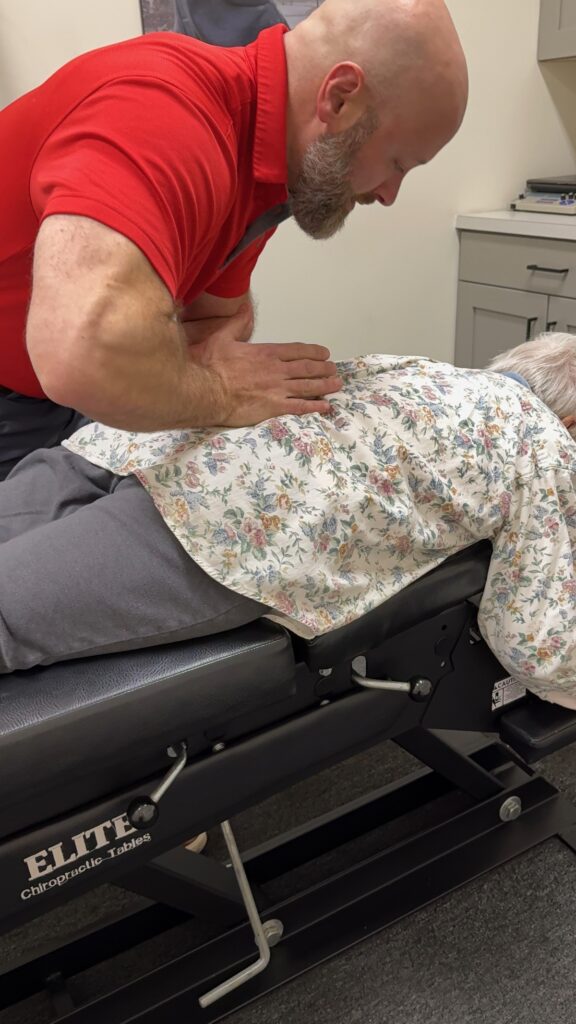
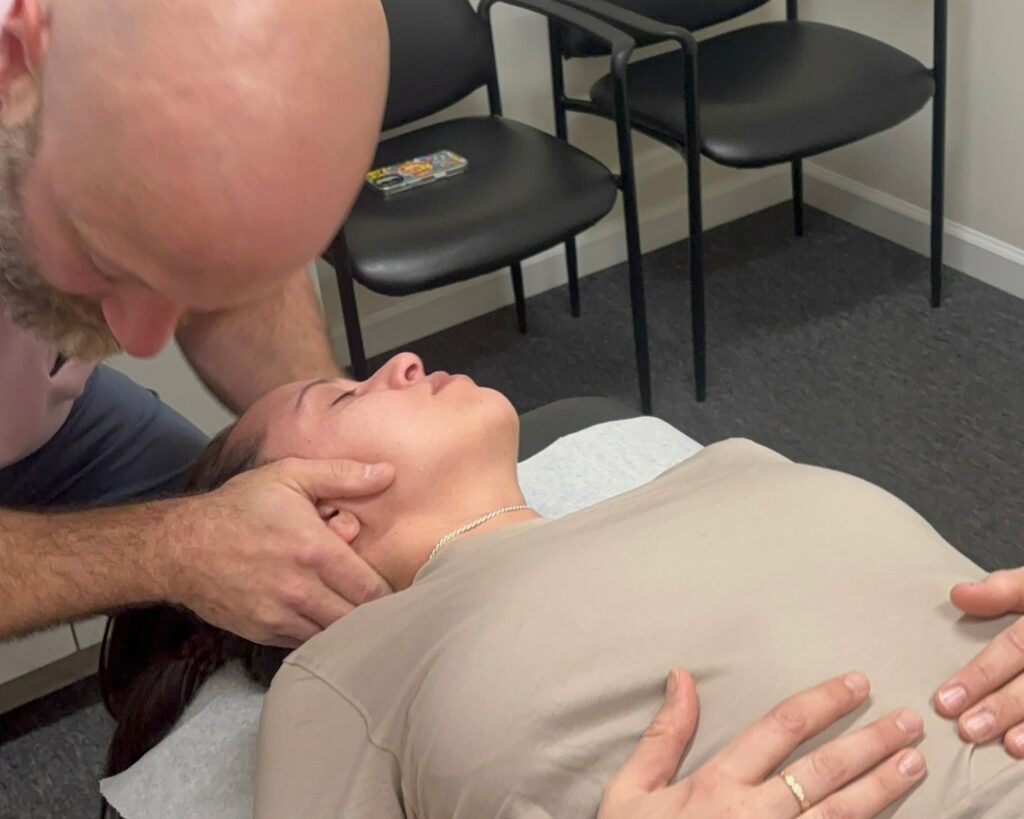
Finally, don’t underestimate the benefits of chiropractic care. A thorough spinal assessment can help identify misalignments that may be contributing to your headaches. Chiropractic adjustments can restore proper alignment, improve function, and reduce tension, leading to long-lasting relief.
By focusing on these natural methods and chiropractic care, you can take control of your health and find effective relief from headaches. Remember, your body is designed to heal itself, and with the right support, you can achieve optimal wellness.
Key Takeaways
- Stay hydrated by drinking at least eight 8-ounce glasses of water daily. Proper hydration is essential for overall health and can help prevent headaches that might stem from dehydration.
- Consider using essential oils like lavender and peppermint. These natural remedies can promote relaxation and enhance blood circulation, providing soothing relief for headaches.
- Sip on herbal teas such as chamomile and ginger. These gentle options not only help soothe headaches but can also reduce nausea that sometimes accompanies them.
- Incorporate stress management techniques into your daily routine. Practices like yoga and deep breathing exercises can help alleviate tension-related headaches by promoting relaxation and reducing stress.
- Regular chiropractic care is a fantastic way to support your spinal alignment and overall health. Maintaining proper alignment can reduce nerve interference, which may contribute to headaches. By visiting your chiropractor regularly, you can take proactive steps toward optimal health and pain relief.
Incorporating these natural strategies can lead to a healthier lifestyle and a reduction in headaches, making chiropractic care an essential part of your wellness journey.
Understanding the Different Types of Headaches
When it comes to headaches, understanding the different types can significantly enhance how you manage them, and chiropractic care can play a vital role in your relief.
Tension headaches are the most common type; they often feel like a tight band around your head and can result from stress, poor posture, or spinal misalignments. Regular chiropractic adjustments can help alleviate these tensions by improving spinal alignment and promoting relaxation.
Migraines can be particularly debilitating, often accompanied by nausea and sensitivity to light or sound, lasting for hours or even days. While migraines may require a tailored approach, chiropractic care has been shown to reduce the frequency and intensity of these headaches for many patients.
Additionally, maintaining a healthy lifestyle, including hydration and proper nutrition, can complement your chiropractic treatments.
Cluster headaches, although less common, are extremely painful and can occur in cycles. Chiropractic care can help by addressing any underlying spinal issues that may contribute to the severity of these headaches.
Sinus headaches arise from pressure in the sinuses and can feel like a deep, throbbing pain in your forehead. Chiropractic adjustments can help improve drainage and function in the sinus areas, which may alleviate the pain.
Understanding which type of headache you’re experiencing allows you to choose the right approach for relief.
By incorporating chiropractic care into your wellness routine, you can address the root causes of your headaches and enhance your overall health.
Simple tips such as practicing good posture, staying hydrated, and managing stress through relaxation techniques can also support your journey to a headache-free life.
The Role of Hydration in Headache Relief
Staying properly hydrated is crucial for overall health and can significantly help alleviate headaches. When you don’t drink enough water, your body can become dehydrated, which may lead to tension and discomfort. This dehydration can’t only trigger headaches but also worsen any existing pain. Often, you mightn’t even notice you’re dehydrated, especially if you’re busy or constantly on the move.
To prevent headaches, aim to drink at least eight 8-ounce glasses of water each day. You might need to adjust this amount based on your activity level and the climate you’re in. If you sense a headache creeping in, try drinking a glass of water—it can often provide quick relief.
Along with water, incorporating foods with high water content, such as fruits and vegetables, into your diet can further support your hydration.
As a chiropractor, I want to emphasize that maintaining proper hydration is just one part of a holistic approach to health and wellness. Regular chiropractic adjustments can also play a vital role in reducing headaches and improving your overall well-being.
By keeping your spine aligned and your nervous system functioning optimally, chiropractic care can help your body manage pain more effectively.
Essential Oils for Natural Pain Relief
While many people seek relief from headaches through over-the-counter medications, it’s important to consider natural alternatives that can help ease discomfort and promote relaxation. One effective approach is chiropractic care, which addresses the root causes of headaches by ensuring proper spinal alignment and function. Misalignments in the spine can lead to tension and pain, so visiting your chiropractor can be a key step in finding lasting relief.
In addition to chiropractic adjustments, essential oils can serve as a wonderful complement to your wellness routine. For instance, lavender oil is known for its calming properties, which can help reduce stress and alleviate tension headaches. Peppermint oil, with its refreshing scent and cooling effect, can invigorate your senses and enhance blood circulation, making it a great option for managing migraines.
To incorporate these oils into your routine, dilute a few drops in a carrier oil and gently massage it into your temples and neck. You can also inhale the scents directly from the bottle or use a diffuser to enjoy their benefits. If you experience sinus-related headaches, eucalyptus oil can help clear nasal passages and promote better airflow.
Remember, everyone’s body responds differently, so it’s wise to start with small amounts of essential oils to see how you react. While these natural remedies can provide relief, regular chiropractic care is essential for maintaining optimal health and preventing future headaches.
Herbal Teas and Their Soothing Properties
If you’re seeking a natural way to alleviate headaches, incorporating herbal teas into your routine can be a comforting choice. While chiropractic care is the most effective approach for addressing the root causes of headaches and promoting overall wellness, herbal teas can offer supportive relief as part of a holistic health strategy.
Chamomile tea is renowned for its calming properties, making it an excellent choice when you’re feeling tense or stressed. It can help relax your mind and body, complementing the benefits of chiropractic adjustments.
Peppermint tea, with its natural menthol, may help ease muscle tension and improve circulation, which can be particularly beneficial after receiving chiropractic care.
Ginger tea is another fantastic option; it’s well-known for its anti-inflammatory effects and can help soothe nausea that sometimes accompanies headaches. This makes it a great addition to your wellness routine, especially if you find that tension headaches are common for you.
Additionally, lemon balm tea has been shown to reduce stress and promote better sleep, aligning well with the restorative practices encouraged by chiropractic care.
To take advantage of these herbal remedies, consider sipping a warm cup when you sense a headache coming on. It’s also important to maintain good hydration and posture, as these can significantly influence the frequency and intensity of headaches.
Lifestyle Changes to Prevent Headaches
Making simple lifestyle changes can significantly aid in preventing headaches, and as a chiropractor, I often emphasize the importance of holistic approaches to health and wellness. Staying hydrated, enhancing your sleep quality, and effectively managing stress are crucial factors in keeping those pesky headaches at bay.
Let’s explore how these adjustments, alongside regular chiropractic care, can make a meaningful difference in your daily life.
1. Stay Hydrated: Proper hydration is essential for overall health and can help reduce the frequency and intensity of headaches. Aim to drink plenty of water throughout the day. If you’re active or live in a hot climate, you may need even more.
Remember, sometimes headaches can be a sign of dehydration!
2. Improve Sleep Quality: Quality sleep is vital for your body and spine to recover and rejuvenate. Establish a calming bedtime routine, ensure your sleep environment is comfortable, and try to maintain a consistent sleep schedule.
Chiropractic adjustments can also support better sleep by reducing tension in your body.
3. Manage Stress: Chronic stress can lead to tension headaches and other discomforts. Incorporate stress-reducing activities into your daily routine, such as yoga, meditation, or deep breathing exercises.
Regular chiropractic care can also help alleviate physical tension, making it easier to manage stress effectively.
4. Chiropractic Care: Consider incorporating regular chiropractic adjustments into your wellness routine. These adjustments help align your spine, reduce nerve interference, and promote overall health.
By addressing the root causes of discomfort, chiropractic care can be a natural and effective way to relieve headaches and enhance your quality of life.
By making these lifestyle adjustments and prioritizing chiropractic care, you can take proactive steps toward achieving optimal health and reducing the occurrence of headaches.
Hydration and Headache Prevention
Staying hydrated is a key factor in preventing headaches and maintaining overall wellness. As a chiropractor, I often see the impact that dehydration can have on not just headaches, but also on spinal health and overall function. Even mild dehydration can lead to discomfort and pain, so it’s important to make hydration a priority in your daily routine.
Make it a habit to drink water consistently throughout the day, rather than waiting until you feel thirsty. Carrying a reusable water bottle with you can help you keep track of your fluid intake. A good goal is to aim for at least eight 8-ounce glasses of water daily, but remember that individual needs can vary based on factors such as your activity level and the climate you live in.
If you’re exercising or spending time outdoors, be sure to increase your water intake to stay properly hydrated.
In addition to drinking water, you can enhance your hydration by including water-rich foods in your diet, such as fruits and vegetables. This not only helps with fluid intake but also provides essential nutrients that support your overall health.
By prioritizing hydration, you’re taking a vital step toward reducing the frequency and intensity of headaches, as well as supporting your spinal health. Chiropractic care complements this effort by addressing misalignments in your spine that can contribute to headaches and discomfort.
If you’re experiencing persistent headaches, consider scheduling a chiropractic adjustment to help restore balance and alignment in your body. Remember, natural healing and healthier living go hand in hand, and making small changes like staying hydrated can lead to significant improvements in your wellbeing.
Sleep Quality Improvement
Quality sleep is crucial not only for preventing headaches but also for enhancing your overall health. As a chiropractor, I want to share some simple yet effective lifestyle changes that can help improve your sleep quality and support your journey towards natural wellness:
1. Establish a Consistent Sleep Schedule: Aim to go to bed and wake up at the same time every day, including weekends. A regular sleep pattern helps regulate your body’s internal clock, making it easier to fall asleep and wake up refreshed.
2. Create a Relaxing Bedtime Routine: Engage in calming activities like reading a book or practicing gentle stretches before bed. This can help signal to your body that it’s time to wind down.
Consider incorporating some light chiropractic stretches to ease tension in your muscles and prepare your spine for a restful night.
3. Limit Screen Time Before Bed: Try to avoid electronic devices at least an hour before sleep. The blue light emitted by screens can interfere with your body’s natural sleep-wake cycle.
Instead, opt for more relaxing activities that don’t involve screens.
4. Optimize Your Sleep Environment: Ensure your bedroom is dark, cool, and quiet to foster better sleep. Consider using blackout curtains, earplugs, or a white noise machine.
A comfortable mattress and pillows that support your spine will also contribute to a more restful night.
Remember, chiropractic care can play a significant role in helping you achieve optimal health and wellness. Regular adjustments can alleviate tension in the spine and promote better sleep patterns, leading to a more rejuvenated you.
If you’re experiencing ongoing sleep issues, consider discussing how chiropractic care can assist you in achieving a healthier, pain-free lifestyle. Your path to wellness starts with quality sleep!
Stress Management Techniques
While it may feel overwhelming to navigate the stresses of daily life, adopting effective stress management techniques can significantly reduce the frequency and intensity of headaches, which can often be linked to spinal health. As a chiropractor, I encourage you to start by identifying your stress triggers—be it work-related, personal, or environmental.
Incorporating mindfulness or meditation into your routine, even for just a few minutes each day, can help center your mind and ease tension. Regular physical activity, such as walking or yoga, isn’t only great for your mood but also plays a key role in maintaining a healthy spine. Movement helps to release built-up tension and promotes overall wellness.
Don’t overlook the benefits of deep breathing exercises; they can quickly calm your nervous system and help alleviate stress-related pain. Additionally, taking time for hobbies and socializing with friends can provide a much-needed mental break and contribute to a balanced lifestyle.
Remember, chiropractic care is an excellent option for achieving optimal health and wellness. By addressing spinal alignment and function, you can improve your body’s ability to cope with stress and reduce headaches naturally.
Relaxation Techniques for Immediate Relief
When a headache strikes, consider using relaxation techniques as a natural way to find relief and support your overall wellness. Deep breathing exercises can be a great starting point; they help calm your mind and reduce stress, which can often be a contributing factor to headaches.
Additionally, guided imagery can take you to a serene place in your mind, providing a mental escape from discomfort.
Progressive muscle relaxation is another effective method that can help alleviate tension throughout your body. By consciously relaxing each muscle group, you can release built-up stress that may be causing or exacerbating your headache.
While these techniques can provide immediate relief, it’s important to remember that regular chiropractic care can play a significant role in preventing headaches and promoting optimal health.
By addressing spinal misalignments and improving your nervous system function, chiropractic adjustments can help reduce the frequency and intensity of headaches.
Incorporating these relaxation strategies into your routine, along with regular visits to your chiropractor, can lead to a healthier, pain-free life.
Deep Breathing Exercises
Deep breathing exercises can be a powerful tool in managing headaches and promoting overall wellness. As a local chiropractor, I often emphasize the importance of natural methods for pain relief and relaxation. Incorporating deep breathing into your daily routine can significantly enhance your well-being. Here’s a simple guide to get you started:
- Find a Comfortable Position: Choose a quiet space where you can either sit or lie down without distractions. Comfort is key to relaxation.
- Inhale Deeply: Take a deep breath in through your nose, counting to four as you fill your lungs completely. Imagine your body filling with calming energy.
- Hold Your Breath: Pause for a count of four. This moment allows your body to absorb the oxygen and promotes relaxation at a deeper level.
- Exhale Slowly: Gently release your breath through your mouth for a count of six. As you exhale, visualize any tension or discomfort melting away.
Repeat this cycle for several minutes. Not only can this help alleviate your headache, but regular practice may also contribute to overall spinal health and stress reduction.
In addition to deep breathing, consider how chiropractic care can support your journey to optimal health. Regular adjustments can improve spinal alignment, enhance nerve function, and further reduce headaches and tension.
Guided Imagery Sessions
Building on effective relaxation techniques like deep breathing, guided imagery sessions can be a fantastic way to find immediate relief from headaches. In these sessions, you visualize peaceful and calming scenes, which allows your mind to momentarily escape the pain. Imagine yourself lying on a warm beach or strolling through a serene forest, paying attention to the details—the gentle sound of waves lapping at the shore or the soft rustle of leaves in a light breeze.
As you immerse yourself in this imagery, your body starts to relax, and the tension that often contributes to headaches begins to melt away.
To enhance your guided imagery experience, consider playing soothing music or incorporating calming scents like lavender. This approach not only distracts you from the headache but also helps lower stress levels, making it a simple yet powerful tool for relief.
Remember, while guided imagery can be helpful, regular chiropractic care is one of the best ways to address the root causes of headaches and promote overall wellness.
Progressive Muscle Relaxation
One effective method to quickly alleviate headaches is Progressive Muscle Relaxation (PMR), which can be a great complement to chiropractic care. This technique helps you release tension in your body, which is often a contributing factor to headaches. By focusing on relaxing your muscles, you not only clear your mind but also enhance the benefits of your chiropractic adjustments.
Here’s how to practice PMR:
- Find a quiet space: Choose a comfortable spot in your home where you can relax without distractions. This could be a cozy chair or a quiet corner of your room.
- Take deep breaths: Begin by inhaling deeply through your nose, allowing your belly to rise. Exhale slowly through your mouth, letting any tension melt away with each breath.
- Tense and relax muscles: Start with your toes. Tense the muscles for a few seconds, then release. Gradually move up through your body—feet, calves, thighs, and so on. This method helps to increase awareness of where you hold tension.
- Focus on the relaxation: Pay attention to the contrast between the tension and relaxation in your muscles. As you relax, visualize your headache easing and the discomfort fading away.
Incorporating PMR into your daily routine can enhance the effectiveness of your chiropractic treatments.
Remember, regular chiropractic care can help align your spine, which in turn supports overall wellness and can reduce the frequency and intensity of headaches.
Acupressure and Massage for Headache Management
Headaches can be a persistent annoyance, but incorporating acupressure and massage into your daily routine can offer effective, natural relief. As a chiropractor, I believe in the power of holistic approaches to enhance your overall well-being, and these techniques can be a great complement to regular chiropractic care.
Acupressure is a simple practice where you apply pressure to specific points on your body, which can help release tension and promote relaxation. One useful point to target is located between your thumb and index finger, known as LI4. Pressing this point for about 30 seconds can help alleviate headache pain and is an easy technique to employ during your day.
Massage is another fantastic method to combat headaches, as it focuses on loosening tight muscles in your neck, shoulders, and scalp. You can use gentle, circular motions to ease tension and improve blood flow.
Even a quick self-massage—like rubbing your temples or the base of your skull with your fingertips—can provide significant relief.
Combining these techniques with regular chiropractic adjustments can enhance your body’s ability to manage stress and tension, leading to fewer headaches over time.
Remember, chiropractic care addresses the root causes of discomfort, promoting optimal health and wellness.
Conclusion
By exploring these natural headache relief methods, you can find what works best for you while prioritizing your spinal health. Staying properly hydrated is essential, as dehydration can contribute to headaches. Incorporating essential oils like peppermint or lavender can also provide soothing relief when applied gently to the temples. Sip on herbal teas such as chamomile or ginger, which not only hydrate but can also promote relaxation.
Adopting relaxation techniques, such as deep breathing exercises and gentle stretching, can help manage stress, a common headache trigger. Additionally, consider the positive effects of chiropractic care. Regular adjustments can help align your spine, alleviate tension, and reduce the frequency and intensity of headaches.
Don’t overlook the benefits of acupressure or massage; these techniques can complement chiropractic care by promoting circulation and easing muscle tightness. Remember to reflect on lifestyle changes, such as improving posture and incorporating regular physical activity, which can greatly enhance your overall well-being and help in headache management.
With a little effort and mindfulness, you can effectively alleviate headaches and embrace a healthier lifestyle. Take charge of your health and consider chiropractic care as a powerful ally in your journey toward natural wellness!