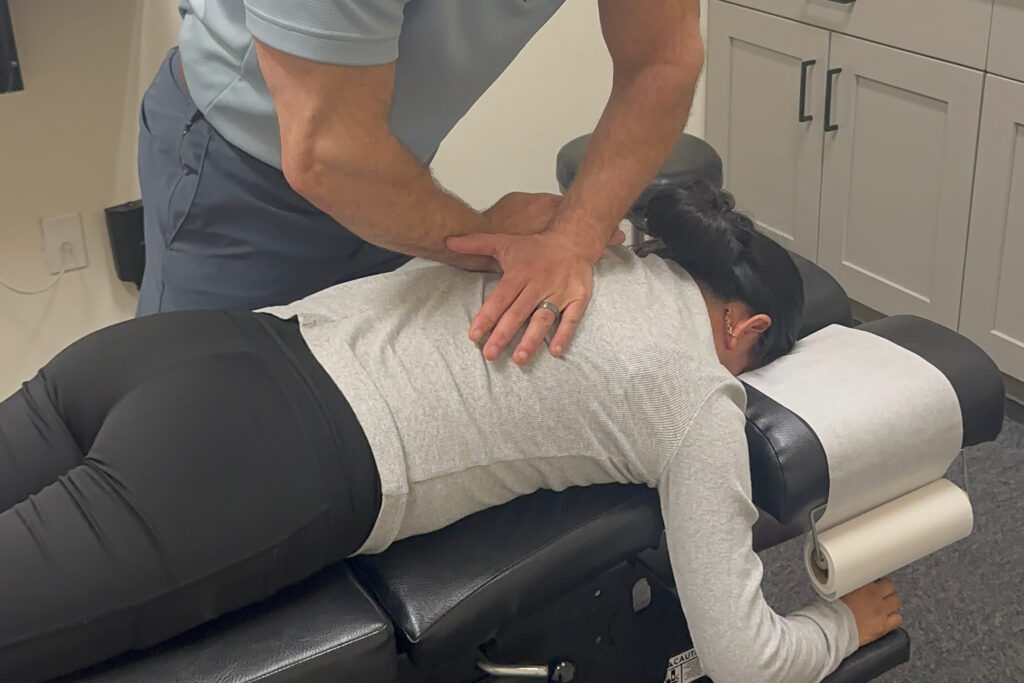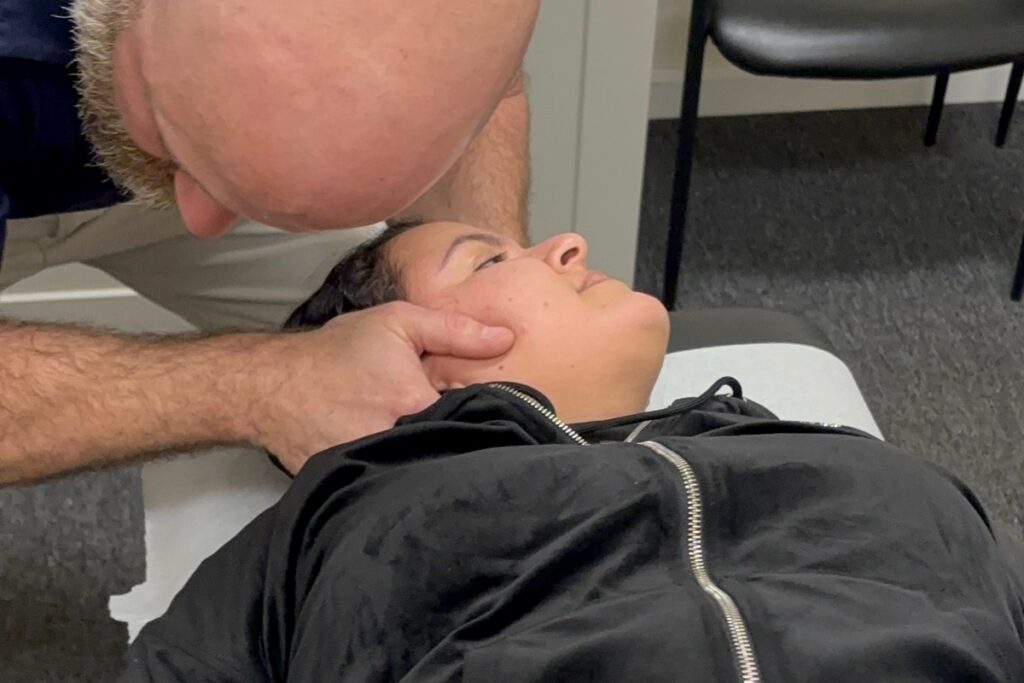
If you’re looking for ways to alleviate headaches without the reliance on over-the-counter medications, consider exploring natural approaches that prioritize your overall wellness. Simple lifestyle adjustments and the incorporation of chiropractic care can be effective strategies to relieve discomfort and promote a healthier you.
One of the first steps you can take is ensuring you’re well-hydrated. Dehydration is a common trigger for headaches, so drinking plenty of water throughout the day can make a significant difference. Additionally, pay attention to your posture, especially if you spend long hours sitting at a desk. Poor posture can contribute to tension in the neck and shoulders, leading to headaches. Regular chiropractic adjustments can help correct spinal misalignments and improve your posture, which in turn may reduce headache frequency and intensity.
Incorporating relaxation techniques such as deep breathing exercises, gentle stretching, or yoga can also be beneficial. These practices not only help to relieve muscle tension but promote overall wellness as well. Another natural remedy to consider is the use of essential oils. Lavender and peppermint oil, for example, can provide soothing relief when applied to the temples or inhaled.
Lastly, don’t underestimate the power of a good night’s sleep. Ensuring you have a restful sleep environment can work wonders for your overall health and reduce headache occurrences.
Remember, chiropractic care is an excellent choice for managing headaches naturally. By addressing the root causes of pain through spinal adjustments and holistic practices, you can achieve optimal health and experience fewer headaches. If you’re interested in learning more about how chiropractic care can help you, don’t hesitate to reach out for a consultation. Your journey to a healthier, headache-free life starts here!
Key Takeaways
- Ensure you’re drinking enough water—aim for at least eight glasses a day. Staying hydrated is essential, as dehydration can lead to headaches. Remember, a well-hydrated body supports spinal health too!
- Consider adding magnesium-rich foods like leafy greens, nuts, and seeds to your meals. These foods can help reduce headache frequency while also promoting overall wellness. Hydrating fruits, such as watermelon and oranges, can also play a role in keeping you feeling great.
- Herbal remedies like peppermint and ginger can offer natural relief. Peppermint can enhance circulation, while ginger helps reduce inflammation, both of which are beneficial for headache management.
- Incorporating mindfulness techniques like deep breathing and guided meditation can be incredibly effective in reducing stress and tension, which are common headache triggers. A calm mind complements a healthy spine!
- Regular chiropractic adjustments are one of the best ways to support your spinal health. By improving the alignment of your spine, chiropractic care enhances the function of your nervous system, helping to reduce the intensity and frequency of headaches.
Remember, taking care of your spine is crucial for overall health and wellness. By incorporating these natural methods along with chiropractic care, you can pave the way for a headache-free life!
Understanding the Different Types of Headaches
When it comes to headaches, understanding the different types can significantly enhance your ability to manage them naturally. Many of us have experienced tension headaches, which often feel like a tight band around your head. These are frequently caused by stress, poor posture, or muscle tension.
As a chiropractor, I encourage you to consider how spinal alignment and relaxation techniques can alleviate this type of headache.
Migraines present another challenge, marked by intense pain that can be accompanied by nausea and sensitivity to light or sound. While these can be debilitating, regular chiropractic care can help address the underlying issues contributing to migraines, such as spinal misalignments and tension in the neck and shoulders.
Cluster headaches, though less common, involve severe pain typically around one eye and occur in cycles. For those suffering from these types of headaches, chiropractic adjustments may help by improving blood flow and reducing nerve irritability, potentially decreasing the frequency and intensity of attacks.
Sinus headaches are tied to sinus infections or allergies and can cause facial pressure and discomfort. Chiropractic care can support sinus health by enhancing drainage and reducing inflammation through gentle adjustments and techniques.
By identifying the type of headache you’re experiencing, you can tailor your approach to relief. Simple practices like maintaining proper posture, managing stress through relaxation techniques, and applying cold compresses can be effective.
Incorporating chiropractic care into your routine empowers you to take control of your health and well-being, promoting natural healing and optimal wellness. Remember, a healthy spine is key to a healthy body!
Hydration: The Key to Prevention
Staying hydrated is crucial for maintaining overall health and wellness, and it plays a significant role in preventing headaches. Your body relies on water to function optimally, including your spine and nervous system, which are vital for your overall well-being. When you’re not drinking enough water, you may experience signs of dehydration such as fatigue or a dry mouth—both of which can contribute to discomfort and even headaches.
Recognizing these symptoms early can empower you to take action before a headache sets in. One of the best ways to support your body is by ensuring you drink enough water throughout the day. Aim for at least eight glasses of water daily, but remember that individual needs may vary based on activity level and climate.
In addition to staying hydrated, consider incorporating regular chiropractic care into your wellness routine. Chiropractic adjustments can help improve spinal alignment, which in turn supports better hydration and nutrient absorption. When your spine is in alignment, the nervous system functions more effectively, allowing your body to communicate better and maintain balance.
Here are a few general tips to help you stay hydrated and promote a headache-free life:
- Carry a water bottle with you to ensure you’re sipping throughout the day.
- Set reminders on your phone to drink water at regular intervals.
- Incorporate hydrating foods into your diet, such as cucumbers, watermelon, and oranges.
- Consider scheduling regular chiropractic visits to keep your spine in top shape and support your overall health.
Importance of Water Intake
As a local chiropractor, I want to highlight the importance of proper hydration and its significant role in preventing headaches. Many people don’t realize how crucial water intake is for overall health and wellness. When you stay well-hydrated, your body operates more efficiently, which can reduce the chances of experiencing headaches.
Here are four key reasons to prioritize your water intake:
- Maintains Fluid Balance: Water is essential for regulating your body’s fluids. This balance is vital for all bodily functions, helping everything work smoothly, including your spine and nervous system.
- Supports Nutrient Absorption: Staying hydrated supports your digestion and helps your body absorb essential nutrients effectively. This is particularly important for maintaining a healthy spine and overall wellness.
- Regulates Temperature: Proper hydration helps your body maintain a stable temperature. This can be especially helpful in preventing headaches that may arise from overheating or environmental changes.
- Reduces Muscle Tension: Drinking enough water keeps your muscles relaxed. Tension in your muscles can lead to headaches, so staying hydrated is a simple yet effective way to minimize this discomfort.
As you focus on your hydration, remember that chiropractic care can further support your journey to optimal health. Regular adjustments can help ensure your spine is aligned, which enhances your body’s ability to function properly, including how you manage pain and tension.
Signs of Dehydration
Dehydration can sneak up on you, often without clear warning signs. As a chiropractor, I want to emphasize the importance of listening to your body, as it plays a key role in your overall health and wellness. You might start to notice subtle changes like a dry mouth, fatigue, or mild headaches. These are your body’s signals that it needs more water.
Feeling unusually thirsty? That’s your body’s way of asking for hydration. It’s also a good idea to keep an eye on the color of your urine; if it’s dark yellow, it’s time to drink up! You might also feel a bit dizzy or lightheaded, especially when standing up quickly, and if your skin doesn’t bounce back when pinched, that’s another sign you could use more fluids.
Ignoring these signals can lead to more severe symptoms and affect not just your hydration but your overall health, including your spinal health. Staying hydrated can help alleviate discomfort in your back and joints, making it easier for you to maintain proper alignment and mobility.
By prioritizing hydration and being mindful of these signs, you can prevent headaches and support your body’s natural healing processes. Make drinking water a daily habit, and consider how chiropractic care can complement your wellness routine.
Regular adjustments can help ensure your spine is aligned, which can promote better hydration absorption and overall health. Remember, your body is a complex system, and keeping it well-hydrated is a simple yet effective way to enhance your well-being.
Herbal Remedies for Natural Relief
Have you ever thought about using herbal remedies alongside chiropractic care to help ease your headaches naturally? While chiropractic adjustments are key in aligning your spine and promoting overall wellness, certain herbs can complement your journey to relief without the side effects of pharmaceuticals.
Here are four herbal options that might support your health:
- Peppermint: This refreshing herb can enhance circulation and relax tense muscles, which is particularly helpful during a headache. Consider sipping peppermint tea or applying diluted peppermint oil to your temples for a soothing effect.
- Ginger: Often hailed for its anti-inflammatory properties, ginger may help reduce headache severity and alleviate nausea that sometimes accompanies migraines. Try incorporating fresh ginger into your meals or sipping ginger tea.
- Feverfew: This herb has a long history of use for migraine prevention. Some individuals find that it helps lessen the frequency and intensity of headaches. If you’re considering feverfew, consult with your chiropractor for guidance on incorporating it into your wellness routine.
- Chamomile: Known for its calming effects, chamomile can promote relaxation and improve sleep—two essential factors in managing tension headaches. Enjoy a warm cup of chamomile tea before bedtime to enhance your self-care routine.
Remember, while herbal remedies can provide supportive benefits, regular chiropractic adjustments are a fundamental part of maintaining a healthy spine and nervous system, which can significantly reduce headache occurrences.
Always consult with your chiropractor to find the best holistic approach tailored to your needs. Embracing a combination of chiropractic care and these natural remedies may lead you to a more balanced and pain-free life.
The Power of Essential Oils
Essential oils can be a fantastic addition to your wellness routine, especially for those dealing with headaches. While I always recommend considering chiropractic care as the primary approach for pain relief, essential oils can complement your journey to better health.
For instance, lavender oil is known for its calming properties, which can help promote relaxation and reduce tension in your body. This relaxation can be beneficial, especially when combined with regular chiropractic adjustments that help realign your spine and relieve stress.
Peppermint oil is another excellent option; it invigorates and cools your temples, providing a refreshing sensation. When you incorporate this with chiropractic care, you not only address the immediate discomfort but also work on the underlying issues that may be contributing to your headaches, such as spinal misalignments.
Eucalyptus oil can also be helpful in opening up your airways, making it easier to breathe. Improved breathing can reduce tension and enhance your overall wellness.
Remember, while essential oils are supportive, they shouldn’t replace the essential benefits of chiropractic adjustments, which target the root cause of pain and promote natural healing.
For those looking to enhance their health naturally, consider these general tips: stay hydrated, maintain good posture, and practice stress-reducing techniques like deep breathing or meditation.
Lavender Oil Benefits
As a local chiropractor, I understand that many individuals seek relief from headaches, often resorting to over-the-counter medications. However, I believe that natural alternatives, such as lavender oil, can complement chiropractic care and enhance your overall wellness journey. Here’s how lavender oil can support your health and potentially help with headaches:
- Calms the Mind: The soothing aroma of lavender oil can help reduce anxiety and stress, which are known headache triggers. When your mind is calm, it can positively impact your body’s overall function, including spinal health.
- Reduces Inflammation: Lavender oil has anti-inflammatory properties that may assist in alleviating pain and discomfort. While chiropractic adjustments primarily focus on spinal alignment, using lavender oil can be a gentle addition to your wellness routine.
- Promotes Relaxation: Inhaling lavender oil can help you unwind, allowing your muscles to relax. This is especially beneficial if you experience tension headaches, as relaxation can relieve tightness in the neck and shoulders—areas often affected by misalignments in the spine.
- Improves Sleep Quality: Quality sleep is crucial for overall health and can decrease the frequency of headaches. Lavender oil is renowned for its sleep-enhancing effects, and good rest supports your body’s repair processes, including spinal health.
Incorporating lavender oil into your daily routine, alongside regular chiropractic care, can be an excellent step toward achieving natural headache relief and overall wellness.
Remember, maintaining a well-aligned spine is key to your health, and combining it with soothing practices like aromatherapy can create a holistic approach to pain management and well-being.
Always consult with your chiropractor about the best ways to incorporate these practices for your unique health needs.
Peppermint Oil Application
Peppermint oil can be a wonderful natural remedy for headaches, and when combined with chiropractic care, it can offer even greater relief. As a local chiropractor, I encourage my patients to explore holistic approaches to health and wellness.
Applying peppermint oil topically is simple: dilute a few drops with a carrier oil, such as coconut or jojoba oil, and gently massage this blend onto your temples and the back of your neck. This not only provides a cooling sensation that can help increase blood flow, easing tension, but also complements the benefits of chiropractic adjustments.
In addition to topical application, you can inhale the uplifting aroma of peppermint oil directly from the bottle or through a diffuser. This can help clear your mind and enhance your overall well-being, making it a great addition to your self-care routine. Remember to test for skin sensitivity before using it and avoid applying it to broken skin.
While peppermint oil is a great natural option, it’s important to consider regular chiropractic care for optimal health. Chiropractic adjustments can help address the root causes of headaches, such as tension in the neck and spine.
By maintaining proper spinal alignment, you can enhance your body’s ability to heal naturally and reduce the frequency and severity of headaches.
Incorporating these natural methods into your wellness routine can lead to better overall health. Always listen to your body and consult with your chiropractor to create a personalized approach to pain relief and wellness that works best for you.
Eucalyptus Oil Effects
If you’re looking for a natural way to alleviate headaches, eucalyptus oil might be a helpful option. While I always recommend considering chiropractic care for pain relief and overall wellness, eucalyptus oil can complement your health routine. This essential oil is recognized for its soothing properties and may assist in reducing headache symptoms.
Here’s how you can benefit from eucalyptus oil alongside your chiropractic care:
- Anti-inflammatory: Eucalyptus oil can help decrease inflammation, which may ease tension in your head and neck. This is especially important since spinal alignment plays a key role in reducing overall tension.
- Decongestant: If sinus issues are contributing to your headaches, eucalyptus oil can work to clear your sinuses. Improved breathing can enhance your overall comfort and well-being.
- Relaxation: The aroma of eucalyptus promotes relaxation, which can help lower stress and anxiety levels. This is significant because stress is often a trigger for headaches. Pairing this with regular chiropractic adjustments can lead to even better results.
- Topical application: You can dilute eucalyptus oil with a carrier oil and apply it to your temples for a soothing effect. This simple method can provide immediate relief, especially when combined with the benefits of spinal care.
Incorporating eucalyptus oil into your routine can be an easy and effective way to support your health and manage headaches naturally.
However, remember that regular chiropractic care is key to achieving optimal health and preventing future discomfort. Always consult with your chiropractor for personalized advice on managing headaches and maintaining overall wellness.
Acupressure Techniques to Ease Discomfort
Acupressure techniques can be a valuable addition to your wellness toolkit, especially when it comes to alleviating discomfort like headaches. Here are some simple acupressure points you can try, which can complement your chiropractic care for even better results.
One effective pressure point is located between your thumb and index finger, known as LI4. Gently press and hold this point for 30 seconds to a minute while taking deep breaths. This technique can help relieve tension and enhance your overall well-being.
Another key area to focus on is the base of your skull where your neck meets your head. Use your thumbs to apply firm pressure here, as this can also provide significant relief from headaches.
You might also want to try pressing the area between your eyebrows, known as Yintang. This spot can help ease tension and promote relaxation. Additionally, don’t overlook your temples; using circular motions with your fingertips can help further reduce discomfort.
Incorporating these techniques into your routine can be beneficial, especially when combined with regular chiropractic adjustments. Remember, it’s important to listen to your body and find the right pressure and rhythm that works for you. With practice, you’ll discover effective ways to manage headaches naturally.
Chiropractic care focuses on the spine’s health and overall nervous system function, which is essential for optimal health. By maintaining a well-aligned spine, you can decrease the frequency and intensity of headaches, paving the way for a healthier, pain-free life.
Make sure to consult with your chiropractor for personalized advice that supports your journey to wellness.
Mindfulness and Meditation for Stress Reduction
While stress is a common trigger for headaches, incorporating mindfulness and meditation into your daily routine can significantly enhance your overall well-being and complement the benefits of chiropractic care.
By fostering a sense of calm and relaxation, these techniques can help alleviate tension and prevent headaches, making chiropractic adjustments even more effective. Here are four straightforward practices to help you get started on your journey to a more relaxed and healthier life:
- Deep Breathing: Take a moment to focus on your breath. Inhale deeply through your nose, allowing your abdomen to expand, and exhale slowly through your mouth. This simple technique can help lower stress levels and promote relaxation, which is essential for optimal spinal health.
- Body Scan: Find a comfortable position, either lying down or seated. Mentally scan your body from head to toe, paying attention to any areas that feel tense. As you identify these areas, consciously relax them. This practice can enhance your body awareness and support the adjustments made during your chiropractic visits.
- Guided Meditation: Consider using apps or online resources for guided meditation sessions that lead you through calming visualizations. These sessions can help reduce stress and support your overall wellness journey, allowing your body to heal naturally.
- Mindful Walking: Take a short, leisurely walk outdoors. Focus on your surroundings, the sensation of your feet making contact with the ground, and your breath. This mindful practice promotes relaxation and can help clear your mind, making it easier to maintain a healthy lifestyle.
By incorporating these mindfulness and meditation techniques into your routine alongside regular chiropractic care, you can create a holistic approach to managing stress and enhancing your overall health.
The Role of Exercise in Headache Management
Exercise plays a vital role in managing headaches, as it not only helps reduce tension but also enhances your overall physical health. Regular physical activity promotes the release of endorphins, your body’s natural painkillers, which can help alleviate headache symptoms.
Whether you prefer a brisk walk, yoga, or cycling, choosing an activity that you enjoy will make it easier to stay consistent and committed to your health. Incorporating movement into your daily routine can also improve your posture and flexibility, which is crucial in preventing tension headaches that may arise from muscle strain.
Aim for at least 30 minutes of moderate exercise most days of the week to help support your spine and overall wellness. As you engage in exercise, listen to your body. If you find that certain activities trigger headaches, it’s important to adjust your routine accordingly.
Staying hydrated and incorporating gentle stretching before and after your workouts can further alleviate tension and promote relaxation. Additionally, chiropractic care can be an excellent complement to your exercise routine.
Regular chiropractic adjustments can help ensure your spine is aligned, which supports your nervous system and can enhance your body’s ability to function optimally. By prioritizing exercise and seeking chiropractic care, you’re taking proactive steps towards preventing and managing headaches naturally.
Dietary Adjustments to Consider
Making dietary adjustments can play a significant role in managing headaches, and as a local chiropractor, I want to share how these changes can complement your journey to optimal health.
By being mindful of your nutrition, you can help reduce the frequency and intensity of headaches while also supporting your overall well-being. Here are some simple adjustments to consider:
- Stay Hydrated: Dehydration is a common headache trigger. Make it a habit to drink plenty of water throughout the day—aim for at least 8 glasses. Staying hydrated not only helps with headache prevention but also supports spinal health and overall bodily functions.
- Limit Caffeine: While some people find relief from headaches with small amounts of caffeine, too much can lead to withdrawal headaches. Keep an eye on your caffeine intake and consider alternatives like herbal teas that can be both soothing and hydrating.
- Avoid Processed Foods: Many processed foods contain preservatives and additives that can trigger headaches. Focus on whole, natural foods, such as fruits, vegetables, and lean proteins. This not only nourishes your body but also supports your spine and overall health.
- Incorporate Magnesium-Rich Foods: Magnesium plays an important role in preventing headaches, and you can find it in foods like spinach, nuts, and whole grains. Including these foods in your diet can help reduce headache occurrences and promote relaxation, which is beneficial for both your body and your spine.
Remember, dietary adjustments can be a natural way to enhance your overall health and complement the benefits of chiropractic care.
Conclusion
Incorporating natural methods to alleviate headaches can significantly enhance your overall wellness journey, and chiropractic care plays a vital role in this process. Staying hydrated is essential, as dehydration can contribute to headache discomfort. Additionally, using herbal remedies and embracing essential oils can support your body’s natural healing abilities.
Don’t underestimate the power of acupressure and mindfulness techniques, which can help reduce stress and tension—common triggers for headaches. Regular exercise not only promotes physical health but also aids in relieving headache symptoms by improving circulation and reducing muscle tension.
Making simple dietary adjustments, such as incorporating more whole foods and reducing processed items, can also play a significant role in preventing headaches. Remember, prioritizing these holistic techniques empowers you to take control of your headaches and enhances your quality of life.
As a chiropractor, I recommend exploring spinal care, which can address underlying issues contributing to headache pain. Regular chiropractic adjustments not only relieve tension but also help align your spine, promoting optimal nervous system function. This approach is a natural way to achieve pain relief and support your journey towards better health. Always consult with a chiropractor for personalized strategies tailored to your unique needs, and together we can work towards alleviating your headaches and enhancing your overall wellness.