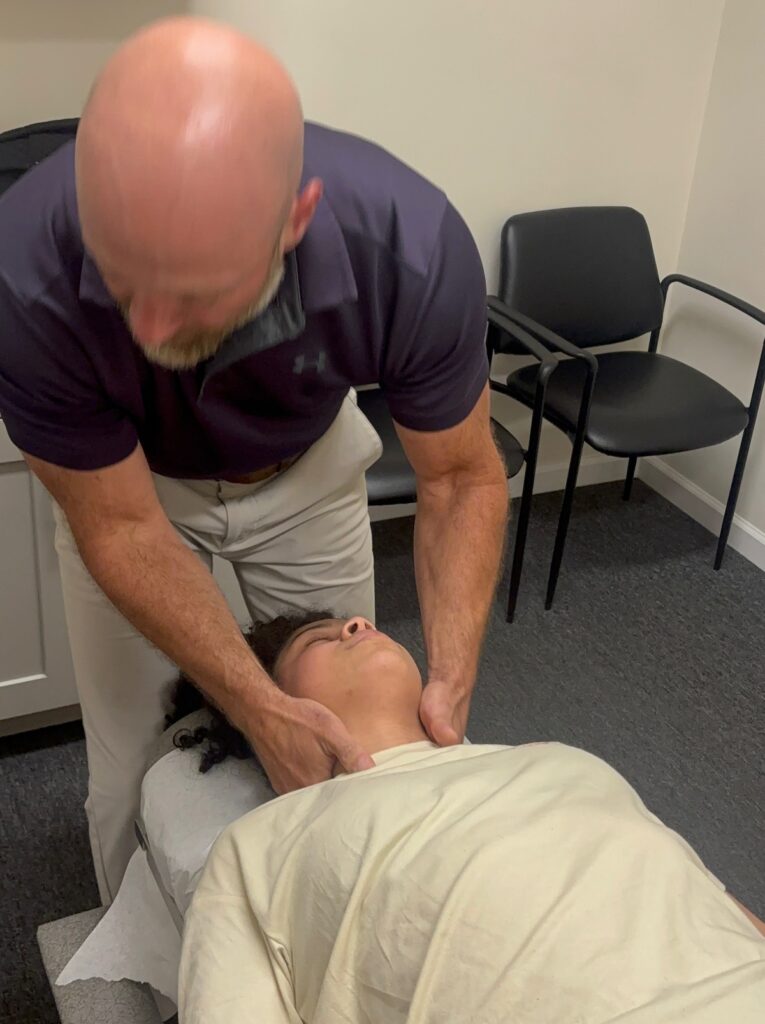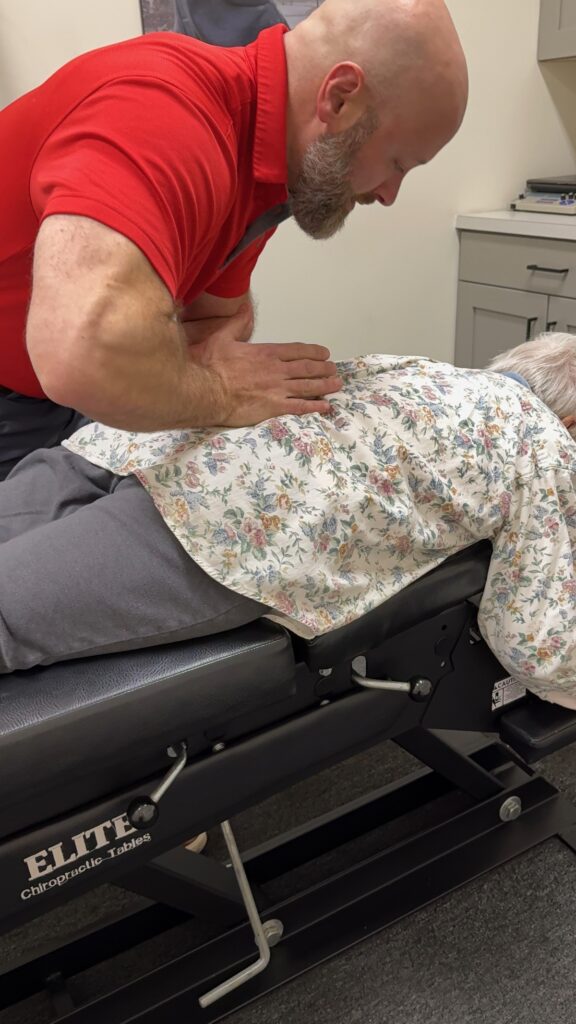

If you’re dealing with low back pain, know that you’re not alone – it’s a common issue that affects many individuals. Fortunately, there are effective non-invasive solutions, particularly through chiropractic care, that can help you find relief in just 30 days. By incorporating gentle chiropractic adjustments, targeted exercises, and mindful practices into your routine, you can significantly improve your spinal health and regain your mobility.
Getting started on your journey to wellness is easier than you might think! Here are some specific steps that can lead to lasting results:
- Schedule a Chiropractic Assessment: Your first step should be to consult with a local chiropractor. They will assess your spine, posture, and overall health to develop a tailored plan that addresses your specific needs.
- Regular Adjustments: Consistent chiropractic adjustments can help realign your spine, relieve pressure on nerves, and improve your overall function. This is essential for reducing pain and preventing future issues.
- Engage in Targeted Exercises: Your chiropractor can guide you through specific exercises designed to strengthen the muscles that support your spine. These exercises are crucial for enhancing flexibility and stability, which can alleviate pain in the long run.
- Practice Mindfulness and Stress-Relief Techniques: Incorporating mindfulness practices, such as yoga or meditation, can help reduce stress and tension in your body, which may contribute to your back pain. Your chiropractor might suggest some gentle stretches or relaxation techniques to ease discomfort.
- Maintain a Healthy Lifestyle: Focus on a balanced diet, stay hydrated, and ensure you’re getting enough rest. These lifestyle choices can have a profound impact on your overall health and well-being.
Remember, chiropractic care is a natural and effective way to achieve optimal health without the need for medications or surgeries. By focusing on your spine’s health, you can unlock your body’s natural healing potential and enjoy a pain-free life. Make the commitment to prioritize your well-being, and you’ll be on your way to experiencing relief in just 30 days!
Key Takeaways
- Schedule regular chiropractic adjustments to help realign your spine, ease muscle tension, and encourage your body’s natural healing process throughout the month. Chiropractic care is a safe and effective way to achieve pain relief without the need for medications or surgeries.
- Incorporate core-strengthening exercises like planks and bridges into your routine three times a week. These exercises not only support spinal alignment but also help to alleviate discomfort by building strength in the muscles that stabilize your back.
- Pay attention to your posture and create an ergonomic workspace. By ensuring that your desk setup supports proper alignment, you can significantly reduce strain on your back during everyday tasks. This simple adjustment can lead to improved comfort and overall wellness.
- Dedicate 10 minutes each day to gentle stretching routines. Stretching can enhance flexibility and relieve tension in your back and legs, making it an excellent complement to your chiropractic care.
- Focus on nourishing your body with a balanced diet that includes plenty of anti-inflammatory foods, and remember to stay hydrated. Proper nutrition plays a crucial role in supporting your recovery and promoting optimal muscle health, further enhancing the benefits of chiropractic care.
By incorporating these practices into your daily life, you’ll not only find relief from low back pain but also pave the way for a healthier, more active lifestyle. Prioritizing chiropractic care is a proactive step towards achieving your wellness goals naturally!
Understanding Low Back Pain: Causes and Symptoms
When you experience low back pain, it’s essential to understand its causes and symptoms to find effective relief. Common causes include muscle strain, herniated discs, and poor posture. Often, you might feel discomfort after heavy lifting or prolonged sitting. By identifying these triggers, you can take steps to avoid further injury and promote healing.
Symptoms of low back pain can vary widely. You may experience sharp or dull aches, stiffness, or even pain that radiates down your legs. If you notice numbness or tingling, it could indicate nerve involvement, which is something to address promptly.
It’s important to recognize that emotional stress can also contribute to muscle tension in your back, worsening your pain. Keeping a journal of your symptoms and any activities that exacerbate them can be a valuable tool in managing your condition.
Chiropractic care is an excellent choice for addressing low back pain naturally. Through targeted adjustments, chiropractors can help realign your spine, relieve muscle tension, and improve your overall posture, promoting better health and wellness.
In addition to chiropractic adjustments, consider incorporating some simple lifestyle tips to support your back health:
- Practice good posture, especially when sitting for long periods.
- Engage in regular stretching or yoga to enhance flexibility.
- Stay active with low-impact exercises, like walking or swimming, to strengthen your back muscles.
- Manage stress through relaxation techniques like deep breathing or meditation.
The Role of Physical Therapy in Pain Management
Understanding the causes and symptoms of low back pain is essential for exploring effective treatment options, with chiropractic care standing out as a prime choice.
When you visit a chiropractor, you receive personalized care that focuses on the underlying issues causing your discomfort. This holistic approach often includes spinal adjustments, gentle manipulation, and guidance on improving your posture and body mechanics.
Through targeted chiropractic techniques, you can enhance flexibility, strengthen your core, and promote better spinal alignment—all crucial elements for relieving pain and preventing future back problems. Furthermore, chiropractors provide valuable education about your condition, empowering you to take control of your health and manage your pain naturally.
Regular chiropractic sessions can also reduce muscle tension and encourage relaxation, contributing to your overall recovery. By choosing chiropractic care, you’re making a proactive decision toward managing your low back pain and improving your overall well-being.
Here are some simple tips you can incorporate into your daily routine to support your spinal health:
- Maintain good posture while sitting and standing.
- Engage in regular stretching and strengthening exercises.
- Stay active with low-impact activities like walking or swimming.
- Use ergonomic furniture to support your spine during work or leisure.
Effective Stretching and Strengthening Exercises
Incorporating effective stretching and strengthening exercises into your routine can significantly relieve low back pain and improve your overall mobility. As your local chiropractor, I want to emphasize that these exercises complement the benefits of chiropractic care, which focuses on natural healing and optimal spinal health.
Start with gentle stretches like the cat-cow pose. This simple movement not only increases flexibility but also helps release tension in your back. Hold each position for 15-30 seconds while breathing deeply to promote relaxation. Remember, the more relaxed your body is, the more effective the stretch will be.
Next, let’s focus on strengthening your core. A strong core is crucial because it supports your spine and helps maintain proper alignment. Planks and bridges are excellent exercises that can be done in the comfort of your home. Aim for three sets of 10-15 repetitions each. These exercises build strength and enhance stability, which are vital for back health.
You might also want to add pelvic tilts and knee-to-chest stretches to your routine, as they specifically target the lower back muscles. These movements can be particularly beneficial in easing discomfort and improving flexibility.
As you engage in these exercises, always listen to your body. If something doesn’t feel right, ease off and modify the movement. It’s important to prioritize your comfort and safety. Consistency is key to seeing results, so try to incorporate these stretches and strengthening exercises several times a week.
Exploring Alternative Therapies: Acupuncture and Chiropractic Care
Exploring alternative therapies like chiropractic care can be a game-changer for relieving low back pain. As a chiropractor, I believe that spinal health is foundational for overall wellness. Chiropractic care focuses on spinal manipulation to restore proper alignment, which can help alleviate pain and improve your body’s function. By addressing misalignments in your spine, you may experience reduced discomfort and enhanced mobility.
One of the great things about chiropractic care is that it emphasizes a holistic approach. We aim to identify and treat the root causes of your pain rather than just masking the symptoms. Every patient is unique, and as such, chiropractors develop personalized treatment plans that may include adjustments, exercises, and lifestyle advice tailored specifically to your needs.
In addition to seeking professional chiropractic care, there are simple self-care tips you can incorporate into your daily routine. Maintaining proper posture, staying active with gentle stretching, and using ergonomic furniture can all support your spinal health. Remember to listen to your body and give it the care it needs.
As you consider your options for managing low back pain, I encourage you to explore chiropractic care as a natural and effective solution. Consulting with a qualified chiropractor can lead you on the path to optimal health and wellness, helping you regain control over your life without the need for medications or invasive procedures. Embracing chiropractic care can lead to significant improvements in your pain management and overall well-being.
The Importance of Posture and Ergonomics
Your posture plays a crucial role in preventing and relieving low back pain. As a local chiropractor, I want to emphasize the importance of proper spinal alignment in your daily activities. By adjusting your sitting position and considering a standing desk, you can make significant improvements in your comfort throughout the day.
Here are some simple ergonomic adjustments you can implement in your workplace to promote better posture and support your spine:
- Chair Height: Ensure your chair is at the right height so your feet can rest flat on the floor, with your knees slightly lower than your hips. This position helps maintain the natural curve of your spine.
- Back Support: Use a chair that supports your lower back. If your chair doesn’t have built-in lumbar support, consider using a cushion to maintain the curve in your lower back.
- Monitor Placement: Position your computer monitor at eye level to avoid straining your neck. The top of the screen should be at or just below eye level, and about an arm’s length away from you.
- Keyboard and Mouse: Keep your keyboard and mouse close enough that you can use them comfortably without reaching. Your elbows should remain at a 90-degree angle to prevent strain.
- Take Breaks: Don’t forget to give your body a break! Stand, stretch, and move around every hour to relieve tension and improve circulation.
By integrating these simple tips into your daily routine, you can enhance your comfort and support your spine.
Remember, chiropractic care is a natural and effective way to achieve optimal health and relieve pain. Regular adjustments can help maintain proper alignment and prevent discomfort, allowing you to live your best life.
If you have ongoing pain, consider visiting your local chiropractor for personalized care tailored to your needs.
Your spine will thank you!
Correct Sitting Position
Many people underestimate how significantly sitting posture impacts their overall health, particularly in preventing low back pain. As a chiropractor, I want to emphasize the importance of maintaining a correct sitting position for your spine’s health and your overall well-being.
When you sit, ensure that your feet are flat on the floor and your knees are bent at a right angle. This position helps align your spine properly and reduces strain on your back. Your chair should support your lower back, promoting a natural curve that’s vital for spinal health. Keep your shoulders relaxed and avoid slouching, which can lead to discomfort and pain over time.
Position your computer screen at eye level to minimize neck strain. This simple adjustment can significantly reduce tension in your neck and shoulders, making your work experience more comfortable.
If you find yourself sitting for long periods, remember to take breaks! Stand up, stretch your body, and give your muscles a chance to relax. This practice isn’t only beneficial for your spine but also enhances your productivity.
Investing in an ergonomic chair can be a game-changer for your comfort and spinal support. A well-designed chair can help you maintain proper posture and reduce the likelihood of developing pain.
Remember, maintaining a correct sitting position isn’t just about comfort; it’s crucial for your long-term health. If you’re experiencing pain or discomfort, consider chiropractic care as a natural and effective solution. Chiropractic adjustments can help align your spine, relieve pain, and promote overall wellness.
Standing Desk Benefits
Switching to a standing desk can significantly enhance your daily routine and contribute to better spinal health. By elevating your workspace, you encourage a more natural alignment of your spine, which helps alleviate strain on your lower back. As a chiropractor, I often emphasize the importance of maintaining good posture, and standing while you work is a great step towards achieving that.
Standing can improve circulation, leading to increased energy levels and better focus throughout your day. This shift not only helps relieve discomfort but also encourages a more active lifestyle, as you’ll likely find yourself moving around more often. When you maintain better posture, you may experience less tension in your shoulders and neck, which is vital for your overall well-being.
In addition to using a standing desk, there are simple tips you can incorporate into your routine to support spinal health:
- Take Frequent Breaks: Whether you’re sitting or standing, it’s crucial to take short breaks every 30-60 minutes. This helps reduce strain on your body.
- Stretch Regularly: Incorporate gentle stretches into your day. Focus on your neck, shoulders, and back to relieve tension.
- Wear Comfortable Shoes: Supportive footwear can make a big difference in how your body feels throughout the day.
- Adjust Your Workspace: Ensure your monitor is at eye level and your desk is at a comfortable height to promote good posture.
- Stay Hydrated: Drinking plenty of water can help keep your muscles and joints healthy.
Embracing a standing desk is a straightforward yet impactful way to prioritize your health and combat low back pain. Remember, chiropractic care is an excellent choice for achieving optimal health, as it focuses on natural healing and wellness. If you’re experiencing discomfort, consider visiting a chiropractor to explore personalized strategies for pain relief and improved spinal health.
Give these tips a try, and you may notice a significant difference in how you feel!
Workplace Ergonomic Adjustments
In today’s fast-paced work environment, prioritizing ergonomics is crucial not only for maintaining good posture but also for supporting your overall spinal health. By making a few simple adjustments to your workspace, you can significantly reduce the risk of injury and promote natural healing.
Start by adjusting your chair height so that your feet rest flat on the floor, with your knees bent at a comfortable 90-degree angle. This positioning not only helps you sit comfortably but also supports your spine’s natural alignment. Position your computer screen at eye level to prevent any unnecessary strain on your neck, which can lead to discomfort or pain.
Choose a supportive chair that encourages proper lumbar support. A chair that supports the lower back will help keep your spine straight and reduce the chances of developing issues over time. If you find yourself typing for long periods, consider using a wrist rest to help minimize strain on your wrists and prevent discomfort.
Remember to take regular breaks to stretch and move around. This is essential for alleviating tension in your muscles and promoting better circulation. Simple stretches can help keep your spine flexible and reduce the risk of developing pain.
By implementing these ergonomic adjustments, you’ll create a more comfortable workspace that not only promotes better posture but also enhances your overall wellness. If you’re experiencing discomfort or pain, consider consulting with a chiropractor. Chiropractic care is a natural and effective way to address pain, support spinal health, and promote optimal wellness without the need for medications or surgery.
Your spinal health is a vital part of your overall well-being, and chiropractic care can help you achieve the comfort and health you deserve.
Mindfulness and Relaxation Techniques for Pain Relief
As a local chiropractor, I understand how challenging low back pain can be. One of the best ways to manage and relieve pain naturally is through mindfulness and relaxation techniques. These approaches not only promote mental clarity but also help reduce stress, allowing your body to heal more effectively. Incorporating these techniques into your daily routine can be a powerful complement to chiropractic care, helping you achieve optimal health and wellness.
Here are four effective techniques you can easily try at home:
- Deep Breathing: Begin by taking slow, deep breaths. Inhale deeply through your nose, allowing your belly to expand, and then exhale gently through your mouth. This practice calms your mind and body, which can help alleviate pain.
- Progressive Muscle Relaxation: This technique involves tensing and then relaxing each muscle group in your body, starting from your toes and moving up to your head. By doing this, you can release built-up tension and improve your awareness of how your body feels.
- Guided Imagery: Take a moment to visualize a peaceful scene, such as a serene beach or a tranquil forest. This mental escape can help distract you from pain and promote a sense of relaxation.
- Mindfulness Meditation: Set aside a few minutes each day to sit quietly and focus on the present moment. Pay attention to your breath and observe your thoughts without judgment. This practice can help reduce stress and create a calming effect on your body.
Nutrition and Hydration: Fueling Your Recovery
Proper nutrition and hydration play a vital role in your recovery from low back pain, and as your local chiropractor, I’m here to guide you on how to support your healing naturally. When you nourish your body with the right nutrients, you’re not just feeding yourself; you’re helping your body heal and reducing inflammation that can contribute to your discomfort.
Start by focusing on a balanced diet filled with colorful fruits and vegetables, lean proteins, and whole grains. These foods are packed with antioxidants and essential vitamins that promote recovery. Think of foods like berries, leafy greens, chicken, and quinoa; they can be powerful allies in your healing journey.
Hydration is just as important. Water is crucial for maintaining the health of your spinal discs and ensuring that your muscles work effectively. Aim for at least eight glasses a day, but you may need more if you’re active or in a hot climate. Staying hydrated helps keep everything moving smoothly in your body.
Incorporating anti-inflammatory foods into your diet can also be beneficial. Fatty fish like salmon, nuts, and plenty of leafy greens have properties that may help reduce pain and support overall wellness. On the flip side, try to steer clear of processed foods that are high in sugars and unhealthy fats, as they can worsen inflammation and hinder your recovery.
Creating a Sustainable Pain Management Plan
To create a sustainable pain management plan, it’s essential to set realistic goals that align with your lifestyle. One of the most effective ways to manage pain naturally is by incorporating regular chiropractic care into your routine. Chiropractic adjustments help restore proper alignment to your spine, which can alleviate pain and improve overall function.
Let’s explore some practical tips for establishing these goals and practices effectively:
- Set Achievable Goals: Start with small, attainable goals such as visiting your chiropractor regularly or practicing daily stretching exercises. These incremental changes can lead to significant improvements in your pain management.
- Daily Pain Management Techniques: Incorporating daily techniques like gentle stretching, proper posture, and regular movement can dramatically enhance your recovery journey. Consider integrating these practices into your daily life to keep your body in optimal condition.
- Stay Active: Engage in low-impact activities such as walking, swimming, or yoga. Staying active helps to strengthen your muscles and support your spine, further reducing pain.
- Mindfulness and Relaxation: Techniques like deep breathing, meditation, and mindfulness can help reduce stress and tension, which often contribute to pain. Taking a few minutes each day to relax can make a world of difference.
- Nutrition Matters: Eating a balanced diet rich in anti-inflammatory foods can support your healing process. Incorporating fruits, vegetables, whole grains, and healthy fats can help your body fight inflammation and promote overall wellness.
- Listen to Your Body: Pay attention to how your body responds to different activities and adjust accordingly. If something causes pain, it’s a signal to modify your approach.
Setting Realistic Goals
Managing low back pain can feel daunting, but setting realistic goals is a crucial step toward finding relief and enhancing your overall wellness. As a chiropractor, I believe in the power of natural healing and the body’s ability to recover with the right care and guidance. Here’s how you can set achievable goals for your pain management journey:
- Understand Your Body: Take some time to assess your current condition. Pay attention to your pain levels and any limitations you may have. This understanding is vital in tailoring your approach to recovery.
- Define Specific Goals: Instead of vague aspirations, set clear and specific goals. For instance, aim to reduce your pain intensity or increase your ability to engage in daily activities. Small, attainable objectives can lead to significant improvements over time.
- Establish a Realistic Timeline: Consider your lifestyle when setting a timeframe for achieving your goals. It’s important to be patient and understand that healing is a process. Setting a realistic timeline helps keep you motivated without overwhelming yourself.
- Monitor Your Progress: Regularly check in on how you’re feeling and the progress you’re making. This allows you to adjust your goals if necessary and celebrate your achievements along the way, no matter how small.
Incorporating regular chiropractic care into your routine can significantly aid in your journey toward pain relief and optimal health. Chiropractors focus on restoring proper spinal alignment and function, which can alleviate discomfort and enhance your body’s natural healing abilities.
Remember, you don’t have to navigate this journey alone.
Seek guidance from a qualified chiropractor who can provide personalized care and support tailored to your needs. Embrace these tips, stay committed to your goals, and enjoy the path to a healthier, pain-free life!
Daily Pain Management Techniques
Finding relief from low back pain goes beyond merely setting goals; it requires a consistent daily commitment to effective pain management techniques. As a chiropractor, I believe that incorporating chiropractic care into your wellness routine is one of the best ways to achieve optimal health and alleviate pain naturally. Here’s a straightforward table to help you get started on your journey to a healthier back:
| Technique | Duration | Frequency |
|---|---|---|
| Gentle Stretching | 10 minutes | Daily |
| Core Strengthening | 15 minutes | 3 times a week |
| Mindfulness/Meditation | 5-10 minutes | Daily |
Tips for Daily Pain Management:
- Gentle Stretching: Integrate stretches that focus on your back, hips, and legs. These stretches can help improve flexibility and reduce tension in your muscles. Remember, a little goes a long way!
- Core Strengthening: Focusing on strengthening your core muscles can provide crucial support to your spine. Simple exercises like bridges or planks can be beneficial. Consult with a chiropractor for personalized exercises tailored to your needs.
- Mindfulness and Meditation: Taking a few minutes each day for mindfulness or meditation can significantly reduce stress, which often contributes to pain. Try deep breathing or guided meditations to help center your mind and body.
- Regular Chiropractic Adjustments: Regular visits to your chiropractor can help align your spine, improve mobility, and promote overall wellness. This hands-on approach can be a game-changer for managing and preventing back pain.
- Posture Awareness: Maintain good posture whether sitting, standing, or walking. Be mindful of your body mechanics to avoid unnecessary strain on your back.
Conclusion
If you’re struggling with low back pain, there’s hope! As a local chiropractor, I want to share some effective non-invasive solutions that can help you find relief in just 30 days. By incorporating gentle chiropractic adjustments into your routine, you can realign your spine and relieve tension, which is essential for your overall well-being.
In addition to chiropractic care, consider adding targeted exercises that strengthen your core and support your back. Simple movements, like stretching and strengthening routines, can make a significant difference. Remember, good posture is key! Be mindful of how you sit and stand throughout the day, as this can greatly affect your back health.
Nutrition plays a vital role too. Focus on anti-inflammatory foods, such as fruits, vegetables, and healthy fats, which can aid your recovery and reduce pain. Staying hydrated is equally important, so drink plenty of water!
Setting realistic goals is crucial in your healing process. It’s important to consult with a chiropractic professional who can customize a plan that fits your unique needs. With their guidance, you can create a roadmap to recovery.
Incorporating these practices into your daily routine not only helps relieve pain but also promotes long-term spinal health. Remember, consistency is key! With dedicated self-care and the right support, you can pave your way to a pain-free life. Your journey to optimal health starts now—let’s take the first step together!