
Good posture is crucial for relieving low back pain, and as a chiropractor, I’ve seen firsthand how it can transform your daily life. By maintaining a neutral spine and making a few simple adjustments to your workspace, you can significantly increase your comfort levels. Remember, it’s not only about how you sit; how you lift and carry items also plays a big role in your spinal health.
Here are some effective strategies to alleviate discomfort and promote healthier living:
- Sit Smart: When sitting, ensure your feet are flat on the ground and your knees are at hip level. Use a chair that supports the natural curve of your spine.
- Lift with Care: Always bend your knees and keep your back straight when lifting heavy objects. Use your legs to do the work, not your back.
- Stay Active: Gentle exercises and stretches can work wonders for your back. Consider incorporating activities like walking, swimming, or yoga to strengthen your core and improve flexibility.
- Adjust Your Workspace: If you spend long hours at a desk, make sure your monitor is at eye level and your chair supports your lower back. Small changes can lead to significant improvements in posture.
- Listen to Your Body: If you start to feel discomfort, take breaks to stretch and change positions. Your body will thank you for it.
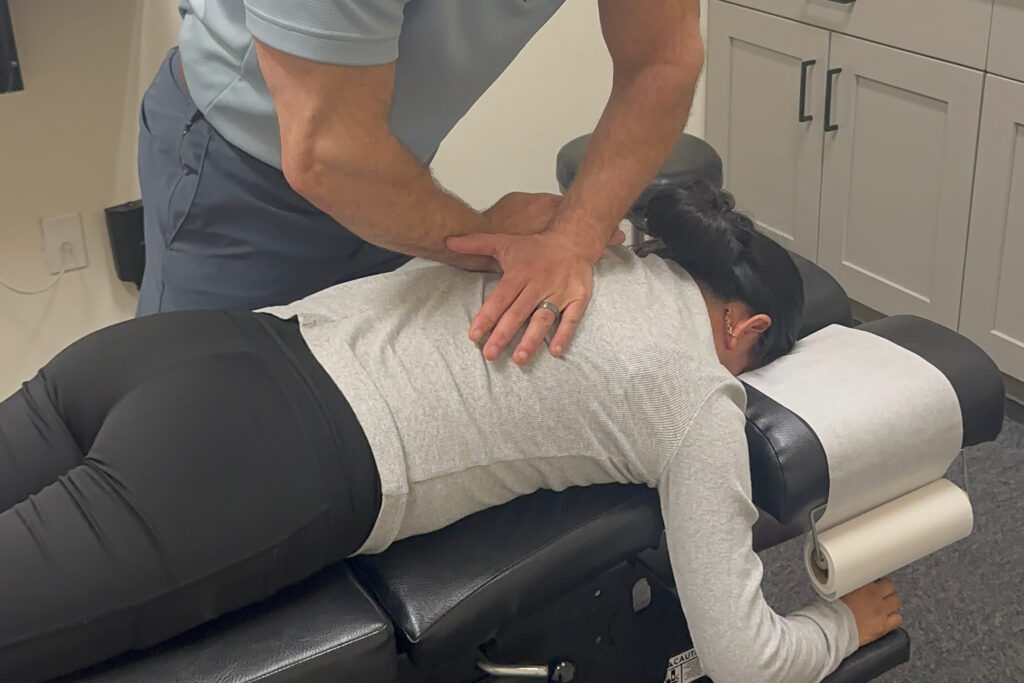
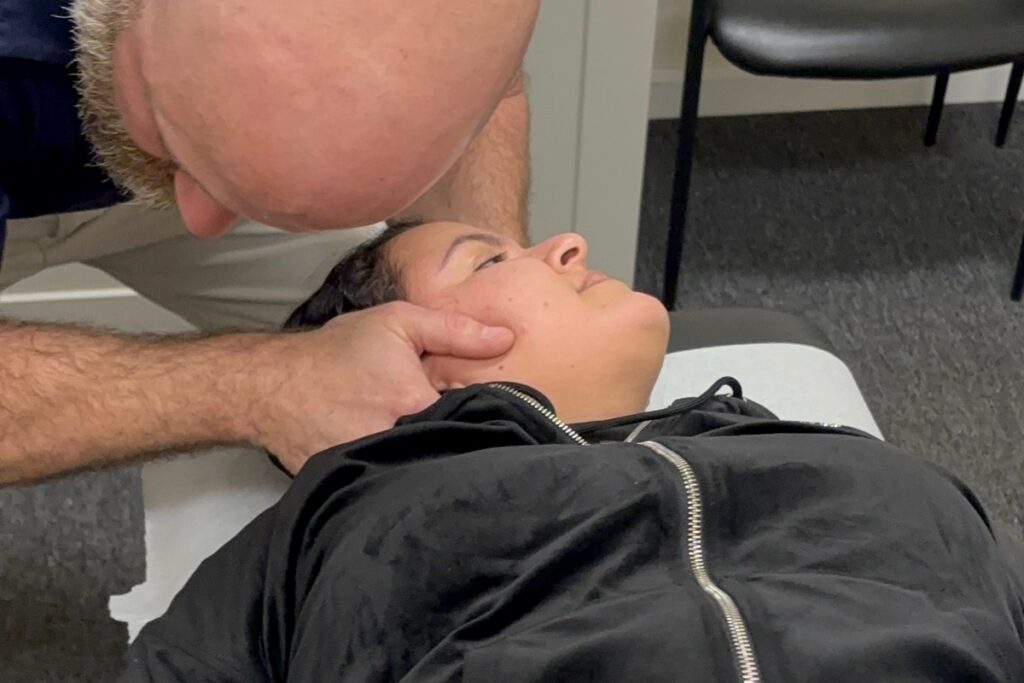
Chiropractic care is a natural and effective way to address low back pain and promote overall wellness. Regular adjustments can help realign your spine, improve your posture, and enhance your quality of life. If you’re struggling with back pain or simply want to maintain a healthy spine, consider scheduling an appointment with a chiropractor. Together, we can create a personalized plan to help you achieve optimal health and well-being.
Key Takeaways
- Ensure your chair is set at the right height so that your feet rest flat on the ground and your knees form a 90-degree angle. This simple adjustment can help keep your spine aligned and reduce strain, making a big difference in your comfort throughout the day.
- Take regular movement breaks to avoid stiffness. Stretching and walking briefly can encourage better posture and give your back the relief it craves. Remember, your body is designed for movement!
- Position your workstation thoughtfully. Your computer monitor should be at eye level to help keep your neck relaxed, and your keyboard should be within easy reach to minimize any unnecessary strain on your shoulders. A well-organized workspace is key to maintaining good posture.
- Strengthening your core is essential for a healthy spine. Simple exercises like planks and bridges can bolster the muscles that support your back, helping you maintain stability and improve your posture over time.
- When lifting objects, always bend at your knees and keep the load close to your body. This technique is not just a safety measure; it helps protect your back from strain, allowing you to engage in daily activities with ease.
Remember, regular chiropractic care can complement these practices by ensuring your spine is aligned and functioning optimally. By choosing natural healing techniques through chiropractic, you can achieve lasting pain relief and enhance your overall wellness.
Understanding the Importance of Good Posture
Good posture is crucial not only for how you look but also for your overall health and well-being. When you maintain proper alignment, you significantly reduce strain on your spine and muscles, which can help alleviate and prevent issues like low back pain. By practicing good posture, you allow your body to function more efficiently, enhancing circulation and breathing. It’s surprising how slouching can compress your internal organs, leading to discomfort and poor digestion.
As a chiropractor, I can tell you that good posture also plays a key role in boosting your confidence and improving your mood. When you stand or sit up straight, you send powerful messages to your brain that you’re in control and ready to face the day. Consider how you feel when you’re upright compared to when you’re hunched over; the contrast is remarkable.
Investing in good posture is an investment in your physical health, mental clarity, and emotional resilience.
To help you maintain a better posture, here are some practical tips:
- Be Mindful of Your Posture: Throughout the day, take a moment to check your posture. Are your shoulders back? Is your head aligned over your spine? Small adjustments can make a big difference.
- Strengthen Your Core: Engaging in exercises that strengthen your core muscles can provide better support for your spine.
- Take Breaks: If you’re sitting for long periods, make sure to take breaks to stand up, stretch, and walk around. This helps prevent stiffness and encourages better alignment.
- Use Ergonomic Furniture: If you work at a desk, consider using ergonomic chairs and desks that promote good posture.
- Regular Chiropractic Care: Regular visits to your chiropractor can help ensure your spine is aligned and functioning optimally, which is key to maintaining good posture.
Tips for Sitting Posture at Work
As a local chiropractor, I want to emphasize the critical role of maintaining proper sitting posture at work for your spinal health and overall well-being. Many people underestimate how much their sitting habits can affect their back, leading to discomfort and pain. To help you avoid low back pain, here are some simple yet effective tips.
Firstly, adjust your chair height so that your feet rest flat on the floor, with your knees forming a 90-degree angle. It’s essential to use a chair that provides adequate support for your lower back. If your chair doesn’t offer enough support, consider adding a cushion to enhance comfort and promote healthy spinal alignment.
Next, keep your back straight and your shoulders relaxed. Avoid slouching or leaning forward, as this can strain your spine over time. Proper alignment is crucial, and maintaining an upright position can significantly reduce the risk of discomfort.
Your workspace setup also plays an important role. Position your computer screen at eye level to minimize neck strain. Furthermore, ensure your keyboard and mouse are within easy reach to keep your arms relaxed at your sides, which helps to maintain a neutral wrist position.
Don’t forget to take regular breaks! Stand, stretch, or take a short walk to encourage circulation and relieve muscle tension. Movement is vital for your spine, and incorporating breaks into your routine can help prevent stiffness.
Lastly, if your feet don’t comfortably reach the floor, consider using a footrest to support them. This small adjustment can make a big difference in your overall posture and comfort level.
Proper Techniques for Lifting and Carrying
When lifting and carrying objects, using proper techniques is essential not just for avoiding strain on your back, but also for supporting your overall spinal health. As a chiropractor, I want to emphasize the importance of maintaining a healthy spine through safe lifting practices.
Always bend at your knees instead of your waist when picking up items. This simple adjustment helps protect your lower back, which is crucial for a healthy spine. Keep your feet shoulder-width apart to ensure good balance, and make sure to get a firm grip on the object you’re lifting. As you lift, engage your core muscles and push through your legs, keeping the load close to your body. This positioning minimizes strain on your back and promotes better alignment.
When carrying items, avoid twisting your torso, as this can put unnecessary pressure on your spine. Instead, pivot your feet to change direction. If you find the object is too heavy or awkward, don’t hesitate to ask for help or use a dolly. It’s important to listen to your body; if you’re lifting multiple items, take breaks to give your body a chance to recover.
Incorporating these techniques into your daily routine can greatly reduce the risk of pain or injury. Remember, chiropractic care is a natural way to support your body’s healing processes and maintain optimal health. Regular visits to a chiropractor can help ensure that your spine is in alignment and functioning properly, which is key to preventing injuries and promoting overall wellness.
Exercises to Strengthen Core Muscles
Strengthening your core muscles is essential for supporting your lower back and enhancing overall stability—key areas in which chiropractic care can greatly assist. By incorporating specific core exercises into your routine, you can significantly improve your back health and overall wellness.
Start with planks: Hold a forearm plank for 20-30 seconds, engaging your abdominal muscles and keeping your body in a straight line. This exercise not only strengthens your core but also helps to promote proper spinal alignment, which is crucial for maintaining a healthy back.
Next, try bridge lifts. Lie on your back with your knees bent and lift your hips while squeezing your glutes at the top. This exercise strengthens your lower back and glutes, providing much-needed support for your spine.
Don’t overlook the dead bug exercise: Lie on your back, extend your arms and legs, and alternate lowering one arm and the opposite leg while keeping your core tight. This movement helps enhance coordination and core stability, which are both vital for spinal health.
Lastly, consider adding bird-dogs to your routine. On all fours, extend one arm and the opposite leg, then switch. This exercise not only engages your core but also improves balance and coordination, further supporting your spine.
Aim to perform these exercises 2-3 times a week for optimal results. With consistency, you’ll build a stronger core, which can alleviate and prevent low back pain.
Ergonomic Adjustments for Home and Office
Creating a comfortable workspace is vital for maintaining spinal health and preventing low back pain, whether you’re working from home or in an office setting. A few simple adjustments can make a world of difference.
Start by ensuring your chair height is adjusted so that your feet rest flat on the floor and your knees form a 90-degree angle. This position supports a healthy posture and helps keep your spine aligned. Adding a lumbar support cushion can further assist in maintaining the natural curve of your spine, which is crucial for your overall wellness.
Next, your desk should be set at elbow height. This allows your arms to rest comfortably while typing, reducing strain on your back and shoulders. Position your computer monitor at eye level to avoid craning your neck, which can lead to discomfort. If you use a laptop, consider investing in a stand and an external keyboard to help achieve this ergonomic setup.
Don’t forget to take regular breaks! Standing up, stretching, and walking around can significantly help break the cycle of prolonged sitting. Movement is key to a healthy spine, and it can also enhance your productivity.
Lastly, keep essential items within easy reach to prevent unnecessary twisting and bending. These ergonomic adjustments not only help reduce your risk of low back pain but also promote a healthier lifestyle.
Conclusion
By prioritizing good posture and making simple adjustments, you can significantly alleviate low back pain and enhance your overall wellness. As a chiropractor, I want to emphasize the importance of spinal health in achieving long-lasting relief. Start by sitting with your feet flat on the ground and your knees at a 90-degree angle; this position helps maintain the natural curve of your spine. When lifting objects, be sure to bend at your knees and keep your back straight to avoid unnecessary strain.
Incorporating core-strengthening exercises into your routine is also essential, as a strong core supports your spine and helps prevent pain. Additionally, remember to take regular breaks to stretch and move throughout the day. This can help reduce stiffness and improve circulation, which are vital for spinal health.
Chiropractic care plays a crucial role in managing low back pain naturally. Through spinal adjustments and personalized treatment plans, we can help restore proper alignment, reduce tension, and promote your body’s natural healing processes. With these strategies in place, you’ll not only find relief but also pave the way for a healthier, more productive life. Embrace the journey to wellness with chiropractic care as your guiding partner.