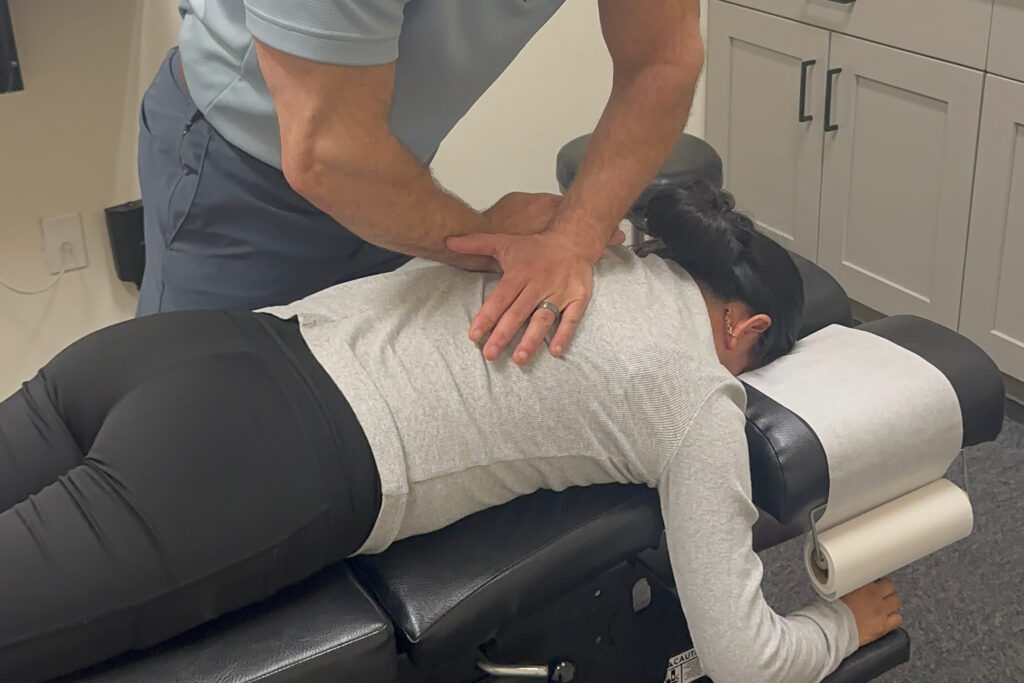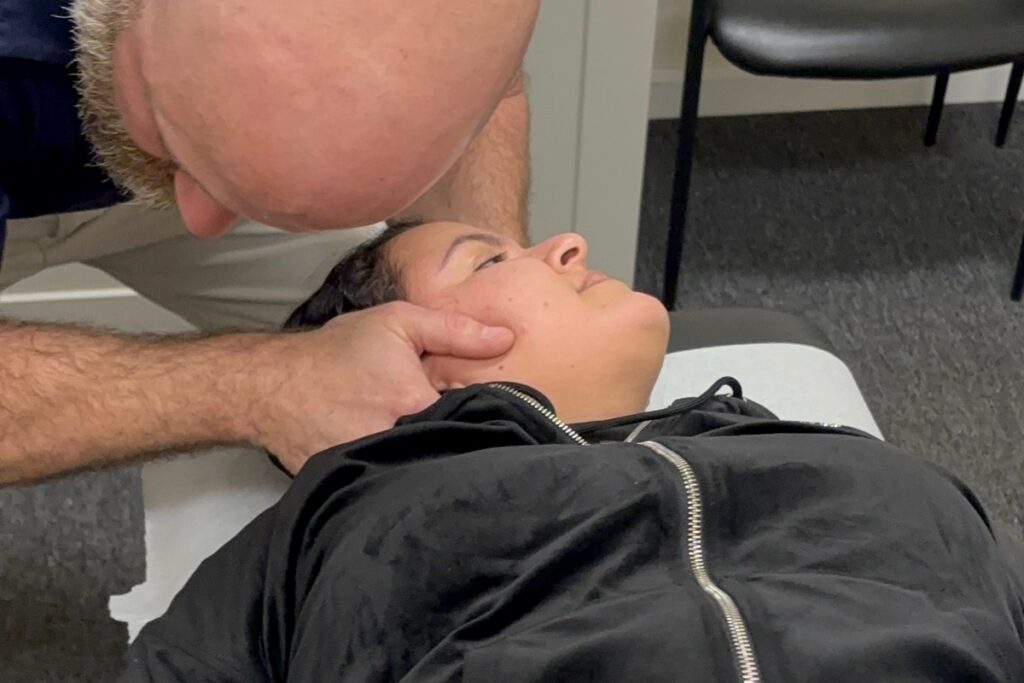

Tension headaches can disrupt your daily life, making it hard to focus or enjoy activities. These headaches often arise from stress, poor posture, and muscle tension, particularly in the neck and shoulders. As a chiropractor, I want to help you understand the importance of spinal health in preventing and alleviating these headaches.
One of the most effective strategies to reduce tension headaches is to identify and address your triggers. Common triggers include stress, inadequate hydration, and prolonged periods of sitting or poor posture. By being mindful of these factors, you can make adjustments that may significantly lessen the frequency and intensity of your headaches.
Chiropractic care plays a crucial role in managing tension headaches. Regular chiropractic adjustments can help restore proper alignment in the spine, relieving pressure on nerves and improving blood flow. This can lead to reduced muscle tension and a decrease in headache symptoms. Plus, chiropractic care emphasizes natural healing, which aligns perfectly with a healthier lifestyle.
In addition to chiropractic adjustments, there are several techniques you can incorporate into your daily routine to help alleviate tension headaches:
- Practice Relaxation Techniques: Deep breathing exercises, meditation, or gentle yoga can help reduce stress and promote relaxation, easing the tension that often contributes to headaches.
- Stay Hydrated: Ensure you drink enough water throughout the day. Dehydration can be a common trigger for headaches.
- Maintain Good Posture: Be mindful of your posture, especially when sitting at a desk or using electronic devices. Proper ergonomics can help prevent muscle strain.
- Take Breaks: If you find yourself sitting for long periods, take regular breaks to stretch and move around. This can help relieve tension in your neck and shoulders.
- Apply Heat or Cold: A warm compress or an ice pack on your neck can provide immediate relief from headache symptoms.
By focusing on spinal health and incorporating these tips into your routine, you can take proactive steps toward managing and alleviating tension headaches. Remember, the goal is to promote your overall well-being naturally, and chiropractic care is a fantastic way to support that journey. What you discover about your body and its ability to heal itself might surprise you and lead to lasting relief.
Key Takeaways
- Start by identifying your personal headache triggers. Keeping a headache diary can help you track patterns and understand how your diet and lifestyle choices may contribute to your discomfort. This self-awareness is a crucial step toward effective management.
- Staying hydrated and opting for healthier food choices are essential in preventing dehydration-related headaches and minimizing potential dietary triggers. Remember, proper nutrition fuels your body and supports your overall well-being.
- As a chiropractor, I recommend considering regular chiropractic care. Spinal adjustments and soft tissue therapies can promote relaxation, alleviate tension, and reduce the frequency of headaches. By caring for your spine, you’re taking a proactive step toward achieving optimal health.
- Incorporating relaxation techniques into your daily routine can further help manage stress and alleviate muscle tension. Simple practices like deep breathing exercises and meditation can make a significant difference in how your body responds to stress.
- For immediate relief, applying heat therapy can help relax tight muscles, while cold therapy can numb acute pain. Alternating between heat and cold can provide optimal relief from headaches, helping you feel better faster.
By focusing on these natural methods and incorporating chiropractic care into your wellness routine, you can take charge of your health and find effective relief from tension headaches. Remember, a healthy spine contributes to a healthy body!
Understanding Tension Headaches
When you experience a tension headache, it often feels like a tight band is wrapping around your head. This common type of headache usually arises from stress, muscle tension, or anxiety. You might notice a dull, aching pain, often accompanied by tightness in your neck and shoulders.
Unlike migraines, tension headaches don’t typically cause nausea or visual disturbances, making them easier to identify. These headaches can last anywhere from 30 minutes to several days, impacting your daily activities. They often develop gradually, starting as mild discomfort before becoming more intense. Recognizing the difference between tension headaches and other types is key to finding the right relief.
Chiropractic care offers a natural and effective approach to managing tension headaches. By addressing spinal alignment and muscle tension, chiropractic adjustments can help reduce the frequency and intensity of these headaches. Regular visits to your chiropractor can support your overall wellness and help alleviate the discomfort you may be experiencing.
In addition to chiropractic care, there are several tips you can incorporate into your daily routine to help manage tension headaches:
- Practice Relaxation Techniques: Engage in deep breathing exercises, meditation, or yoga to help reduce stress and promote relaxation.
- Stay Hydrated: Make sure you’re drinking enough water throughout the day, as dehydration can contribute to headaches.
- Maintain Good Posture: Pay attention to your posture while sitting, standing, or working at a desk. Proper alignment can help reduce muscle tension in your neck and shoulders.
- Take Breaks: If you’re working at a computer or doing repetitive tasks, take regular breaks to stretch and move around.
- Apply Heat or Cold: Using a warm compress or an ice pack on your neck and shoulders can provide relief from tension and discomfort.
Identifying Triggers
Identifying what triggers your tension headaches is crucial for managing them effectively and achieving optimal health. As a chiropractor, I want to emphasize that understanding your individual triggers can pave the way for natural healing and wellness.
You may discover that certain foods, high stress levels, or even your environment can significantly contribute to your discomfort.
Let’s explore these common factors together so you can recognize what might be affecting you. Pay attention to your diet—sometimes, specific foods can lead to headaches.
Managing stress is equally important; consider incorporating relaxation techniques such as deep breathing or gentle yoga into your routine.
Also, evaluate your environment—ergonomic adjustments in your workspace or maintaining good posture can make a substantial difference.
Remember, chiropractic care is an excellent way to address these issues holistically. Regular adjustments can help relieve tension and improve your overall well-being, allowing your body to function at its best.
Common Dietary Triggers
While tension headaches can have various causes, it’s essential to recognize that what we eat can significantly impact our well-being. Identifying dietary triggers can be a game-changer in managing discomfort and achieving a healthier lifestyle. Common food offenders include processed meats, aged cheeses, and artificial sweeteners. To help you discover what might be causing your headaches, consider keeping a food diary. This simple tool can assist you in tracking your meals and identifying patterns related to your discomfort.
Here are some common dietary triggers and healthier alternatives that can support your journey toward better health:
| Food Type | Common Triggers | Healthier Alternatives |
|---|---|---|
| Processed Meats | Salami, Hot dogs | Fresh poultry, Fish |
| Aged Cheeses | Parmesan, Blue cheese | Fresh mozzarella, Feta |
| Artificial Sweeteners | Aspartame, Sucralose | Natural sweeteners like honey or maple syrup |
| Caffeinated Drinks | Coffee, Energy drinks | Herbal teas that promote relaxation |
| Alcohol | Red wine, Beer | Non-alcoholic beverages, such as sparkling water or herbal infusions |
In addition to being mindful of your diet, consider incorporating regular chiropractic care into your wellness routine. Chiropractic adjustments can help alleviate tension in the body, improve spinal alignment, and support overall health. By addressing the root causes of tension headaches through natural healing methods, you can experience relief without relying on medications or invasive procedures.
Stress and Anxiety Factors
Diet and lifestyle choices significantly influence the management of tension headaches, but we mustn’t overlook the impact of stress and anxiety. As a local chiropractor, I believe understanding your personal stress triggers is vital for alleviating headache pain and promoting overall wellness.
Take a moment to reflect on situations or environments that may heighten your anxiety. Common stressors might include work deadlines, personal conflicts, or financial concerns. Pay attention to how these stressors affect both your body and mind. Keeping a journal can be an effective strategy for tracking patterns and identifying specific triggers.
When you know what stresses you out, you can develop personalized strategies to manage those feelings. Incorporating chiropractic care into your routine can be an excellent way to address both physical and emotional stressors. Regular adjustments can help align your spine, improve your body’s function, and enhance your overall sense of well-being.
In addition, practicing mindfulness and deep-breathing exercises can complement your chiropractic care, helping to reduce stress levels and, in turn, decrease the frequency of tension headaches. By addressing these emotional factors and incorporating chiropractic care into your wellness plan, you’ll not only reduce headache pain but also elevate your overall health.
Stay proactive in managing stress, and remember, a healthy spine is a key player in achieving optimal health and wellness.
Environmental Influences Explained
When you’re dealing with tension headaches, it’s crucial to understand how your environment can contribute to your discomfort. As a chiropractor, I believe that addressing these environmental factors is a key step towards achieving optimal health and wellness.
Things like poor lighting, excessive noise, and uncomfortable seating can all trigger headaches. If you find yourself often hunched over your computer, consider adjusting your workspace ergonomics. Simple changes, like raising your monitor to eye level and using a chair that supports your lower back, can make a significant difference.
Bright screens or harsh fluorescent lights can strain your eyes, leading to increased tension. Opt for softer lighting and take regular breaks to rest your eyes. Additionally, be mindful of strong odors from cleaning products or perfumes, as these can also be culprits in triggering headaches.
Temperature is another factor to consider; being too hot or too cold can increase tension in your body. Aim to maintain a comfortable temperature in your workspace to help reduce discomfort.
Keeping a headache diary can also be beneficial. By documenting when your headaches occur and the environmental factors around you, you can identify patterns and specific triggers. This knowledge empowers you to make informed changes in your surroundings.
By making these small adjustments, you can create a more comfortable atmosphere that not only helps reduce the frequency and severity of your tension headaches but also promotes overall well-being.
Maintaining Proper Posture
Maintaining proper posture is crucial for preventing tension headaches, as poor alignment can place unnecessary strain on your neck and shoulder muscles. When we slouch or hunch over our devices, we invite discomfort into our lives. As a chiropractor, I want to share how good posture can enhance not only your spinal health but also your overall well-being. Here’s a simple table to help visualize the differences between good and poor posture:
| Key Points | Good Posture | Poor Posture |
|---|---|---|
| Head Position | Aligned with spine | Forward or tilted |
| Shoulders | Relaxed and pulled back | Tensed and rounded |
| Back | Straight and supported | Curved or slouched |
| Hips | Level and aligned | Shifted or tilted |
| Feet | Flat on the ground | Crossed or dangling |
To maintain good posture throughout your day, here are some practical tips:
- Be Mindful of Your Alignment: Regularly check in with your body. Are your shoulders relaxed? Is your head aligned with your spine? A quick posture check can go a long way.
- Set Up Your Workspace: Whether you’re at a desk or using a mobile device, ensure that your setup promotes good posture. Your screen should be at eye level, and your chair should support your lower back.
- Take Breaks: If you find yourself sitting for long periods, make it a habit to stand up, stretch, and move around every hour. This not only alleviates tension but also promotes better circulation.
- Strengthen Your Core: A strong core supports your spine. Include exercises like planks and bridges in your routine to build strength and stability.
- Consider Chiropractic Care: Regular visits to a chiropractor can help you maintain proper alignment and address any existing issues. Chiropractic care focuses on natural healing, helping your body to function optimally without the need for medications or invasive procedures.
Practicing Relaxation Techniques
Practicing relaxation techniques can significantly help reduce the frequency and intensity of tension headaches, and as a chiropractor, I emphasize the importance of a holistic approach to health. By incorporating methods such as deep breathing, meditation, and progressive muscle relaxation into your daily routine, you can alleviate stress and tension in your body, promoting overall wellness.
Start with deep breathing: take a slow, deep breath in through your nose, hold it for a moment, and then gently exhale through your mouth. This simple practice can calm your mind and ease muscle tightness, which is essential for maintaining a healthy spine.
Meditation, even for just a few minutes each day, can help you focus your thoughts and clear your mind. Find a quiet corner in your home, sit comfortably, and concentrate on your breath or a calming phrase. This practice not only relaxes you but also promotes better spinal health by reducing tension in the neck and back.
Progressive muscle relaxation is another effective technique. It involves tensing and then relaxing each muscle group, helping to release built-up tension throughout your body. This method can complement chiropractic care by ensuring your muscles are relaxed and ready for adjustments.
Additionally, consider guided imagery, where you visualize peaceful scenes to further ease stress. Imagining yourself in a tranquil setting can be a wonderful way to promote relaxation and support your body’s healing process.
By practicing these techniques regularly, alongside your chiropractic adjustments, you’ll create a strong foundation for optimal health and wellness.
Incorporating Regular Exercise
Incorporating regular exercise into your routine can significantly alleviate tension headaches while enhancing your overall health and wellness. As a chiropractor, I understand the importance of maintaining a healthy spine and body. When you partake in physical activity, your body releases endorphins, which serve as natural painkillers and uplift your mood.
Aim for at least 30 minutes of moderate exercise most days of the week. This could include brisk walking, cycling, or even yoga, which promotes relaxation and gentle stretching—especially beneficial for spinal health.
If you’re new to exercise, don’t feel overwhelmed. Start with shorter sessions and gradually increase both the duration and intensity as your body adjusts. Consistency is essential, so choose activities that you genuinely enjoy, making it easier to stick to your routine.
Remember, exercise not only alleviates muscle tension in the neck and shoulders—common triggers for tension headaches—but also supports spinal alignment, which is crucial for overall wellness.
By integrating exercise into your life, you can effectively reduce headaches while boosting your energy levels and overall well-being.
And don’t forget, regular chiropractic care complements your exercise routine beautifully by ensuring your spine is aligned and functioning optimally. This holistic approach to health can lead to greater relief from pain and a more vibrant life.
Staying Hydrated
Staying hydrated is a vital aspect of maintaining overall health, especially when it comes to preventing tension headaches. When your body is dehydrated, it can lead to increased stress, resulting in muscle tension and discomfort, particularly in the neck and shoulders. This is where chiropractic care can play a significant role in helping to alleviate tension and promote relaxation.
To keep your body functioning smoothly and support spinal health, aim to drink enough water throughout the day. Here’s a helpful guide to gauge your hydration:
| Time of Day | Recommended Water Intake |
|---|---|
| Morning (upon waking) | 1-2 glasses |
| Midday | 2-3 glasses |
| Afternoon | 2-3 glasses |
| Evening | 1-2 glasses |
Remember, everyone’s hydration needs may differ based on factors like activity levels and climate. Pay attention to your body’s signals; if you feel thirsty, it’s important to respond. Staying well-hydrated not only helps prevent tension headaches but also supports your spine’s health and function.
In addition to drinking enough water, consider incorporating regular chiropractic adjustments into your wellness routine. Chiropractic care can help alleviate muscle tension, improve spinal alignment, and enhance your overall well-being. By prioritizing hydration and chiropractic care, you can take significant steps toward reducing your chances of experiencing tension headaches and achieving optimal health.
Utilizing Heat and Cold Therapy
When tension headaches strike, heat and cold therapy can be your best allies in finding relief. As a chiropractor, I often recommend these natural methods to help ease discomfort while promoting overall wellness.
Applying heat can work wonders by relaxing tight muscles in your neck and shoulders, which are often culprits behind tension headaches. A warm compress or a heating pad can be placed on the affected area for about 15-20 minutes to soothe those tense muscles.
On the other hand, a cold compress can effectively numb pain and reduce inflammation. Simply wrap ice in a cloth or use a gel ice pack and apply it to your forehead or the back of your neck for 10-15 minutes. This can help calm your nervous system and provide quick relief from headache symptoms.
In addition to these techniques, maintaining proper spinal alignment through regular chiropractic adjustments can significantly contribute to your overall health and help prevent future headaches. A healthy spine allows for optimal nerve function, which can reduce tension and discomfort.
Lastly, remember to stay hydrated, practice deep breathing exercises, and incorporate gentle stretches into your routine. These simple habits can enhance the benefits of heat and cold therapy, helping you achieve a balanced and pain-free lifestyle.
Always consult with your chiropractor for personalized advice and treatment options tailored to your needs. Your journey to optimal health begins with natural, effective solutions!
Heat Application Techniques
Applying heat or cold can significantly alleviate tension headaches, especially when you utilize the right techniques. As a local chiropractor, I want to share how these methods can complement your journey towards natural healing and optimal health.
For heat application, a warm compress or heating pad can work wonders. Simply place it on your forehead or the back of your neck for about 15-20 minutes. This technique helps to relax tight muscles and enhance blood flow—key factors in relieving headache symptoms.
Taking a warm shower is another fantastic option, as the steam can ease your discomfort while providing a soothing experience.
Another effective method is using a warm towel. Soak it in hot water, wring it out, and gently drape it over your head. Just make sure it’s a comfortable temperature to avoid burns. Listening to your body is essential; adjust the heat to ensure your comfort.
In addition to heat application, remember that maintaining good posture and engaging in regular chiropractic care can play a crucial role in preventing tension headaches.
Cold Compress Benefits
When it comes to managing tension headaches, many people often think of heat therapy for quick relief. However, I encourage you not to overlook the powerful benefits of cold compresses. As a chiropractor, I believe in the body’s natural ability to heal, and cold therapy can play a significant role in this process.
Applying a cold compress can help reduce inflammation and numb sharp pain, providing you with soothing relief. To use this method effectively, simply place a cold pack or a bag of ice wrapped in a cloth on your forehead or the back of your neck for about 15-20 minutes. This technique helps constrict blood vessels, which decreases the flow of pain signals to your brain, offering a natural way to alleviate discomfort.
Moreover, cold therapy can assist in relaxing tense muscles, which is essential since muscle tension often contributes to headaches. You may also find that alternating between heat and cold provides the best results for managing your tension headaches, allowing you to discover what works best for your body.
In addition to using compresses, consider integrating regular chiropractic care into your routine. Chiropractic adjustments can help address spinal misalignments that contribute to headaches and overall tension. By focusing on the root cause of your discomfort, chiropractic care not only promotes healing but also enhances your overall wellness.
Exploring Over-the-Counter Medications
Tension headaches can be quite bothersome, but there are natural ways to find relief that can also promote overall wellness. While many people turn to over-the-counter medications for quick fixes, I want to emphasize the benefits of chiropractic care as a holistic approach to managing headache pain and improving your health.
Chiropractic adjustments can help relieve tension in the spine and neck, which may be contributing to your headaches. By aligning the spine and reducing muscle tension, chiropractic care addresses the root cause of the pain rather than just masking the symptoms. This natural healing method not only helps alleviate headaches but also supports your body’s overall function.
In addition to chiropractic care, there are several lifestyle changes you can incorporate to help manage and prevent tension headaches. Here are some tips:
- Stay Hydrated: Dehydration can lead to headaches, so make sure you drink plenty of water throughout the day.
- Practice Stress Management: Techniques such as deep breathing, meditation, or yoga can help reduce stress levels, which in turn can lessen the frequency of tension headaches.
- Maintain Good Posture: Poor posture can contribute to neck and back tension. Be mindful of your posture, especially if you sit for long periods. Consider ergonomic furniture or taking regular breaks to stretch.
- Get Regular Exercise: Physical activity can improve circulation and reduce tension in the body, helping to prevent headaches.
- Ensure Adequate Sleep: Quality sleep is essential for overall health. Aim for 7-9 hours of restful sleep each night.
- Limit Caffeine and Alcohol: Both substances can trigger headaches in some individuals. Monitor your intake and consider reducing it if you notice a correlation.
If you’re struggling with tension headaches, I encourage you to consider chiropractic care as a safe and effective option for relief. Not only can it help alleviate your pain, but it also promotes better health and wellness in the long run.
If you have questions about how chiropractic can help you, don’t hesitate to reach out!
Seeking Professional Help
When tension headaches persist, it’s important to consider the benefits of chiropractic care. A skilled chiropractor can provide personalized assessments and explore various natural treatment options specifically designed to relieve pain and promote overall wellness.
Through spinal adjustments and holistic techniques, chiropractic care can help alleviate the tension that contributes to headaches.
In addition to chiropractic adjustments, there are several simple strategies you can incorporate into your daily routine to help manage tension headaches. Remember to stay hydrated, as dehydration can often lead to headaches.
Practicing good posture throughout the day can also reduce strain on your neck and shoulders, which are common areas for tension buildup. Regular physical activity, including gentle stretching and relaxation exercises, can further enhance your spinal health and reduce stress.
By focusing on natural healing methods and maintaining a healthy lifestyle, you can take significant steps towards achieving optimal health and reducing the frequency of tension headaches.
Embrace the benefits of chiropractic care and discover how it can be an essential part of your wellness journey.
Types of Healthcare Professionals
If you’re dealing with tension headaches, chiropractic care can be an effective way to manage and alleviate your symptoms naturally. As a chiropractor, I believe in the power of spinal health and how it plays a crucial role in overall wellness. Here are some key points to consider:
- Chiropractic Adjustments: Regular spinal adjustments can help relieve tension in your neck and back, which may be contributing to your headaches. By ensuring that your spine is properly aligned, we can help reduce headache frequency and intensity.
- Muscle Relaxation Techniques: In addition to adjustments, we often incorporate techniques to relax tight muscles. This might include gentle stretching and specific exercises designed to relieve tension and improve your posture, which can be a common trigger for headaches.
- Lifestyle Tips: Maintaining a healthy lifestyle can also play a big role in reducing headache occurrences. Staying hydrated, managing stress through relaxation techniques, and ensuring you have a proper ergonomic setup at your workspace can all help.
Remember to take breaks and practice good posture throughout the day.
Choosing chiropractic care not only addresses your headaches but also promotes overall wellness and a healthier lifestyle. You deserve relief, and I’m here to help you find it naturally. Don’t hesitate to reach out for a consultation, and let’s work together to create a path to optimal health!
Benefits of Therapy Sessions
If you’re struggling with tension headaches, consider exploring chiropractic care as a natural and effective way to find relief. A skilled chiropractor can help you identify underlying issues related to your spine and nervous system that contribute to headaches. By addressing these factors, you can alleviate pain and enhance your overall well-being.
During your chiropractic sessions, your chiropractor will work with you to understand your specific triggers, which may include stress, poor posture, or lifestyle habits. They can provide valuable insights into how these factors affect your spinal health and contribute to headaches. This personalized approach means you’ll receive care tailored to your unique situation.
Chiropractic care not only focuses on relieving pain but also emphasizes the importance of emotional well-being. By allowing you to express your concerns and frustrations, your chiropractor can help you manage stress more effectively. Techniques often used in chiropractic care, such as spinal adjustments and soft tissue therapies, can promote relaxation and improve posture, which are key elements in preventing headaches.
In addition to regular chiropractic adjustments, consider incorporating some simple techniques into your daily routine. Practicing mindfulness and deep breathing can reduce stress levels and promote relaxation. Maintaining good posture while sitting and standing can also help prevent tension headaches from arising.
Implementing Stress Management Strategies
While tension headaches often arise from stress, incorporating effective stress management strategies can significantly reduce their frequency and intensity. By making simple changes to your daily routine, you can cultivate a more relaxed environment that minimizes headache triggers. Here are some practical strategies to consider, along with the benefits of chiropractic care for overall wellness:
– Mindfulness Meditation: Dedicate a few minutes each day to mindfulness practices. Focus on your breath and gently dismiss distracting thoughts. This can help alleviate anxiety and tension, creating a calmer state of mind that supports your overall health.
Remember, a relaxed mind can lead to a relaxed body, which is essential for spinal health.
– Physical Activity: Engage in regular exercise—this is crucial not only for your mood but also for your spine. Exercise releases endorphins, which act as natural pain relievers. Aim for at least 30 minutes of moderate activity most days.
Activities like walking, swimming, or yoga can strengthen your body and improve spinal alignment, enhancing your overall wellbeing.
– Time Management: Organize your tasks and establish realistic goals. By prioritizing your responsibilities, you can prevent feelings of overwhelm. A clear mind leads to a relaxed body, which is vital for maintaining spinal health.
Consider scheduling regular chiropractic visits to keep your spine aligned and your stress levels in check.
Incorporating these strategies while also considering regular chiropractic care can enhance your journey toward optimal health. Chiropractic adjustments not only relieve tension headaches but also promote overall wellness by ensuring your spine and nervous system function at their best.
Conclusion
By recognizing your tension headache triggers and focusing on maintaining good posture, you can significantly reduce the frequency and intensity of these headaches. Incorporating relaxation techniques, such as deep breathing or gentle stretching, along with regular physical activity, can help alleviate stress and ease muscle tension. Additionally, using heat or cold therapy can provide quick relief.
Chiropractic care is an excellent option for addressing the root causes of tension headaches. A chiropractor can assess your spine and align it properly, which may relieve pressure and tension in the neck and shoulders that often contribute to headaches. By prioritizing spinal health, you can enhance your overall well-being and reduce the likelihood of future headaches.
If your tension headaches persist, consider visiting a chiropractor who can offer personalized advice and treatment options tailored to your needs. By embracing these natural, holistic methods and chiropractic care, you can take control of your health and enjoy a more headache-free life. Remember, small changes in your daily routine can make a big difference!