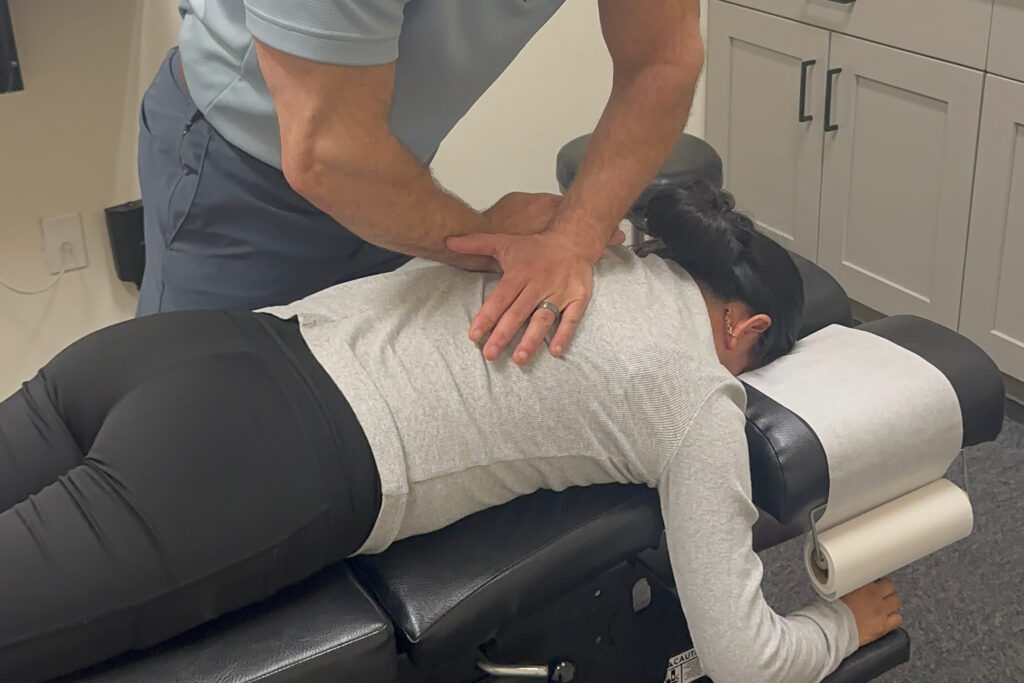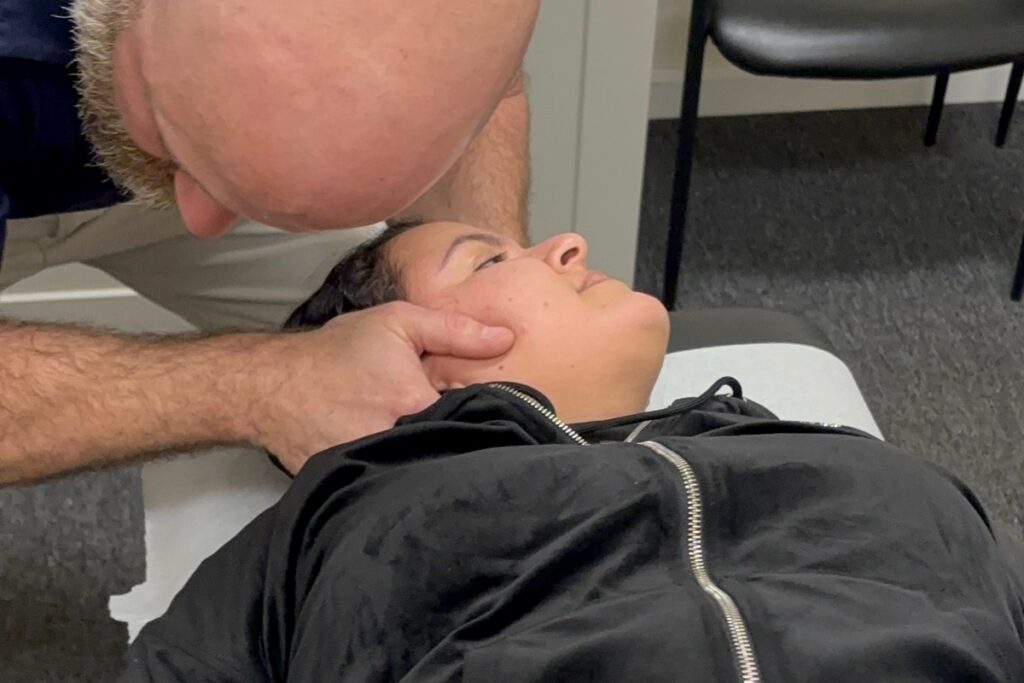

If you’re among the many individuals experiencing persistent headaches, finding effective relief may seem daunting. You’ve likely tried numerous remedies without success, but there are proven strategies that can genuinely make a difference. As a chiropractor, I want to emphasize that chiropractic care offers a natural and holistic approach to managing headaches and improving your overall wellness.
By incorporating simple lifestyle changes and seeking chiropractic adjustments, you can regain control over your headaches. Curious about what specific adjustments can enhance your well-being? Here are some practical solutions that may lead to a significant improvement in your quality of life:
- Regular Chiropractic Care: Consistent chiropractic adjustments help align your spine, reduce tension, and improve your body’s function. This can significantly alleviate headache pain, especially if your headaches are tension-related or stemming from poor posture.
- Stay Hydrated: Dehydration can trigger headaches. Ensure you’re drinking enough water throughout the day to keep your body well-hydrated.
- Proper Ergonomics: Evaluate your workspace and ensure it promotes good posture. Adjust your chair, desk height, and computer screen to minimize strain on your neck and shoulders.
- Manage Stress: Stress can be a major headache trigger. Engage in relaxation techniques such as deep breathing, yoga, or meditation to help reduce tension and promote relaxation.
- Regular Exercise: Physical activity enhances blood circulation and releases endorphins, which can help alleviate headache symptoms. Aim for at least 30 minutes of moderate exercise most days.
- Sleep Hygiene: Ensure you’re getting quality sleep. Establish a consistent sleep routine and create a restful environment to help prevent headaches related to fatigue.
- Mind Your Diet: Identify and avoid any food triggers that may contribute to your headaches. Incorporating a balanced diet rich in fruits, vegetables, and whole grains can support your overall health.
Taking these steps, combined with regular chiropractic care, can provide a natural and effective path to relief from persistent headaches. Remember, you don’t have to suffer in silence; with the right approach, you can improve your quality of life and enjoy greater wellness. If you’re ready to explore how chiropractic care can help you, don’t hesitate to reach out for a consultation.
Key Takeaways
- Aim for a consistent sleep schedule of 7-9 hours each night. Quality sleep is essential for reducing headache frequency and intensity, allowing your body to heal and rejuvenate naturally.
- Hydration plays a crucial role in overall wellness. Make it a habit to drink enough water daily—aim for half your body weight in ounces. Staying properly hydrated can help prevent headaches and support your body’s natural healing processes.
- Regular physical activity and gentle stretches can work wonders for relieving muscle tension, which is often a contributing factor to headaches. Incorporating activities like yoga or light walks can enhance your overall health and well-being.
- Keeping a headache diary is a valuable tool. By tracking your headaches, you can identify triggers and patterns, making it easier to manage your health proactively. This information can be beneficial when discussing your concerns with your chiropractor.
- If headaches persist despite lifestyle changes, it’s a good idea to seek professional help. Chiropractic care focuses on spinal alignment and overall wellness and can provide effective, natural relief for headache sufferers. By addressing the root causes of your discomfort, chiropractic adjustments can help restore balance and promote healing without the need for medications or surgeries.
Understanding the Different Types of Headaches
When you experience a headache, it’s important to recognize that not all headaches are the same, and understanding the type you’re dealing with can significantly impact your relief strategies. As a chiropractor, I want to help you explore natural ways to manage headaches and promote overall wellness.
Tension headaches, for example, often feel like a tight band around your head. They can be triggered by stress or muscle tension, especially in the neck and shoulders. Incorporating regular chiropractic adjustments can help alleviate this tension and restore balance to your body.
Migraines, on the other hand, can be quite debilitating and are often accompanied by symptoms like nausea, sensitivity to light, and throbbing pain on one side of your head. Chiropractic care focuses on spinal alignment, which can play a crucial role in reducing the frequency and severity of migraines.
Cluster headaches, while less common, are extremely painful and tend to occur in cycles, often affecting one eye. Though they might require specialized care, chiropractic interventions can still provide relief by addressing underlying issues in the cervical spine.
Sinus headaches arise from sinus infections and can cause pressure and pain in the forehead, cheeks, and around the eyes. Chiropractic adjustments can help improve sinus drainage and reduce pressure, leading to a more comfortable experience.
To effectively manage your headaches, consider these general tips:
- Maintain good posture, especially if you sit for long periods.
- Stay hydrated and eat nutritious foods to support overall health.
- Practice stress-reduction techniques, such as deep breathing or gentle yoga.
- Regular chiropractic visits can help keep your spine aligned and your nervous system functioning optimally.
By identifying the type of headache you’re experiencing and considering chiropractic care, you can better communicate your symptoms and explore natural treatment options tailored to your needs.
Lifestyle Changes That Can Help
Making simple lifestyle changes can significantly help reduce the frequency and intensity of your headaches, and chiropractic care can further enhance these efforts.
Start by establishing a consistent sleep schedule. Aim for 7-9 hours of quality sleep each night, and try to go to bed and wake up at the same time every day. Quality sleep is crucial for healing your body and maintaining spinal health.
Staying hydrated is another key factor; drinking plenty of water throughout the day can help prevent dehydration, a common headache trigger. Remember, proper hydration supports your overall wellness and keeps your spinal discs healthy.
Incorporate regular physical activity into your routine. Activities like gentle walks, stretches, and exercises tailored to your needs can help relieve tension in your muscles and spine. Chiropractic adjustments can also enhance your mobility and alleviate discomfort, making it easier to stay active.
Managing stress is essential for headache relief. Techniques such as deep breathing, yoga, or meditation can be beneficial. Creating a calm environment by reducing noise and limiting screen time before bed can improve your relaxation and sleep quality.
Lastly, pay attention to your posture, especially if you spend long hours at a desk. Proper alignment is vital for spinal health. Consider adjusting your workspace to promote better posture and reduce strain on your spine.
Regular chiropractic check-ups can help maintain your alignment and prevent headaches from occurring.
By implementing these lifestyle changes and incorporating chiropractic care, you can pave the way for a headache-free life and achieve optimal health naturally.
Dietary Adjustments for Headache Relief
While dietary choices might seem like a small part of the puzzle, they can significantly influence headache management. As a chiropractor, I encourage you to explore simple dietary adjustments that may provide relief while complementing the holistic approach of chiropractic care. By focusing on whole foods and steering clear of known headache triggers, you can support your overall wellness.
Take a look at this handy reference for dietary adjustments:
| Foods to Include | Foods to Avoid |
|---|---|
| Leafy greens (like spinach) | Aged cheeses |
| Whole grains (like quinoa) | Processed meats |
| Omega-3 rich foods (like salmon) | Artificial sweeteners |
Experimenting with your meals can reveal what works best for your body. Keeping a food diary to track what you eat alongside your headache symptoms can be a helpful tool in identifying patterns. By making mindful dietary choices, you might find a natural way to reduce the frequency and intensity of your headaches.
The Role of Hydration in Preventing Headaches
Staying hydrated is crucial for maintaining overall health and preventing headaches, as even mild dehydration can lead to discomfort. When your body needs more water, you may experience signs like thirst, dry mouth, or fatigue. By making hydration a priority, you can help keep headaches at bay and enhance your well-being.
As a chiropractor, I believe that optimal health involves a holistic approach, and proper hydration is a key component. Along with regular chiropractic care, which helps align your spine and promote nervous system function, drinking enough water supports your body’s natural healing processes.
Here are some simple tips to help you stay hydrated:
- Set a Daily Goal: Aim to drink at least half your body weight in ounces of water each day. A little planning can make a big difference!
- Carry a Water Bottle: Keep a reusable water bottle with you to remind yourself to drink throughout the day.
- Infuse Your Water: If plain water isn’t appealing, try adding slices of fruits or herbs to enhance the flavor and make hydration more enjoyable.
- Monitor Your Urine Color: A pale yellow color indicates proper hydration, while dark yellow can signal the need for more fluids.
- Pair Water with Meals: Make it a habit to drink a glass of water before or during each meal to help meet your hydration goals.
Hydration complements the benefits of chiropractic care by supporting your body’s functions and reducing the likelihood of headaches. Prioritize your water intake, and combine it with regular visits to your chiropractor for optimal health and wellness.
Importance of Water Intake
When you’re feeling dehydrated, the risk of developing a headache greatly increases. This highlights how vital it’s to keep your water intake up. Staying properly hydrated not only supports your body’s functions but can also significantly reduce the chances of experiencing headaches. Instead of chugging large amounts at once, try to drink water consistently throughout the day.
Many people mightn’t realize how daily activities, the weather, and even what they eat can affect their hydration needs. Even mild dehydration can lead to discomfort, so carrying a water bottle with you can serve as a helpful reminder to sip regularly.
Additionally, incorporating hydrating foods like fruits and vegetables into your diet can further enhance your overall fluid intake.
At our chiropractic clinic, we prioritize natural methods for achieving optimal health, including hydration. By ensuring you’re well-hydrated, you can support your body’s healing processes, making chiropractic adjustments more effective.
Signs of Dehydration
Recognizing the signs of dehydration is crucial for your overall health and can also impact your spinal health. When your body is dehydrated, you might experience symptoms like dry mouth, fatigue, and a noticeable drop in energy levels.
If you start feeling dizzy, lightheaded, or notice dark-colored urine, these are strong signals that your body is in need of more fluids. Thirst is another key indicator; don’t let it go unchecked!
Additionally, dehydration can lead to headaches, which can often stem from tension in the neck and spine. It’s vital to pay attention to these signs and take action early.
To support your body and spine, make it a habit to drink water regularly throughout the day. Staying hydrated not only helps reduce the risk of headaches but also enhances your overall well-being and vitality.
As a chiropractor, I encourage you to combine proper hydration with regular chiropractic care. This holistic approach can help keep your body in balance, improve your spinal health, and promote natural healing.
Stress Management Techniques
Stress is a common trigger for headaches, but incorporating effective stress management techniques can significantly ease your discomfort. As a chiropractor, I believe that taking proactive steps to manage stress is essential for not only alleviating headaches but also for supporting your overall health and wellness.
Here are three techniques to consider integrating into your daily routine:
- Mindfulness Meditation: Spend a few minutes each day focusing on your breath. This practice helps you center your thoughts and reduces anxiety, promoting a state of relaxation that can benefit your spine and overall well-being.
- Physical Activity: Engaging in regular exercise isn’t only great for your body but also for your mind. Physical activity releases endorphins, which are natural mood lifters. Whether you prefer walking, dancing, or yoga, finding an activity you enjoy can help lower stress levels and support your spinal health.
- Time Management: Learning to prioritize tasks and setting realistic goals can help you manage your day without feeling overwhelmed. Break your day into manageable chunks, which can lead to a more organized life and reduce stress.
Incorporating these techniques into your daily routine can help you cultivate a calmer mindset and ultimately lead to fewer headaches.
Remember, chiropractic care is also an excellent option for addressing pain and promoting natural healing. By maintaining a healthy spine and nervous system, you can enhance your body’s ability to cope with stress and support your overall health.
Always consider what works best for you on your journey to optimal wellness!
Alternative Therapies: Acupuncture and Massage
When it comes to managing headaches, many people explore various alternative therapies, including acupuncture and massage. While these methods can offer some relief, it’s important to understand that chiropractic care is often the best choice for addressing the root causes of headaches and achieving optimal health.
Chiropractic care focuses on aligning the spine and improving nervous system function, which can significantly reduce headache frequency and intensity. By ensuring that your spine is properly aligned, you can alleviate tension and improve circulation throughout your body, providing a more comprehensive solution for headache relief.
| Therapy | Benefits |
|---|---|
| Chiropractic | Restores spinal alignment, reducing nerve irritation and tension. |
| Acupuncture | Stimulates specific points, promoting temporary relief from pain. |
| Massage | Eases muscle tightness, but does not address underlying spinal issues. |
| Both | Can provide temporary relief but may not address the root cause. |
Chiropractic adjustments involve gentle manipulations of the spine to restore proper alignment. This not only helps relieve headaches but also promotes overall wellness and can enhance your quality of life. By addressing the underlying issues, chiropractic care can provide lasting relief that other therapies may not achieve.
In addition to seeing a chiropractor, here are some general tips to help manage headaches naturally:
- Stay Hydrated: Dehydration can lead to headaches, so make sure to drink plenty of water throughout the day.
- Maintain Good Posture: Poor posture can strain your neck and back, contributing to headaches. Be mindful of your posture, especially when sitting at a desk.
- Manage Stress: Incorporate relaxation techniques such as deep breathing, yoga, or meditation into your daily routine to help manage stress levels.
- Regular Exercise: Engaging in physical activity can help reduce tension and improve circulation, which may prevent headaches.
If you’re struggling with headaches, consider consulting a qualified chiropractor for a personalized approach to your health. Embracing chiropractic care can lead you to a more balanced, headache-free life, allowing you to focus on what truly matters.
Medications: What Works and What to Avoid
Managing headaches can be a challenging journey, but chiropractic care offers a natural approach to pain relief that prioritizes your overall health and wellness. Here are some effective strategies you might consider to help alleviate your headaches:
- Chiropractic Adjustments: Regular chiropractic adjustments can help relieve tension in the neck and spine, which are often key contributors to headache pain. By restoring proper alignment, you may experience reduced frequency and intensity of headaches.
- Posture Improvement: Poor posture can lead to muscle strain and tension, which can trigger headaches. Incorporating posture-awareness exercises into your daily routine can help keep your spine aligned and reduce headache occurrences.
- Stress Management Techniques: Stress is a common headache trigger. Techniques like deep breathing, meditation, and yoga can promote relaxation and help prevent tension-related headaches.
- Hydration and Nutrition: Dehydration and poor diet can contribute to headaches. Ensure you drink plenty of water throughout the day and consume a balanced diet rich in vitamins and minerals to support your overall health.
- Regular Exercise: Engaging in regular physical activity can reduce stress levels, improve circulation, and promote better spinal health, all of which can help prevent headaches.
Remember, while it’s important to find relief, overusing pain medications can lead to rebound headaches and other complications.
Always consult with your chiropractor about the best strategies for your specific needs. By focusing on natural healing and wellness through chiropractic care, you can achieve optimal health and enjoy a life with fewer headaches.
The Importance of Sleep in Headache Prevention
Getting enough quality sleep is crucial for preventing headaches, and chiropractic care can play a significant role in this. By maintaining a consistent sleep schedule, you can help your body find its natural rhythm, which is essential for overall wellness.
Additionally, chiropractic adjustments can address spinal misalignments that may contribute to sleep disturbances, leading to a reduction in headache frequency and intensity.
If you’re struggling with sleep disorders, consider how chiropractic care can help. A well-aligned spine promotes better nerve function and can improve your overall sleep quality.
Here are a few tips to enhance your sleep and, in turn, help prevent headaches:
- Stick to a Sleep Schedule: Go to bed and wake up at the same time every day to regulate your body’s internal clock.
- Create a Relaxing Bedtime Routine: Engage in calming activities before bed, such as reading or gentle stretching, to signal to your body that it’s time to wind down.
- Optimize Your Sleep Environment: Make sure your bedroom is dark, quiet, and cool to promote restful sleep.
- Consider Chiropractic Care: Regular visits to your chiropractor can help ensure your spine is aligned and functioning properly, which can contribute to better sleep and headache relief.
- Practice Good Posture: Maintaining good posture throughout the day can prevent tension buildup in your neck and shoulders, reducing the risk of headaches.
By incorporating these practices into your routine, you can enhance your sleep quality and support your overall health naturally.
Sleep Quality Matters
Sleep quality is crucial for overall health and well-being, especially when it comes to preventing headaches. Research shows that almost 50% of people suffering from chronic headaches also face sleep disturbances. By improving your sleep, you can significantly reduce the frequency and severity of headaches.
Here are three practical tips to enhance your sleep quality and promote natural healing:
- Establish a Relaxing Bedtime Routine: Engage in calming activities such as gentle stretching, reading a book, or practicing mindfulness meditation. These activities can help signal to your body that it’s time to wind down, making it easier to transition into restful sleep.
- Limit Screen Time Before Bed: The blue light emitted by screens can disrupt your natural sleep cycle. Aim to unplug from all electronic devices at least an hour before bedtime. Instead, consider using this time for relaxation techniques or light stretching to prepare your body for sleep.
- Create a Comfortable Sleep Environment: Your bedroom should be a sanctuary for rest. Keep it dark, quiet, and cool to encourage deeper, more restorative sleep. Consider using blackout curtains, earplugs, or a white noise machine if needed, to create a peaceful atmosphere.
As a chiropractor, I want to emphasize the importance of a holistic approach to health. Proper spinal alignment and regular chiropractic care can enhance your overall well-being, including your sleep quality.
Sleep Schedule Consistency
Maintaining a consistent sleep schedule is crucial for your overall health and can significantly help prevent headaches. When you go to bed and wake up at the same time every day, your body can better regulate its internal clock, making it easier to drift off to sleep and stay asleep. This regularity can help you avoid sleep deprivation, which is often a common trigger for headaches.
As a chiropractor, I understand the importance of quality sleep for your spinal health and overall well-being. Aim for 7-9 hours of restorative sleep each night to support your body’s natural functions. If you find yourself staying up late or sleeping in on weekends, this can disrupt your sleep rhythm and potentially lead to tension or migraines.
Here are some tips to help you establish a steady sleep routine:
- Set a Sleep Schedule: Try to go to bed and wake up at the same time every day, even on weekends, to keep your internal clock on track.
- Create a Relaxing Bedtime Routine: Engage in calming activities before bed, such as gentle stretching or deep breathing exercises, which can help ease tension in your body and prepare you for sleep.
- Limit Screen Time: Reduce exposure to screens at least an hour before bed, as the blue light can interfere with your ability to fall asleep.
- Optimize Your Sleep Environment: Make your bedroom a sanctuary for sleep. Keep it dark, cool, and quiet to enhance your sleep quality.
- Stay Active: Regular physical activity can promote better sleep, but try to avoid vigorous exercise close to bedtime.
- Stay Hydrated: Drink enough water throughout the day, but limit fluids right before bed to minimize nighttime awakenings.
By prioritizing a consistent sleep routine, you not only improve your mood but also significantly lower the risk of headache episodes.
Impact of Sleep Disorders
Many people may not realize how closely sleep disorders are linked to headaches, but addressing these sleep issues can significantly help in reducing those painful episodes. When your body isn’t getting enough quality sleep, your ability to manage pain diminishes, leading to more frequent headaches. As a chiropractor, I want to share how sleep disorders can affect headache occurrences and offer some natural solutions to improve your overall wellness.
- Increased Stress: Poor sleep can raise your stress levels, which often triggers tension headaches. To combat this, consider incorporating relaxation techniques into your routine, such as deep breathing exercises, gentle yoga, or even a calming bedtime ritual. These can help lower stress and promote better sleep.
- Altered Pain Sensitivity: When you’re sleep-deprived, your sensitivity to pain can heighten, making headaches feel more intense. Prioritizing good sleep hygiene by maintaining a consistent sleep schedule and creating a comfortable sleep environment can help enhance the quality of your sleep and, in turn, reduce pain sensitivity.
- Disrupted Circadian Rhythm: Irregular sleep patterns can lead to migraines, as your body struggles to maintain balance. Establishing a regular sleep routine can help regulate your circadian rhythm. Aim to go to bed and wake up at the same time each day, even on weekends, to support your body’s natural clock.
In addition to these tips, chiropractic care can also play a vital role in managing headaches. Gentle spinal adjustments can help improve alignment and function, which may alleviate some of the tension contributing to headaches.
By focusing on a holistic approach to health, including good sleep, stress management, and chiropractic care, you can work toward achieving optimal wellness and significantly reduce the frequency of headaches.
When to Seek Professional Help
When should you seek professional help for your headaches? If your headaches persist despite trying natural remedies or simple lifestyle changes, it may be time to consult a chiropractor. Headaches that interfere with your daily activities or occur frequently are also signs that you should seek guidance.
Here’s a straightforward guide to help you identify when to take action:
| Symptoms to Evaluate | Action |
|---|---|
| Sudden, severe headache | Seek immediate care from a chiropractor |
| Headaches after an injury | Get evaluated by a chiropractic professional |
| Changes in headache pattern | Schedule an appointment for a thorough assessment |
It’s crucial to pay attention to warning signs such as vision changes, weakness, or headaches that come with fever, nausea, or confusion. These could indicate a more serious issue, and addressing them early can lead to effective treatment.
Chiropractic care focuses on the alignment of the spine and overall wellness, which can significantly contribute to headache relief. By improving spinal function and reducing tension, many patients find natural relief from headaches without the need for medications or invasive procedures.
In addition to chiropractic adjustments, here are some general tips for managing headaches naturally:
- Stay Hydrated: Dehydration can lead to headaches, so make sure you’re drinking enough water throughout the day.
- Maintain Good Posture: Poor posture can strain your neck and back, leading to headaches. Be mindful of your posture, especially if you sit for long periods.
- Practice Relaxation Techniques: Stress can trigger headaches. Try deep breathing exercises, meditation, or yoga to help reduce stress levels.
- Get Regular Exercise: Physical activity can improve circulation and reduce tension, which may help prevent headaches from occurring.
Your health should always come first. Don’t hesitate to reach out to a chiropractor when you’re experiencing headaches, as they can help you find relief and achieve optimal health through natural methods.
Keeping a Headache Diary for Better Management
Keeping a headache diary can be a transformative tool for managing your pain and improving your overall wellness. By tracking your headaches, you’ll be able to identify potential triggers that may be linked to your spinal health, monitor pain intensity, and discover patterns that could guide you toward natural relief.
As a chiropractor, I emphasize the importance of understanding your body’s signals. When you record your experiences, you gain valuable insights into how your spinal alignment and overall health may be affecting your headaches. This knowledge empowers you to make informed decisions about your care.
Here are some simple tips to get started with your headache diary:
- Record Details: Note the time, duration, and intensity of each headache. Include any activities, foods, or stressors that may have contributed.
- Monitor Your Posture: Pay attention to your posture throughout the day. Poor spinal alignment can lead to tension headaches, so be mindful of how you sit and stand.
- Stay Hydrated: Dehydration can be a common trigger, so ensure you’re drinking enough water throughout the day.
- Practice Relaxation Techniques: Stress can exacerbate headaches. Incorporate deep breathing, yoga, or gentle stretches into your daily routine to promote relaxation.
- Consult with Your Chiropractor: Regular chiropractic adjustments can help maintain spinal health and reduce headache frequency and intensity. Share your headache diary with your chiropractor to tailor your care.
By taking these steps and maintaining a headache diary, you can uncover important connections between your spinal health and headache patterns.
This proactive approach not only aids in pain relief but also supports your journey toward a healthier, more balanced life. Remember, chiropractic care is a natural and effective way to achieve optimal health and well-being.
Track Triggers Effectively
How can you gain better control over your headaches? One of the most effective ways is by tracking your triggers. As a chiropractor, I believe that understanding what contributes to your pain is crucial for achieving optimal health and wellness.
By keeping a headache diary, you can uncover patterns and factors that may be leading to your discomfort. Here are three important elements to include in your diary:
- Food and Drink: Pay close attention to what you eat and drink. Common culprits like caffeine or aged cheeses can spark headaches. By tracking these items, you may discover specific foods that lead to your symptoms, allowing you to make healthier choices.
- Environment: Note any environmental factors that might provoke your headaches. Bright lights, strong odors, or even sudden temperature changes can all play a role. Awareness of these triggers can help you create a more comfortable living space and minimize exposure to irritants.
- Emotional States: Your emotions can significantly impact your physical health. Stress, anxiety, or even excitement can trigger headaches. By recognizing these emotional patterns, you can take proactive steps to manage stress through relaxation techniques, chiropractic adjustments, or mindfulness practices.
In addition to tracking these elements, consider incorporating regular chiropractic care into your wellness routine. Chiropractors focus on spinal health, which can help alleviate tension and discomfort in your body.
By maintaining proper spinal alignment, you may reduce the frequency and intensity of headaches.
Monitor Pain Intensity
Tracking your headache triggers is just the first step toward better management; understanding pain intensity is equally vital. Keeping a headache diary can be incredibly beneficial, as it allows you to record not only when headaches occur but also how intense they feel.
To make it simple, use a scale from 1 to 10, where 1 represents mild discomfort and 10 signifies unbearable pain. This practice helps you see how the severity of your headaches may change with different triggers or even after receiving chiropractic care.
Make sure to note the characteristics of your pain—whether it’s throbbing, dull, or sharp. By tracking these details, you can have more productive conversations with your chiropractor, who can then tailor your care to better suit your needs.
Over time, this awareness can empower you to make informed decisions about when to seek chiropractic adjustments or other natural therapies to achieve the relief you desire.
Remember, lifestyle changes can also play a significant role in managing headaches. Staying hydrated, practicing good posture, and incorporating regular chiropractic visits into your routine can help promote overall wellness and reduce headache frequency and intensity.
Identify Patterns Over Time
As you track your headaches in a diary, you’ll likely start to uncover patterns that can significantly enhance your ability to manage them. Recognizing these patterns can lead to natural strategies for relief, and chiropractic care can play a vital role in your journey to wellness.
Here are three essential aspects to monitor:
- Triggers: Pay attention to what you ate, your stress levels, and any changes in your environment before a headache strikes. Understanding these triggers can help you make lifestyle adjustments that may prevent headaches from occurring.
- Frequency: Keep a log of how often your headaches happen. This information is crucial as it can indicate whether your headaches are becoming more frequent or if your current wellness strategies are effective. Regular chiropractic adjustments can help reduce headache frequency by addressing underlying spinal misalignments.
- Duration: Note how long each headache lasts. This knowledge can guide you in discussing your symptoms with your chiropractor, who can provide tailored treatment options to alleviate your discomfort.
In addition to tracking these factors, remember that maintaining a healthy spine through regular chiropractic care can be a powerful ally in reducing headache occurrences and enhancing your overall well-being.
Emphasizing proper posture, managing stress through relaxation techniques, and staying hydrated are additional steps you can take to support your health naturally.
Conclusion
Finding relief from persistent headaches is not only possible but can be greatly enhanced through chiropractic care. As a chiropractor, I encourage you to explore natural healing methods that focus on the spine and overall wellness. By making lifestyle changes, such as improving your posture and incorporating regular exercise, you can support your body’s natural alignment and reduce headache frequency and intensity.
Staying hydrated is crucial as dehydration can be a common trigger for headaches. Additionally, managing stress through techniques like deep breathing or gentle stretching can also make a significant difference. Keeping a headache diary can help identify specific triggers, allowing you to avoid them and work towards a healthier lifestyle.
Chiropractic adjustments are a safe and effective way to address spinal misalignments that may contribute to headaches. These adjustments can help relieve tension in your neck and shoulders, which often play a role in headache development. By choosing chiropractic care, you’re taking a proactive step toward achieving optimal health and enhancing your quality of life.
Remember, it’s essential to listen to your body and consult with a chiropractor if you experience persistent headaches. Together, we can create a personalized plan that focuses on natural healing and wellness. Take charge of your health today and discover how chiropractic care can help you reclaim your days from the burden of chronic headaches!