
As a local chiropractor, I understand how debilitating chronic migraines can be for my patients. They can disrupt your daily life and make even the simplest tasks feel overwhelming. It’s crucial to explore effective relief strategies that not only manage your symptoms but also enhance your overall quality of life.
In our practice, we focus on natural healing methods that can provide relief from migraines without the need for medication. Simple lifestyle changes, such as proper hydration, dietary adjustments, and regular exercise, can play a significant role in reducing the frequency and intensity of migraines.
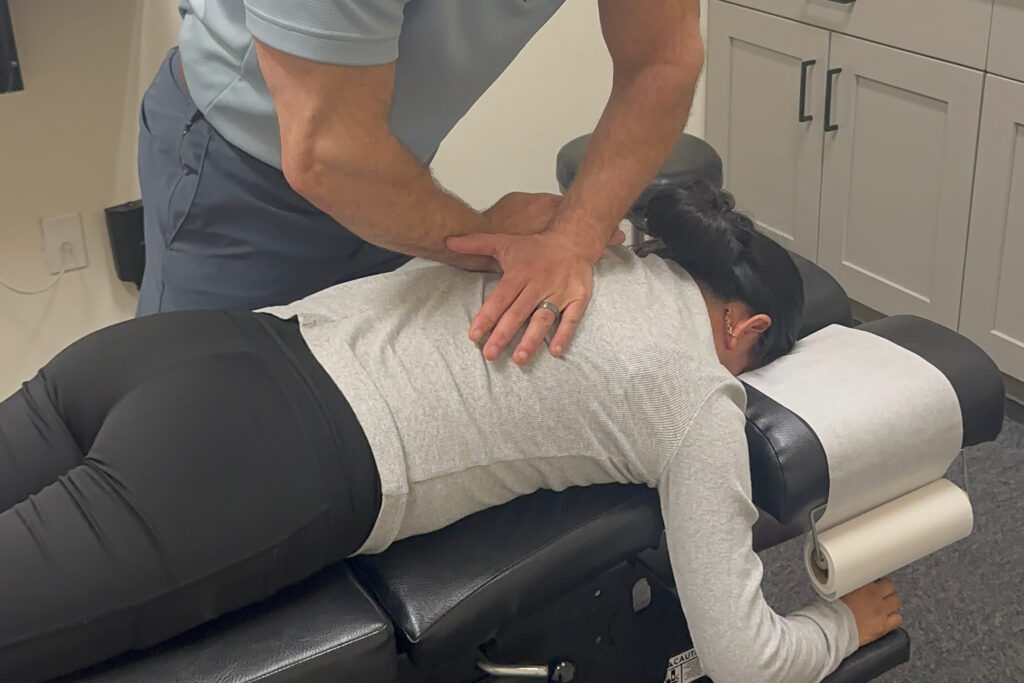
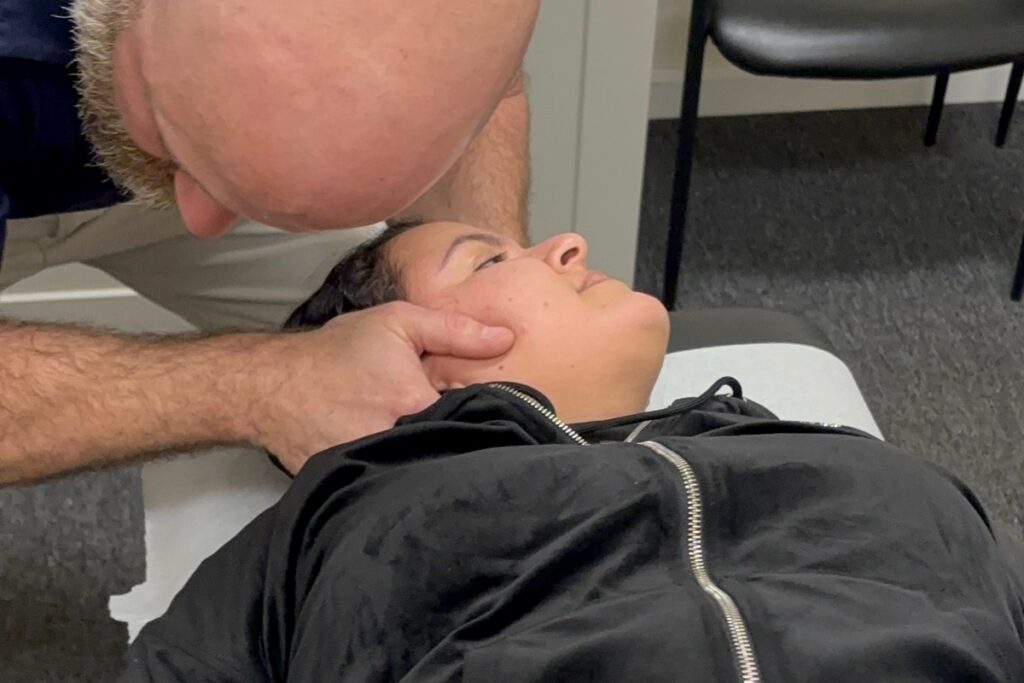
Additionally, chiropractic care can be a powerful ally in your journey to find relief. Through spinal adjustments and other manual therapies, we aim to alleviate tension in the neck and spine, which can often contribute to migraine pain.
We also encourage our patients to consider alternative therapies such as acupuncture, massage, and relaxation techniques. Each person is unique, and what works best can vary widely. By exploring these options together, we can tailor a holistic approach that suits your individual needs.
Let’s work together to find the strategies that can truly make a difference in your experience with migraines. Your well-being is our priority, and we are here to support you on your path to relief.
Understanding Chronic Migraines
Chronic migraines can profoundly impact your quality of life, often making it difficult to go about your daily activities. As a chiropractor, I see many patients who describe experiencing intense, throbbing pain that can last for hours or even days, often accompanied by symptoms like nausea and heightened sensitivity to light or sound.
Unlike occasional headaches, chronic migraines occur 15 or more days a month, which makes it crucial to understand their underlying causes and how we can help manage them.
Every individual is different, and triggers for migraines can vary widely. Common triggers include stress, hormonal fluctuations, and environmental factors. You may discover that certain foods or a lack of sleep exacerbate your condition. By identifying these triggers, we can develop personalized strategies to help manage your migraines effectively.
Moreover, it’s important to recognize that chronic migraines extend beyond just physical pain; they can also have a significant impact on your emotional well-being, potentially leading to anxiety or depression.
As a chiropractor, I focus on holistic approaches to care, helping you not only address the pain but also improve your overall health and emotional balance. By understanding the complexities of chronic migraines, we can work together to explore natural healing methods that might provide relief and improve your quality of life.
Lifestyle Modifications for Migraine Prevention
As a local chiropractor, I want to share how simple lifestyle modifications can significantly help in reducing the frequency and severity of migraines. One of the first steps you can take is to establish a consistent sleep schedule. Aim for seven to eight hours of restorative sleep each night, going to bed and waking up at the same time every day. Quality sleep is essential for overall health and can play a vital role in migraine management.
Incorporating regular exercise into your routine is another effective strategy. Aim for at least 30 minutes of moderate physical activity most days of the week. Exercise not only helps relieve stress and tension but also promotes better spinal health, which can be beneficial for those prone to migraines.
Managing stress is crucial for migraine prevention. I recommend exploring relaxation techniques such as yoga, meditation, or deep breathing exercises. These practices can help calm the nervous system and reduce muscle tension, which may contribute to migraine onset.
Staying well-hydrated is also important. Make sure you drink plenty of water throughout the day to avoid dehydration, a common trigger for migraines.
Lastly, keeping a headache diary can be a powerful tool in identifying your specific migraine triggers. By noting when your migraines occur and any potential contributing factors, you can start to notice patterns and make informed lifestyle adjustments.
Dietary Adjustments to Alleviate Symptoms
As a local chiropractor, I want to emphasize the importance of nutrition in managing chronic migraines.
What you eat can significantly impact your symptoms. By identifying potential trigger foods, ensuring you stay well-hydrated, and choosing nutrient-rich options, you can work towards alleviating your discomfort.
Let’s delve into how these dietary adjustments can lead to a more natural and effective relief from migraines, complementing the chiropractic care we provide for your overall well-being.
Trigger Foods to Avoid
As a local chiropractor dedicated to natural healing, I want to share some insights on how identifying and avoiding certain foods can help manage migraine attacks.
Many patients are surprised to learn that common triggers can include aged cheeses, processed meats, and foods that contain MSG. Additionally, chocolate, caffeine, and alcohol are often linked to increased migraine symptoms.
To better understand your unique triggers, I recommend keeping a food diary. By tracking what you eat alongside your migraine occurrences, you can pinpoint which foods may be contributing to your discomfort.
Once you identify these problematic foods, it becomes much easier to make the necessary adjustments to your diet.
I encourage you to focus on incorporating fresh, whole foods into your meals. These options are less likely to contain the additives that can trigger migraines.
It’s important to remember that everyone’s triggers can be different; what affects one person may not affect another.
By staying vigilant and making mindful choices, you can take significant steps toward managing your migraines naturally.
If you have any questions or need guidance, feel free to reach out during your next visit. Your path to wellness is our priority!
Hydration and Migraine Relief
As a local chiropractor, I often emphasize the importance of staying properly hydrated, especially for those who suffer from migraines. Many people may not realize that dehydration can lead to headaches, making it crucial to ensure you’re drinking enough fluids throughout the day.
I recommend aiming for at least eight glasses of water daily, but remember to adjust this based on your activity level and the climate you live in. Incorporating herbal teas or electrolyte-rich drinks can also enhance your hydration efforts.
It’s important to be aware of signs of dehydration, such as a dry mouth or fatigue, and to address these symptoms promptly.
To make staying hydrated easier, consider carrying a water bottle with you and setting reminders on your phone to drink regularly. By prioritizing hydration, not only can you help alleviate migraine symptoms, but you may also reduce the frequency and intensity of your headaches.
This simple practice can pave the way for a more manageable and healthier life, complementing the natural healing approaches we promote in chiropractic care.
Nutrient-Rich Food Choices
As a local chiropractor, I want to emphasize that managing migraines involves more than just addressing the spine; your overall health, including your diet, plays a crucial role. Proper hydration is important, but let’s talk about how the food you eat can impact the frequency and severity of migraines.
I recommend focusing on nutrient-rich foods that support your body’s natural healing processes. Leafy greens, like spinach and kale, are packed with essential vitamins and minerals that can be beneficial for your overall well-being. Incorporating omega-3 fatty acids from fatty fish, such as salmon, is also important, as they can help reduce inflammation which is often linked to migraine triggers.
Whole grains and lean proteins are great additions to your diet as they provide steady energy levels throughout the day. On the other hand, it’s wise to limit processed foods, caffeine, and artificial sweeteners, as these can sometimes act as triggers for headaches.
Eating small, balanced meals regularly can help stabilize your blood sugar levels, which is another key factor in managing migraines. By prioritizing a diet rich in nutrients, you may find significant relief from your migraine symptoms.
Mindfulness and Stress Management Techniques
As a local chiropractor, I often see patients who are struggling with chronic migraines and may feel overwhelmed by their symptoms. It’s important to know that there are natural healing methods that can help alleviate these issues, and incorporating mindfulness and stress management techniques into your routine can be especially beneficial.
One of the simplest yet effective methods is practicing deep breathing exercises. These exercises can help calm your nervous system and reduce muscle tension, which is often a contributing factor to migraines. I encourage you to set aside a few minutes each day to focus on your breath—inhale deeply through your nose, hold for a moment, and then exhale slowly through your mouth.
Meditation is another powerful tool that can be very helpful. Just dedicating ten minutes a day to sit quietly and focus your mind can enhance your ability to cope with pain and stress. It’s a practice that can create a sense of peace and clarity, which is beneficial for overall wellness.
In addition, yoga or gentle stretching can work wonders for releasing physical tension in the body. These practices promote relaxation and can significantly improve your overall well-being, which may help reduce the frequency and intensity of migraines.
I also recommend journaling as a way to express your feelings and identify potential migraine triggers. Writing down your thoughts can help you become more aware of patterns and stressors in your life.
Lastly, don’t underestimate the importance of making time for enjoyable activities and nurturing social connections. Engaging in things you love and spending time with supportive friends and family can greatly enhance your mood and help reduce stress levels.
Physical Therapies for Pain Relief
As a local chiropractor, I want to share how physical therapies can play a crucial role in managing chronic migraines. Many people are unaware that these therapies can address the underlying causes of pain rather than just masking the symptoms.
For instance, techniques such as massage therapy can be incredibly effective in reducing muscle tension, which is often a significant trigger for migraines. Regular massage sessions not only help alleviate discomfort but also improve blood circulation and promote relaxation, giving you much-needed relief.
In our practice, we focus on physical therapy exercises specifically tailored to your needs. Strengthening the neck and shoulder muscles can greatly improve your posture, which in turn reduces strain that may lead to migraines.
We also incorporate stretching and strengthening routines to enhance your flexibility and ease the tension that contributes to migraine onset.
Additionally, we often recommend practices like acupuncture as part of our holistic approach. Acupuncture can stimulate specific points on the body that may help alleviate pain and promote overall wellness.
By integrating these therapies into your routine, you can address immediate discomfort while also empowering yourself to manage your migraines more effectively.
Alternative Treatments and Natural Remedies
As a local chiropractor dedicated to your health and well-being, I want to share some insights on how alternative treatments and natural remedies can complement your approach to managing chronic migraines.
Many of my patients have found that acupuncture, a practice rooted in traditional Chinese medicine, can be beneficial. It involves stimulating specific points on the body to promote relaxation and alleviate pain, making it a valuable tool in your migraine relief arsenal.
Moreover, herbal supplements such as butterbur and feverfew have shown potential in research for reducing the frequency of migraines. These natural options can be a great addition to your wellness routine.
Essential oils are another wonderful resource. Oils like peppermint and lavender can be soothing; simply inhaling their aromas or applying diluted versions to your temples can help ease tension and discomfort.
Incorporating regular yoga and mindfulness practices into your life can also bolster your overall health, significantly reducing stress, which is a well-known trigger for migraines.
Don’t forget how crucial hydration and nutrition are to your migraine management. Staying well-hydrated and following a balanced diet can have a significant impact on your experience with migraines.
Before trying any new treatments, I always encourage my patients to consult with their healthcare provider to ensure these approaches align with their overall health strategy. Together, we can work towards finding a holistic approach that suits you best!
Building a Support System for Migraine Management
As a local chiropractor, I want to emphasize the importance of building a robust support system to effectively manage chronic migraines. Surrounding yourself with understanding friends and family can provide emotional comfort during difficult times. It’s essential to communicate openly with them about your experiences and symptoms; this helps them understand your condition better and enables them to offer appropriate support.
In addition to your personal connections, I encourage you to consider joining a local or online support group. These communities can be invaluable for those facing similar challenges. You can exchange insights, coping strategies, and feel a sense of belonging, which can be incredibly beneficial for your overall well-being.
Don’t overlook the role of healthcare professionals in your journey toward relief. As a chiropractor, I can work with you to develop a tailored approach to managing your migraines. This may include spinal adjustments, lifestyle recommendations, and natural healing techniques that aim to alleviate your symptoms and improve your quality of life.
Lastly, maintaining open communication is key. Regularly updating your support system about your migraine triggers, treatments, and progress can foster understanding and empathy, making it easier for them to assist you when you need it most.
Conclusion
As a local chiropractor, I want to share some effective relief strategies that can significantly help in managing your chronic migraines. By emphasizing lifestyle adjustments, mindfulness techniques, and alternative therapies, you can take charge of your health and potentially reduce both the frequency and intensity of your migraines.
Chiropractic care, in particular, focuses on aligning your spine and improving nervous system function, which can play a crucial role in alleviating migraine symptoms. Additionally, incorporating mindfulness practices such as meditation or yoga can help you manage stress, a common trigger for migraines.
Building a supportive network, including professionals like chiropractors, can further enhance your journey toward relief. Don’t forget to explore natural remedies as well, which can complement your treatment plan. Remember to stay proactive, listen to your body, and seek professional guidance whenever needed. Together, we can work toward a brighter, migraine-free future. You’ve got this!